Support

Shivamogga

About

Shivamogga, often affectionately known as the Gateway to Malnad, is a picturesque city nestled in the central part of the state of Karnataka. Resting on the fertile banks of the Tunga River, this destination is renowned for its lush green landscapes, rolling hills, and abundant areca nut plantations. It serves as a perfect blend of cultural heritage and natural beauty, offering a serene escape for travelers exploring India.
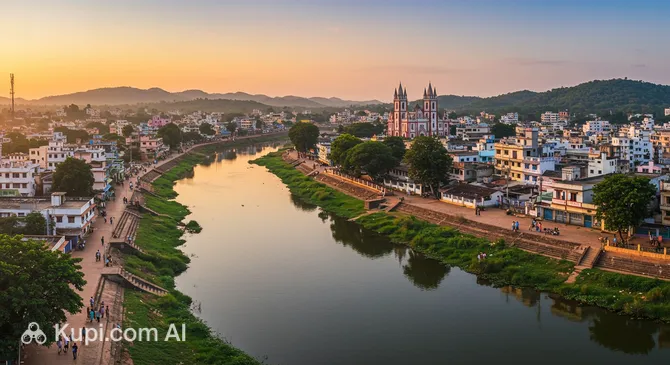
Shivamogga. Source: Kupi.Binoculars

With a population of approximately 322,000 residents, the city maintains a lively yet welcoming atmosphere. The region enjoys a tropical climate, characterized by pleasant winters and a vibrant monsoon season that brings the surrounding nature to life. Visitors interested in the past can delve into the rich history of Shivamogga, which was once a significant stronghold of the illustrious Keladi Nayaka dynasty.

Nature enthusiasts and adventure seekers will find plenty to admire here. The city is the ideal base for visiting the majestic Jog Falls, one of the highest waterfalls in the country, located nearby. Within the city limits, the Shivappa Nayaka Palace stands as an architectural marvel constructed from rosewood, while the Sakrebailu Elephant Camp offers a unique opportunity to observe and interact with gentle giants in their natural habitat.

Whether you are seeking spiritual solace at ancient temples or looking to immerse yourself in the tranquility of the Western Ghats, Shivamogga promises a memorable experience. It is a destination that invites you to slow down, breathe in the fresh air, and discover the hidden gems of this verdant region.
Weather Overview

Shivamogga experiences a tropical climate that shifts distinctly between dry winters and a vigorous monsoon season. Understanding the seasonal patterns is key to planning a comfortable trip to this lush region of Karnataka. Generally, you can expect warm summers with rising humidity and cool, dry winters that are ideal for outdoor activities.

The most pleasant time to explore is typically from December to February. During these months, the weather in Shivamogga is mild, with average temperatures sitting around 23.5°C to 25.0°C. January is often the coolest month, where nighttime temperatures can drop to a refreshing 17.5°C, while days remain sunny and dry with virtually no rainfall.

As the season transitions into summer, temperatures climb steadily. April is usually the hottest month, with average highs reaching 34.5°C. Following the heat, the monsoon arrives in June, bringing a dramatic change to the landscape. The period from June to September is characterized by very frequent showers; July is particularly wet, recording rain on 30 days of the month, transforming the surroundings into a vibrant green paradise.

Interesting Facts

Beyond the main attractions, Shivamogga holds many fascinating secrets that add depth to its scenic beauty. From ancient linguistic traditions to architectural marvels made of rare materials, the city offers a glimpse into a unique cultural heritage.
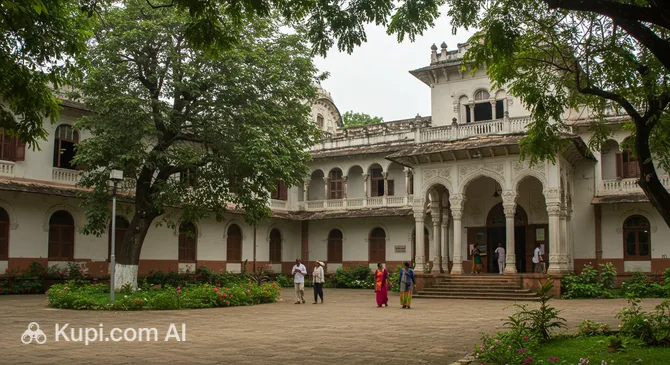
Shivappa Nayaka Palace Museum. Source: Kupi.Binoculars
  • The name "Shivamogga" itself is steeped in legend and linguistic curiosity. It is widely believed to be derived from the phrase "Sihi-Moge," which translates to "Sweet Pot." According to local folklore, a sage named Durvasa drank water from the Tunga River here and found it so sweet that he gave the place this unique name.

  • Just a short distance from the city lies the village of Mattur, which is famous globally for a rare cultural distinction. It is one of the few places in the world where Sanskrit is still used as a primary language for daily communication, preserving an ancient tradition in modern times.

  • The Shivappa Nayaka Palace Museum is an exceptional example of vernacular architecture. Unlike many stone fortresses of its time, this 17th-century structure is predominantly constructed from rosewood, showcasing the intricate woodworking skills of the Keladi era.

  • There is a popular saying in Karnataka, "Ganga Snana, Tunga Pana," which asserts that while bathing in the Ganges is purifying, drinking the water of the Tunga River is the sweetest. This proverb highlights the immense pride locals take in the pristine quality of the river that flows through the city.

How to Get There

Reaching this verdant city in Karnataka is becoming increasingly convenient for travelers. Whether you prefer the speed of air travel or the scenic routes by road and rail, there are several options to suit your itinerary. You can find more about how to get to Shivamogga to help plan your journey efficiently.

The most direct way to arrive by air is via the local Shivamogga Airport (RQY). Located just 9 km from the city center, it offers the quickest access to the region. A taxi or shuttle from this airport to the heart of the city typically takes about 35 minutes, making it an excellent choice for those looking to minimize travel time.

Alternatively, travelers often choose Mangalore Airport (IXE), which is situated in the city of Mangalore, approximately 130 km away. As a larger hub with significant passenger traffic, it may offer more flight connections. The journey from Mangalore to Shivamogga by road is a scenic drive through the Ghats, taking roughly 3.5 to 4 hours by taxi or bus.

Another viable option is Hubli Airport (HBX), located in Hubli-Dharwad, about 167 km from Shivamogga. While it is a bit further out, requiring a drive of approximately 4.5 hours, it serves as a good alternative gateway to the region for travelers coming from certain destinations.

For clarity, here is a summary of the main airports:

Airport Name City Passenger Traffic Km from City
Mangalore Airport Mangalore High 129.9
Kannur International Airport Kannur Medium 222.7
Hubli Airport Hubli-Dharwad Medium 166.8
Shivamogga Airport Shivamogga Small 9.0
Jindal Vijaynagar Vidyanagar Small 179.3

Traveling by train is another popular and comfortable way to reach Shivamogga. The city is well-connected to the state capital, Bengaluru, as well as other major cities like Mysore. The Shivamogga Town Railway Station serves as the main railhead, welcoming several express and passenger trains daily. The rail journey offers beautiful views of the Karnataka countryside, making it a favorite among those who enjoy a slower, more picturesque pace of travel.

Main Attractions

Exploring Shivamogga offers a delightful mix of historical depth, architectural grandeur, and serene green spaces. The city's attractions provide a window into its rich cultural past while offering modern comforts and recreational spots for visitors of all ages.

One of the most significant landmarks is the Shivappa Nayaka Palace Museum. While the building itself is a stunning example of 17th-century Keladi architecture, the museum inside is equally captivating. It houses a remarkable collection of stone sculptures, ancient inscriptions, and artifacts that trace the region's history. Tourists are often fascinated by the well-preserved weapons and the beautiful garden that surrounds the main structure, making it a peaceful retreat in the heart of the city.

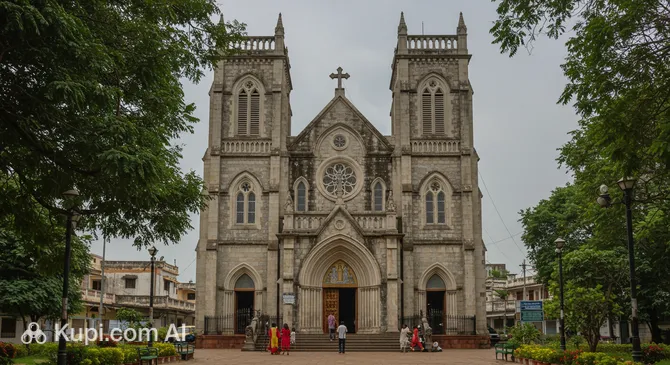
For those who appreciate religious architecture, the Sacred Heart Cathedral, Shivamogga is a must-visit. This imposing structure is reputed to be the second-largest church in India, covering a massive area of 18,000 square feet. Its design features a blend of Roman and Gothic styles, with a spacious prayer hall that can accommodate thousands of worshippers. The cathedral's grandeur and the statue of Jesus Christ are particularly striking, drawing visitors from various faiths to admire its beauty.

Sacred Heart Cathedral, Shivamogga. Source: Kupi.Binoculars

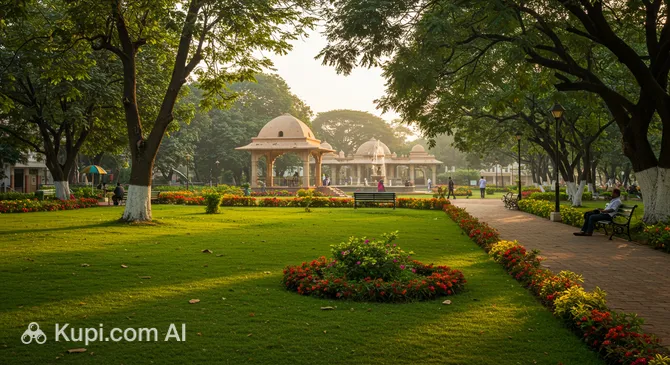
Nature lovers and families will find Gandhi Park to be the perfect spot for relaxation. This sprawling park acts as the green lung of the city, offering lush lawns, jogging tracks, and a variety of flowering plants. It is especially popular among children for its toy train ride and aquarium. Whether you want to enjoy a quiet picnic or take a leisurely evening stroll, the park provides a refreshing escape from the urban hustle.

Gandhi Park. Source: Kupi.Binoculars

Another key location that defines the city's identity is the Shivappa Nayaka Circle. Situated at a bustling intersection, this landmark features a statue of the city's founder, Shivappa Nayaka. It serves as a central point of orientation for tourists and a proud symbol of local heritage. The area around the circle is lively, often serving as a starting point for exploring the local markets and experiencing the daily rhythm of Shivamogga.

Local Cuisine

The culinary landscape of Shivamogga is a delightful reflection of the Malnad region's rich heritage, characterized by the use of fresh local ingredients like rice, coconut, and spices. A quintessential breakfast dish to try here is Akki Rotti, a flavorful rice flour flatbread often spiced with onions, chilies, and herbs, served alongside fresh coconut chutney. Another favorite is Neer Dosa, a soft, thin crepe made from rice batter that pairs perfectly with vegetable sagu or spicy curries.

No gastronomic tour of the city is complete without tasting the region's famous pickles. The Midigayi Uppinakai, made from tender whole mangoes unique to this area, is a spicy and tangy condiment that holds a special place in local households. For those with a sweet tooth or a love for unique textures, Halasina Hannina Kadubu is a must-try; these are steamed dumplings made from jackfruit pulp, offering a distinct taste of the season.

When it comes to beverages, the aroma of freshly brewed Filter Coffee wafts through the air, serving as the daily fuel for locals. For a healthier, caffeine-free alternative, you can sip on Kashaya, a traditional herbal decoction believed to have immunity-boosting properties. If you are looking for a place to unwind in the evening with a refreshing drink and a view, the Hive Sky Bar Lounge offers a modern atmosphere to enjoy both alcoholic and non-alcoholic beverages.

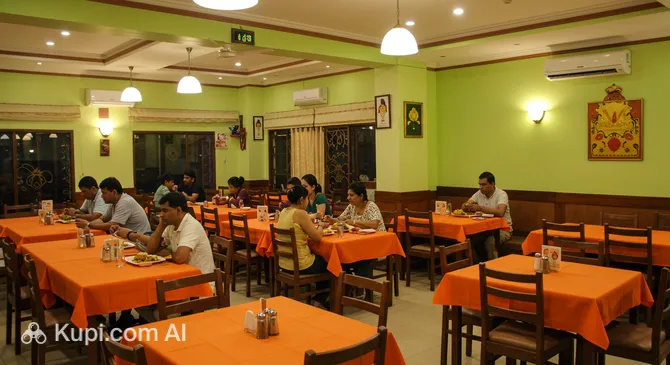
The food culture in Shivamogga is vibrant and diverse, ranging from humble street stalls to comfortable family restaurants. In the evenings, locals flock to street corners to enjoy Mandakki, a spiced puffed rice snack often mixed with vegetables and served with mirchi bajji (chili fritters). For travelers seeking a reliable dining experience that captures the essence of local hospitality, Hotel Shubham is a popular choice known for serving delicious vegetarian meals that leave you satisfied.

Hotel Shubham. Source: Kupi.Binoculars

Travel Tips

Welcome to Shivamogga, the verdant heart of Karnataka! To help you navigate this charming city and its lush surroundings with ease, we have compiled a list of essential practical tips. Whether you are here for the waterfalls or the temples, keeping these suggestions in mind will ensure your journey is as smooth and enjoyable as possible.

  1. Clothing and Gear: Since the weather is generally warm and humid, pack light, breathable cotton clothing to stay comfortable. If you are visiting during the monsoon season (June to September), a sturdy raincoat or umbrella and waterproof footwear are absolute necessities. When visiting religious sites like the Sacred Heart Cathedral or local temples, dress modestly by covering your shoulders and knees. Slip-on shoes are highly recommended as you will need to remove them frequently at sacred places.
  2. Transportation: Within the city, auto-rickshaws are the most convenient mode of transport for short distances. While many drivers use meters, it is wise to confirm the fare or agree on a price before starting your ride. For visiting nearby attractions like Jog Falls or the Elephant Camp, hiring a private taxi for the day or using the reliable KSRTC government buses from the main bus stand is the best option.
  3. Finances: The local currency is the Indian Rupee (INR). While credit and debit cards are accepted at major hotels and restaurants, smaller shops and local eateries often prefer cash. ATMs are plentiful in the city center, but it is a good idea to carry small denominations for auto-rickshaws and street vendors. Tipping is appreciated but not mandatory; rounding up the bill or leaving a small amount is standard practice.
  4. Health and Safety: Shivamogga is generally a safe city for tourists. However, due to the lush greenery and proximity to the river, mosquitoes can be active, especially in the evenings; carrying a good mosquito repellent is essential. Stick to drinking bottled or filtered water and avoid tap water. Pharmacies are widely available, and the McGann Hospital is a well-known landmark for medical emergencies.
  5. Communication: The primary language spoken is Kannada. While staff at hotels and major tourist spots usually understand English, learning a few local phrases like "Namaskara" (Hello) and "Dhanyavada" (Thank you) will go a long way in connecting with the locals. Prepaid SIM cards are easy to purchase with a passport and visa copy, ensuring you stay connected.
  6. Local Etiquette: Politeness is highly valued here. Always use your right hand when giving or receiving money, food, or gifts, as using the left hand is considered impolite. Before entering a home or a place of worship, always look for a shoe rack and remove your footwear. A simple nod or a "Namaste" with folded hands is a respectful way to greet people.
  7. What to Avoid: Avoid public displays of affection, as the local culture is somewhat conservative. Also, refrain from taking photographs inside the inner sanctums of temples unless explicitly permitted, as this can be seen as disrespectful to religious sentiments.
  8. Early Bird Advantage: If you plan to visit the Sakrebailu Elephant Camp, aim to reach there by 8:30 AM. This is when the elephants are brought to the river for a bath, offering a unique opportunity for interaction before they are released into the forest for grazing later in the morning.

By following these simple guidelines, you will be well-prepared to embrace the natural beauty and cultural warmth of Shivamogga. We hope these tips help you create unforgettable memories in this gateway to the majestic Malnad region!

Entertainment & Nightlife

While Shivamogga is primarily known for its natural beauty and cultural heritage, the city offers a relaxed and inviting atmosphere after the sun sets. Unlike the high-energy nightlife of India's major metropolitan hubs, the evening scene here is more subdued, focusing on social dining, cozy lounges, and family-friendly entertainment. The nightlife is centered around enjoying good company, delicious food, and the pleasant evening breeze that the Malnad region is famous for.

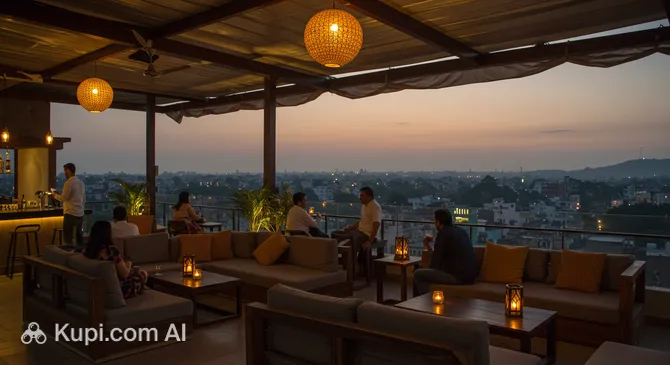
For those looking to unwind with a beverage and a view, the Hive Sky Bar Lounge is a standout destination. It offers a modern ambiance that contrasts with the city's traditional charm, making it a popular spot for both locals and tourists. Here, you can enjoy a range of cocktails and mocktails while soaking in the cityscape from an elevated vantage point. The venue typically features a mix of contemporary music, creating a lively yet comfortable environment for conversation.

Hive Sky Bar Lounge. Source: Kupi.Binoculars

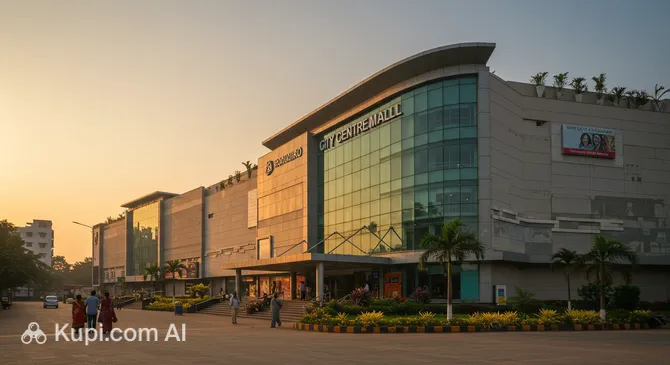
If you prefer a mix of shopping, entertainment, and dining under one roof, the City Centre Mall is the place to be. As the sun goes down, this mall becomes a bustling hub of activity. Visitors can catch the latest Bollywood or regional Kannada movies at the multiplex cinema, browse through various retail stores, or enjoy a quick bite at the food court. It serves as a convenient and safe location for families and groups of friends to spend their evenings.

City Centre Mall. Source: Kupi.Binoculars

Shopping enthusiasts might also find interest in specialized stores that remain open into the evening. For instance, Sulthan Watches is a well-known establishment for those looking to browse premium timepieces. The bustling streets around B.H. Road and Nehru Road are also lively in the evenings, lined with shops and eateries that stay open until around 10:00 PM or 10:30 PM.

When planning a night out, it is important to note that Shivamogga is an early-to-bed city. Most bars, restaurants, and shops wind down by 11:00 PM. The atmosphere is generally casual, so there is no strict dress code for most venues, though smart-casual attire is recommended for lounges. In terms of safety, the main commercial areas are well-lit and secure for evening walks. Auto-rickshaws are the most reliable way to get around at night; however, it is advisable to arrange your return transport in advance if you plan to stay out late, as availability decreases after 10:00 PM.

During the daytime, entertainment options shift towards cultural and recreational activities. Apart from the historical sites, visitors can explore local single-screen theaters that offer a nostalgic cinema experience or visit the city's parks. Cultural programs are occasionally held at town halls or community centers, showcasing traditional music and dance, which provide a deeper insight into the artistic soul of the region.

Parks & Museums

Shivamogga is a city where urban life seamlessly coexists with nature conservation, evident in its well-maintained parks and heritage centers. The city's commitment to greenery is best experienced at Gandhi Park. As the oldest and largest park in the area, it provides a sprawling canopy of trees and manicured lawns, offering a quick and accessible escape for residents and tourists seeking tranquility within the city limits.

History buffs will find great value in visiting the Shivappa Nayaka Palace Museum. While the building itself is an architectural landmark, its function as a museum is equally important. It houses an impressive array of archaeological finds, including sculptures and inscriptions from the Keladi period, serving as a custodian of the region's cultural past and offering deep insights into the local dynasty's contributions.

For a more immersive encounter with the wild, the Tyavarekoppa Lion and Tiger Safari is a must-visit destination located just outside the city. Established to rehabilitate big cats, this reserve offers a safari experience where visitors can safely observe lions, tigers, and leopards roaming in spacious, open zones. The facility operates with a focus on conservation, allowing these majestic animals to live in a semi-wild environment while providing an educational adventure for wildlife enthusiasts.

Equally captivating is the Sakrebailu Elephant Camp, situated roughly 14 kilometers from Shivamogga. This eco-tourism spot is famous for its intimate setting along the Tunga River and its ethical approach to animal care. Early risers are rewarded with the sight of elephants being bathed in the river, a playful and serene spectacle. The camp allows for close observation of these gentle giants as they interact with their mahouts, providing a unique perspective on wildlife management in Karnataka.

Getting Around

Navigating Shivamogga is relatively straightforward, as the city relies primarily on a robust network of road-based transportation. Unlike larger metropolitan hubs, there is no metro or tram system here. Instead, the public transport infrastructure is built around a combination of government-operated buses, private buses, and the ever-present auto-rickshaws, which collectively ensure connectivity across the city and its expanding suburbs.

The backbone of the local transit system is the bus service managed by the Karnataka State Road Transport Corporation (KSRTC), alongside various private operators. These buses are frequent, affordable, and cover most major routes, connecting residential areas with key commercial hubs, the railway station, and the main bus terminals. For tourists, the city buses are a reliable way to reach popular spots on the outskirts. The main private bus stand and the KSRTC bus stand are major landmarks themselves, bustling with activity from early morning until late at night.

For shorter distances or "last-mile" connectivity, auto-rickshaws are the most convenient and popular option. You will see these three-wheeled vehicles, typically painted black and yellow, buzzing through every street. They are ideal for navigating the city's narrower lanes where buses might not frequent. While some drivers use meters, it is common practice to negotiate a fare before the journey begins or ask for a fixed rate to popular destinations. Hailing one off the street is the standard way to travel, and they are available at almost every corner.

When it comes to payment, cash is the undisputed king of the transport system in Shivamogga. There are no integrated travel cards or digital passes for tourists. Tickets for bus rides are purchased directly from the conductor on board; simply state your destination, and you will be issued a paper ticket. It is highly advisable to carry small denominations of the local currency, as conductors and drivers may not always have change for large bills. While digital payment apps are gaining popularity in shops, cash remains the most reliable method for transit.

Public transport generally operates from around 6:00 AM to 10:00 PM. Regarding modern conveniences, travelers should note that while ride-hailing apps do exist in the region, their availability for local intra-city trips can be quite limited and unreliable compared to bigger cities. Drivers may be scarce, and wait times can be unpredictable. Therefore, for a dependable commute—especially if you are traveling with luggage or have a tight schedule—it is strongly advised to rely on auto-rickshaws or to book a private taxi directly through your hotel or a designated taxi stand.

Accommodation

Shivamogga offers a modest but comfortable range of accommodation options that cater primarily to budget and mid-range travelers. While the city does not have a high concentration of ultra-luxury international hotel chains, visitors will find a good selection of clean and functional lodges, business hotels, and homestays. For those seeking a more scenic experience, there are several resorts and nature stays located on the outskirts of the city, offering a peaceful retreat amidst the lush greenery of the Malnad region.

For convenience, most tourists prefer to stay near the city center, particularly around the B.H. Road and the areas surrounding the KSRTC bus stand and the railway station. staying in this central zone ensures easy access to local transport, restaurants, and markets. It serves as an excellent base for day trips to nearby attractions like Jog Falls or the Elephant Camp. Alternatively, if you have a private vehicle and prefer tranquility, looking for accommodation along the Tunga River or near the suburban green belts can provide a more relaxing atmosphere.

Prices in Shivamogga are generally quite affordable compared to major metropolitan cities in India. Budget travelers can find decent rooms at very reasonable rates, while mid-range hotels offer amenities like air conditioning and in-house dining for a slightly higher price. Booking is fairly straightforward; while major properties are listed on popular online travel platforms, many smaller lodges and homestays still operate effectively through direct phone bookings. It is advisable to book your accommodation in advance, especially if you are visiting during the winter months or the wedding season, as good rooms can fill up quickly.

Nearby Cities

For those looking to explore the surroundings, Shivamogga serves as an excellent base for day trips to several interesting nearby locations. The region is dotted with towns that offer a mix of historical significance, industrial heritage, and natural beauty.

One of the most prominent neighbors is Bhadravati, located just a short drive away. Known primarily as an industrial hub due to its steel and paper mills, it also holds significant cultural value. Visitors are often drawn to the exquisite Lakshmi Narasimha Temple, a fine example of 13th-century Hoysala architecture with intricate carvings. Additionally, the Bhadra Dam provides a scenic spot for picnics and offers a chance to see the engineering that supports the region's agriculture.

Another noteworthy destination is Channagiri, situated about 40 kilometers from the city. This town is famous for the historic Channagiri Fort, which sits atop a hill and offers panoramic views of the surrounding plains. The fort, associated with the Keladi Nayaka dynasty, is a great spot for history enthusiasts and those willing to undertake a light trek to enjoy the fresh air and commanding vantage points.

The town of Tarikere serves as another gateway to the Malnad region's hills. While often a transit point for travelers heading to the hill station of Kemmangundi, the town itself offers a glimpse into the local lifestyle and serves as a commercial center for the surrounding coffee and areca nut plantations.

City Population Distance (km)
Bhadravati 212,073 19
Tarikere 35,942 36
Birur 29,966 57
Malebennur 27,023 50
Channagiri 24,435 40

These nearby destinations offer a glimpse into the diverse culture and landscapes of the region, making them perfect additions to your itinerary.

Shopping & Souvenirs

Shopping in Shivamogga offers a delightful balance between traditional charm and modern convenience. While the city is not a massive fashion capital, it serves as a commercial hub for the Malnad region, making it an excellent place to discover authentic local flavors and craftsmanship. Visitors can explore bustling street markets filled with the aroma of fresh spices or visit contemporary complexes for branded goods and everyday necessities.

The commercial heart of the city beats along B.H. Road (Bangalore-Honnavar Road) and Nehru Road. These thoroughfares are lined with a diverse array of shops selling textiles, jewelry, and electronics, catering to both locals and tourists. The area around Shivappa Nayaka Circle is particularly lively, serving as a central junction from where you can dive into the city's various shopping districts. It is a great place to witness the local hustle and bustle while browsing for clothing and traditional items.

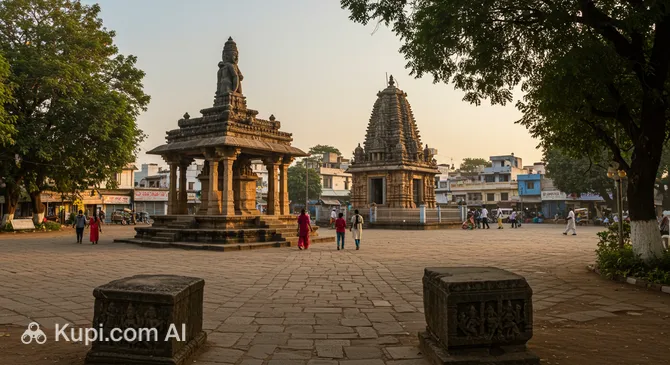
Shivappa Nayaka Circle. Source: Kupi.Binoculars

For a more comfortable and modern shopping environment, the City Centre Mall is the primary destination. It houses a variety of national and international brands, making it suitable for those looking for apparel, footwear, and lifestyle products. If you are interested in premium accessories or looking for a specific gift, Sulthan Watches is a well-known establishment in the city worth visiting for its extensive collection of timepieces.

Sulthan Watches. Source: Kupi.Binoculars

To truly experience the local culture, a visit to Gandhi Bazaar is indispensable. This traditional market is a sensory delight, overflowing with fresh vegetables, vibrant flowers, and regional produce. It is the best place to interact with local vendors and see the agricultural bounty of Karnataka firsthand. The market comes alive in the mornings and evenings, offering a colorful glimpse into the daily life of the residents.

When looking for souvenirs, focus on the agricultural strengths of the region. Shivamogga is famous for its high-quality spices, particularly black pepper, cardamom, and cloves, which make for excellent gifts. Coffee powder from the nearby plantations is another popular purchase for visitors. Additionally, the state of Karnataka is renowned for its exquisite sandalwood and rosewood carvings, which can be found in specialized handicraft shops around the city center.

Most shops in the city operate from approximately 10:00 AM to 9:00 PM, although some smaller establishments may close for a short afternoon break. While the mall and larger showrooms readily accept credit cards and digital payments, cash is still the preferred mode of transaction in street markets like Gandhi Bazaar and smaller stalls. Tourists should note that tax-free shopping or VAT refund schemes are generally not available in Shivamogga.

Reached the end of the page?

That means the route is fully explored