Support

Shivappa Nayaka Circle

About

When traveling through the southern states, you will likely notice how deeply the locals honor their history. In the very heart of Shivamogga, located in India, lies the Shivappa Nayaka Circle—an important traffic junction and a significant cultural heritage monument of the Karnataka region.
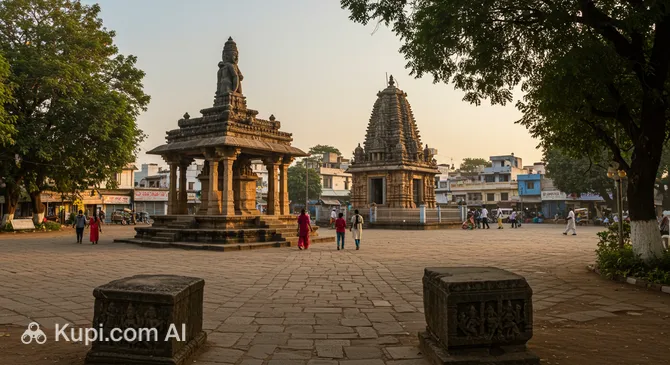
Shivappa Nayaka Circle
Shivappa Nayaka Circle. Иллюстрация. Источник: Kupi.com AI

This landmark is a circular plaza with a majestic statue of the prominent ruler of the Keladi dynasty, Shivappa Nayaka, at its center. The location serves as a key landmark for tourists and residents alike, connecting the Gandhi Bazar trading quarters and the historical districts of the city. Thanks to its high rating among visitors, the circle has become a popular spot for short stops during excursions.

The Tunga River flows near the junction, and just a few minutes' walk away is a magnificent 17th-century wooden palace, now converted into a museum. Visiting this place allows you not only to see the modern rhythm of the city but also to touch the eras of Chalukya and Hoysala through the artifacts kept in the vicinity.

Contacts

For convenient navigation and trip planning, you can use the contact details of this key city landmark.

How to contactContact
AddressBH Rd, Gandhi Bazar, Durgigudi, Shivamogga, Karnataka 577201, India

What to Do

Once you are at this famous circle, be sure to take time to see the statue of the ruler, which provides an excellent backdrop for colorful city photos. Here you can observe the daily life of the locals and feel the dynamics of the city while remaining surrounded by well-kept green islands of safety. It is a wonderful place to experience the atmosphere of Shivamogga before heading to the quieter attractions.

Just a few minutes' walk away is the Shivappa Nayaka Palace, where you should visit the Durbar Hall with its massive carved columns. Inside the museum, you will find unique collections of ancient coins, weapons, and sculptures, such as a 16th-century Gajalakshmi. A walk through the palace grounds will allow you to see "hero stones" and enjoy the peace of the shady gardens.

For those who prefer natural views, a walk along the bank of the Tunga River, which flows nearby, is a good option. Here you can take panoramic photos or simply relax from the city bustle. If you are lucky enough to meet a local guide, be sure to listen to the story of how these places are connected with the great Maratha rulers—such stories make the visit truly come alive.

Getting There

Finding this important landmark is easy, as it is located in the heart of the city on the busy BH Road. The simplest and most comfortable way to get here is by taxi or a traditional Indian auto-rickshaw, which operate on all major streets.

If you are planning a trip from Bengaluru, experienced travelers suggest driving through the city rather than using the bypass. After crossing the bridge over the Tunga River, simply turn left onto Fort Road—the circle and the nearby palace are just a kilometer away. From the Shivamogga Railway Station or the local airport, the taxi ride takes about 20–30 minutes, depending on traffic density.

The Gandhi Bazar area is located right next to the site, serving as a hub for many public transport stops. Buses and rickshaws stop just a few steps away, making it one of the most accessible points for tourists.

Ближайший город: Shivamogga

History & Facts

This site is named after Keladi Shivappa Nayaka (1618–1663), a prominent ruler of the Ikkeri kingdom. He became famous as a talented military leader who drove the Portuguese out of key coastal forts, and as a wise reformer. It was he who introduced the unique "Sist" taxation system, which was based on a careful classification of lands according to their fertility and type of irrigation.

Interestingly, Shivappa Nayaka was not only a warrior but also a generous patron of the arts. His reign is often called the golden age of the region. There is a legend about his exceptional fairness: it is said that he hired a simple Brahmin who was collecting unofficial tolls at the city gates, recognizing administrative talent in him rather than criminal intent.

The circle itself and the statue installed on it symbolize historical continuity. The nearby palace of the same name was built of redwood in the 17th century and served as the residence of the rulers. Today, this architectural complex, along with the surrounding areas, is protected by the Archaeological Survey of India, serving as a reminder of the times when Shivamogga was the center of a powerful empire.

Time Needed

Tourists usually need 30 to 60 minutes to see the circle itself, the monument, and take some photos. This is quite enough if you are using the site as a waypoint on your city route.

However, if you decide to combine a visit to this location with a tour of the nearby Shivappa Nayaka Palace and a leisurely walk along the banks of the Tunga River, we recommend setting aside about 1.5–2 hours. This will allow you to explore the museum exhibits without rushing and enjoy the atmosphere of the old city.

Working Hours

Since the attraction is an open city site and a major traffic junction, it is accessible 24 hours a day. You can view the monument and take photos at any time of the day or night that is convenient for you.

Official opening hours confirmed by city services:

  • Monday — Sunday: 24 hours

Круглосуточно

Nearby

Exploring the surroundings of this area will help you better feel the rhythm of the city and see many other iconic places. A walk from the central circle in different directions provides access to historical monuments and important city hubs.

NameDistance
City Centre Mall0.2 km
Sulthan Watches0.2 km
Gandhi Park0.4 km
Sacred Heart Cathedral, Shivamogga0.6 km
Hotel Shubham0.7 km
Shivappa Nayaka Palace Museum0.9 km
Bhimeshwara Temple0.9 km

Reached the end of the page?

That means the route is fully explored