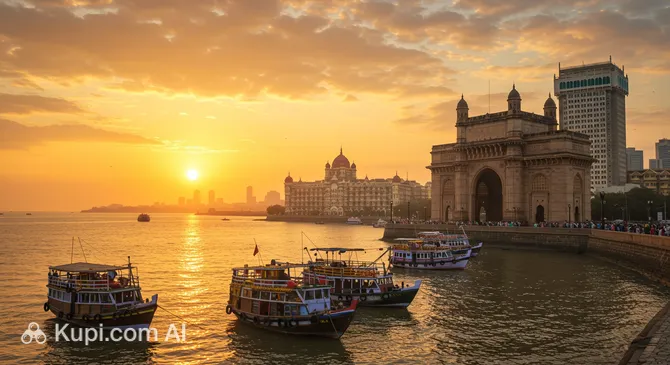
Mumbai is the pulsing heart of India, a city of contrasts where colonial grandeur sits alongside futuristic skyscrapers, and ancient traditions intertwine with the rhythm of a modern metropolis. Located on the western coast of the Arabian Sea, this major financial and cultural hub of the country attracts millions of travelers with its untamed energy and rich heritage.
Geographically, the city spans an area that was once an archipelago of seven islands. Today, Mumbai is home to over 24 million people, making it one of the most populous metropolises in the world. Exploring its streets, you will immerse yourself in an atmosphere where Bollywood magic is born, and the city's history unfolds in Victorian-era architectural masterpieces.
Mumbai. Illustration.
Source: Kupi.com AI
Key highlights of Mumbai include its unique gastronomic scene, ranging from famous street food to fine dining, and iconic landmarks like the Marine Drive promenade or the majestic Gateway of India. The city invites everyone to embark on an unforgettable journey full of discovery and vivid emotions, offering a unique fusion of spirituality and innovation.
Weather Overview
Mumbai's climate is classic tropical, characterized by consistently high temperatures and a clear division between dry and wet seasons. The average annual temperature hovers around 27-28°C, allowing for trips at any time of year, though it is worth considering the specifics of the weather in the city.
The dry season lasts from November to May. During this period, there is practically no precipitation, and days are filled with sunshine. December and January are considered the most comfortable months, with average temperatures around 24°C and nights bringing a pleasant coolness (19-21°C). From March, the heat begins to intensify, peaking in May with daytime temperatures reaching 33-35°C amid rising humidity.
The monsoon season arrives in June and continues until October. During this time, the city is covered by heavy tropical rains, which are especially intense in July and August (precipitation can reach 700 mm per month). Despite the rains, the temperature remains high (around 27-29°C), creating a "steam room" effect due to humidity levels up to 90%. For classic tourism, the most favorable period is from late October to March.
Average monthly temperature
Average monthly precipitation
Interesting Facts
Mumbai is the birthplace of Bollywood—the world's largest film industry by the number of films produced, with over 2,000 titles released annually.
The metropolis was literally "assembled" by hand: the city's modern territory resulted from a massive project to connect seven separate islands, which lasted from the 18th to the 20th century.
The city is home to the world's most expensive private residence—the 27-story Antilia skyscraper owned by Mukesh Ambani; its value is estimated at approximately $2 billion.
Chhatrapati Shivaji Terminus is not just a transport hub but a UNESCO World Heritage site and a magnificent example of Victorian Gothic Revival architecture.
Mumbai is a city of Indian ultra-wealthy: more than 50 billionaires live here, the highest number among all Indian cities.
How to Get There
Mumbai is India's primary transport gateway, boasting excellent connections with the world's largest metropolises. Thanks to a developed network of flights and railways, planning a trip to Mumbai is simple and convenient for any traveler.
The main air hub is Chhatrapati Shivaji Maharaj International Airport (IATA: BOM). It is one of Asia's busiest and most modern airports, located just a few kilometers from city neighborhoods. It receives flights from all continents, and you can reach the city center from the terminals by taxi, metro, or suburban trains. Infrastructure development is also underway, including the Navi Mumbai International Airport (IATA: NMI), which will further expand the region's accessibility in the future.
Rail communication in Mumbai is exceptionally well-developed. The city is connected by high-speed and comfortable trains to Delhi, Goa, and other regions. Major stations such as Chhatrapati Shivaji Maharaj Terminus and Mumbai Central are not only vital transport nodes but also architectural landmarks.
Main Attractions
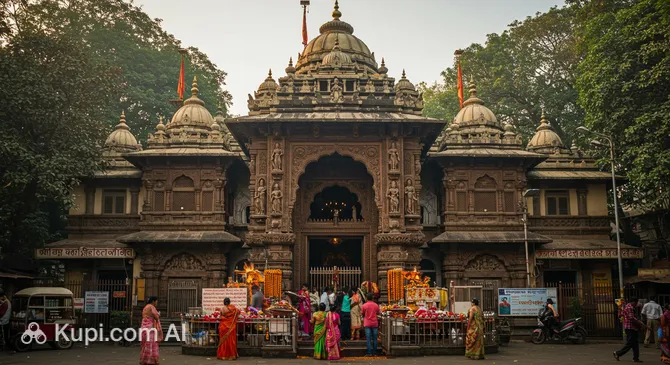
Mumbai offers travelers a kaleidoscope of experiences, from majestic colonial-era monuments to spiritual sanctuaries. One of the most revered landmarks is the Shree Siddhivinayak Temple, dedicated to Lord Ganesha. This site attracts thousands of pilgrims with its special energy and is considered one of the wealthiest temples in the country.
Shree Siddhivinayak Temple. Illustration.
Source: Kupi.com AI
Traveler photos:
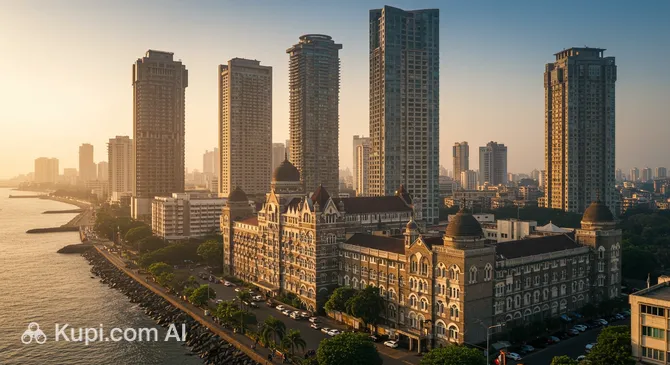
For those who want to enjoy the modern face of the metropolis and breathtaking ocean views, Nariman Point is the perfect destination. This business district at the southern tip of the city is famous for its panoramas, especially at sunset when the city lights begin to reflect in the waters of the Arabian Sea.
Nariman Point. Illustration.
Source: Kupi.com AI
Traveler photos:
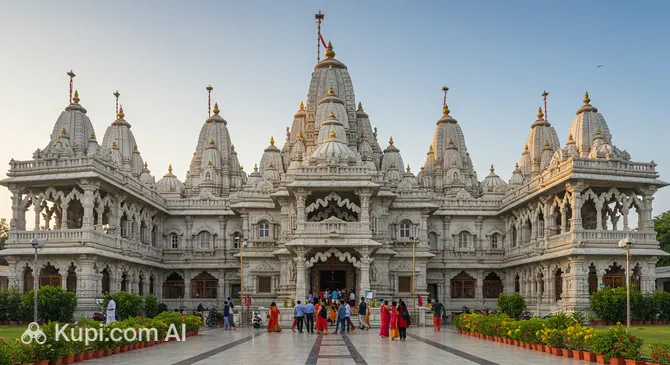
If you are seeking tranquility amidst the city bustle, be sure to visit the ISKCON Temple in Juhu. This magnificent white marble complex impresses with its architecture and peaceful atmosphere. Additionally, you cannot miss the famous Gateway of India—an iconic arch at the water's edge—and the picturesque Marine Drive promenade, which locals affectionately call the "Queen's Necklace" for its glowing night lights.
ISKCON Temple, Juhu. Illustration.
Source: Kupi.com AI
Traveler photos:
Local Cuisine
Mumbai's cuisine is a true celebration of flavors, blending seafood delicacies from the Konkan coast with legendary street food. The city's primary gastronomic symbol is Vada Pav—a spicy potato patty in a soft bun, often called the "Indian burger." You should also try Pav Bhaji—a thick vegetable stew with butter, served with toasted bread.
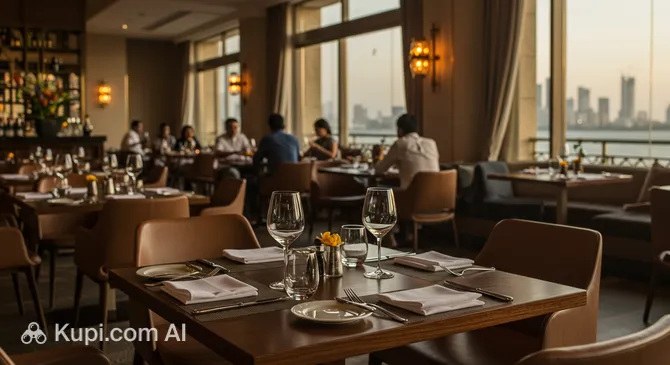
Due to its proximity to the Arabian Sea, the city is famous for its fish restaurants. Fresh prawns, fish tikka, and the famous pomfret are prepared using aromatic spices and coconut milk. If you are looking for an elegant atmosphere and high-quality dishes, you can visit the Restaurant in Bandra-Kurla or the Trident Restaurant, Nariman Point, which feature both local masterpieces and international cuisine.
Trident Restaurant, Nariman Point. Illustration.
Source: Kupi.com AI
Traveler photos:
Among beverages, masala chai is the absolute leader, brewed on every corner with milk, ginger, and cardamom. For cooling off on a hot day, mango lassi or freshly squeezed juices are ideal. Mumbai offers a gastronomic experience for every budget: from bustling markets with authentic stalls to elegant terraces overlooking the bay.
Travel Tips
Preparing for a trip to such a dynamic metropolis as Mumbai requires considering many details. These practical tips will help you make your journey as comfortable and safe as possible.
Clothing and Essentials: Choose light clothing made from natural fabrics, as the city is always hot and humid. When visiting temples, be sure to cover your shoulders and knees, and be prepared to remove your shoes at the entrance. Don't forget sunscreen and comfortable shoes for long walks.
Transport: Use the Uber or Ola apps for taxi rides—this guarantees a fixed price. If you decide to take a local train, choose first-class carriages or special ladies' compartments for more comfort.
Finances: The official currency is the Indian Rupee. Cards are accepted in hotels and large malls, but cash is always needed in markets and small shops. Tipping (around 10%) is welcomed in restaurants if it is not already included as a service charge.
Health and Safety: Drink only bottled water and avoid ice in street drinks. To prevent stomach issues, choose dining spots with high turnover where food does not sit out.
Communication: English is widely spoken, especially in tourist areas. Knowing basic phrases in Hindi or Marathi will win you the favor of locals. You can buy a SIM card right at the airport by presenting your passport.
Local Etiquette: Greet people with the traditional Namaste gesture. Try to use your right hand for passing money or food, as the left hand is considered unclean in Indian culture.
What to Avoid: Do not engage in long conversations with persistent "helpers" on the street and always clearly agree on a price before starting any service. Avoid walking alone in poorly lit outskirts at night.
Best Time to Visit: Plan your trip from November to February, when pleasant dry weather sets in, avoiding the heavy monsoon rains.
Mumbai will surely win you over with its hospitality and energy if you remain open to new experiences and follow these simple recommendations!
Entertainment & Nightlife
Mumbai is a city that never sleeps, and its nightlife is arguably the most vibrant in India. The main hubs of excitement are concentrated in the Bandra and Lower Parel districts, home to the most stylish clubs and bars. Here, you can find both progressive youth and film stars enjoying live music, sets by famous DJs, and signature cocktails. Establishments usually favor a smart casual dress code, and parties often continue until dawn.
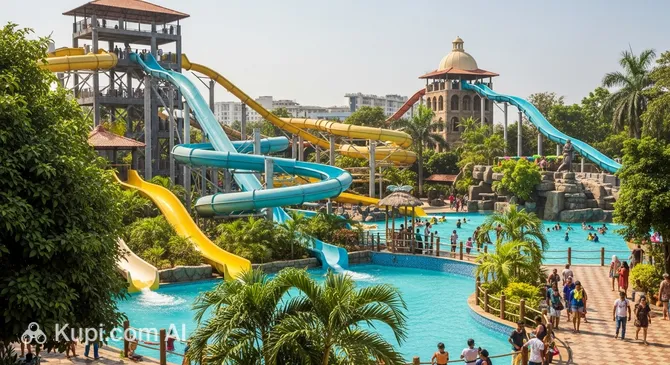
For families and those seeking active leisure, the city offers excellent themed venues. For example, you can head to Snow Kingdom to swap the tropical heat for snowy fun, or visit Jus Adventures for a dose of adrenaline. If you prefer water attractions, the Mumbai Water Park is a wonderful choice for a hot day.
Mumbai Water Park. Illustration.
Source: Kupi.com AI
Traveler photos:
Bollywood holds a special place in the entertainment program. Tourists can book a tour of the Film City studios to see the process of creating Indian cinema from the inside. In the evening, it is worth visiting one of the old cinemas, such as Regal Cinema, where watching a movie turns into a true national spectacle complete with applause and singing.
Parks & Museums
Mumbai is not just about bustling streets; it also has green oases offering relaxation amidst nature. One of the most amazing places is Sanjay Gandhi National Park—a vast forest area right within the city limits where you can see the ancient Kanheri Caves and even go on a safari. Also worth a visit are the Hanging Gardens on Malabar Hill, which offer a magnificent panoramic view of the bay and the "Queen's Necklace."
For those who want to immerse themselves in history and culture, the Chhatrapati Shivaji Maharaj Vastu Sangrahalaya museum is a must-visit. The building itself is a masterpiece of Indo-Saracenic architecture, and inside houses a rich collection of artifacts, from ancient sculptures to weapons and miniatures. If you are interested in more modern history, visit the Rajgruha (Dr. Babasaheb Ambedkar Museum) or the Dr. Babasaheb Ambedkar Memorial Museum, dedicated to the life of India's prominent reformer.
Family tourists and marine life enthusiasts will enjoy the Fish World Aquarium, which showcases exotic ocean inhabitants. Mumbai's museums and parks allow you to balance a busy city schedule with educational walks and quiet contemplation of the country's cultural treasures.
Getting Around
The public transport system in Mumbai is the true lifeblood of the city, handling incredible passenger flows. The main mode of transport for locals is the Suburban Railway (Local Trains), divided into three main lines. This is the fastest and cheapest way to bypass city traffic, but tourists should avoid traveling during peak hours when cars can be excessively overcrowded.
The modern Mumbai Metro is actively expanding and already links important city districts, including the airport. It is clean, air-conditioned, and operates from early morning until midnight. Bright red BEST buses also run throughout the metropolis. For payment, it is convenient to use special smart cards or mobile apps, though train tickets can also be purchased at station ticket counters.
For more comfortable trips, taxis are always available (black-and-yellow cars or modern Uber and Ola services) as well as maneuverable auto-rickshaws, which are popular in the northern districts of the city. A special type of transport is the ferry service running from the Gateway of India to Elephanta Island, allowing you to combine travel with a pleasant sea trip across the bay.
Accommodation
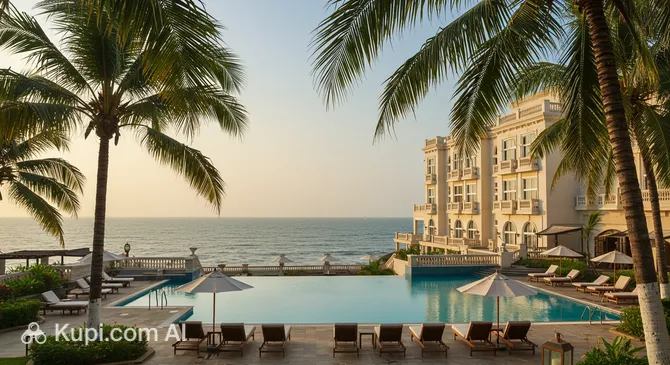
The choice of accommodation in Mumbai is impressively diverse: from legendary historic grand hotels to cozy budget guesthouses. If you value luxury and impeccable service, look for iconic spots in the Colaba district or along the waterfronts, such as the Lands End Hotel, which offers magnificent ocean views and the highest level of comfort.
Lands End Hotel. Illustration.
Source: Kupi.com AI
Traveler photos:
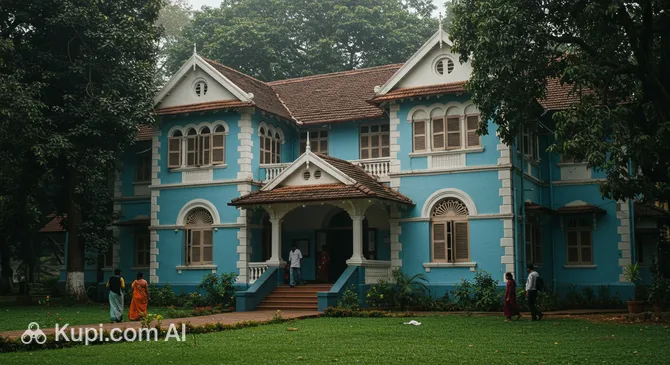
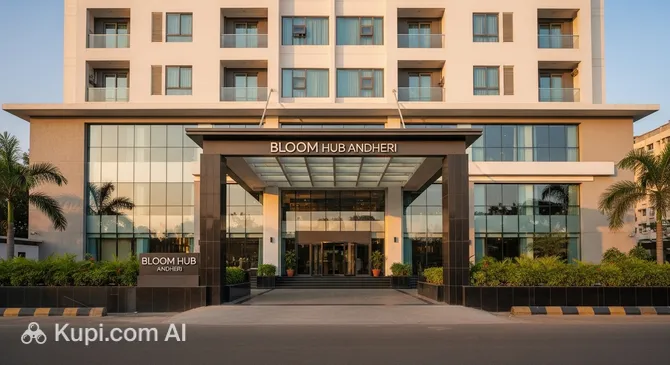
For business travelers and those who prefer modern districts with developed infrastructure, the Bloom Hub Andheri is an excellent option. The Andheri and Bandra areas are convenient for their proximity to the airport and abundance of restaurants and shopping malls. In the southern part of the city, in the Fort and Colaba neighborhoods, you will find hotels situated in historic buildings, allowing you to literally live within architectural heritage.
Bloom Hub Andheri. Illustration.
Source: Kupi.com AI
Traveler photos:
Accommodation prices vary greatly: in the budget segment, options can be found starting from 2,000 rupees per night, while luxury hotels can cost dozens of times more. During peak seasons (November to February) and during major festivals, it is recommended to book accommodation in advance through international services to ensure the best choice and rates.
Nearby Cities
Mumbai serves as an excellent starting point for exploring the surroundings of Maharashtra state, offering travelers many interesting destinations for short trips. Very close by is the city of Thane, known as the "City of Lakes," where you can relax from the metropolis bustle surrounded by nature.
For those interested in the local life of smaller settlements, trips to Mankhur or the coastal Uran will be interesting. If you have more time, be sure to head to Pune (about 150 km away), famous for its historic forts and mild climate, or take a ferry to the beaches of Alibaug, where you can enjoy the sea breeze and quiet.
The region around the city offers amazing diversity: from sacred caves and ancient temples to modern industrial centers like Kalamboli and Dharavat. Each of these places reveals a new facet of multifaceted India.
Shopping & Souvenirs
Shopping in Mumbai is an adventure that can range from searching for rare antiques in bustling markets to buying the latest collections from global brands in ultra-modern malls. The city is famous for its textiles, unique jewelry, spices, and, of course, souvenirs related to the world of Bollywood.
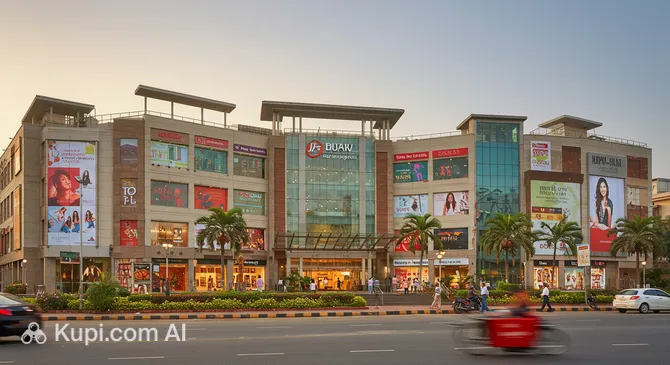
For those who love comfortable shopping and entertainment under one roof, large shopping centers are ideal. Consider the Nexus Seawoods or the massive Seawoods Grand Central Mall. Here you will find both international brands and famous Indian designers, as well as numerous food courts and cinemas.
Nexus Seawoods. Illustration.
Source: Kupi.com AI
Traveler photos:
If you want to feel the true flavor of the city, head to the Colaba Causeway market. This place is perfect for buying affordable clothing, costume jewelry, and decor items, but remember: you must bargain here! For spices, fresh fruit, and an authentic atmosphere, visit the historic Crawford Market. Popular souvenirs from Mumbai include masala chai kits, figurines of the god Ganesha, and natural leather products.