Support

Nashik

About

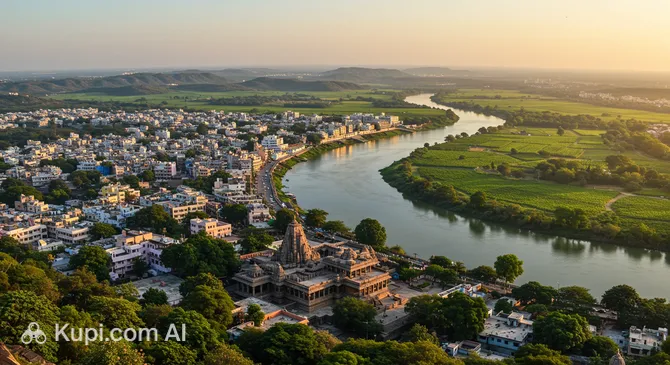
Nashik, situated in the northwest region of Maharashtra, is a city that seamlessly blends ancient spirituality with modern vibrancy. Often referred to as the "Wine Capital of India," this bustling metropolis offers a unique travel experience where lush vineyards coexist with sacred temples. As a major pilgrimage site in India, it attracts travelers seeking both divine blessings and scenic beauty.

Geographically, the city rests on the banks of the holy Godavari River, providing a picturesque setting and a generally pleasant climate throughout the year. With a population of over 1.4 million people, it is a significant urban center that retains a welcoming charm. The history of Nashik is deeply entwined with Indian mythology, notably the epic Ramayana, making it a place of immense cultural importance and a host for the famous Kumbh Mela.

Nashik. Source: Kupi.Binoculars

Visitors are often drawn to the magnificent Trimbakeshwar Shiva Temple, one of the twelve Jyotirlingas, or the ancient Pandavleni Caves which showcase intricate Buddhist rock-cut architecture. For those interested in viticulture, a tour of the renowned local vineyards offers a delightful contrast to the spiritual sites. Whether you are a pilgrim, a history buff, or a nature lover, Nashik promises a memorable journey filled with diverse discoveries.

Weather Overview

Nashik enjoys a tropical climate that varies significantly across three distinct seasons, offering a comfortable environment for visitors during most of the year. The winter months are particularly pleasant, with January seeing average temperatures around 20.5°C and minimums dipping to a cool 14.0°C, making it an ideal time for sightseeing. To plan your trip effectively, it is helpful to check the detailed weather in Nashik before you pack.

Summer arrives in March and peaks in May, where daytime highs can reach approximately 35.3°C, creating hot and dry conditions. Following the heat, the monsoon season from June to September brings a dramatic shift; while temperatures moderate to an average of about 24°C, travelers should be prepared for very frequent rainfall, with July and August experiencing up to 30 wet days each. Post-monsoon, the city dries out quickly, returning to clear skies and milder weather by November.

Interesting Facts

Beyond the main attractions, Nashik holds many fascinating secrets and historical footnotes that often surprise visitors. From its deep-rooted mythological connections to its pivotal role in modern Indian history, the city offers a treasure trove of stories waiting to be uncovered.
  • The Legend of the Nose: The city's name is derived from the Sanskrit word 'Nasika', meaning nose. According to the epic Ramayana, this is the specific location where Lakshmana cut off the nose of the demoness Surpanakha. This dramatic event is believed to have taken place near the holy Ramkund, Panchavati, which remains a central hub for pilgrims today.

  • Birthplace of Indian Cinema: Nashik is the hometown of Dadasaheb Phalke, the father of Indian cinema. He produced India’s first full-length feature film, Raja Harishchandra, in this region in 1913, laying the foundation for what is now the largest film industry in the world.

  • A Social Revolution: The magnificent Kalaram Temple is not just an architectural marvel built with black stone; it is also a landmark of social reform. In 1930, Dr. B.R. Ambedkar led a historic Satyagraha (protest) here to secure temple entry rights for Dalits, marking a crucial moment in India's fight against social inequality.

  • The Grape Capital: While often called the "Wine Capital of India," the scale of production here is truly staggering. Nashik produces approximately 90% of all wine in India, thanks to a unique terroir that rivals prominent international wine regions.

Kalaram Temple. Source: Kupi.Binoculars

How to Get There

Planning a trip to this ancient city is straightforward, as it is well-connected to the rest of the country by various modes of transport. Whether you prefer the speed of air travel or the scenic route by road or rail, you have multiple options. For a comprehensive overview, you can read more about how to get to Nashik on our detailed page.

The city is served by its own domestic airport, Gandhinagar Airport (ISK), located approximately 18.7 km from the center. While it offers convenient access for certain regional flights, the commute to the city center takes about 50 minutes by taxi. For international travelers or those looking for a wider range of flight connections, the Chhatrapati Shivaji International Airport (BOM) is the most significant hub. It is located in Mumbai, roughly 139.6 km away. From there, you can reach Nashik by taxi or bus in approximately 3 hours and 50 minutes. Alternatively, Pune Airport (PNQ) in Pune is another viable option, situated about 157.3 km away, with a travel time of around 4 hours and 15 minutes.

For clarity, here is a summary of the main airports:

Airport Name City Passenger Traffic Km from City
Chhatrapati Shivaji International Airport Mumbai Large 139.6
Pune Airport Pune Large 157.3
Shirdi Shirdi Small 70.4
Gandhinagar Airport Nashik Small 18.7
Navi Mumbai International Airport Mumbai 134.3

In addition to air travel, Nashik is a major railway hub on the Central Railway network. The primary station, Nashik Road, welcomes numerous express and passenger trains daily from major Indian cities like Mumbai, Delhi, and Kolkata, making rail travel a popular and economical choice. The city is also well-linked by an extensive network of national highways, offering excellent road connectivity for buses and private vehicles from neighboring metropolitan areas.

Main Attractions

Nashik is a city where history breathes through its ancient stone walls and sacred waters. While it is gaining global fame for its sprawling vineyards, the true heart of the city beats in its spiritual landmarks and architectural marvels. Exploring these sites offers a profound connection to the myths and traditions that have shaped the region for centuries.

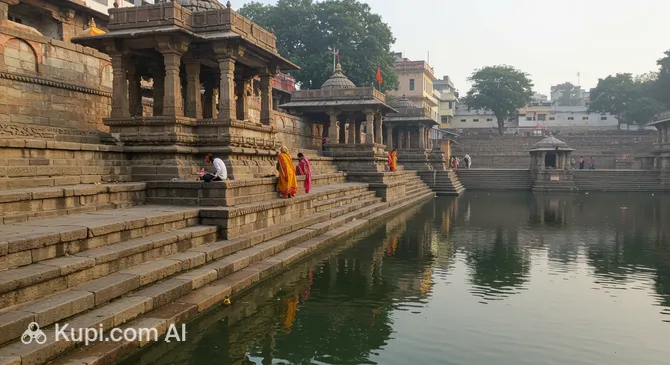
At the center of the city's spiritual life lies Ramkund, Panchavati. This sacred bathing ghat on the banks of the Godavari River is believed to be the spot where Lord Rama took his daily bath during his exile. It serves as the focal point for the massive Kumbh Mela festival and is constantly bustling with devotees performing rituals. The atmosphere here is deeply moving, offering travelers a vibrant glimpse into the enduring cultural traditions of the area.

Ramkund, Panchavati. Source: Kupi.Binoculars

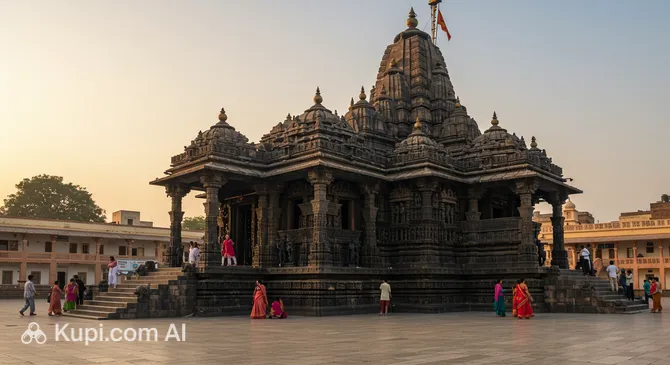
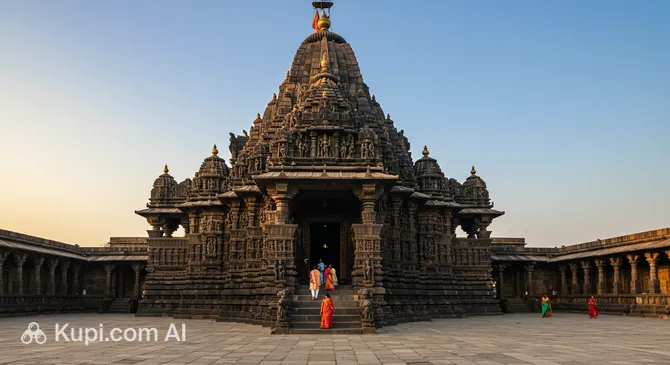
Just a short distance away stands the architectural masterpiece known as the Kalaram Temple. Built entirely from black basalt stone, this striking structure is dedicated to Lord Rama and is one of the most vital landmarks in the city. Its towering shikhara and intricate carvings are a testament to the skill of artisans from the past. The temple complex is serene, providing a quiet space for reflection amidst the city's activity.

For those interested in unique architectural styles, the Sundarnarayan Temple is a fascinating stop. Dedicated to Lord Vishnu, this temple is situated near the Ahilyabai Holkar Bridge and features distinct Mughal influences in its design. It is renowned for its intricate stone carvings and the precise engineering that allows the first rays of the rising sun to fall directly on the idols on specific days of the year.

Sundarnarayan Temple. Source: Kupi.Binoculars

Another significant site is the Shree Kapaleshwar Mahadev Temple, one of the oldest in the city. Located near the river, it is unique among Shiva temples because it lacks the Nandi (bull) statue that typically sits facing the deity. Local legends suggest that Nandi acted as a guru to Lord Shiva at this spot, which is why he is not depicted in his usual subordinate position.

Representing the city's diverse spiritual fabric, the Shrine of the Infant Jesus attracts visitors of all faiths. Located on Nashik Road, this church houses a revered statue of the Infant Jesus and is known for its peaceful ambiance and open architecture. It is particularly vibrant during the annual feast in February, drawing pilgrims who come seeking blessings and tranquility.

Local Cuisine

Nashik is a paradise for food lovers, particularly those who enjoy bold flavors and spicy preparations. The city is widely acclaimed as the "Misal Capital of India," and trying the local Misal Pav is an absolute must for any visitor. This spicy curry, made from sprouted moth beans, is heavily topped with crunchy farsan (fried savory snacks), chopped onions, and fresh coriander, served alongside buttery bread rolls (pav). Locals often start their day with this fiery dish, and there are countless eateries across the city, each boasting their own unique spice blend and version of this classic breakfast staple.

Beyond the famous Misal, the street food culture in Nashik is vibrant and accessible. As you explore the markets, you will find stalls serving piping hot Vada Pav (spiced potato fritter in a bun) and Sabudana Vada (sago pearl fritters), which are perfect for a quick and satisfying snack. Another regional specialty to look out for is Kondaji Chivda, a distinct savory snack mixture that originated here and is renowned for its unique taste. It makes for a great edible souvenir to take home.

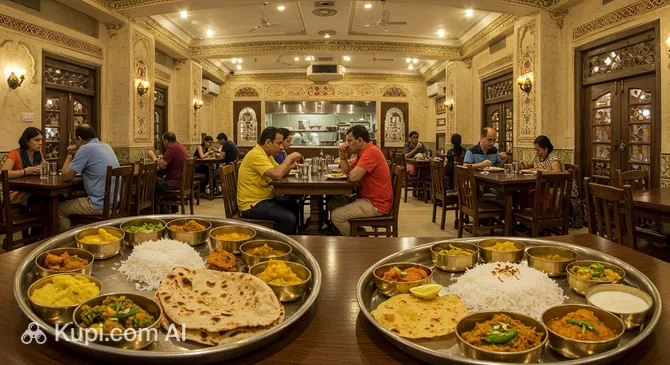
For a more substantial and traditional dining experience, travelers should indulge in a Maharashtrian Thali. These wholesome platters feature an assortment of seasonal vegetable preparations, lentils, rotis (flatbreads), rice, and sweets, offering a complete balance of flavors. Restaurants like Shree Rajbhog Thali are excellent places to enjoy these elaborate vegetarian feasts in a comfortable setting, allowing you to sample a wide variety of local tastes in one sitting.

Shree Rajbhog Thali. Source: Kupi.Binoculars

As the "Wine Capital of India," the city's beverage scene is distinctively influenced by its flourishing viticulture. A trip here is incomplete without visiting the surrounding vineyards to enjoy wine tasting sessions, where you can sample locally produced Chenin Blanc, Sauvignon Blanc, and Shiraz amidst scenic landscapes. For those looking to unwind in the city itself, modern venues like The Liquor Embassy provide a lively atmosphere. On the non-alcoholic side, fresh sugarcane juice is widely available, and Sol Kadhi, a pink-hued cooling drink made from kokum and coconut milk, is a refreshing choice to cleanse the palate after a spicy meal.

Travel Tips

Welcome to Nashik, a city where ancient traditions and modern lifestyle coexist in harmony. To help you navigate this unique blend of spiritual heritage and vineyard culture, here are some practical tips to ensure your visit is smooth, respectful, and truly memorable.

  1. Clothing and Gear: Since Nashik has a tropical climate, lightweight cotton clothing is best for most of the year. However, if you are visiting during the winter (November to February), pack a light jacket or sweater for the cool mornings and evenings. As a major pilgrimage destination, modest dress is essential; ensure your shoulders and knees are covered when visiting temples. Comfortable slip-on shoes are highly recommended, as you will frequently need to remove them at religious sites.

  2. Transportation: The most convenient way to get around the city for short distances is by auto-rickshaw. While some drivers use meters, it is often wise to agree on a fare before starting your journey. App-based cab services like Ola and Uber are available but can sometimes have longer wait times than in metros. For vineyard hopping, which often involves travel to the outskirts, hiring a private taxi or a car with a driver for the day is the most practical and comfortable option.

  3. Finances: The local currency is the Indian Rupee (INR). While credit and debit cards are widely accepted at hotels, vineyards, and upscale restaurants, cash is still king at local markets, small eateries, and for auto-rickshaw fares. ATMs are plentiful across the city. It is advisable to carry small denominations for tips and small purchases. Tipping around 10% at restaurants is standard if a service charge hasn't already been added.

  4. Health and Safety: Nashik is generally a safe city for tourists, but standard precautions apply. Stick to bottled or filtered water to avoid stomach issues, and carry a small personal medical kit. Pharmacies are easy to find, and major hospitals offer good medical care. Be mindful of your belongings in crowded areas, especially during festivals or near the busy ghats of the Godavari River.

  5. Communication: The official and most widely spoken language is Marathi, while Hindi is also understood by almost everyone. English is commonly spoken in the hospitality sector, including hotels and vineyards, but may be less prevalent in local markets. Learning a few basic words like "Namaste" (Hello) and "Dhanyavad" (Thank you) will be appreciated. SIM cards can be purchased at registered stores with your passport and visa copies.

  6. Local Etiquette: Greeting people with a "Namaste" and a slight bow is a respectful gesture. Always remove your footwear before entering a home or a place of worship. It is customary to use your right hand for eating, passing money, or giving objects to others, as the left hand is traditionally considered unclean for these activities. Public displays of affection are generally frowned upon and should be avoided.

  7. What to Avoid: Do not consume alcohol or non-vegetarian food in the immediate vicinity of religious sites, particularly near the Ramkund and the temple districts. Although Nashik is the "Wine Capital," the holy areas maintain strict sanctity. Also, avoid photographing people, especially during religious rituals, without asking for their permission first.

  8. Seasonal Insight: If you are a wine enthusiast, the best time to visit is between January and March. This is the grape harvest season, and the vineyards are buzzing with activity. You might even get the chance to participate in grape stomping events and festivals, which offer a lively and unique cultural experience distinct from the city's spiritual side.

By keeping these practical tips in mind, you will be well-prepared to embrace the dual character of Nashik. Whether you are seeking spiritual solace by the river or enjoying a sunset over the vineyards, a little preparation goes a long way in making your journey effortless and enjoyable.

Entertainment & Nightlife

Entertainment and Nightlife:

While Nashik is globally recognized for its spiritual heritage and ancient temples, the city transforms as the sun sets, revealing a growing and energetic nightlife scene. Fueled by its status as India's wine capital and a significant student population, the evening entertainment here offers a blend of relaxed lounge vibes and lively gatherings. The primary hubs for evening activities are College Road and Gangapur Road, where you will find a concentration of modern cafes, chic bars, and restaurants that stay bustling well into the night.

The atmosphere in Nashik’s nightlife venues is generally sophisticated yet laid-back. You will mostly encounter a mix of local youth, professionals, and tourists winding down after a day of vineyard tours. The dress code is typically smart casual; while not as strict as in major metros, dressing neatly is appreciated. Most venues operate until around 11:00 PM or midnight, though some lounge bars may stay open a bit later on weekends.

For those looking to enjoy a vibrant evening with good music and ambiance, Mauka The Bar is a popular choice among locals. It offers a lively setting perfect for socializing with friends over drinks and appetizers. If you prefer a place that leans more towards a club atmosphere with high energy, Origin Nashik is another excellent venue to experience the city's modern pulse.

Mauka The Bar. Source: Kupi.Binoculars

In terms of safety, Nashik is considered one of the safer cities in Maharashtra for night outs. However, it is always advisable to stay in well-lit, busy areas and avoid isolated streets late at night. For transportation, app-based cab services like Uber and Ola are reliable and safe options for getting back to your hotel. If you are hailing a local auto-rickshaw at night, ensure you agree on the fare beforehand or insist on using the meter.

Beyond the nightlife, the city offers plenty of daytime entertainment options for families and culture enthusiasts. Shopaholics can head to the Nashik City Centre Mall, which houses a cinema, food court, and various international brands. For a touch of history and local culture, a visit to the Shree Balasaheb Thackeray Memorial – Historical Museum provides fascinating insights into regional history. Nature lovers can also enjoy a peaceful afternoon stroll at the City Garden, a well-maintained green space ideal for relaxation.

Parks & Museums

Beyond its vineyards and temples, Nashik offers a refreshing array of green spaces and cultural institutions that provide a deeper understanding of the region's heritage and natural beauty. For travelers looking to unwind or delve into history, the city's parks and museums present a perfect change of pace from the bustling pilgrimage sites.

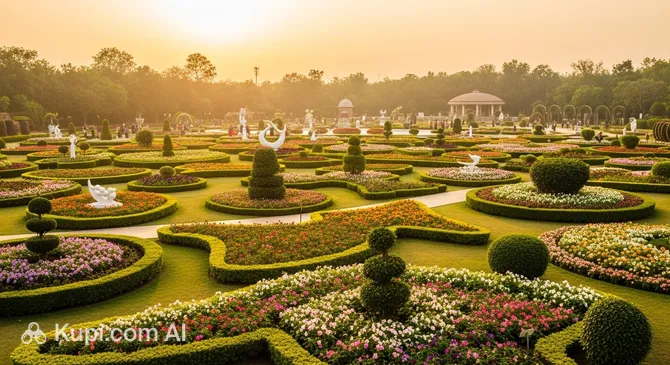
One of the most colorful additions to the city's landscape is Floral Sojourn. This beautifully landscaped garden is a treat for nature lovers and photographers alike, featuring a vibrant collection of flowers, artistic installations, and well-manicured pathways. It serves as an educational space where visitors can learn about various plant species while enjoying a serene environment away from the city noise. It is an excellent spot for a family outing or a quiet evening walk.

Floral Sojourn. Source: Kupi.Binoculars

For those seeking a classic recreational area, the City Garden is a favorite among locals. This sprawling green space is designed for relaxation and community activities, offering ample shade and open lawns. It is a great place to observe local life, as residents gather here for morning jogs, yoga sessions, and evening conversations. Families travelling with children will also appreciate Sam Pets & Aquarium, a unique facility that combines a small park setting with an opportunity to see various fish and pet animals, making it an engaging stop for younger visitors.

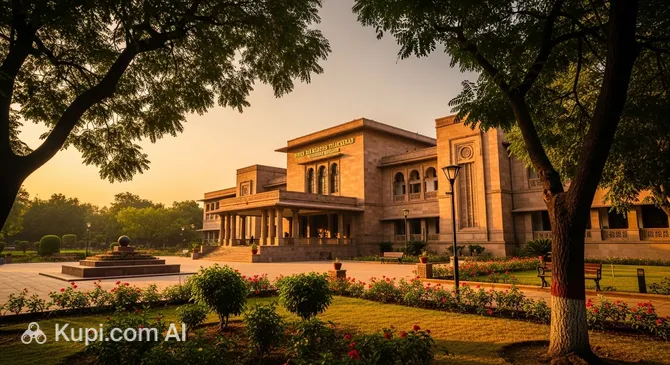
On the cultural front, Nashik boasts some fascinating museums. A significant institution is the Shree Balasaheb Thackeray Memorial – Historical Museum. This museum is dedicated to preserving regional history and often features exhibits displaying ancient weapons, photographs, and artifacts that narrate the valiant past of the Maratha empire and local leaders. It provides a compelling narrative for history buffs interested in the martial and social history of Maharashtra.

Shree Balasaheb Thackeray Memorial – Historical Museum. Source: Kupi.Binoculars

Another gem, often considered a world-class attraction, is the Gargoti Mineral Museum (located in the nearby town of Sinnar). While it requires a short drive from the city center, it houses one of the largest and most spectacular private collections of zeolites and minerals in the world. The intricate crystal formations and semi-precious stones on display are truly mesmerizing, drawing geologists and tourists from across the globe.

For a truly authentic experience, try visiting the parks early in the morning. This is when the air is crispest, and you can witness the city waking up—groups practicing laughter yoga, elderly residents catching up on news, and the birds chirping in the trees create a wholesome atmosphere that defines the laid-back spirit of Nashik.

Getting Around

Navigating Nashik is relatively straightforward, offering a mix of modern public transit and traditional local options that cater to different travel needs. The backbone of the city's public transport is the bus network managed by Citilinc (Nashik Mahanagar Parivahan Mahamandal Ltd). These buses connect major residential areas, the central business district, railway stations, and tourist attractions. The fleet includes modern, comfortable buses that run on fixed routes, making them a reliable choice for getting around the main parts of the city.

For last-mile connectivity and shorter distances, auto-rickshaws are ubiquitous. You will find them at almost every street corner, outside the railway station, and near major temples. There are two types of auto-rickshaw services: "metered/private" rickshaws that take you directly to your destination, and "shared" rickshaws (often larger vehicles) that ply on specific fixed routes and pick up multiple passengers along the way. Shared autos are an extremely economical way to travel between major hubs like Nashik Road and the Central Bus Stand (CBS).

When it comes to payment, the system is a blend of digital and cash. For Citilinc buses, you can purchase paper tickets directly from the conductor on board using cash. The city has also introduced the Citilinc mobile app, which allows users to plan their journey, track buses in real-time, and in some cases, book tickets digitally. For auto-rickshaws, cash is the standard mode of payment. While many drivers now accept digital payments via UPI apps, it is highly advisable to carry small denominations of cash, especially for short rides.

Travelers looking for more comfort or direct transfers to vineyards can rely on app-based cab services like Uber and Ola. These are widely available within the city limits and offer the convenience of transparent pricing and air-conditioned rides. They are particularly useful for evening outings or trips to the outskirts where public transport might be less frequent. Traditional private taxis and rental cars with drivers are also available for full-day hires, which is the recommended option if you plan to visit multiple vineyards in a single day.

A few practical tips will help you use the system efficiently. City buses generally operate from 6:00 AM to 10:00 PM, though frequency drops significantly after 9:00 PM. If you choose to take a private auto-rickshaw, always insist on using the meter. If the driver refuses, negotiate and agree on the fare before stepping into the vehicle to avoid disputes later. For tourists, the "shared" autos are a great local experience, but be prepared for a bit of a squeeze as they try to maximize passenger capacity.

While Nashik does not yet have a functional heavy rail metro system, the city is in the process of developing the Metro Neo, an innovative trolleybus system powered by overhead electric traction on elevated corridors. Although it is a project for the near future, the current modernization of the bus fleet under the Citilinc initiative has already significantly improved the commuting experience, making public transport a viable option for visitors.
Accommodation

Nashik offers a diverse spectrum of accommodation options catering to the distinct needs of its visitors, whether they are pilgrims, business travelers, or wine enthusiasts. The city provides everything from economical guesthouses and dharmashalas (pilgrim rest houses) to modern mid-range hotels and opulent luxury resorts. For those visiting primarily for spiritual reasons, the areas around Panchavati and the Old City are convenient due to their proximity to the Godavari ghats and major temples. Conversely, tourists seeking a more relaxed stay or planning to visit the vineyards often prefer the hotels located along Gangapur Road or on the outskirts, where the ambiance is quieter and more scenic.

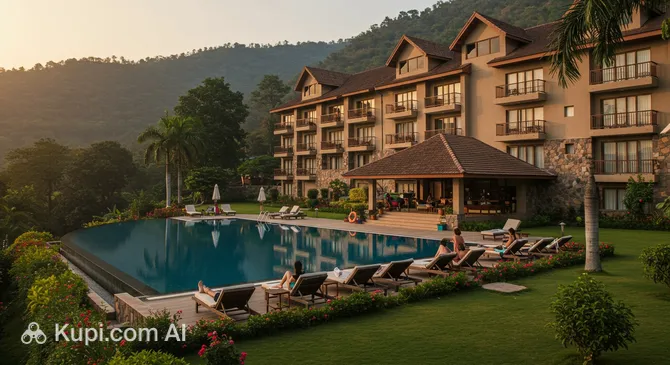
For travelers looking for a comfortable and upscale experience, the city has several notable properties that blend modern amenities with local hospitality. The Swiss Trafalgar Luxury Hotel is a prime example of the high-end accommodation available, offering a refined atmosphere suitable for both families and couples. Similarly, Orayana Events & Getaways provides a resort-style setting that is ideal for those looking to unwind in style after a day of sightseeing. These establishments are excellent bases for exploring both the city's urban attractions and the surrounding natural beauty.

Swiss Trafalgar Luxury Hotel. Source: Kupi.Binoculars

When planning your stay, it is important to consider the timing of your visit. During major religious festivals like the Kumbh Mela or the peak grape harvest season (January to March), demand for rooms spikes significantly. It is highly recommended to book your accommodation well in advance during these periods to secure your preferred location. Prices in Nashik are generally reasonable compared to major metros like Mumbai; budget options are plentiful and very affordable, while luxury resorts offer competitive rates for the quality provided. Most hotels can be easily booked through major online travel platforms or directly via their websites.

Nearby Cities

For those looking to explore the surroundings, Nashik serves as an excellent base for day trips to several interesting nearby locations:

City Population Distance (km)
Kalyan 1,246,000 109
Malegaon 800,000 97
Ulhasnagar 506,098 108
Vapi 163,630 102
Daman 124,000 109

While the region is dotted with various urban centers, a few stand out as particularly rewarding for travelers. One of the most popular destinations is Shirdi, located approximately 90 kilometers away. It is the home of the revered Sai Baba Temple, attracting millions of devotees annually who come to pay their respects and experience the town's profound spiritual atmosphere.

For nature enthusiasts, Igatpuri offers a refreshing escape into the Western Ghats. Situated just about 45 kilometers from Nashik, this hill station is famous for the Vipassana International Academy, ancient forts like Tringalwadi, and lush green landscapes that come alive during the monsoon season. It provides a serene contrast to the bustling city life.

If you are willing to travel a bit further, the coastal enclave of Daman makes for a fascinating trip. Known for its Portuguese colonial history, it features well-preserved forts, old churches, and scenic beaches like Jampore and Devka. The relaxed coastal vibe and historical architecture offer a unique cultural experience compared to the inland geography of Maharashtra.

These nearby destinations offer a glimpse into the diverse culture and landscapes of the region.

Shopping & Souvenirs

Shopping in Nashik offers a delightful mix of traditional charm and modern convenience, reflecting the city's dual identity as an ancient pilgrimage site and a developing urban center. Visitors can explore bustling street bazaars filled with local handicrafts or spend a comfortable afternoon in contemporary shopping complexes. The city is particularly famous for its exquisite silverware, copper goods, and agricultural products, making it a great place to find unique items that are distinct to the region.

For those who enjoy the energy of street shopping, Main Road and MG Road serve as the commercial heart of the city. These areas are lined with innumerable shops selling clothing, footwear, and household items. A visit to Saraf Bazar is highly recommended; this historic market is renowned for its jewelry, particularly intricate silver ornaments and gold designs that attract buyers from all over the district. It is a glittering showcase of the city's craftsmanship.

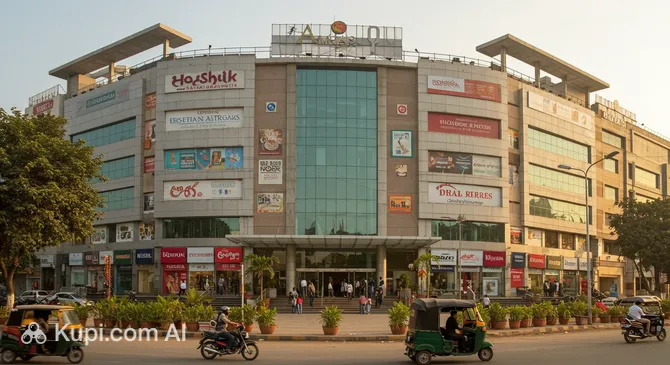
Travelers seeking a modern retail experience with international brands and air-conditioned comfort should head to the city's malls. The Nashik City Centre Mall is a premier destination, housing a wide array of fashion outlets, a food court, and entertainment zones, making it a one-stop hub for families. Another notable spot is the Muhurat Shopping Mall, which offers a variety of stores and services catering to diverse shopping needs.

Nashik City Centre Mall. Source: Kupi.Binoculars

The local markets are also the best places to discover the region's agricultural bounty. Since Nashik is the "Grape Capital of India," you will find high-quality raisins (kishmish) and black currants in abundance. The Tibetan Market, often active during the cooler months, is another interesting stop for affordable winter wear and accessories. Bargaining is a common practice in these open markets, so feel free to negotiate for a better price.

When it comes to souvenirs, a bottle of locally produced wine is the most popular choice, given the city's reputation as the wine capital. Apart from wine and silverware, tourists often take home packets of the famous Nashik Chivda, a spicy and savory snack that travels well. Copper vessels and traditional artifacts also make for enduring keepsakes that reflect the city's cultural heritage.

Most shops and markets typically operate from 11:00 AM to 9:00 PM, though some may close for a short afternoon break. While shopping malls, restaurants, and larger stores widely accept credit and debit cards, cash and UPI (mobile payments) remain the preferred methods for small vendors and auto-rickshaws. Prices in India generally include the Goods and Services Tax (GST), so the price you see on the tag is usually the final price, except in markets where bargaining is the norm.

Reached the end of the page?

That means the route is fully explored