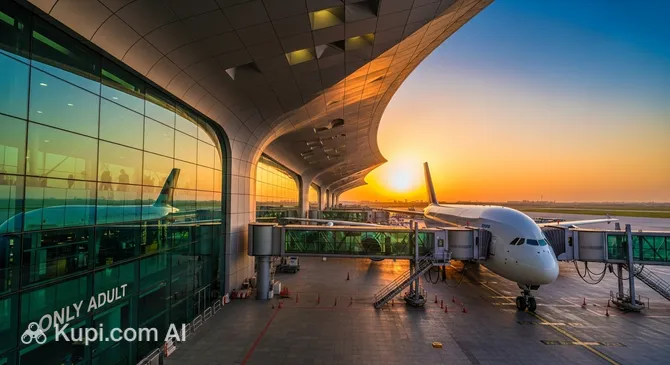
Navi Mumbai International Airport is not merely another transport hub, but an ambitious project that will define the future of the air gateway for one of India's largest megacities. This ultra-modern airport is being built from scratch to decongest the existing air harbour and become a symbol of technological progress and architectural elegance. Its design, inspired by the lotus flower, promises passengers not only comfort but also unforgettable aesthetic impressions from their very first minutes in Mumbai.
| Characteristic | Value |
|---|---|
| IATA code | NMI |
| ICAO code | VANM |
| City | Mumbai |
| Country | India |
| Time zone | Asia/Kolkata |
| Popular airlines | Indigo Air |
| Schedule | Online timetable |
A key feature of Navi Mumbai Airport is its technological advancement and eco-friendliness. Plans include implementing the most advanced systems for accelerated check-in and security screening, including biometric control, which will minimise queues and waiting times. The project has been developed with strict "green" standards in mind: utilising energy-saving technologies, rainwater harvesting systems, and extensive green spaces.
Another important advantage is its thoughtful transport accessibility. The airport will be directly connected to Mumbai by a dedicated metro line, expressways, and the Mumbai Trans Harbour Sea Link. This will allow travellers to quickly and conveniently reach any part of the city, avoiding the notorious traffic jams. Navi Mumbai Airport is designed to be not just a functional facility, but a comfortable and modern space, setting a new standard of quality for aviation in the region.