Support

Aurangabad

About

Aurangabad is a vibrant and historically significant city located in the state of Maharashtra, India. Often referred to as the "City of Gates," it serves as a major tourism hub that seamlessly blends its glorious past with the energy of a modern urban center. The city is renowned for its architectural marvels, silk textiles, and as a convenient base for exploring some of the country's most spectacular ancient monuments.

Geographically situated on the hilly uplands of the Deccan Plateau, the city experiences a semi-arid climate with pleasant winters that are perfect for sightseeing. With a population of approximately 1.3 million residents, it is a bustling metropolis that retains a unique cultural charm. The rich history of Aurangabad is evident in its diverse heritage, having served as a key seat of power during the Mughal era, which has left an indelible mark on its landscape and culture.
Aurangabad. Source: Kupi.Binoculars

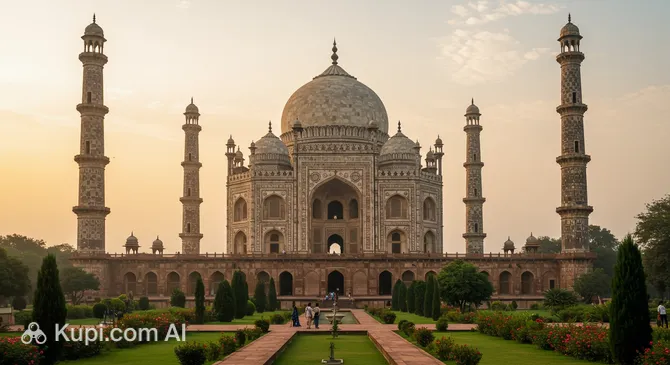
For travelers, the city offers an array of breathtaking attractions. It is most famous for being the gateway to the UNESCO World Heritage Sites of Ajanta and Ellora Caves, which feature ancient rock-cut temples and monasteries. Within the city limits, the stunning Bibi Ka Maqbara—often called the "Taj of the Deccan" for its resemblance to the Taj Mahal—is a must-visit landmark. Additionally, the formidable Daulatabad Fort stands atop a conical hill, offering panoramic views and a glimpse into medieval military engineering.

Whether you are an archaeology enthusiast, a history buff, or simply a traveler seeking to uncover hidden gems, Aurangabad promises a memorable journey. Its welcoming atmosphere and proximity to world-class heritage sites make it an essential stop on any itinerary in this region.
Weather Overview

The climate in this region is characterized by distinct seasonal changes, offering travelers a mix of hot summers, a distinct monsoon season, and comfortable winters. Generally, you can expect warm summers with occasional rain and cold, dry winters that are ideal for outdoor activities. The summer months, stretching from March to May, see temperatures rising steadily, with May being the hottest month where average highs can reach approximately 38.7°C.

The monsoon arrives in June and lasts through September, bringing relief from the heat but a significant increase in humidity and rainfall frequency. July is typically the wettest month in terms of consistency, recording up to 28 wet days, so carrying rain gear is essential if you visit during this time. For those planning a trip, checking the detailed weather in Aurangabad is recommended to choose the best travel dates. The most pleasant time to visit is undoubtedly the winter season from November to February, when the weather is dry and average temperatures hover around a mild 21°C to 23°C.

Interesting Facts

Beyond the main attractions and historical monuments, Aurangabad holds many fascinating secrets that add depth to its character. This historic city is more than just a stopover; it is a treasure trove of stories waiting to be discovered by curious travelers.

  • Aurangabad is affectionately known as the "City of Gates" because it once boasted 52 imposing gateways serving as entry points to the fortified city. While many have succumbed to the passage of time, several still stand tall, including the majestic Delhi Gate, which continues to remind visitors of the city's medieval grandeur.

  • The city is home to the stunning Bibi Ka Maqbara, a mausoleum that bears a striking resemblance to the Taj Mahal in Agra. Often called the "Taj of the Deccan," this architectural gem was commissioned by Prince Azam Shah in memory of his mother and stands as a unique tribute with its own distinct charm.

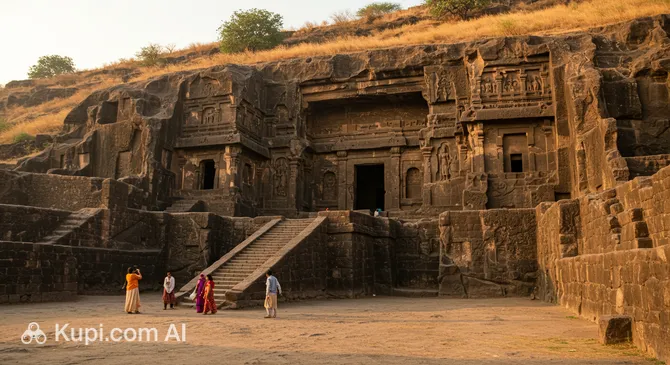
  • While the nearby Ajanta and Ellora caves are world-famous, the city actually possesses its own set of ancient rock-cut shrines known as the Aurangabad Caves. These twelve Buddhist caves date back to the 6th and 7th centuries and offer spectacular panoramic views of the modern cityscape below.

  • Aurangabad is a custodian of the exquisite art of weaving found at the Paithani Silk Weaving Center. This traditional craft, which involves creating sarees with intricate designs often using real gold and silver threads, dates back over 2,000 years and remains a symbol of luxury and Maharashtrian culture.

Bibi Ka Maqbara. Source: Kupi.Binoculars

How to Get There

Reaching this historic city is quite convenient, with options ranging from direct flights to road travel from nearby major hubs. For a complete overview of travel options, you can read more about how to get to Aurangabad, but air travel remains one of the fastest methods. The city is served by its own domestic airport, Chikkalthana Airport (IXU), which is located just 6.3 km from the city center. This proximity allows travelers to reach their hotels in minutes after landing, making it an excellent choice for those connecting from major Indian cities.

If direct flights are unavailable, many tourists choose to fly into Pune Airport (PNQ) in the city of Pune. As a large international hub, it offers more extensive connectivity. It is situated approximately 206.8 km from Aurangabad. The journey from Pune by taxi or bus typically takes around 5.5 hours. Another viable option is Shirdi Airport (SAG) in Shirdi, located about 102.9 km away, with a transfer time of roughly 3 hours by road.

For clarity, here is a summary of the main airports serving the region:

Airport Name City Passenger Traffic Km from City
Pune Airport Pune Large 206.8
Shirdi Shirdi Medium 102.9
Chikkalthana Airport Aurangabad Medium 6.3
Gandhinagar Airport Nashik Small 151.6
Jalgaon Jalgaon Small 124.0

Main Attractions

Aurangabad offers a rich tapestry of historical and cultural landmarks that go beyond its famous neighbors, Ajanta and Ellora. The city itself is dotted with architectural gems, lush gardens, and museums that narrate the stories of the Mughal and Maratha eras. Here are some of the top places you should explore within the city limits.

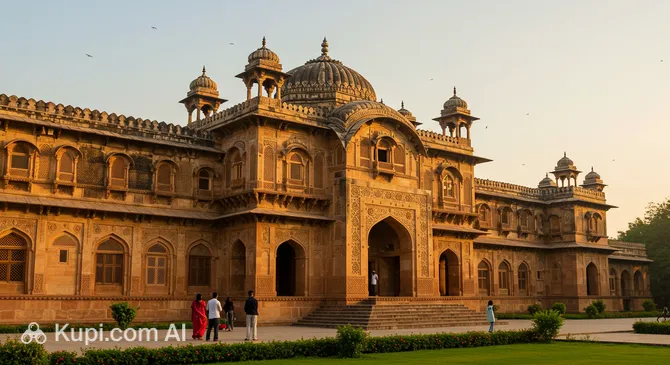
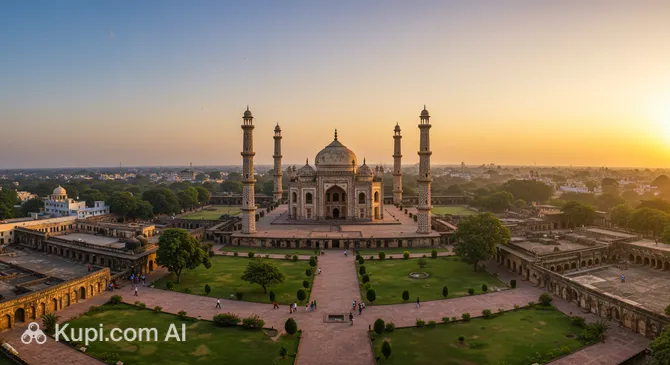
Undoubtedly the most iconic monument in the city is Bibi Ka Maqbara. Built in the mid-17th century, this magnificent mausoleum is often compared to the Taj Mahal due to its similar design and symmetry. While it uses lime plaster and stucco work alongside marble, its grandeur is undeniable. Tourists flock here to walk through the formal Charbagh gardens and admire the intricate latticework, making it a perfect spot for photography and soaking in the Mughal heritage.

For those interested in ancient rock-cut architecture, the Aurangabad Caves are a hidden treasure located on a hilltop just outside the city center. These twelve Buddhist shrines, dating from the 6th to the 8th century, are distinct from other nearby caves due to their focus on Tantric Buddhism. The site is divided into three groups, and the climb to the top rewards visitors with not only spectacular sculptures but also a commanding panoramic view of the sprawling city below.

Aurangabad Caves. Source: Kupi.Binoculars

History enthusiasts should not miss the Soneri Mahal, a historic palace located within the Dr. Babasaheb Ambedkar Marathwada University campus. The name translates to "Golden Palace," derived from the paintings made with real gold that once adorned its interiors. Today, it serves as a museum housing a collection of ancient sculptures, pottery, and artifacts that offer a deep dive into the region's artistic past.

Soneri Mahal. Source: Kupi.Binoculars

To understand the martial history of the region, a visit to the Chhatrapati Shivaji Maharaj Museum is highly recommended. Dedicated to the celebrated Maratha warrior king, the museum showcases a fascinating array of war weapons, coins, and artifacts from the Maratha Empire. It provides a compelling educational experience regarding the strategic importance of this region in Indian history.

If you are looking for a relaxing break with family, Siddharth Garden and Zoo is the city's favorite recreational spot. Located in the heart of the city, it features a well-maintained garden, a musical fountain, and a small zoo that houses tigers, lions, and leopards. It is an excellent place for an evening stroll or a picnic, offering a green escape from the urban bustle.

Local Cuisine

The culinary landscape of Aurangabad is a delightful reflection of its history, offering a unique blend of aromatic Mughlai influences and the spicy, rustic flavors of the Marathwada region. Food here is not just sustenance; it is a celebration of the city's royal past. The local cuisine is characterized by rich curries, fragrant rice dishes, and a variety of breads that you won't easily find elsewhere in the state.

The undisputed star of Aurangabad’s food scene is Naan Qalia. This signature dish consists of a slowly cooked meat curry (Qalia) prepared with a complex mix of spices and yogurt, served alongside a special type of bread called Naan. Unlike the typical soft naan found in other parts of India, the local version is often fluffier and designed to soak up the rich gravy. It is a dish with military origins, dating back to the Mughal camps, and remains a "must-try" for any meat lover visiting the city.

Beyond the famous Qalia, the city is known for its exquisite Biryani and Tahri. While Biryani needs no introduction, Tahri is a local favorite that is essentially a spiced rice dish, often prepared with vegetables, making it a popular choice for vegetarians. For those with a sweet tooth, the city offers Imarti, a deep-fried sweet made from lentil flour and soaked in sugar syrup. It is similar to Jalebi but thicker and more intricate in design, often enjoyed hot from street-side stalls.

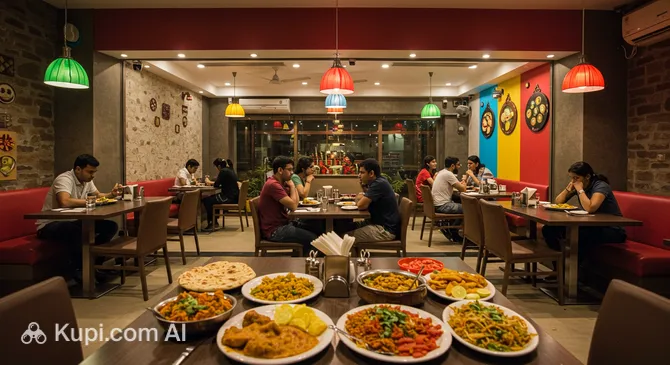
The dining culture in Aurangabad ranges from bustling street food markets to modern establishments. The old city areas, particularly around Buddi Lane, are famous for traditional non-vegetarian fare, while the newer parts of the city host contemporary cafes and family restaurants. For a purely vegetarian feast, you can visit the Red Velvet Veg Restaurant, which is known for its diverse menu and comfortable setting.

Red Velvet Veg Restaurant. Source: Kupi.Binoculars

If you are looking to unwind after a day of exploring the caves and monuments, the city has a growing number of lounges and bars that serve a variety of domestic and international drinks. Sonna Kitchen & Bar is a popular spot among locals and tourists alike for its relaxed ambiance and good food. Alternatively, for a more vibrant evening experience, you might check out the Floating Spirit Bar & Restaurant, which offers a lively atmosphere to enjoy your evening.

Travel Tips

To ensure your journey through the historic "City of Gates" is as smooth and enjoyable as possible, we have compiled a list of essential practical advice. These tips will help you navigate local customs, manage logistics, and make the most of your visit to Aurangabad and its world-class heritage sites.

  1. Clothing and Gear: Since Aurangabad has a semi-arid climate, lightweight cotton clothing is best for most of the year to handle the heat. If you are visiting in winter (November to February), bring a light jacket or sweater for the cooler mornings and evenings. Comfortable walking shoes are absolutely essential, as exploring the Ajanta and Ellora caves involves a significant amount of walking and climbing steps. When visiting religious sites like the Grishneshwar Temple or mosques, dress modestly by covering your shoulders and knees.
  2. Transportation: For getting around within the city, auto-rickshaws are the most common mode of transport; always insist on using the meter or negotiate the fare before starting the ride. App-based services like Ola and Uber are available and offer a reliable alternative. For visiting the distant Ajanta and Ellora caves, the most convenient option is to hire a private car with a driver for the day, which gives you the flexibility to stop at viewpoints and manage your own schedule.
  3. Finances: The local currency is the Indian Rupee (INR). While hotels, upscale restaurants, and major shops accept credit cards, cash is king for small vendors, local markets, and entry fees at some smaller monuments. ATMs are widely available throughout the city. A daily budget can vary, but carrying small denominations is useful for tips and auto-rickshaw fares. Tipping around 10% at restaurants is customary if a service charge isn't included.
  4. Health and Safety: Aurangabad is generally a safe city for tourists, but standard precautions like keeping an eye on your belongings in crowded areas apply. Pharmacies (often marked as "Chemists") are easy to find and well-stocked. To avoid stomach issues, stick to bottled or filtered water and avoid eating cut fruits or street food that hasn't been freshly cooked in front of you. Sun protection, including hats and sunscreen, is vital when exploring the open-air forts and caves.
  5. Communication: The official language of the state is Marathi, but Hindi and Urdu are widely spoken. English is commonly understood in hotels, tourist attractions, and restaurants, so communication is rarely a barrier. It is advisable to purchase a local SIM card (like Jio or Airtel) for reliable data connectivity; you can get one at the airport or local mobile shops with your passport and visa.
  6. Local Etiquette: Politeness is highly valued here. Greeting locals with a "Namaste" (palms pressed together) is appreciated. Always remove your shoes before entering temples, mosques, and even the main mausoleum area of Bibi Ka Maqbara. If you are eating with your hands, which is common in traditional settings, use your right hand only, as the left is considered unclean for dining.
  7. What to Avoid: Avoid public displays of affection, as they are generally frowned upon in more conservative areas. Do not take photographs of people, especially women, without asking for their permission first. Also, avoid visiting the caves without checking the schedule, as arriving on a closed day is a common tourist mistake.
  8. Cave Visiting Schedules: A crucial specific tip for this region is to remember the weekly closures of the major sites. The Ajanta Caves are closed on Mondays, while the Ellora Caves are closed on Tuesdays. Plan your itinerary carefully around these days to avoid disappointment. Additionally, try to start your cave tours early in the morning to beat the midday heat and the crowds.

With these practical tips in hand, you are well-prepared to delve into the rich history and culture of Aurangabad. Whether you are marveling at ancient rock-cut sculptures or enjoying the local cuisine, a little preparation will go a long way in ensuring a memorable and hassle-free adventure.

Entertainment & Nightlife

While Aurangabad is primarily known for its historical heritage, its nightlife scene has evolved significantly in recent years. It may not rival the non-stop energy of Mumbai or Pune, but the city offers a growing number of pleasant spots to unwind after a day of exploring caves and monuments. The evening atmosphere here is generally laid-back and casual, catering to a mix of local students, professionals, and tourists. The nightlife is concentrated mainly around the Cannaught Place area in CIDCO and Nirala Bazar, where you can find a cluster of modern lounges, bars, and restaurants.

For those looking for a trendy vibe and good music, Uptown501 Cafe Lounge Bar is a popular choice. It attracts a younger crowd and offers a lively setting perfect for enjoying cocktails and appetizers. The venue often hosts DJ nights, making it one of the better spots in the city for those who want to experience a bit of upbeat energy. The dress code is typically smart casual, and it is a great place to socialize with locals.

Uptown501 Cafe Lounge Bar. Source: Kupi.Binoculars

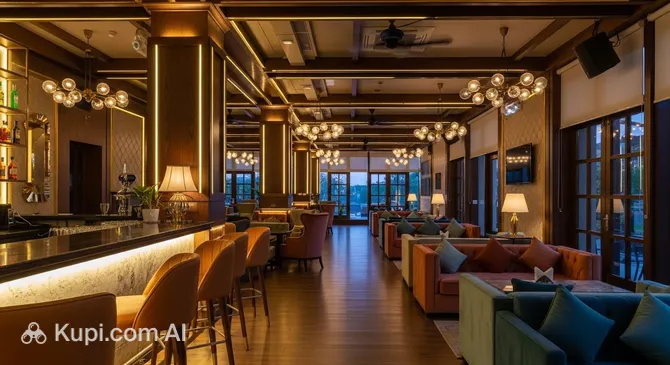
If you prefer a more relaxed environment suitable for conversation and dining, Shraddha Family Restaurant & Lounge Bar offers a comfortable experience. It is well-regarded for its service and extensive menu, making it an ideal spot for families or groups of friends who want to enjoy a quiet drink alongside their dinner. The ambiance here is more subdued compared to the high-energy clubs, focusing on comfort and quality food.

Shraddha Family Restaurant & Lounge Bar. Source: Kupi.Binoculars

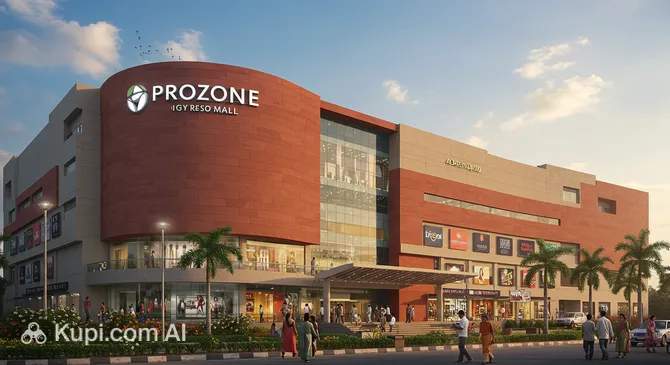
For a different kind of evening entertainment, the Prozone Mall serves as a major hub for the city's residents. It is home to a multiplex cinema where you can catch the latest Bollywood or Hollywood movies. The mall also features a wide range of dining options and stays bustling well into the evening, offering a safe and vibrant environment for a night walk or a late-night snack.

Prozone Mall. Source: Kupi.Binoculars

Beyond the nightlife, the city offers various daytime entertainment options. Cultural enthusiasts can revisit the museums or spend a relaxing afternoon at the local parks. For families, the city has several amusement parks and gardens that provide a fun break from historical sightseeing. The local theaters also occasionally host Marathi plays and cultural performances, offering a glimpse into the region's artistic traditions.

When planning a night out, keep in mind that nightlife in Aurangabad wraps up relatively early compared to metropolitan cities. Most bars and lounges close by 11:00 PM or midnight. Prices are generally moderate and lower than in major Indian metros. In terms of safety, the main commercial areas like Cannaught Place are safe for evening walks, but it is advisable to use app-based cabs like Ola or Uber for transportation late at night rather than walking in secluded areas. Always check if it is a "dry day" (a day when alcohol sale is prohibited) before heading out, as these occur on national holidays and specific religious festivals.

Parks & Museums

Beyond its ancient caves and monuments, Aurangabad offers a refreshing selection of green spaces and cultural institutions that provide a deeper understanding of the city's heritage and natural beauty. For travelers looking to step away from the bustling streets or delve into the artistic legacy of the region, these parks and living museums serve as perfect sanctuaries.

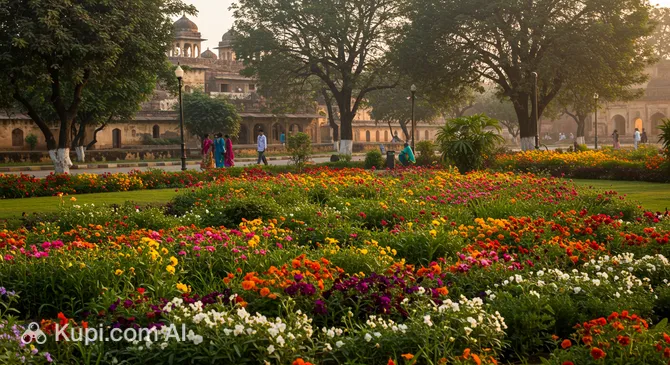
One of the most significant green lungs of the city is the Himayat Bagh Biodiversity Heritage Site. Originally laid out as a Mughal garden in the 17th century, this sprawling area has evolved into a lush botanical haven. It is home to a wide variety of trees and plants, making it a favorite spot for nature walks and bird watching. The garden also houses the Fruit Research Station, adding an educational element to its serene environment.

Himayat Bagh Biodiversity Heritage Site. Source: Kupi.Binoculars

For those seeking a mix of recreation and nature, Connaught Garden in the CIDCO area is a popular choice. It is a well-planned modern park that attracts joggers, families, and tourists alike. With its landscaped lawns and peaceful atmosphere, it offers a pleasant break from sightseeing. Another unique natural attraction is Goga Baba Hill, which provides a mild trekking experience. Climbing to the top rewards visitors with a stunning sunset view over the entire city, making the effort truly worthwhile.

Connaught Garden. Source: Kupi.Binoculars

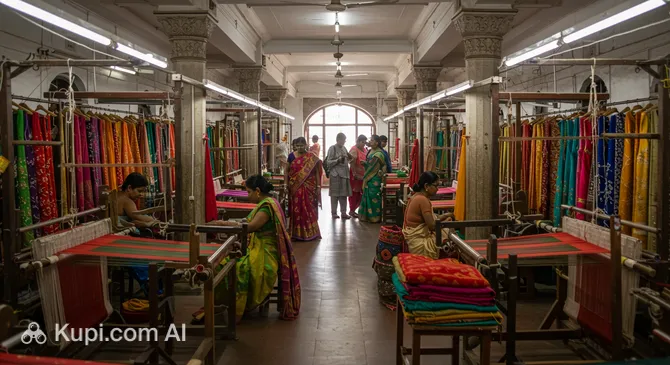
While the city's main historical museums like the Chhatrapati Shivaji Maharaj Museum and Soneri Mahal are well-known, the Paithani Silk Weaving Center offers a different kind of cultural experience. It functions as a living gallery dedicated to the ancient art of Paithani weaving. Visitors can watch artisans at work, creating intricate designs on looms, and understand the painstaking process behind these royal textiles. It is a vibrant display of culture that goes beyond static exhibits.

Paithani Silk Weaving Center. Source: Kupi.Binoculars

For a glimpse into the city's religious architecture and community life, a visit to the Jama Masjid or the historic Shahganj Mosque can be insightful. These sites stand as testaments to the diverse cultural fabric of the city. The Shahganj Mosque, in particular, is known for its Indo-Saracenic architecture and its location in a busy market square, offering a stark contrast of spiritual calm amidst urban chaos.

Insider Tip: If you are visiting Himayat Bagh, try to go in the early morning. The air is crisp, and you might catch glimpses of peacocks that inhabit the denser parts of the garden. It is a photographer's delight and a peaceful way to start your day in Aurangabad.

Getting Around

Navigating Aurangabad is becoming increasingly convenient for visitors, thanks to a mix of traditional transit methods and modern upgrades. The backbone of the city's public transport is the **Smart City Bus** service. These distinct red buses operate on various routes connecting vital points such as the Central Bus Stand, the railway station, and major landmarks like Bibi Ka Maqbara. They offer a safe, affordable, and relatively comfortable way to move between main districts. For longer excursions to the famous Ajanta and Ellora Caves, travelers typically rely on the state-run **MSRTC** buses, which are frequent and depart from the main bus terminals.

For short distances and navigating the narrower streets of the old city, **auto-rickshaws** are the most popular option. These three-wheeled, black-and-yellow vehicles are ubiquitous and can be hailed from almost any street corner. While they are legally required to use a meter, it is common practice to negotiate the fare before stepping inside. "Shared autos" also run on fixed routes and are a very economical choice if you do not mind sharing space with other passengers, though they are less suitable for tourists with luggage.

The payment system for public transport is primarily **cash-based**. When taking a bus, you simply board and purchase a paper ticket directly from the conductor; there is no need for prior validation or travel cards. Fares are extremely low, usually costing just a few rupees for travel within the city. For auto-rickshaws, cash is also the standard mode of payment. It is highly recommended to carry smaller denominations of Indian Rupees, as drivers and conductors often struggle to provide change for high-value notes.

Public transport services generally start around **6:00 AM** and run until approximately **10:00 PM**. However, frequency drops significantly after dark. If you are planning to use the bus, it is helpful to know the name of your destination in the local pronunciation, as bus stops may not always have clear signage in English. For tourists, a private taxi or car rental remains a popular alternative, offering the flexibility to visit multiple heritage sites in a single day without waiting for scheduled departures.

For those seeking a more modern and hassle-free alternative, app-based cab services like **Ola** and **Uber** are fully operational in Aurangabad. These apps allow you to book air-conditioned cars or auto-rickshaws with transparent, upfront pricing, eliminating the need for bargaining. This is often the preferred choice for travelers visiting from abroad who may not be comfortable negotiating fares in the local language.

Accommodation

Where to Stay:

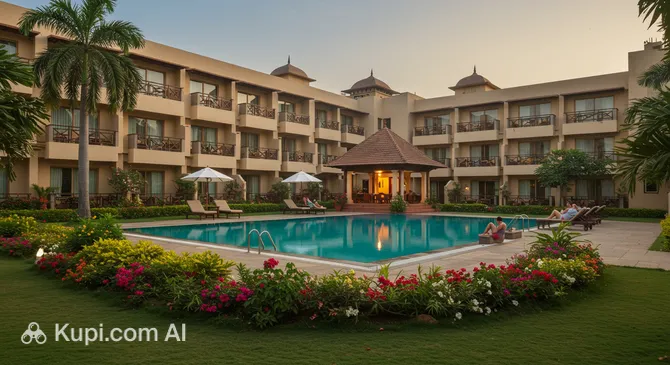
Accommodation in Aurangabad caters to a wide spectrum of travelers, ranging from economical guesthouses and backpacker-friendly hostels to mid-range family hotels and upscale luxury resorts. As a major tourism hub serving the UNESCO heritage sites of Ajanta and Ellora, the city has a well-developed hospitality sector that ensures comfortable stays for every budget. Whether you are looking for a simple room to rest in after a day of trekking or a lavish retreat with modern amenities, you will find suitable options here.

When choosing where to stay, location is a key factor. The area around Station Road and Padampura is particularly popular among tourists due to its proximity to the Aurangabad Railway Station, making it convenient for those arriving by train. For travelers who prefer a more modern vibe with easy access to shopping malls and restaurants, the CIDCO and Cannaught Place areas are excellent choices. Additionally, Jalna Road serves as a major arterial route where many of the city's larger hotels are situated, offering easy connectivity to the airport and major highways.

For those seeking comfort and reliable service, the city boasts several well-regarded establishments. Hotel Green Olive is a notable option, offering a blend of modern facilities and hospitality that appeals to both business and leisure travelers. It is often praised for its strategic location and comfortable rooms.

Hotel Green Olive. Source: Kupi.Binoculars

Another classic choice for visitors is the Ajanta Hotel, Aurangabad. Known for its ample space and traditional hospitality, it provides a relaxing environment that is perfect for unwinding after exploring the nearby caves. These hotels typically offer amenities such as in-house restaurants, travel desks to help with cave tours, and Wi-Fi connectivity.

Booking Tips: The peak tourist season in Aurangabad runs from October to March, coinciding with the pleasant winter weather. During this period, and especially around Indian holidays, hotels can fill up quickly. It is highly recommended to book your accommodation in advance to secure your preferred choice and rates. While walk-ins are possible at some budget lodges, online booking via major travel platforms is the most reliable method for mid-range and luxury properties. Prices generally range from very affordable budget rates to premium prices for 5-star properties, but overall, the city offers excellent value for money compared to larger Indian metros.

Nearby Cities

For those looking to explore the surroundings, Aurangabad serves as an excellent base for day trips to several interesting nearby locations:

City Population Distance (km)
Malegaon 800,000 115
Ahmednagar 350,859 106
Jalna 285,577 57
Pathardi 228,279 79
Manmad 80,058 103

Among these, Ahmednagar is a city of great historical depth, located just over two hours away. It is renowned for the massive Ahmednagar Fort, a site of significant military history where Jawaharlal Nehru was once imprisoned during India's freedom struggle. Visitors can also explore the unique Cavalry Tank Museum, which is one of the few of its kind in the world, displaying a fascinating collection of vintage armored vehicles.

Closer to Aurangabad lies Jalna, a city often celebrated as the "Sweet Lime Capital" of the region due to its extensive orchards of Mosambi fruit. Apart from its agricultural fame, it attracts devotees to the ancient Matsyodari Devi Temple, situated on a hillock that resembles the shape of a fish. It offers a more relaxed, local atmosphere compared to the major tourist hubs.

These nearby destinations offer a glimpse into the diverse culture and landscapes of the region.

Shopping & Souvenirs

Shopping in Aurangabad is a delightful experience that mirrors the city's rich cultural tapestry. Known historically as a major trading hub, the city offers a mix of traditional bazaars and modern retail complexes. It is particularly renowned for its exquisite textiles and traditional handicrafts, making it a paradise for those looking to take a piece of Indian heritage home. From bustling street markets to air-conditioned malls, the retail landscape caters to every type of traveler.

The heartbeat of the city's traditional shopping scene is **Gul Mandi**. This sprawling market is always teeming with activity and is the best place to experience the local vibe. It is famous for authentic regional goods, including textiles, jewelry, and fresh produce. For a more modern and upscale shopping experience, **Nirala Bazar** is the go-to district. It features branded showrooms, electronics stores, and trendy boutiques that attract the city's youth and fashion-conscious residents.

If you prefer a contemporary retail environment, the city does not disappoint. **Prozone Mall** is the largest and most popular shopping destination in the region. It houses a vast array of international and domestic brands, a food court, and entertainment zones, providing a comfortable escape from the heat. For those looking for everyday essentials or value-for-money goods, **D Mart** is a well-known hypermarket chain frequented by locals for its competitive prices on household items and groceries.

D Mart. Source: Kupi.Binoculars

For those interested in history and traditional trade, the area surrounding the **Shahganj Mosque** offers a glimpse into the city's commercial past. This historic market area is known for its vibrant atmosphere where you can find colorful fabrics, local spices, and silverware. It is a great spot for photography and bargaining for unique local finds.

No trip to Aurangabad is complete without purchasing a **Paithani Saree**. These hand-woven silk sarees with intricate zari borders are considered heirlooms and are a symbol of Maharashtrian culture. You can visit the **Paithani Silk Weaving Center** to see the craftsmanship firsthand and purchase authentic pieces directly from the source. Another must-buy item is **Himroo fabric**, a luxurious blend of cotton and silk featuring Persian designs that dates back to the royal courts. Additionally, look out for **Bidriware**, a unique form of metal handicraft featuring silver inlay work on black metal, which makes for perfect gifts.

Most shops in Aurangabad generally open around **10:00 AM or 11:00 AM** and close by **9:00 PM or 10:00 PM**. While malls and larger showrooms accept credit cards and digital payments like UPI, **cash** is still the preferred mode of transaction in smaller shops and traditional markets like Gul Mandi. Tax-free shopping or VAT refunds are generally not available for international tourists in standard retail outlets, so the price you see is typically the final price, though bargaining is common and expected in street markets.

Reached the end of the page?

That means the route is fully explored