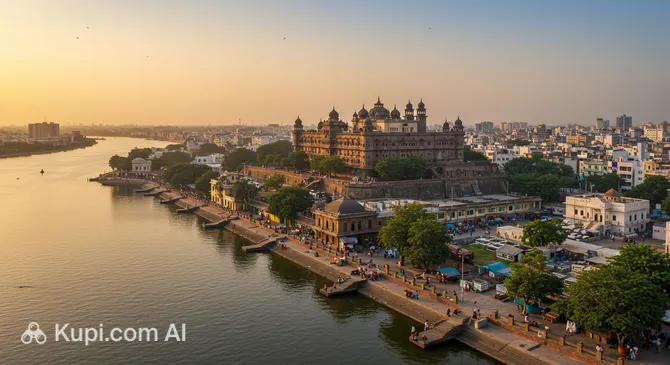
Welcome to Surat, a dynamic metropolis located in the western state of Gujarat that pulses with energy and commerce. Often referred to as the "Diamond City of the World" due to its dominance in the diamond cutting and polishing industry, it is also celebrated as the "Silk City" for its massive textile market. This vibrant city in India seamlessly blends its rich commercial heritage with a modern, fast-paced lifestyle, offering visitors a unique glimpse into the country's economic heartbeat.
Situated on the banks of the Tapti River, Surat is known for its pleasant winters and generally warm climate. With a population exceeding 6 million, it stands as one of the fastest-growing and cleanest cities in the region. The history of Surat is deeply rooted in its status as a historic port city, having served as a crucial trading center for merchants from across the globe long before the rise of modern metropolises.
Surat. Illustration.
Source: Kupi.com AI
Travelers will find plenty to explore beyond the bustling markets. Dumas Beach is a popular spot known for its unique black sand and lively atmosphere, perfect for an evening stroll. History enthusiasts can visit the Surat Castle (Old Fort), which stands as a testament to the city's defensive past, or wander through the serene Dutch Garden with its impressive European-style mausoleums. The city is also a paradise for food lovers, famous for unique local delicacies like Locho and Ghari.
Whether you are visiting for business or leisure, Surat promises a memorable experience filled with warm hospitality and cultural discoveries. It is a destination that invites you to witness the perfect harmony of tradition, industrial progress, and culinary excellence.
Weather Overview
Surat experiences a tropical climate characterized by distinct seasons, making timing an important factor for your visit. The weather in Surat is generally warmest in May and coolest in January. The winter season, spanning from December to February, is widely considered the most pleasant time to explore, with average temperatures hovering around 22°C to 24°C and clear, sunny skies.
From March onwards, temperatures begin to rise, peaking in May with daily highs reaching approximately 34°C. The monsoon season arrives in June and continues through September, bringing significant moisture to the region; July is typically the wettest month with rain occurring on up to 30 days. Overall, visitors can expect hot, humid summers with heavy monsoon showers and mild, dry winters perfect for outdoor activities.
Average monthly temperature
Average monthly precipitation
Interesting Facts
Beyond its reputation as a commercial powerhouse, Surat holds several fascinating distinctions that surprise many visitors. From its unique urban infrastructure to its culinary legends, the city offers layers of history and culture waiting to be uncovered.
Surat Castle. Illustration.
Source: Kupi.com AI
Traveler photos:
Surat is affectionately known as the "City of Flyovers." It boasts one of the highest numbers of flyovers and bridges of any city in India, a testament to its rapid modernization and focus on efficient connectivity for its residents.
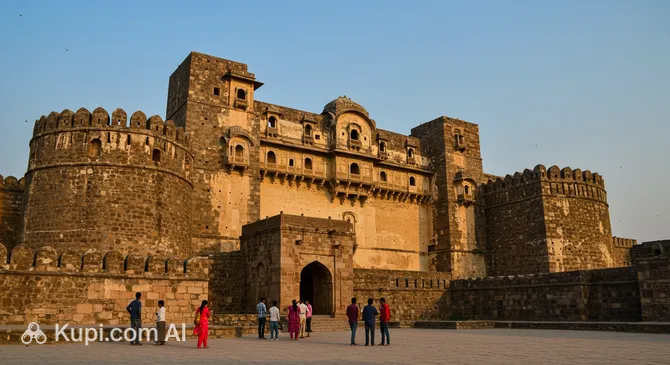
The city played a pivotal role in global trade history as the site where the British East India Company established its first trading post in the early 17th century. Remnants of this defensive past can still be seen at Surat Castle, which was originally built to protect the royal port from invaders.
Reflecting its status as the "Diamond City," the Science Centre Surat features a specialized Diamond Gallery. This unique exhibit takes visitors through the fascinating journey of diamonds, from mining to the intricate polishing process that the city is famous for.
One of the city's most famous street foods, "Locho," has a humorous origin story. It is widely believed to have been created by accident when a chef undercooked a batch of Khaman dhokla. The result was a soft, savory mishmash that became an instant hit and a culinary staple.
How to Get There
Reaching this bustling commercial hub is quite convenient, as the city is well-connected to the rest of India by an extensive network of air and rail links. Whether you are traveling for business or leisure, you can easily find a route that suits your schedule. For a complete overview of travel options, you can read more about how to get to Surat to help plan your journey.
The most convenient entry point is Surat Gujarat Airport (STV), located directly in the city, approximately 11 km from the center. It is a growing regional hub that connects the city to key destinations across the country. A taxi or auto-rickshaw from the airport typically takes about 35 to 40 minutes to reach the heart of the city. For international travelers or those looking for a wider range of flight connections, Ahmedabad Airport (AMD) in the city of Ahmedabad is the nearest major international gateway. It is situated about 212 km away; the journey by road from Ahmedabad to Surat generally takes around 5.5 to 6 hours.
Another viable option is Vadodara Airport (BDQ) in Vadodara, located roughly 135 km from Surat. While smaller than the airport in Ahmedabad, it offers a reasonable alternative for domestic travelers. The drive from Vadodara to Surat takes approximately 3.5 to 4 hours by taxi or bus.
For clarity, here is a summary of the main airports:
Surat is also a major railway hub in Western India, situated on the busy Mumbai-Delhi-Ahmedabad corridor. The city's railway station is one of the busiest in the region and is known for its excellent connectivity. Trains are a very popular and efficient mode of transport here, with frequent services linking Surat to major metropolises like Mumbai, Delhi, and Jaipur, as well as other parts of Gujarat.
Main Attractions
Surat offers a delightful mix of historical landmarks, modern educational hubs, and serene natural escapes. While the city is famous for its commerce, its tourism scene is equally vibrant, catering to history buffs, nature lovers, and families alike. From ancient fortifications to state-of-the-art science museums, there is much to discover in this bustling metropolis.
A testament to the city's strategic importance in the 16th century is the Surat Castle. Also known as the Old Fort, this historical monument was constructed to defend the city against Portuguese invasions. Located by the Tapi River, it offers visitors a chance to step back in time and admire the robust architecture that once guarded one of India's most prosperous ports. The castle provides panoramic views of the river and the surrounding city, making it a favorite spot for photography and history enthusiasts.
Science Centre Surat. Illustration.
Source: Kupi.com AI
Traveler photos:
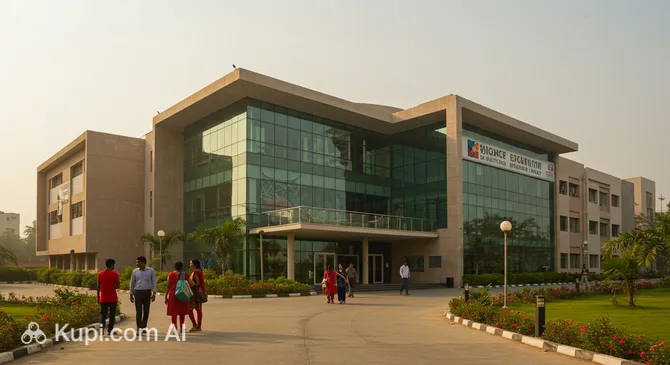
For those interested in technology and astronomy, the Science Centre Surat is a must-visit destination. This multi-facility complex is perfect for families and curious minds, featuring a planetarium, an art gallery, and a museum. One of its most unique highlights is the Diamond Gallery, which showcases the lifecycle of diamonds—a fitting tribute to Surat's status as a global diamond hub. The interactive exhibits make learning fun and engaging for visitors of all ages.
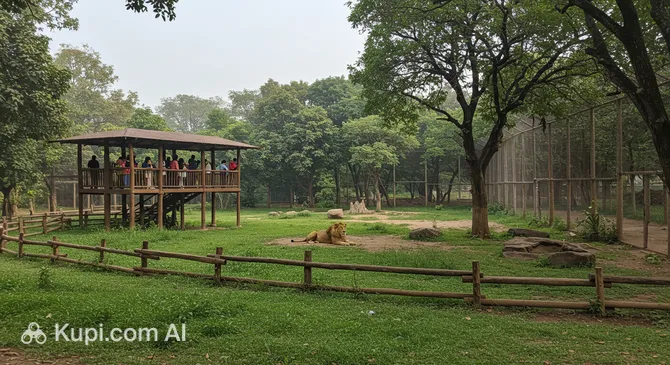
Nature enthusiasts will find a peaceful retreat at the Sarthana Nature Park. Spread over a vast area along the Tapi River, this zoological park is home to a variety of wildlife, including big cats like lions and leopards, as well as deer and numerous bird species. The lush greenery and well-maintained pathways make it an excellent spot for a picnic or a leisurely walk away from the city's urban rush.
Sarthana Nature Park. Illustration.
Source: Kupi.com AI
Traveler photos:
Another architectural and spiritual gem is the ISKCON Temple Surat. Known for its serene atmosphere and stunning design, the temple attracts devotees and tourists seeking tranquility. The complex is beautifully maintained, offering a calm environment for meditation and reflection. Its location near the river adds to the spiritual ambiance, making it one of the most peaceful places to visit in the city.
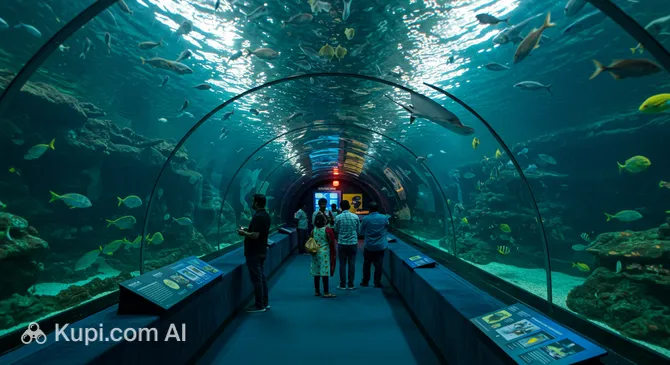
Jagdish Chandra Bose Municipal Aquarium. Illustration.
Source: Kupi.com AI
Traveler photos:
Finally, the Jagdish Chandra Bose Municipal Aquarium is a fantastic stop, especially for those traveling with children. It is considered one of the best underwater aquariums in the country, housing an impressive collection of marine life. From exotic fish to jellyfish and sharks, the aquarium offers a fascinating glimpse into the underwater world, all housed within an eco-friendly structure.
Local Cuisine
Surat is often hailed as the food capital of Gujarat, with a popular local saying, "Surat nu Jaman, Kashi nu Maran," which implies that dining in Surat is the ultimate way to live, just as dying in Kashi is the ultimate way to leave the world. The city's gastronomic scene is legendary, characterized by its love for spicy, tangy, and sweet flavors all on one plate. Food here is not just sustenance; it is a celebration, and the locals are known for their discerning palates and hearty appetites.
When exploring the city, you simply cannot miss Locho, a street food invention unique to Surat. It is a steamed gram flour snack, somewhat similar to Dhokla but with a loose texture, served hot with oil, butter, and a generous sprinkling of spicy chutney and crispy sev. Another culinary gem is Surti Ghari, a rich sweet pastry made with condensed milk, ghee, and sugar, typically consumed during the Chandani Padva festival. For a savory treat during the winter months, Undhiyu—a mixed vegetable casserole cooked in earthen pots—is a seasonal delight that locals eagerly await.
Regarding beverages, it is important to note that Gujarat is a dry state, meaning the sale and consumption of alcohol are prohibited without a special permit. Consequently, the local drinking culture revolves around refreshing non-alcoholic options. A must-try is the famous Cold Cocoa, a thick, luscious chocolate drink that is much denser than regular chocolate milk and served chilled. Soda fountains are also extremely popular, offering a variety of fizzy drinks in unique local flavors that provide a perfect respite from the heat.
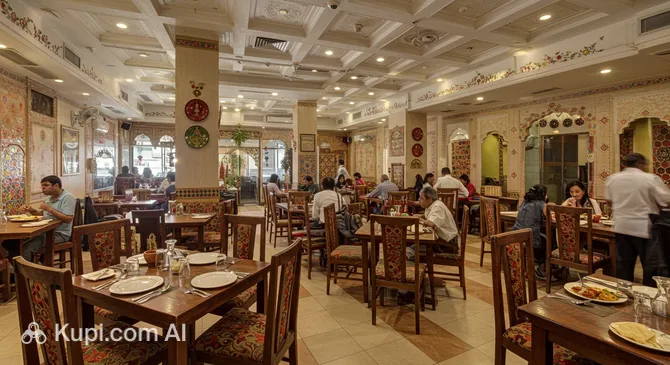
The food culture in Surat is predominantly street-based, with bustling night markets and stalls (laris) staying open late into the night. Areas like Piplod and the Dumas Road become vibrant social hubs after sunset, where families and friends gather to enjoy snacks like Tomato Bhajiya (spicy tomato fritters). However, for those who prefer a more formal dining experience, the city offers excellent restaurants. You can visit Roman Dine for a comfortable sit-down meal featuring diverse cuisines.
Roman Dine. Illustration.
Source: Kupi.com AI
Traveler photos:
For a mix of entertainment and gastronomy, many tourists head to VR Surat, a large shopping mall that houses a variety of food courts and upscale eateries. Whether you are grabbing a quick bite at a roadside stall or dining at a place like Cafe De Meet Siguiente, the culinary offerings in Surat are sure to leave a lasting impression on your taste buds.
Travel Tips
To ensure your visit to Surat is as smooth and enjoyable as possible, we have compiled a list of essential practical advice. Whether you are here for business in the textile markets or to explore the historical sights, these tips will help you navigate the city like a local.
Clothing and Gear: Given Surat's tropical climate, lightweight and breathable cotton clothing is your best friend, especially during the hot summer months. While the city is modern, it is advisable to dress modestly, covering shoulders and knees, particularly when visiting religious sites like the ISKCON Temple. Comfortable slip-on shoes are highly recommended as you will need to remove them frequently when entering temples or private homes.
Transportation: Surat boasts an excellent public transport system known as Sitilink (BRTS), which is efficient, air-conditioned, and connects major parts of the city. For last-mile connectivity, auto-rickshaws are ubiquitous; however, it is wise to agree on the fare beforehand or insist on using the meter. Ride-hailing apps like Uber and Ola are also available and offer a convenient, hassle-free way to get around.
Finances: The local currency is the Indian Rupee (INR). While credit and debit cards are widely accepted in hotels, malls, and upscale restaurants, cash is king in the local markets and for street food. ATMs are plentiful throughout the city. Tipping is appreciated but not mandatory; rounding up the bill or leaving a small amount (10-15%) for good service is standard practice.
Health and Safety: Surat is known as one of the cleanest cities in India, but it is still safer for tourists to drink bottled or filtered water to avoid stomach upsets. Pharmacies (often marked as "Chemists") are easily found, and many near hospitals remain open 24/7. The city is generally very safe, but standard precautions like keeping an eye on your belongings in crowded textile markets apply.
Communication: The primary language spoken is Gujarati, but Hindi is widely understood and spoken. English is commonly used in business circles, hotels, and tourist areas, though learning a few basic phrases like "Kem cho?" (How are you?) will delight the locals. It is highly recommended to purchase a local SIM card with data for navigation and translation apps.
Local Etiquette: Greeting people with a "Namaste" (palms pressed together) is respectful and universally accepted. When dining, especially if eating traditional food with your hands, always use your right hand, as the left is considered unclean for food handling. Public displays of affection are generally frowned upon and should be avoided.
What to Avoid: A critical rule to remember is that Gujarat is a "Dry State," meaning the sale and consumption of alcohol are strictly prohibited without a special permit. Do not carry alcohol into the city without proper authorization, and never consume it in public places, as this can lead to legal trouble.
Shopping Tip: If you plan to buy textiles or sarees in the famous markets like the Bombay Market or Textile Market, be prepared to bargain. It is a standard part of the shopping experience here. Also, shops often stay open late, so you can enjoy evening shopping when the temperature is cooler.
By keeping these practical tips in mind, you are all set to embrace the vibrant culture and warm hospitality of Surat. We hope you have a fantastic journey exploring the Diamond City!
Entertainment & Nightlife
Nightlife in Surat is vibrant, energetic, and uniquely distinct due to the state's prohibition laws. As Gujarat is a "dry state," the nightlife culture here does not revolve around traditional alcohol-serving pubs but rather centers on lively high-end cafes, mocktail lounges, and late-night dining spots that stay abuzz well past midnight. The atmosphere is incredibly social and safe, with families and young people alike thronging the streets to enjoy music, dance, and the city's legendary food scene.
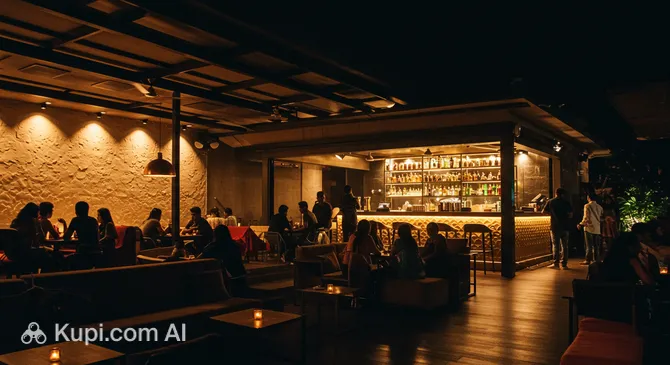
The epicenter of evening entertainment is undoubtedly the Piplod area and the stretch along Dumas Road. These districts come alive after sunset, featuring glittering malls, multiplexes, and a variety of entertainment venues. For those looking to experience the city's clubbing vibe, Lucid is a popular choice. It offers a spirited atmosphere with DJ music and a trendy crowd, making it a great place to dance and socialize over creative non-alcoholic beverages.
Another excellent venue for night owls is the Cafe Beats Arena. Known for its energetic ambiance, it serves as a gathering spot for the youth to enjoy music and hookahs in a stylish setting. If you prefer a more laid-back evening combining sports and leisure, Super Players Sports & Cafe provides a fun environment with games and screenings, perfect for hanging out with friends.
Lucid. Illustration.
Source: Kupi.com AI
Traveler photos:
When planning a night out, dress codes are generally smart casual. Most venues open in the late afternoon and stay busy until 1:00 AM or later, especially on weekends. Prices are reasonable compared to metropolitan hubs like Mumbai, with an average evening out costing between 800 to 1,500 INR per person depending on your order. Getting around at night is convenient; ride-hailing services like Uber and Ola are readily available, and auto-rickshaws can be found at major intersections.
Surat is considered one of the safest cities in India, making night walks along the Tapi Riverfront or the bustling streets of Piplod quite secure for tourists. However, standard precautions should always be taken. For daytime excitement before the sun sets, the city offers plenty of thrills. Families can head to Rebounce Amusement Park for trampoline fun and arcade games, or cool off at Aqua Imagicaa, a water park that promises a splash-filled day for visitors of all ages.
Parks & Museums
Beyond its bustling textile markets and diamond polishing units, Surat surprises visitors with a refreshing array of green spaces and cultural institutions. The city has invested significantly in developing public areas that offer residents and tourists alike a chance to unwind amidst nature or delve into the region's rich literary and historical heritage.
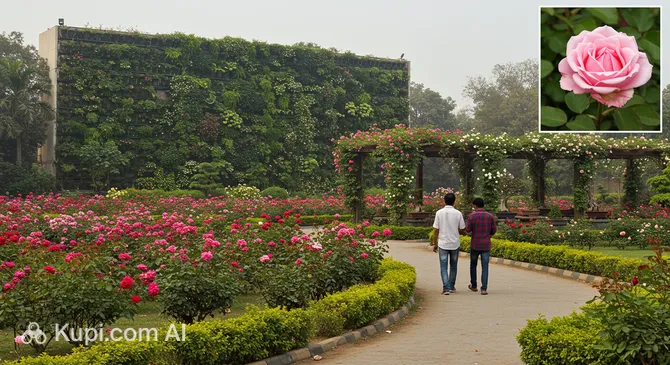
One of the city's most delightful green escapes is the Sneh Rashmi Botanical Garden. Located on the banks of the Tapi River, this sprawling garden is a haven for nature lovers, featuring an extensive collection of exotic plant species. It is particularly famous for its cactus house, which displays a fascinating variety of succulents, and its well-maintained rose garden. The serene atmosphere makes it an ideal spot for a morning walk or a peaceful evening retreat away from the urban clamor.
Sneh Rashmi Botanical Garden. Illustration.
Source: Kupi.com AI
Traveler photos:
For those looking to combine leisure with scenic views, Lake View Garden in the Piplod area is a perfect choice. As the name suggests, it sits adjacent to a water body and offers lush lawns and paved pathways that are popular among locals for jogging and family picnics. Nearby, the Tapi Riverfront provides a beautifully developed promenade where visitors can enjoy a cool breeze and watch the sunset over the river, reflecting the city's modern efforts to embrace its natural geography.
To understand the cultural soul of the city, a visit to Narmad House, also known as Saraswati Mandir, is essential. This was the home of the renowned Gujarati poet Veer Narmad, a pioneering figure in modern Gujarati literature. converted into a museum, the house preserves his personal belongings, manuscripts, and photographs, offering an intimate glimpse into his life and the 19th-century social reforms he championed. It stands as a tribute to the city's intellectual legacy.
History enthusiasts should also explore the Sardar Patel Museum (Winchester Museum), established in the late 19th century. While not just a gallery, it houses an impressive collection of artifacts, including ancient relics, wood carvings, and paintings that trace the history of Surat and Gujarat. For a touch of local legend, you can visit the Three Leaf Banyan Tree, a historical site associated with myths and nature worship that adds a layer of mystique to the city's landscape.
Insider Tip: The parks in Surat, especially the botanical garden, are best visited in the early evening when the heat subsides. This is also when the locals come out, giving you a chance to experience the authentic social vibe of the city.
Getting Around
Navigating Surat is relatively easy and efficient, thanks largely to its well-developed bus network and the ubiquity of three-wheeled auto-rickshaws. The city's primary public transport backbone is the Sitilink, an integrated system that manages both the Bus Rapid Transit System (BRTS) and standard city buses. The BRTS is particularly popular among visitors and locals alike because it operates on dedicated corridors, allowing buses to bypass heavy traffic and ensure timely arrivals. These buses are modern, air-conditioned, and cover most major routes across the city.
Complementing the rapid transit corridors are the standard city buses, often colored red or blue, which connect the interior neighborhoods to the main BRTS stations. For the "last mile" connectivity, auto-rickshaws are the most common mode of transport. You will see them everywhere; they are perfect for short distances or reaching areas not directly served by bus stops. While some drivers use meters, it is more common to negotiate the fare before starting your journey, or simply opt for "shared autos" which run on fixed routes for a nominal fee.
When it comes to paying for your ride on the Sitilink network, the system is modernized to encourage cashless travel. Tourists can purchase paper tickets at station counters for single journeys, but for convenience, it is highly recommended to get the S-Connect Card. This smart travel card can be purchased and topped up at major bus terminals and civic centers. Using the card not only saves time but often provides a discount on fares compared to paper tickets. Fares are extremely affordable, typically ranging from roughly ₹4 for short trips to ₹20 or ₹30 for longer cross-city journeys.
Operating hours for the bus services generally run from 6:00 AM to 10:30 PM, though frequencies may drop late in the evening. To plan your route, the Sitilink app is a useful tool available for smartphones, offering real-time information on bus schedules, routes, and fares. It helps in identifying the nearest bus stop and the correct bus number to board, bridging the language gap that travelers might sometimes face.
For those who prefer a more private or direct mode of travel, app-based cab services like Uber and Ola are fully operational in the city. They offer a reliable alternative to negotiating with auto-rickshaw drivers and provide the comfort of air-conditioned cars, which can be a relief during the warmer months. Traditional taxis are less common on the streets compared to autos and ride-sharing cabs.
A significant addition to the city's infrastructure is the Surat Metro, which is currently under active development. While it is a major talking point and construction is visible across the city, it is largely in the phase of testing and partial opening. Once fully operational, it promises to revolutionize travel within the urban area, but for now, the Sitilink buses and auto-rickshaws remain the most practical ways to explore.
Accommodation
Finding the right place to stay in Surat is relatively straightforward, as the city offers a broad spectrum of accommodation options to suit various budgets and preferences. As a major commercial hub, the hospitality sector here is well-developed, ranging from economical guesthouses and business hotels to plush luxury resorts. Whether you are visiting for a quick business trip or a leisurely vacation, you will find establishments that prioritize comfort and Gujarati hospitality.
For travelers prioritizing convenience and budget, the area surrounding the Surat Railway Station is the most popular choice. This district is bustling with activity and offers numerous affordable hotels and lodges, making it ideal for those who want quick access to trains and intercity buses. On the other hand, if you prefer a more upscale and serene environment, the neighborhoods of Piplod and Dumas Road are highly recommended. These areas are modern, well-connected to the airport, and located near major attractions like shopping malls and multiplexes, offering a more relaxed stay.
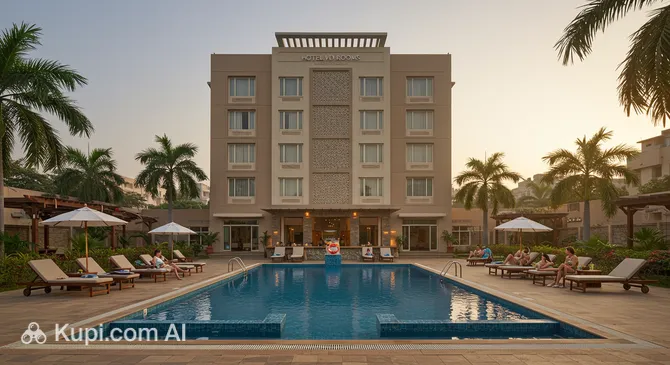
Among the accommodation options available in the city, you might consider Hotel VD Rooms. Establishments like this typically cater to travelers looking for modern amenities and a comfortable base to explore the city or conduct business. Many such hotels in Surat are known for their cleanliness and efficient service.
Hotel VD Rooms. Illustration.
Source: Kupi.com AI
Traveler photos:
Booking Tip: Surat is a busy city year-round due to its diamond and textile industries, and it is also a popular destination for grand weddings during the winter months (November to February). Consequently, hotels can book up fast during the wedding season and major festivals like Diwali and Navratri. It is highly advisable to reserve your rooms at least a few weeks in advance during these peak times.
The price range for accommodation is generally reasonable compared to other major Indian metros. Budget stays can cost anywhere between ₹1,000 and ₹2,500 per night, while mid-range hotels typically charge between ₹3,000 and ₹6,000. Luxury properties and 5-star hotels usually start from ₹7,000 upwards. Most hotels accept digital payments and can be easily booked through major online travel platforms or directly via their websites.
Nearby Cities
For those looking to explore the surroundings, Surat serves as an excellent base for day trips to several interesting nearby locations. The region is dotted with towns that offer a mix of historical significance, coastal beauty, and cultural heritage, making them perfect for short excursions.
Navsari, located just a short distance south of Surat, is often considered its twin city. It is deeply significant to the Parsi community in India and is known for its well-preserved colonial architecture and rich history. Visitors can explore the Atash Behram, one of the most sacred fire temples, and enjoy the town's quiet, old-world charm. Further south lies Valsad, a coastal town famous for its lush mango orchards and the popular Tithal Beach. The beach is unique for its black sand and is home to a magnificent Swaminarayan Temple that overlooks the Arabian Sea, offering a serene spiritual retreat.
Another intriguing destination is Songadh, situated to the east. It is primarily known for the historic Songadh Fort, built by the Gaekwad dynasty on a hilltop. A trek up to the fort rewards travelers with panoramic views of the Tapi district's landscape and a look into the region's Maratha history.
City
Population
Distance
Navsari
164 000
28 km
Vyara
50 789
58 km
Bharuch
158 253
62 km
Valsad
170 060
64 km
Haripura
9 088
71 km
These nearby destinations offer a glimpse into the diverse culture and landscapes of the region, providing a refreshing contrast to the bustling urban environment of Surat.
Shopping & Souvenirs
Shopping:
Shopping in Surat is an experience that truly reflects the city's commercial prowess and cultural richness. Known globally as the "Silk City" and the "Diamond City," it is a paradise for those looking to buy exquisite textiles and high-quality jewelry. The city offers a diverse retail landscape, ranging from sprawling wholesale textile markets that bustle with energy to modern, air-conditioned shopping complexes. Whether you are hunting for traditional ethnic wear or contemporary fashion, the variety and competitive prices here are unmatched in the region.
For a deep dive into the local shopping scene, Ring Road is the place to be. This area is the heart of the city's textile trade, lined with thousands of wholesale shops selling sarees, dress materials, and fabrics. It is an overwhelming but fascinating experience to see the sheer volume of trade happening here. For a more upscale street shopping experience, Ghod Dod Road is a prime destination. This posh locality is dotted with boutiques, jewelry showrooms, and branded stores, making it a favorite spot for fashion-conscious locals and tourists alike.
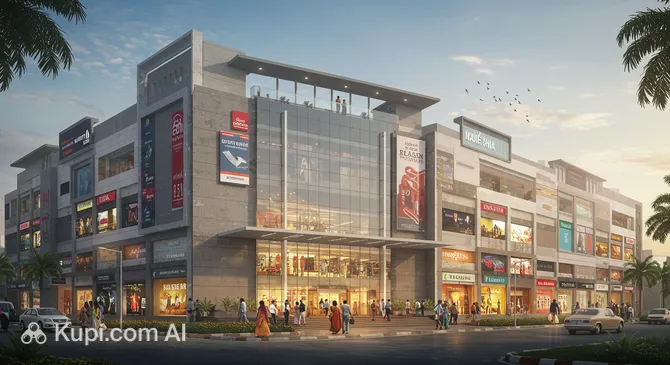
If you prefer the comfort and variety of modern retail centers, the city has several excellent options. VR Surat on Dumas Road is the most prominent shopping and lifestyle destination in the city. It houses a vast array of international and domestic brands, a multiplex, and numerous dining options, serving as a one-stop hub for entertainment and retail therapy. Another notable complex is Laxmi Enclave, which caters to shoppers looking for a mix of commercial offices and retail outlets.
VR Surat. Illustration.
Source: Kupi.com AI
Traveler photos:
Markets are an integral part of the city's identity. The Bombay Market is legendary among locals for affordable textiles and readymade garments; it is the go-to place for buying sarees and salwar kameez sets at wholesale rates. For those interested in local culture, the Shanivari Market (Saturday Market) near the Makkai Pul is a historic flea market. Here, you can find everything from antique items and second-hand goods to household tools and curios, offering a glimpse into the everyday life of the city's residents.
When it comes to souvenirs, textiles should be at the top of your list. Surat is famous for its Tanchoi, Gajee, and Kinkhab sarees, as well as intricate embroidery work. Additionally, given its reputation as a diamond hub, buying diamond jewelry can be a good investment here, provided you purchase from reputable certified jewelers. For a unique handicraft, look for Sadeli work—a traditional form of marquetry (wood inlay) used to decorate boxes, photo frames, and jewelry, which is a dying art form native to this region.
Most shops in the city open around 10:00 AM or 11:00 AM and close by 9:00 PM to 10:00 PM. While the large malls and branded showrooms on Ghod Dod Road accept credit and debit cards, cash is still the preferred mode of payment in the bustling textile markets and street stalls. It is also common to bargain in the local markets, so do not hesitate to negotiate for a better price.
Regarding tax-free shopping, India does not generally offer a VAT refund scheme for international tourists similar to those found in Europe or Singapore. The prices you see usually include the Goods and Services Tax (GST), and refunds are not typically available upon departure.