Support

Vadodara

About

Vadodara, often referred to as the "Cultural Capital of Gujarat," is a vibrant city that seamlessly blends traditional heritage with modern industrial growth. Situated on the banks of the Vishwamitri River, it serves as a major hub in the western part of India. With a population exceeding 2 million residents, the city offers a lively atmosphere while maintaining a deep connection to its royal past and artistic traditions.

The city's architecture and urban layout are heavily influenced by the vision of its former rulers, particularly Maharaja Sayajirao Gaekwad III. Exploring the history of Vadodara reveals a fascinating legacy of progressive governance and patronage of the arts, which is still visible in the city's grand palaces, educational institutions, and well-planned public spaces.

Vadodara. Source: Kupi.Binoculars

Travelers are often drawn to the magnificent Laxmi Vilas Palace, an architectural marvel reputed to be four times the size of Buckingham Palace, which remains the residence of the royal family. Another highlight is Sayaji Baug, a sprawling garden dedicated to the citizens that houses museums, a zoo, and a planetarium. For those interested in unique modern structures, the EME Temple stands out with its distinctive aluminum geodesic dome and secular design concept.

Whether you are an art enthusiast, a history buff, or simply looking to experience the warm hospitality of Gujarat, Vadodara makes for a compelling destination. Its rich festivities, particularly the vibrant celebrations during Navratri, and its welcoming spirit ensure a memorable visit for every traveler.

Weather Overview

Vadodara experiences a tropical climate with three distinct seasons: a hot summer, a humid monsoon, and a mild winter. Understanding the weather in Vadodara is key to planning a comfortable trip, as conditions vary significantly throughout the year. The summer months, stretching from March to June, are characterized by intense heat, with May being the hottest month, averaging 33.7°C and seeing highs reach nearly 40°C.

The monsoon season usually begins in June and lasts through September, bringing frequent rainfall and higher humidity. July and August are the wettest months in terms of frequency, with July seeing rain on approximately 26 days. While the precipitation brings relief from the summer heat, travelers should be prepared for wet conditions if visiting during this period.

The most popular time to visit is during the winter months, from November to February, when the climate is pleasant and dry. January is typically the coolest month, with an average temperature of 21.2°C and lows dropping to around 14.7°C. Overall, you can expect hot summers, a rainy monsoon season, and comfortable, sunny winters ideal for sightseeing.

Interesting Facts

Beyond the main attractions, Vadodara holds many fascinating secrets and historical curiosities that offer a deeper glimpse into its royal and cultural legacy. From rare artifacts to unique architectural feats, the city is full of surprises for the observant traveler.

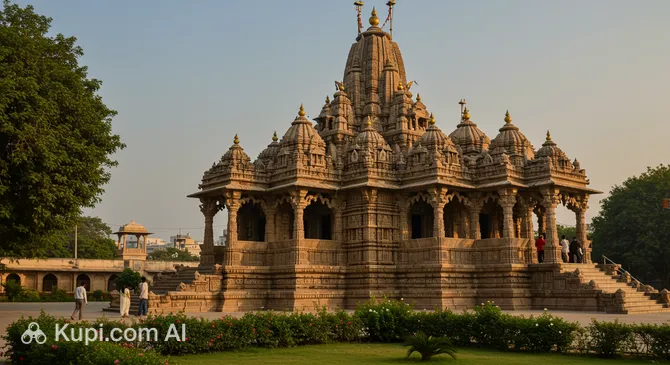
EME Temple. Source: Kupi.Binoculars
  • The city derives its name from the Sanskrit word "Vatodar," meaning "in the belly of the Banyan tree." This unique moniker, giving rise to the nickname "Banyan City," references the dense forests of Banyan trees that historically covered the region.

  • The EME Temple is an architectural marvel constructed entirely with aluminum sheets and assembled in a geodesic dome structure. Uniquely, its design incorporates symbols from five major religions—Hinduism, Islam, Christianity, Jainism, and Buddhism—to represent the secular spirit of the Indian Armed Forces.

  • Art lovers visiting the Maharaja Fateh Singh Museum can view one of the largest private collections of paintings by the legendary Indian artist Raja Ravi Varma. The artist spent several years in the city, commissioned by the royal family to create many of his masterpieces.

  • The Baroda Museum houses an unexpected treasure: a genuine Egyptian mummy. Along with a massive blue whale skeleton, these rare exhibits make it one of the few museums in the country to possess such diverse global artifacts.

How to Get There

Reaching Vadodara is quite convenient due to its strategic location in Western India and excellent connectivity by air, rail, and road. Whether you are traveling from within the country or arriving from abroad, there are multiple options to suit your itinerary. You can find detailed information on all ways to reach the city to help you plan your journey effectively.

The most direct way to arrive is by flying into Vadodara Airport (IATA: BDQ), which is located just 5.6 km from the city center. It is a domestic airport with good connections to major Indian hubs. The short distance makes the commute into town very quick; a taxi or auto-rickshaw ride typically takes about 30 minutes. While it handles a moderate amount of traffic annually, it offers a comfortable and hassle-free entry point for travelers.

For international travelers or those looking for more flight options, the Ahmedabad Airport (IATA: AMD) in the neighboring city of Ahmedabad is a significant alternative. Located approximately 102 km away, it is a major international gateway handling over 13 million passengers a year. From Ahmedabad, you can reach Vadodara by taxi or bus in about 3 hours. Another option is Surat Gujarat Airport (IATA: STV) in Surat, though it is slightly further at around 140 km from Vadodara.

For clarity, here is a summary of the main airports serving the region:

Airport Name City Passenger Traffic Km from City
Ahmedabad Airport Ahmedabad High 102.1
Surat Gujarat Airport Surat Medium 139.7
Vadodara Airport Vadodara Medium 5.6
Rajkot Hirasar Rajkot Medium 221.2
Gandhinagar Airport Nashik Small 253.9

Besides air travel, Vadodara is a major junction on the Western Railway zone of Indian Railways. The city is extremely well-connected by train to cities like Mumbai, Delhi, and Ahmedabad, making rail travel a very popular and scenic choice for many visitors. The city also lies on the National Highway 8, ensuring smooth road connectivity for those preferring to travel by bus or car.

Main Attractions

Vadodara is a treasure trove of architectural gems and historical landmarks, reflecting its status as a cultural hub. The city's attractions range from grand royal residences to serene lakes and sprawling gardens, offering something for every type of traveler. Exploring these sites provides a window into the opulent lifestyle of the Gaekwad dynasty and the artistic heritage of the region.

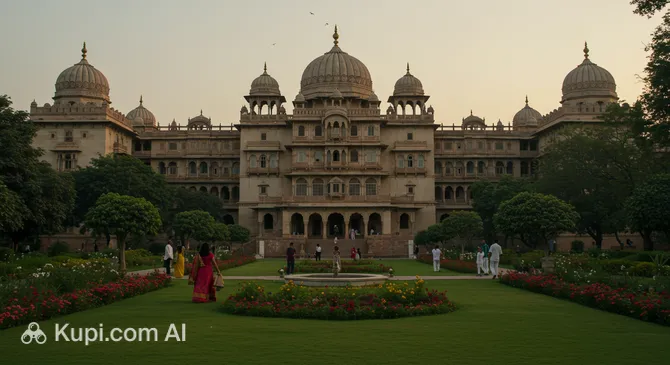
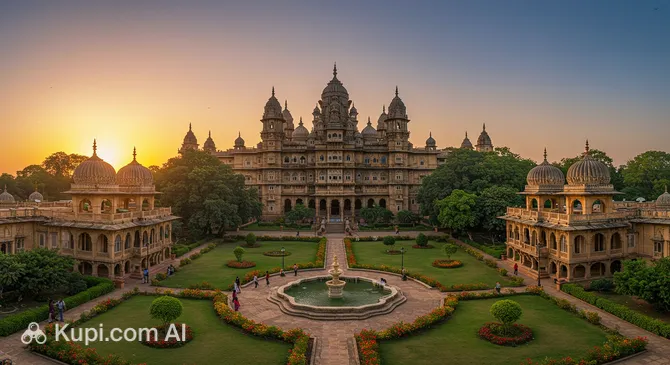
Undoubtedly the most iconic landmark in the city is the Laxmi Vilas Palace. Built in the Indo-Saracenic style, this magnificent residence is one of the largest private dwellings in the world. Tourists are captivated by its sheer scale, intricate carvings, and the lush grounds that surround it. The palace interiors boast an impressive collection of artifacts, weaponry, and art, making it a must-visit for history enthusiasts admiring royal grandeur.

Laxmi Vilas Palace. Source: Kupi.Binoculars

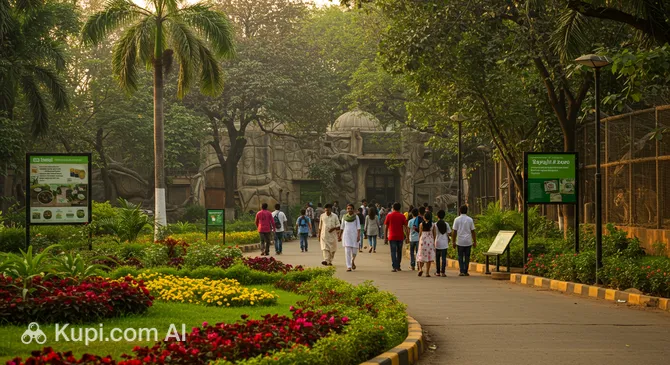
For those who enjoy nature and wildlife, the Sayaji Baug Zoo is a delightful stop. Located within the expansive Sayaji Baug (Kamati Baug) garden, the zoo houses a variety of animals and birds, making it a favorite spot for families and children. Beyond the wildlife, the surrounding garden offers a planetarium and a toy train ride, providing a relaxing escape from the city's bustle in a lush, green environment.

Sayaji Baug Zoo. Source: Kupi.Binoculars

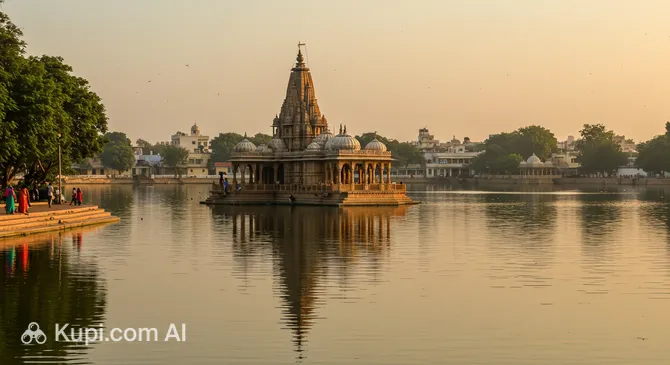
Another prominent attraction is Sursagar Lake, also known as Chand Talao. Situated in the heart of the city, this historic lake is famous for remaining full of water throughout the year. The centerpiece of the lake is a towering statue of Lord Shiva, which is beautifully illuminated at night, creating a mesmerizing reflection on the water. It is a perfect place for an evening stroll to soak in the local atmosphere.

Sursagar Lake. Source: Kupi.Binoculars

To delve deeper into the royal history, visitors should explore Kirti Mandir. This cluster of temples and cenotaphs was built to honor the memory of the Gaekwad family members. The stone building features exquisite murals and architectural details that showcase the craftsmanship of the era. It stands as a serene monument to the city's past rulers and offers a quiet, contemplative space for admirers of architecture and history.

Local Cuisine

The culinary landscape of Vadodara is a vibrant reflection of Gujarati culture, offering a gastronomic journey that is predominantly vegetarian and famous for balancing sweet, salty, and spicy flavors. Food is an integral part of the city's identity, and locals take great pride in their traditional recipes. A defining characteristic of the local cuisine is the subtle addition of sugar or jaggery to savory dishes, creating a unique taste profile that distinguishes it from other regional Indian cuisines.

One cannot visit this city without trying its most iconic street food, Sev Usal. This spicy curry made from dried peas is garnished with plenty of crunchy sev (fried chickpea noodles), onions, and chutneys, typically served with a soft bun. Another staple is the Gujarati Thali, an elaborate platter featuring an assortment of dishes including roti, rice, dal, various vegetable curries (shaak), and sweets. For a reliable place to experience high-quality local and multi-cuisine dining, Tarasuns is a popular choice among residents and visitors alike.

Tarasuns. Source: Kupi.Binoculars

Snacking is a serious affair here, with Fafda and Jalebi being the breakfast of choice for many. You should also try Bhakarwadi, a crispy, spiral-shaped snack filled with a spicy and sweet mixture, which has put Vadodara on the global food map. The city's food culture comes alive at night, particularly in the bustling street food markets where stalls stay open late, serving everything from traditional snacks to fusion dishes.

Regarding beverages, it is important to note that alcohol is restricted in the region. Consequently, the local drink culture focuses heavily on refreshing non-alcoholic options. Chaas (spiced buttermilk) is the standard accompaniment to meals, aiding digestion and cooling the palate. Soda shops are also extremely popular, serving carbonated drinks in a variety of creative flavors. For those seeking modern cafes or international fast-food chains, the food court at Inorbit Mall Vadodara offers a wide range of contemporary options in a comfortable setting.

Travel Tips

Welcome to Vadodara! To ensure your visit to the "Cultural Capital of Gujarat" is as smooth and enjoyable as possible, we have compiled a set of practical guidelines. These tips will help you navigate the local customs, climate, and logistics, allowing you to focus on exploring the city's rich heritage and vibrant street life.

  1. Clothing and Gear: Due to the tropical climate, lightweight cotton or linen clothing is essential, especially during the hot summer months. While the city is modern, it is advisable to dress modestly; avoid sleeveless tops or short skirts when visiting temples or rural areas. Comfortable slip-on shoes are highly recommended, as you will frequently need to remove them at religious sites like the EME Temple or Kirti Mandir. Don't forget a universal power adapter (Type C, D, or M) and high-SPF sunscreen.

  2. Transportation: The most convenient way to get around Vadodara is by using auto-rickshaws, which are ubiquitous. While some drivers use meters, it is often necessary to negotiate the fare beforehand; ask your hotel for approximate rates. App-based ride-hailing services like Uber and Ola are also available and offer a hassle-free alternative with transparent pricing. For day trips to outskirts, renting a car with a driver is the most comfortable option.

  3. Finances: The local currency is the Indian Rupee (INR). While credit and debit cards are widely accepted at hotels, malls, and upscale restaurants, cash is still king for street food vendors, local markets, and auto-rickshaws. ATMs are plentiful throughout the city. Tipping is not mandatory but is appreciated; leaving a 10% tip at restaurants or rounding up the fare for drivers is a kind gesture.

  4. Health and Safety: Vadodara is generally considered one of the safer cities in India, but it is always wise to keep an eye on your belongings in crowded areas like Mandvi Gate. Stick to bottled or filtered water to avoid stomach issues. Pharmacies (often called "Chemists") are easy to find, and many near major hospitals operate 24/7. In case of a medical emergency, private hospitals offer good standards of care.

  5. Communication: The primary language is Gujarati, but Hindi is widely spoken and understood. English is commonly used in hotels, tourist attractions, and business circles, though auto-rickshaw drivers may have limited fluency. Learning a few local phrases like "Kem cho?" (How are you?) will delight the locals. It is highly recommended to purchase a local SIM card (Jio, Airtel, or Vi) at the airport or a local shop for reliable data connectivity, as public Wi-Fi can be spotty.

  6. Local Etiquette: Greeting people with a "Namaste" (palms pressed together) is the traditional and respectful way to say hello. When eating traditional Gujarati food or receiving something, use your right hand, as the left is considered unclean for these activities. Always remove your footwear before entering a local home or a place of worship.

  7. What to Avoid: Gujarat is a "Dry State," meaning the sale and consumption of alcohol are strictly prohibited without a valid permit. Do not attempt to carry or consume alcohol in public, as this is illegal and carries penalties. Tourists can apply for a temporary liquor permit online or at authorized hotel shops upon arrival.

  8. Additional Tip: Be aware of the afternoon break. Many traditional shops and smaller local businesses may close for a few hours in the afternoon (roughly between 1:00 PM and 4:00 PM) for a rest period known locally as staying in during the heat. Plan your shopping or market visits for the morning or late evening to ensure everything is open.

By keeping these practical tips in mind, you will be well-prepared to embrace the warmth and hospitality that Vadodara is famous for. Enjoy your journey through this historic city, from its majestic palaces to its flavorful street corners!

Entertainment & Nightlife

Nightlife in Vadodara offers a unique experience that differs significantly from other major Indian metropolises due to Gujarat being a "Dry State." Instead of alcohol-fueled nightclubs, the city's evening entertainment revolves around vibrant street food markets, lively cafes, upscale lounges, and social clubs. The atmosphere is generally relaxed and family-friendly, with a strong emphasis on community and late-night dining. The city comes alive after sunset as locals flock to popular hangouts to socialize, enjoy music, and savor delicious mocktails and snacks.

The most bustling districts for evening activities are Alkapuri, Race Course Circle, and Fatehgunj. These areas are dotted with modern cafes and restaurants that stay open late, attracting a young and trendy crowd. Alkapuri, in particular, is the hub of the city's modern lifestyle, featuring numerous eateries and lounges where you can unwind. The dress code is typically casual to smart-casual; while there are no strict entry requirements for most places, dressing neatly is appreciated in upscale venues.

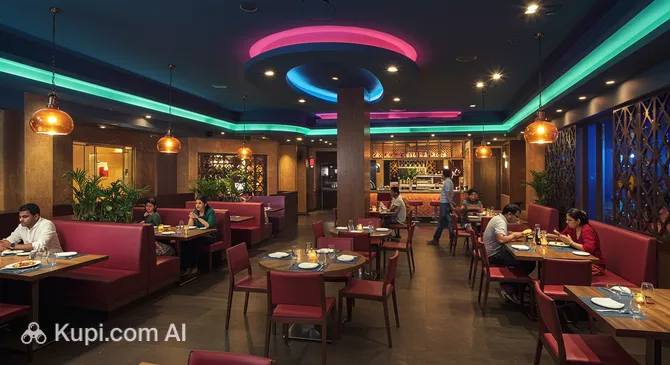
For those looking to enjoy a lively evening atmosphere, the Waves Club is a prominent venue on the city's outskirts. It serves as a social hub offering excellent dining options and a space for relaxation away from the city center's noise. Another popular spot for a pleasant evening meal with a vibrant ambiance is the Indian Spice Restaurant & Banquet Hall, where visitors can enjoy rich flavors in a comfortable setting.

Waves Club. Source: Kupi.Binoculars

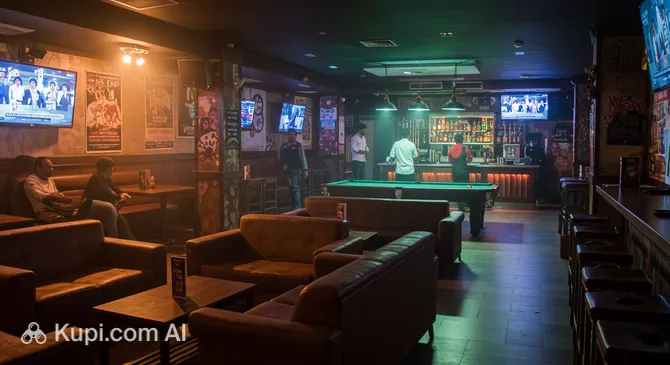
If you prefer active entertainment over dining, the city offers several recreational spots. You can visit Sapphire Pool and Snooker Point, a great place to hang out with friends and enjoy a game of pool. The crowd here is usually young and energetic. Since alcohol is not commercially served in public venues without a permit, the "bar" scene consists mostly of juice bars and establishments serving creative non-alcoholic beverages, which are crafted with as much care as cocktails elsewhere.

Sapphire Pool and Snooker Point. Source: Kupi.Binoculars

Vadodara is widely regarded as one of the safest cities in India, making night walks pleasant and worry-free. Areas like the older city markets or the modern streets of Alkapuri are safe to explore until late. However, standard precautions should always be taken. Public transport diminishes late at night, so it is advisable to use app-based cab services or pre-arranged taxis for getting back to your hotel. Auto-rickshaws are available but ensure you agree on a fare if the meter is not used.

Beyond the nightlife, the city offers exciting daytime entertainment options for thrill-seekers and families. Adventuraa is a popular amusement park featuring rides and activities suitable for all ages. Similarly, Black Bunny Vadodara provides an adrenaline rush with its adventure zones, making it a perfect spot to spend an energetic afternoon before the sun goes down.

Parks & Museums

Vadodara is a city that takes immense pride in its green cover and intellectual heritage. Known as the "Banyan City," it offers a refreshing mix of sprawling gardens and world-class museums that preserve the region's artistic and royal legacy. For tourists, exploring these spaces provides a perfect balance of relaxation in nature and immersion in the rich cultural history of Gujarat.

The crown jewel of the city's green spaces is undoubtedly Sayaji Baug, also known as Kamati Baug. Spanning over 100 acres, this lush garden is the city's largest public park and serves as a recreational hub for locals and visitors alike. It features a massive floral clock, towering trees, and a joyful toy train ride that is a hit with children. Within this verdant expanse, you will find the Sayaji Baug Zoo, which adds a wildlife element to your visit. Just a short drive from the city lies the Ajwa Nimeta Garden, famous for its illuminated musical fountains and design inspired by the Brindavan Gardens of Mysore, making it an excellent spot for an evening picnic.

For culture enthusiasts, the Baroda Museum and Picture Gallery is an essential stop. Built in 1894, the building itself is a stunning example of Indo-Saracenic architecture, designed by R.F. Chisholm. Inside, visitors can marvel at an eclectic collection that ranges from Indian miniatures and European oil paintings to a genuine Egyptian mummy and a massive blue whale skeleton. The museum reflects the global outlook of Maharaja Sayajirao Gaekwad III, who curated many of these artifacts to educate his subjects.

Another significant cultural venue is the Maharaja Fateh Singh Museum, located within the majestic Laxmi Vilas Palace compound. Originally built as a school for the royal children, this building now houses a remarkable collection of art belonging to the Gaekwad family. It is particularly renowned for possessing the largest private collection of paintings by the celebrated Indian artist Raja Ravi Varma. The museum also displays marble sculptures, exquisite ceramics, and royal memorabilia that offer a glimpse into the opulent lifestyle of the past.

Beyond the museums, Vadodara's landscape is dotted with historical structures that serve as open-air exhibits of ancient engineering. The Vidhyadhar Stepwell (Vaav), Sevasi is a prime example of this. This 16th-century water conservation structure is not just a utility but a work of art, featuring intricate stone carvings and a series of steps leading down to the water level. It offers a quiet, atmospheric experience away from the city center and is a favorite among photographers and history buffs.

For families traveling with children, the Sagar Aquarium provides an engaging educational experience. Though smaller than big-city aquariums, it showcases a variety of marine and freshwater fish, making it a pleasant diversion. An insider tip for those seeking a truly local experience is to visit the stepwell in the early morning when the light accentuates the carvings, or to take a quiet walk in Sayaji Baug at sunrise to see the city wake up amidst the ancient banyan trees.

Getting Around

Navigating Vadodara is relatively straightforward, although the city does not currently have a metro or tram system like some larger metropolises. The public transport network primarily relies on a city bus service and a vast fleet of auto-rickshaws, which serve as the lifeline for daily commuters. For tourists, the system is informal but effective once you understand how the different modes operate.

The backbone of mass transit is the city bus service managed by the Vadodara Municipal Corporation (VMC). These buses, often colored red or blue, connect key hubs such as the Railway Station, Mandvi, and Alkapuri with residential suburbs. They are the most economical way to travel, with fares being extremely low. However, route maps and schedules are rarely displayed in English at bus stops, so you will often need to ask locals or the conductor for assistance regarding the correct bus number for your destination.

For a more flexible and ubiquitous option, auto-rickshaws are the preferred choice. They operate in two distinct ways: private and shared. Private auto-rickshaws can be hailed anywhere on the street for a direct ride to your destination. Shared auto-rickshaws, often called "shuttles," run on fixed routes along major roads, picking up and dropping off passengers along the way. These are much cheaper than private rides and are a great way to experience local life, though they can get quite crowded.

When it comes to payment, cash is the standard mode of transaction for public transport. On city buses, you purchase your ticket directly from the conductor on board after you take a seat; there is no need to buy tickets in advance or validate them. It is highly recommended to carry small denominations of the local currency, as conductors often struggle to provide change for large notes. For shared rickshaws, you pay a fixed amount to the driver upon exiting.

For those seeking a more comfortable or air-conditioned alternative, app-based ride-hailing services like Uber and Ola are fully operational in the city. These apps allow you to book both cars and auto-rickshaws with transparent pricing, eliminating the need to negotiate fares or worry about language barriers. This is often the most stress-free option for tourists visiting for the first time.

Public transport generally operates from around 6:00 AM to 10:00 PM. Frequency drops significantly after 9:00 PM, so it is wise to plan your return journey accordingly or rely on pre-booked cabs for late-night travel. While the city is walkable in certain areas like Sayaji Baug, the distances between major attractions usually require some form of vehicular transport.

Accommodation

Vadodara offers a diverse range of accommodation options that cater to every type of traveler, from backpackers seeking economical stays to luxury seekers looking for royal hospitality. As a major commercial and cultural hub in Gujarat, the city has a well-developed hospitality sector. You can find everything from modest guesthouses and budget-friendly lodges to modern business hotels and opulent heritage resorts. The city's relatively compact nature means that no matter where you stay, you are never too far from the main attractions.

When choosing where to stay, location is key. Alkapuri is widely considered the most upscale and convenient area for tourists. It is the heart of the modern city, dotted with shopping malls, fine dining restaurants, and premium hotels. For those prioritizing connectivity, the Sayajigunj area is an excellent choice. Located right next to the Vadodara Railway Station and the Central Bus Depot, it is packed with budget and mid-range hotels, making it ideal for transit travelers or those who plan to use public transport frequently.

For a more relaxed experience away from the city's hustle, you might consider staying at a resort. The Laxminarayan Club & Resort is a notable option that offers extensive facilities, including swimming pools and landscaped gardens, perfect for families or leisure travelers wanting a resort-style vacation. Another available option in the region is Hotel Limra, which caters to travelers looking for comfortable lodging with essential amenities.

Booking Tips and Prices: Accommodation in Vadodara is generally more affordable compared to metropolitan cities like Mumbai or Delhi. Budget rooms can be found for very reasonable rates, while luxury stays offer excellent value for money. It is highly recommended to book your stay in advance, especially during the wedding season (November to February) and during the Navratri festival, when the city attracts visitors from all over the world. Most properties are listed on major online booking platforms, allowing for easy comparison and reservation.

Nearby Cities

For those looking to explore the surroundings, Vadodara serves as an excellent base for day trips to several interesting nearby locations. The region of Gujarat is well-connected, allowing travelers to easily experience a mix of bustling metropolises, historical towns, and serene capitals within a few hours' drive.

Located approximately 100 km away, Ahmedabad is a must-visit for history and culture enthusiasts. As India's first UNESCO World Heritage City, it boasts a rich legacy featuring the serene Sabarmati Ashram, intricate mosques, and the stunning Adalaj Stepwell. It is a vibrant hub where ancient heritage meets modern urban life.

Just a short drive from Vadodara lies Anand, famously known as the "Milk Capital of India." It is the birthplace of the Amul dairy cooperative and the White Revolution. Visitors can explore the dairy museum to learn about this transformative movement or simply enjoy the peaceful, green atmosphere of the town.

The state capital, Gandhinagar, offers a contrast with its spacious, planned layout and abundant greenery. It is home to the magnificent Akshardham Temple, a masterpiece of stone carving and spiritual architecture. The city's organized avenues and quiet environment make it a relaxing destination for a day trip.

City Population Distance (km)
Ahmedabad 8009000 101
Petlad 227031 44
Nadiad 225132 54
Anand 218486 39
Gandhinagar 195891 115

These nearby destinations offer a glimpse into the diverse culture and landscapes of the region.

Shopping & Souvenirs

Shopping in Vadodara is a vibrant mix of the old and the new, reflecting the city's cultural depth and modern aspirations. The city is renowned for its textiles, particularly traditional Gujarati ethnic wear, and its exquisite silver jewelry. Whether you are looking for high-end international brands or bargaining for local handicrafts in narrow lanes, Vadodara offers a diverse retail therapy experience that caters to all budgets and tastes.

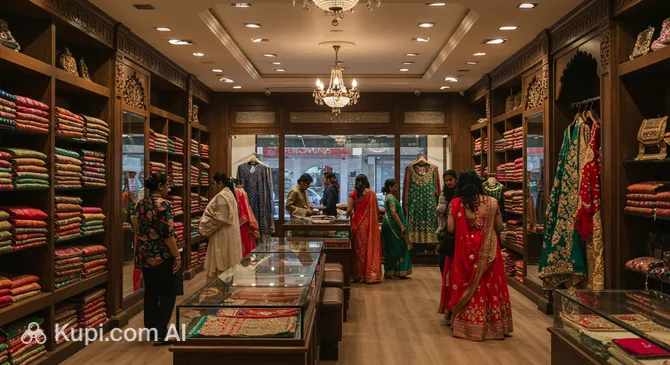
For a traditional shopping experience, the areas around Mandvi and Raopura are the busiest and most popular. These streets are lined with shops selling everything from colorful fabrics to footwear. As you navigate the lively Raopura Road, you will likely pass the historic Raopura Tower, a clock tower that stands as a landmark in this commercial hub. This district is particularly famous for its wide range of sarees, dress materials, and traditional footwear known as mojaris.

If you prefer a comfortable, air-conditioned environment with a variety of global brands, the city boasts several excellent shopping malls. Inorbit Mall Vadodara is the premier destination for lifestyle shopping, housing a vast array of fashion outlets, a food court, and a cinema. It is a favorite spot for locals to shop and socialize on weekends. Another notable complex is Trion Mall, which offers a good selection of retail stores and is conveniently located for a quick shopping spree.

For those who enjoy the energy of street markets, Mangal Bazaar is the place to be. Located near the Mandvi Gate, this market is a treasure trove for bargain hunters. It is incredibly crowded but offers the best deals on clothes, imitation jewelry, and household items. Nearby, the area around Teen Darwaza is also excellent for finding local curios and everyday goods. The Khanderao Market building is another focal point, primarily known for fresh produce, but the surrounding streets are filled with vendors selling flowers and seasonal items.

When it comes to souvenirs, Vadodara has plenty to offer. The city is famous for Bandhani (tie-dye) sarees and dupattas, which make for colorful and lightweight gifts. Patola silk, though originally from Patan, is also widely available here. Additionally, the city is a hub for silver craftsmanship; you can find intricate silver jewelry and artifacts in the jewelry markets of the old city. Handicrafts such as embroidered wall hangings and appliqué work are also popular takeaways.

Most shops in Vadodara open around 10:00 AM or 11:00 AM and close by 9:00 PM or 10:00 PM. As mentioned in the travel tips, many smaller, traditional shops in the old city may close for an afternoon break between 1:00 PM and 4:00 PM, so plan accordingly. While shopping malls and larger stores accept credit and debit cards, cash is essential for street markets and smaller vendors. Digital payment methods like UPI are also becoming increasingly popular even among small stall owners.

Regarding taxes, the concept of "Tax-Free" shopping with VAT refunds for tourists, as seen in some other countries, is generally not applicable in India for standard retail purchases. The price you see usually includes the Goods and Services Tax (GST). It is advisable to keep your receipts, but do not expect a refund counter at the airport for general shopping goods.
Reached the end of the page?

That means the route is fully explored