Support

Jalgaon

About

Jalgaon is a vibrant city situated in the northern part of Maharashtra, India. Known globally as the "Banana City" for its massive production of the fruit, and locally as the "Gold City" for its thriving jewelry market, it serves as a major commercial and agricultural hub. The city offers a distinct atmosphere where traditional values meet modern industry, providing travelers with an authentic glimpse into life in the Khandesh region.

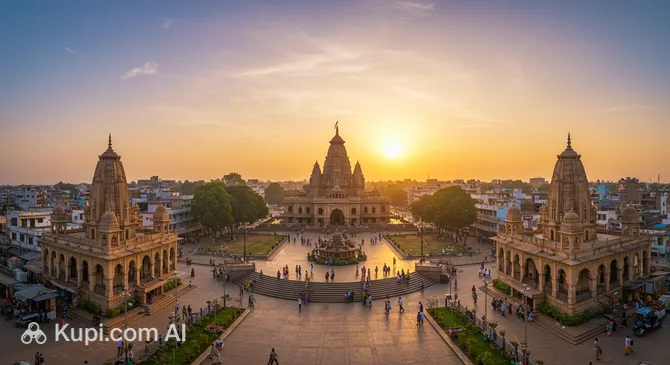
Jalgaon. Source: Kupi.Binoculars

Home to a population of approximately 460,000 people, the city is strategically located on the Deccan Plateau. While the climate can be quite hot during the summer, the winter months offer pleasant weather suitable for exploration. Beyond its commercial success, the history of Jalgaon is intertwined with the broader cultural heritage of the area, serving as a vital transport node that connects various parts of the country.

For tourists, Jalgaon is primarily known as the most convenient gateway to the magnificent Ajanta Caves, a UNESCO World Heritage Site famous for its ancient rock-cut Buddhist cave monuments. Within the city itself, visitors should not miss the Gandhi Research Foundation (Gandhi Teerth), a sprawling museum and research center nestled in a lush green landscape. Whether you are a history buff or a nature lover, a visit to Jalgaon provides a perfect starting point for discovering the architectural and natural wonders of the region.

Weather Overview

The climate in Jalgaon is generally characterized by distinct seasonal shifts, ranging from intense heat to pleasant, cooler periods. The summer months, particularly from March to May, can be quite sweltering, with May seeing average temperatures rise to 33.8°C and daily highs frequently exceeding 40°C. This period is typically very dry, making it essential for visitors to stay hydrated if traveling during this time.

Relief from the heat arrives with the monsoon season, which spans from June to September. While temperatures drop to a more comfortable range of 26°C to 31°C, this season brings a significant increase in humidity and rainfall frequency. July is notable for having the highest number of rainy days, with precipitation recorded on approximately 26 days of the month. Following the rains, the city enters a drier and cooler phase.

Winter, from November to February, is widely considered the best time to visit, as the weather becomes mild and enjoyable. January is often the coolest month, with minimum temperatures dipping to around 14.8°C and clear, sunny days. Overall, you can expect scorching summers, a wet monsoon season, and comfortable, dry winters. For the most up-to-date outlook, be sure to check the weather in Jalgaon before packing for your trip.

Interesting Facts

Beyond the main attractions, Jalgaon holds many fascinating secrets that showcase its economic prowess and ecological innovation. This city is not just a regional hub but a place where agriculture and tradition have achieved global significance.
  • A Global Banana Giant: While it is famously known as the "Banana City," the scale of its production is truly staggering. It is often estimated that if the Jalgaon district were a country, it would rank among the top banana-producing nations in the world, contributing a massive portion to the total output of India.

  • The Benchmark for Gold: The city's reputation as the "Gold City" is built on a deep-rooted tradition of trust within its famous Sarafa Bazaar. For generations, the purity of gold sold here has been considered a standard, prompting buyers from much larger metropolitan cities to travel here specifically for high-value jewelry purchases.

  • An Ecological Miracle: The lush greenery surrounding the Gandhi Teerth at Jain Hills is actually a man-made marvel. The area was once a barren wasteland, but through pioneering drip irrigation technology and sustainable farming practices, it was transformed into a thriving biodiversity park that now hosts diverse flora and fauna.

  • A Literary Connection: The region has a rich cultural history and was the workspace of the revered freedom fighter and social reformer Sane Guruji. His influence on the Marathi literature and culture of the Khandesh region remains a point of deep local pride.

How to Get There

Reaching this bustling commercial hub in Maharashtra is quite convenient thanks to its central location and connectivity. Whether you are planning to visit the famous Ajanta Caves or explore the city's gold markets, there are several transport options available. You can find more details about all ways to reach the city in our dedicated guide.

For air travel, the most direct option is the local Jalgaon airport (JLG), which is situated just 8.4 km from the city center. It is a smaller domestic airport, and a taxi ride to the downtown area typically takes around 35 minutes. However, flight frequency here can be limited.

Travelers seeking more extensive connections often fly into Chikkalthana Airport (IXU) in the city of Aurangabad. It is located approximately 128 km away from Jalgaon. The journey by taxi or bus from Aurangabad usually takes about 3.5 hours. Another significant alternative is the Devi Ahilya Bai Holkar Airport (IDR) in Indore, which handles a larger volume of traffic and is located about 191 km away, requiring a road trip of roughly 5 hours.

For clarity, here is a summary of the main airports:

Airport Name City Passenger Traffic Km from City
Devi Ahilya Bai Holkar Airport Indore High 191.4
Shirdi Shirdi Medium 191.4
Chikkalthana Airport Aurangabad Medium 127.9
Gandhinagar Airport Nashik Small 198.1
Jalgaon Jalgaon Small 8.4

In addition to air travel, the city is a major node in the Indian railway network. Jalgaon Junction is a significant railway station located on the main lines connecting major metros like Mumbai, Kolkata, and New Delhi. It serves as a convenient stop for numerous express and superfast trains, making rail travel a popular and budget-friendly choice for many visitors.

Main Attractions

While often viewed as a transit point for the Ajanta Caves, the city itself boasts several noteworthy sites that reflect its cultural and natural richness. From serene lakes to world-class museums, the local attractions offer a mix of history, spirituality, and leisure.

Gandhi Research Foundation (Gandhi Teerth) is undoubtedly the crown jewel of the city's tourism. Nestled in the lush Jain Hills, this sprawling complex is one of the largest museums in the world dedicated to the life and teachings of Mahatma Gandhi. Visitors can explore interactive exhibits, audio-visual presentations, and a vast library. It is an inspiring destination for history enthusiasts and anyone seeking to understand the legacy of India's Father of the Nation in a tranquil, eco-friendly setting.

For those seeking a peaceful retreat within the city limits, Mehrun Lake is a favorite spot among locals and tourists alike. As one of the oldest water bodies in the region, it serves as a scenic backdrop for evening walks and picnics. The area comes alive during festivals, particularly Chhath Puja and Ganesh Visarjan, offering travelers a chance to witness vibrant local traditions. Adjacent to the lake, you can often find recreational parks that make it a family-friendly destination.

Omkareshwar Mandir stands as a significant spiritual landmark dedicated to Lord Shiva. Known for its beautiful architecture and calming atmosphere, the temple draws numerous devotees, especially during the festival of Mahashivratri. It provides a quiet space for meditation and offers a glimpse into the religious practices of the Khandesh region, making it a culturally enriching stop for visitors.

Nature lovers should consider a short trip to the Waghur Dam, located on the Waghur River. Apart from being a crucial water source for the area, it is a picturesque location, particularly during the monsoon season when the surroundings turn lush green. It serves as a refreshing getaway from the urban bustle and is often visited en route to the Ajanta Caves, which are situated further upstream along the same river valley.

Local Cuisine

The local cuisine in Jalgaon is a delightful representation of the broader Khandeshi culinary tradition, known for its bold flavors, generous use of oil, and fiery spices. Food here is distinct from other parts of Maharashtra, often characterized by an earthy taste derived from the use of peanuts, dry coconut, and garlic. For travelers who enjoy a spicy kick to their meals, the city offers a gastronomic adventure that is both rustic and memorable.

No visit to Jalgaon is complete without trying the region's signature dish, Shev Bhaji. This spicy curry is made with "shev" (thick, fried gram flour noodles) simmered in a flavorful gravy of onions, coconut, and special Khandeshi masala. It is typically served with bread or rice and is a staple in local restaurants. Another culinary icon is Jalgaon Bharit, a roasted eggplant mash prepared with green chilies, peanuts, and spring onions. It is traditionally paired with Kalna Bhakri, a hearty flatbread made from a mix of jowar and urad dal flours, creating a wholesome and satisfying meal.

Given Jalgaon's reputation as the "Banana City," you will also find an abundance of banana-based snacks. Freshly made banana wafers and chips are widely available in local markets and make for an excellent souvenir or travel snack. For those with a sweet tooth, the city offers traditional treats like Jalebi and various milk-based sweets, often enjoyed after a spicy main course.

To cool down the palate after a fiery meal, locals often turn to refreshing drinks. Chaas (spiced buttermilk) is a popular accompaniment to lunch, aiding digestion and combating the region's heat. Sugarcane juice stalls are also a common sight on the streets, offering a sweet and natural energy boost. The dining culture in Jalgaon is unpretentious; while there are family restaurants, some of the most authentic flavors are found in smaller, bustling eateries and street food stalls known as "Khanavals," where the focus is entirely on the taste and tradition of the food.

Travel Tips

Visiting Jalgaon offers a unique opportunity to experience the authentic culture of the Khandesh region, but a little preparation goes a long way in navigating this bustling commercial hub. To ensure your trip to the "Gold City" is as smooth and enjoyable as possible, keep these practical travel insights in mind.

  1. Clothing and Gear: Since the climate is generally hot and dry, especially from March to May, pack lightweight, loose-fitting cotton clothing to stay cool. If you are visiting in winter (November to February), bring a light jacket or sweater, as evenings can get pleasantly crisp. Modest attire is essential when visiting religious sites like the Omkareshwar Mandir; ensure your shoulders and knees are covered. Comfortable walking shoes are a must, particularly if you plan to explore the sprawling Gandhi Research Foundation or take a day trip to the Ajanta Caves.

  2. Transportation: The most common way to get around the city is by auto-rickshaw. Unlike in major metros, meters are rarely used here, so it is crucial to negotiate and agree on the fare before starting your journey. While some ride-hailing apps may operate, availability can be inconsistent; for longer excursions or day trips, it is highly recommended to hire a private car with a driver through your hotel or a reputable travel agency.

  3. Finances: The local currency is the Indian Rupee (INR). While mid-range to high-end hotels and restaurants in India accept credit cards, cash is king in Jalgaon. You will need small denominations for auto-rickshaws, street food, and purchases in local markets like the Sarafa Bazaar. ATMs are widely available throughout the city, but it is wise to withdraw cash before heading to more remote tourist spots.

  4. Health and Safety: The summer heat can be intense, so carry a reusable water bottle and stay hydrated; however, always stick to bottled or filtered water to avoid stomach issues. Pharmacies (often labeled as "Medical Stores") are easy to find for basic supplies. The city is generally safe for tourists, but standard precautions apply: keep your valuables secure in crowded areas and avoid poorly lit streets late at night.

  5. Communication: Marathi is the local language, and Hindi is widely spoken and understood. English is generally spoken by staff at hotels and major tourist attractions, but less so by shopkeepers or rickshaw drivers. Learning a few basic words like Namaskar (Hello) and Dhanyavad (Thank you) will be greatly appreciated by the locals. For internet access, it is best to purchase a local SIM card with a data plan upon arrival in the country, as public Wi-Fi can be spotty.

  6. Local Etiquette: Jalgaon is a traditional city, and social norms are conservative. Greet people with a polite "Namaste" or "Namaskar." Always remove your footwear before entering a temple or someone's home. When eating with your hands or giving money to someone, use your right hand, as the left hand is considered unclean for these activities.

  7. What to Avoid: Public displays of affection (PDA), such as hugging or kissing in public, are generally frowned upon and should be avoided to respect local sensibilities. Additionally, do not photograph people, especially women, without asking for their permission first.

  8. Local Insight: Don't leave without visiting a local snack shop to buy authentic Banana Wafers. Since Jalgaon is a major banana producer, the chips here are incredibly fresh and come in various flavors, making for a perfect, inexpensive travel snack or souvenir.

With these tips in hand, you are ready to explore Jalgaon with confidence and ease. Embrace the local warmth, enjoy the fiery Khandeshi cuisine, and have a memorable journey through this dynamic and historically rich part of Maharashtra.

Entertainment & Nightlife

Nightlife in Jalgaon is quite distinct from the high-energy clubbing scenes found in India's major metropolitan cities. Instead of loud discotheques and all-night dance floors, the evening culture here is centered around relaxed socializing, family dining, and "restro-bars." The atmosphere is generally conservative yet welcoming, with locals preferring to unwind over good food and drinks in comfortable, air-conditioned environments after a long day of work or sightseeing.

The city's evening activity is primarily concentrated around Station Road and Ajanta Road. Station Road is the bustling heart of the city, home to shopping complexes and cinemas that stay lively until late evening. In contrast, Ajanta Road is dotted with several hotels and restaurants that offer a quieter setting for dinner and drinks. For travelers, these areas are the best places to find safe and accessible entertainment options.

For those looking to enjoy a drink in a reliable setting, the options are mostly found within established hotels. The restaurant and bar at Hotel Silver Palace is a popular choice, providing an upscale and quiet atmosphere suitable for families or business travelers seeking a sophisticated evening meal with spirits. Another local favorite is JustChill Restro and Bar, known for its friendly service and casual vibe, making it a good spot to relax with friends. Additionally, venues within prominent hotels like the Hotel Royal Palace often serve as social hubs for visitors looking for a comfortable evening out.

A major hub for evening entertainment is the Khandesh Central Mall on Station Road. It serves as a one-stop destination where you can catch the latest Bollywood or Hollywood blockbusters at the INOX Cinema. The mall also houses the Toss Family Entertainment Center, offering bowling and arcade games, making it an excellent spot for groups and families to spend a fun-filled evening before heading to the food court.

Practical Advice for Nightlife:

  • Timing: The city sleeps relatively early. Most restaurants and malls close by 10:00 PM or 11:00 PM. Bars may stay open slightly longer, but do not expect service past midnight.
  • Dress Code: The vibe is casual to smart-casual. While there is no strict dress code, it is advisable to dress modestly and neatly, especially when visiting family-oriented venues.
  • Safety and Transport: Jalgaon is generally safe, but streets can get deserted after 10:30 PM. It is best to stick to main roads and use auto-rickshaws for transport. If you are staying at a hotel, ask the reception to arrange a taxi or reliable rickshaw for your return trip.

While the nights are laid-back, daytime entertainment in Jalgaon offers its own charm. Apart from the famous Gandhi Teerth, visitors can explore the local markets for gold and textiles or enjoy a matinee show at one of the single-screen theaters like the Regal Metro Cinema, which offers a nostalgic movie-going experience.

Parks & Museums

While Jalgaon is primarily recognized for its industrial and agricultural prowess, the city also nurtures a deep connection with nature and history. The urban landscape is dotted with green pockets that offer respite from the heat, while its cultural institutions preserve the legacy of India's greatest leaders and the region's artistic heritage. For tourists, these spaces provide a quieter, more contemplative side to the bustling "Gold City."

Jain Hills and Biodiversity Park is the premier destination for nature lovers in the region. This expansive area is a testament to ecological restoration, having been transformed from barren land into a lush, green sanctuary through sustainable agricultural practices. Visitors can explore winding trails surrounded by diverse flora, making it an excellent spot for birdwatching and photography. The park is not just a recreational space but a functioning model of environmental conservation, offering a serene atmosphere that feels miles away from the city center.

For a more traditional park experience within the city limits, Bahinabai Udyan is a favorite among locals. Named after the renowned Khandeshi poetess Bahinabai Chaudhari, this garden serves as a cultural and recreational tribute. It features well-maintained lawns, play areas for children, and shaded walkways that are perfect for evening strolls. The park often serves as a venue for small cultural gatherings, allowing visitors to soak in the local community vibe while enjoying the fresh air.

Another significant green space surrounds Mehrun Lake. While the lake itself is a water attraction, the adjacent gardens and promenades constitute a vital public park. The area is developed with jogging tracks and seating arrangements, making it a hub for fitness enthusiasts and families. During sunset, the park offers picturesque views of the water against the backdrop of the city, providing a peaceful setting for relaxation.

In terms of museums, the city boasts one world-class institution that overshadows all others. The Gandhi Teerth (Gandhi Research Foundation) is a sprawling museum and research center that is architecturally stunning and historically significant. The core attraction here is the "Khoj Gandhiji Ki" museum, which houses a comprehensive collection of artifacts, diaries, and photographs related to Mahatma Gandhi. Unlike traditional static displays, this museum employs state-of-the-art interactive technology, audio-visual systems, and touch screens to narrate the life and philosophy of the Father of the Nation. It is an immersive experience that can easily occupy visitors for several hours.

While Jalgaon does not have a multitude of other large museums, the Sane Guruji Smarak serves as an important cultural repository for the region. Dedicated to the freedom fighter and social reformer Sane Guruji, this site (often located just outside the main city limits but intrinsic to its identity) preserves his literary works and personal belongings. It functions as a center for learning and culture, reflecting the deep social consciousness that characterizes the Khandesh region.

For a unique "living museum" experience, art enthusiasts should explore the old city temples, such as the Omkareshwar Mandir. These sites often function as informal galleries, displaying intricate stone carvings and traditional architecture that tell the story of the region's religious history and craftsmanship better than many formal exhibits.

Getting Around

The public transport system in Jalgaon is functional and straightforward, though it differs significantly from the complex networks found in India's larger metropolitan areas. There is no metro or tram system here. Instead, the city relies heavily on road-based transportation, with auto-rickshaws serving as the backbone of daily commuting for locals and visitors alike. For tourists, navigating the city is relatively easy once you understand how these local vehicles operate.

Auto-rickshaws are the most ubiquitous mode of transport. They generally operate in two ways: "shared" and "private." Shared autos run on fixed routes—typically between major hubs like the Railway Station, Bus Stand, and key market areas—and pick up multiple passengers along the way. This is an extremely affordable option, often costing just a few rupees. Alternatively, you can hire a private auto-rickshaw to take you directly to your destination. Since these vehicles rarely use meters in Jalgaon, it is essential to negotiate and agree on the fare with the driver before stepping inside.

The city is also served by buses operated by the Maharashtra State Road Transport Corporation (MSRTC), often referred to as "ST buses." While these red buses primarily connect Jalgaon to neighboring towns and suburbs, they also stop at key points within the city limits. They are a reliable and inexpensive choice if you are traveling to the outskirts or planning a visit to nearby attractions like the Ajanta Caves. Tickets are purchased directly from the conductor on board using cash.

Regarding payment, the system is almost entirely cash-based. There are no travel cards, digital passes, or tap-to-pay systems for public transit here. Visitors should always carry smaller denominations of the local currency (INR), as drivers and conductors may struggle to provide change for high-value notes. While Unified Payments Interface (UPI) apps are gaining popularity in shops, cash remains the preferred and often only method of payment for transport.

For those preferring more comfort, app-based cab services like Ola or Uber may be available, but their fleet size is often limited compared to bigger cities, leading to longer wait times or unavailability during off-peak hours. Consequently, most tourists find it more convenient to rent a private car with a driver for the day, especially for sightseeing excursions. This can be easily arranged through your hotel or local travel agencies.

A unique feature of the local transport landscape is the reliance on the railway for short regional hops. Jalgaon Junction is a major rail hub, and many locals use the frequent trains to commute to the nearby city of Bhusawal, which is just a short ride away. If you plan to visit Bhusawal, taking a train is often faster and more comfortable than traveling by road.

Accommodation

Jalgaon offers a practical selection of accommodation options primarily designed to cater to business travelers and tourists visiting the nearby Ajanta Caves. The hospitality landscape here is dominated by budget lodges and mid-range business hotels. While the city lacks ultra-luxury 5-star international chains, visitors will find several comfortable and well-maintained establishments that offer modern amenities, cleanliness, and warm local hospitality.

When choosing a location, convenience is often the deciding factor. The area around Station Road and Navi Peth is the heartbeat of the city. Staying here places you within walking distance of the railway station, making it an ideal choice for backpackers and those using the city as a quick transit point. This neighborhood is bustling with markets and eateries, providing easy access to essentials, though it can be a bit noisy.

For a quieter and more relaxed stay, consider the hotels located along Ajanta Road or near the MIDC area. These districts typically host the city's larger properties, offering spacious parking, in-house restaurants, and a more upscale atmosphere. This area is particularly suitable for families and travelers who prefer a retreat from the immediate hustle of the main market.

The city boasts a few standout properties that define the upper end of the local accommodation spectrum. Establishments like the Hotel Royal Palace and Hotel Silver Palace are well-regarded names in Jalgaon, known for providing consistent service, comfortable air-conditioned rooms, and reliable dining options. These hotels often cater to business conferences and weddings, ensuring a standard of service that meets the needs of international travelers.

Accommodation prices in Jalgaon are generally very affordable compared to major Indian metropolitan cities. Budget travelers can find basic, clean rooms for a very low cost, often available for walk-ins near the station. Mid-range options offer excellent value, providing upgraded amenities for a moderate price. While walk-ins are common for smaller lodges, it is highly recommended to book online in advance if you plan to stay at the better-rated hotels. This is especially important during the wedding season (November to February) and major festivals, when occupancy rates spike significantly.

Nearby Cities

For those looking to explore the surroundings, Jalgaon serves as an excellent base for day trips to several interesting nearby locations:

Burhanpur is perhaps the most historically significant destination in the vicinity, located just across the state border in Madhya Pradesh. Once a key Mughal outpost, it is dotted with fascinating monuments, including the imposing Asirgarh Fort and the Shahi Qila. History enthusiasts will be intrigued to know that this was the place where Mumtaz Mahal was originally buried before her remains were transferred to the Taj Mahal. The city's rich architectural heritage makes it a compelling spot for a cultural day trip.

Bhusaval, situated a mere 24 km away, is practically a twin city to Jalgaon and is famous for being one of the largest railway yards in India. Sitting on the banks of the Tapi River, it shares the region's reputation for massive banana plantations. While primarily an industrial and transport hub, it offers a look into the everyday life and economic engines of the Khandesh region, along with riverside spots for a quick evening getaway.

Dhule lies to the west and is known for its clean urban planning and historical temples. It serves as a cultural gateway to western Maharashtra and is home to several educational institutions and the Rajwade Sanshodhan Mandal museum, which houses a collection of historical artifacts and manuscripts. It is a good option for travelers interested in the local history and orderly city layouts of the region.

City Population Distance (km)
Dhule 750,000 83
Burhanpur 210,891 76
Bhusaval 187,421 24
Khargone 136,551 91
Amalner 95,994 52

These nearby destinations offer a glimpse into the diverse culture and landscapes of the region.

Shopping & Souvenirs

Shopping in Jalgaon offers a fascinating blend of traditional commerce and modern retail, reflecting the city's dual identity as a historic trading hub and a growing urban center. While it may not have the high-end luxury boutiques of a metropolis, the city is famous for specific commodities that attract buyers from across the region. The shopping scene here is unpretentious and vibrant, allowing visitors to engage directly with local artisans and traders. Whether you are looking for precious metals, authentic textiles, or local snacks, the markets here provide a genuine slice of life in the Khandesh region.

The heartbeat of the city's retail activity is undoubtedly Sarafa Bazaar. Known far and wide, this is the center of Jalgaon's reputation as the "Gold City." The district is lined with innumerable jewelry shops that have been family-run for generations. It is famous for the purity of its gold and intricate traditional designs that are hard to find elsewhere. Even if you do not plan to make a purchase, a walk through this glittering street is an experience in itself. Another key area is Station Road and the adjacent Navi Peth. These bustling streets are packed with shops selling everything from clothing and footwear to electronics, making them the go-to spots for general needs.

For those who prefer a more contemporary shopping experience, Khandesh Central Mall on Station Road is the primary destination. As the city's most prominent modern shopping complex, it houses a variety of branded retail stores, a food court, and entertainment options. It offers a comfortable, air-conditioned environment where tourists can shop for fashion, accessories, and lifestyle products away from the heat and dust of the open markets.

To experience the local flavor, a visit to Mahatma Phule Market is highly recommended. This is a traditional Indian bazaar where the energy is palpable. It is a great place to see the agricultural bounty of the region, with vendors selling fresh produce, spices, and household goods. The market is also a good spot to find affordable local textiles and cotton goods, given that Jalgaon is a significant hub for cotton trading and processing.

When it comes to souvenirs, the top recommendation is edible: Banana Wafers. As the "Banana City," Jalgaon produces some of the freshest and most flavorful banana chips in India, available in various spices and seasonings. These are lightweight, inexpensive, and make for a perfect gift. For a more lasting memento, consider buying Khadi (handspun cloth) garments or books from the shop at the Gandhi Research Foundation, which supports local artisans and promotes sustainable fashion. Additionally, traditional Maharashtrian jewelry from Sarafa Bazaar serves as a timeless keepsake.

Most shops in Jalgaon open around 10:00 AM or 11:00 AM and close by 9:00 PM. While the main markets remain busy throughout the week, some smaller shops may be closed on Sundays. Cash is still the preferred mode of payment in local bazaars and smaller stalls, so it is advisable to carry sufficient Indian Rupees in smaller denominations. However, the shopping mall, larger showrooms, and gold merchants in Sarafa Bazaar readily accept credit cards and digital UPI payments.

Regarding tax-free shopping, tourists should be aware that the standard international tax refund systems found in major global travel hubs are generally not available in smaller Indian cities like Jalgaon. The price you see is typically the final price, inclusive of the Goods and Services Tax (GST). However, for high-value purchases like gold, always ensure you receive a proper GST-compliant invoice to guarantee the authenticity and purity of your purchase.
Reached the end of the page?

That means the route is fully explored