Support

Shirdi

About

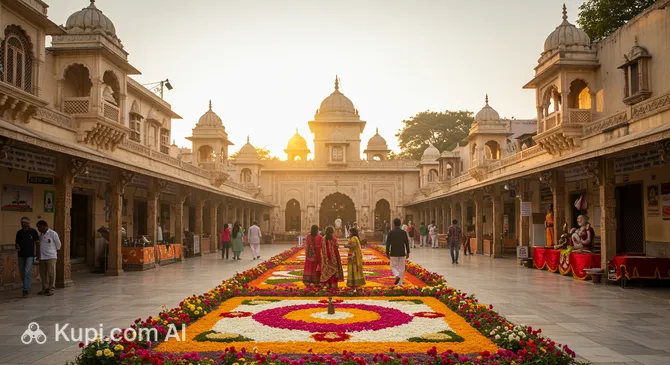
Shirdi is a town synonymous with spiritual devotion and profound peace, widely recognized as the home of the revered saint Sai Baba. It stands as one of the most significant pilgrimage sites in India, attracting millions of devotees from all corners of the globe who come to seek blessings and experience the town's unique aura of sanctity.

Situated in the Ahmednagar district of the state of Maharashtra, the city is relatively small, with a population of approximately 36,000 residents. Despite its modest size, it bustles with energy year-round due to the constant influx of visitors. The local climate is generally dry, characterized by hot summers and pleasant winters, which is typically considered the best season for comfortable travel.

The town's evolution from a quiet, obscure hamlet into a major international spiritual hub is a testament to its enduring legacy. Exploring the history of Shirdi allows visitors to understand how the teachings of Sai Baba, focusing on love, forgiveness, and charity, transformed the cultural and physical landscape of this region.
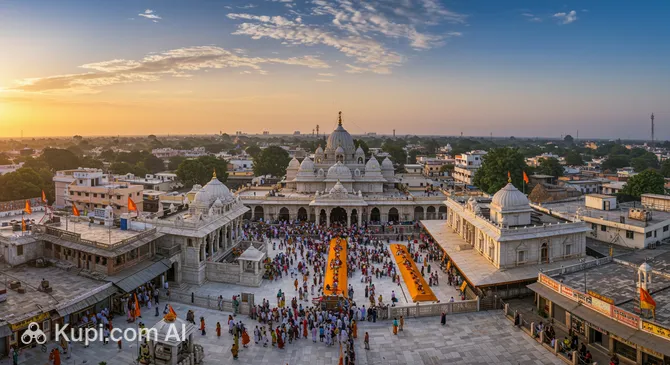
Shirdi. Source: Kupi.Binoculars

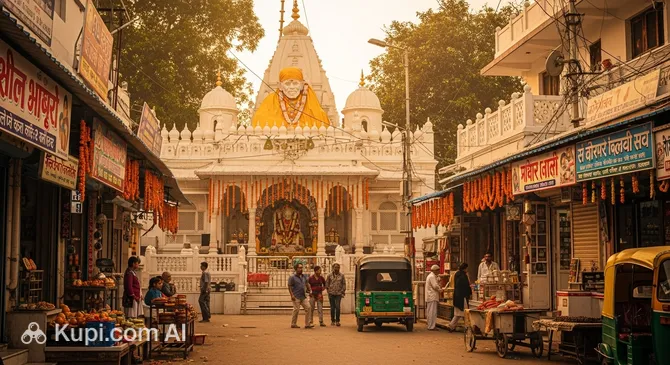
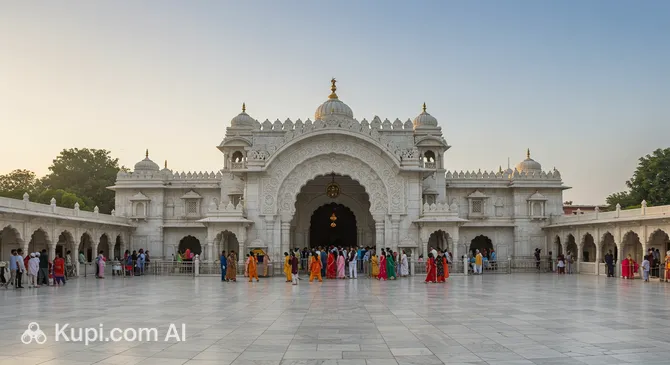
The primary attraction here is the magnificent Sai Baba Samadhi Mandir, the final resting place of the saint, where the atmosphere is charged with devotion. Visitors should also make time for Dwarkamai, the historic mosque where Sai Baba spent a significant portion of his life, and Chavadi, a site closely associated with his daily routines and processions.

Whether you are on a spiritual quest or simply interested in witnessing the vibrant faith of the pilgrims, Shirdi offers a deeply moving experience. We invite you to visit this sacred town to find a moment of tranquility and witness a powerful aspect of the country's spiritual heritage.
Weather Overview

Understanding the weather in Shirdi is essential for planning a comfortable pilgrimage or visit. The town experiences a tropical climate where conditions vary significantly across the seasons. The summer months, particularly from April to May, are the hottest part of the year, with average temperatures rising above 30°C and daily highs frequently reaching 38°C.

From June to September, the intense heat subsides as the monsoon season arrives. This period brings cooler average temperatures ranging from 25°C to 28°C, but also significant humidity and rainfall; July is typically the wettest month, recording up to 26 rainy days. Travelers visiting during this time should be prepared for frequent showers and overcast skies.

The winter season, extending from November to February, offers the most pleasant conditions. During these months, the weather is dry with virtually 0 wet days, and average temperatures hover comfortably between 21°C and 23°C, though nights can cool down to around 14°C. Overall, expect scorching heat in late spring, a wet monsoon season, and mild, dry winters.

Interesting Facts

Beyond the main pilgrimage sites, Shirdi holds many fascinating stories and modern marvels that often surprise visitors. These unique aspects reveal a town that seamlessly blends deep-rooted tradition with impressive innovation.
Prasadalaya, Shirdi Sai Baba Temple. Source: Kupi.Binoculars
  • The town boasts one of the largest solar-powered kitchens in the world at the Prasadalaya, Shirdi Sai Baba Temple. This colossal dining hall uses a sophisticated solar steam system to prepare tens of thousands of free meals every day, ensuring that no devotee goes hungry.

  • A sacred fire known as the Dhuni has been burning continuously for over a century inside Dwarkamai. It is believed to have been lit by Sai Baba himself, and the ash collected from it, known as Udi, is distributed to pilgrims as a blessing with healing properties.

  • Shirdi is home to India's first devotional theme park, the Sai Teerth Theme Park. Unlike typical amusement parks, this venue employs robotics, animatronics, and 5D technology to narrate the life of Sai Baba, offering a futuristic take on spiritual storytelling.

  • The saint's iconic name was reportedly bestowed upon him at the Shri Khandoba Temple. Legend has it that when he arrived as a nameless young ascetic, the temple priest welcomed him with the words "Aao, Sai," meaning "Welcome, Saint," and the name remained with him for eternity.

How to Get There

Reaching the spiritual town of Shirdi has become increasingly convenient, catering to the millions of devotees who visit annually. While the town is deeply rooted in tradition, its connectivity to the rest of India is modern and efficient. For a detailed overview of all travel options, you can read more about how to get to Shirdi.

The most direct entry point is the local Shirdi airport (SAG), officially known as Sainagar Shirdi Airport. Located just 13.3 km from the city center, it is the best option for domestic travelers looking to save time. The short drive from the airport to the main temple area typically takes about 40 minutes by taxi or bus, making it a hassle-free arrival experience.

For those arriving from further afield or seeking more flight connections, Pune Airport (PNQ) is a major international hub located in the city of Pune, approximately 143 km from Shirdi. As a large airport serving over 10 million passengers annually, it offers extensive domestic and international links. The journey from Pune to Shirdi by road is scenic and takes roughly 4 hours. Alternatively, you can fly into Chikkalthana Airport (IXU) in Aurangabad, which is about 97 km away and serves as another viable regional gateway, with a travel time of around 2 hours and 45 minutes.

For clarity, here is a summary of the main airports:

Airport Name City Passenger Traffic Km from City
Pune Airport Pune Large 143.4
Shirdi Shirdi Medium 13.3
Chikkalthana Airport Aurangabad Medium 97.2
Gandhinagar Airport Nashik Small 70.8
Navi Mumbai International Airport Mumbai 170.0

Beyond air travel, Shirdi is well-connected by a robust railway network, with the Sainagar Shirdi Railway Station serving as a key termination point for trains from major Indian cities. Road travel is also a popular choice, with frequent state-run and private bus services operating from nearby metropolitan areas like Mumbai, Pune, and Nashik, offering pilgrims a budget-friendly way to reach the town.

Main Attractions

While the main temple complex is the spiritual heart of the city, Shirdi offers several other fascinating places that provide deeper insight into the life of Sai Baba or offer a refreshing break for families. One such unique destination is the Sai Heritage Village. This beautifully designed theme park acts as a time capsule, transporting visitors back to the era when the saint lived. Through life-size statues and realistic village sets, it depicts significant events from Sai Baba's life and the daily routine of the villagers from a century ago, making it an educational stop for pilgrims of all ages.

Sai Heritage Village. Source: Kupi.Binoculars

For those looking to add a splash of fun to their trip, especially when traveling with children, the Wet'nJoy Water Park is a perfect choice. Located a short distance from the main town, this water park offers a variety of thrilling slides, wave pools, and rain dance areas. It serves as an excellent spot to cool off during the hot afternoons typical of the region, providing a lively contrast to the quiet devotion found in the city's temples.

Wet'nJoy Water Park. Source: Kupi.Binoculars

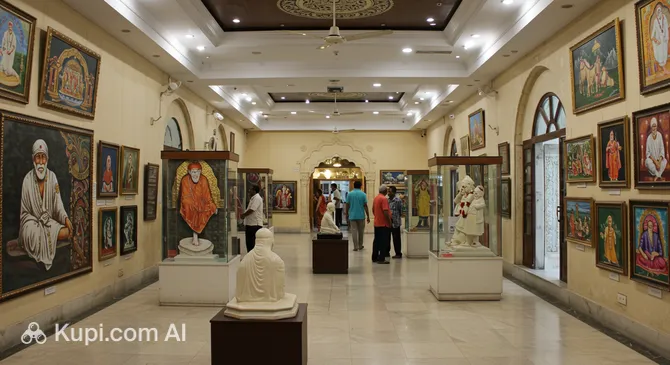
Devotees interested in the artistic and historical representation of the saint's legacy should visit the Sai Baba Art Gallery. This gallery houses a large collection of paintings, rare photographs, and artifacts that chronicle the life and miracles of Sai Baba. It is a quiet and contemplative space where visitors can visually journey through the history of Shirdi and appreciate the devotion that has been captured on canvas by various artists over the years.

Sai Baba Art Gallery. Source: Kupi.Binoculars

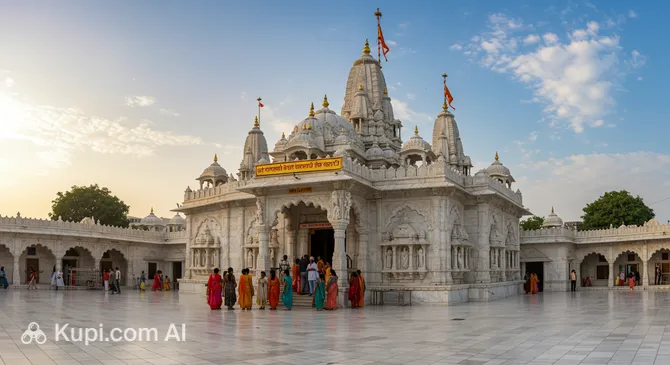
Another significant spiritual site is the Shri Saibaba Tapobhumi Mandir. This temple is believed to be the holy ground where Sai Baba practiced penance and meditation. It is often less crowded than the main Samadhi Mandir, offering a serene environment for prayer and reflection. The complex is well-maintained and holds a special place in the hearts of those seeking to understand the ascetic aspect of the saint's life.

Shri Saibaba Tapobhumi Mandir. Source: Kupi.Binoculars

Local Cuisine

The culinary landscape of Shirdi is deeply influenced by its identity as a sacred pilgrimage town. The local food culture is predominantly vegetarian, often adhering to Satvik principles—cooking without onion and garlic—to cater to the dietary observances of the millions of devotees who visit. Situated in Maharashtra, the town also offers authentic regional delicacies such as spicy Misal Pav, sweet Puran Poli, and wholesome Thalis that provide a balanced assortment of dishes on a single platter.

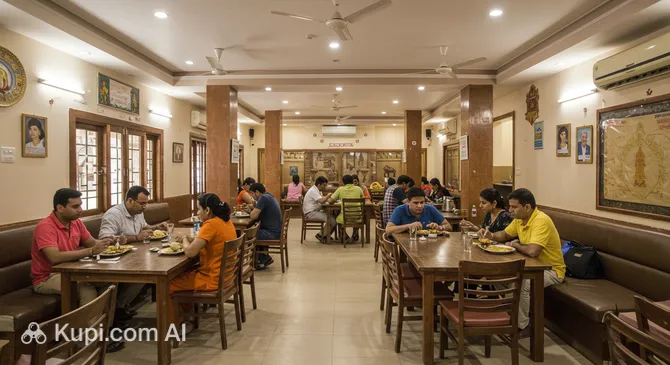
For visitors seeking a pure and hygienic dining experience, the Madhuban Satvik Restaurant is a popular choice. Known for its serene ambiance and dedication to quality, this eatery serves a variety of North Indian and South Indian dishes that are perfect for families looking for a comforting meal after their temple visit.

Madhuban Satvik Restaurant. Source: Kupi.Binoculars
Madhuban Satvik Restaurant

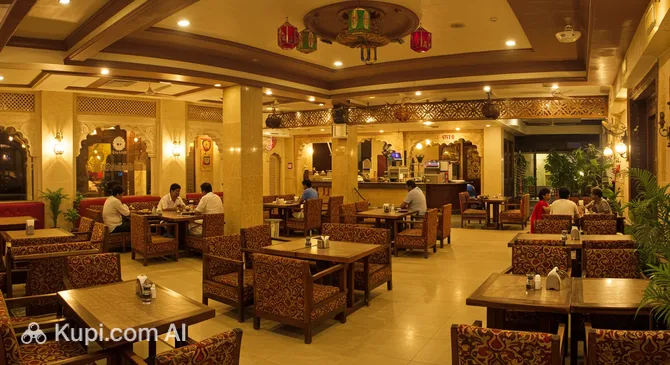
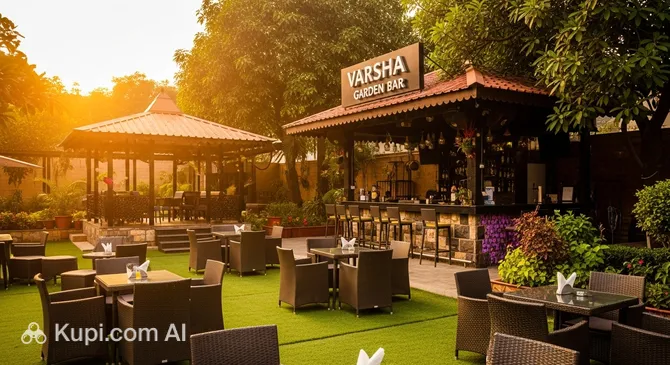
Those looking for a more diverse menu or a place to relax in the evening can explore other establishments in the town. The Moonlight Bar & Restaurant offers a comfortable setting with a range of culinary options to suit different palates. Similarly, the Varsha Garden Bar provides a pleasant atmosphere where travelers can unwind and enjoy a meal in a garden-like environment.

Moonlight Bar & Restaurant. Source: Kupi.Binoculars
Moonlight Bar & Restaurant
Varsha Garden Bar. Source: Kupi.Binoculars
Varsha Garden Bar

Travel Tips

Planning a visit to the spiritual abode of Sai Baba requires a bit of preparation to ensure a seamless experience. Below is a curated list of practical advice to help you navigate the town's customs and logistics with ease, allowing you to focus entirely on your pilgrimage.

  1. Clothing and Gear: As Shirdi is a significant religious site, modest attire is strictly required. Both men and women should wear clothes that cover their shoulders and knees; avoid sleeveless tops, shorts, or short skirts. comfortable slip-on shoes or sandals are highly recommended, as you will need to remove your footwear frequently before entering temples and the main complex.
  2. Transportation: The town center is relatively compact, making walking the most convenient way to explore the immediate vicinity of the temple. For longer distances, such as to the airport or water park, auto-rickshaws are readily available. It is advisable to agree on the fare before starting your journey or insist on using the meter if available. Car rentals are generally not necessary for getting around the town itself.
  3. Finances: The local currency is the Indian Rupee (INR). While hotels and larger restaurants accept credit cards, smaller shops and street vendors deal exclusively in cash. ATMs are plentiful around the temple complex, but it is wise to carry small denominations for offerings and minor purchases. Tipping is appreciated but not mandatory; rounding up the bill or leaving a small amount is a common gesture.
  4. Health and Safety: Shirdi is generally safe for tourists, but standard precautions regarding personal belongings should be taken in crowded areas. Pharmacies are easily found near the temple complex, and some remain open 24/7. Stick to drinking bottled water to avoid stomach issues, and carry sunscreen or a hat, especially if you are visiting during the hot summer months.
  5. Communication: The primary languages spoken are Marathi and Hindi. However, due to the high volume of visitors from across the country and abroad, English is understood by hotel staff, temple officials, and many shopkeepers. Learning a few basic words like "Namaste" (Hello) or "Dhanyavad" (Thank you) can be helpful and is appreciated by locals.
  6. Local Etiquette: Respect for religious sentiments is paramount. Always remove your shoes and leave them at the designated counters before entering any holy site. Inside the temple, maintain silence and follow the queue system patiently. Greetings are often exchanged with the phrase "Om Sai Ram," which serves as both a hello and a goodbye in this spiritual town.
  7. What to Avoid: Strictly avoid taking photographs or videos inside the Samadhi Mandir and the inner sanctum; mobile phones and cameras are often prohibited in these specific zones and may be confiscated. Additionally, be wary of touts or unauthorized agents promising "quick darshan" (express entry) for a high fee; always use official channels for special entry passes.
  8. Additional Tip: Thursdays are considered the most auspicious day to visit, meaning the town becomes extremely crowded. If you wish to avoid long wait times, consider booking your Darshan or Aarti passes online in advance through the official temple trust website. This "life hack" can save you hours of standing in line.

With these tips in hand, you are well-prepared to navigate the vibrant energy of Shirdi. We hope your journey brings you the peace and spiritual fulfillment you are seeking in this sacred destination.

Entertainment & Nightlife

Entertainment and nightlife in Shirdi differ significantly from the bustling club scenes found in metropolitan cities like Mumbai or Pune. As a sacred pilgrimage town, the evening atmosphere here is primarily defined by spiritual fervor, devotional music, and peaceful gatherings rather than loud parties. The "nightlife" revolves around the glowing temple complex, where the air is filled with the chanting of hymns and the chime of bells during the evening and night Aartis.

The most vibrant area after dark is the vicinity of the Sai Baba Temple and Nagar-Manmad Road. Here, shops selling flowers, sweets, and souvenirs remain open late into the night, creating a lively and safe environment for evening strolls. The streets are illuminated and crowded with devotees, offering a unique cultural experience where you can witness the town's collective faith coming alive under the night sky.

For those seeking entertainment that blends devotion with modern technology, the Sai Teerth Theme Park is a must-visit attraction. Often described as India's first devotional theme park, it offers spectacular evening shows, including a massive 5D theatre experience and a robotic show that narrates the life of Sai Baba. It is an excellent place for families to spend a few hours enjoying high-quality entertainment that respects the town's sanctity.

Sai Teerth Theme Park. Source: Kupi.Binoculars

Travelers looking for a more relaxed resort-style evening can head to the Agatya Agrotourism Resort & Water Park. Located a bit further from the town center, this venue offers a tranquil escape where guests can unwind amidst nature. While it is popular for daytime activities, the resort also provides a serene setting for a quiet dinner and a break from the crowds of the pilgrimage circuit.

Agatya Agrotourism Resort & Water Park. Source: Kupi.Binoculars

Although Shirdi is a holy town with strict restrictions on alcohol in the vicinity of the temple, there are a few establishments on the outskirts where visitors can find a bar or lounge setting. Hotel Saiba is one such option that offers comfortable hospitality and dining facilities, making it a suitable choice for those wishing to enjoy a quiet evening meal with standard amenities.

Hotel Saiba. Source: Kupi.Binoculars

In terms of daytime entertainment, the town offers the Wet'nJoy Water Park, which is perfect for beating the heat with its thrilling slides and pools. However, as the sun sets, the focus shifts back to the town's spiritual core. Museums and parks generally close by evening, leaving the temple complex as the main hub of activity.

Practical Advice and Safety: Shirdi is extremely safe for tourists at night, especially around the temple area which is under constant surveillance and bustling with pilgrims 24/7. However, if you venture to the outskirts, it is advisable to use registered taxis or auto-rickshaws. Most shops and restaurants close around 10:30 PM to 11:00 PM, though some eateries near the temple may serve food later. Dress modestly even when visiting restaurants, and always agree on auto-rickshaw fares in advance if they are not using a meter.

Parks & Museums

While Shirdi is predominantly known for its spiritual fervor, the town and its surroundings also offer serene parks and culturally significant sites that provide a peaceful retreat. Exploring these locations allows visitors to connect with the region's history and natural beauty, offering a refreshing counterpoint to the busy temple streets.

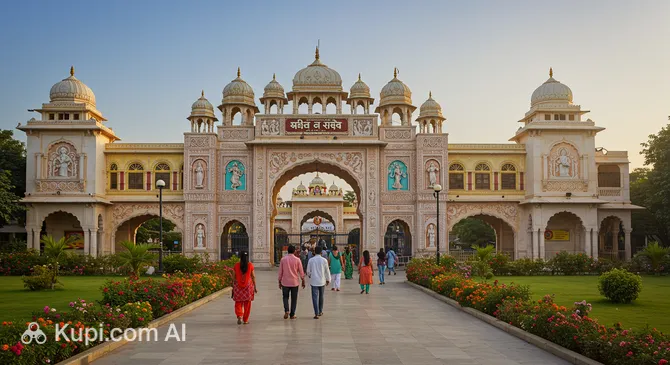
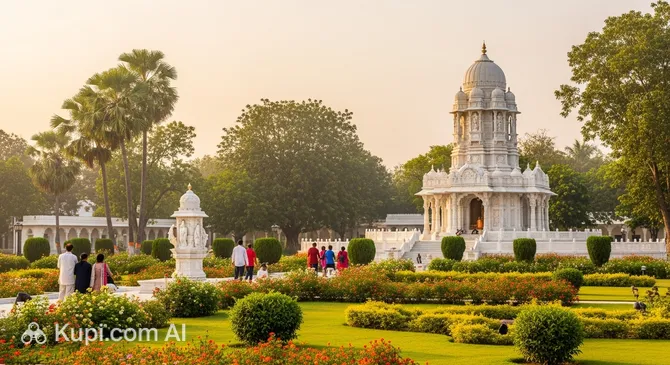
A short distance from the main town lies the Muktibhumi Memorial Park Yeola, a site of immense historical importance. This beautifully maintained complex commemorates the moment Dr. B.R. Ambedkar announced his decision to embrace Buddhism. With its striking architecture and tranquil gardens, it serves as both a museum of social history and a space for quiet reflection, attracting those interested in India's rich cultural evolution.

Muktibhumi Memorial Park Yeola. Source: Kupi.Binoculars

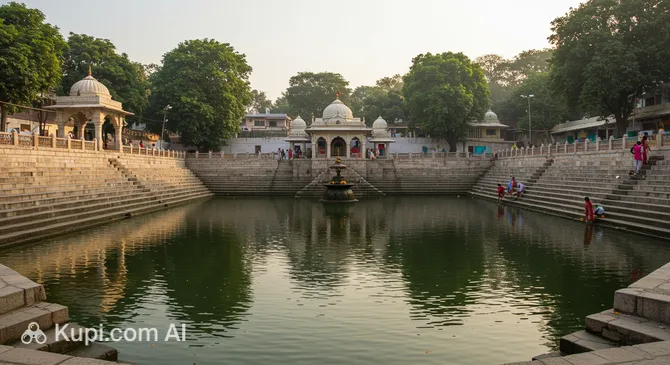
For those seeking a connection with nature, Sarala Bet (Godavari Dham) offers a unique island escape. Situated in the middle of the Godavari River, this scenic spot is known for its lush greenery and spiritual ambiance. It is home to ancient temples and ashrams, making it a perfect destination for pilgrims who wish to meditate in a calm, natural setting away from the crowds.

Sarala Bet (Godavari Dham). Source: Kupi.Binoculars

Visitors interested in the agricultural heritage of Maharashtra will find the Laxmi Agri Tourism Holiday Homes to be a delightful stop. This agrotourism center functions as a functional farm park where guests can experience rural life, enjoy fresh air, and learn about local farming techniques. It provides an excellent environment for families to relax and enjoy the simplicity of the countryside.

Laxmi Agri Tourism Holiday Homes. Source: Kupi.Binoculars

Getting Around

Navigating Shirdi is remarkably straightforward due to the town's compact size and the centralized nature of its main attractions. Since the city does not have a metro, tram, or complex municipal bus network, the transport system is informal and easy to grasp. For most visitors, the primary mode of getting around the immediate temple vicinity is simply walking, as many hotels, restaurants, and shops are clustered within a short distance of the main shrine.

For distances that are too long to walk, auto-rickshaws are the backbone of local transportation. You will find them at every corner, near the bus stand, and outside the railway station. These three-wheeled vehicles operate in two ways: as private hires or as "shared" transport. Shared autos are a very popular and economical option, picking up multiple passengers heading in the same direction for a nominal fixed fee. If you hire a private auto, be aware that they rarely use meters, so you must negotiate and agree on the fare before stepping inside.

A unique and highly convenient feature of the city's transport is the bus service operated by the Shri Saibaba Sansthan Trust. These buses are specifically designed to assist pilgrims and run frequently between the Sainagar Shirdi Railway Station, the bus stand, and the various accommodation complexes (Bhakta Niwas) managed by the Trust. The service is often free or charged at a negligible rate, providing a safe and reliable way to reach the temple complex upon arrival.

Regarding payment, cash is the absolute standard for all local transport in Shirdi. There are no travel cards, digital passes, or tap-to-pay systems for auto-rickshaws or local buses. While digital payment apps are becoming more common in shops, drivers usually prefer hard currency, especially for small fares. It is advisable to carry plenty of small denomination notes and coins to pay the exact fare, as drivers may not always have change.

For those arriving at Shirdi Airport or planning to visit nearby heritage sites like Ellora or Nashik, taxis and private car rentals are the best alternatives. Prepaid taxi counters are available at the airport, offering fixed rates to the city center, which eliminates the hassle of bargaining. Ride-hailing apps are generally not active or reliable for short intra-city trips within the town itself, so relying on local taxi stands or your hotel's travel desk is recommended.

Transport services in Shirdi operate virtually around the clock, catering to the 24-hour nature of the pilgrimage activity. However, finding an auto-rickshaw late at night might cost slightly more than during the day. As a practical tip, always ask your hotel reception for the approximate "correct" fare to your destination before hailing a ride; this knowledge is your best tool for fair negotiation with drivers.

Accommodation

As a major pilgrimage destination attracting millions of devotees annually, Shirdi offers a comprehensive range of accommodation options to suit every budget and preference. The choices span from simple charitable dormitories and lodges (Dharamshalas) designed for budget-conscious pilgrims to mid-range hotels and luxurious resorts that provide modern amenities. Whether you are looking for a basic place to rest after a long day of prayer or a comfortable retreat with family-friendly facilities, the town is well-equipped to host its visitors.

For most travelers, the primary factor in choosing a place to stay is proximity to the Sai Baba Samadhi Mandir. Hotels and guesthouses located within walking distance of the temple complex are in high demand, as they allow devotees to easily attend early morning Kakad Aarti or late-night Shej Aarti without the hassle of commuting. The area around Pimpalwadi Road and Nagar-Manmad Road is particularly convenient, bustling with activity and offering easy access to the main shrine, dining halls, and shops.

If you prefer a stay that combines comfort with specific amenities, there are excellent options available. For a unique experience that blends relaxation with nature, the Agatya Agrotourism Resort & Water Park is a notable choice. It offers a resort-style environment which can be a refreshing change from the crowded city center. Alternatively, Hotel Saiba provides a reliable standard of hospitality, making it a suitable option for travelers seeking classic hotel comforts and service.

When planning your trip, it is highly advisable to book your accommodation in advance, especially if you intend to visit on a Thursday (the holy day of Sai Baba), during weekends, or around major festivals like Ram Navami and Guru Purnima. During these peak times, occupancy rates soar, and finding a room on arrival can be difficult. Prices generally range from very affordable rates for basic lodges to higher tariffs for luxury suites, with most properties bookable via major online travel platforms or through direct contact.

Nearby Cities

For those looking to explore the surroundings, Shirdi serves as an excellent base for day trips to several interesting nearby locations:

Just a short drive away lies Nashik, a city that perfectly blends spirituality with leisure. Known as the "Wine Capital of India," it offers scenic vineyard tours alongside ancient pilgrimage sites like the Trimbakeshwar Temple. Another significant destination is Aurangabad, a historic hub famous for the architectural splendor of Bibi Ka Maqbara and as the gateway to the magnificent UNESCO-listed Ellora and Ajanta Caves. For history enthusiasts, Ahmednagar provides a fascinating look into the past with its impressive fort and museums.

City Population Distance (km)
Nashik 1,486,053 76
Aurangabad 1,371,330 91
Malegaon 800,000 88
Ahmednagar 350,859 79
Pathardi 228,279 98

These nearby destinations offer a glimpse into the diverse culture and landscapes of the region.

Shopping & Souvenirs

Shopping in Shirdi is a unique experience that differs significantly from typical tourist destinations. Instead of high-end fashion boutiques or sprawling commercial centers, the retail scene here is deeply intertwined with the town's spiritual identity. The shops primarily cater to the needs of the millions of pilgrims who visit annually, offering a vast array of devotional items, puja supplies, and religious memorabilia. Walking through the market streets, visitors are immersed in a vibrant atmosphere filled with the scent of incense and the sight of colorful garlands, making shopping here an extension of the pilgrimage itself.

The main hub of commercial activity is concentrated around the Temple Complex. The bustling streets leading to the temple gates, particularly Pimpalwadi Road and Nagar-Manmad Road, are lined with hundreds of small stalls and shops. This is the best place to find fresh flowers, coconuts, and shawls to offer at the shrine. Another significant area is the vicinity of Sai Baba Corner, a well-known landmark where the density of shops is high, and pilgrims can find everything from budget-friendly souvenirs to high-quality religious artifacts.

Sai Baba Corner. Source: Kupi.Binoculars

Travelers expecting large, modern shopping malls will not find them in Shirdi. The town retains a traditional character, and "malls" here usually refer to small shopping complexes or arcades that house multiple independent vendors under one roof. These complexes are often located near the main accommodation centers and offer a slightly more organized shopping experience than the street stalls, often selling textiles, readymade garments, and travel essentials alongside religious goods.

The local markets are essentially the open-air bazaars that sprawl along the temple lanes. These markets are lively and colorful, operating from early morning until late at night. Here, you can browse through rows of shops selling intricate marble and fiber statues of Sai Baba, which are among the most popular items to buy. The markets are also the best place to find spiritual literature, including the "Sai Satcharitra" in various languages, as well as CDs of devotional music and chants.

When it comes to souvenirs, the most meaningful purchases are those that hold spiritual value. Apart from idols and photos, Prasad (sacred food offering) is a must-buy. Famous local sweets like Pedha and Ladoo are widely available in dry, travel-friendly packaging, allowing tourists to take the blessings of Shirdi back home to friends and family. Other popular items include sacred ash (Udi) containers, prayer beads (Malas), and decorative keychains.

Most shops in Shirdi open very early, often around 5:00 AM, to cater to devotees attending the morning prayers, and stay open until 10:00 PM or later. regarding payment, cash is still the most preferred mode of transaction, especially at smaller stalls and for small-value purchases. However, many larger shops and established vendors now accept digital payments via UPI apps, and some may take credit or debit cards. It is always advisable to carry enough small denomination currency for quick transactions in the crowded bazaar lanes.

Reached the end of the page?

That means the route is fully explored