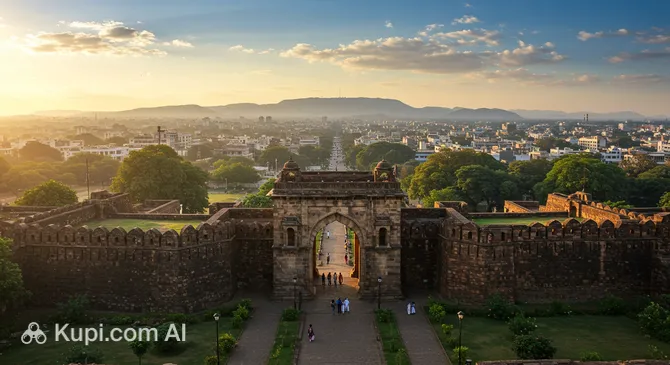
Pune is a vibrant metropolis that perfectly balances its rich cultural heritage with a rapidly growing IT and educational sector. Often referred to as the "Oxford of the East" due to its prestigious universities, this bustling city in the state of Maharashtra is one of the most dynamic destinations in India. With a population exceeding 8 million, it offers a lively atmosphere that attracts students, professionals, and travelers alike.
Situated on the leeward side of the Sahyadri mountain range (the Western Ghats) upon the Deccan Plateau, the city enjoys a moderate climate throughout the year, making it a pleasant getaway from the coastal humidity. The Mula and Mutha rivers flow through the landscape, adding to its scenic charm. For those interested in the past, the history of Pune is deeply intertwined with the Maratha Empire, serving as the seat of the Peshwas, which has left an indelible mark on its architecture and traditions.
Pune. Illustration.
Source: Kupi.com AI
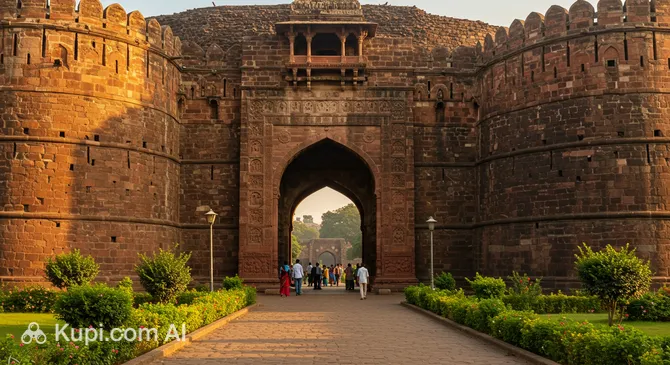
Visitors are often captivated by the city's diverse attractions. The majestic Shaniwar Wada stands as a testament to imperial grandeur, while the serene Aga Khan Palace holds significance both architecturally and historically. Additionally, the city is a hub for spirituality and wellness, famously hosting the Osho International Meditation Resort, which draws seekers from around the globe.
Whether you are exploring ancient forts, enjoying the youthful energy of its cafes, or soaking in the local culture, Pune promises a memorable experience. It is a city where every corner tells a story, making it a must-visit stop on your journey through the region.
Weather Overview
Travelers planning a trip should note that the weather in Pune varies significantly by season, offering distinct experiences throughout the year. Due to its elevation on the Deccan Plateau, the city generally enjoys a more moderate climate compared to the coastal regions, avoiding extreme humidity for much of the year.
The summer months, particularly April and May, are the warmest, with average highs peaking around 36.2°C. Following the heat, the monsoon season arrives in June and persists through September, bringing frequent rainfall and cooler air. July is typically the wettest month in terms of frequency, often recording rain on all 31 days, which keeps the average temperature around 23.7°C. For the most comfortable conditions, the winter period from November to February is ideal; expect clear, dry skies with pleasant average temperatures of about 21°C to 23°C and cool nights where the mercury can dip to 14.7°C.
Average monthly temperature
Average monthly precipitation
Interesting Facts
Beyond the main attractions and bustling streets, Pune holds many fascinating secrets and historical footnotes that often surprise visitors. From global sports origins to architectural marvels, the city is full of hidden gems waiting to be discovered.
Birthplace of Badminton: Few people realize that the popular sport of badminton was originally known as "Poona." It was developed and popularized by British army officers stationed in the city during the 19th century before they took the game back to England, where the rules were formalized.
A Slice of Japan: The city is home to the P. L. Deshpande Garden, also known as the Pune-Okayama Friendship Garden. It is one of the largest Japanese gardens outside of Japan, designed as an authentic replica of the famous Korakuen Garden in Okayama, offering a serene landscape of flowing water and exotic flora.
Haunted History: While Shaniwar Wada is celebrated for its imperial history, it is also the subject of a chilling urban legend. Locals believe the fort is haunted by the spirit of a young prince who was assassinated there, with rumors claiming that his cries for help can still be heard on full moon nights.
Unique Military Heritage: Pune houses the National Defence Academy (NDA) near the scenic Khadakwasla Dam. This institution holds the distinction of being the first tri-service military academy in the world, where cadets from the Army, Navy, and Air Force train together before moving on to their respective service academies.
Shaniwar Wada. Illustration.
Source: Kupi.com AI
Traveler photos:
How to Get There
Reaching this vibrant metropolis is convenient thanks to its strong connectivity with the rest of the country and the world. Whether you prefer flying directly into the city or taking a scenic drive from a nearby hub, there are multiple options to suit your itinerary. You can find more about how to get to Pune and choose the mode of transport that works best for you.
The most direct entry point is Pune Airport (IATA: PNQ), situated approximately 10 km from the city center. It handles a significant volume of domestic traffic along with select international flights. Getting to the heart of the city from here is quick, with a taxi ride taking about 35 minutes.
Alternatively, many international travelers opt to fly into Chhatrapati Shivaji International Airport (IATA: BOM) in Mumbai, which serves as a major global gateway. Although this airport is located in Mumbai, about 122 km away from Pune, it offers extensive flight connections. The transfer to Pune via the expressway is smooth, with the journey by taxi or bus typically taking around 3 hours and 20 minutes.
For clarity, here is a summary of the main airports:
If you prefer traveling by train, Pune is a major railway hub with excellent connectivity to the rest of India. The primary station, Pune Junction, is located centrally and receives frequent trains from major cities like Mumbai, Delhi, Bangalore, and Chennai. The train journey from Mumbai is particularly famous for its scenic views as it passes through the lush Western Ghats, making it a delightful experience for nature lovers.
Main Attractions
Pune offers a diverse array of sights that cater to history buffs, spiritual seekers, and nature lovers alike. While the city is famous for its academic and IT institutions, its tourism landscape is dotted with architectural marvels, ancient fortifications, and vibrant temples that reflect its deep-rooted cultural heritage.
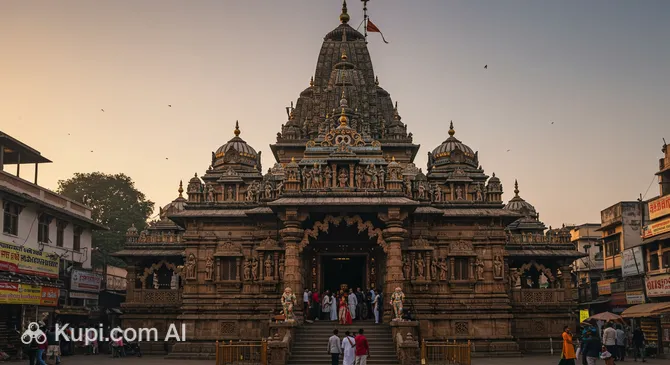
One of the most revered spiritual landmarks in the city is the Shrimant Dagdusheth Halwai Ganpati Temple. Dedicated to Lord Ganesha, this temple is renowned for its opulent architecture and the magnificent solid gold idol of the deity, which is adorned with precious jewelry. It is interesting to tourists not only for its religious significance but also for the vibrant atmosphere, especially during the Ganesh Chaturthi festival when the temple becomes the epicenter of celebrations in Pune.
For those who enjoy combining history with outdoor adventure, Sinhagad Fort is an unmissable destination. Perched atop a hill roughly 30 kilometers from the city center, this ancient fortress offers breathtaking panoramic views of the surrounding Sahyadri mountains. Visitors are drawn here for the popular trekking trails and the chance to explore the ruins that date back centuries. It is also a great spot to try local delicacies like "pithla bhakri" (a gram flour curry with millet flatbread) served by local vendors at the summit.
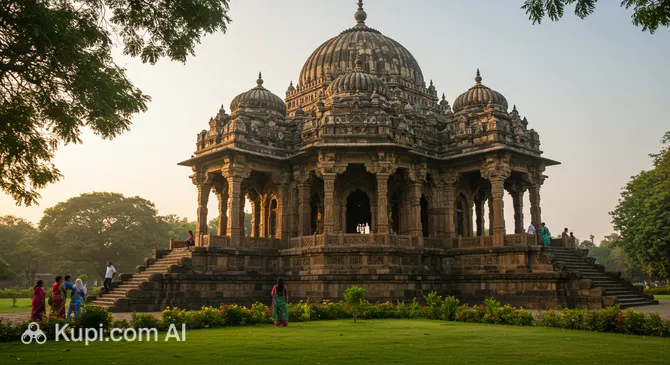
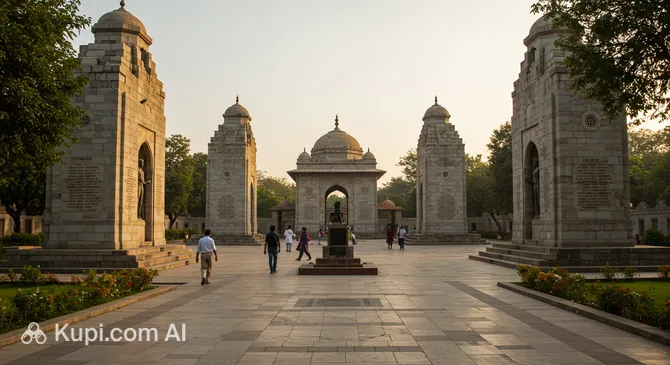
Another architectural gem is the Mahadji Shinde Chhatri, a memorial dedicated to the 18th-century Maratha military leader Mahadji Shinde. Located in Wanowrie, this complex is a fascinating blend of Anglo-Rajasthani architectural styles. Tourists are often captivated by the intricate carvings, the beautiful Shiva temple within the premises, and the well-maintained gallery displaying paintings and photographs of the Scindia dynasty, offering a quiet glimpse into the region's royal past.
Mahadji Shinde Chhatri. Illustration.
Source: Kupi.com AI
Traveler photos:
Families and wildlife enthusiasts will find the Rajiv Gandhi Zoological Park to be a delightful excursion. Situated near Katraj Lake, this expansive park is divided into three parts: an animal orphanage, a snake park, and a zoo. It is particularly interesting for its collection of reptiles and the successful conservation programs for endangered species, including the white tiger. The lush greenery and well-planned enclosures make it a relaxing place to spend an afternoon away from the city's hustle.
Local Cuisine
Pune is a true paradise for food lovers, offering a gastronomic landscape that seamlessly blends fiery Maharashtrian traditions with a thriving modern cafe culture. The city's cuisine is characterized by its bold use of spices, fresh ingredients, and a love for both street food and gourmet dining. Whether you are looking for a quick snack on a busy corner or a relaxed meal in a chic setting, the local flavors are sure to leave a lasting impression.
No culinary tour of the city is complete without tasting Misal Pav. This iconic dish consists of a spicy curry made from sprouted moth beans, topped with crunchy "farsan" (fried savory mixture), onions, and coriander, served with soft bread rolls. It is a breakfast staple that packs a punch. For those with a sweet tooth, the famous Mastani is a must-try. This thick, indulgent milkshake is loaded with ice cream, dried fruits, and nuts, named after the legendary Peshwa queen and unique to this region. Another popular snack to take home is Bhakarwadi, a crispy, spiral-shaped pastry filled with a sweet and spicy coconut-poppy seed mixture.
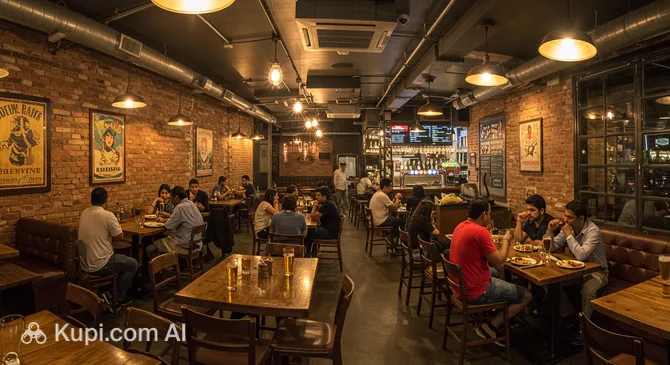
When it comes to beverages, the city has a dual personality. On the traditional side, you should try Sol Kadhi, a refreshing pink drink made from coconut milk and kokum, often enjoyed after a spicy meal to cool the palate. However, Pune is also widely recognized as one of India's premier hubs for craft beer. Microbreweries are scattered across the city, making it a fantastic destination for beer enthusiasts. Places like Toit Pune are renowned for their distinct brews and lively ambiance, serving as perfect spots to unwind after a day of sightseeing.
Toit Pune. Illustration.
Source: Kupi.com AI
Traveler photos:
The food culture here is heavily influenced by the large student population, leading to a vibrant street food scene, particularly on FC Road and JM Road. Here, you can find everything from buttery Vada Pav to steaming momos. For a more upscale dining experience or a night out, the city offers dynamic venues like The Mills, a trendy complex housing various restaurants and clubs. Those looking to explore the nightlife further might visit 24K Kraft Brewzz to sample more local craft beers, or enjoy the energetic atmosphere at Escada All Day Kitchen & Bar.
Travel Tips
Welcome to Pune! To ensure your visit to this dynamic cultural hub in Maharashtra is as smooth as it is memorable, we have compiled a list of essential travel advice. These practical tips will help you navigate the city's unique blend of tradition and modernity with confidence and ease.
Clothing and Gear: Since Pune generally enjoys a moderate climate, breathable cotton clothing is best for most of the year. However, if you are visiting during the winter (November to February), bring a light jacket or sweater for the cooler evenings. For visits to religious sites like the Dagdusheth Halwai Temple, remember to dress modestly; shoulders and knees should be covered. Comfortable walking shoes are a must for exploring forts and heritage walks.
Transportation: The most convenient way to get around is by using ride-hailing apps like Uber or Ola, which offer transparent pricing and comfort. Auto-rickshaws are ubiquitous and a quintessential Pune experience; always insist that the driver uses the meter ("meter down") or agree on a fare beforehand to avoid overpaying. The Pune Metro is expanding but currently covers limited routes, while public buses can be quite crowded during peak hours.
Finances: The local currency is the Indian Rupee (INR). While credit and debit cards are widely accepted in hotels, malls, and upscale restaurants, cash is still king for street food, auto-rickshaws, and small local shops. ATMs are plentiful across the city. It is advisable to carry small denominations (10, 20, 50, and 100 rupee notes) for easier transactions with vendors.
Health and Safety: Pune is generally a safe city for tourists, but standard precautions apply. Stick to drinking bottled or filtered water to avoid stomach issues. Pharmacies (often called "Chemists") are easy to find, and many in major areas stay open 24/7. When crossing streets, be extremely cautious, as traffic can be chaotic and pedestrian crossings are not always respected by drivers.
Communication: Marathi is the official language, and Hindi is widely spoken. However, due to its status as an educational and IT hub, English is very commonly understood and spoken, making communication relatively easy for international travelers. It is helpful to learn a few local words like "Namaskar" (Hello) and "Dhanyavad" (Thank you). For connectivity, you can easily purchase a local SIM card at the airport or official telecom stores with your passport and visa.
Local Etiquette: Politeness goes a long way here. Always remove your shoes before entering a home or a place of worship. When eating with your hands—a common practice in traditional settings—always use your right hand, as the left is considered unclean for dining. Greeting locals with a smile and a nod is appreciated, and a "Namaste" with folded hands is a respectful traditional greeting.
What to Avoid: Public displays of affection (PDA) are generally frowned upon in more conservative areas and religious sites, so it is best to be discreet. Also, avoid taking photographs of people, especially women, without asking for their permission first, as this can be considered intrusive.
Local Insight: Be aware of the traditional "1 to 4" culture. Many older, family-run shops in the city center close for an afternoon siesta specifically between 1:00 PM and 4:00 PM. If you plan to shop in the historic Peth areas, schedule your visit for the morning or late afternoon to ensure everything is open.
With these tips in hand, you are well-prepared to dive into the vibrant life of the city. Whether you are savoring spicy Misal Pav or trekking up Sinhagad Fort, a little local knowledge will go a long way in making your trip to Pune truly unforgettable.
Entertainment & Nightlife
Entertainment and Nightlife:
As the sun sets, Pune transforms from a busy educational and IT hub into a city pulsating with youthful energy. The nightlife scene here is one of the most vibrant in Maharashtra, largely driven by its significant student and expat population. The action is concentrated in a few key districts, with Koregaon Park (KP) being the undisputed heart of the city's party culture. Here, the lanes are lined with chic cafes that turn into buzzing bars by evening. Other popular neighborhoods like Kalyani Nagar, Baner, and Viman Nagar also offer a plethora of options, ranging from laid-back rooftop lounges to high-energy dance clubs.
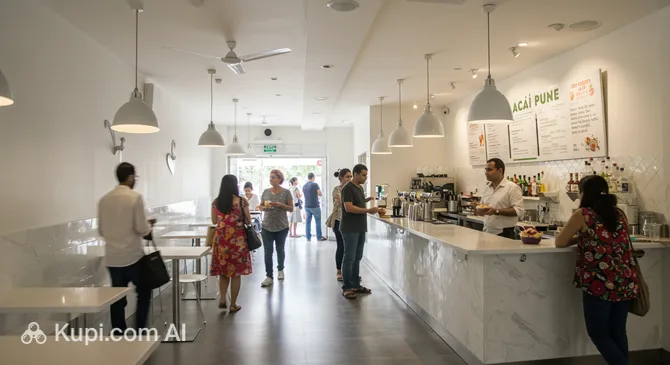
For those seeking a lively atmosphere and craft beverages, the city is famous for its microbreweries. A great spot to experience this local trend is 24K Kraft Brewzz, which offers a relaxed setting perfect for enjoying fresh brews and conversation. If you are in the mood for something more upbeat, Acai Pune is a popular destination known for its stylish ambiance and vibrant crowd, making it an excellent choice for dancing the night away. The nightlife venues typically feature a mix of Bollywood hits, electronic dance music, and live bands, catering to diverse musical tastes.
Acai Pune. Illustration.
Source: Kupi.com AI
Traveler photos:
The atmosphere in these venues is generally smart-casual. While some high-end clubs may have a stricter dress code (no open footwear for men), most pubs and bars are welcoming as long as you are dressed neatly. Nightlife in the city usually kicks off around 9:00 PM and winds down by 1:30 AM, which is the standard closing time for most establishments. Prices can vary; a night out at a premium club might cost around 2,000 to 3,000 INR for a couple, while local bars are more budget-friendly. Many places also offer "Happy Hour" deals in the early evening, which is a good time to grab a drink at a lower price.
Safety is a priority for travelers, and Pune is considered one of the safer cities in India for nightlife. Areas like Koregaon Park and Baner are well-lit and busy until late. However, it is always advisable to stay in groups and avoid isolated areas late at night. For transportation, app-based cab services like Uber and Ola are the most reliable and safe way to get back to your accommodation. Auto-rickshaws are available but can be harder to hail at night, and drivers may demand inflated fares.
While the nights are electric, the city also offers engaging entertainment during the day. Culture enthusiasts should visit the Zapurza Museum of Art & Culture to explore creative exhibits that showcase the region's artistic heritage. For families or those looking for active fun, the Trampoline Park at Creaticity Mall provides an energetic escape with various jumping zones and arcade games. Whether you prefer a quiet museum tour or an adrenaline-filled afternoon, there is plenty to keep you occupied before the evening festivities begin.
Parks & Museums
Pune is often celebrated as one of India's greenest cities, offering a refreshing mix of lush gardens, wooded hills, and cultural institutions. For tourists, this means plenty of opportunities to escape the urban bustle and dive into the region's artistic and military heritage. The city's landscape is dotted with "Tekdis" (small hills) and well-maintained parks that serve as the lungs of the metropolis, while its museums provide a fascinating glimpse into its storied past.
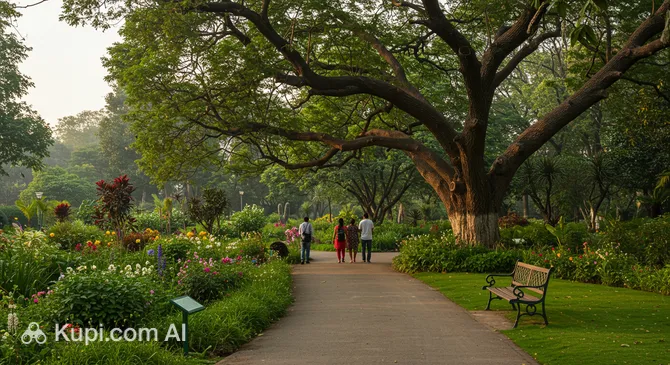
One of the most historic green spaces in the city is the Empress Botanical Garden. Located near the racecourse, this sprawling garden dates back to the British era and is managed by the Agri-Horticultural Society of Western India. It is a favorite spot for nature lovers due to its rare collection of towering trees, vibrant flower shows, and a small stream that meanders through the property. The garden's tranquil atmosphere makes it an excellent location for a leisurely afternoon picnic or a quiet walk amidst diverse flora.
Empress Botanical Garden. Illustration.
Source: Kupi.com AI
Traveler photos:
For those who prefer a more active nature experience, Pachgaon Parvati Van Vihar offers a rugged escape right within the city limits. This reserved forest area on a hilltop is a biodiversity hotspot, home to various bird species and native plants. It is particularly popular among locals for morning treks and sunset views. Hiking up the trails here rewards visitors with panoramic vistas of the cityscape, providing a perfect blend of exercise and sightseeing.
Pune's cultural landscape is equally impressive, reflecting its status as a center of education and history. A standout institution is the National War Memorial Southern Command. As the headquarters of the Indian Army's Southern Command, the city has a deep military connection. This museum and memorial is the only one in South Asia built by citizens' contributions. It features a display of tanks, fighter jets (including a MiG-23BN), and guns used in various conflicts, serving as a solemn tribute to the martyrs of post-independence wars. It is an educational and moving experience for visitors of all ages.
National War Memorial Southern Command. Illustration.
Source: Kupi.com AI
Traveler photos:
To explore the artistic side of the region, travelers should visit the Rudra Arts and Handicrafts Museum. This venue is dedicated to preserving and showcasing traditional Indian craftsmanship. Visitors can admire intricate handmade items, textiles, and artifacts that highlight the rich cultural tapestry of Maharashtra and beyond. It is an inspiring stop for anyone interested in the indigenous arts and the stories behind these timeless creations.
For a truly authentic local experience, try waking up early to join the residents on a hike up one of the city's many hills, such as Vetal Tekdi or Taljai Hills. These spots are not just about fitness; they are social hubs where people gather to enjoy the fresh air and watch the sunrise. If you are interested in history further afield, the Sambhaji Maharaj Samadhi, Tulapur is a significant historical site located a short drive away, offering a peaceful setting at the confluence of three rivers and a deep connection to Maratha history.
Getting Around
Navigating Pune is becoming increasingly convenient with a mix of modern infrastructure and traditional options. The city's public transport system is currently in a transformative phase, anchored by the rapidly expanding Pune Metro and supported by an extensive bus network. For tourists, the Metro is the most comfortable and efficient way to travel between key areas, offering a respite from the city's bustling traffic. The network primarily consists of two lines—Purple and Aqua—connecting major hubs like the PCMC, Civil Court, and Vanaz, with modern, air-conditioned coaches.
Complementing the rail system is the PMPML (Pune Mahanagar Parivahan Mahamandal Limited) bus service, which covers virtually every corner of the city and its suburbs. While these buses are an extremely budget-friendly mode of transport, they can be crowded during peak hours. Some routes operate on dedicated Bus Rapid Transit (BRT) lanes, which can be faster than general traffic. For longer distances to the outskirts or nearby hill stations like Lonavala, the local suburban railway trains are a popular choice, offering scenic views and a quintessential local experience.
For short distances or last-mile connectivity, the iconic black-and-yellow auto-rickshaws are ubiquitous. They are perfect for navigating narrow lanes where buses cannot go. While they are legally required to run by the meter, drivers may sometimes ask for a fixed fare. It is advisable to insist on "meter down" before starting your journey. If you prefer a more private and hassle-free experience, app-based cab services like Uber and Ola are widely available, reliable, and often safer for tourists as they eliminate the need for bargaining.
The payment system varies by mode of transport. For the Pune Metro, you can purchase single-journey QR code tickets at station counters or ticket vending machines. A highly convenient option for travelers is to use the official mobile app or WhatsApp ticketing service to book tickets digitally and skip the queues. If you choose to take the bus, tickets are purchased directly from the conductor inside the vehicle using cash; it is essential to carry small denominations as getting change for large notes can be difficult.
Public transport generally operates from early morning, around 6:00 AM, until late evening, typically winding down by 10:00 PM or 11:00 PM. When using auto-rickshaws late at night (usually after midnight), be aware that a surcharge over the standard meter rate applies. For a smooth experience, try to plan your travel outside the morning and evening rush hours (9:00 AM–11:00 AM and 6:00 PM–8:00 PM) to avoid the heaviest crowds and traffic jams.
Accommodation
Accommodation in Pune caters to a wide spectrum of travelers, ranging from budget-conscious backpackers and students to business executives and luxury seekers. As a major IT hub and cultural center, the city offers an impressive variety of stay options, including high-end international hotel chains, comfortable mid-range boutique hotels, service apartments, and economical hostels. Whether you are visiting for a short business trip or a leisurely exploration of Maratha history, you will find a place that suits your needs and budget.
Choosing the right neighborhood is key to enjoying your stay. Koregaon Park and Kalyani Nagar are top choices for those who want to be in the heart of the action, offering easy access to the city's best cafes, nightlife, and lush greenery. For travelers prioritizing proximity to transit hubs, Viman Nagar is excellent due to its closeness to the airport, while the Shivajinagar and Deccan Gymkhana areas are perfect for history buffs who want to be near central heritage sites and museums. Business travelers often prefer Hinjewadi, though it is further out from the city center.
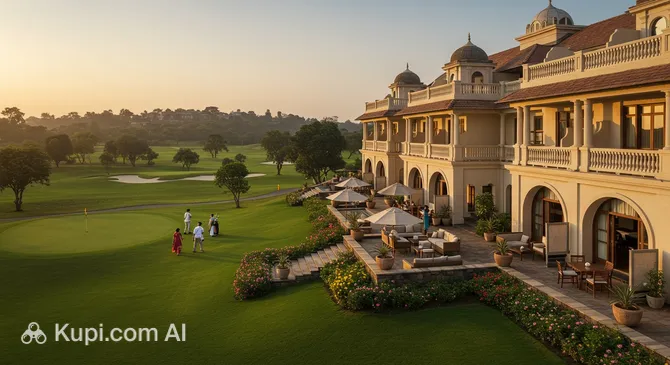
For visitors looking to unwind in a more serene environment away from the urban bustle, the city offers some fantastic resort-style accommodations. The Oxford Golf Resort is a prime example, providing a luxurious escape surrounded by scenic hills and a world-class golf course. It is an ideal spot for those seeking relaxation and outdoor activities in one place. Similarly, Chondhe Farms offers a unique experience that brings guests closer to nature, making it a great option for families or groups looking for a rustic yet comfortable retreat.
Oxford Golf Resort. Illustration.
Source: Kupi.com AI
Traveler photos:
Booking Tips and Costs: It is highly advisable to book your accommodation in advance, especially during major festivals like Ganesh Chaturthi (usually in August or September) or the wedding season, when occupancy rates soar. Prices are generally reasonable compared to other Indian metros. Budget stays typically range from 1,000 to 2,500 INR per night, while mid-range hotels cost between 3,000 and 6,000 INR. Luxury properties and resorts generally start upwards of 7,000 INR. Most hotels can be easily booked via major online travel platforms, though direct booking is also common for smaller establishments.
Nearby Cities
For those looking to explore the surroundings, Pune serves as an excellent base for day trips to several interesting nearby locations:
Travelers interested in history can visit Mahad, located approximately 67 km away. It is famously known for its proximity to the majestic Raigad Fort, the capital of the Maratha Empire, making it a significant destination for heritage enthusiasts. For nature lovers, Panvel offers a refreshing escape. Often called the gateway to the Konkan coast, it provides easy access to the Karnala Bird Sanctuary, where visitors can enjoy trekking and birdwatching amidst lush greenery. Closer to the city, Chinchwad blends industrial development with rich traditions, hosting the ancient Morya Gosavi Temple, a revered spiritual site for devotees.
These nearby destinations offer a glimpse into the diverse culture and landscapes of the region.
Shopping & Souvenirs
Shopping in Pune is a delightful experience that offers a vivid contrast between traditional Indian bazaars and ultra-modern retail complexes. The city caters to a wide range of tastes and budgets, making it a paradise for shopaholics. Whether you are looking for high-end international fashion brands or authentic local handicrafts, the city’s retail landscape is diverse and welcoming. It is particularly famous for its textiles, jewelry, and unique local snacks that make for perfect gifts.
For a quintessential street shopping experience, Laxmi Road is the place to be. This bustling stretch is the heart of the city's traditional trade, renowned for its dazzling array of jewelry shops and clothing stores selling traditional Maharashtrian wear. It is especially vibrant during festivals when locals flock here to buy sarees and ethnic attire. Another hotspot, particularly popular among the student population, is Fergusson College Road (FC Road). Here, visitors can find trendy clothes, footwear, and accessories at bargain prices, all while soaking in the youthful energy of the area.
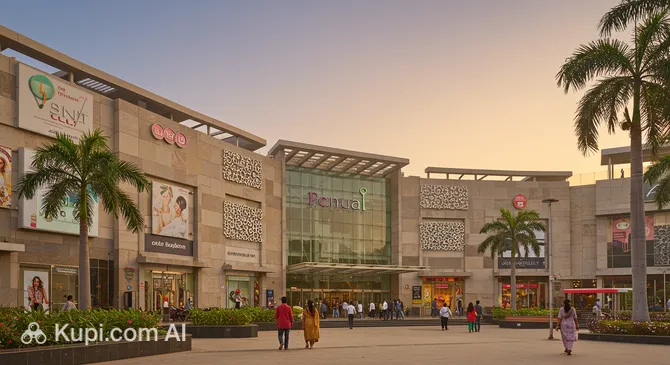
If you prefer the comfort and variety of large shopping centers, the city boasts several world-class malls. Phoenix Marketcity Pune in Viman Nagar is one of the largest lifestyle destinations in the region, housing hundreds of national and international brands, along with extensive dining and entertainment options. For a more upscale shopping environment, The Pavillion Mall on Senapati Bapat Road offers a curated selection of premium brands in a sophisticated setting.
Phoenix Marketcity Pune. Illustration.
Source: Kupi.com AI
Traveler photos:
The local markets are an integral part of the city's culture. Tulshibaug is a legendary market area surrounding the historic Tulshibaug Ganapati Mandal. It is a chaotic yet charming maze of narrow lanes packed with stalls selling copperware, household items, and women's accessories. It is the perfect place to test your bargaining skills. For those interested in antiques and curios, the Juna Bazaar (Old Market), which operates typically on Wednesdays and Sundays, offers a treasure trove of vintage coins, hardware, and quirky collectibles.
When it comes to souvenirs, there are a few items that are distinctly associated with the city. A pair of Osho Chappals—comfortable footwear made of cane and bamboo—is a popular buy. Foodies should not leave without picking up a box of Shrewsbury Biscuits from the iconic Kayani Bakery in Camp, or the spicy and crunchy Bakarwadi from Chitale Bandhu. For a more luxurious memento, consider buying a Paithani Saree, a rich silk saree with intricate gold borders that is a symbol of Maharashtrian heritage.
Most shops in the city open around 10:30 AM or 11:00 AM and close by 9:00 PM or 9:30 PM. As mentioned in the travel tips, many traditional family-run shops in the older parts of the city may close for an afternoon siesta between 1:00 PM and 4:00 PM. While credit cards and digital payment apps (UPI) are widely accepted in malls and larger stores, cash is still the preferred mode of payment in street markets and for small vendors.
Tourists should note that India does not generally offer a VAT or sales tax refund scheme for international visitors similar to those found in Europe. The prices displayed on goods are typically inclusive of all taxes (MRP - Maximum Retail Price), and bargaining is common in street markets but not in branded stores or malls.