Support

Bhavnagar

About

Bhavnagar is a captivating city located in the Saurashtra region of Gujarat, serving as a significant cultural and commercial hub in India. Known for its vibrant atmosphere and deep-rooted traditions, the city offers a delightful blend of the old and the new. With a population of over 640,000, it is a bustling urban center that sits along the coast of the Gulf of Khambhat, providing a gateway to the rich maritime heritage of the area.

The city was founded in 1724 by Bhavsinhji Gohil, and the history of Bhavnagar is reflected in its majestic architecture and well-planned layout. The climate is typically tropical, featuring hot summers and a refreshing monsoon season, which brings lush greenery to the surroundings. As a former princely state, the city retains a regal charm that intrigues history buffs and casual travelers alike.
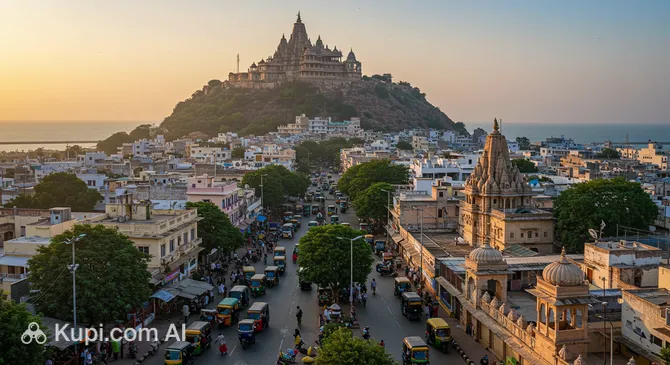
Bhavnagar. Source: Kupi.Binoculars

Travelers will find several unique attractions to explore. The **Takhteshwar Temple**, perched on a hillock, is a must-visit for its spiritual significance and the panoramic views it offers of the city and the gulf. For a glimpse into royal living, the **Nilambag Palace** stands as a stunning example of heritage architecture, blending Indian and European styles. Nature enthusiasts can escape the urban bustle at **Victoria Park**, a protected forest reserve located right in the heart of the city, which is a haven for birdwatchers and walkers.

Whether you are here to admire historical landmarks or to taste the famous local snack, Ganthiya, Bhavnagar promises a memorable experience. Its warm hospitality and authentic Gujarati culture make it a wonderful destination to include in your travel itinerary.
Weather Overview

The weather in Bhavnagar is characterized by distinct seasons, ranging from sweltering summers to pleasant, mild winters. The city experiences a semi-arid climate where the heat can be intense during the peak months, making timing an important factor for travelers planning outdoor activities.

Summer begins in March and intensifies through June, with May being the hottest month. During this time, average temperatures climb to approximately 34.2°C, with maximum highs often reaching near 40°C. The heat is followed by the monsoon season, which brings relief in the form of increased humidity and frequent rainfall. July is typically the wettest month in terms of frequency, recording about 22 wet days, while the rainy period generally extends through September.

For those seeking the most comfortable conditions, the winter months from December to February are ideal. January is the coolest time of the year, with average temperatures dropping to a mild 21.6°C and minimums around 15.8°C. Expect warm to hot summers with frequent wet days during the monsoon and cool, dry winters that are perfect for sightseeing.

Interesting Facts

Beyond the main attractions, Bhavnagar holds many fascinating secrets and historical footnotes that often escape the casual observer. From engineering marvels to royal legacies, the city offers intriguing stories waiting to be discovered by curious travelers.
Gandhi Smriti. Source: Kupi.Binoculars
  • The city is home to a remarkable engineering feat at its port: the Lock Gate system. Built in 1963, it was one of the first of its kind in Asia, designed to maintain water levels in the harbor basin so ships can remain afloat even during the extreme low tides of the Gulf of Khambhat.

  • Bhavnagar shares a significant connection with the Father of the Nation, Mahatma Gandhi, who attended Samaldas Arts College here in 1888. This period of his life is commemorated at Gandhi Smriti, which houses a museum, a library, and a gallery of rare photographs depicting his journey.

  • Just a short distance from the city lies the Alang Ship Breaking Yard, known globally as the world's largest graveyard for ships. It is a colossal industrial site where massive ocean liners and cargo vessels from around the world are dismantled and recycled.

  • While many cities have parks, Victoria Nature Park stands out as one of the oldest man-made forests in India. Commissioned by Maharaja Takhtasinhji in 1888, it was originally created as a royal hunting ground but now serves as a crucial green lung and biodiversity hotspot in the city center.

How to Get There

Reaching this coastal city in Gujarat is convenient, with several transport options available for travelers. Whether you prefer flying into a major regional hub or taking a scenic drive, the journey offers a glimpse into the diverse landscapes of the state. For detailed information on routes and transportation modes, you can read more about how to get to Bhavnagar to plan your trip effectively.

While Bhavnagar has its own domestic airport, many international and domestic travelers choose to fly into larger hubs nearby. The most significant gateway is Ahmedabad Airport (IATA: AMD), located in the city of Ahmedabad. It serves as a major international airport handling millions of passengers annually. Since this airport is approximately 154 km from Bhavnagar, a taxi ride to the city typically takes around 4 hours and 10 minutes. Another viable option is Vadodara Airport (IATA: BDQ), situated in Vadodara. It is a busy regional hub located about 128 km away, with the transfer time by road taking roughly 3 hours and 30 minutes.

For clarity, here is a summary of the main airports in the region:

Airport Name City Passenger Traffic Km from City
Ahmedabad Airport Ahmedabad Large 153.6
Surat Gujarat Airport Surat Medium 94.5
Vadodara Airport Vadodara Medium 127.7
Rajkot Hirasar Rajkot Medium 133.6
Diu Airport Diu Small 172.8

In addition to air travel, Bhavnagar is well-connected to the Indian railway network. The city has its own railway station, Bhavnagar Terminus, which links it to major cities within Gujarat and across India, including Mumbai and Ahmedabad. Trains are a popular and affordable mode of transport for visitors, offering a comfortable way to enjoy the countryside views before arriving in the city center.

Main Attractions

Bhavnagar offers a mix of spiritual sites, historical monuments, and scenic spots that reflect its rich cultural heritage. Exploring these landmarks gives visitors a deeper understanding of the city's royal past and its vibrant present.

One of the city's most iconic landmarks is the Takhteshwar Temple. Perched on a small hillock, this shrine dedicated to Lord Shiva is constructed from white marble and dates back to the late 19th century. Tourists flock here not only for prayers but also for the breathtaking panoramic views it offers of the city and the distant Gulf of Khambhat, making it a perfect spot for sunset photography.

Takhteshwar Temple. Source: Kupi.Binoculars

Another architectural gem is Ganga Deri, a stunning miniature monument carved entirely out of white marble. Often compared to the Taj Mahal due to its intricate craftsmanship, it stands as a testament to the artistic skills of the region. It is a peaceful place to admire the delicate stone carvings and appreciate the finesse of local historical architecture.

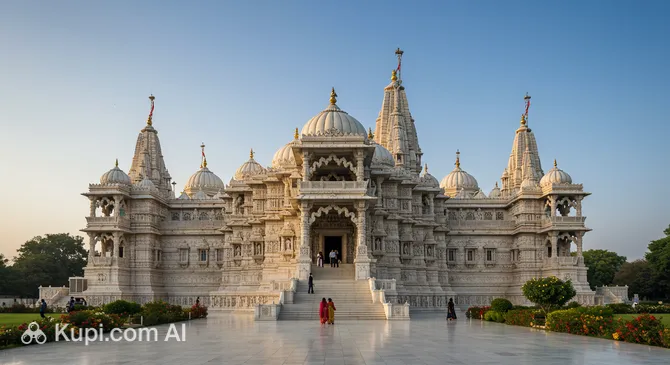
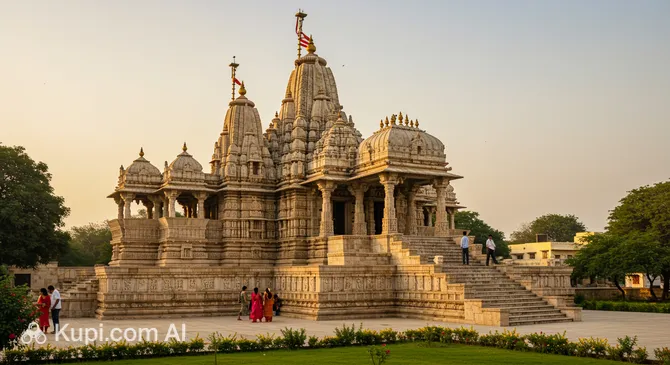
For those seeking spiritual tranquility, the Shri Swaminarayan Mandir Bhavnagar is a must-visit destination. This temple complex is renowned for its grandeur, featuring elaborate columns, domes, and idols. The serene atmosphere and the well-maintained premises make it a popular retreat for both devotees and tourists appreciating traditional Indian temple architecture.

Shri Swaminarayan Mandir Bhavnagar. Source: Kupi.Binoculars

Nature lovers will enjoy a visit to Bortalav Lake, also known as Gaurishankar Lake. Built originally as a water reservoir for the city, it has evolved into a favorite picnic spot. The promenade is ideal for evening walks, and the adjacent garden adds to the charm, offering a relaxing escape from the urban hustle.

Local Cuisine

Local Cuisine:

Bhavnagar is a true paradise for food lovers, particularly those who appreciate savory snacks and authentic vegetarian fare. The city is legendary across Gujarat for its Bhavnagari Ganthiya, a crispy, deep-fried snack made from chickpea flour and spices. Locals often start their day with this crunchy treat, usually paired with raw papaya sambharo and green chilies. Another signature item is the sweet and soft Penda, a milk-based confection that makes for a perfect souvenir to take home.

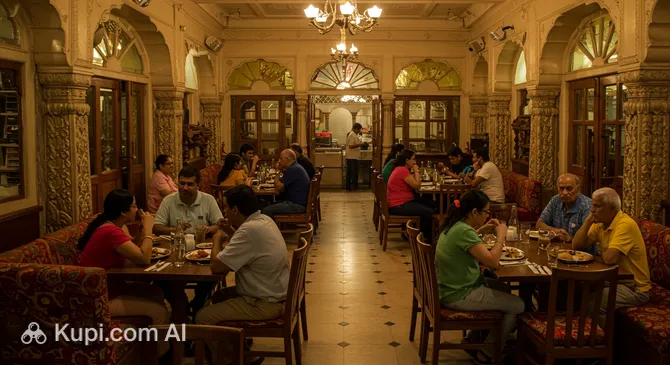
For a wholesome meal, the traditional Gujarati Thali is the highlight of the local dining scene. This elaborate platter typically consists of rotis, various vegetable curries (shaak), dal, rice, and an assortment of chutneys and pickles. The flavors strike a delicate balance between sweet, salty, and spicy. Visitors looking to experience this unlimited feast can visit the Rasoi Dining Hall, which is well-regarded for serving authentic regional flavors in a comfortable setting.

Rasoi Dining Hall. Source: Kupi.Binoculars

When it comes to beverages, travelers should be aware that Gujarat is a "dry state," meaning the sale and consumption of alcohol are prohibited without a special permit. Instead, the local culture revolves around refreshing non-alcoholic drinks. Chaas (spiced buttermilk) is the standard accompaniment to meals, aiding digestion and cooling the palate. Masala Chai is also immensely popular, with tea stalls serving as social hubs throughout the day.

The food culture in Bhavnagar is vibrant and diverse, ranging from bustling street food markets to elegant dining establishments. In the evenings, the streets come alive with vendors selling Fafda, Jalebi, and Pav Bhaji. For those seeking a more upscale dining experience or a variety of cuisines beyond traditional Gujarati fare, the Efcee Sarovar Premiere Restaurant offers a refined atmosphere and a broad menu to suit international palates.

Travel Tips

Visiting Bhavnagar offers a unique glimpse into the cultural heart of Gujarat, and a little preparation goes a long way in ensuring a hassle-free experience. To help you navigate the city like a pro, here are some essential practical tips covering everything from local customs to logistics.

  1. Clothing and Gear: Since the climate is generally hot and semi-arid, pack breathable, light cotton clothing to stay comfortable. If you plan to visit religious sites like the Takhteshwar Temple, dress conservatively; shoulders and knees should be covered. Comfortable slip-on shoes are highly recommended, as you will frequently need to remove them when entering temples and local homes.
  2. Transportation: The most convenient way to get around Bhavnagar is by auto-rickshaw. While ride-hailing apps are present in India, their availability can be sporadic in smaller cities, so relying on autos is often faster. Always negotiate the fare before starting your journey or insist on using the meter if the driver agrees.
  3. Finances: The local currency is the Indian Rupee (INR). While hotels and larger restaurants accept credit cards, cash is king for local markets, auto-rickshaws, and street food vendors. ATMs are widely available throughout the city, but it is wise to carry smaller denominations for small purchases. Tipping is appreciated but not mandatory; rounding up the bill or leaving a small amount is standard.
  4. Health and Safety: Bhavnagar is generally a safe city for tourists, but standard precautions should be taken, such as avoiding poorly lit areas late at night. Pharmacies are plentiful and easy to find, often marked with a green cross. Stick to bottled or filtered water to avoid stomach upsets, and carry hand sanitizer for use after handling cash or visiting public spaces.
  5. Communication: The primary language is Gujarati, and Hindi is widely spoken. English is understood in hotels and business circles, but less so by street vendors and auto drivers. Learning a few local phrases like "Kem cho?" (How are you?) will delight the locals. Buying a local SIM card (Jio or Airtel) is recommended for accessing maps and translation apps on the go.
  6. Local Etiquette: Gujaratis are known for their warm hospitality. A polite "Namaste" with folded hands is the traditional greeting. When eating traditional meals or receiving something, use your right hand, as the left is considered unclean. Always ask for permission before taking photos of locals, especially women.
  7. What to Avoid: Gujarat is a "Dry State," meaning the sale and consumption of alcohol are strictly prohibited without a valid permit. Do not attempt to carry or consume alcohol in public, as this can lead to legal trouble. Also, avoid public displays of affection, which are generally frowned upon in conservative areas.
  8. Additional Tip: Embrace the local "siesta" culture. Many smaller shops and businesses in Bhavnagar may close in the afternoon between 1:00 PM and 4:00 PM for a midday break. Plan your shopping and errands for the morning or late evening to avoid finding closed doors.

By keeping these simple tips in mind, you will be well-equipped to explore the vibrant streets and heritage of Bhavnagar with confidence. The city's charm lies in its people and traditions, so travel with an open mind and enjoy the warm Kathiawari hospitality.

Entertainment & Nightlife

Nightlife in Bhavnagar offers a unique cultural experience that differs significantly from the typical western concept of partying. Since Gujarat is a "dry state," you will not find traditional bars, pubs, or nightclubs serving alcohol. Instead, the evening entertainment revolves around vibrant social gatherings, late-night street food, cinema, and family-oriented fun. The atmosphere is relaxed and safe, characterized by bustling markets and lively conversations over tea and snacks rather than loud music and dancing.

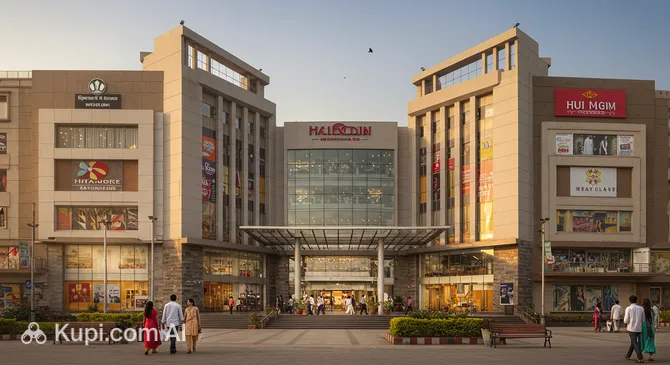
The heart of the city's modern evening scene is undoubtedly Waghawadi Road. This area transforms into a lively strip after sunset, lined with cafes, ice cream parlors, and eateries that stay open late. It is the place to see and be seen, attracting a mix of young students, families, and professionals. For those looking for a contemporary hangout spot, the Himalaya Mall is a central hub. It houses a multiplex cinema for catching the latest Bollywood or regional movies, a food court, and a game zone, making it a popular destination for evening entertainment.

Himalaya Mall. Source: Kupi.Binoculars

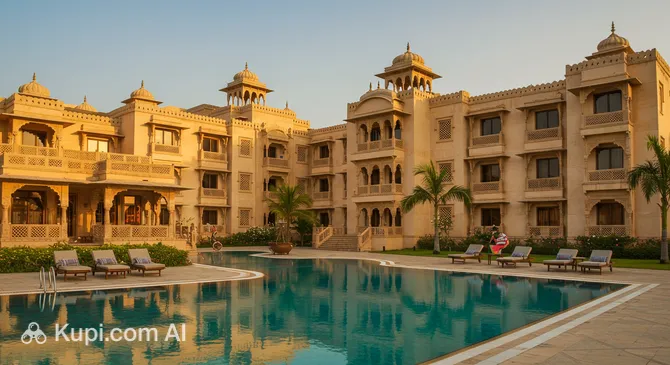
For a more sophisticated evening out, visitors often head to the city's upscale hotels, which offer elegant dining experiences and mocktail lounges. The Fern Resort & Spa Bhavnagar is a prime example, providing a serene ambiance perfect for a quiet dinner or a late-night coffee in a luxurious setting. These venues often host food festivals and live instrumental music events, offering a refined alternative to the bustling street scenes.

The Fern Resort & Spa Bhavnagar. Source: Kupi.Binoculars

Shopping enthusiasts can explore the Madhav Darshan Complex and surrounding markets, which often remain active well into the evening. The streets near Ghogha Circle are also famous for their night food stalls. Here, the nightlife is flavor-driven; locals gather until midnight to enjoy freshly made Ganthiya, Pav Bhaji, and colorful ice golas. The dress code everywhere is casual to smart-casual, and the vibe is incredibly welcoming.

When it comes to safety and logistics, Bhavnagar is exceptionally safe for night walks, even for solo travelers. Auto-rickshaws are readily available throughout the night, though it is advisable to agree on a fare beforehand if the meter is not used. Most commercial establishments close around 11:00 PM to midnight, but food vendors often operate later. Beyond the night scene, the city offers plenty of daytime entertainment as well, including heritage museums, well-maintained parks, and cultural centers that provide a deep dive into the region's artistic history.

Parks & Museums

Bhavnagar is a city that beautifully balances its commercial energy with serene green spaces and a profound respect for its cultural heritage. For tourists, this means the opportunity to step away from the busy streets and explore lush gardens, protected forests, and institutions that preserve the history and artistic legacy of the region.

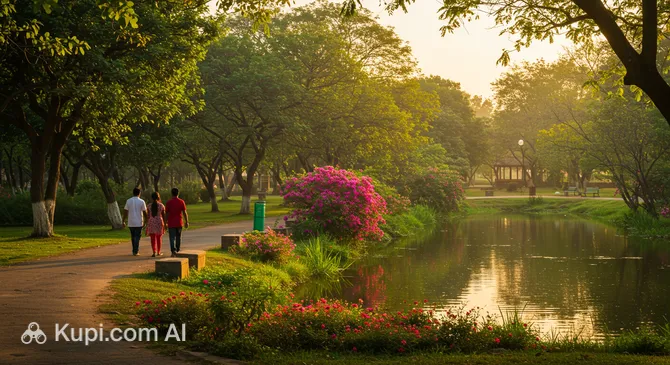
One of the most remarkable natural assets of the city is Victoria Nature Park. Located right in the heart of Bhavnagar, this is not just a typical city park but a reserved forest that spans over 500 acres. It serves as the green lungs of the city and is a paradise for nature lovers and birdwatchers. Visitors can enjoy long walks on the trails, spot peacocks and nilgais (blue bulls) roaming freely, and appreciate the diverse flora that thrives in this protected environment.

Victoria Nature Park. Source: Kupi.Binoculars

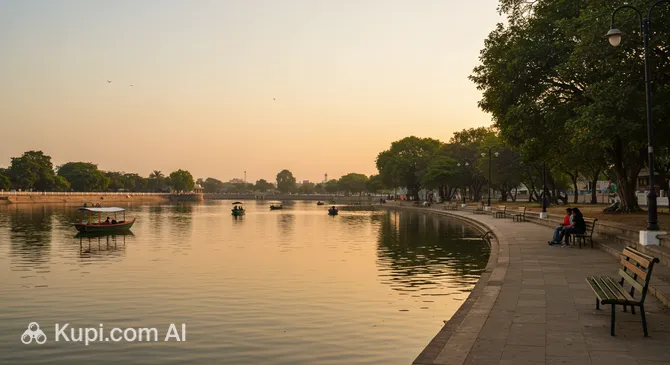
Another favorite spot for locals and tourists alike is Bortalav Lake, often referred to as Gaurishankar Lake. This vast water body is a focal point for recreation, offering a cool breeze and scenic views, especially during sunset. Adjacent to the lake is a well-maintained garden that provides a perfect setting for family picnics. The promenade is ideal for a relaxing evening stroll, allowing visitors to unwind while watching the shimmering waters.

Bortalav Lake. Source: Kupi.Binoculars

When it comes to museums and culture, Gandhi Smriti stands out as a premier institution. Established to honor the legacy of Mahatma Gandhi, who studied in Bhavnagar, this complex houses a museum filled with photographs and memorabilia related to his life. It also features a library and galleries that showcase the arts and crafts of the Saurashtra region, making it an essential stop for anyone interested in history and local culture.

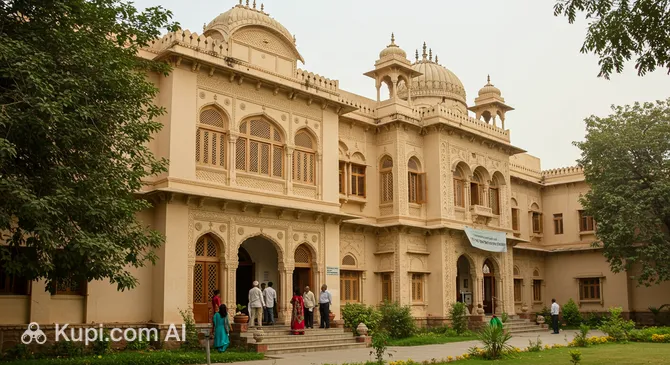
History enthusiasts should also take the time to visit the Barton Library and Museum. Housed in a magnificent heritage building, it is one of the oldest libraries in Gujarat. The ground floor museum displays a fascinating collection of coins, weapons, farming tools, and musical instruments that trace the evolution of the region's lifestyle over the centuries.

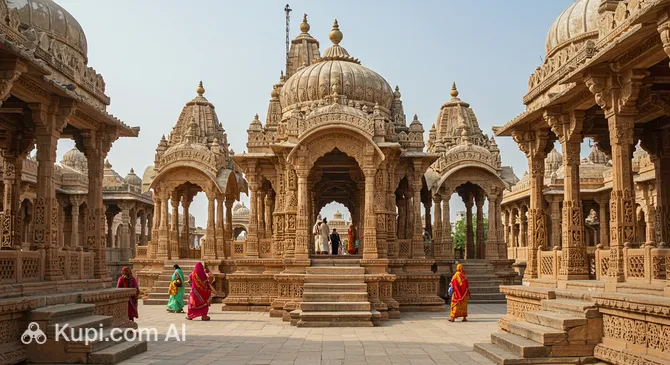
For a blend of architectural beauty and historical significance, Ganga Deri is a must-see. This exquisite marble monument, located on the banks of the Gangajalia Talao, is often celebrated as a miniature masterpiece of design. Built in memory of Maharani Majirajba, its intricate carvings and elegant structure reflect the refined artistic tastes of the royal era, offering a picturesque backdrop for photography.

Ganga Deri. Source: Kupi.Binoculars

Insider Tip: To experience the true tranquility of Bhavnagar, visit Victoria Nature Park early in the morning, right after sunrise. This is when the birdlife is most active, and you can join the locals who come here daily to start their day surrounded by nature.

Getting Around

Public transport in Bhavnagar is primarily road-based, offering a straightforward and authentic way to explore the city. Unlike India's major metropolitan areas, there is no metro or tram system here. Instead, the city relies on a network of municipal buses and ubiquitous auto-rickshaws to keep residents and visitors moving. The system is functional and affordable, though it may feel a bit informal to those accustomed to strict timetables and digital ticketing.

The most common mode of transport for daily commuting is the city bus service operated by the Bhavnagar Municipal Corporation. These buses connect key landmarks such as the Bhavnagar Terminus railway station, the central bus depot, and major markets like the Madhav Darshan area. They are generally color-coded and easy to spot. While they are the most economical way to travel, they can get crowded during peak hours. Tourists should look for route numbers displayed on the front windshield or simply ask the conductor for assistance.

For a more flexible and faster journey, auto-rickshaws are the backbone of local transportation. You will see these three-wheeled vehicles everywhere. They come in two varieties: "shared" autos, which pick up multiple passengers along a fixed route for a very low fare, and "private" or "reserve" autos, which you can hire for a direct trip to your destination. Auto-rickshaws are ideal for navigating the narrow lanes of the old city where buses cannot pass.

A unique feature of transport in this region, particularly on the outskirts, is the "Chhakda." This iconic, colorful vehicle is essentially a motorcycle converted into a three-wheeled cart. Known for its loud, rhythmic engine sound, the Chhakda is a cultural symbol of the Saurashtra region. While less common in the modern city center today, riding one is a memorable experience if you venture slightly out of town.

Regarding payments, cash is overwhelmingly the preferred method. There are no electronic travel cards or integrated passes for tourists. Tickets for buses are purchased directly from the conductor on board. For auto-rickshaws, it is essential to carry small denominations of the local currency, as drivers often struggle to provide change for large notes. While digital payment apps are gaining popularity across the country, relying on physical cash is safer for small transport fares here.

If you prefer more comfort, private taxis and car rentals with drivers are available and can be booked through local travel agencies or hotels. Ride-hailing apps do operate in the city, but their fleet availability can be inconsistent compared to larger cities. For a hassle-free day of sightseeing, hiring a private car for the day is often the most convenient option, allowing you to visit attractions like Victoria Park and Takhteshwar Temple at your own pace.

A crucial piece of advice for tourists using auto-rickshaws is to negotiate the fare before getting in. Most autos do not use meters, or drivers may refuse to turn them on. Ask a local or your hotel reception for the approximate "going rate" to your destination to avoid being overcharged. Transport services generally run from early morning until around 10:00 PM or 11:00 PM, though finding a ride late at night can be harder in residential areas.

Accommodation

Finding a place to stay in Bhavnagar is relatively straightforward, with options catering to a variety of budgets and preferences. The accommodation landscape primarily consists of functional mid-range hotels designed for business travelers, budget-friendly guest houses, and a few upscale resorts that offer a more luxurious experience. While the city does not have an extensive collection of international hotel chains, the local hospitality is warm and the standards in the better establishments are high.

For tourists, the choice of location often depends on the nature of their visit. The area around Waghawadi Road is considered the most upscale and convenient part of the city. Staying here places you close to modern amenities, shopping centers like the Himalaya Mall, and good restaurants, making it an ideal base for families and leisure travelers. On the other hand, backpackers and those with early morning travel plans might prefer the hotels near the Bhavnagar Terminus Railway Station and the Panwadi area. These locations offer unbeatable proximity to transport hubs, though they are generally busier and noisier.

Travelers seeking a blend of comfort and premium amenities will find excellent options in the city's higher-end establishments. A notable example is The Fern Resort & Spa Bhavnagar, which is well-regarded for its eco-friendly ethos, spacious rooms, and extensive facilities. Properties like this typically offer swimming pools, fitness centers, and in-house dining, providing a relaxing retreat after a day of sightseeing.

Regarding costs, accommodation in Bhavnagar is generally affordable compared to India's metropolitan hubs. Budget rooms can often be found for under 1,500 INR per night, while comfortable mid-range hotels typically charge between 2,000 INR and 4,000 INR. Luxury stays can range upwards of 5,000 INR depending on the season. While walk-ins are possible at smaller lodges, it is highly recommended to book your accommodation in advance, especially during the winter wedding season (November to February) and major festivals like Diwali, when the best hotels tend to fill up quickly. Most established hotels accept online bookings, which is the safest way to secure your preferred room.

Nearby Cities

For those looking to explore the surroundings, Bhavnagar serves as an excellent base for day trips to several interesting nearby locations. The region is well-connected, allowing travelers to experience the diverse culture and history of Gujarat within a short journey.

Vadodara, often referred to as the cultural capital of the state, is a top choice for history buffs. It is home to the magnificent Laxmi Vilas Palace, which is renowned for its stunning architecture and vast grounds. The city also boasts lush gardens and museums that provide deep insights into the royal Gaekwad dynasty.

Another fascinating destination is Surat, widely known as the Diamond City of India. Famous for its textile markets and diamond polishing industry, it also offers a rich culinary scene that food lovers will adore. Recent developments in ferry services across the Gulf of Khambhat have made connectivity to this coastal hub more interesting for travelers.

Anand, celebrated as the Milk Capital of India, offers a unique experience centered around the country's dairy heritage. It is a peaceful town where visitors can learn about the cooperative movement that transformed rural India, making it an educational and inspiring stop.

City Population Distance (km)
Surat 6,538,000 96
Vadodara 2,065,771 122
Petlad 227,031 104
Anand 218,486 119
Navsari 164,000 123

These nearby destinations offer a glimpse into the diverse culture and landscapes of the region.

Shopping & Souvenirs

Shopping in Bhavnagar offers a delightful mix of traditional charm and modern convenience. While it may not have the sprawling luxury avenues of a metropolis, the city provides an authentic experience where travelers can discover the artistic and culinary heritage of the Saurashtra region. The shopping scene is dominated by bustling bazaars filled with colorful textiles, intricate handicrafts, and the city's world-famous savory snacks.

For those who enjoy walking through lively streets, the old city areas are a treasure trove. Darbargadh and the surrounding lanes are perfect for exploring traditional goods, where you can find everything from ethnic wear to local artifacts. Shroff Bazaar is another key district, historically known for its jewelry shops and bullion merchants. If you are looking for a more contemporary shopping environment with branded showrooms and lifestyle stores, Waghawadi Road is the main commercial artery where the city's modern pulse beats.

Travelers seeking a one-stop destination for shopping and entertainment should visit the Himalaya Mall. As one of the prominent modern complexes in the city, it houses a variety of national and international fashion brands, a food court, and a cinema, making it a popular hangout spot for locals. It provides a comfortable, air-conditioned environment to escape the afternoon heat while browsing for clothes or electronics.

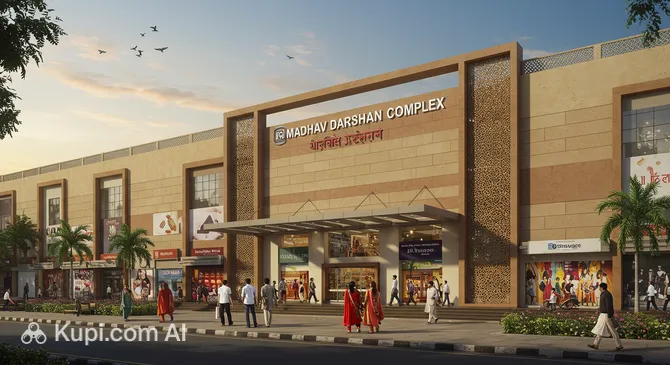
Another notable commercial hub is the Madhav Darshan Complex. Situated near the Waghawadi Road area, this complex features a diverse range of shops catering to daily needs, apparel, and accessories. It is a good place to experience the local retail culture where small business owners offer personalized service.

Madhav Darshan Complex. Source: Kupi.Binoculars

The local markets are particularly famous for their textiles. Bhavnagar is known for its exquisite Bandhani (tie-dye) and block-print fabrics, which are essential purchases for anyone interested in Indian fashion. You can find beautiful sarees, dupattas, and dress materials in the cloth markets near the main post office and Vora Bazar. Additionally, the region produces fine embroidery and beadwork, which make for unique gifts.

No shopping trip here is complete without buying the city's signature edible souvenir: Bhavnagari Ganthiya. This crispy, spiced gram flour snack is legendary, and there are numerous sweet marts and farsan (snack) shops across the city where you can buy it fresh. Other popular items to bring back include Penda (a sweet treat) and local pickles that capture the spicy and tangy flavors of Gujarat.

When planning your shopping spree, keep in mind that many local shops, especially in the traditional bazaars, observe a midday break or "siesta" from approximately 1:00 PM to 4:00 PM. Most stores reopen in the evening and stay active until 9:00 PM. While shopping malls and larger showrooms accept credit cards and digital payments, carrying cash is highly recommended for street markets and smaller vendors.

Reached the end of the page?

That means the route is fully explored