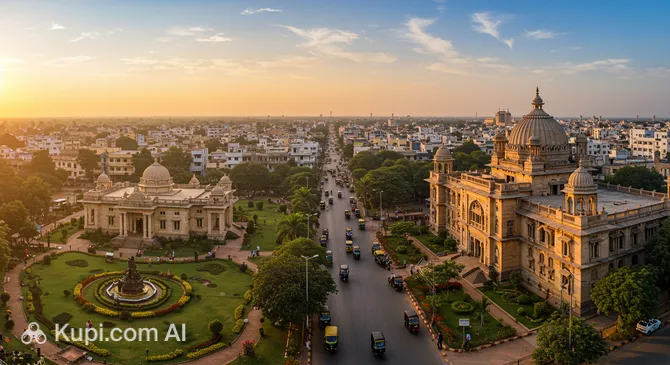
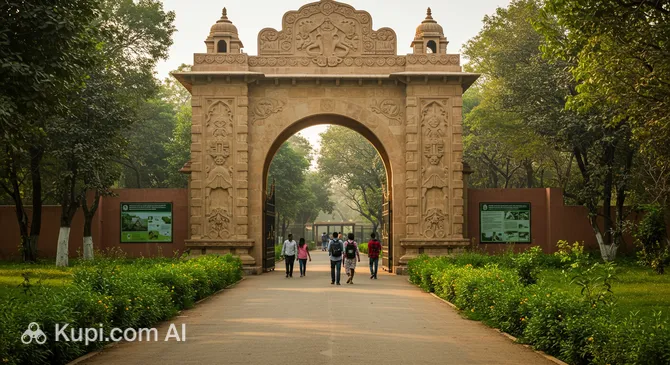
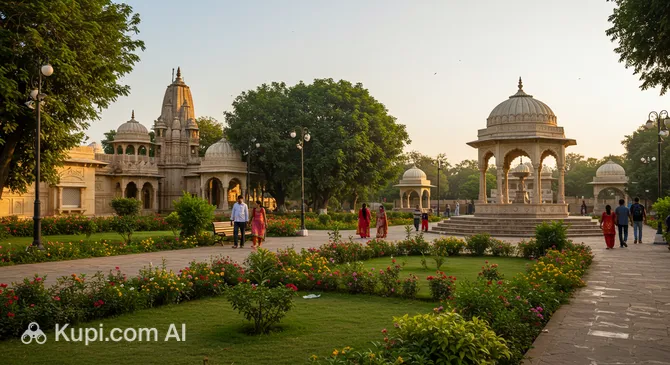
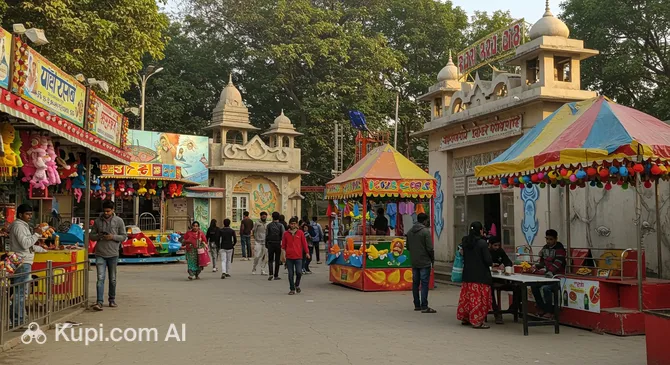
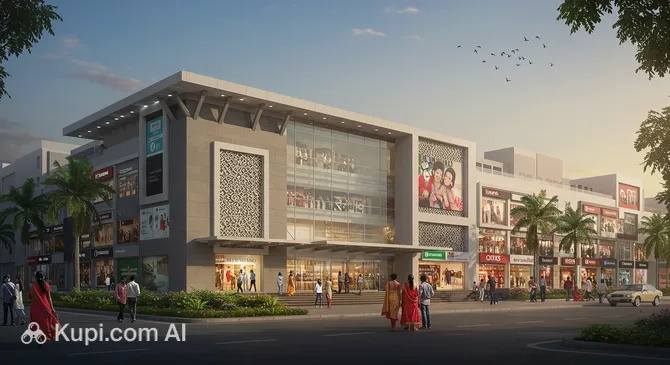
Rajkot is a bustling metropolis and a cultural beacon located in the western state of Gujarat, India. Known for its warm hospitality and vibrant atmosphere, the city serves as a significant commercial and industrial hub while retaining a deep connection to its past. As the fourth-largest city in the state, with a population exceeding 1.3 million, it acts as a central gateway to the diverse landscapes of the Saurashtra region.
Rajkot. Illustration.
Source: Kupi.com AI
The city holds a special place in the nation's narrative, particularly due to its close association with Mahatma Gandhi, who spent his formative years here. Travelers interested in the history of Rajkot should not miss Kaba Gandhi No Delo, the ancestral home where the "Father of the Nation" lived, which now serves as a museum depicting his life. Another architectural gem is the Watson Museum in the Jubilee Garden, housing artifacts that date back to the Indus Valley Civilization and the colonial era.
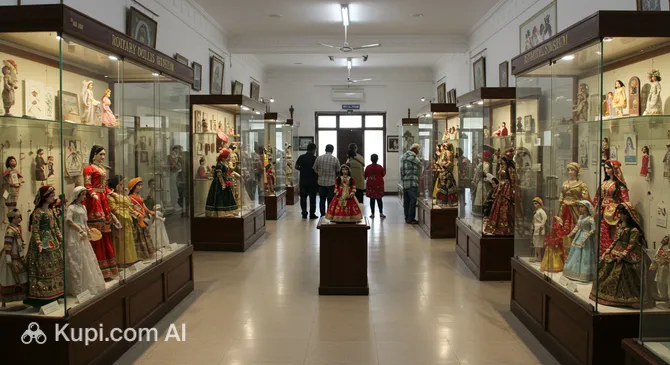
Beyond its historical landmarks, Rajkot is celebrated for its exquisite traditional handicrafts, including intricate silver jewelry and Patola silk weaving. The unique Rotary Dolls Museum offers a fascinating experience with its vast collection of dolls from around the world, making it a hit with families. Whether you are exploring its lively markets or enjoying a peaceful evening by the Aji Dam, Rajkot invites you to experience a perfect blend of tradition, culture, and modernity.
Weather Overview
Understanding the weather in Rajkot is essential for planning a comfortable trip, as the city experiences distinct seasonal shifts. The climate is generally semi-arid, transitioning from intense heat in the summer to a cooler, more pleasant atmosphere during the winter months.
The summer season, lasting from March to June, brings the highest temperatures of the year. May is typically the hottest month, with an average temperature of 32.4°C and daytime highs that can soar to 39.0°C. If you visit during this period, expect dry heat and very few rainy days, particularly in April and May.
Following the heat, the monsoon season arrives, spanning mainly from July to September. This period sees a significant increase in humidity and cloud cover. July is the wettest month in terms of frequency, featuring approximately 23 wet days, while August follows closely with 20 wet days. Despite the frequent rain, average temperatures remain warm, hovering around 29.0°C to 27.9°C.
Winter is widely considered the most agreeable time to explore the city. From December to February, the weather becomes mild and dry. January is the coolest month, with an average temperature of 20.0°C and nighttime lows dipping to a refreshing 13.2°C. With zero wet days recorded in December and February, this season offers perfect conditions for outdoor activities. Overall, you can expect hot summers, a monsoon season with frequent wet days, and mild, dry winters.
Average monthly temperature
Average monthly precipitation
Interesting Facts
Beyond the well-trodden paths of its markets and temples, Rajkot holds a collection of intriguing secrets that surprise many visitors. From its industrial achievements to unique historical records, the city offers fascinating details that go deeper than the standard guidebook descriptions.
Rajkot is often recognized as a global engineering hub, specifically earning fame for its production of diesel engines and submersible pumps. The city is home to thousands of small-scale manufacturing units that export these essential agricultural components to countries around the world.
The city boasts a unique attraction that holds a place in the Limca Book of Records: the Rotary Dolls Museum. This extraordinary collection features over 1,600 dolls from more than 100 different nations, offering a miniature tour of global cultures.
Before Gujarat was established as a separate state in 1960, Rajkot played a pivotal administrative role. It served as the capital of the State of Saurashtra from 1948 to 1956, making it a significant political center in post-independence India.
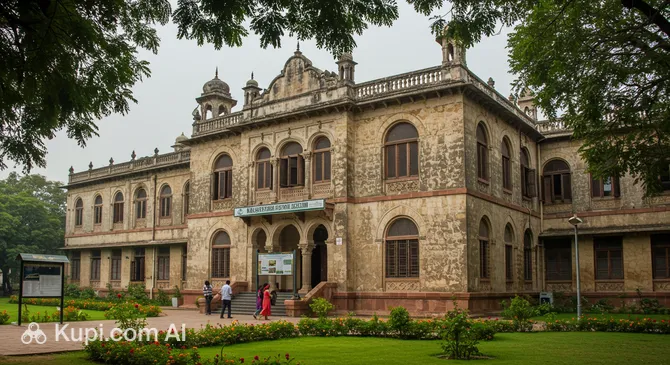
While Mahatma Gandhi was born in Porbandar, his formative educational years were spent here. He attended Alfred High School, a heritage building that has now been converted into a museum dedicated to preserving his legacy and the history of the freedom struggle.
Rotary Dolls Museum. Illustration.
Source: Kupi.com AI
Traveller photos:
How to Get There
Reaching this vibrant city in Gujarat is quite convenient, with options catering to both domestic and international travelers. Whether you prefer flying or taking a scenic route by land, the region offers good connectivity. For a detailed breakdown of all travel options, you can read more about how to get to Rajkot.
The most direct way to arrive is by flying into Rajkot Hirasar (HSR). This airport serves the city directly and is located approximately 25 km from the center. A taxi or bus ride from here typically takes about 1 hour. It handles a significant number of domestic flights, making it the primary choice for most visitors.
For those traveling internationally or seeking more flight connections, the Ahmedabad Airport (AMD) in the city of Ahmedabad is a major hub. Although it is situated about 207 km away from Rajkot, it is a large international airport with extensive connectivity. The journey from Ahmedabad to Rajkot by road takes approximately 5 hours and 30 minutes. Another closer alternative is Govardhanpur Airport (JGA) in Jamnagar, which is about 83 km away, with a travel time of around 2 hours and 30 minutes.
For clarity, here is a summary of the main airports:
Beyond air travel, Rajkot is well-connected to the rest of India via a robust rail and road network. The city is a major railway junction in the Saurashtra region, with frequent trains arriving from major cities like Mumbai, Delhi, and Ahmedabad. Additionally, excellent highways make traveling by bus or private car a comfortable option for those exploring the state of Gujarat.
Main Attractions
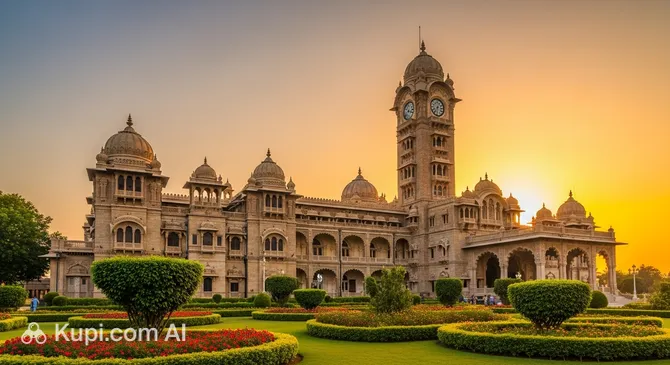
Rajkot offers a fascinating mix of historical grandeur and natural beauty, making it a delightful destination for travelers. One of the most prominent landmarks is the Ranjit Vilas Palace. This architectural marvel is renowned for its eclectic blend of styles, incorporating Gothic arches, Italianate columns, and Mughal domes. Although it serves as a private residence, the exterior view alone is captivating, offering tourists a glimpse into the opulent lifestyle of the region's former royals and the intricate craftsmanship of the early 20th century.
Ranjit Vilas Palace. Illustration.
Source: Kupi.com AI
Traveller photos:
For those interested in delving deeper into the region's cultural heritage, the Watson Museum is an essential stop. Located within the lush surroundings of the Jubilee Garden, this institution is one of the oldest and largest museums in Gujarat. It houses a vast collection of artifacts, including coins, sculptures, and manuscripts that trace the history of the Saurashtra region. The museum is particularly famous for its exhibits related to the Indus Valley Civilization and colonial history, providing a rich educational experience for history buffs.
Watson Museum. Illustration.
Source: Kupi.com AI
Traveller photos:
Nature lovers and families will find a perfect retreat at the Pradhyuman Zoological Park. Situated near the Lalpari and Randarda lakes, this sprawling park is designed to mimic the natural habitats of the animals it houses. It is a popular spot for viewing majestic Asiatic lions, tigers, and a variety of migratory birds. The park's serene environment and well-maintained paths make it an excellent location for a leisurely day out, offering a break from the city's bustling streets.
Pradhyuman Zoological Park. Illustration.
Source: Kupi.com AI
Traveller photos:
Another unique attraction is Ramvan, a culturally themed urban forest developed on the outskirts of the city. This expansive green space is dedicated to the life of Lord Rama, featuring sculptures and exhibits that depict scenes from the Ramayana. It serves as both a spiritual site and a botanical park, home to thousands of trees. Visitors flock here to enjoy the peaceful atmosphere, explore the walking trails, and appreciate the blend of mythology and nature conservation.
Ramvan. Illustration.
Source: Kupi.com AI
Traveller photos:
Finally, the heart of the city's recreational life can be found at Jubilee Garden. This historic park is not only a green lung for Rajkot but also a hub containing several monuments and colonial-era structures. It is a favorite gathering place for locals and tourists alike, offering a shaded respite with its dense canopy of trees. Whether you are visiting the nearby museums or simply looking for a quiet bench to relax on, the garden provides a charming backdrop to the city's daily rhythm.
Local Cuisine
The culinary landscape of Rajkot is a vibrant reflection of the region's culture, dominated by the rich, spicy, and sometimes sweet flavors of traditional Kathiawadi cuisine. Unlike other parts of India, the food here is predominantly vegetarian and is known for its generous use of garlic, chilies, and jaggery. For any visitor, the absolute must-try experience is the Kathiawadi Thali. This wholesome platter typically consists of Bajra no Rotlo (millet bread), Sev Tameta nu Shaak (a spicy curry made with tomato and crispy noodles), and Ringna no Oro (roasted eggplant mash), served alongside fresh onions and jaggery.
Rajkot is also famous throughout Gujarat for its unique breakfast and snack culture. The city is particularly renowned for Vanela Ganthiya, a savory, deep-fried snack made from chickpea flour, which is best enjoyed with spicy green chilies and raw papaya salad. Another breakfast staple is the classic combination of Fafda and Jalebi, offering a perfect balance of salty and sweet flavors to start the day. These snacks are not just food; they are a daily ritual for the locals.
When it comes to beverages, travelers should be aware that Gujarat is a "dry state," meaning the sale and consumption of alcohol are strictly regulated and generally prohibited without a special permit. Consequently, the local drinking culture revolves around refreshing non-alcoholic options. The most popular accompaniment to meals is Chaas, a spiced buttermilk that aids digestion and cools the palate after a spicy meal. You will also find excellent sweet Lassi and fresh sugarcane juice at various stalls across the city.
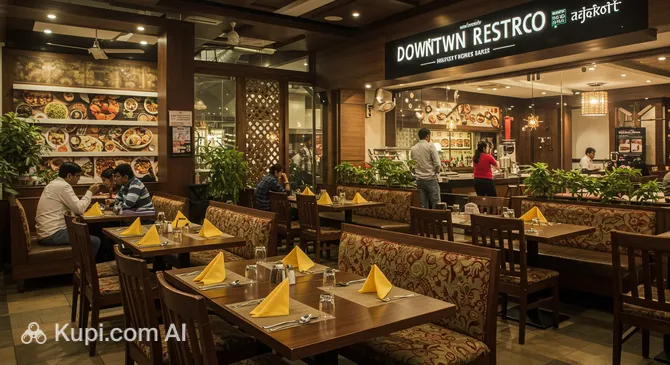
The dining scene in Rajkot ranges from bustling street food stalls to comfortable family restaurants. Locals often flock to public squares in the evening to enjoy street treats, but there are plenty of indoor venues for a relaxed meal. For instance, Downtown Restro Cafe is a popular spot where visitors can enjoy a variety of dishes in a pleasant ambiance. Whether you are grabbing a quick bite of Dabeli on the street or sitting down for a full traditional feast, the city's hospitality ensures you never go hungry.
Downtown Restro Cafe. Illustration.
Source: Kupi.com AI
Traveller photos:
For those interested in a more modern café experience or a place to unwind with a coffee, Dough & Doppio offers a contemporary setting that contrasts nicely with the traditional food scene. Exploring these diverse culinary spots allows tourists to understand the evolving tastes of modern Rajkot while still respecting its deep-rooted gastronomic traditions.
Travel Tips
Welcome to Rajkot! To ensure your journey through this vibrant cultural hub in India is as smooth as it is memorable, we have compiled a list of essential travel tips. These practical insights will help you navigate local customs, logistics, and daily life with ease.
Clothing and Gear: Rajkot experiences a semi-arid climate, so light, breathable cotton clothing is ideal for most of the year. If you are visiting during the cooler winter months, a light jacket is sufficient. When visiting temples or religious sites, dress modestly by covering your shoulders and knees. Comfortable walking shoes are a must, and carrying a universal power adapter (Type D or M) is recommended.
Transportation: The most convenient way to navigate the city is by auto-rickshaw. It is advisable to negotiate the fare before starting your journey or insist on using the meter. App-based ride services like Ola and Uber are also available and reliable. For a budget-friendly option, the Rajkot Mass Transport Service (RMTS) and BRTS buses provide excellent connectivity along major routes.
Finances: The local currency is the Indian Rupee (INR). While major hotels, malls, and upscale restaurants accept credit and debit cards, cash is still king in local markets and for small vendors. ATMs are widely available throughout the city. Tipping is not mandatory but is appreciated; rounding up the bill or leaving about 10% at restaurants is a standard gesture.
Health and Safety: Rajkot is generally a safe city for tourists. Pharmacies are easy to find, and many located near hospitals operate 24/7. To avoid stomach issues, stick to bottled or filtered water and avoid eating cut fruits from street vendors. In case of any medical needs, the city has several private hospitals offering good standards of care.
Communication: The primary language spoken is Gujarati, but Hindi is widely understood. English is commonly spoken in hospitality settings and business circles, so communication is rarely a barrier. To stay connected, you can purchase a local SIM card at the airport or authorized mobile shops using your passport and visa.
Local Etiquette: A friendly "Namaste" with folded hands is the traditional and most respectful way to greet people. It is customary to remove your shoes before entering someone's home or a place of worship. When eating traditional meals or exchanging money, use your right hand, as the left hand is historically considered unclean for these activities.
What to Avoid:Strictly avoid possessing or consuming alcohol in public. Gujarat is a "dry state," meaning the sale and consumption of alcohol are prohibited without a special permit issued to visitors. Violating this law can lead to legal penalties. Additionally, public displays of affection are generally frowned upon and should be avoided to respect local sensibilities.
Local Insight: Be aware of the traditional afternoon break known as "bapore." Many smaller shops and local businesses in Rajkot close between 1:00 PM and 4:00 PM for a siesta. Plan your shopping excursions for the morning or late evening to experience the markets when they are most lively.
Armed with these practical tips, you are well-prepared to explore the colorful streets and rich heritage of the city. Embrace the unique culture, enjoy the warm Kathiawadi hospitality, and have a wonderful time discovering all that Rajkot has to offer.
Entertainment & Nightlife
Nightlife in Rajkot offers a distinct experience compared to many other metropolitan cities. Since Gujarat is a "dry state" where the sale and consumption of alcohol are strictly regulated and generally prohibited without a permit, you will not find a traditional western-style clubbing scene here. Instead, the evening culture is defined by vibrant street life, late-night cafes, and bustling family entertainment zones. The atmosphere is relaxed, safe, and heavily centered around socializing over food and recreational activities, making it suitable for travelers of all ages.
The city comes alive after sunset, particularly around modern hubs like Kalavad Road and the 150 Feet Ring Road. These districts are dotted with brightly lit commercial complexes, lounges, and eateries that stay open late. For those looking for a sophisticated evening ambiance, venues like the Fern Residency Bar offer a comfortable setting. Located within a hotel, it provides a refined space to unwind, though international visitors should be mindful of the local permit regulations regarding alcohol consumption. It is a place where the dress code tends to be smart-casual, attracting a mix of business travelers and local families.
For a more energetic night out, especially for those traveling with friends or children, the city offers several sprawling entertainment centers. TRP Games Food Entertainment is a popular destination that combines gaming zones, food courts, and leisure activities under one roof. It is a hub of activity in the evenings, where the crowd is young and energetic. Similarly, the Blue Club Mall, 150 Feet Ring Road serves as a modern gathering spot where locals shop, dine, and stroll until late in the evening.
TRP Games Food Entertainment. Illustration.
Source: Kupi.com AI
Traveller photos:
Beyond the modern hangouts, the traditional heart of Rajkot's evening life beats at the Race Course Ring Road. This circular route transforms into a massive open-air social space at night. Thousands of locals gather here to sit on the pavements, enjoy ice cream, and chat with friends in the cool night breeze. It is a safe and welcoming environment where you can witness the true community spirit of the city. Safety is generally not a concern in Rajkot; the city is known for being safe for night walks, even for solo travelers. However, it is always wise to stay in well-lit, populated areas.
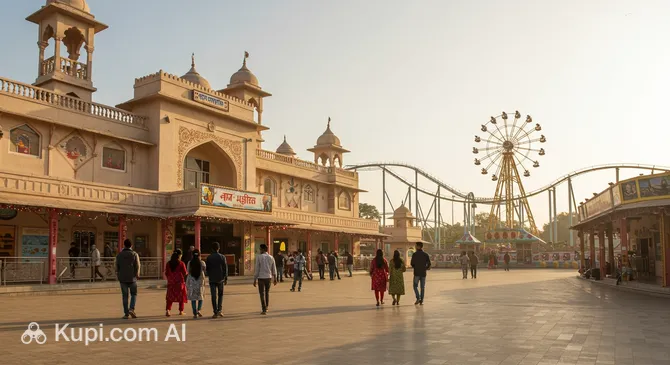
Regarding daytime entertainment that can extend into the evening, the city has several amusement parks. Fun World is a classic attraction in Rajkot, offering a variety of rides and games that have entertained generations. It is an excellent spot for a fun-filled afternoon that can easily transition into a pleasant evening. While the city boasts museums and theaters for cultural enrichment during the day, the transition to night is best spent exploring the culinary and social buzz of the streets.
Fun World. Illustration.
Source: Kupi.com AI
Traveller photos:
Practical advice for enjoying Rajkot at night includes planning your transport. Auto-rickshaws are readily available, but it is recommended to use ride-hailing apps like Ola or Uber for transparent pricing and safety late at night. Most entertainment venues and restaurants close between 11:00 PM and midnight, though some street food vendors may stay open longer. Prices are generally affordable, with a lavish evening meal and entertainment costing significantly less than in India's major metros.
Parks & Museums
Rajkot is a city that takes pride in its vibrant history and well-maintained public spaces, offering visitors a delightful mix of green retreats and educational landmarks. From sprawling gardens that serve as the city's lungs to museums that preserve the legacy of India's greatest leaders, the cultural landscape here is both diverse and accessible.
For a breath of fresh air, the Aji Dam Garden is a favorite local escape located on the outskirts of the city. Situated at the foot of the dam, this terraced garden is beautifully landscaped with flowering plants, manicured lawns, and distinct walkways. It is particularly enchanting in the evening when the fountains are illuminated, and the cool breeze from the reservoir offers a respite from the city heat. Another central hub for recreation is the Race Course Grounds. Unlike a traditional park, this is a massive circular activity zone in the heart of the city where locals gather for morning walks, sports, and evening socializing. It represents the true pulse of Rajkot's daily life, featuring swimming pools, sports complexes, and open seating areas.
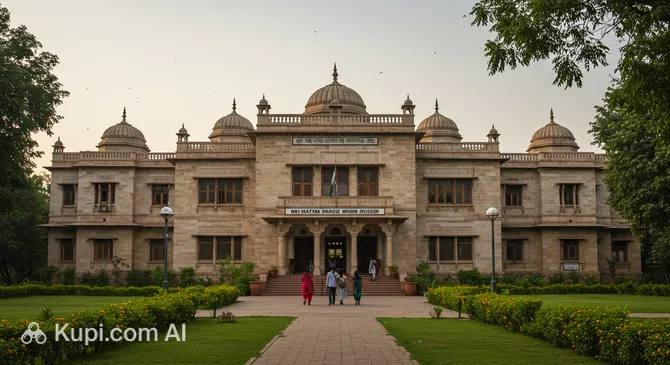
The city's museum scene is deeply intertwined with the narrative of India's independence. A standout institution is the Mahatma Gandhi Museum. Housed within the majestic colonial structure of the former Alfred High School, where Gandhi himself was a student, this museum is a world-class tribute to his life and philosophy. Through high-tech digital exhibits, light and sound shows, and preserved classrooms, it takes visitors on an immersive journey through the "making of the Mahatma." It is a moving experience that connects the personal history of the leader with the broader struggle for freedom.
Mahatma Gandhi Museum. Illustration.
Source: Kupi.com AI
Traveller photos:
While the Watson Museum and the Rotary Dolls Museum are well-known, history enthusiasts should also appreciate the architectural significance of the buildings themselves. The heritage structures housing these collections, such as the Alfred High School building, are excellent examples of Gothic Revival architecture in the region. Exploring these venues offers a dual experience: appreciating the artifacts within and admiring the stonework and design that characterize Rajkot's colonial era.
For an authentic local experience, try visiting the Aji Dam Garden just before sunset. Not only will you catch a stunning view of the sun dipping below the water, but you can also enjoy roasted corn and local snacks from vendors who set up stalls near the entrance, making for a perfect end to a day of sightseeing.
Getting Around
Navigating Rajkot is relatively straightforward, thanks to a developing mix of modern public transit initiatives and traditional options. The city does not currently operate a metro, tram, or trolleybus system; instead, the backbone of public transportation consists of a robust bus network and a ubiquitous fleet of auto-rickshaws. For a visitor, combining these two modes is often the most efficient way to explore both the bustling city center and the quieter outskirts.
The pride of the city's transport infrastructure is the Bus Rapid Transit System (BRTS), locally known as the "Rajpath." These buses run on dedicated corridors, physically separated from general traffic, which makes them a fast and reliable option for traveling along the city's main arteries. Complementing this is the Rajkot Mass Transport Service (RMTS), or the "City Bus." While the BRTS covers the central spine of the city with modern, air-conditioned blue buses, the RMTS buses penetrate deeper into residential neighborhoods and connect to key tourist attractions that lie off the main corridor.
The payment system is simple and primarily relies on physical transactions. For the BRTS, you must purchase a token or a paper ticket from the ticket counters located at every bus station before boarding; you cannot buy tickets on the bus itself. Fares are incredibly affordable, typically ranging from a small minimum amount to a modest maximum depending on the distance. While smart cards exist for regular commuters, they are not essential for short-term visitors. It is highly advisable to carry cash in small denominations, as digital payment acceptance at ticket counters can be inconsistent and getting change for large bills may be difficult.
For "last mile" connectivity or for reaching destinations not served by the bus routes, auto-rickshaws are the most popular choice. You will see these three-wheeled vehicles everywhere. However, drivers here may not always use the meter. It is practical advice to negotiate and agree on a fare before getting in, or ask a local shopkeeper for the approximate cost to your destination to avoid being overcharged. For a more transparent pricing experience with no bargaining required, you can use ride-hailing mobile apps like Ola and Uber, which are active in the city and offer both auto-rickshaws and private cars.
Public transport generally operates from early morning, around 6:00 AM, until approximately 10:30 PM or 11:00 PM. If you are planning to travel very late at night, pre-booking a cab or arranging transport through your hotel is a safer bet. When using the buses, look for designated seats for women and senior citizens, as it is customary to leave these free for eligible passengers. While the system is efficient, bus signage is often in the local language, so having your destination written down or using a map app on your phone can be very helpful when asking for directions.
Although the city lacks historic rail systems or cable cars, the BRTS corridor itself is a notable feature. It stands out as a modern urban planning achievement in the region, offering a smooth, traffic-free ride that contrasts sharply with the busy streets outside. Utilizing this corridor is not just a travel necessity but a comfortable way to witness the city's daily rhythm from a cool, air-conditioned vantage point.
Accommodation
Where to Stay:
Rajkot offers a diverse range of accommodation options that cater to the needs of business travelers, families, and backpackers alike. The city’s hospitality sector has grown significantly, providing everything from economical lodges and mid-range business hotels to upscale resorts. Unlike some major tourist hubs, accommodation here is generally value-for-money, with clean and comfortable rooms available at reasonable rates.
When choosing a location, it helps to know your itinerary. For those prioritizing easy access to transport, the area around Limda Chowk and the central bus station is ideal. This district is bustling, filled with budget-friendly hotels, and places you right in the heart of the city's commercial action. On the other hand, if you prefer a more modern and quieter environment, the areas along 150 Feet Ring Road and Kalavad Road are excellent choices. These neighborhoods are home to newer properties, shopping malls, and premium restaurants, offering a more relaxed stay slightly away from the old city's congestion.
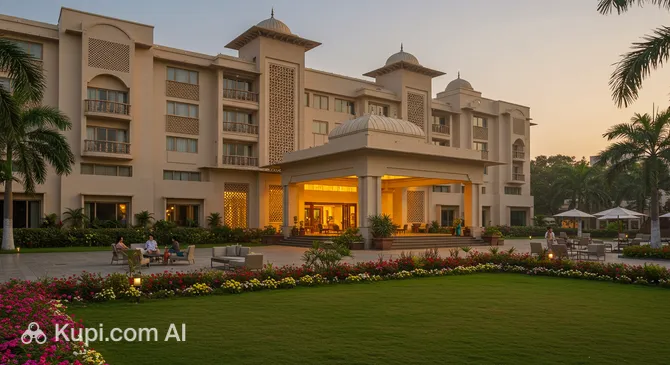
For travelers seeking a blend of comfort and modern amenities, the city has several reputable establishments. Sarovar Portico Rajkot is a popular choice, known for its contemporary design and excellent service standards, making it suitable for both leisure and corporate guests. Another well-regarded option is Inn Rajkot, which offers a pleasant stay with easy access to the city's major thoroughfares.
Sarovar Portico Rajkot. Illustration.
Source: Kupi.com AI
Traveller photos:
Regarding costs, Rajkot is quite affordable compared to India's metropolitan cities. Budget stays can be found for very low prices, while even the luxury segment remains relatively accessible. Booking is straightforward, with most properties listed on major online travel platforms. However, a helpful booking tip is to secure your rooms in advance if you plan to visit between November and February. This period coincides with the wedding season and pleasant weather, causing the best hotels to fill up quickly.
Nearby Cities
For those looking to explore the surroundings, Rajkot serves as an excellent base for day trips to several interesting nearby locations. The region of Saurashtra is dotted with cities that offer a mix of royal heritage, spiritual significance, and architectural marvels, making them perfect for short excursions.
One of the most popular destinations is Jamnagar, often referred to as the Jewel of Kathiawar. Located near the coast, it is famous for the beautiful Lakhota Lake and Palace, as well as the Bala Hanuman Temple, which holds a Guinness World Record for continuous chanting. The city’s vibrant markets, known for their traditional Bandhani (tie-dye) textiles, are also a major draw for visitors.
Another captivating option is Junagadh, situated at the foot of the sacred Girnar hills. This ancient fortified city is a treasure trove for history buffs, boasting the impressive Uparkot Fort and the stunning Mahabat Maqbara, a mausoleum celebrated for its intricate blend of Gothic and Islamic architecture. It offers a journey back in time to the era of the Nawabs.
For those interested in unique architecture and industrial heritage, Morbi is worth a visit. Known globally as the ceramic capital of India, the town also features the exquisite Mani Mandir, a palace built with a fascinating fusion of architectural styles that reflects the town's historical grandeur.
City
Population
Distance
Raiya
17,204
6 km
Nij Khari
24,496
28 km
Wankaner
43,881
39 km
Jasdan
48,483
51 km
Morbi
194,947
58 km
These nearby destinations offer a glimpse into the diverse culture and landscapes of the region, allowing travelers to experience the broader heritage of Gujarat beyond the city limits.
Shopping & Souvenirs
Shopping in Rajkot is a vibrant experience that perfectly mirrors the city's blend of deep-rooted traditions and modern commercial growth. As the economic hub of the Saurashtra region, the city is a treasure trove for those seeking authentic Gujarati craftsmanship. From bustling narrow lanes filled with colorful textiles to contemporary retail centers, the shopping scene here caters to every taste and budget. The city is particularly renowned across India for its exquisite silver jewelry, intricate silk weaving, and distinct embroidery styles.
To witness the true pulse of the local commerce, head to Dharmendra Road. This is one of the city's most popular shopping arteries, lined with shops selling everything from traditional garments to footwear and lifestyle goods at reasonable prices. Just a stone's throw away is the famous Bangdi Bazar (Bangle Market). As the name suggests, this narrow street is dedicated to bangles of all materials and colors, along with bridal accessories and cosmetics. It is a riot of color and a must-visit for anyone looking to capture the festive spirit of Gujarat in a photograph or a purchase. For those interested in precious metals, Soni Bazar offers the finest gold and silver craftsmanship, with designs that have been passed down through generations of goldsmiths.
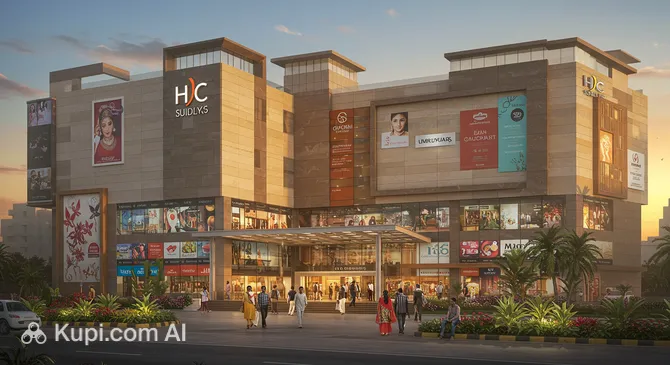
For travelers preferring a more air-conditioned and modern retail environment, Rajkot has several developing shopping complexes. Blue Club Mall, 150 Feet Ring Road is a notable destination where visitors can find a mix of fashion brands, dining options, and entertainment under one roof. It serves as a convenient stop for families looking to combine shopping with leisure. Another unique shopping spot is DeoDap, which has gained popularity for offering a vast variety of household products, gadgets, and quirky items at wholesale rates, making it an interesting place to browse for budget-friendly finds.
Blue Club Mall, 150 Feet Ring Road. Illustration.
Source: Kupi.com AI
Traveller photos:
Beyond the structured shops, the local markets offer a sensory delight. The Gujari Bazar is a traditional flea market that creates a lively atmosphere, where one can hunt for vintage items, tools, and local curiosities. If you are a food enthusiast, the markets around the city center are packed with vendors selling fresh produce and distinct local spices that define the Kathiawadi palate. These markets are not just places to buy goods but are social hubs where the art of bargaining is practiced with a smile.
When it comes to souvenirs, Rajkot offers several iconic items that are perfect for taking home. The city is a major production center for Patola sarees and Bandhani (tie-dye) textiles, which make for elegant and lightweight gifts. The local silver jewelry, characterized by its intricate filigree work, is another top recommendation. For a taste of the region, pick up some Chikki (peanut brittle) or packs of spicy Ganthiya, as these snacks are synonymous with the city's culinary identity.
DeoDap. Illustration.
Source: Kupi.com AI
Traveller photos:
Most shops in the main markets open around 10:00 AM or 11:00 AM and stay open until 9:00 PM. However, visitors should remember the local custom of the afternoon siesta, where many smaller family-run businesses close between 1:00 PM and 4:00 PM. While credit cards and digital payments are widely accepted in malls and larger showrooms, cash remains the preferred mode of payment in the traditional bazaars and street stalls. Regarding taxes, a formal tax-free refund system for tourists is generally not available in standard retail outlets in India, so the price you see usually includes all applicable taxes.
We use cookies and services to collect user information. This is essential for the functioning of the site and for marketing purposes. You can find out more in .