Support

Jamnagar

About

Jamnagar, often referred to as the "Jewel of Kathiawar," is a vibrant city located on the coast of the Gulf of Kutch in the state of Gujarat. Known for its rich cultural heritage and significant industrial presence, it offers a unique atmosphere where tradition meets modernity. With a population of approximately 480,000 residents, the city maintains a lively yet welcoming environment for travelers exploring this western region of India.

The city boasts a fascinating past, formerly known as Nawanagar. Visitors interested in the royal legacy and architectural evolution should explore the history of Jamnagar, which reveals the influence of the Jadeja Rajput dynasty and the vision of rulers like Jam Ranjitsinhji. The city's layout and monuments still reflect this regal era, blending Rajput and European styles.
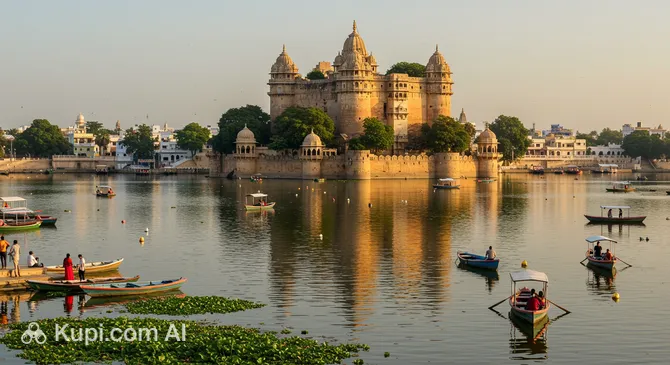
Jamnagar. Source: Kupi.Binoculars

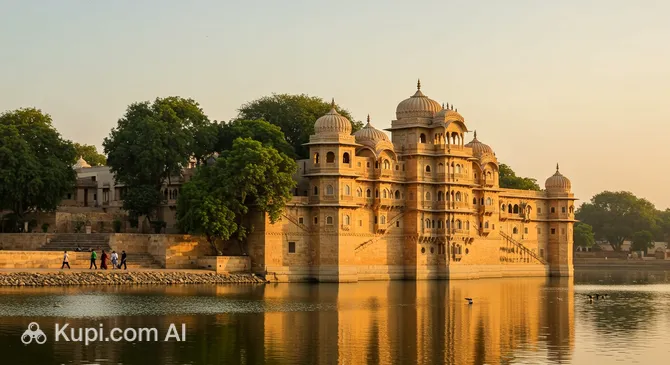
Tourists are often drawn to the scenic Lakhota Lake, which surrounds the impressive Lakhota Palace and Museum, offering a peaceful retreat in the heart of the city. Another highlight is the Bala Hanuman Temple, famous for its continuous chanting of "Sri Ram, Jai Ram, Jai Jai Ram," which has earned it a place in the Guinness Book of World Records. Nature enthusiasts will also appreciate the nearby Khijadiya Bird Sanctuary, a haven for migratory birds and a perfect spot for eco-tourism.

Whether you are passing through on business or seeking to uncover the hidden gems of Gujarat, Jamnagar promises a memorable experience filled with architectural beauty, spiritual serenity, and warm local hospitality.
Weather Overview

Travelers planning a trip to this part of Gujarat should consider the seasonal variations, as the climate significantly influences the experience. The weather in Jamnagar is generally characterized by hot summers, a humid monsoon season, and pleasant, dry winters.

The winter months, from December to February, are widely considered the best time to visit. During this period, the city enjoys mild conditions with average temperatures ranging between 20.3°C and 23.3°C, and virtually no rainfall. This cool and sunny weather is ideal for exploring the city's architectural heritage and bird sanctuaries.

As March approaches, temperatures begin to rise, leading into a hot summer. May is typically the hottest month, with average temperatures around 31.0°C and highs reaching up to 35.3°C. The monsoon season arrives by late June and lasts through September, bringing frequent precipitation. July sees the highest frequency of rain with approximately 25 wet days, although temperatures remain warm, averaging about 29.0°C.

Interesting Facts

Beyond the main attractions, Jamnagar holds many fascinating secrets that highlight its unique place in Indian culture and history. From world records to ecological marvels, the city offers several surprising details for the curious traveler.

  • The Shri Bala Hanuman Sankirtan Temple is globally renowned for a spiritual feat recorded in the Guinness Book of World Records. Since August 1, 1964, devotees have maintained the continuous chanting of "Sri Ram, Jai Ram, Jai Jai Ram" 24 hours a day, without a single break.

  • Jamnagar is the gateway to India's first Marine National Park, located at Pirotan Island. Unlike most coral reefs that require diving, the unique geography here allows visitors to walk on the seabed during low tide and observe colorful corals and marine life without getting wet.

  • The city has a profound connection to the sport of cricket. The prestigious Ranji Trophy, India's premier domestic cricket championship, is named after the city's former ruler, Jam Ranjitsinhji, who was a legendary cricketer and the first Indian to play Test cricket.

  • Architecture and defense were ingeniously combined at the Lakhota Palace and Museum. The structure sits on an island in the middle of Ranmal Lake, originally designed as a fort where the surrounding water acted as a natural moat to protect against invading armies.

Shri Bala Hanuman Sankirtan Temple. Source: Kupi.Binoculars

How to Get There

Reaching this coastal city is relatively straightforward, with several options available depending on your starting point. You can find more about how to get to Jamnagar by exploring the various air and land routes connecting it to the rest of the country.

For air travelers, the most convenient option is the local Govardhanpur Airport (JGA), located just a short distance from the city center. It is a small domestic hub, and the ride to the city center covers approximately 4.7 km, taking about 30 minutes by taxi. Since it is a civil enclave with limited capacity, flight options might be fewer compared to larger hubs.

Alternatively, travelers often choose to fly into Rajkot Hirasar (HSR) in the city of Rajkot, which is a busier regional airport located about 101 km from Jamnagar. The journey from Rajkot takes roughly 3 hours by road. For international visitors, the major gateway is Ahmedabad Airport (AMD) in the city of Ahmedabad, situated approximately 273 km away. While it offers extensive connectivity, the transfer to Jamnagar is a longer trip, taking around 7 hours by taxi or bus.

For clarity, here is a summary of the main airports:

Airport Name City Passenger Traffic Km from City
Ahmedabad Airport Ahmedabad Large 273.0
Rajkot Hirasar Rajkot Medium 101.2
Rudra Mata Airport Bhuj Small 98.8
Govardhanpur Airport Jamnagar Small 4.7
Diu Airport Diu Small 214.2

Main Attractions

Jamnagar is a city steeped in history and spirituality, offering a diverse array of landmarks beyond its famous lakes and museums. Visitors can explore ancient royal complexes, historic gates, and serene temples that reflect the rich cultural tapestry of the region.

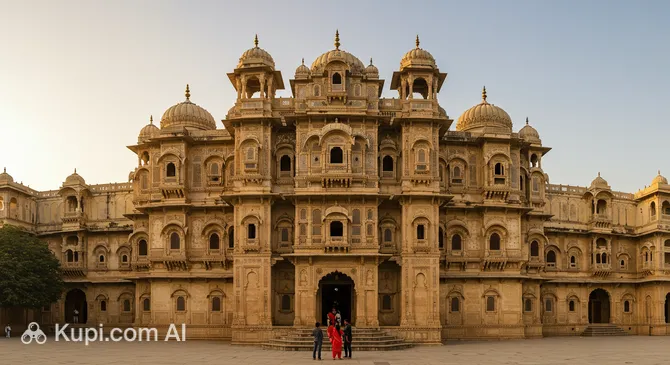
One of the most historically significant sites in the city is Darbar Gadh. This old royal palace complex served as the initial residence of the Jam Sahebs, the rulers of Nawanagar. It is a stunning example of architectural fusion, showcasing a blend of Rajput and European styles with intricate carvings, ornate balconies, and spacious courtyards. Exploring this area gives tourists a glimpse into the regal lifestyle of the past and the city's royal heritage.

Darbar Gadh. Source: Kupi.Binoculars

For those interested in the city's fortifications, the Khambhalia Gate is a must-see landmark. It stands as a proud reminder of the walled city that once existed. The gate is known for its traditional architecture and serves as a bustling entry point to the older parts of town, where visitors can experience the local culture and vibrant market atmosphere.

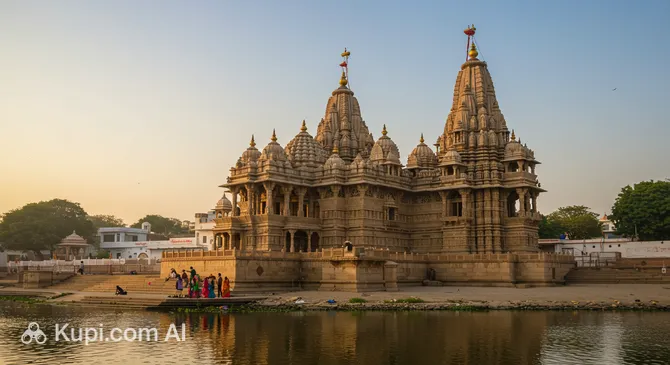
Spiritual travelers will find solace at the Dwarkadhish Temple. Dedicated to Lord Krishna, this temple is a hub of devotion and peace. It attracts numerous devotees who come to offer prayers and admire the serene environment. The intricate design and the spiritual aura make it a noteworthy stop for anyone exploring the religious heritage of the region.

Dwarkadhish Temple. Source: Kupi.Binoculars

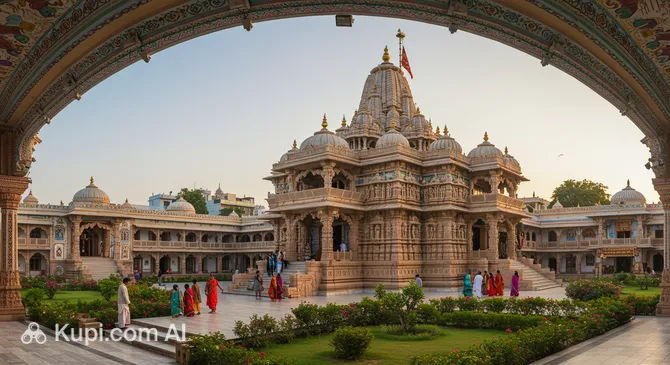
Another architectural gem is the Shri Swaminarayan Mandir, Jamnagar. This temple is renowned for its pristine structure and peaceful ambiance. It is not just a place of worship but also a visual delight, featuring detailed carvings and a well-maintained complex that offers a quiet retreat from the city's hustle and bustle.

Local Cuisine

The culinary landscape of Jamnagar is a delightful exploration of Kathiawari flavors, known for their distinct bold and spicy character compared to the sweeter Gujarati cuisine found elsewhere in the state. Food here is predominantly vegetarian and is celebrated for its freshness and variety. For any visitor, the local food scene offers a vibrant mix of traditional snacks and hearty meals that reflect the region's rich cultural heritage.

One of the city's most iconic gastronomic treasures is the Dry Fruit Kachori. This deep-fried, crispy pastry filled with a mix of dry fruits and spices is a signature snack of Jamnagar and makes for a perfect edible souvenir. Another staple is Ganthiya, a savory chickpea flour snack that is often enjoyed with a hot cup of tea or a side of spicy papaya salad and chilies. Locals are also fond of Ghughra, a street food delicacy similar to a dumpling, served with tangy chutneys.

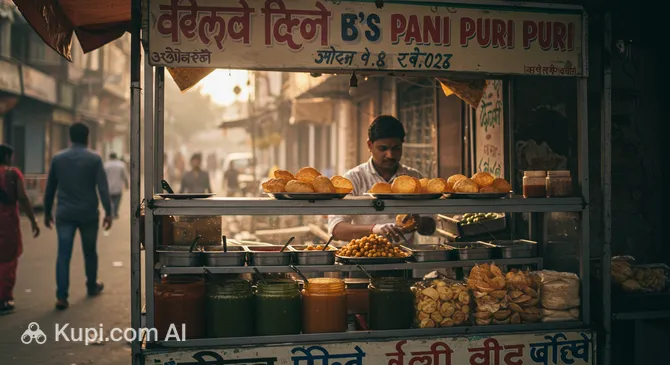
Street food plays a massive role in the daily life of residents, with bustling stalls appearing in the evenings. Pani Puri is a universal favorite, and the city has its own popular spots to enjoy these water balls. For a taste of this beloved snack, travelers can visit Neha Ben's Pani Puri, a local establishment known for serving crisp puris filled with flavorful spiced water and potatoes.

Neha Ben's Pani Puri. Source: Kupi.Binoculars

Since Gujarat is a dry state where alcohol is prohibited, the local beverage culture focuses heavily on refreshing non-alcoholic drinks. Chaas (spiced buttermilk) is the standard accompaniment to meals, especially during the hot summers, aiding digestion and cooling the body. In the evenings, "Soda Shops" are popular hangouts where people gather to enjoy distinctively flavored sodas and mocktails, a unique aspect of the region's nightlife.

While traditional street food dominates, the city also offers sit-down dining experiences that cater to diverse tastes. Families often visit restaurants to enjoy elaborate thalis or modern fast food. Places like Papa Louie's Pizza provide a change of pace for those craving international flavors, serving a variety of pizzas that have found favor with the younger crowd. However, for the true essence of Jamnagar, the night markets and roadside stalls remain the best places to witness the city's passion for food.

Travel Tips

Welcome to Jamnagar, a city where royal history blends seamlessly with vibrant local culture. To help you navigate the "Jewel of Kathiawar" with ease and confidence, here are some practical tips for your journey.

  1. Clothing and Gear: Given the generally warm and humid climate, light, breathable cotton clothing is your best choice. Since you will likely visit religious sites like the Bala Hanuman Temple, dress modestly by covering your shoulders and knees. Bring comfortable walking shoes for exploring the bird sanctuaries and slip-on sandals for easy removal at temples.

  2. Transportation: Auto-rickshaws are the most convenient way to navigate the city streets. While ride-hailing apps may be available, they are not always reliable in smaller cities, so it is often better to hail a rickshaw; always negotiate the fare before starting your ride. For day trips to the coast or distant temples, hiring a private taxi for the day is recommended.

  3. Finances: The currency used is the Indian Rupee (INR). While upscale hotels and modern restaurants accept credit cards, cash is essential for street food, local markets, and rickshaws. ATMs are widely available throughout the city, but it is wise to carry smaller denominations for small purchases and tips.

  4. Health and Safety: Jamnagar is generally a safe city for tourists, but standard precautions apply. Drink only bottled or filtered water to avoid stomach issues. Pharmacies are easy to find, but carry mosquito repellent, especially if you plan to visit the lakes or bird sanctuaries at dawn or dusk.

  5. Communication: Gujarati is the primary language, and Hindi is widely spoken. English is understood in hotels and by tourism professionals, but less so in local markets. Learning a few basic phrases like "Kem cho" (How are you?) will go a long way in connecting with the friendly locals. You can easily purchase a local SIM card with your passport at major mobile stores.

  6. Local Etiquette: Courtesy is highly valued here. Always remove your footwear before entering homes or places of worship. When greeting people, a polite "Namaste" with folded hands is the standard and respectful gesture. Use your right hand for eating and passing money, as the left hand is traditionally considered unclean.

  7. What to Avoid: It is crucial to remember that Gujarat is a dry state, meaning the sale and consumption of alcohol are strictly prohibited without a special government permit. Do not carry or consume alcohol in public. Additionally, avoid public displays of affection, as they are considered culturally inappropriate in this conservative region.

  8. Shopping Insight: Jamnagar is world-famous for its Bandhani (tie-dye) textiles. Visit the local markets in the old city to buy authentic colorful sarees and fabrics directly from artisans. Be aware that many local shops may close for an afternoon break (siesta) between 1:00 PM and 4:00 PM, so plan your shopping trips accordingly.

Armed with these practical insights, you are ready to immerse yourself in the authentic charm of Jamnagar. Enjoy the warm hospitality, the stunning craftsmanship, and the peaceful spiritual atmosphere of this unique coastal city.

Entertainment & Nightlife

Jamnagar offers a distinct and culturally rich nightlife experience that differs significantly from the typical western concept of clubs and pubs. As Gujarat is a dry state, you will not find alcohol-serving bars or nightclubs here. Instead, the evening entertainment focuses on vibrant social gatherings, bustling night markets, and a unique local phenomenon known as "Soda Shops." These establishments serve as the city's alternative to bars, where locals of all ages gather until late at night to enjoy an impressive variety of carbonated fruit drinks and mocktails. The atmosphere is lively, safe, and incredibly welcoming, with groups of friends and families chatting on the streets well past midnight.

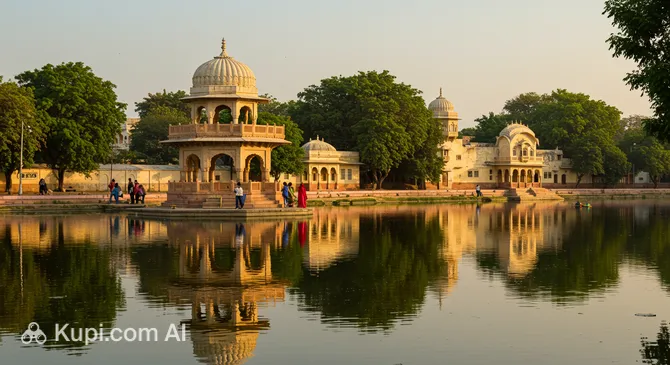
The heart of the city's evening activity beats around the scenic Ranmal Lake Park. As the sun sets, this area transforms into a social hub. The promenade is beautifully lit, making it perfect for a relaxing night walk. Residents flock here to enjoy the cool breeze, street food, and the illuminated view of the Lakhota Palace in the center of the lake. It is a fantastic spot to witness the local lifestyle, where the crowd is casual and the mood is festive.

Ranmal Lake Park. Source: Kupi.Binoculars

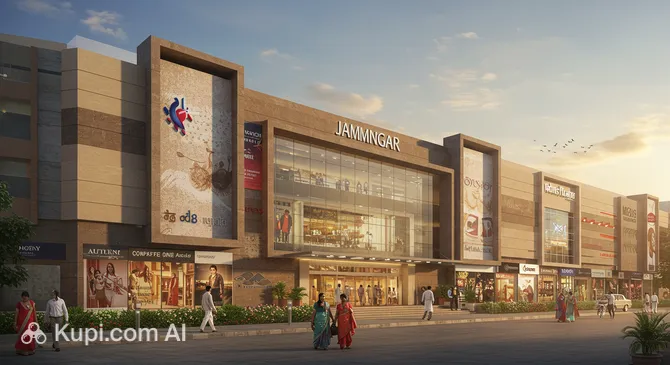
For those seeking a more modern entertainment experience, Crystal Mall is a popular destination. Located near the Khodiyar Colony, this complex houses a multiplex cinema, making it the go-to place for catching the latest Bollywood or regional movies. The mall also features a food court and various retail outlets, offering a comfortable, air-conditioned environment for evening leisure. It is a favorite hangout spot for the city's youth and families looking to shop and dine under one roof.

Crystal Mall. Source: Kupi.Binoculars

If you are traveling with family or looking for lighthearted fun, the city offers several recreational spaces that remain active into the evening. The Jamnagar Amusement Park is a delightful venue with rides and attractions suitable for children and adults alike. It provides a cheerful break from sightseeing and is best visited in the late afternoon or early evening when the heat subsides.

Regarding daytime entertainment, the city is dotted with cultural landmarks. Visitors can explore the museums and historical gates mentioned earlier, or spend time at nature resorts like the Van Vihar Tree Resort, which offers a green escape. However, the transition to night is when the city truly relaxes.

Practical Tips for Nightlife:

  • Safety: Jamnagar is exceptionally safe for night walks, even for solo travelers. The streets remain busy and well-lit in popular areas.
  • Transport: Auto-rickshaws are readily available at night. It is advisable to agree on a fare before getting in, or ask your hotel to call a trusted driver.
  • Timing: Most shops and markets stay open until 10:00 PM or 11:00 PM, while soda shops and food stalls often serve customers until midnight or later.
  • Dress Code: The dress code is casual but modest. Smart casuals are appropriate for malls and dining venues.

Parks & Museums

Jamnagar offers a refreshing blend of cultural history and natural beauty, making it a delightful destination for those who appreciate open green spaces and heritage collections. The city is dotted with scenic lakes and well-maintained gardens that serve as sanctuaries for both locals and migratory birds, while its museums provide a deep dive into the region's princely past.

The crown jewel of the city's cultural offerings is the Lakhota Palace and Museum. Situated on an island in the middle of Ranmal Lake, this architectural marvel was once a fortress and now serves as a repository of the region's history. Visitors can explore a fascinating collection of artifacts, including sculptures from the 9th to 18th centuries, medieval pottery, and an impressive array of weaponry such as swords and muskets. The museum also houses a unique gallery dedicated to the wildlife of the region, making it an interesting stop for history buffs and nature lovers alike.

Lakhota Palace and Museum. Source: Kupi.Binoculars

Surrounding the palace is the expansive Ranmal Lake Park, also known as Lakhota Lake. This is the city's primary recreational area and a paradise for birdwatchers. During the winter months, the lake becomes a temporary home to thousands of migratory birds, including flocks of pink flamingos, pelicans, and spoonbills. The park features well-paved walking paths and seating areas, offering a tranquil environment for a morning jog or a leisurely evening stroll amidst nature.

For families and those seeking a quiet retreat within the city limits, JMC Park is another significant green space. Maintained by the local corporation, this park is known for its lush landscaping, geological gallery, and neatly trimmed gardens. It serves as an educational and recreational hub where visitors can learn about different plant species or simply enjoy a picnic in a clean, serene atmosphere away from the traffic noise.

JMC Park. Source: Kupi.Binoculars

Beyond the city center, the region is famous for the Khijadiya Bird Sanctuary, a unique wetland ecosystem located just a short drive away. While not a traditional city park, it is an essential visit for eco-tourists, offering a rare combination of freshwater lakes and salt pans that attract over 300 species of birds. Additionally, the nearby Marine National Park at Pirotan Island offers a rare chance to see coral reefs and marine life in their natural intertidal habitat.

For an authentic local experience, visit the walking tracks around the lakes at dawn. This is when the city is most peaceful, and you can witness the mesmerizing sight of hundreds of birds taking flight against the backdrop of the rising sun, a daily spectacle cherished by the residents.

Getting Around

Navigating Jamnagar is a relatively straightforward experience, though it differs significantly from the structured public transport systems found in larger metropolitan areas. The city does not have a metro, tram, or suburban train network for local commuting. Instead, the transport infrastructure relies heavily on road-based options, with auto-rickshaws and municipal buses serving as the primary means of getting around for both residents and visitors.

The most popular and convenient mode of transport is the auto-rickshaw. These three-wheeled vehicles are ubiquitous and can be hailed from almost any street corner, railway station, or bus stand. They come in two main varieties: "special" (private) and "shared." Private auto-rickshaws take you directly to your destination and offer more comfort, while shared rickshaws (often larger "Chhakdas" or shuttles) ply fixed routes along major roads, picking up and dropping off passengers for a fraction of the cost. For a tourist, a private auto is usually the best choice for flexibility.

The city also operates a local bus service managed by the municipal corporation. These buses connect key landmarks such as the bus depots, the railway station, industrial zones, and residential colonies like the Khodiyar Colony. While buses are the most economical way to travel, they can be crowded during peak hours and route information is often displayed only in the local language. They are generally recommended for travelers who are familiar with the city's layout or those looking for a very low-cost option.

Regarding payment, cash is the absolute standard for local transport in Jamnagar. There are no travel passes, smart cards, or tap-and-go systems for buses or rickshaws. You will need to pay the driver or conductor directly in local currency. It is highly advisable to carry small denominations (coins and notes of 10, 20, or 50), as drivers often do not have change for large bills. Fares for buses are fixed, but auto-rickshaw fares can be variable.

For tourists using auto-rickshaws, it is crucial to agree on the fare before stepping into the vehicle, as meters are rarely used or may not be strictly enforced. A polite negotiation is standard practice. If you are unsure of the correct price, ask a local shopkeeper or your hotel reception for an approximate rate to your destination. Transport is generally available from early morning until late evening, though finding a ride late at night might require pre-arrangement or a visit to a major transport hub.

Alternatives to public transport include app-based taxi services, though their availability can fluctuate compared to bigger cities. Services like Ola may operate, but wait times can be longer. For a hassle-free day of sightseeing, many visitors prefer renting a private car with a driver through a local travel agency or their hotel. This allows you to explore attractions at your own pace in air-conditioned comfort. Self-drive car rentals are less common, and navigating the traffic can be challenging for newcomers.

Accommodation

Finding the perfect place to stay in Jamnagar is relatively easy, as the city offers a range of accommodation options that cater primarily to business travelers and cultural tourists. The selection largely consists of budget-friendly guesthouses and comfortable mid-range hotels. While the city may not have an abundance of ultra-luxury international chains, it provides several well-appointed properties that ensure a pleasant and convenient stay with modern amenities.

For most visitors, the most convenient area to stay is the city center, particularly around the Town Hall and Bedi Gate areas. Staying here places you within walking distance or a short rickshaw ride of major attractions like Lakhota Lake and the bustling local markets. This central location allows travelers to easily immerse themselves in the city's vibrant atmosphere while having quick access to restaurants and transport hubs.

Among the notable establishments in the city, Hotel Jash Palace is a popular choice for travelers seeking comfortable lodging with good service standards. It serves as a reliable base for exploring the city's heritage sites. For those looking for a more distinct experience closer to nature, the Van Vihar Tree Resort offers a unique setting, allowing guests to relax in a greener environment away from the immediate hustle of the urban core.

Van Vihar Tree Resort. Source: Kupi.Binoculars

The price range for accommodation in Jamnagar is generally very reasonable compared to major Indian metros. Budget options are plentiful, and even the higher-end hotels are quite affordable. It is advisable to book your accommodation in advance, especially if you plan to visit during the winter months (October to February) or during the wedding season, when local hotels can fill up quickly. Most properties are listed on major online booking platforms, making it easy to secure your reservation before arrival.

Nearby Cities

For those looking to explore the surroundings, Jamnagar serves as an excellent base for day trips to several interesting nearby locations:

One of the most popular nearby destinations is Rajkot, a bustling city that holds significant historical importance. It is famously known as the place where Mahatma Gandhi spent his childhood years. Visitors can explore the Kaba Gandhi No Delo, his ancestral home which has been converted into a museum, or visit the Watson Museum to see artifacts from the colonial era. Rajkot offers a mix of modern urban energy and deep-rooted cultural heritage, making it a perfect spot for history enthusiasts.

For travelers seeking a coastal retreat, the town of Mandvi is an exceptional choice. Known for its pristine beaches and centuries-old shipbuilding tradition, Mandvi offers a relaxing atmosphere away from city life. The highlight of a visit here is the majestic Vijay Vilas Palace, a stunning summer palace of the Kutch royalty that has been featured in numerous Bollywood films. The town's beach is ideal for a quiet evening stroll, water sports, or simply enjoying the sunset over the Arabian Sea.

Another fascinating option is Junagadh, an ancient fortified city located at the foot of the Girnar hills. It is steeped in history, boasting the impressive Uparkot Fort which dates back to the Mauryan empire, and the stunning Mahabat Maqbara, a mausoleum known for its intricate Indo-Islamic architecture. Junagadh provides a journey back in time and serves as a gateway for those interested in trekking the sacred Girnar mountain.

City Population Distance (km)
Rajkot 1,335,397 79
Mandvi 814,655 83
Junagadh 320,250 113
Bhuj 290,000 94
Gandhidham 248,705 67

These nearby destinations offer a glimpse into the diverse culture and landscapes of the region, allowing travelers to experience the broader heritage of Gujarat beyond the city limits.

Shopping & Souvenirs

Shopping in Jamnagar is a vibrant experience that offers a delightful mix of traditional artistry and modern convenience. The city is world-renowned for its exquisite Bandhani (tie-dye) work, a textile art form that has been perfected here over centuries. The water quality of the region is believed to bring out the brightest colors in the dye, making Jamnagar's Bandhani sarees, dupattas, and dress materials highly sought after across India. Visitors looking for authentic handcrafted fabrics should explore the bustling lanes of Chandi Bazar and the areas around Darbar Gadh, where artisans sell intricate designs in brilliant hues of red, yellow, and green.

Beyond textiles, the city holds the title of the "Brass City of India." It is a major hub for the manufacturing of brass parts, but for tourists, this translates into a treasure trove of beautiful brass artifacts. From ornate handles and knobs to traditional home decor items and souvenirs, the local markets offer high-quality metalwork at reasonable prices. The craftsmanship is detailed, reflecting the industrial skill that the city is famous for.

For those interested in beauty and wellness, Jamnagar is also known for its traditional Surma (kohl) and Kajal, which are natural eye cosmetics made using age-old recipes. These are popular purchases for visitors seeking organic and locally made beauty products. Additionally, the city has a reputation for its silverware and gold jewelry, with skilled goldsmiths creating designs that blend Kathiawari tradition with contemporary styles.

Travelers who prefer a modern retail environment will find several contemporary shopping complexes in the city. Crystal Mall is a prominent destination, housing a variety of national and international brands, a food court, and entertainment options under one roof. It provides a comfortable air-conditioned escape for shoppers looking for branded apparel and accessories.

Another notable spot is Pallav Shopping Mall, which caters to a diverse crowd with its range of clothing stores, footwear outlets, and lifestyle shops. Whether you are hunting for the perfect ethnic outfit in a chaotic street market or browsing for modern fashion in a mall, Jamnagar ensures a satisfying retail therapy experience.

Reached the end of the page?

That means the route is fully explored