Support

Bhuj

About

Bhuj is a captivating city that serves as the gateway to the Rann of Kutch, offering travelers a unique blend of desert mystery and vibrant culture. Known for its winding narrow streets, traditional handicrafts, and resilient spirit, this destination provides an authentic glimpse into the heritage of the region.

Located in the state of Gujarat in western India, the city sits amidst an arid landscape that gives it a distinct character. With a population of approximately 290,000 people, it is a bustling hub that maintains a close-knit community feel. The climate here is typically semi-arid, with warm days that make it perfect for exploring the architectural marvels scattered throughout the town.

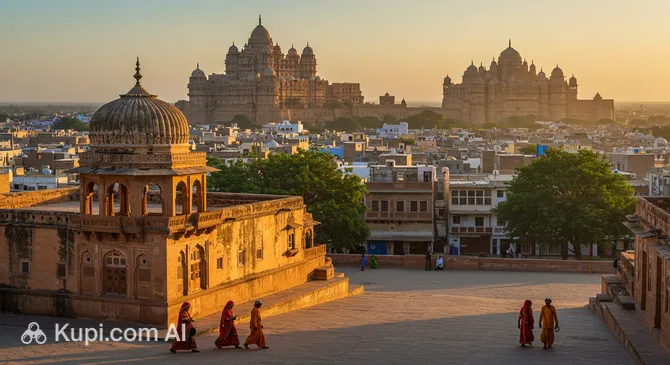
Bhuj. Source: Kupi.Binoculars

The city was established in the 16th century and served as the capital of the princely state of Kutch for hundreds of years. Visitors interested in the royal past and the enduring legacy of the local dynasties can explore the fascinating history of Bhuj, which is etched into its palaces and fortifications.

Among the top attractions are the Aina Mahal, or Hall of Mirrors, which showcases exquisite craftsmanship, and the imposing Prag Mahal, designed in an Italian Gothic style. The heart of the city beats around Hamirsar Lake, a refreshing spot where locals and tourists alike gather to enjoy the serene views.

Whether you are here to shop for intricate Kutchi embroidery or to use the city as a base for exploring the Great Rann, Bhuj promises an unforgettable experience. We invite you to wander its historic lanes and discover the warmth and color of this remarkable desert city.

Weather Overview

Travelers planning a trip to this region should expect a semi-arid climate characterized by distinct seasonal variations. The weather in Bhuj is generally dry for most of the year, with a hot summer season and a pleasant, cooler winter. During the peak of summer in May, average temperatures rise to about 32.3°C, with maximums often reaching 38.4°C, making it the hottest time to visit.

The monsoon season brings a change in the atmosphere from June through September. July is typically the wettest month in terms of frequency, experiencing approximately 17 wet days, although the precipitation volume is often moderate. By contrast, the winter months of December and January are widely considered the most comfortable for exploration. During this time, average temperatures hover around 19°C to 20°C, with minimum lows dipping to 12.4°C, offering cool and crisp conditions perfect for outdoor activities.

Interesting Facts

Beyond the main attractions, Bhuj holds many fascinating secrets that add depth to its historical charm. From ancient legends to cinematic landscapes, the city offers curious travelers much more than meets the eye.

  • Named After a Serpent God: The city derives its name from the Bhujia Hill that overlooks it, which is dedicated to Bhujang Naag, the Snake God. According to local folklore, the deity is the guardian of the region, and a temple stands atop the hill where a fair is held annually to honor his protection.

  • A Sailor’s Architectural Legacy: The exquisite Aina Mahal owes its unique design to Ramsinh Malam, a local sailor who spent nearly two decades in Europe mastering various crafts. He returned in the 18th century to build this palace, introducing European glasswork, clock-making, and tile styles that were completely novel to the region at the time.

  • Oldest Museum in the State: Bhuj is home to the Kutch Museum, established in 1877, making it the oldest museum in Gujarat. It houses a rare collection of Kutchi script, ancient coins, and distinct artifacts that offer a deep dive into the tribal culture and history of the area.

  • A Bollywood Backdrop: The royal cenotaphs known as Chhatedi are not just historical monuments but also stars of the silver screen. These striking red sandstone structures, with their intricate carvings and open-air pavilions, have served as the filming location for several popular Bollywood movies.

How to Get There

Reaching this desert city is an adventure in itself, with air travel being the most convenient option for many. For a complete guide on all available transport modes, you can read more about how to get to Bhuj.

The city is served by its own domestic hub, Rudra Mata Airport (BHJ), located just 5.1 km from the center. While it is a relatively small airport with moderate passenger traffic, it offers the distinct advantage of landing directly at your destination. A taxi or auto-rickshaw from here typically takes about 20 to 30 minutes to reach the main town area.

Travelers can also opt for airports in neighboring cities if direct flights are unavailable. The Govardhanpur Airport (JGA) in Jamnagar appears close geographically, situated about 93 km away across the water. However, the road journey requires driving around the Gulf of Kutch, which takes approximately 5 to 6 hours. Alternatively, Rajkot Hirasar (HSR) in Rajkot is a larger hub handling significant passenger traffic. It is located approximately 170 km from Bhuj, with a travel time of about 4 hours by taxi or bus.

For clarity, here is a summary of the main airports:

Airport Name City Passenger Traffic Km from City
Rajkot Hirasar Rajkot High 170.2
Rudra Mata Airport Bhuj Medium 5.1
Govardhanpur Airport Jamnagar Medium 93.0

Besides air travel, the city is well-connected by rail and road. Bhuj Railway Station is a major terminus with daily trains connecting to Mumbai, Ahmedabad, and Delhi. The road network is also robust, with state-run and private buses providing regular services from various parts of Gujarat, making the journey through the scenic arid landscape a memorable experience.

Main Attractions

Bhuj is a treasure trove of architectural marvels and cultural landmarks that reflect its glorious past as a princely capital. The city's attractions offer a fascinating mix of regal history, spiritual serenity, and artistic brilliance, making it a compelling destination for history buffs and curious travelers alike.

One of the most stunning examples of the region's heritage is the Aina Mahal, or the Hall of Mirrors. Built in the 18th century, this palace is renowned for its flamboyant interior, which features walls adorned with mirrors, gilded ornaments, and Venetian glass. Tourists are often captivated by the pleasure pool in the main hall and the collection of mechanical toys and exquisite artifacts that showcase a unique blend of Indian and European craftsmanship.

Standing right next to the Aina Mahal is the imposing Prag Mahal, a architectural wonder designed in the Italian Gothic style. Commissioned in the 19th century, it stands out with its grand Durbar Hall, featuring classic chandeliers and statues. Visitors should not miss the opportunity to climb the bell tower, which offers a panoramic view of the entire city, providing a perfect vantage point for photography enthusiasts.

For a spiritual and visual treat, the Shree Swaminarayan Temple is a must-visit. This magnificent temple, constructed with gleaming white marble, is a masterpiece of intricate carving and design. Following the destruction of the original temple in the 2001 earthquake, this new structure was built to be even more grandiose. It serves as a peaceful sanctuary where tourists can admire the detailed craftsmanship of the pillars and domes while soaking in the spiritual atmosphere.

History lovers will find the Kutch Museum particularly interesting, as it is the oldest museum in Gujarat. Established in 1877, it houses a rare collection of Kutchi scripts, ancient coins, paintings, and arms. The museum provides deep insight into the tribal culture of the region, displaying vibrant embroidery, metalwork, and musical instruments that define the artistic identity of Kutch.

Another evocative site is the Chhatedi, the royal cenotaphs of the rulers of Kutch. Located near Hamirsar Lake, these red sandstone structures are known for their ornate umbrellas and intricate stone carvings. Although some parts were damaged by earthquakes, the ruins possess a haunting beauty that attracts photographers and those looking to connect with the city's royal lineage in a quiet, open-air setting.

Local Cuisine

The culinary landscape of Bhuj offers a distinct and flavorful journey that sets it apart from the rest of Gujarat. While the state is famous for its vegetarian fare, Kutchi cuisine is known for being less sweet and more rustic, often featuring simple yet spicy preparations that rely on millet, dairy, and locally grown vegetables. For food enthusiasts, the city provides an authentic taste of the desert region's heritage.

A trip to Bhuj is incomplete without tasting the iconic Dabeli. This popular street food, which traces its roots to the Kutch region, consists of a soft bun stuffed with a spicy potato mixture, garnished with pomegranate seeds, roasted peanuts, and tangy chutneys. Another must-try experience is the traditional Kutchi Thali. This wholesome platter typically features Bajra no Rotlo (thick millet flatbread) served with Ringan no Olo (roasted eggplant mash), fresh garlic chutney, and a side of jaggery and butter, offering a hearty meal that sustains locals through the hot days.

For breakfast or a heavy snack, Dal Pakwan is a local favorite. It pairs a crisp, deep-fried pastry (Pakwan) with a savory, spiced lentil curry (Dal), creating a delightful contrast of textures. Visitors will also find vendors serving fresh Fafda and Jalebi, a classic combination of salty, crunchy snacks and sweet, syrup-soaked desserts that is beloved across the region.

When it comes to beverages, travelers should note that Gujarat is a dry state, meaning alcohol is not sold or consumed publicly, and tourists require specific permits to purchase it. The local drink culture focuses on refreshing non-alcoholic options. Chaas (spiced buttermilk) is consumed in large quantities to stay hydrated and cool, while Masala Chai is a social staple, with tea stalls serving strong, sweet cups at nearly every corner.

The dining culture in Bhuj is vibrant and unpretentious. While there are several restaurants offering air-conditioned comfort and unlimited thalis, the heart of the city's food scene lies in its street stalls. The areas around the markets and Hamirsar Lake come alive in the evenings, where locals gather to enjoy street snacks and the cool breeze. Eating here is not just about the food; it is a communal activity that reflects the warm hospitality of the Kutchi people.

Travel Tips

Visiting Bhuj is an exciting journey into the heart of the Kutch region, but the unique desert environment and local customs require a bit of preparation. To help you navigate the city with ease and respect for its traditions, we have compiled a list of essential practical tips for your stay.

  1. Clothing and Gear: Since the climate is semi-arid, breathable cotton fabrics are your best friend, especially during the hot summer months. However, if you are visiting in winter (December to January), bring a jacket or layers, as mornings and nights can get surprisingly chilly. Given the conservative nature of the region, it is respectful to dress modestly; cover your shoulders and knees, particularly when visiting temples or rural villages. A sturdy pair of walking shoes is essential for exploring the ruins, and a scarf is useful for protection against dust and the sun.

  2. Transportation: The most common way to get around the city is by auto-rickshaw. You will also see larger, colorful three-wheelers known locally as Chhakdas, which are a quintessential part of Kutchi transport. Public buses exist but can be crowded and confusing for tourists. Ride-hailing apps are not widely reliable here, so it is best to hail rickshaws on the street. Always negotiate and agree on the fare before starting your journey, or ask your hotel to arrange a trusted driver for day trips.

  3. Finances: The currency used is the Indian Rupee (INR). While hotels and larger restaurants accept credit cards, cash is king in Bhuj, especially when shopping for handicrafts in local markets or eating street food. ATMs are available in the city center, but they can be scarce in surrounding villages. It is wise to carry smaller denominations for tips and small purchases. Tipping is not mandatory but is appreciated by service staff and drivers.

  4. Health and Safety: Bhuj is generally a safe city for tourists, but standard precautions regarding valuables apply. Pharmacies are easily found in the main market areas, though few stay open 24/7. Due to the heat, dehydration is a common risk, so always carry bottled water and wear sunscreen. Avoid drinking tap water and stick to sealed bottles or filtered water provided by reputable hotels.

  5. Communication: The primary languages spoken are Gujarati and Kutchi. Hindi is widely understood and spoken by almost everyone. English is generally understood in hotels, major tourist attractions, and by some shopkeepers, but it is less common among rickshaw drivers and in rural areas. Learning a few basic words like Namaste (Hello) and Dhanyavad (Thank you) goes a long way. Buying a local SIM card is recommended for maps and translation apps; you will need your passport and visa copies to obtain one.

  6. Local Etiquette: The people of Kutch are known for their warmth and hospitality. When greeting locals, a polite "Namaste" with folded hands is the standard gesture. Always remove your shoes before entering a temple, a home, or even some traditional shops. If you are invited to share a meal, remember to eat and pass items with your right hand, as the left is considered unclean for these activities.

  7. What to Avoid: It is crucial to remember that the state of Gujarat is a "Dry State," meaning the sale and consumption of alcohol are prohibited without a specific permit. Do not attempt to carry alcohol openly or consume it in public places, as this is a legal offense. Additionally, avoid public displays of affection, which are frowned upon in this traditional society.

  8. Afternoon Siesta: Be aware that Bhuj, like many hot regions in India, often observes an afternoon break. Many local shops and smaller businesses may close between 1:00 PM and 4:00 PM for lunch and rest. Plan your shopping and errands for the morning or late afternoon to avoid finding closed doors.

By keeping these simple tips in mind, you can focus on soaking up the rich history and vibrant culture that make Bhuj so special. Embrace the slower pace of life, enjoy the hospitality, and have a wonderful time exploring this desert jewel.

Entertainment & Nightlife

Travelers looking for entertainment after sunset in Bhuj will find a scene that is distinctively different from the typical nightlife of Western cities. Since the city is located in Gujarat, a "Dry State" where the sale and consumption of alcohol are prohibited without a permit, you will not find bars, pubs, or nightclubs here. Instead, the nightlife is a vibrant, community-driven affair centered around bustling food streets, late-night markets, and serene evening walks, offering a wholesome and culturally rich experience.

The heart of the city's evening activity beats around Hamirsar Lake. As the heat of the day subsides, locals flock to the promenade to enjoy the cool breeze and socialize. The atmosphere here is relaxed and friendly, filled with families, groups of friends, and vendors selling toys and snacks. It is the perfect place to witness the local lifestyle, where the entertainment comes from conversation and the simple joy of being outdoors. The area remains lively until around 10:00 PM or 11:00 PM.

For those seeking a culinary adventure, the streets around Vania Vad and the Station Road area transform into open-air dining venues. This is where the real "nightlife" of Bhuj exists. The air is thick with the aroma of charcoal-grilled corn, spicy Dabeli, and sweet Jalebis. Food stalls and small eateries stay open late, often until midnight, serving everything from local Kutchi specialties to Chinese and South Indian dishes.

If you prefer a sit-down dinner in a lively setting, Green Rock is a popular restaurant that serves as a casual evening hangout for both locals and tourists. It is well-known for its extensive vegetarian menu and bustling atmosphere. Another favorite spot is Sankalp, which offers a more upscale environment perfect for enjoying authentic South Indian cuisine. While these are restaurants rather than clubs, they are the primary social venues where people gather to unwind in the evenings.

For entertainment beyond food, the city offers modern cinematic experiences. The Seven Sky complex is a notable destination, housing a multiplex cinema that screens the latest Bollywood and regional Gujarati films. It is a favorite among the younger crowd and provides a comfortable, air-conditioned escape for a few hours of drama and music, serving as both a daytime and evening attraction.

Regarding safety, Bhuj is exceptionally safe for night walks. The crime rate is low, and the presence of families and children late into the evening creates a secure environment. However, as the streets can get quiet after 11:00 PM away from the main markets, it is advisable to stick to well-lit areas. Getting around is easy with auto-rickshaws, which are readily available near major landmarks. Be sure to agree on a fare beforehand, as night rates may be slightly higher than during the day.

While daytime entertainment focuses on heritage sites like museums and palaces, the evenings are best spent immersing yourself in the local culture. Whether you are sipping a late-night tea at a street stall or watching the reflection of lights on the lake, the night in Bhuj offers a peaceful yet engaging end to your day.

Parks & Museums

Beyond its bustling markets and royal palaces, Bhuj offers a surprising array of green retreats and insightful cultural institutions. The city provides travelers with peaceful gardens for relaxation and world-class museums that delve deep into the region's artistic heritage and resilient spirit.

For those seeking a breath of fresh air, Hill Garden is a popular recreational spot located on the outskirts of the city. It is beautifully landscaped with varied flora and offers a fun environment for families, featuring amusement rides and designated play areas for children. Another serene escape is the Sharad Baug Palace Gardens. Once the residence of the last ruler of Kutch, this area functions as a botanical garden housing a diverse collection of flowering and medicinal plants, making it a quiet oasis for nature lovers amidst the arid landscape.

The museum scene in Bhuj is both traditional and contemporary. A significant addition to the city's cultural landscape is the Smritivan Earthquake Memorial and Museum, situated on Bhujia Hill. This sprawling complex is dedicated to the victims of the 2001 earthquake and serves as a symbol of regeneration. Its galleries take visitors on an emotional and educational journey through earth sciences and local resilience, surrounded by a vast forest of trees planted in memory of the lost. For a deep dive into rural traditions, the Bharatiya Sanskruti Darshan is a must-visit. This museum preserves the folk art, intricate embroidery, and rural architecture of the Kutch district, showcasing the lifestyle of the desert communities.

Dominating the skyline is the historic Bhujia Fort, perched atop the hill that gives the city its name. While it served as a defensive stronghold in the past, today it offers the best panoramic views of Bhuj and is a favorite spot for trekking enthusiasts. The fortification walls snake along the hill's contours, creating a dramatic backdrop that is particularly striking during the golden hour.

For a truly authentic experience, try to visit the Smritivan memorial in the late afternoon. Not only can you explore the museum galleries, but you can also walk up the reservoir path to catch a breathtaking sunset over the city, a view that is quickly becoming a local favorite.

Getting Around

Public transport in Bhuj is relatively informal compared to major metropolises, reflecting the city's modest size and traditional character. There is no metro, tram, or extensive city bus network within the town center. Instead, the transportation system relies heavily on intermediate public transport modes, specifically auto-rickshaws and unique local vehicles that navigate the narrow streets and connect the main residential areas with markets and tourist sites.

The most ubiquitous form of transport is the auto-rickshaw. These three-wheeled vehicles are found on nearly every corner and serve as the primary means of getting around for both locals and visitors. You can hire them for a private ride (essentially like a taxi) or opt for "shared rickshaws" (shuttles) that run along fixed routes, picking up and dropping off passengers along the way. Shared rides are significantly cheaper but can be quite crowded.

A distinctive feature of the region's transport is the Chhakda. Often described as the "Harley Davidson of Kutch," this is a colorful, oversized three-wheeler that typically runs on a diesel engine. Originally designed to carry goods and people between villages, they are a common sight on the outskirts and roads leading into the city. Riding in a Chhakda is an experience in itself, offering a noisy, breezy, and authentically local way to travel, though they are less common for short hops within the congested city center.

The payment system in Bhuj is almost exclusively cash-based. There are no travel cards, digital passes, or tap-to-pay systems for public transport. When using a private auto-rickshaw, it is standard practice to negotiate the fare before you step inside, as meters are rarely used or strictly followed. For shared rickshaws and Chhakdas, the fares are fixed and very low, usually just a small denomination of the local currency. Tourists are strongly advised to carry plenty of coins and small bills, as drivers often do not have change for large notes.

For those looking to travel between Bhuj and its surrounding suburbs or nearby villages, the state-run GSRTC buses are available. These buses depart from the main bus station and are reliable for longer distances, such as visiting artisan villages like Bhujodi or Ajrakhpur. Tickets for these buses are purchased directly from the conductor on board using cash. While they are an economical option, they can be infrequent and crowded, making them less convenient for quick intra-city travel.

Ride-hailing apps that are popular in larger global cities are generally not operational or reliable in Bhuj. You will not typically find services like Uber or Ola functioning here. Instead, private taxis and car rentals with drivers are the standard alternative for tourists who prefer comfort. These can be booked through your hotel or local travel agencies for a half-day or full-day package, which is often the most stress-free way to visit multiple attractions in the scorching heat.

Operating hours for transport are flexible but generally align with the daily rhythm of the city. Auto-rickshaws are available from early morning until late evening, around 10:00 PM or 11:00 PM. However, availability drops significantly after dark, especially in quieter areas. If you plan to stay out late, it is wise to arrange a pickup in advance or keep the phone number of a reliable driver handy.

Accommodation

Accommodation in Bhuj is as diverse as its culture, offering travelers a range of options that blend traditional Kutchi hospitality with modern comfort. The city caters to all types of visitors, from backpackers seeking budget-friendly lodgings to families and culture enthusiasts looking for unique experiences. You can find everything from standard business hotels and modest guesthouses to exquisite heritage properties converted from old palaces, which allow you to live like royalty. On the outskirts, several resorts offer stays in traditional circular mud huts known as Bhungas, providing an authentic rural feel with air-conditioned interiors.

When choosing a location, the area around Station Road and the City Center near Hamirsar Lake is the most practical choice for first-time visitors. Staying here puts you within walking distance of major attractions like the Aina Mahal, the museum, and the vibrant bazaars. For those who prefer a quieter environment away from the city's hustle, the areas towards Madhapar and the airport road offer spacious resorts with gardens and swimming pools, serving as excellent bases for day trips to the White Desert.

A crucial tip for booking accommodation is to be mindful of the tourist season. The winter months, particularly from November to February, coincide with the famous Rann Utsav (desert festival). During this period, the city sees a massive influx of tourists, causing hotels to fill up rapidly and prices to peak. It is highly advisable to book your stay at least two to three months in advance if you plan to visit during the festival dates.

In terms of pricing, Bhuj is generally an affordable destination. Budget travelers can find clean and basic rooms at very reasonable rates, while mid-range hotels provide excellent amenities such as Wi-Fi and in-house restaurants without breaking the bank. The higher price bracket usually applies to heritage hotels and luxury tented accommodations during the winter season. Most hotels are listed on major online booking platforms, making reservations easy, though smaller guesthouses and homestays often appreciate direct contact.

Nearby Cities

Nearby Cities:

Bhuj serves as an excellent strategic base for exploring the wider Kutch region and the vibrant state of Gujarat. The city is surrounded by a variety of destinations that offer diverse experiences, from serene coastal towns and historical royal seats to bustling commercial hubs. Travelers can easily plan day trips or short excursions to these neighboring cities to enrich their journey.

One of the most popular getaways for tourists is Mandvi, located just an hour's drive south. This historic port town is famous for its centuries-old shipbuilding industry and the magnificent Vijay Vilas Palace, which has been the setting for numerous Bollywood films. Visitors flock here to relax on its pristine beaches and enjoy the cooler coastal breeze, making it a perfect contrast to the arid landscape of the interior.

For those interested in the region's commercial pulse, Gandhidham is the nearest major city. Established in the late 1940s to resettle refugees from Sindh, it has grown into a vital economic center and transport hub. Just a bit further lies Jamnagar, known as the Jewel of Kathiawar. While it sits across the Gulf of Kutch, it is renowned for its ornate palaces, ancient temples, and the stunning Marine National Park, which attracts nature lovers from around the world.

Travelers willing to venture a bit further can visit Rajkot, a bustling metropolis that played a significant role in India's independence movement. It houses the childhood home of Mahatma Gandhi and offers a mix of colonial architecture and modern Gujarati culture. Another historically significant coastal city is Porbandar, the birthplace of Gandhi, which features a scenic seafront and numerous monuments dedicated to his life and legacy.

To help you plan your itinerary, here is a list of these nearby cities with their distances and population estimates:

City Name Distance (km) Population
Gandhidham 51 248,705
Mandvi 55 81,465
Jamnagar 94 479,920
Rajkot 156 1,335,397
Porbandar 177 200,000

Shopping & Souvenirs

Shopping in Bhuj is a vibrant and colorful experience that offers far more than just retail therapy; it is a deep dive into the artistic heritage of the Kutch region. The city is celebrated worldwide for its exquisite handicrafts, particularly its textiles. Unlike the generic high-street fashion found in major metropolises, the shopping scene here is dominated by traditional artisans and family-run businesses selling goods that have been crafted using techniques passed down through generations.

The primary shopping district in the city is Shroff Bazaar. Located near the city center, this bustling market is a sensory delight, characterized by narrow lanes packed with shops and street vendors. It is the best place to find a wide variety of local goods, from traditional footwear to sparkling jewelry. Another notable area is Vania Vad, which is particularly famous for its silver jewelry and intricate metalwork. Wandering through these streets allows tourists to interact directly with shopkeepers and witness the lively commerce of daily life in Bhuj.

While the city is deeply rooted in tradition, it has seen the emergence of modern retail spaces. Although Bhuj does not boast massive shopping malls comparable to those in Mumbai or Delhi, there are smaller shopping complexes and department stores catering to contemporary needs. Places like the commercial areas near the Station Road and the complexes around the Seven Sky area offer branded clothing, electronics, and everyday essentials in a more air-conditioned, organized setting.

For those interested in authentic local crafts, the markets here are treasure troves. The city serves as a hub for goods coming from surrounding artisan villages. Visitors should look out for the vibrant textile markets where heaps of colorful fabrics are displayed. While not a market in the traditional sense, the nearby village of Bhujodi (located just a short drive away) is often considered an extension of Bhuj's shopping landscape, serving as an open-air center where weavers and artisans sell directly to visitors.

When it comes to souvenirs, Bandhani (tie-dye) fabrics are the quintessential purchase. Available as sarees, dupattas, and dress materials, these textiles are famous for their intricate patterns and bright colors. Kutchi embroidery, known for its mirror work and detailed geometric designs, is another must-buy, adorning everything from bags to wall hangings. Additionally, the region is renowned for its leather crafts, particularly the durable and stylish Kutchi Mojaris (traditional shoes), and copper bell art, which makes for a charming, musical keepsake.

Most shops in Bhuj typically open around 10:00 AM or 11:00 AM and remain open until 8:00 PM or 9:00 PM. A unique local custom to keep in mind is the afternoon break; many smaller, traditional shops may close between 1:00 PM and 4:00 PM for a siesta, especially during the hot summer months. As for payment, cash remains the preferred method in local bazaars and smaller shops. While larger showrooms and hotels accept credit cards, it is highly advisable to carry sufficient cash for street shopping and bargaining.

Regarding tax refunds, India generally does not offer a VAT or GST refund scheme for tourists for standard retail purchases made in local markets. Therefore, the price you negotiate or see on the tag is usually the final price. Bargaining is acceptable and expected in street markets, but fixed-price shops, particularly government-run emporiums, will not entertain negotiations.
Reached the end of the page?

That means the route is fully explored