Support

Keshod

About

Welcome to Keshod, a vibrant city located in the Junagadh district of the state of Gujarat. Often serving as a crucial gateway to the Saurashtra region, this town combines a bustling local atmosphere with the warm hospitality characteristic of western India. With a population of approximately 76,000 residents, Keshod offers a glimpse into the authentic daily life of the region, situated comfortably amidst the fertile lands near the Arabian Sea coast.

The city holds a unique place in the region's development, largely due to its connectivity. It is home to an airport that was originally constructed by the Nawab of Junagadh, marking it as an early aviation hub in the area. Visitors interested in the town's past and its evolution from a small settlement to a transport node can delve deeper into the history of Keshod. This historical infrastructure continues to play a role in connecting travelers to the wider district.

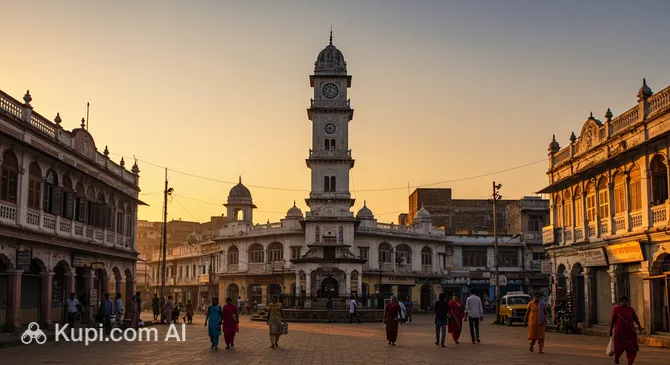
Keshod. Source: Kupi.Binoculars

For tourists, Keshod is primarily known as a strategic starting point for exploring some of Gujarat's most famous destinations. It is an excellent base for visiting the renowned Sasan Gir National Park, the last abode of the Asiatic lion, located just a short drive away. Additionally, the city serves as a convenient stopover for pilgrims and travelers heading to the majestic Somnath Temple or the historic sites of Junagadh city. Within Keshod itself, visitors can explore lively local markets and taste traditional Gujarati thalis.

Whether you are embarking on a wildlife safari or a spiritual journey along the coast, Keshod provides a welcoming and convenient pause in your travels. Its blend of small-town charm and strategic location makes it a noteworthy stop on any itinerary through the Saurashtra peninsula.

Weather Overview

Understanding the local climate is essential for planning a comfortable trip to this part of Gujarat. The weather in Keshod is generally characterized by distinct seasons, featuring pleasant winters, hot summers, and a humid monsoon period. Travelers can typically expect warm temperatures throughout much of the year, with specific seasonal patterns defining the best times for outdoor exploration.

The winter months, particularly December through February, offer the most agreeable conditions for visitors. January is usually the coolest month, with an average temperature of 21.6°C and nighttime lows dipping to around 15.1°C. This period is notably dry, with virtually no wet days recorded, making it perfect for visiting nearby wildlife sanctuaries or temples. As spring approaches in March and April, the heat begins to build, leading to a hot summer where May sees average highs reaching approximately 35.3°C.

From June to September, the region experiences its monsoon season. While the precipitation volume in millimeters may vary, the frequency of wet weather increases significantly; July and August are the peak months, often recording up to 28 wet days each. By October, the skies clear up, and temperatures start to moderate, providing a warm but drier transition back into the comfortable winter season.

Interesting Facts

Beyond its role as a convenient transit hub, Keshod holds several intriguing details that paint a picture of its rich heritage and commercial importance. This unassuming town surprises visitors with its royal connections and significant contribution to the region's agriculture.

  • Royal Aviation Origins: The Keshod Airport has a distinguished history, having been originally constructed by the Nawab of Junagadh, Mahabat Khan III, for his private use in the 1930s. This makes it one of the oldest airports in the western region, established long before commercial aviation became widespread in the country.

  • A Hub for Groundnuts: While it may seem like a quiet town, Keshod is a bustling economic center for the groundnut industry. The city is densely packed with oil mills and processing units, serving as a primary market yard for peanuts grown in the fertile soils of Saurashtra.

  • The Lion's Gateway: Although often overshadowed by larger cities, Keshod acts as the nearest airport to the Sasan Gir National Park. It is geographically the most direct aerial entry point for wildlife enthusiasts heading to the only natural habitat of the Asiatic lion.

How to Get There

Planning a trip to this part of Gujarat requires considering a few travel logistics, as the town is well-positioned but relies on neighboring hubs for major connectivity. Whether you prefer flying or taking the train, there are several convenient routes to reach the city. For a complete overview of all available transport options, you can read more about how to get to Keshod.

The city of Keshod does not have a major commercial airport with frequent scheduled flights, so most air travelers fly into Diu Airport (DIU) in the nearby city of Diu. Located approximately 95 km from Keshod, this is one of the closest options for visitors. The journey from Diu to Keshod by taxi or bus typically takes around 2 hours and 45 minutes. It handles a modest volume of traffic, offering a relaxed entry point to the region.

Alternatively, you can arrive at Govardhanpur Airport (JGA) in Jamnagar, which is situated about 131 km away. The drive from Jamnagar generally takes about 3 hours and 40 minutes. For those seeking better connectivity with major Indian cities, Rajkot Hirasar (HSR) in Rajkot is a significant regional hub located approximately 144 km from Keshod. A taxi ride from Rajkot usually takes around 4 hours, but the airport offers more frequent flight options compared to smaller local airstrips.

For clarity, here is a summary of the main airports:

Airport Name City Passenger Traffic Km from City
Surat Gujarat Airport Surat High 259.6
Rajkot Hirasar Rajkot Medium 143.9
Rudra Mata Airport Bhuj Low 228.0
Govardhanpur Airport Jamnagar Low 131.2
Diu Airport Diu Low 95.4

In addition to air travel, Keshod is well-integrated into the state's railway network. The Keshod Railway Station lies on the busy line connecting Veraval to major cities like Rajkot, Ahmedabad, and Junagadh. Trains are a popular and affordable mode of transport for many visitors. The city is also accessible by road, with state-run buses and private taxis providing regular services from surrounding districts in the Saurashtra region.

Main Attractions

While Keshod is often viewed as a transit hub, it serves as the perfect gateway to some of Gujarat's most treasured destinations. The city's strategic location allows travelers to easily access a mix of pristine beaches, wildlife sanctuaries, and spiritual centers, making it a convenient base for exploration. Within the town itself, visitors can experience the peaceful pace of local life and visit significant community landmarks.

One of the most fascinating spots located just a short drive from the city is Chorwad Beach. Historically significant, this coastal retreat was once the summer home of the Nawab of Junagadh. Today, it is famous for its rocky shores and the imposing royal palace that overlooks the Arabian Sea. The beach offers a unique blend of history and scenic beauty, where visitors can enjoy long walks along the coast and admire the colonial-influenced architecture of the old palace structures.

For wildlife enthusiasts, Keshod is the primary aerial entry point to the world-renowned Sasan Gir National Park. Located approximately 50 kilometers away, this sanctuary is the only place in the world outside Africa where a lion can be seen in its natural habitat. The park offers thrilling jeep safaris through deciduous forests, giving tourists a chance to spot the majestic Asiatic lion, leopards, and a vast variety of bird species in the wild.

Spiritual travelers often stop in Keshod on their way to the Somnath Temple, one of the most revered sites in India. Situated about 50 kilometers from the city, it is the first of the twelve Jyotirlinga shrines of Lord Shiva. The temple is celebrated not only for its religious importance but also for its stunning location right on the shore of the Arabian Sea, offering a breathtaking view of the waves crashing against the temple walls.

Within Keshod city limits, the Shri Swaminarayan Mandir stands as a prominent center of local culture and devotion. Like many temples of this sect, it features intricate carvings and a serene atmosphere that provides a quiet escape from the bustling market streets. It is a beautiful example of modern temple architecture and a welcoming place for visitors to witness the daily spiritual practices of the local community.

Local Cuisine

The local cuisine in Keshod offers a distinct and flavorful experience that sets it apart from other parts of the state. Located in the heart of the Saurashtra region, the food here is known as Kathiawari cuisine, which is characteristically spicier and bolder than the sweeter dishes often associated with mainland Gujarat. For food lovers, this means a gastronomic adventure filled with garlic, chilies, and hearty textures that reflect the rustic lifestyle of the area.

One of the absolute must-try dishes is Bajra no Rotlo, a thick, unleavened flatbread made from millet flour, traditionally cooked over a clay wood-fired stove to give it a smoky flavor. It is best enjoyed with Ringna no Oro (roasted eggplant mash) and a side of jaggery or fresh white butter. Another local favorite is Sev Tameta nu Shaak, a tangy and spicy tomato curry topped with crunchy gram flour noodles, which is a staple comfort food in many households and local eateries.

When it comes to beverages, the options are strictly non-alcoholic, as Gujarat is a dry state. The most popular drink to accompany any meal is Chaas, a spiced buttermilk often flavored with roasted cumin, ginger, and fresh coriander. It serves as a perfect cooling agent against the region's heat and spicy food. Tea, or Masala Chai, is also an integral part of the culture, consumed multiple times a day at small roadside stalls known as "kitlis," where locals gather to socialize.

The food culture in Keshod is unpretentious and deeply rooted in hospitality. You won't find many high-end fine dining establishments; instead, the city thrives on vibrant street food stalls and family-run restaurants serving unlimited Gujarati Thalis. For a quick snack, the town is famous for its fresh Ganthiya and Fafda, deep-fried snacks that are often eaten for breakfast with spicy chilies and raw papaya salad. Whether you are eating at a highway dhaba or a market stall, the generous use of oil, garlic, and spices ensures a memorable meal.

Travel Tips

Visiting Keshod offers a genuine slice of life in the Saurashtra region, but like many smaller Indian towns, it has its own rhythm and set of rules. To help you navigate your stay smoothly and respectfully, here are some practical tips to keep in mind while exploring this gateway city.

  1. Dress for the Climate and Culture: Since the weather can get quite hot, especially in summer, loose-fitting cotton clothing is your best bet to stay cool. However, Keshod is a conservative town, so modest dress is recommended. If you plan to visit religious sites like the Swaminarayan Mandir, ensure your shoulders and knees are covered. Slip-on shoes are highly practical as you will need to remove them frequently at temples and some shops.

  2. Local Transportation: You won't find a metro system or widespread use of app-based cab services like Uber here. The most common way to get around is by auto-rickshaw. You might also see the iconic Chhakda—a colorful, motorcycle-powered cart unique to this region. Always agree on the fare with the driver before starting your journey, as meters are rarely used.

  3. Cash is Essential: While the country has made great strides in digital payments, cash remains king in smaller towns like Keshod. Small eateries, local transport, and market vendors often do not accept credit cards. There are ATMs available in the city center, but it is wise to withdraw sufficient Indian Rupees (INR) and keep smaller denominations handy for daily expenses.

  4. Health and Safety: Keshod is generally a safe town for tourists, but standard precautions apply. Stick to drinking bottled or filtered water to avoid stomach issues. Pharmacies (often called "Medical Stores") are easy to find near the main bus stand and railway station, but carry a basic first-aid kit and any specific prescription medications you need, as specific brands might be unavailable.

  5. Navigating the Language Barrier: The primary language spoken is Gujarati. Hindi is widely understood, but English proficiency may be limited to hotel staff and younger residents. Learning a few basic words like Kem cho (How are you?) or Aavjo (Goodbye) will go a long way in breaking the ice. Having a translation app on your phone is highly recommended.

  6. Social Etiquette: Greetings are usually traditional; a polite "Namaste" with folded hands is appreciated. When entering a local home or a place of worship, always take off your shoes. It is also customary to use your right hand for eating, exchanging money, or passing objects to others, as the left hand is considered unclean.

  7. Strict Prohibition Laws: It is crucial to remember that Gujarat is a dry state. The sale, possession, and consumption of alcohol are strictly prohibited without a special permit. Do not attempt to bring alcohol into the city or consume it in public, as this is a serious offense that can lead to legal trouble.

  8. Taste the Local Produce: As Keshod is a hub for the groundnut (peanut) industry, don't miss the chance to buy fresh, high-quality peanuts or locally pressed peanut oil from the market. It’s a simple but authentic souvenir that reflects the town's agricultural heartbeat.

By keeping these tips in mind, you can focus less on logistics and more on the warm hospitality and rustic charm that Keshod has to offer. A little preparation goes a long way in ensuring your visit to this corner of Gujarat is both comfortable and memorable.

Entertainment & Nightlife

In Keshod, the concept of nightlife differs significantly from the bustling club scenes found in metropolitan cities. As Gujarat is a dry state, you will not find bars, pubs, or nightclubs serving alcohol here. Instead, the evening entertainment is wholesome, community-driven, and centered almost entirely around gastronomy. After sunset, the city comes alive with families and groups of friends gathering at open-air eateries, soda shops, and ice cream parlors to unwind after a long day.

The most vibrant areas to experience this local culture are around Char Chowk and the main market streets. As the heat of the day subsides, these districts bustle with activity. The atmosphere is relaxed and informal, with locals dressed in casual wear enjoying the cool evening breeze. Shops and food stalls typically stay open until around 11:00 PM or midnight, making it the perfect time to explore the culinary landscape without the scorching sun.

For a taste of the local evening scene, you should visit Swastik Food Zone near Pipaliya Nagar. This spot is a favorite for those seeking authentic street food flavors in a lively setting, offering everything from spicy chaats to buttery pav bhaji. If you prefer a more sit-down experience with a pleasant ambiance, Open Sky Restaurant is a popular choice. True to its name, it offers an open-air dining environment that is perfect for enjoying a quiet dinner under the stars. For the younger crowd or those craving continental comfort food late at night, Mozilo's Eatery is a go-to spot, known for serving pizzas and snacks well until midnight.

A quintessential part of the night in this region is the "soda culture." After dinner, it is customary to visit a local soda shop to drink "digestives"—carbonated drinks mixed with funky spice blends like jeera (cumin) or ginger. Places like Kismat Soda Shop are often crowded with locals debating politics or cricket while sipping these fizzy concoctions. It is a unique social ritual that serves as the local equivalent of grabbing a post-work drink.

Regarding safety, Keshod is generally very safe for night walks, even for solo travelers. The streets remain populated with families until late, creating a secure environment. However, public transport options like buses become scarce after 9:00 PM. The best way to get around at night is by hiring an auto-rickshaw. Be sure to agree on a fare before getting in, as night rates may vary. Carry sufficient cash, as small vendors and late-night stalls often do not accept digital payments.

While the nights are for food and relaxation, daytime entertainment in Keshod is more low-key. Visitors can spend their afternoons exploring local parks or catching a movie at one of the single-screen cinemas in the town. For a touch of culture, the city's small temples and community halls often host local events, but the true charm of Keshod lies in its simple, food-loving evening spirit.

Parks & Museums

While Keshod is primarily known as a transit hub for the Saurashtra region, the city offers its own pockets of tranquility and greenery that provide a refreshing break for travelers. The town is dotted with community parks and lies in close proximity to significant natural and cultural landmarks, making it a pleasant stopover where visitors can experience the relaxed pace of local life before heading to the major museums in the neighboring district capital.

Maganlal Municipal Garden is the most prominent green space within the city limits, serving as a beloved recreational spot for families and fitness enthusiasts. Located in the Nehru Nagar area, this well-maintained park features lush lawns, paved walking paths, and designated play areas for children. It comes alive in the evenings when locals gather to socialize and enjoy the cooling breeze, offering tourists a genuine glimpse into the community spirit of Keshod.

For those willing to venture just a few kilometers to the outskirts, Akshaygadh offers a unique blend of nature and spirituality. Situated on a small hill approximately 3 kilometers from the city center, this area is not just a temple site but also a scenic natural viewpoint. The surroundings are quieter and greener than the town center, providing a peaceful environment for a short hike or a picnic. The elevation offers panoramic views of the surrounding plains and farmlands, making it a perfect spot for nature lovers to watch the sunset.

regarding museums, Keshod itself is a modest town without large dedicated galleries; however, it serves as the doorstep to the rich royal heritage of the region. The cultural history of the area is best explored by taking a short trip to the Darbar Hall Museum in nearby Junagadh. Housed in an old palace, this museum displays an impressive collection of silver thrones, palanquins, weaponry, and textiles from the era of the Nawabs, reflecting the aristocratic past that influences the entire district.

Another key cultural and natural institution accessible from Keshod is the Sakkarbaug Zoological Garden and Museum. While famous for its Asiatic lions, the complex also houses a museum that preserves rare artifacts, ancient coins, and Persian manuscripts found in the region. It stands as one of the oldest zoos in India and provides a comprehensive look at the natural history and royal lineage of the Saurashtra peninsula.

For a truly authentic local experience, visitors should spend an evening at the Swaminarayan Mandir grounds in Keshod. While not a museum in the traditional sense, the temple complex features intricate architecture and often hosts small exhibitions or cultural displays that explain the spiritual history and traditions of the local community. It is a serene place to observe the living culture of the city away from the busy market streets.

Getting Around

Navigating Keshod is a distinct experience compared to larger metropolitan areas, as the city does not rely on a complex network of metros, trams, or scheduled city buses. Instead, the local public transport system is informal, road-based, and deeply integrated into the daily rhythm of the town. For a visitor, getting around is relatively straightforward once you understand that the primary modes of transit are auto-rickshaws and the region's unique motorized carts.

The most ubiquitous form of transport you will encounter is the auto-rickshaw. These three-wheeled vehicles can be found at every major intersection, outside the railway station, and near the main market areas. Alongside standard rickshaws, you will frequently see the Chhakda, a heavily decorated, motorcycle-powered cart that is iconic to the Saurashtra region. While often used for transporting goods or large groups of people between villages, they also serve as a shared mode of transport within the city limits. Riding in a Chhakda is a noisy, vibrant, and quintessentially local experience that offers an open-air view of the streets.

The payment system for all local transport is strictly cash-based. There are no travel passes, smart cards, or mobile ticketing apps available for city commuting. Fares are generally low, but they are rarely metered. It is standard practice to pay the driver directly at the end of your journey. Tourists should always carry small denominations of the local currency, as drivers often do not have change for large bills. For shared rides in a Chhakda, the fare is usually fixed and very affordable, whereas private auto-rickshaws require some negotiation.

Practical advice for tourists involves mastering the art of the deal. Since meters are seldom used, you must agree on the fare before stepping into the vehicle to avoid disputes later. If you are unsure of the standard rate, ask a local shopkeeper or your hotel reception for a rough estimate beforehand. Transport services are most readily available between 6:00 AM and 9:00 PM. Late at night, finding a ride can be difficult, so it is wise to pre-arrange transport if you have a late arrival or departure.

For those looking to travel beyond the immediate city center to nearby towns, the state-run GSRTC buses operate from the main bus station (ST Stand). While these are technically public transport, they are better suited for intercity travel rather than hopping between local neighborhoods. Inside the city, walking is often a viable and pleasant alternative, especially around the compact market districts where the streets are narrow and bustling with activity.

Alternatives like app-based cab services (such as Uber or Ola) are generally not operational in Keshod. If you prefer a more private and comfortable mode of travel, particularly for visiting attractions like the Sasan Gir National Park or Somnath, hiring a private taxi or a car with a driver is the best option. These can be booked through local travel agencies or hotels for full-day excursions, offering a convenient way to explore the surrounding region at your own pace.

Accommodation

Finding accommodation in Keshod is typically a practical and straightforward affair, reflecting the city's role as a transit hub rather than a luxury destination. The hospitality landscape here is primarily dominated by budget-friendly lodges, guesthouses, and mid-range hotels that cater to travelers passing through on their way to the Sasan Gir National Park or the Somnath Temple. Visitors should expect functional, clean, and modest facilities rather than opulent resorts or international hotel chains.

The most convenient area to stay is in the vicinity of the Keshod Railway Station and the ST Bus Stand. Concentration of hotels in this zone allows for easy access to transport connections, which is particularly beneficial for those with early morning departures or late arrivals. Staying in the city center also places you within walking distance of local markets and dining options, making it easy to grab a meal or supplies without needing to hire a vehicle.

In terms of amenities, hotels in Keshod generally offer the essentials needed for a comfortable night's rest. Standard rooms usually come with air conditioning, cable television, and attached bathrooms. It is important to note that many establishments are "pure vegetarian," meaning they do not serve meat or eggs on the premises, in line with the local cultural preferences. Additionally, as India's Gujarat state enforces strict prohibition laws, hotels do not serve alcohol, and consumption in common areas is not permitted.

For travelers seeking a more luxurious or nature-immersive experience, it is worth considering accommodation options on the outskirts towards Sasan Gir. While Keshod serves as an excellent budget base, the road leading to the national park features several resorts and farm stays that offer more upscale amenities, swimming pools, and scenic views of the surrounding wilderness. These are ideal for tourists who plan to spend multiple days exploring the wildlife sanctuary.

Booking in advance is recommended during the peak winter season (December to February) and during major festivals like Diwali, when domestic tourism spikes. However, for most of the year, walk-in availability is usually good. When checking in, remember that providing a valid government-issued ID (such as a passport for international travelers) is a mandatory requirement at all registered hotels and guesthouses.

Nearby Cities

For those looking to explore the surroundings, Keshod serves as an excellent base for day trips to several interesting nearby locations:

The most immediate and historically rich neighbor is Junagadh. Located just a short drive away, this ancient city is a treasure trove of heritage, featuring the imposing Uparkot Fort and the intricate architecture of the Mahabat Maqbara. It also sits at the foot of the holy Mount Girnar, making it a hub for both history buffs and pilgrims.

Heading towards the coast, Veraval offers a different experience as one of the largest fishing ports in the region. It is primarily visited as the gateway to the magnificent Somnath Temple, but the town itself provides a lively glimpse into Gujarat's maritime culture and boat-building traditions.

Further west lies the coastal city of Porbandar, globally renowned as the birthplace of Mahatma Gandhi. Visitors can explore Kirti Mandir, the memorial shrine built next to his ancestral home, and enjoy the serene, less crowded beaches that characterize this historic port city.

City Population Distance (km)
Rajkot 1,335,397 125
Jamnagar 479,920 131
Junagadh 320,250 33
Porbandar 200,000 75
Veraval 153,696 44

These nearby destinations offer a glimpse into the diverse culture and landscapes of the region.

Shopping & Souvenirs

Shopping in Keshod offers a delightful immersion into the authentic lifestyle of the Saurashtra region. Unlike the polished, high-end retail experiences found in metropolitan cities, the shopping scene here is traditional, bustling, and community-oriented. Visitors will find that commerce in Keshod revolves around vibrant street bazaars and family-owned shops rather than large international chains. It is an excellent place to observe local trade and purchase goods that define the daily life and agricultural heritage of the area.

The primary hub for shopping activity is centered around Char Chowk and the bustling streets radiating from it. This area serves as the commercial heart of the town, where locals come to buy everything from clothing and footwear to household utensils. Walking through these streets, you will encounter a mix of modern storefronts and traditional stalls, creating a lively atmosphere filled with the sounds of bargaining and the aroma of street food. Another key area is Station Road, which is lined with shops selling travel essentials, electronics, and local snacks, catering to both residents and travelers passing through the railway station.

Travelers accustomed to sprawling retail complexes should note that Keshod does not feature large, western-style shopping malls. The retail landscape is dominated by small commercial complexes and standalone stores. While you may find compact arcades housing mobile shops or garment retailers, the charm of shopping here lies in the open-air markets and the personal interaction with shopkeepers, rather than in air-conditioned department stores.

For a glimpse into the agricultural backbone of the city, the local markets are a must-visit. Keshod is famous for its Marketing Yard (APMC), which is a hub for the wholesale trade of groundnuts (peanuts). While this is primarily a business center for farmers, seeing the sheer volume of produce is a unique experience. For general tourists, the vegetable and fruit markets near the city center offer a colorful display of fresh, locally grown produce, providing excellent photo opportunities and a chance to interact with local vendors.

When it comes to souvenirs, the best items to bring back from Keshod are edible treats that reflect its status as a groundnut hub. Freshly roasted peanuts and high-quality peanut oil are local specialties known for their superior flavor. Additionally, the town is a great place to buy traditional Gujarati dry snacks like Khakhra and Ganthiya, which are perfect for carrying back home. For those interested in textiles, look for Bandhani (tie-dye) fabrics, a craft for which the wider Saurashtra region is renowned. These colorful sarees and dupattas make for beautiful and lightweight gifts.

Most shops in Keshod generally operate from around 10:00 AM to 9:00 PM. It is common for smaller businesses to close for a short afternoon break, typically between 2:00 PM and 4:00 PM, although this is less common in the main market areas. Regarding payment, cash is the most widely accepted method. While an increasing number of merchants are adopting digital payment systems like UPI (Unified Payments Interface), credit and debit cards are rarely accepted at smaller stalls and local bazaars. It is highly recommended to carry sufficient Indian Rupees in smaller denominations.

Tourists visiting India should be aware that tax-free shopping or VAT refund schemes are generally not available in small towns like Keshod. The prices displayed usually include all applicable taxes, and the concept of "tax-free" shopping for international visitors is typically limited to major international airports or specific luxury retailers in large metropolitan cities.
Reached the end of the page?

That means the route is fully explored