Support

Diu

About

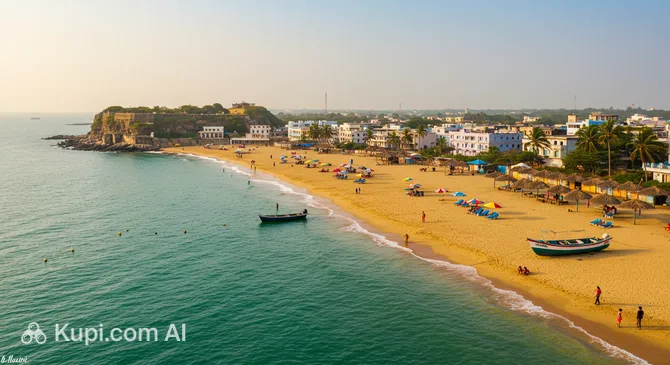
Diu is a captivating island town that offers a unique blend of sun, sand, and serenity, distinguishing itself from many other coastal destinations. Unlike the bustling metropolises often found in India, this small enclave retains a calm and laid-back atmosphere, making it a perfect retreat for travelers seeking relaxation. Geographically, it is an island located off the southern coast of Gujarat's Kathiawar peninsula, connected to the mainland by a bridge. With a population of approximately 52,000 people, Diu maintains a cozy, small-town feel where visitors can easily explore its scenic beauty without the crowds.
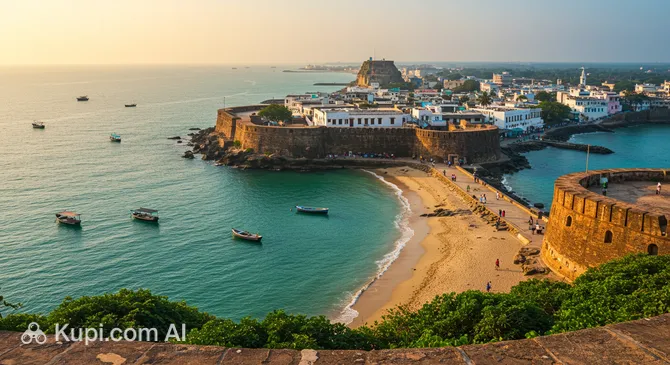
Diu. Source: Kupi.Binoculars

The cultural fabric of the town is rich and distinct, heavily influenced by over four centuries of Portuguese rule. The history of Diu is vividly reflected in its stunning architecture, from clean, winding streets to grand colonial structures. This heritage gives the town a Mediterranean charm that blends seamlessly with local traditions. The climate is generally pleasant, with cool sea breezes tempering the tropical heat, allowing for enjoyable sightseeing year-round.

Travelers are spoiled for choice when it comes to attractions. The majestic Diu Fort stands as a sentinel overlooking the Arabian Sea, offering panoramic views and a glimpse into the past. For those seeking natural beauty, the horseshoe-shaped Nagoa Beach is famous for its pristine waters and rare Hoka trees, while the surreal rock formations of the Naida Caves provide a magical setting for exploration and photography. Whether you are admiring the baroque architecture of St. Paul’s Church or simply unwinding by the shore, Diu promises a memorable and rejuvenating holiday experience.

Weather Overview

The weather in Diu is generally pleasant and inviting, characterized by a coastal climate that avoids the extreme temperature fluctuations found in many other parts of the region. Throughout the year, average temperatures typically range from a comfortable 22°C to around 30°C. May tends to be the warmest month, with daytime highs reaching approximately 33.5°C, while January offers the coolest conditions, where temperatures can dip to a refreshing 18.2°C at night.

Travelers should plan according to the distinct precipitation patterns observed on the island. The winter and spring seasons, spanning from November to April, are remarkably dry, often seeing zero precipitation and clear, sunny skies perfect for outdoor activities. Conversely, the months from June through September bring the wet season; although the total rainfall volume may be moderate, the frequency of wet days increases significantly, peaking in July and August when rain is a common daily occurrence.

Interesting Facts

Beyond the main attractions, Diu holds many fascinating secrets that reveal its unique geological and historical character. From rare exotic flora to shrines embraced by the ocean tides, the island offers curious details for the observant traveler.

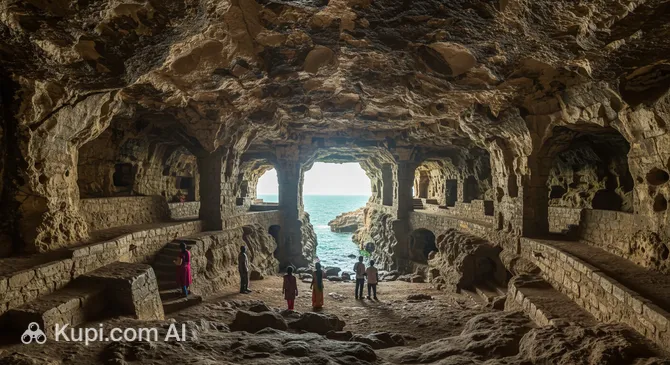
Naida Caves. Source: Kupi.Binoculars
  • Diu is the only place in India where you can find the Hoka tree (Hyphaene thebaica), a branching palm species native to the Nile Valley in Africa. It is believed that these distinct trees were brought to the island by the Portuguese or African settlers centuries ago.

  • The photogenic Naida Caves are not entirely a product of nature; their intricate shapes were largely formed when the Portuguese quarried the rock to build the massive town fortifications. Over time, weathering has smoothed the cuts, creating a surreal labyrinth with natural skylights.

  • At the Gangeshwar Mahadev Temple, nature pays its own tribute to the divine. The shrine is located in a cave on the seashore, positioned such that the five Shiva lingas are submerged and washed by the tidal waves of the Arabian Sea during high tide.

  • The island remained a Portuguese colony for over 400 years, from 1535 until 1961, which is significantly longer than the British presence in the rest of the country. This extended influence is deeply embedded in the local culture, visible in everything from the architecture to the lifestyle of the residents.

How to Get There

Reaching this serene island destination is relatively straightforward, with options available by air, road, and rail. Whether you prefer a direct flight or a scenic drive through the Gujarat countryside, you can choose the mode of transport that best suits your itinerary. For a detailed breakdown of routes and tips, you can read more about how to get to Diu.

The most convenient way to arrive is via the local Diu Airport (DIU). Located just 6.8 km from the city center, it serves as the primary gateway for air travelers. A taxi or auto-rickshaw from here takes approximately 30 minutes to reach the heart of the town. Although it is a small airport with an annual traffic of around 100,000 passengers, it offers essential connectivity. For international travelers or those coming from distant parts of India, the major hub is Chhatrapati Shivaji International Airport (BOM) in Mumbai. While the flight distance is only about 267 km across the water, the road journey is significantly longer as the route must go around the Gulf of Khambhat. A drive from Mumbai can take over 14 hours, so most travelers prefer a connecting flight to save time. Another regional option is Rajkot Hirasar (HSR) in Rajkot, situated about 183 km away. A drive from Rajkot is much shorter, taking roughly 5 hours.

For clarity, here is a summary of the main airports:

Airport Name City Passenger Traffic Km from City
Chhatrapati Shivaji International Airport Mumbai Large 267.2
Surat Gujarat Airport Surat Medium 187.9
Rajkot Hirasar Rajkot Medium 183.4
Govardhanpur Airport Jamnagar Small 218.2
Diu Airport Diu Small 6.8

While Diu does not have a major railway station on the island itself, it is well-connected to the railway network via neighboring cities. The nearest railhead is at Delvada, located just a short distance away, but it sees limited service. Most travelers arriving by train prefer the Veraval Railway Station, which is a significant junction approximately 90 km from Diu. Veraval is well-linked to major cities like Mumbai, Ahmedabad, and Pune. Upon arriving at the station, visitors can easily hire a taxi or take a state-run bus to complete the journey to Diu, enjoying a scenic coastal drive along the way.

Main Attractions

One of the most architecturally significant landmarks in the city is Saint Paul's Church. Built by the Portuguese in the early 17th century, this structure is a stunning example of Baroque architectural style. Visitors are often captivated by its intricate wood carvings and the elaborate facade, which is considered one of the most impressive among Portuguese churches in India. The interior offers a peaceful retreat, allowing tourists to admire the historical craftsmanship and the silent grandeur that has withstood the test of time.

Saint Paul's Church. Source: Kupi.Binoculars

For those seeking sun and sand away from the crowds, Ghoghla Beach is a perfect choice. Located on the outskirts of the town, this expansive stretch of golden sand is known for its cleanliness and relatively calm waters. It is an ideal spot for swimming, sunbathing, or participating in various water sports such as parasailing and banana boat rides. The beach offers a serene atmosphere with spectacular views of the horizon, making it a favorite for both relaxation and adventure.

Ghoghla Beach. Source: Kupi.Binoculars

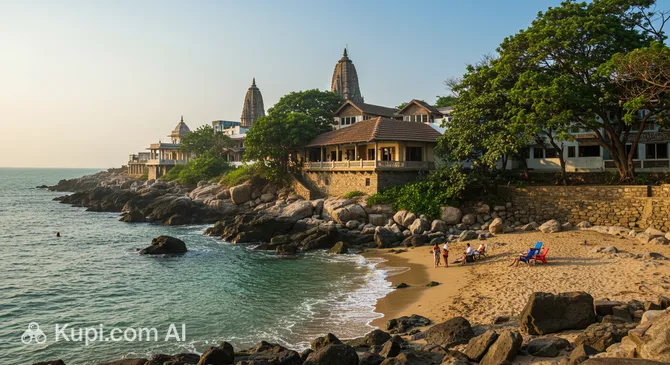
A truly unique spiritual site is the Gangeshwar Mahadev Temple, located roughly 3 kilometers from the town center. This cave temple is dedicated to Lord Shiva and is famous for its five Shiva lingas, which are situated amidst the rocks on the seashore. During high tide, the waves of the Arabian Sea naturally wash over the lingas, creating a mesmerizing and reverent spectacle. The site is not only a place of worship but also a scenic spot where nature and divinity seem to converge.

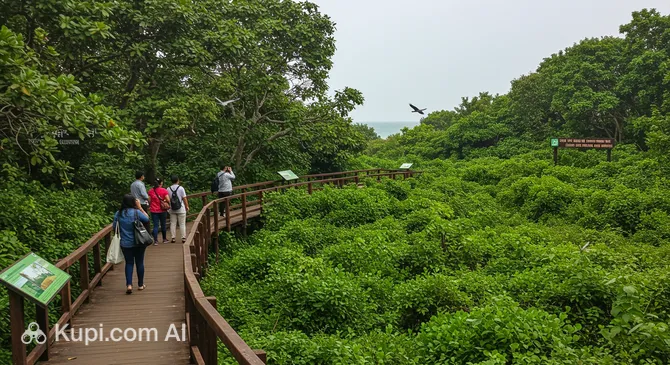
Nature enthusiasts should not miss the Fudam Bird Sanctuary, a haven for diverse avian species. This wetland area is particularly famous for spotting migratory birds, including flamingos and spoonbills, especially during the cooler months. The sanctuary features an observation tower that provides a panoramic view of the creeks and the surrounding mangrove forests. It is a quiet and picturesque location, perfect for birdwatching, photography, and enjoying the tranquility of Diu's natural landscape.

Fudam Bird Sanctuary. Source: Kupi.Binoculars

Local Cuisine

The culinary landscape of Diu is a delightful reflection of its unique history and coastal geography, offering a fusion of flavors that sets it apart from the mainland. The local cuisine is a melting pot where traditional Gujarati influences meet a distinct Portuguese legacy, all centered around the fresh bounty of the Arabian Sea. Seafood lovers will find themselves in paradise here, as the catch is brought in daily by local fishermen. From succulent prawns and crabs to lobsters and the ever-popular Pomfret, the seafood is typically prepared with a blend of exotic spices that highlights the freshness of the ingredients.

One of the defining characteristics of dining in Diu is the availability of Portuguese-influenced dishes, a nod to the island's colonial past. You might encounter rich, tangy curries and baked fish preparations that are harder to find elsewhere in the region. However, the town also caters extensively to vegetarian preferences, owing to its proximity to Gujarat. Travelers can easily find authentic Gujarati thalis featuring rotlo (millet bread), shaak (vegetable curries), and sweet-savory lentil dishes, providing a wholesome and traditional dining experience.

When it comes to beverages, Diu holds a special appeal for tourists. Unlike the neighboring state of Gujarat, which is a dry state, alcohol is legal in Diu, making it a popular getaway for those looking to unwind with a drink by the shore. Chilled beer and tropical cocktails are widely available at beach shacks and bars. For non-alcoholic options, visitors should try the fruit of the Hoka tree, a branching palm species unique to this island in India. The fruit, often sold by street vendors, has a distinct flavor and is sometimes used to make refreshing local drinks.

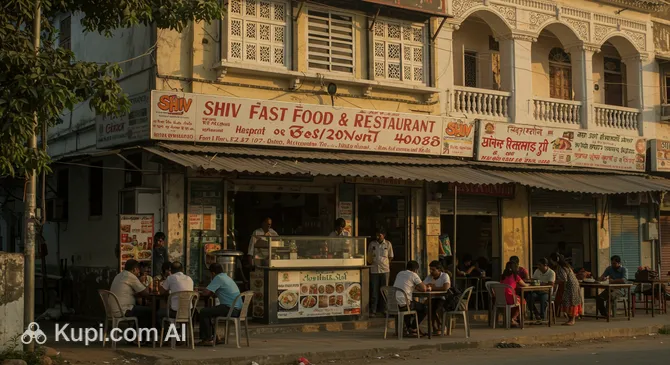
Shiv Fast Food & Restaurant. Source: Kupi.Binoculars

The dining culture in Diu is relaxed and unpretentious, ranging from open-air garden restaurants to casual eateries near the markets. Street food is also a vibrant part of the experience, with vendors offering spicy chaats and fried snacks that are perfect for a sunset treat. For a casual meal in the heart of the town, you can visit Shiv Fast Food & Restaurant, which offers a variety of quick bites suitable for travelers on the go. Whether you are dining at a resort overlooking the waves or grabbing a snack in the bustling town square, the food in Diu promises to be a memorable part of your journey.

Travel Tips

Visiting Diu is a delightful experience, offering a slower pace of life compared to the bustling mainland, but a little preparation goes a long way in ensuring your island getaway is flawless. To help you navigate this charming former Portuguese colony with ease, here is a collection of practical tips covering everything from getting around to local customs.

  1. Clothing and Gear: Given Diu's coastal climate, lightweight and breathable cotton clothing is your best bet for most of the year. If you are visiting during the winter months (November to February), pack a light jacket or shawl, as the sea breeze can get chilly in the evenings. While beachwear is acceptable on the sands of Nagoa or Ghoghla, remember to dress modestly when exploring the town or visiting religious sites like St. Paul’s Church; shoulders and knees should ideally be covered. Don't forget comfortable walking shoes for the fort and plenty of sunscreen.
  2. Transportation: The most popular and convenient way to explore the island is by renting a scooter or motorbike. Rental shops are plentiful, and the roads are generally good and scenic, allowing you to move at your own pace. Auto-rickshaws are widely available for short distances, but be sure to agree on the fare before starting the ride. Taxis are available for longer trips or airport transfers, but for the true Diu experience, two wheels are best.
  3. Finances: The official currency is the Indian Rupee (INR). While major hotels and upscale restaurants accept credit and debit cards, cash is still king at beach shacks, local markets, and smaller eateries. ATMs are available within Diu town, but it is wise to carry enough cash when heading to more secluded beaches. Tipping is not mandatory but is appreciated; leaving about 10% of the bill at restaurants is a standard gesture for good service.
  4. Health and Safety: Diu is generally a very safe destination for tourists. Pharmacies are available in the main market area of the town, though they may not operate 24/7, so carrying a basic first-aid kit and personal medications is recommended. Stay hydrated, especially during the humid afternoon hours. Mosquito repellent is a must-have, particularly if you plan to visit the bird sanctuary or enjoy outdoor dinners in the evening.
  5. Communication: The primary languages spoken are Gujarati and Hindi, but English is widely understood in hotels, restaurants, and tourist areas. You might even hear older locals speaking Portuguese, a remnant of the colonial past. Mobile network coverage is generally good across the island. If you need a local SIM card, they can be purchased in the main town, though you will need to provide a passport and visa copy.
  6. Local Etiquette: The vibe in Diu is laid-back and friendly. A simple "Namaste" is a warm and respectful way to greet locals. When visiting temples or entering someone's home, always remove your shoes. While Diu is known for its relaxed alcohol laws compared to neighboring Gujarat, it is important to consume alcohol responsibly and only in designated areas like bars, restaurants, or your hotel, rather than on the streets.
  7. What to Avoid: Strictly avoid carrying alcohol out of Diu if you are traveling into Gujarat. Gujarat is a dry state with strict prohibition laws, and police checks at the border are frequent and thorough; getting caught with alcohol can lead to severe legal trouble. Also, avoid swimming in non-designated areas, as the currents in the Arabian Sea can be surprisingly strong.
  8. Local Insight: Embrace the "susegad" (relaxed) lifestyle. Many shops and local businesses may close for a few hours in the afternoon for a siesta, so plan your shopping or errands for the morning or late afternoon. Use this time to relax under the Hoka trees or explore the cool interiors of the Naida Caves.

By keeping these practicalities in mind, you can focus entirely on soaking up the sun and history of this unique island. Whether you are cruising along the coastal roads on a scooter or enjoying a quiet sunset at the fort, Diu promises a travel experience that is as smooth as it is memorable.

Entertainment & Nightlife

Entertainment and Nightlife:

Nightlife in Diu is distinct from the high-energy clubbing scenes found in metropolitan cities; instead, it revolves around a laid-back, coastal vibe that capitalizes on the island's unique status. As a union territory where alcohol is legal—unlike the neighboring dry state of Gujarat—Diu attracts a steady stream of visitors looking to unwind by the ocean. The evening entertainment is centered primarily on open-air garden restaurants, rooftop bars, and beach shacks. The atmosphere is universally relaxed and unpretentious, with plastic chairs often set right on the sand or in breezy courtyards, allowing travelers to enjoy the cool sea breeze with their drinks.

For a memorable evening, the area around Chakratirth Beach Resort is a popular destination. Located near the open-air auditorium and the sunset point, this spot offers a seamless transition from watching a golden sunset to enjoying a dinner under the stars. It is a hub for both families and groups of friends, offering a safe and lively environment where the sound of the waves complements the dining experience. The dress code here, as in most of Diu, is casual—shorts and sandals are perfectly acceptable.

Chakratirth Beach Resort. Source: Kupi.Binoculars

Another excellent option for a quiet evening is the Beach Resort, Ghoghla, Diu. Situated on the cleaner and less crowded Ghoghla side, this venue provides a more serene setting away from the bustle of the main town. It is an ideal spot for those who prefer conversation and tranquility over loud music. Prices in Diu’s bars and restaurants are generally reasonable, making a night out quite affordable. Most venues begin to wind down around 11:00 PM to midnight, so it is advisable to start your evening early to make the most of the nightlife.

Beach Resort, Ghoghla, Diu. Source: Kupi.Binoculars

When it comes to safety, Diu is considered very safe for tourists, even at night. The main promenade and market areas are well-lit and comfortable for walking. However, public transport can be scarce late at night. Auto-rickshaws are the primary way to get around, but drivers may charge premium rates after dark. It is practical to keep the number of a reliable taxi or rickshaw driver handy or arrange a return ride in advance if you plan to stay out late. Always avoid driving scooters if you have been drinking, as police checks are common and strictly enforced.

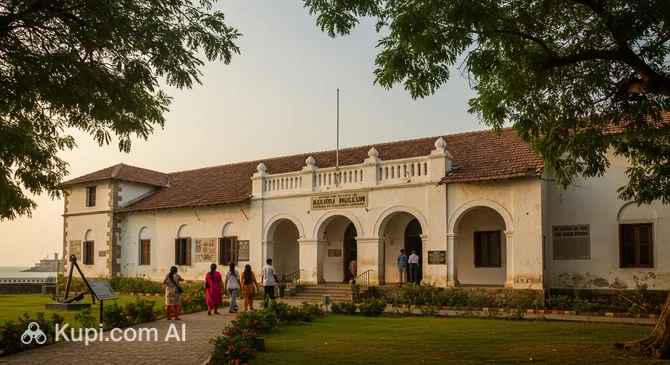
While the nights are dedicated to relaxation, daytime entertainment offers a mix of history and culture. Visitors should not miss the INS Khukri Museum, a unique attraction housed in a ship structure that pays tribute to the Indian Navy. Nearby, the INS Khukri Memorial stands on a hillock facing the sea, offering a poignant reminder of the 1971 war and a beautiful spot for a daytime walk before the evening festivities begin.

INS Khukri Museum. Source: Kupi.Binoculars

Parks & Museums

While the majestic fort and beaches often steal the spotlight, Diu also boasts serene natural pockets and insightful museums that offer a deeper dive into its heritage. The town's layout incorporates open spaces and memorials that serve as perfect spots for a quiet stroll, blending history with the scenic beauty of the coast.

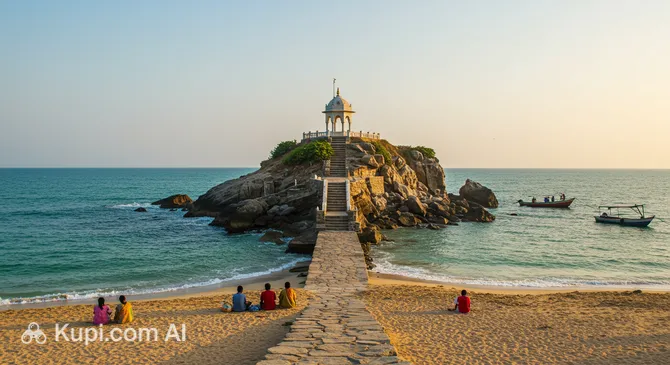
For those looking to escape the more commercial spots, Jalandhar Beach serves as a tranquil natural retreat. Located on a small hillock, this area is not just about the sand; it is steeped in mythology and named after a demon king who, according to legend, was vanquished here by Lord Krishna. The area is relatively secluded, featuring rocky formations that create a dramatic landscape against the crashing waves. A small shrine dedicated to Jalandhar sits atop the hill, offering a panoramic vantage point that is particularly enchanting during sunrise.

Jalandhar Beach. Source: Kupi.Binoculars

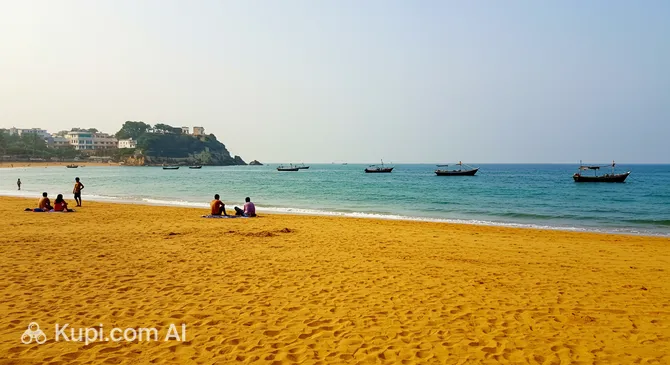
Another significant natural area is Chakratirth Beach, which functions as a central recreational space for both locals and tourists. Adjacent to the beach is a beautifully landscaped garden known as Sunset Point. This area is characterized by its unique open-air auditorium and rolling terrain that overlooks the Arabian Sea. It is a favorite spot for evening walks, where visitors can sit on the manicured lawns or the rocky promontories to watch the sun dip below the horizon, painting the sky in vibrant hues of orange and purple.

Chakratirth Beach. Source: Kupi.Binoculars

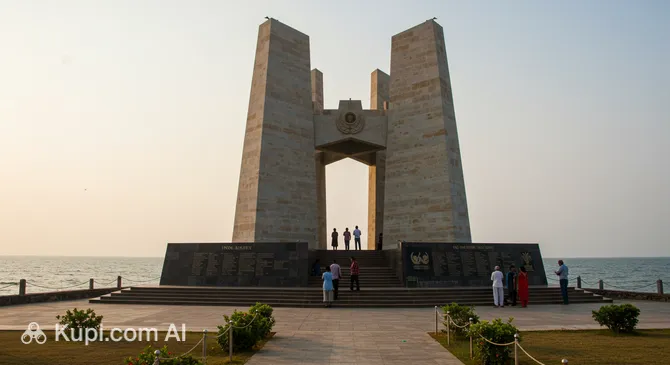
In terms of cultural history, the INS Khukri Memorial stands out as both a museum and a poignant public park. Set on a hillock facing the sea, this expansive complex is dedicated to the officers and sailors of the INS Khukri, the only Indian Navy ship lost in combat since independence. The memorial features a scale model of the ship enclosed in a glass case, surrounded by an amphitheater and pathways. It is a solemn yet beautiful place where visitors can learn about naval history while enjoying the peaceful sea breeze and well-maintained gardens.

INS Khukri Memorial. Source: Kupi.Binoculars

For architecture and history enthusiasts, the St. Thomas Church Museum is a must-visit cultural venue. Once a functioning church built in 1598 in the Gothic style, it has been converted into a museum that houses an impressive collection of stone inscriptions, wooden carvings, and antique statues of saints. The weathered stone walls and the high arched nave create an atmospheric setting for the artifacts, which narrate the story of Diu’s Portuguese colonial past. Another unique stop is the Sea Shell Museum, a private collection that showcases thousands of rare and colorful sea shells from around the world, highlighting the island's connection to the ocean.

For a truly authentic experience, take a walk along the cliffside path connecting Chakratirth to the memorial area. This lesser-known trail offers uninterrupted views of the coastline and is often empty, providing a moment of solitude with the sound of the waves as your only companion.

Getting Around

Navigating Diu is refreshingly simple and stress-free compared to the chaotic traffic often found in larger cities. Due to the island's compact size and small population, there is no need for complex mass transit systems like metros, trams, or extensive city rail networks. Instead, the local transport infrastructure is informal and relies heavily on road-based options that suit the laid-back atmosphere of this coastal town. The absence of heavy congestion makes getting from the historic fort to the secluded beaches a quick and pleasant experience.

The backbone of public transport in Diu is the auto-rickshaw. These three-wheeled vehicles are omnipresent and serve as the primary mode of travel for locals and tourists alike. They are perfect for short hops between the town center, hotels, and nearby attractions like Nagoa Beach. While they are convenient, they typically do not run on fixed meters. It is standard practice to negotiate and agree on the fare with the driver before stepping into the vehicle to avoid any misunderstandings at the end of the trip. Shared auto-rickshaws may also be available on specific popular routes, offering a cheaper but more crowded alternative.

For travelers who value independence, renting a two-wheeler is arguably the most popular and practical way to get around. The island is dotted with rental shops offering scooters, mopeds, and motorcycles at very reasonable daily rates. This option gives you the freedom to explore the scenic coastal roads at your own pace, stopping whenever a view catches your eye. To rent a vehicle, you will generally need to provide a valid driving license and an ID proof. Helmets are mandatory for the rider, and traffic rules are strictly enforced, so compliance is essential for a hassle-free trip.

Regarding payment, the transport system in Diu operates almost exclusively on cash. There are no travel cards, digital passes, or tap-to-pay apps for local rickshaws or buses. Visitors should ensure they carry enough small denominations of the local currency, as drivers often do not have change for large bills. While global ride-hailing apps are not active here, finding a ride is rarely an issue during the day. However, public transport options dwindle significantly late at night, so it is wise to arrange a taxi or keep a reliable driver's number handy if you plan to stay out late.

Taxis are available and are a good alternative for families or those carrying heavy luggage, though they are more expensive than rickshaws. They are best suited for full-day sightseeing tours or transfers to the airport and railway station. Additionally, state-run buses connect Diu to nearby towns and major cities on the mainland, but they are less commonly used for intra-city commuting by tourists. For the historic town center, walking is a delightful option, allowing you to admire the Portuguese architecture and narrow lanes up close without the need for any vehicle at all.

Accommodation

Accommodation in Diu caters to a wide variety of preferences, ranging from simple guesthouses in the historic town center to sprawling resorts overlooking the Arabian Sea. While the island does not typically feature ultra-luxury international hotel chains, it offers a solid selection of mid-range and budget-friendly options that provide comfortable amenities and a relaxed, holiday atmosphere. The hospitality here is warm and unpretentious, often reflecting the laid-back nature of the coastal lifestyle.

For travelers who wish to wake up to the sound of the waves, the areas surrounding the main beaches are the most popular choices. Nagoa Beach is a hub for activity with numerous hotels, but those seeking a quieter experience often prefer the Ghoghla area. Here, you can find properties like the Beach Resort, Ghoghla, Diu, which offers a serene environment away from the city's hustle, making it an excellent option for families and couples seeking tranquility. Staying in these coastal zones allows for immediate access to water sports and morning beach walks.

Alternatively, if you prefer to be closer to the town's historical attractions and markets while still enjoying a seaside vibe, the area near Chakratirth is ideal. It sits conveniently between the main town and the western beaches. A notable example in this vicinity is the Chakratirth Beach Resort, which provides a scenic location near the sunset point and the open-air auditorium. Staying here means you are just a short auto-rickshaw ride away from both the Diu Fort and the bustling city market.

Prices in Diu are generally reasonable compared to other popular tourist destinations in India. Budget stays can start from approximately ₹1,000 to ₹1,500 per night, while comfortable mid-range resorts typically range between ₹3,000 and ₹6,000. It is highly advisable to book your accommodation in advance, especially if you plan to visit during weekends, public holidays, or the peak winter season (November to February), as the best properties tend to fill up quickly. Most established hotels are listed on major online booking platforms, making reservations easy, though smaller guesthouses in the town may sometimes require a direct phone call.

Nearby Cities

For those looking to explore the surroundings, Diu serves as an excellent base for day trips to several interesting nearby locations. Just a short drive away lies Veraval, a bustling fishing port that acts as the gateway to the magnificent Somnath Temple, one of the most revered spiritual sites on the Indian coast. Further inland, travelers can visit Junagadh, a historic city nestled at the foot of the Girnar hills, famous for its ancient Uparkot Fort and the stunning architecture of the Mahabat Maqbara. Another significant destination is Porbandar, the birthplace of Mahatma Gandhi, where visitors can explore Kirti Mandir and enjoy the serene coastal atmosphere.

City Population Distance (km)
Rajkot 1335397 177
Bhavnagar 643365 168
Junagadh 320250 105
Porbandar 200000 174
Veraval 153696 68

These nearby destinations offer a glimpse into the diverse culture and landscapes of the region, making them perfect additions to your travel itinerary.

Shopping & Souvenirs

Shopping in Diu is less about high-end fashion and sprawling malls, and more about discovering quirky, locally-made souvenirs that capture the essence of this coastal town. The experience is relaxed and informal, with most activity centered around the bustling town squares and beachside promenades. While it is not a primary shopping destination like the major metros of India, visitors can still find unique items to take home as memories of their island getaway.

The most popular souvenirs are undoubtedly seashell artifacts. Given the island's geography, local artisans craft an array of items from shells collected from the shore. You can find everything from intricate chandeliers and decorative curtains to simple jewelry like bangles and earrings. These items are widely available at stalls near the popular beaches, particularly Ghoghla Beach and Nagoa Beach, where vendors display their colorful wares right on the sand. Bamboo and wood crafts are another specialty, with woven mats and baskets showcasing the traditional skills of local weavers.

For a more bustling atmosphere, head to the Town Square Market in the heart of the city. Here, you can browse through a variety of goods, including electronics, footwear, and textiles. It is also the best place to find the unique Hoka fruit (gingerbread fruit). Native to the region and believed to have been introduced by Portuguese or African settlers, this hard, brown fruit is a curiosity for many travelers. You can buy it fresh to taste its distinct flavor, making for an exotic, edible souvenir found in very few other places in the country.

A significant aspect of the commercial scene in Diu involves the sale of alcohol, which is tax-free and significantly cheaper than in many other parts of the country. Consequently, liquor stores are abundant and frequented by tourists. However, it is critically important to remember that taking alcohol out of Diu is strictly prohibited. Since the neighboring state of Gujarat enforces dry laws, police checks at the border are rigorous. Carrying bottles across the border can lead to confiscation and legal penalties, so it is best to enjoy your purchases exclusively within the island.

Reached the end of the page?

That means the route is fully explored