Support

Ahmedabad

About

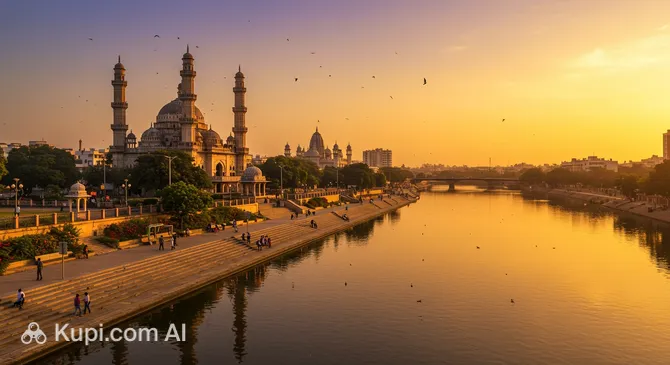
Welcome to Ahmedabad, the largest city in the state of Gujarat and a rapidly growing metropolis in India. Known for its rich culture and vibrant atmosphere, it stands as a testament to the harmonious blend of ancient traditions and modern development. As the first city in the country to be declared a UNESCO World Heritage City, it offers a truly unique travel experience for visitors from around the globe.

Situated on the banks of the Sabarmati River, the city is a major economic and industrial hub with a population exceeding 8 million people. While the climate is generally hot and semi-arid, the winter season brings pleasant weather perfect for sightseeing. The deep and fascinating history of Ahmedabad is reflected in its diverse architecture, ranging from centuries-old residential clusters known as pols to magnificent historical monuments.
Ahmedabad. Source: Kupi.Binoculars

Travelers are often drawn to the serene Sabarmati Ashram, which was once the humble residence of Mahatma Gandhi and served as the starting point for the historic Dandi March. Another architectural marvel is the Adalaj Stepwell, a stunning five-story structure renowned for its intricate carvings and cool depths. The city is also famous for the Sidi Saiyyed Mosque, celebrated worldwide for its exquisite stone latticework windows, particularly the "Tree of Life" motif.

Whether you are a history buff, a food lover eager to taste an authentic Gujarati thali, or a shopper looking for colorful textiles, this dynamic city has something for everyone. A visit to Ahmedabad promises an unforgettable journey through the heart of Gujarat's living heritage.
Weather Overview

Ahmedabad experiences a hot, semi-arid climate characterized by three distinct seasons: a mild winter, a scorching summer, and a humid monsoon. To plan your trip effectively, it is helpful to check the detailed weather in Ahmedabad before you travel.

The winter months, spanning from November to February, offer the most comfortable conditions for sightseeing. During this time, the weather is dry and pleasant, with January seeing an average temperature of 20.0°C and minimums dropping to around 13.3°C. As the season shifts, temperatures rise steadily; by May, the heat peaks with average highs reaching 40.4°C, making it the hottest time of the year.

From late June to September, the city undergoes a transformation with the arrival of the monsoon. While temperatures moderate slightly, staying between 28°C and 33°C, the frequency of rain increases significantly. July is particularly notable for its wet weather, recording up to 23 wet days. In general, visitors can expect sweltering summers, a humid monsoon with frequent rainy days, and cool, dry winters perfect for outdoor activities.

Interesting Facts

Beyond the main attractions, Ahmedabad holds many fascinating secrets and quirky details that often escape the casual observer. From mysterious architectural phenomena to unique dining experiences, the city offers plenty of hidden gems to discover.
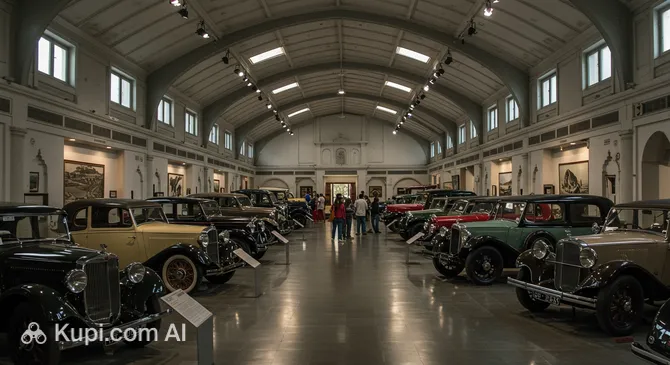
Auto World Vintage Car Museum. Source: Kupi.Binoculars
  • One of the city's most baffling mysteries is found at the Sidi Bashir Mosque, known for its Shaking Minarets. It is said that if one minaret is shaken, the other begins to vibrate after a few seconds, even though the connecting passage between them remains perfectly still, a phenomenon that still puzzles engineers.

  • For a truly unusual dining experience, locals head to the New Lucky Restaurant, which is built directly over an old cemetery. The tables are arranged around iron-barred graves, and the staff begins each day by cleaning and decorating them with fresh flowers.

  • Automobile enthusiasts will be amazed to find the Auto World Vintage Car Museum here. It houses one of the largest private collections of vintage cars in the world, featuring rare models including limousines, convertibles, and railway saloons.

  • While the city is steeped in history, it also embraces the future at Science City Ahmedabad. This complex features one of India's first IMAX 3D theatres and a Hall of Space, offering a stark contrast to the ancient monuments nearby.

  • Ahmedabad is famously known as the "Kite Capital of India." During the festival of Uttarayan, the skies are completely obscured by millions of colorful kites, and the entire city takes to the rooftops to celebrate this vibrant tradition.

How to Get There

Reaching the commercial heart of Gujarat is convenient thanks to its excellent connectivity with the rest of India and the world. While there are several options for travel, most visitors prefer flying for comfort and speed. You can read more about how to get to Ahmedabad in our detailed guide, but here is an overview of the most common arrival points.

The primary gateway to the city is Ahmedabad Airport (IATA: AMD), officially known as Sardar Vallabhbhai Patel International Airport. It is located directly in Ahmedabad, approximately 8.9 km from the city center. As a major international hub, it welcomes a large number of travelers daily. A taxi or cab ride from the airport to the downtown area typically takes around 35 minutes, depending on traffic conditions. For those arriving from international destinations or major Indian cities, Ahmedabad Airport is the most direct and hassle-free option.

If direct flights are unavailable, an alternative option is Vadodara Airport (IATA: BDQ), located in the city of Vadodara. This airport is situated about 101.5 km away from Ahmedabad. While it is a smaller regional hub, it offers good connectivity to several domestic destinations. Travelers landing at Vadodara Airport can expect a journey of approximately 3 hours by taxi or bus to reach Ahmedabad.

For clarity, here is a summary of the main airports serving the region:

Airport Name City Passenger Traffic Km from City
Ahmedabad Airport Ahmedabad High 8.9
Maharana Pratap Airport Udaipur Medium 222.4
Surat Gujarat Airport Surat Medium 212.1
Vadodara Airport Vadodara Medium 101.5
Rajkot Hirasar Rajkot Medium 173.4

Besides air travel, Ahmedabad is well-connected by an extensive rail and road network. The city serves as a major railway junction for the Western Railway zone, with trains arriving frequently from Mumbai, Delhi, and other metropolitan areas. The road infrastructure is also robust, with national highways linking the city to neighboring states, making bus travel or driving a viable option for those exploring the region.

Main Attractions

Ahmedabad is a treasure trove of architectural marvels and cultural landmarks that reflect its storied past and dynamic present. Beyond the well-known sites mentioned earlier, the city offers a multitude of other fascinating places that captivate history buffs, pilgrims, and leisure travelers alike.

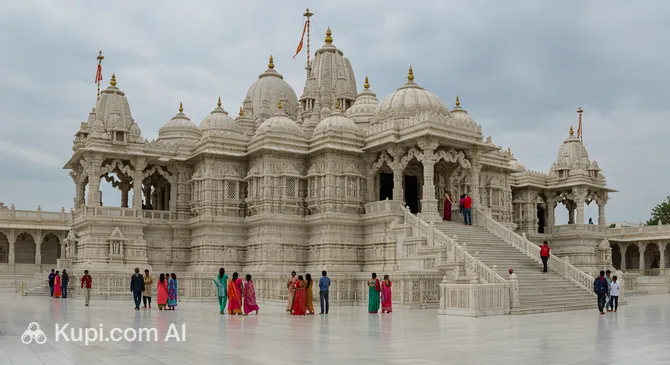
One of the most stunning examples of religious architecture in the city is the Hutheesing Jain Temple. Built in the mid-19th century using white marble, this temple is dedicated to Lord Dharmanatha, the 15th Jain Tirthankara. Visitors are often mesmerized by its intricate carvings, the sprawling courtyard paved with marble, and the serene atmosphere that offers a quiet retreat from the bustling city streets. It stands as a magnificent tribute to the craftsmanship of the artisanal community of that era.

Hutheesing Jain Temple. Source: Kupi.Binoculars

Deep in the heart of the old city lies the Shri Swaminarayan Mandir, the first temple of the Swaminarayan Sampraday. This vibrant structure is renowned for its exquisite Burmese teak wood carvings and vivid colors that adorn its arches and brackets. It serves as a spiritual hub and a starting point for the famous heritage walks, allowing tourists to admire the fusion of regional and colonial artistic styles.

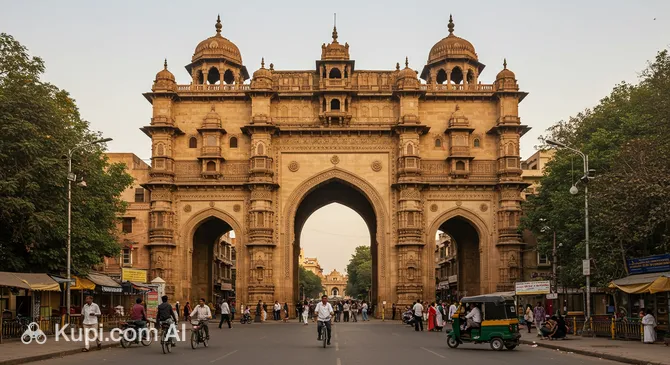
For those interested in the city's royal heritage, Teen Darwaza is an unmissable historical landmark. This triple-arched gateway once served as the royal entrance to the Bhadra Fort complex. Today, it stands as a resilient symbol of the city's medieval grandeur, bustling with life as local markets thrive around its ancient stone pillars. Legend has it that the goddess of wealth, Lakshmi, was once stopped here, ensuring the city's eternal prosperity.

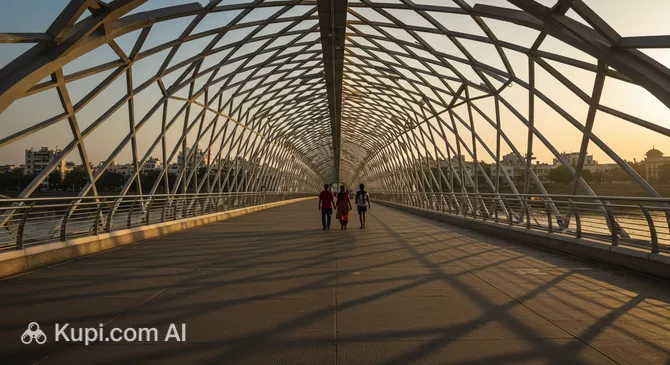
Atal Bridge. Source: Kupi.Binoculars

Moving towards the modern face of the city, the Atal Bridge is a striking addition to the urban landscape. This iconic pedestrian footbridge over the Sabarmati River is designed with a unique kite-inspired theme, celebrating the local passion for kite flying. It connects the eastern and western banks and offers panoramic views of the riverfront, making it a perfect spot for an evening stroll and photography.

Finally, for a mix of leisure and entertainment, visitors can head to Nagina Wadi. Located within the Kankaria Lake complex, this garden-themed amusement area is situated on an island in the center of the lake. It features musical fountains, light shows, and speed boat rides, providing a fun-filled escape for families and friends looking to relax by the water.

Local Cuisine

Ahmedabad is a gastronomic haven, particularly for vegetarians, offering a cuisine that is famous for its unique ability to balance sweet, salty, and spicy flavors in a single dish. The local food scene is dominated by the traditional Gujarati Thali, a large platter serving a variety of curries, dals, rotis, rice, and sweets, providing a complete explosion of flavors in one meal. The extensive use of sugar or jaggery in savory curries is a distinctive feature that sets the local palate apart.

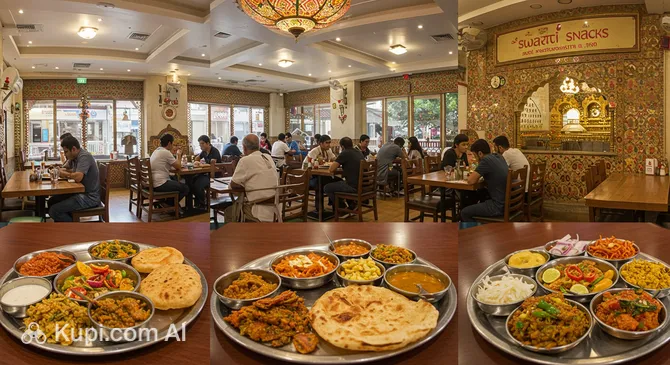
Breakfast in the city is almost a ritual, with locals flocking to street corners for Fafda (crunchy fried gram flour strips) paired with hot, sweet Jalebi. Other ubiquitous snacks include Dhokla, a steamed fermented rice and chickpea cake, and Khandvi, delicate rolls made of gram flour and yogurt. For an authentic taste of these traditional delicacies in a hygienic setting, many visitors recommend Swati Snacks, an establishment celebrated for preserving classic recipes.

Swati Snacks. Source: Kupi.Binoculars

When it comes to drinks, it is important to remember that Gujarat is a "dry state," meaning the sale and consumption of alcohol are strictly regulated and generally prohibited without a special permit for tourists. Consequently, the local beverage culture focuses on refreshing non-alcoholic options like Chaas (spiced buttermilk) and sweet Lassi. However, for those seeking alternatives, there are specialty outlets such as the Magnum King Non-Alcoholic Beer Shop that cater to visitors looking for alcohol-free brews.

The city's food culture is vibrant and diverse, ranging from bustling street markets to serene garden restaurants. A prime example of this energy is Manek Chowk, a jewelry market that transforms into a lively street food hub at night, famous for fusion dishes like chocolate sandwiches. For travelers preferring a quieter and more relaxed ambiance, Under The Neem Trees offers a delightful dining experience surrounded by nature, perfect for enjoying a leisurely meal.

Travel Tips

Exploring Ahmedabad is a vibrant and sensory-rich experience, but a little preparation goes a long way in navigating this bustling metropolis. To help you enjoy your journey through Gujarat’s commercial hub without any hiccups, here are some essential practical tips for your stay.

  1. Dress modestly and for the weather. Since the climate is predominantly hot and semi-arid, loose-fitting cotton or linen clothing is your best bet to stay cool. If you are visiting in winter (November to February), carry a light jacket for the evenings. As Ahmedabad is a city of temples and mosques, always dress modestly; shoulders and knees should be covered when visiting religious sites like the Sidi Saiyyed Mosque or Hutheesing Jain Temple. Slip-on shoes are highly recommended as you will frequently need to remove them.
  2. Utilize the efficient public transport network. The city boasts an excellent Bus Rapid Transit System (BRTS), locally known as Janmarg, which is fast, cheap, and air-conditioned. The Ahmedabad Metro is another clean and efficient option for traveling between major hubs. for last-mile connectivity, auto-rickshaws are ubiquitous; however, they often do not use meters for tourists. It is safer and more convenient to use ride-hailing apps like Uber or Ola to book rides at fixed prices.
  3. Manage your finances wisely. The local currency is the Indian Rupee (INR). While credit and debit cards are widely accepted in hotels, malls, and upscale restaurants, cash is essential for street markets, auto-rickshaws, and smaller eateries. ATMs are plentiful throughout the city. Tipping is appreciated but not mandatory; leaving a 5-10% tip at restaurants or rounding up the fare for drivers is a kind gesture.
  4. Prioritize health and hygiene. Ahmedabad can be dusty and hot, so stay hydrated, but stick strictly to bottled or filtered water to avoid stomach issues. Pharmacies are widely available and often open 24/7 in major areas; look for signs saying "Chemist" or "Medical Store." In terms of safety, the city is considered one of the safest in India, even for solo female travelers, but standard precautions against pickpocketing in crowded markets like Manek Chowk should be taken.
  5. Bridge the language gap. The primary language is Gujarati, though Hindi is widely spoken. English is commonly understood in the hospitality sector and by younger locals, but may be less prevalent among auto drivers or street vendors. Learning a few local phrases like "Kem cho?" (How are you?) will instantly warm up the locals to you. Getting a local SIM card (Jio, Airtel, or Vi) is easy at the airport with your passport and visa, ensuring you have access to maps and translation apps.
  6. Observe local etiquette. When greeting people, a "Namaste" with folded hands is the most respectful and universally accepted gesture. Always use your right hand for eating, passing money, or shaking hands, as the left hand is considered unclean in traditional contexts. If invited to a local's home, remember to take off your shoes at the entrance unless told otherwise.
  7. Respect the alcohol and conduct laws. Gujarat is a "Dry State," meaning the sale and consumption of alcohol are strictly regulated. Never carry or consume alcohol in public places, as this is a serious legal offense. Tourists can obtain a temporary liquor permit from authorized shops or hotels, but consumption is restricted to private rooms. Additionally, avoid public displays of affection (PDA), as this is generally frowned upon in conservative society.
  8. Plan around the afternoon siesta. A unique characteristic of Ahmedabad's traditional markets and smaller shops is the afternoon break, often between 1:00 PM and 4:00 PM. Many local business owners close their shutters for lunch and a nap during the hottest part of the day. Plan your shopping excursions for the morning or late afternoon to avoid finding closed doors.

By keeping these practical tips in mind, you will be well-equipped to dive into the culture and history of this fascinating city. The people of Ahmedabad are known for their warmth and business acumen, so don't hesitate to ask for help, bargain with a smile, and enjoy the unique charm of this UNESCO World Heritage City.

Entertainment & Nightlife

Entertainment in Ahmedabad offers a unique twist on the traditional nightlife concept found in other metropolitan cities. Since Gujarat is a "dry state" with strict alcohol prohibition, the nightlife here is not fueled by pubs and breweries but rather by a vibrant culture of late-night cafes, social lounges, and lively street scenes. The city comes alive after dark with families, students, and professionals gathering to enjoy music, mocktails, and endless conversations under the stars.

The epicenter of this modern nightlife is undoubtedly Sindhu Bhavan Road (SBR) and the SG Highway. These areas are lined with upscale cafes, brightly lit lounges, and recreational spaces that stay open until the early hours of the morning. The atmosphere is youthful and energetic, with a dress code that ranges from smart-casual to trendy. It is common to see groups of friends hopping from one cafe to another, enjoying the cool night breeze and the eclectic food scene that thrives here.

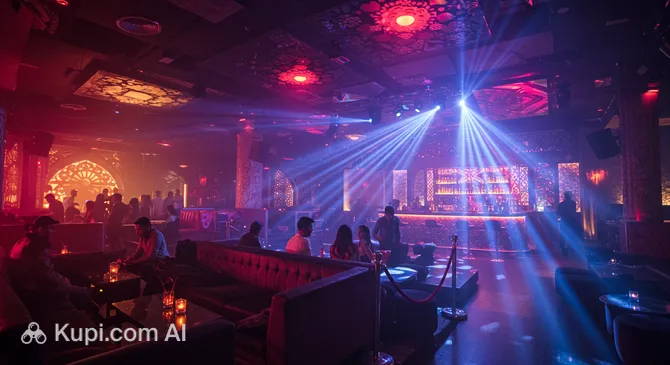
For those seeking a club-like atmosphere with music and entertainment, the Encore Club is a popular destination. It offers a lively setting where visitors can unwind and socialize in a high-energy environment. Similarly, Novelchef Cafe & Lounge provides a chic space perfect for evening relaxation, offering a mix of delicious food and a sophisticated ambiance without the need for alcohol.

Encore Club. Source: Kupi.Binoculars

If you are looking for something truly distinct, you might stumble upon the Toy World Bar. While the name suggests a bar, in Ahmedabad, such venues often specialize in creative non-alcoholic beverages and unique themes that cater to a diverse crowd looking for novelty and fun. These spots are usually busiest on weekends, so arriving around 8:00 PM or 9:00 PM is advisable to secure a good table.

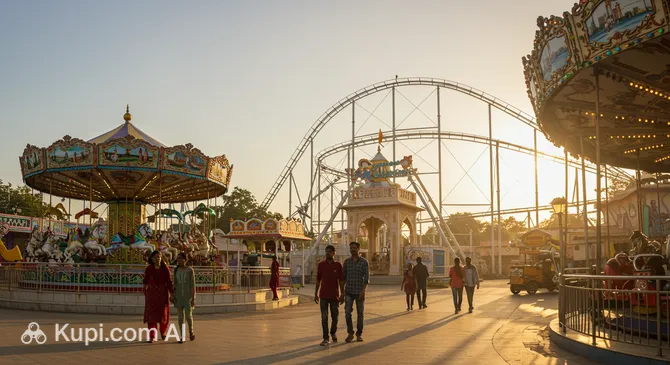
Beyond the evening lights, Ahmedabad offers thrilling daytime entertainment options for adrenaline junkies and families. BounceUp is a fantastic trampoline park that promises hours of fun and physical activity, making it a great spot to escape the afternoon heat. For water enthusiasts, Entartica Seaworld Ahmedabad offers a variety of water sports and leisure activities that are perfect for a day out.

BounceUp. Source: Kupi.Binoculars

Practical Tips and Safety: Ahmedabad is widely regarded as one of the safest cities in India, and it is generally safe to walk around or commute late at night. The bustling streets of SBR and the old city remain active well past midnight. Getting around is easy with ride-hailing apps like Uber and Ola, which are reliable and offer transparent pricing. Average costs for a night out are quite reasonable compared to other major Indian cities, with a cafe meal and drinks costing between 500 to 1000 INR per person.

Parks & Museums

Parks and Museums:

Beyond its bustling streets and historical monuments, Ahmedabad offers a refreshing array of green spaces and intellectual institutions that provide a deeper understanding of the region's heritage and scientific progress. From beautifully landscaped gardens to world-class museums, the city invites travelers to slow down and explore its quieter, more contemplative side.

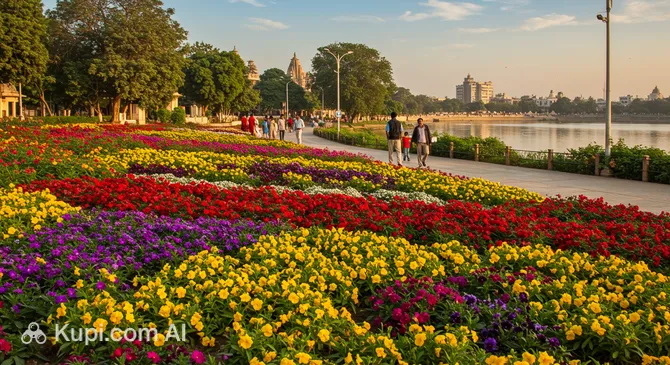
A prime example of the city's modern urban planning is the Sabarmati Riverfront Flower Park. Located along the banks of the river, this beautifully maintained garden is a visual treat, featuring a vast collection of seasonal flowers, medicinal plants, and terraced lawns. It serves as a peaceful escape for nature lovers and photographers, offering stunning views of the river against the city skyline, especially during the cooler morning hours.

Sabarmati Riverfront Flower Park. Source: Kupi.Binoculars

For wildlife enthusiasts and families, the Kamla Nehru Zoological Garden situated near Kankaria Lake is a must-visit. Established in 1951, it is home to a diverse range of species, including rare albino animals, reptiles, and colorful birds. The zoo plays a crucial role in conservation and education, making it an engaging stop for those looking to connect with nature within the city limits.

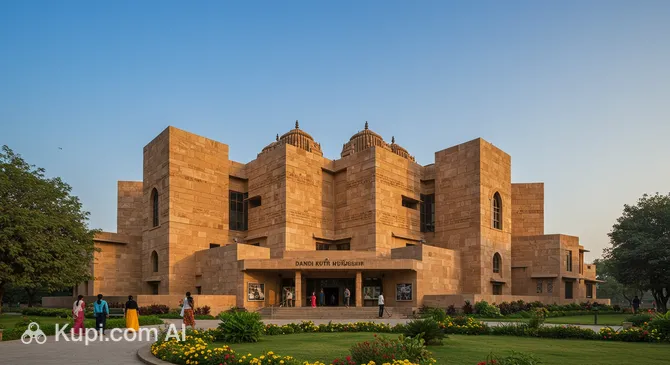
The city's museums are equally impressive, starting with the architecturally unique Dandi Kutir Museum. Shaped like a giant salt mound, this museum is dedicated to the life and teachings of Mahatma Gandhi. Inside, visitors navigate through spiraling ramps that use 3D mapping, holograms, and modern technology to narrate the story of the father of the nation, offering a deeply immersive historical experience that differs significantly from traditional static exhibits.

Dandi Kutir Museum. Source: Kupi.Binoculars

Science buffs will find the Vikram Sarabhai Space Exhibition fascinating. Managed by the Indian Space Research Organisation (ISRO), this venue showcases intricate models of satellites, launch vehicles, and the history of India's space program. Another modern marvel worth exploring is the Aquatic Gallery, India's largest public aquarium. It features a spectacular underwater tunnel where sharks and other marine life swim overhead, providing an educational journey through aquatic ecosystems from around the world.

For a lesser-known natural retreat, consider visiting Singarva Auda Lake on the outskirts of the city. It is a quiet spot often missed by mainstream tourists, perfect for a tranquil evening walk or birdwatching away from the crowds.

Getting Around

Public transport in Ahmedabad is widely considered one of the most efficient and well-planned networks in India. The city relies on a multi-modal system that seamlessly integrates buses, a modern metro rail, and traditional auto-rickshaws, making it relatively easy for tourists to navigate between historical landmarks and modern shopping districts.

The backbone of the city's transit is the Bus Rapid Transit System (BRTS), locally known as Janmarg ("People’s Way"). Unlike standard buses that get stuck in traffic, BRTS buses run in dedicated central lanes, ensuring speed and punctuality. These buses are air-conditioned and stop at well-marked, elevated stations. Complementing this is the AMTS (Ahmedabad Municipal Transport Service), the traditional red city buses that cover a wider network, reaching into the narrower streets and suburbs where the BRTS does not go.

For faster travel across longer distances, the Ahmedabad Metro is an excellent option. Although the network is still expanding, the operational lines connect key hubs like the railway stations, industrial areas, and major educational centers. The metro is clean, fully air-conditioned, and offers a respite from the city's heat. Trains typically run from early morning, around 6:00 AM, until 10:00 PM, with frequencies ranging from 10 to 20 minutes depending on the time of day.

Paying for transport is straightforward. For the BRTS and AMTS, you can purchase paper tickets at the station counters or from the bus conductor. However, for seamless travel, tourists can opt for the Janmitra Card, a smart prepaid card that works across both bus systems and offers cashless convenience. The Metro uses a separate ticketing system involving QR-code paper tickets or a distinct smart card, which can be purchased at any station. Fares are incredibly affordable, with short trips costing as little as 5 to 10 INR.

For last-mile connectivity, auto-rickshaws are ubiquitous. You will see these three-wheeled vehicles everywhere; they are perfect for short hops from a bus station to your hotel. While they are supposed to run by meter, drivers often prefer to negotiate a fixed price with tourists. It is advisable to agree on the fare before getting in or insist on using the meter. Alternatively, app-based ride-hailing services like Uber and Ola are very popular, reliable, and offer transparent pricing for both auto-rickshaws and air-conditioned cars.

A unique feature for eco-conscious travelers is the city's public bike-sharing initiative, MYBYK. You will find bicycle hubs at many BRTS and Metro stations. By downloading the app, you can unlock a bicycle for a very nominal fee, making it a great way to explore the Sabarmati Riverfront or the quieter lanes of the university area at your own pace.

When using public transport, keep in mind that buses and trains can get extremely crowded during peak hours (9:00 AM to 11:00 AM and 6:00 PM to 8:00 PM). Both the Metro and BRTS have designated seating or coaches for women, which is a helpful feature for female travelers. Always carry some small cash for ticket counters, as digital payments are widespread but not guaranteed at every small booth.

Accommodation

Finding the perfect place to stay in Ahmedabad is relatively easy, as the city offers a diverse range of accommodation options to suit every budget and travel style. From charming heritage havelis tucked away in the narrow lanes of the Old City to modern high-rise hotels and luxurious resorts on the outskirts, travelers can choose an experience that best fits their needs. The hospitality here is warm and welcoming, reflecting the general ethos of Gujarat.

For those who wish to be close to the main tourist sites, the areas around Ashram Road and Ellis Bridge are excellent choices. These neighborhoods offer central connectivity to both the historic eastern side and the modern western districts. Alternatively, travelers seeking a more upscale experience often prefer the SG Highway (Sarkhej-Gandhinagar Highway) or Satellite areas, which are dotted with premium hotels, shopping malls, and fine-dining restaurants. For a truly unique experience, staying in a restored heritage home in the historic walled city allows visitors to immerse themselves in the local culture.

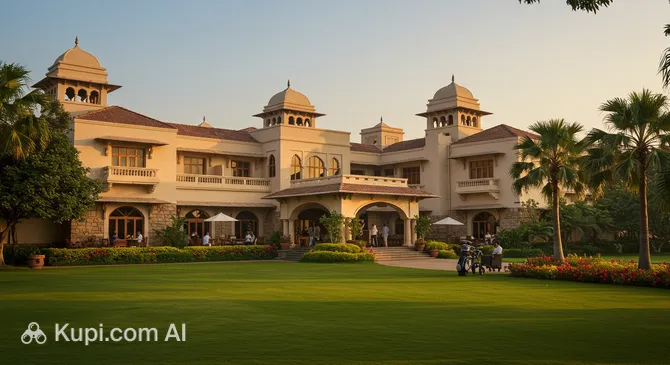
If you are looking for a stay that combines luxury with leisure activities, the city boasts several resort-style accommodations. The Belvedere Golf and Country Club is a prime example, offering world-class amenities and a serene environment perfect for relaxation. Similarly, the Arvind Alcove Club provides a comfortable retreat with extensive facilities, making it a great option for families or those looking to unwind after a day of sightseeing.

Belvedere Golf and Country Club. Source: Kupi.Binoculars

Booking Tips and Prices: Accommodation prices in Ahmedabad are generally reasonable compared to other major Indian metros. Budget travelers can find clean guesthouses starting from a modest range, while mid-range hotels offer excellent value with modern amenities. Luxury stays are available at competitive rates, though prices can spike during the wedding season (November to February) and major festivals like Navratri and Diwali. It is highly recommended to book your rooms in advance during these peak times. Most properties can be easily booked via major online travel platforms, but for heritage homes, contacting the owners directly can sometimes yield a more personalized experience.

Nearby Cities

For those looking to explore the surroundings, Ahmedabad serves as an excellent base for day trips to several interesting nearby locations. Just a short drive north lies Gandhinagar, the meticulously planned capital of Gujarat. It is renowned for its abundant greenery, wide avenues, and the magnificent Akshardham Temple, a masterpiece of pink sandstone. Another fascinating destination is Anand, widely known as the "Milk Capital of India." It is the birthplace of the Amul dairy cooperative and offers a unique insight into India's rural development and industrial history. For those interested in spiritual heritage, Nadiad is famous for the Santram Mandir and its deep historical roots in the region's literary culture.

City Population Distance (km)
Petlad 227,031 64
Nadiad 225,132 47
Anand 218,486 63
Gandhinagar 195,891 22
Umreth 185,320 66

These nearby destinations offer a glimpse into the diverse culture and landscapes of the region.

Shopping & Souvenirs

Shopping in Ahmedabad is a delightful experience that ranges from browsing through high-end international brands to haggling in bustling traditional bazaars. Historically known as the "Manchester of the East" for its booming textile industry, the city remains a paradise for fabric lovers. Visitors can expect to find an exquisite array of textiles, intricate handicrafts, and traditional Gujarati attire that reflect the region's vibrant artistic heritage.

For a mix of modern retail and street-side charm, C.G. Road (Chimanlal Girdharlal Road) is one of the city's premier shopping districts. It is lined with boutiques, jewelry showrooms, and handicraft emporiums. Another must-visit area is the Law Garden Night Market. As the sun sets, the street along the garden transforms into a colorful fair, famous for selling Chaniya Cholis (traditional skirts), antique jewelry, and embroidered wall hangings. It is the perfect place to witness the city's lively street culture.

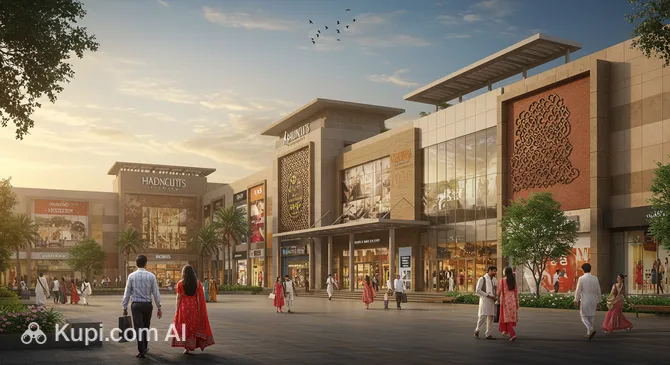
Travelers looking for a comfortable, air-conditioned shopping experience will find several world-class malls in the city. Palladium Ahmedabad is a luxury shopping destination that houses premium fashion labels, fine dining restaurants, and entertainment zones, catering to sophisticated tastes. Another popular spot is Ahmedabad One, located near Vastrapur Lake. It is one of the largest malls in the city, offering a vast selection of retail stores, a multiplex, and a diverse food court, making it a favorite hangout for families and youth.

Palladium Ahmedabad. Source: Kupi.Binoculars

To truly understand the local trade, one must visit the traditional markets in the old walled city. The area around Teen Darwaza is a historic market hub where you can find everything from household goods to rustic antiques. Nearby, the Dhalgarwad market is legendary for its vast collection of fabrics, including cotton prints and silk sarees, often available at wholesale prices. For those interested in jewelry, Manek Chowk serves as a glittering gold and silver market during the day before transforming into a street food haven at night.

Teen Darwaza. Source: Kupi.Binoculars

When it comes to souvenirs, Ahmedabad offers plenty of unique options. The city is renowned for Bandhani (tie-dye) and Patola silk sarees, which are prized for their intricate patterns and vibrant colors. Handicrafts featuring mirror work, known as Abhala Bharat, are also popular buys. Additionally, visitors often pick up Khadi products (hand-spun cloth) as a nod to Mahatma Gandhi's legacy in the city.

Most shops in Ahmedabad open around 10:30 AM or 11:00 AM and close by 9:00 PM or 10:00 PM. While malls and larger showrooms accept credit and debit cards, cash is still the preferred mode of payment in street markets and smaller shops. It is also worth noting that many traditional bazaars may close for a few hours in the afternoon for a siesta, so evening visits are often more lively and productive. Regarding taxes, the price displayed usually includes the Goods and Services Tax (GST), and there is generally no separate tax refund scheme for tourists for everyday purchases.

Reached the end of the page?

That means the route is fully explored