Support

Bodh Gaya

About

Bodh Gaya is more than just a city; it is a true gem of Bihar state and a sacred site for millions of people around the world. It was here, under the famous Bodhi Tree, that Siddhartha Gautama attained enlightenment more than two and a half thousand years ago, becoming the Buddha. The city is enveloped in a unique atmosphere of peace and deep spirituality, where the scents of incense, the sounds of ancient mantras, and the friendly smiles of pilgrims from all corners of the planet mingle together.

Located in eastern India, in the state of Bihar, Bodh Gaya stretches along the banks of the Niranjana River. Despite its worldwide fame, it is a relatively small city with a population of about 40,731, whose lives are inextricably linked to its great spiritual heritage. Here, ancient traditions blend harmoniously with modern traveler conveniences, creating a unique local flavor.

Bodh Gaya. Illustration.
Source: Kupi.com AI

The heart of Bodh Gaya and its main pride is the majestic Mahabodhi Temple, a UNESCO World Heritage site. This ancient temple complex is striking for its architecture and powerful energy. Other iconic sites include the impressive Great Buddha Statue and numerous monasteries built by Buddhist communities from different countries, each reflecting unique architectural and cultural traditions.

A visit to Bodh Gaya is a wonderful opportunity to touch the origins of Buddhism, immerse yourself in an atmosphere of peace and meditation, and perhaps find a new harmony with yourself and the world around you. This city leaves a deep mark on the heart of everyone seeking spiritual enrichment and tranquility.

You can find more interesting facts on the Bodh Gaya city history page.

Weather Overview

The weather in Bodh Gaya is characterized by significant seasonal fluctuations. Expect hot summers, especially from April to June, when average maximum temperatures can reach 37-39°C. The monsoon period, which brings the bulk of the rainfall, usually lasts from June to September, with July and August seeing the highest number of rainy days. Winters, from December to February, are generally cool and dry, with average minimum temperatures around 9-13°C and little rainfall. Thus, Bodh Gaya typically experiences hot, humid summers and cool, dry winters. You can find more detailed information on the Bodh Gaya Climate page.

Average monthly temperature

Average monthly precipitation

Interesting Facts

In addition to its worldwide fame as the site of the Buddha's enlightenment, Bodh Gaya holds many amazing details and stories that make this city even more attractive to travelers.

Mahabodhi Temple. Illustration.
Source: Kupi.com AI

Traveler photos:

  • It was here, under the legendary Bodhi Tree, that Prince Siddhartha Gautama attained enlightenment, becoming the Buddha. The current tree is considered a direct descendant of the historical tree under which, according to legend, the founder of Buddhism meditated.

  • The majestic Mahabodhi Temple, with a history spanning over fifteen hundred years, is surrounded not just by a garden, but by sacred sites where the Buddha spent seven weeks after his enlightenment. Each of these weeks is marked by a special commemorative sign indicating a specific event or type of meditation.

  • Bodh Gaya is a true kaleidoscope of the world's Buddhist culture. Here you can find monasteries and temples built by followers from Thailand (such as Wat Thai Buddhagaya), Japan, Tibet, Sri Lanka, and Bhutan, a striking example of which is the Royal Bhutan Monastery. Each of them is a unique architectural and cultural representation of its country.

  • The city comes alive every year during the massive Kalachakra Festival, attracting thousands of Buddhist pilgrims and curious travelers. During these days, Bodh Gaya is filled with a special atmosphere: ancient rituals, collective meditations, and spiritual lectures are held.

How to Get There

There are several main ways to reach Bodh Gaya, one of the most important centers of Buddhist pilgrimage. The most convenient option for many travelers, especially those arriving from afar, is a flight to the nearest airports, followed by ground transportation to the city.

The main airport serving Bodh Gaya is Gaya Airport (IATA: GAY). It is located just 6-7 km from the center of Bodh Gaya, in the city of Gaya. A taxi or auto-rickshaw ride from the airport to your hotel in Bodh Gaya will take approximately 20-30 minutes. This airport handles both domestic and some international flights, especially seasonal ones related to pilgrimage. Although it is not the largest, its proximity makes it a very convenient option.

Another popular option, especially for those looking for more international flight connections, is Jay Prakash Narayan International Airport (IATA: PAT), located in the city of Patna. The distance from Patna to Bodh Gaya is about 100 km. The journey by taxi from Patna airport to Bodh Gaya usually takes about 3 hours, while a bus trip can take 3-4 hours depending on the service and road conditions. This airport is significantly larger and offers a greater number of flights to various destinations.

For clarity, here is a summary of the main airports through which you can reach Bodh Gaya:

AirportPassenger trafficDistance
Gaya Airport329 3046 km
Jay Prakash Narayan International Airport3.8 mln100 km
Birsa Munda Airport2.6 mln157 km
Deoghar Airport281 442176 km
Darbhanga523 173190 km

In addition to air travel, Bodh Gaya can be reached by rail. The nearest major railway station is Gaya Junction, located in the city of Gaya, about 16-17 km from the center of Bodh Gaya. It is an important railway hub on the Grand Chord line of the Indian Railways network, well-connected to many major cities in India, such as Delhi, Kolkata, Varanasi, and Mumbai. From Gaya Junction station, you can easily reach Bodh Gaya by taxi, auto-rickshaw, or bus; the trip usually takes about 30-45 minutes.

It is also worth considering traveling by bus, as Bodh Gaya has regular bus connections with Gaya, Patna, Varanasi, and other cities in Bihar state and neighboring regions. Both state-run and private buses operate on various routes, offering an economical way to travel.

Main Attractions

Bodh Gaya, a sacred city for Buddhists worldwide, offers many unique attractions related to the life and enlightenment of the Buddha. Immerse yourself in the atmosphere of spirituality and history by visiting the key sites of this amazing city.

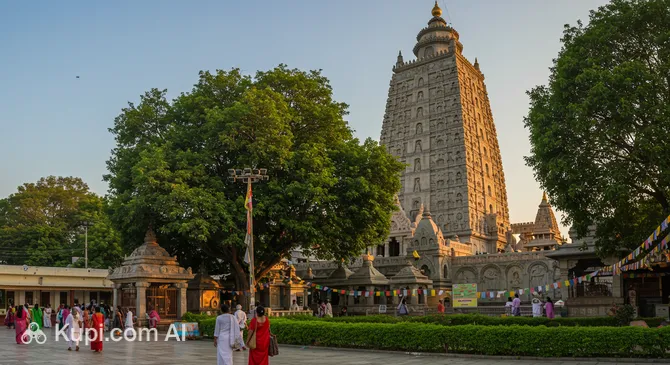
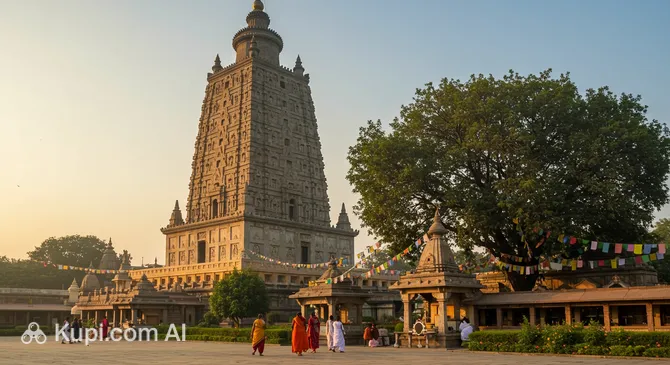
The main sanctuary of Bodh Gaya and one of the most important pilgrimage sites for Buddhists globally is the Mahabodhi Temple. It was here, under the Bodhi Tree, that Siddhartha Gautama attained enlightenment and became the Buddha. This magnificent temple, a UNESCO World Heritage site, is impressive for its ancient architecture, carved bas-reliefs, and peaceful atmosphere. Millions of pilgrims and tourists come here every year to touch the sacred site.

Mahabodhi Temple. Illustration.
Source: Kupi.com AI

Traveler photos:

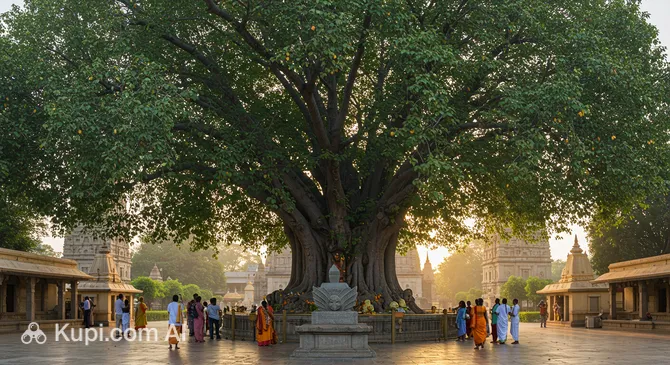
The sacred Bodhi Tree grows directly on the grounds of the Mahabodhi temple complex. It is considered a direct descendant of the very tree under which the Buddha meditated. For believers, this place has immense sacred significance; many spend time here in meditation or perform ritual circumambulations (parikrama) around the tree.

Bodhi Tree. Illustration.
Source: Kupi.com AI

Traveler photos:

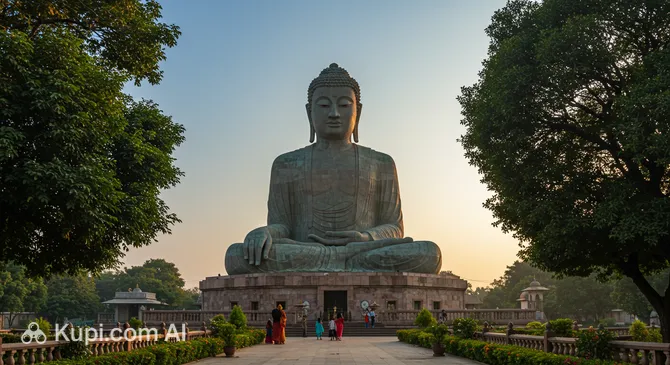
Another impressive attraction is the Great Buddha Statue. This monumental 25-meter sculpture, depicting the Buddha in a meditative pose (dhyana mudra) sitting on a lotus flower, was consecrated by the 14th Dalai Lama in 1989. The statue is a symbol of peace and tranquility and attracts many visitors with its grandeur and skillful execution.

Great Buddha Statue. Illustration.
Source: Kupi.com AI

Traveler photos:

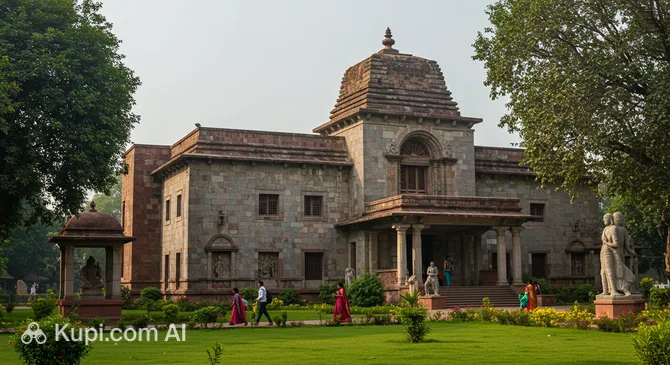
For those interested in the history and culture of the region, the Bodhgaya Archaeological Museum is a must-visit. Its halls present a rich collection of artifacts discovered during archaeological excavations in Bodh Gaya and its surroundings. Exhibits include ancient sculptures of Buddha and bodhisattvas, stone reliefs, and other items from various historical periods that help deepen the understanding of this sacred place's past.

Archaeological Museum Bodhgaya. Illustration.
Source: Kupi.com AI

Traveler photos:

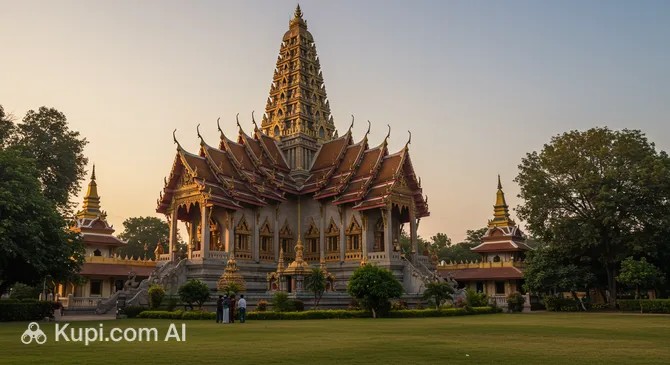
Among the many international monasteries built in Bodh Gaya by various Buddhist communities from around the world, Wat Thai Buddhagaya stands out. This beautiful Thai monastery is distinguished by its traditional architecture with elegant tiered roofs, gilded elements, and well-kept grounds. Visiting this and other international monasteries allows you to experience the diversity of Buddhist traditions and architectural styles.

Wat Thai Buddhagaya. Illustration.
Source: Kupi.com AI

Traveler photos:

Local Cuisine

The gastronomic scene of Bodh Gaya is a fascinating intertwining of Indian, Tibetan, Nepalese, and Thai culinary traditions. As an important center of pilgrimage, the city offers many establishments with an emphasis on fresh vegetarian dishes, which is especially valued by monks and travelers with dietary restrictions. Here you will easily find cozy cafes and restaurants reflecting the diversity of Asian flavors.

Be sure to try the local specialties. Among them, momo stand out — Tibetan steamed dumplings filled with vegetables or cheese, served with spicy sauces. No less popular is thukpa — a rich and spicy noodle soup that is perfectly warming and energizing. Also, don't miss the fragrant dal — a thick lentil soup with spices, and crispy samosas with various fillings.

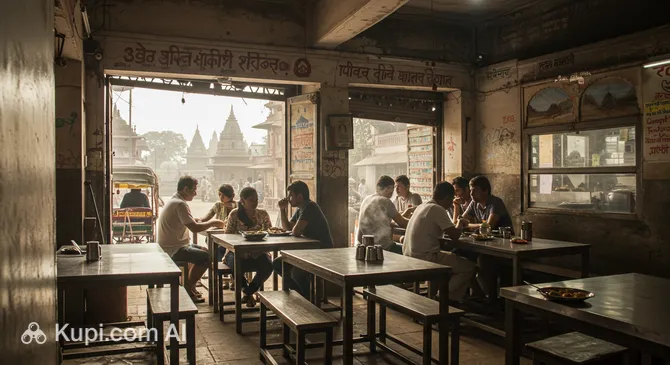
Street food in Bodh Gaya is a true gastronomic adventure. On the busy streets and markets, you can find many stalls offering fried bananas, savory chaats (Indian snacks), vegetable cutlets, and various sweets made from condensed milk. Among the drinks, refreshing freshly squeezed juices, coconut water, lime and spice-based drinks, and traditional Indian masala tea, which perfectly complements local flatbreads, are particularly popular.

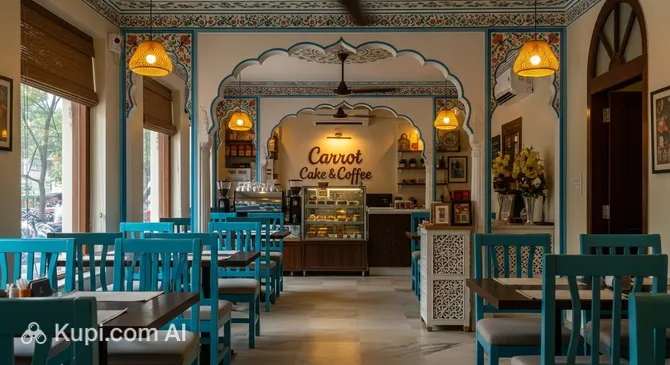
Carrot Cake & Coffee. Illustration.
Source: Kupi.com AI

Traveler photos:

Locals and tourists alike prefer to eat at both small family restaurants and right on the street, enjoying the authentic atmosphere. Many cafes offer a quiet setting for relaxation and tasting dishes. For example, you can stop by Carrot Cake & Coffee to enjoy pastries and drinks in a pleasant atmosphere. During major religious festivals, the city turns into a real gastronomic fair where you can taste dishes from different parts of Asia, prepared according to old recipes. Some cafes even offer cooking classes for local treats, which will be an excellent addition to your journey.

Travel Tips

Welcome to Bodh Gaya, the sacred place where Siddhartha Gautama attained enlightenment and became the Buddha! To ensure your pilgrimage or tourist trip goes smoothly and leaves only the brightest impressions, we have prepared a few practical tips.

  1. Clothing and Essentials: A hot climate prevails in Bodh Gaya for most of the year, so choose light, breathable clothing made of natural fabrics. Since this is an important religious site, especially when visiting the Mahabodhi Temple and other monasteries, dress modestly: shoulders and knees should be covered. Bring comfortable shoes for long walks, sunscreen, a hat, sunglasses, and a universal adapter for electronics. In the winter months (December-January), evenings can be cool, so a light jacket or sweater will come in handy.
  2. City Transport: The main means of transportation in Bodh Gaya are auto-rickshaws and cycle-rickshaws — an authentic and inexpensive way to get to most places. Taxis are also available, especially for trips to Gaya Airport or the railway station. Many attractions, including the Mahabodhi Temple complex, are within walking distance of each other. Renting a car is usually not required and can be inconvenient due to local traffic patterns.
  3. Finances: The local currency is the Indian Rupee (INR), the official currency of India. You can exchange money at banks or authorized exchange offices; avoid street money changers. Credit and debit cards are accepted in large hotels and some restaurants, but for small establishments, markets, and rickshaws, it is better to have sufficient cash with you. There are ATMs in the city, but sometimes they may run out of money or have long queues. Tipping is not always mandatory but is welcomed for good service in restaurants (5-10%) and for porters.
  4. Health and Safety: There are pharmacies in Bodh Gaya with basic medications, but if you need specific medicines, it is better to bring them with you. Serious medical care may require a trip to a larger city. Drink only bottled water and be careful with street food. Bodh Gaya is generally considered a safe place, especially in pilgrimage areas, but always follow standard precautions: keep an eye on your belongings, avoid displaying valuables, and be vigilant after dark.
  5. Communication: The official language is Hindi; Bihari is also common. In tourist areas, hotels, and among educated people, many speak English. Learning a few phrases in Hindi, such as "Namaste" (Hello/Goodbye) and "Dhanyavad" (Thank you), will be very useful and appreciated by the locals. A SIM card with internet access can be purchased upon presentation of a passport and visa. Wi-Fi is available in most hotels and some cafes.
  6. Local Etiquette: Show respect for religious traditions. Always remove your shoes before entering temples and monasteries. Photography inside some shrines may be prohibited or require permission; always ask first. When communicating with monks, be polite. Modesty in dress and behavior is key to a respectful stay.
  7. What to Avoid: Strictly avoid disrespectful behavior on the grounds of temples and other sacred sites (loud talking, inappropriate clothing, touching sacred objects without permission). It is also not advisable to give money to child beggars, as this can encourage the continuation of this practice; if you want to help, it is better to make a donation to a reputable charity or monastery.
  8. Special Tip: The best time to visit Bodh Gaya is from October to March, when the weather is cooler and drier. This is also the peak pilgrimage season when various teachings and ceremonies are held. Check the Mahabodhi Temple's operating schedule in advance, as it may change. Visiting the Bodhi Tree, where the Buddha attained enlightenment, is a special experience; try to spend time there in silence and meditation.

We hope these tips help you better prepare for your journey to Bodh Gaya and get the most out of your visit to this unique place of spiritual power and tranquility. We wish you an unforgettable trip!

Entertainment & Nightlife

Bodh Gaya, being one of the world's most important centers of Buddhist pilgrimage, offers a unique evening experience that differs significantly from the noisy nightlife of megacities. Instead of loud clubs and bars, evenings here are filled with an atmosphere of tranquility, spiritual practices, and quiet relaxation. Nightlife in the traditional sense is practically absent here, giving way to more contemplative activities.

Evening Bodh Gaya invites you to enjoy dinner at one of the local restaurants, where you can try both Indian and international cuisine in a calm setting. Many establishments stay open until late evening, offering guests a chance to relax after a busy day. For example, you can visit Carrot Cake & Coffee, known for its cozy atmosphere and desserts, or try authentic dishes at the Handi Biryani restaurant. The atmosphere in such places is usually quiet and conducive to conversation; the dress code is casual, but modest clothing is recommended, especially if you plan to visit temples before or after dinner.

Handi Biryani. Illustration.
Source: Kupi.com AI

Traveler photos:

After sunset, the main Mahabodhi Temple and surrounding areas are often illuminated, creating a special, almost magical atmosphere for walks and meditation. Many pilgrims and tourists prefer to spend their evening hours here, participating in prayers or simply enjoying the silence. While there are no specialized night markets or nightlife districts, some souvenir shops and stores near the temple complex may stay open in the evening, offering local crafts and religious items.

For getting around the city in the evening and at night, it is most convenient to use auto-rickshaws or a pre-booked taxi through your hotel. Bodh Gaya is generally considered a safe place, especially in the areas around the main temples. However, as with anywhere, standard precautions should be taken: avoid poorly lit and deserted streets late at night and keep an eye on your belongings. It is best to head to restaurants or for evening walks not too late, as the city quiets down earlier than major tourist centers.

During the day, Bodh Gaya offers a rich program for pilgrims and tourists. Be sure to visit the majestic Mahabodhi Temple, see the famous Bodhi Tree, and the massive Great Buddha Statue. For a deeper immersion into the history and culture of the region, you can stop by the Bodhgaya Archaeological Museum, which houses unique exhibits. Although there are no amusement parks or large theaters, the spiritual and cultural richness of the city more than compensates for this, offering food for the mind and soul.

Parks & Museums

Bodh Gaya, a sacred place for Buddhists worldwide, offers a unique combination of spiritual atmosphere and rich cultural heritage. Although you won't find traditional city parks in the usual sense here, the very atmosphere of the city, its numerous monastic gardens, and of course, the sacred sites themselves create a sense of peace and unity with nature. The city's cultural heritage comes alive in its ancient temples and museums, which tell the story of the birth of Buddhism.

The main "green zone" and heart of Bodh Gaya is undoubtedly the territory around the majestic Mahabodhi Temple. The sacred Bodhi Tree grows here, under which, according to legend, Siddhartha Gautama attained enlightenment. This place is not just a natural object, but a vital center of pilgrimage where you can meditate for hours and observe the rituals of believers. The well-kept areas around the temple and numerous monasteries offer quiet corners for reflection and contemplation, serving as alternatives to traditional park areas.

Bodhi Tree. Illustration.
Source: Kupi.com AI

Traveler photos:

For a deeper immersion into the history of the region and Buddhist heritage, it is worth visiting the Bodhgaya Archaeological Museum. This is the city's key cultural institution, whose collection features priceless artifacts found during excavations in the vicinity. Exhibits include ancient sculptures of Buddha and bodhisattvas, stone reliefs, coins, and everyday items dating back to various periods of Buddhist history, starting from the Mauryan era. The museum helps to better understand the historical context of the events that took place in this iconic location and to trace the development of Buddhist art.

Archaeological Museum Bodhgaya. Illustration.
Source: Kupi.com AI

Traveler photos:

In addition to the Mahabodhi Temple, which is an outstanding architectural monument and a UNESCO World Heritage site in its own right, there are other significant structures in Bodh Gaya. The majestic Great Buddha Statue, standing 80 feet (about 25 meters) tall, is one of the most recognizable landmarks and symbolizes peace and harmony; it was consecrated by the 14th Dalai Lama in 1989. The city is also adorned with numerous monasteries built by Buddhist communities from around the world, such as the picturesque Wat Thai Buddhagaya, the impressive Royal Bhutan Monastery, or the tranquil Tergar Monastery. Each reflects the unique architectural and cultural traditions of its country, offering visitors a kind of journey around the Buddhist world.

Mahabodhi Temple. Illustration.
Source: Kupi.com AI

Traveler photos:

For an authentic experience and deeper immersion into the spiritual atmosphere of Bodh Gaya, look into smaller monasteries located away from the main temple complex — you can often find more privacy and silence there. Many monasteries and specialized centers also offer meditation courses and retreats of varying lengths, which can be an unforgettable experience for those seeking spiritual development and inner peace.

Getting Around

Getting around Bodh Gaya is quite simple, given its compact size and its orientation toward pilgrims and tourists. The main shrines and hotels are often within walking distance of each other, making walking a pleasant way to explore the city. However, for longer trips or to save time, several transport options exist.

The most common types of transport in Bodh Gaya are auto-rickshaws (tuk-tuks) and cycle-rickshaws. This is a convenient way to reach most points in the city. Auto-rickshaws are faster and suitable for trips of several kilometers, while cycle-rickshaws are ideal for short distances and leisurely travel. In both cases, fares are paid in cash directly to the driver. It is highly recommended to agree on the cost of the trip before it begins, as there are usually no fixed tariffs, and the price can depend on the distance, time of day, and your bargaining skills.

Local buses also run, but they primarily connect Bodh Gaya with nearby settlements, such as Gaya, where the major railway junction and airport are located. Within the city itself, the bus network is poorly developed and rarely used for tourist travel between main attractions. If you decide to use the bus, tickets are usually purchased from the conductor inside the cabin, also in cash.

For tourists, here are some practical tips. Always have small bills with you to pay for fares, as rickshaw drivers or conductors may not have change for large banknotes. Clarify whether the price quoted is for the entire trip or per person, especially if traveling in a group. Most types of transport are available from early morning until late evening, but traffic intensity decreases during the night hours.

As an alternative to public transport, you can consider taxis, which are convenient for trips to the airport or the railway station in Gaya, as well as for private excursions in the surrounding area. They can be found near large hotels or ordered in advance. In some places, you may find bicycle rentals – this is a good option for exploring the city and its surroundings independently at your own pace. Complex car-sharing systems or a developed network of trams and subways do not exist in Bodh Gaya due to the city's specifics and size.

Accommodation

In Bodh Gaya, as an important pilgrimage center, there is a wide range of accommodation options to suit the needs of many different travelers. Choices vary from budget guesthouses and rooms at monasteries to mid-range hotels and more comfortable retreat centers. Luxury resorts in the traditional sense are less common here; the focus is shifted toward creating a peaceful atmosphere for spiritual practices.

Most tourists prefer to stay in close proximity to the main shrine — the Mahabodhi Temple, as well as along the road leading to the Great Buddha Statue. Many hotels and guesthouses are concentrated in these areas, providing easy access to the main attractions and meditation sites. Accommodation options near various international monasteries are also popular, each offering its own unique atmosphere.

Sambodhi Retreat. Illustration.
Source: Kupi.com AI

Traveler photos:

Notable accommodation options include places like Sambodhi Retreat and Niranjana Resort and Restaurant, which offer comfortable conditions for your stay. In general, the price range varies from very affordable to mid-range. It is recommended to book accommodation in advance, especially if your trip falls during the peak pilgrimage season (usually from October to March) or during major Buddhist events when the demand for housing increases sharply.

You can book accommodation in Bodh Gaya through popular online platforms or directly by contacting the hotel or guesthouse. Some monasteries also accept bookings by email or phone. It is recommended to clarify the living conditions and available amenities before confirming your reservation, as they can vary significantly.

Nearby Cities

For those who want to explore the surrounding area, Bodh Gaya serves as an excellent starting point for day trips to several interesting nearby places:

CityPopulationDistance
Mocharim10 0592 km
Gaya474 09311 km
Manpur8 61312 km
Tellar9 71321 km
Chakand8 67721 km

These nearby destinations provide an insight into the diverse culture and landscapes of the region. A trip to any of these cities can be an interesting addition to your pilgrimage or tourist visit to Bodh Gaya, offering a look at daily life and other historical sites in the state of Bihar.

Shopping & Souvenirs

Shopping in Bodh Gaya is primarily an immersion into the atmosphere of spirituality and local crafts. As an essential center of Buddhist pilgrimage, the city offers tourists unique items related to religion, meditation, and traditional Indian culture. You won't find huge shopping malls in the classic sense here, but you can purchase authentic souvenirs and handmade products that will serve as a wonderful reminder of your trip to this holy place.

The main commercial activity in Bodh Gaya is concentrated on the streets adjacent to the main temple complex — the Mahabodhi Temple. Streets such as Temple Street and Butter Lamp Road (or Katorva Road), as well as the adjoining alleys, are full of small shops, souvenir stalls, and street vendor carts. Walking through these busy areas is an interesting experience in itself, allowing you to feel the local flavor and observe daily life.

In Bodh Gaya, you will not find large modern shopping centers. Shopping here is more traditional and intimate, geared toward pilgrims and tourists looking for unique items rather than mass consumer demand. For branded goods and visits to large malls, it is better to head to larger cities in India.

Although there isn't one single designated central indoor market in Bodh Gaya, the entire area around the temples and main tourist streets essentially functions as one large, vibrant market. Many street vendors offer their goods directly from stalls, blankets spread on the ground, or in small temporary tents. Here you can find fresh fruit, local sweets, clothing, incense, and, of course, countless souvenirs. The atmosphere at such improvised markets is very lively, and bargaining is not only appropriate but also part of the buying process.

From Bodh Gaya, it is worth bringing back items that reflect its deep spiritual significance and cultural traditions. The most popular items among tourists include:

  • Statuettes of Buddha and bodhisattvas of various sizes, made of metal (bronze, brass), wood (sandalwood), stone, or clay.
  • Thangkas – traditional Buddhist icons on fabric or paper scrolls, depicting deities, mandalas, or scenes from the life of the Buddha.
  • Lungta prayer flags, prayer wheels (mani-korlo), and malas (prayer beads) made of various materials.
  • Books on Buddhism, meditation, and philosophy, as well as sacred texts.
  • Natural incense, aromatic oils, and candles used in rituals and for meditation.
  • Traditional Indian and Tibetan clothing: shawls, stoles made of silk and pashmina, jackets, and skirts.
  • Local handicraft products: carved wooden boxes, small musical instruments (singing bowls), and jewelry with Buddhist symbols.

When purchasing religious artifacts and items that look like antiques, be careful not to buy a fake or an item whose export from the country may be restricted. It is recommended to make such purchases in trustworthy shops.

Most shops and stalls in Bodh Gaya are open daily, usually from 10:00 AM to 8:00 PM or 9:00 PM. Some small shops, especially those oriented toward pilgrims and located in the immediate vicinity of the temples, may open earlier in the morning and close later in the evening, particularly during the peak tourist season. The main method of payment is cash (Indian Rupees, INR). Some larger and permanent stores, as well as hotels, may accept bank cards, but it is always better to have enough cash with you as not all retail outlets are equipped with terminals. There are ATMs in the city, but their number is limited, and they may not always work or have bills available.

The Tax Free system for tourists generally does not apply to most goods purchased in small shops, souvenir stalls, and markets in Bodh Gaya. This system is more relevant for expensive purchases made in large authorized stores in major Indian cities. If you are making a significant purchase in a reputable store, you can ask the seller about the possibility of processing documents for a tax refund, but generally, you should not count on this when shopping in Bodh Gaya.
Nearby cities

Reached the end of the page?

That means the route is fully explored