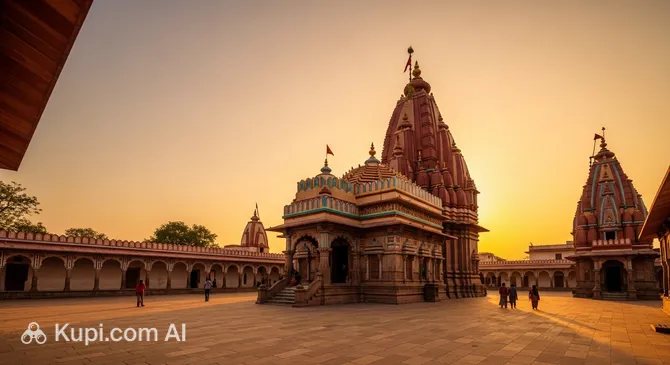
Durg is a dynamic industrial and agricultural hub located in the heart of the state of Chhattisgarh, India. The city is situated on the eastern bank of the Seonath River and serves as an important junction where the modern rhythm of life intertwines with the traditional ways of the country's central regions. With a population of approximately 268,806, Durg forms a large metropolitan area along with neighboring Bhilai, creating a powerful economic duo.
Durg. Illustration.
Source: Kupi.com AI
The city is famous for its production of brass and bell bronze items, as well as its developed weaving and rice processing industries. While Durg is primarily known as a labor and trade center, it possesses its own unique character: here you can see the dense architecture of traditional quarters, bustling markets, and quiet residential areas. The rich history of this region dates back to the era of the ancient Kosala kingdom, adding depth and cultural weight to the location.
For the traveler, Durg is an interesting discovery as an example of the "real," non-touristic India that lives through hard work and trade. Its convenient location makes it an excellent base for exploring central Chhattisgarh, offering an authentic experience of immersion into the daily life of an industrial region. Visit this city to feel the energy of Indian industry and the hospitality of its residents.
Weather Overview
The climate of Durg has a distinct tropical character with significant monsoon influence. Travelers should keep in mind that the weather here can vary from exhausting heat to torrential rains. If you want to know more details, check what the weather in the city is like at different times of the year.
Summer in Durg begins in March and lasts until June, with temperatures in May potentially reaching +40°C or higher. Winter, by contrast, is very mild and comfortable: from November to February, average daytime values hover around +20...+28°C, and nights bring a pleasant coolness. The monsoon season covers the period from July to September, bringing heavy rainfall that refreshes the air but can make moving around the city difficult.
Expect extremely hot summers with dry air and warm, dry winters, which are considered the best time to visit. It is worth remembering that the proximity of large steel plants can affect air quality, especially during dry months when dust and smog levels become higher.
Average monthly temperature
Average monthly precipitation
Interesting Facts
The name of the city Durg comes from the word "durga," which means "fortress" in Hindi. This is associated with ancient defensive structures, the ruins of which have survived to this day.
In ancient times, the region around the city was part of the legendary Kosala kingdom, mentioned in Indian epics.
Durg is the second-largest city in the state of Chhattisgarh by population within its metropolitan area, second only to the capital, Raipur.
The city is considered one of the largest rice markets in India; many enterprises for its processing and export are concentrated here.
Durg has a remarkably high population density: a significant portion of the residents live in compact quarters, creating a unique atmosphere of constant movement and active street trade.
How to Get There
The city's transport accessibility makes it an important logistics point in the central part of the country. The easiest way to reach Durg is by rail, as it is located on one of India's key mainlines. If you are planning a visit, it is helpful to review general information on how to get to the city using various modes of transport.
For those who prefer air travel, the main link is Swami Vivekananda International Airport (IATA: RPR) in Raipur, located approximately 35–40 kilometers away. From there, you can reach the center of Durg by taxi or bus in 1–1.5 hours, depending on traffic on the NH30 highway. Direct bus services connect the airport with key points in the city.
The city's main transport hub is the Durg Junction railway station. This is a major station on the Mumbai–Howrah line, served by trains from Delhi (16–20 hours travel time), Kolkata, and Mumbai. The city is also crossed by important national highways NH6 and NH30, providing regular bus services to neighboring states and other cities in Chhattisgarh.
Station
Passenger traffic
Distance
Raipur Junction railway station
5
36 km
Gondia railway station
6
117 km
Bilaspur Junction railway station
7
133 km
Nagpur Junction railway station
8
228 km
Bhawanipatna railway station
2
240 km
Main Attractions
Even though the city is an industrial center, there are several noteworthy places deserving of attention. One of the main spiritual shrines is the Jain temple Uwasaggaharam Parshwa Teerth. This majestic complex attracts pilgrims from all over the country with its architecture and atmosphere of peace, serving as an important center of Jainism in the region.
For fans of Hindu architecture, the Siyadevi and Chandi Mandir temples are well worth a visit. These temples are significant cultural and religious points on the city map where you can observe traditional rituals and feel the local flavor. The ancient ruins of the Durg Fort are also of historical interest; the name itself comes from the Hindi "durga" (fortress), recalling the times of Maratha rule.
For outdoor recreation, locals often choose the Tandula Dam area. This picturesque spot is ideal for picnics and quiet walks away from the city noise. Another popular destination for family leisure is Maitri Bagh — a park and zoo located on the border with Bhilai, famous for its musical fountains and green alleys.
Local Cuisine
The gastronomic identity of Durg is defined by the traditional cuisine of Chhattisgarh, where rice takes center stage. Locals are proud of the variety of dishes made from this grain: be sure to try fara — unique steamed rice sticks with spices, or muthiya. These simple yet satisfying dishes perfectly convey the spirit of the region.
Legumes and vegetables are an important part of the local diet, such as dal (lentil soup) and curries made from local varieties of pumpkin and peas. Due to strong vegetarian traditions, meat dishes are less common, but they are compensated for by an incredible variety of chutneys, among which the spicy maanga-chutney stands out. For drinks, locals prefer classic masala chai, refreshing lassi, or freshly squeezed juices sold on every corner.
The food culture in the city is centered around street markets and small local establishments called "darshans." In these places, you can order a traditional thali — a set of rice, several types of curry, flatbreads, and yogurt at a very affordable price. While there are few fine-dining restaurants, the authenticity of flavors and generous portions make "snack-shopping" at local eateries a true adventure for any foodie.
Travel Tips
A trip to Durg will provide you with a unique experience of getting to know the industrial heart of India. To make your journey as comfortable as possible, we have prepared a few practical tips.
Clothing and Dress Code: Choose light cotton clothing as the climate is hot. When visiting temples like Uwasaggaharam Parshwa Teerth, be sure to cover your shoulders and knees. Comfortable closed-toe shoes will protect your feet from city dust.
Transport: For getting around the city, it is best to call a taxi through the Uber or Ola apps — this guarantees a fixed price. Use auto-rickshaws for short trips, but always agree on the price beforehand.
Finance: There are many ATMs in the city, but small shops and markets only accept cash rupees. International cards work in large hotels and malls in Bhilai, but it is always useful to have small bills with you.
Health: Drink only bottled water and avoid ice in street drinks. During the monsoon season, be sure to use mosquito repellent. Pharmacies are easily found in central areas.
Communication: The main language is Hindi, but hotel staff and young people usually understand basic English. Buying a local SIM card is easiest at mobile stores in the center by presenting a passport and a photo.
Local Etiquette: The traditional greeting "Namaste" is always met with a smile. It is customary to remove your shoes when entering a home or temple.
What to Avoid: Walking alone in the outskirts and industrial zones after 10:00 PM is not recommended. Avoid eating unwashed fruit from the market.
Extra Tip: If you have free time, visit the Tandula Dam at sunset — it is one of the most peaceful and picturesque spots in the area.
May your introduction to Durg be filled with bright discoveries and pleasant encounters. This city opens up to those who know how to see beauty in everyday labor and the sincere smiles of the locals!
Entertainment & Nightlife
The entertainment scene in Durg is calm and traditional. There are no noisy nightclubs or bars in the Western sense, as the city is oriented toward a working rhythm. The main evening leisure activities for locals are cinemas showing Bollywood hits, as well as strolls through central squares and markets, which remain lively until late in the evening.
If you are looking for a more modern nightlife with bars and multiplexes, it is worth heading to neighboring Bhilai (only 6 km away) or the state capital, Raipur. These cities host modern shopping malls with food courts and entertainment zones that are popular with young people. In Durg itself, the focus is on community holidays and temple festivals, such as Diwali and Holi, which transform the city streets into bright theatrical performances.
Local parks and waterfront areas are great for daytime relaxation and family time. Overall, the city's atmosphere encourages slow observation of life: sitting in local cafes with a cup of aromatic tea and exploring the rich assortment of goods at the evening bazaars. For safe travel in the evening, it is recommended to use official taxis or rickshaws through mobile apps.
Parks & Museums
The park infrastructure of Durg is closely linked to its industrial status. The most famous place for recreation in the vicinity is Maitri Bagh. Although it is technically in Bhilai, Durg residents consider it "theirs." This unique place features a zoo alongside beautiful gardens and musical fountains, creating a green oasis amidst the industrial landscape.
The city's natural beauty is mainly represented by areas along the Seonath River, where you can find quiet spots for walks. Located 30–40 kilometers from the city is the Tandula Dam — a massive hydraulic structure surrounded by forests, which has become a popular spot for countryside getaways and birdwatching. The flat terrain around Durg itself is conducive to short weekend trips into nature.
There are practically no specialized museums in the city itself; however, numerous temples fulfill the role of cultural guardians. For example, the Jain complex Uwasaggaharam Parshwa Teerth can rival a museum in its architectural and artistic value. Exploring the city, you will notice that its history and culture live not in display cases, but within the walls of ancient shrines and in the bustling bazaars where crafts are passed down through generations.
Getting Around
Buses and auto-rickshaws form the backbone of public transport in Durg. The Durg-Bhilai Metropolitan bus network connects the city with neighboring districts and Bhilai, providing regular but often overcrowded service. Fares are inexpensive, but during peak hours (morning and evening), it is wise to allow extra time due to traffic jams caused by heavy truck movement to industrial sites.
The most popular and fastest way to get around the city is by auto-rickshaw. They are maneuverable and can reach narrow alleys where a bus cannot pass. It is better to agree on the fare in advance or ensure the meter is used, if available. For greater comfort and fixed costs, it is recommended to use mobile apps like Uber or Ola, which operate reliably in the city.
Walking around Durg can be tiring due to the heat, dust, and lack of universal sidewalks. Bike rentals are not common in the city, and there is no metro or tram system. If you plan to travel to Raipur or other cities in the state, it is most convenient to use trains from Durg Junction or intercity buses departing from the central bus station.
Accommodation
Accommodation options in Durg are primarily geared toward business travelers and those passing through. The majority of offers consist of budget 2–3 star hotels and guesthouses. The cost of living typically ranges from 1,000 to 3,000 Indian Rupees per night, making the city quite affordable for budget-conscious tourists.
The most convenient area to find accommodation is the city center and the vicinity of the Durg Junction railway station, as it is easiest to reach any part of the metropolitan area from there. If you prefer more modern infrastructure or apartments for long-term stays, it is worth considering options in neighboring Bhilai, which blends seamlessly into Durg.
To guarantee the best choice, it is recommended to book a room in advance, especially if your visit coincides with major religious festivals or business forums in the region. Most hotels can be found on popular international booking platforms, although local guesthouses often only accept cash. There are few luxury hotels in the city itself, so travelers often head to Raipur for higher levels of service.
Nearby Cities
Durg is an excellent starting point for exploring central Chhattisgarh, offering convenient access to interesting neighboring cities. Just 7 kilometers away is its "twin" — Bhilai, famous for its steel giant and cozy park areas like Maitri Bagh. This is an ideal destination for a short trip to see the power of Indian industry and relax in the shade of the gardens.
A little further, 36 kilometers away, lies Raipur — the state capital and its main cultural center. A trip to Raipur will allow you to visit interesting museums, modern shopping malls, and enjoy a more diverse restaurant scene. It is a dynamic metropolis that contrasts with the quieter and more industrial Durg.
For those wanting to experience the more steady pace of life in the state, cities like Dhamtari or the industrial center Dalli Rajhara are good options. The region is permeated with the spirit of creation and tradition, so every trip outside the city will reveal new facets of this amazing land.
Shopping & Souvenirs
Shopping in Durg is primarily an immersion into the atmosphere of traditional Indian bazaars. The city is famous for its brassware and bell bronze items: here you can purchase unique handcrafted lamps, cookware, and decorative figurines. It is also worth looking at local fabrics and clothing — Chhattisgarh is known for its high-quality textiles.
The city's central markets are always full of life; here you can buy spices, fresh rice (for which this region is so famous), and everyday goods. If you prefer the format of modern shopping malls, it is best to go to neighboring Bhilai, where Swastik Mall or Gemini Mall are located. There you will find stores of well-known brands, entertainment areas, and food courts.
Shops in Durg typically operate from 10:00 AM to 9:00 PM, but many market stalls may close for a break in the middle of the day. Large shopping centers accept bank cards, however, at bazaars and in small shops, you will definitely need cash rupees. As a souvenir from Durg, it is best to bring folk crafts or a local variety of rice, which makes for a great gastronomic gift.