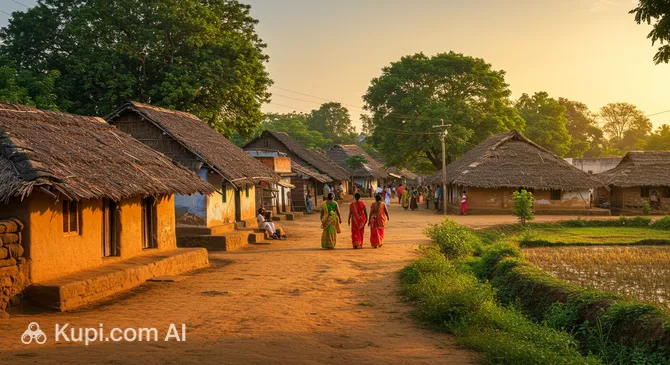
Wardha is a fascinating city in the Indian state of Maharashtra, holding a special place in the hearts of travelers due to its close connection with the history of the independence movement. Located near the geographical center of India, Wardha is famous for its peaceful atmosphere and spiritual heritage, making it an essential destination for those seeking tranquility and inspiration.
With a population of over 250,000, the city serves as a significant cultural and educational hub for the region. Geographically, Wardha is situated on the river of the same name, which historically aided the development of agriculture, particularly cotton farming. Today, it is a modern city that carefully preserves the traditions of the past, attracting visitors with its ashrams and architectural monuments.
Wardha. Illustration.
Source: Kupi.com AI
The main attractions for visitors here are the sites associated with the names of Mahatma Gandhi and Vinoba Bhave. Visiting this city is an invitation to touch the philosophy of non-violence and simplicity that changed the course of world history. Wardha is ideal for deep immersion into Indian culture away from the hustle and bustle of major metropolises.
Weather Overview
The climate in Wardha is typical for central India and is characterized by three distinct seasons: a hot summer, a monsoon season, and a mild winter. Summer months, especially May, can be extremely hot with temperatures reaching +41°C, so travelers are advised to plan activities for the early morning or evening during this time.
The rainy season begins in June and lasts until September, bringing significant rainfall—up to 460 mm in July. Rains are usually intense but short-lived, making the air fresher and the landscapes incredibly green. Winter, lasting from November to February, is considered the most comfortable time to visit the city, with daytime temperatures hovering around +22-28°C.
Expect a sunny and hot summer with low humidity until the monsoons begin, followed by humid months with heavy tropical downpours. The driest and most pleasant days fall during the winter period, when nights can be cool (around +16°C), requiring a light jacket or sweater for evening walks.
Average monthly temperature
Average monthly precipitation
Interesting Facts
Geographical Center: Wardha is located very close to the point often called India's "Zero Mile Stone," symbolizing the center of the country.
Capital of Non-Violence: From 1936 to 1948, Sevagram in Wardha effectively served as the unofficial capital of India, as it was from here that Mahatma Gandhi led the national liberation movement.
Alcohol and Tobacco Restrictions: Due to its high spiritual status and connection with Gandhi, Wardha has strict restrictions on the sale of alcohol, making the city's atmosphere exceptionally sober and calm.
Cotton Country: The region surrounding the city is one of the largest cotton producers in the state of Maharashtra, which historically determined its economic development.
How to Get There
Wardha is an important transport hub in central India, making it easily accessible for travelers. The city is conveniently located at the intersection of major railway lines connecting the northern and southern, as well as eastern and western regions of the country.
The nearest major international airport is Dr. Babasaheb Ambedkar International Airport (NAG) in Nagpur, located about 75 kilometers away. It receives regular flights from Delhi, Mumbai, and other major cities. You can reach the center of Wardha from the airport by taxi or intercity bus in about an hour and a half to two hours.
Railway travel is the most popular way to reach the city. Wardha Junction station receives trains from almost every corner of the country, including direct express trains from Mumbai and Hyderabad. Additionally, bus services are well-developed, with state and private buses regularly running between Wardha and neighboring large cities in the state.
Main Attractions
The pride of Wardha lies in the sites associated with the lives of great spiritual leaders. Be sure to visit the Sevagram Ashram, which served as Mahatma Gandhi's residence for many years. This complex of simple huts built from local materials perfectly conveys the philosophy of simplicity and community service that Gandhi practiced.
Another majestic landmark is the Vishwa Shanti Stupa (World Peace Pagoda). This snow-white structure with golden Buddha statues symbolizes universal peace and harmony. The stupa's observation decks offer a serene view of the surrounding countryside, making it an ideal place for meditation and reflection.
Equally significant is the Paunar Ashram, founded by Acharya Vinoba Bhave on the banks of the Dham River. This site is known for its ancient sculptures discovered during excavations and a unique women's community that continues the traditions of their spiritual mentor. A walk through the ashram grounds allows you to feel the deep connection between history, religion, and nature.
Local Cuisine
The cuisine of Wardha is a vibrant representative of Maharashtrian gastronomic traditions. The local diet is based on grains, pulses, and an abundance of spices. One of the main delicacies to try is Varadi Pithla—a thick gram flour gravy usually served with hot bhakri (flatbread) and a spicy green chili sauce.
For street food lovers, Wardha offers regional classics: Vada Pav (a spicy potato fritter in a bun) and Misal Pav (a spicy sprouted bean curry). These dishes can be found on almost every corner and are excellent options for a quick and inexpensive snack. Samosas and pakoras are also popular, pairing perfectly with strong, sweet masala tea.
As the city has deep spiritual roots, most establishments here offer exclusively vegetarian menus. Locals often dine in small "dhabas" or family restaurants with a homey atmosphere. For dessert, be sure to try Shrikhand—a thick, sweetened yogurt infused with saffron and nuts, which is the pride of Maharashtrian cuisine.
Travel Tips
A visit to Wardha will give you a unique experience of immersion into India's spiritual history. To ensure your trip is comfortable, follow our practical tips.
Clothing and Essentials: Choose light cotton clothing, but remember modesty: shoulders and knees should be covered when visiting ashrams and temples. Be sure to bring comfortable shoes that are easy to remove before entering sacred sites.
Transport: The main way to get around is by auto-rickshaws. Always agree on the fare before starting your journey. For trips to Nagpur or neighboring cities, trains are the most convenient option.
Finances: The local currency is the Indian Rupee (INR). ATMs are available in the city center, but small shops and ashrams only accept cash. Carry small denominations for tips and minor purchases.
Health: Drink only bottled water and avoid ice in drinks from street vendors. The city has pharmacies and government hospitals that can provide basic medical assistance.
Communication: The main languages are Marathi and Hindi. English is understood by hotel staff and educated youth. Learn a couple of phrases: "Namaste" (greeting) and "Dhanyavad" (thank you).
Local Etiquette: Always remove your shoes when entering homes and temples. Do not use your left hand to pass money or food, as it is considered impolite.
What to Avoid: Do not show intense emotions in ashrams—these are places of silence and meditation. Avoid consuming alcohol in public places, as the city has "dry law" status.
Additional Tip: The best time to visit is from October to March, when the weather is most pleasant for long outdoor walks.
May your journey to Wardha be filled with discoveries and inner peace!
Entertainment & Nightlife
Evening life in Wardha is significantly different from that of India's major metropolises. You won't find noisy nightclubs or discos here; instead, the city offers more relaxed and culturally-oriented entertainment. Most evening activity is centered around local markets and food courts, where residents gather for leisurely strolls and socializing.
For those seeking cultural leisure, there are cinemas in the city showing the latest Bollywood releases, which is a great way to immerse yourself in the local flavor. Evening walks near the Vishwa Shanti Stupa are also popular, where the monument looks particularly majestic in the sunset light, creating an atmosphere of peace.
Safety in the city is high, and walking along the central, well-lit streets in the evening is quite comfortable. If you need to return to your hotel late at night, it is best to use auto-rickshaws, which wait near the station and major intersections. For more comfortable travel, you can call a taxi through popular mobile apps.
Parks & Museums
One of the most interesting cultural sites in the city is the Magan Sangrahalaya Museum. It is dedicated to the development of rural crafts and small enterprises supported by Mahatma Gandhi. The museum features exhibits demonstrating traditional methods of weaving, cotton processing, and paper production, providing a clear view of the industrial philosophy of that time.
For lovers of architecture and spirituality, Gitai Mandir is a must-visit. This is a unique open-air temple where the texts of the "Gitai"—a Marathi translation of the Bhagavad Gita by Vinoba Bhave—are carved onto 18 stone slabs. The temple grounds are surrounded by a well-maintained garden, creating an atmosphere of silence and contemplation, ideal for peaceful walks.
The natural beauty of the region is showcased around the Wardha River. While there are few classic parks within the city itself, the natural areas around the ashrams and along the riverbed serve as excellent places for relaxation. During the monsoon season, these areas are transformed, filling with greenery and freshness, attracting photography enthusiasts and nature lovers.
Getting Around
The public transport system in Wardha is simple and efficient for the needs of a small city. The primary means of transport here are auto-rickshaws, which can be found everywhere. They are a convenient and affordable way to reach any point in the city, including remote ashrams. It is best to agree on the fare in advance, as meters are rarely used.
Local buses run for travel over longer distances within the city and to the suburbs. They provide links between the center and important sites such as Sevagram. Bus fares are minimal, though tourists may need help from locals to navigate the routes, as signs are often written in Marathi.
In recent years, taxi services that can be called via mobile apps have become available in the city. This provides a fixed price and increased comfort. For independent travelers, there is also the option of renting motorcycles or bicycles, which is an excellent way to leisurely explore the quiet streets and surrounding areas.
Accommodation
Accommodation options in Wardha are primarily geared toward pilgrims and business travelers. The city is dominated by mid-range hotels and budget guesthouses. Most hotels are concentrated near the railway station and on the city's central streets, providing easy access to transport and cafes.
For those who want to fully immerse themselves in an atmosphere of tranquility, guest rooms are available at ashrams such as Sevagram. This is basic accommodation with minimal amenities, but it allows you to experience a unique way of life based on Gandhian principles. It is recommended to book such options in advance, especially during national holidays.
The price range in the city is very affordable. The average cost of a room in a hotel with air conditioning and basic amenities ranges from 1,500 to 3,000 rupees per night. When choosing accommodation, it is worth checking for Wi-Fi and cleanliness, and booking through popular online services will help you read reviews from other travelers beforehand.
Nearby Cities
Wardha serves as an excellent starting point for exploring the central part of Maharashtra state. The city's surroundings are rich in both historical monuments and modern industrial centers, allowing you to diversify your travel itinerary with short day trips.
Just 63 kilometers away is Nagpur, known as the "Orange City." It is a large metropolis with developed infrastructure, beautiful lakes, and unique temples. Also worth noting is the town of Varora, located about 38 kilometers away, which is interesting for its industrial history and proximity to conservation areas.
For those who prefer more secluded routes, trips to small settlements like Umred or Wani are suitable. These destinations allow you to see the real rural India, enjoy the landscapes of the foothills, and get acquainted with the traditional way of life of local communities. Exploring these places will give you a more complete picture of the region's diversity.
Shopping & Souvenirs
Shopping in Wardha is imbued with the spirit of tradition and authenticity. The most popular item for tourists to bring home is Khadi—hand-spun and hand-woven fabric that Gandhi himself popularized. In local ashram shops and specialized centers, you can buy high-quality clothing, bed linens, and accessories made from this eco-friendly material.
Most commercial activity is concentrated in the city's central markets, where you can find everything from vibrant Indian textiles to traditional jewelry. Be sure to stop by the spice stalls—local chili and turmeric are famous for their aroma and purity. Handcrafted wood and ceramic items created by artisans from surrounding villages are also popular.
Shops in Wardha generally operate from 10:00 AM to 8:00 PM, with many stalls closing for a short break during the hottest part of the day. Larger stores accept bank cards, but for purchases in markets and small shops, be sure to carry cash rupees. The Tax Free system is practically non-existent in smaller Indian cities, so prices are usually final.