Support

Nagpur

About

Welcome to Nagpur, a vibrant metropolis located in the state of Maharashtra. Often celebrated as the "Orange City" due to its extensive cultivation of high-quality mandarins, this bustling urban center holds a unique distinction as the geographical heart of India. With a population exceeding 2.4 million, Nagpur serves as a significant commercial and political hub, acting as the winter capital of the state and offering a fascinating blend of modernity and tradition.

Nagpur. Source: Kupi.Binoculars

The city is steeped in heritage, having evolved from a fortified stronghold of the Gond dynasty into a thriving modern city. Travelers keen on understanding the region's roots can explore the rich history of Nagpur, which includes its pivotal role in the Dalit Buddhist movement. The climate here is generally tropical, characterized by hot summers and mild winters, making the cooler months an ideal time for exploration.

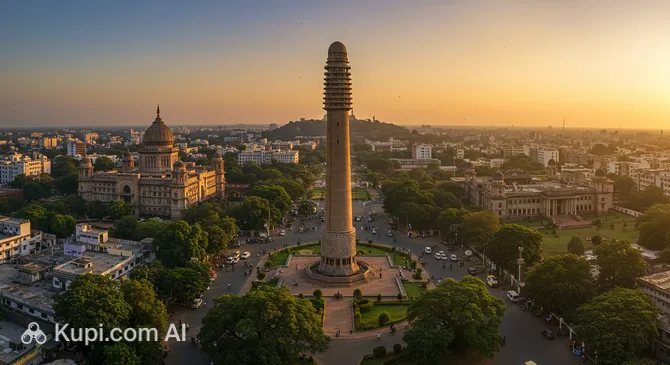
Nagpur offers several unique attractions for visitors. The Zero Mile Stone is a famous monument marking the precise geographical center of the country. Another architectural marvel is Deekshabhoomi, the world's largest hollow Buddhist stupa, which attracts thousands of pilgrims and tourists seeking spiritual solace. Furthermore, the city is often referred to as the "Tiger Capital of India," serving as a gateway to several renowned tiger reserves and national parks in the vicinity.

Whether you are drawn by the allure of wildlife safaris, the taste of its famous oranges, or its spiritual landmarks, Nagpur invites you to experience its warm hospitality. It is a destination that promises a diverse and enriching journey for every traveler.

Weather Overview

Nagpur experiences a tropical climate characterized by significant seasonal variations, ranging from intense heat to pleasant, cool spells. The summer months are particularly hot, with May being the warmest month, featuring an average temperature of 34.6°C and maximum highs that can reach 40.7°C. Travelers visiting during this time should be prepared for dry and scorching conditions.

The weather shifts dramatically with the arrival of the monsoon, which spans from June to September. During this period, the city sees a high frequency of rainy days, peaking in July with approximately 27 wet days and an average temperature of 27.5°C. If you are planning a trip during these months, checking the detailed weather in Nagpur is recommended to manage your itinerary around the frequent showers.

Winter brings the most comfortable climate, making it the preferred season for tourism. From November to February, conditions are dry and mild; for instance, January sees minimum temperatures around 14.6°C and pleasant highs of 27.0°C. Overall, you can expect very hot summers, a monsoon season with many wet days, and cool, dry winters perfect for outdoor exploration.

Interesting Facts

Beyond the main attractions and its famous citrus produce, Nagpur holds many fascinating secrets that often surprise even seasoned travelers. From its pivotal role in India's industrial history to unique logistical landmarks, the city offers intriguing stories waiting to be discovered.
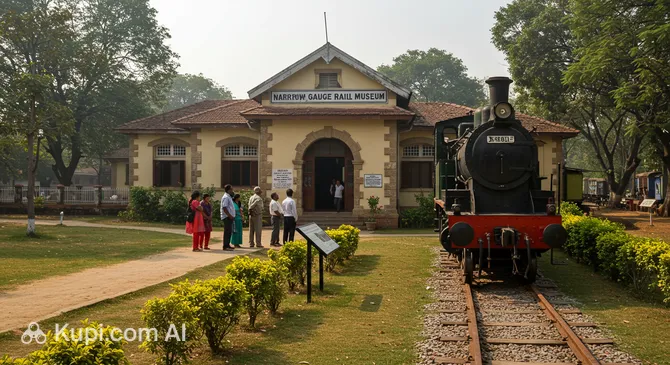
Narrow Gauge Rail Museum. Source: Kupi.Binoculars
  • While Mumbai is renowned as the country's financial capital, Nagpur is often rumored to be the guardian of the nation's gold. Due to its secure, central geographical location, the Reserve Bank of India branch here is believed to safeguard a substantial portion of India's gold assets.

  • Railway enthusiasts will find the city particularly significant because of the rare "Diamond Crossing." This is one of the few locations where the North-South and East-West railway corridors of the Indian Railways intersect, cementing the city's status as a crucial logistical hub.

  • History buffs might be surprised to learn that the legendary Tata Group began its major industrial journey here, not in Mumbai. Jamsetji Tata established the Empress Mills in Nagpur in 1877, which became the city's first textile mill and a foundational stone of India's industrial heritage.

  • The city preserves a unique slice of transportation history at the Narrow Gauge Rail Museum. It is one of the very few museums in India dedicated specifically to narrow-gauge locomotives and heritage, offering a nostalgic glimpse into a bygone era of rail travel.

How to Get There

As a major commercial and logistical hub in central India, the city is well-connected by air, rail, and road, making travel relatively straightforward for visitors. Whether you are arriving from domestic locations or international destinations, you can find all ways to reach the city and choose the option that best suits your itinerary.

The primary gateway for air travelers is Dr. Babasaheb Ambedkar International Airport (IATA: NAG), located conveniently within the city limits. It serves as a busy hub with frequent connections to major Indian metros like Mumbai, Delhi, and Bangalore, as well as select international destinations. Situated approximately 7.3 km from the city center, the journey to downtown Nagpur is quick and hassle-free, typically taking about 30 minutes by taxi or app-based cab services.

If direct flights are unavailable, travelers might consider arriving at Jabalpur Airport (IATA: JLR) in the neighboring city of Jabalpur. However, it is important to note that this airport is located about 246 km away from Nagpur. The transfer by road from Jabalpur can take considerable time, often requiring a drive of around 6 to 7 hours, making it a less convenient option compared to flying directly into the city.

Another regional alternative is Swami Vivekananda Airport (IATA: RPR), situated in the city of Raipur. This airport handles a significant volume of domestic traffic but is located roughly 275 km from Nagpur. A taxi or bus ride from Raipur to Nagpur is a long journey, generally taking between 7 to 8 hours depending on traffic conditions on the highway.

For clarity, here is a summary of the main airports:

Airport Name City Passenger Traffic Km from City
Dr. Babasaheb Ambedkar International Airport Nagpur Medium 7.3
Swami Vivekananda Airport Raipur Medium 275.3
Raja Bhoj Airport Bhopal Medium 298.0
Jabalpur Airport Jabalpur Small 246.0

Nagpur is also one of the most critical railway junctions in India, often referred to as the point where the country's North-South and East-West railway lines intersect. The main station, Nagpur Junction, is centrally located and extremely well-connected to virtually every part of the country, including direct trains from Mumbai, Delhi, Kolkata, and Chennai. For many travelers, the train offers a scenic and comfortable alternative to flying, with the station providing easy access to local transport options right outside the terminal.

Main Attractions

Nagpur is a city where spirituality, history, and modern leisure seamlessly converge, offering visitors a diverse array of experiences. From architectural marvels to serene lakes and interactive science parks, the city's landmarks cater to travelers of all ages and interests. Exploring these sites provides a deeper understanding of the region's cultural fabric and its evolution into a bustling metropolis.

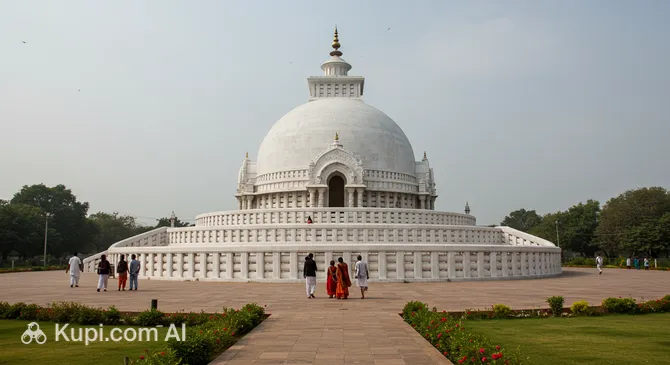
One of the most significant and iconic landmarks in the city is Deekshabhoomi. This sacred monument is renowned as the largest hollow Buddhist stupa in the world and holds immense historical importance as the site where Dr. B.R. Ambedkar converted to Buddhism with his followers. Its massive dome and serene surroundings attract thousands of tourists and pilgrims seeking peace and spiritual reflection, especially during the Dhamma Chakra Pravartan Din festival.

Deekshabhoomi. Source: Kupi.Binoculars

For those interested in science and astronomy, the Raman Science Centre & Planetarium is a must-visit destination. Named after the Nobel Laureate physicist C.V. Raman, this facility features interactive exhibits that make learning fun for both children and adults. The planetarium offers fascinating sky observation shows, making it an educational yet entertaining stop on your itinerary.

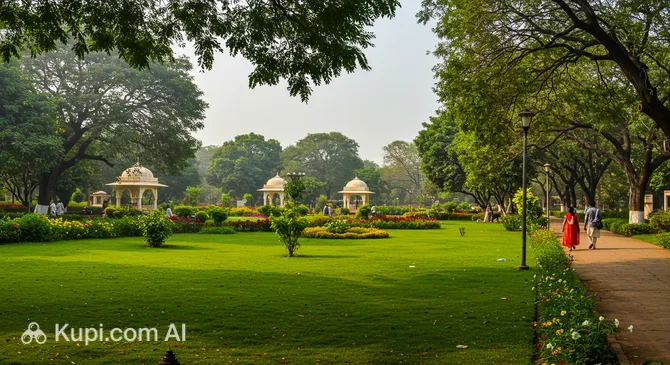
Nature lovers should head to Ambazari Garden, located adjacent to the largest lake in the city. It is a perfect spot for a relaxing afternoon, offering well-manicured lawns, musical fountains, and boating facilities. The garden is a favorite among locals for morning walks and family picnics, providing a refreshing escape from the urban hustle.

Ambazari Garden (Adya Krantiguru Lahuji Salve Garden). Source: Kupi.Binoculars

Another deeply revered site is the Shri Ganesh Tekdi Mandir, situated atop a small hill near the railway station. This ancient temple is dedicated to Lord Ganesha and houses a self-manifested idol that is believed to be centuries old. The temple's architecture and the panoramic view of the city from the hill make it a spiritually uplifting and visually appealing destination.

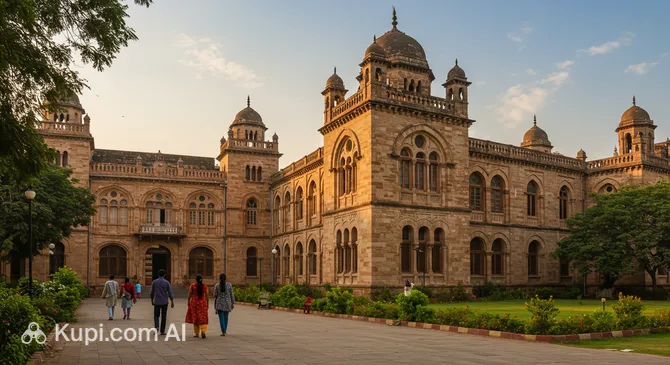
To delve into the region's rich heritage, a visit to the Central Museum Nagpur, popularly known as Ajab Bangla, is highly recommended. Established in 1863, it is one of the oldest museums in the region and showcases an extensive collection of artifacts, including dinosaur fossils, ancient coins, and tribal art. It offers a fascinating glimpse into the natural history and cultural traditions of Central India.

Central Museum Nagpur. Source: Kupi.Binoculars

Local Cuisine

The culinary landscape of Nagpur is defined by its bold flavors and love for spice, most famously represented by the legendary Saoji cuisine. Originating from the Halba Koshti weaver community, this cooking style is renowned for its intense heat and complex spice blends. Culinary adventurers should not miss the chance to try Saoji Chicken or Mutton, dishes characterized by their dark, rich gravies and a fiery kick that distinguishes them from other Indian curries.

Breakfast in the city is a ritual centered around Tarri Poha, a dish that holds a special place in the hearts of locals. Unlike the milder versions found elsewhere, Nagpur's poha (flattened rice) is served with a generous pouring of spicy chickpea gravy, known as tarri, and topped with crunchy sev and onions. It is the ultimate street food experience, best enjoyed at bustling roadside stalls in the early morning.

Given its title as the "Orange City," it is no surprise that the local fruit features prominently in sweets. Santra Barfi is a signature dessert, a milk-based fudge infused with the tangy zest and pulp of fresh Nagpur oranges. It offers a delightful balance of sweet and citrusy notes, making it a perfect souvenir or a treat to cool down your palate after a spicy meal.

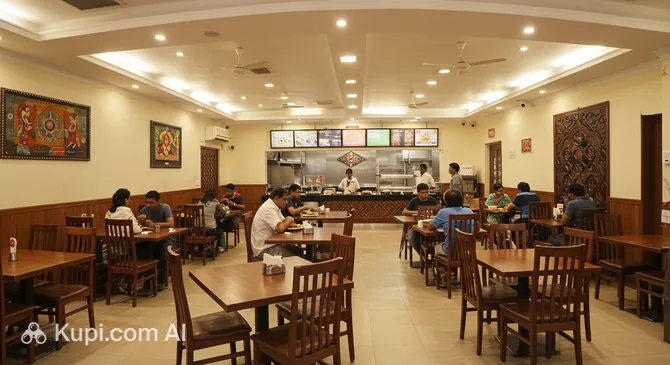
ISKCON Restaurant Nagpur. Source: Kupi.Binoculars

The city's dining scene is a mix of traditional bhojanalayas and modern establishments. For those seeking a peaceful vegetarian dining experience, the ISKCON Restaurant Nagpur is a popular choice, serving wholesome and hygienic sattvic meals. Meanwhile, the city's nightlife and beverage scene is growing; visitors looking to unwind with a drink can visit The Spirited Spot, a venue known for its relaxed ambiance and variety of beverages.

Travel Tips

Preparing for a trip to Nagpur is straightforward, but a few local insights can significantly enhance your experience in this central metropolis. To help you navigate the "Orange City" with ease and confidence, here is a collection of practical tips designed for travelers.

  1. Clothing and Gear: The climate dictates your wardrobe here. If you visit during the scorching summer (March to June), lightweight cotton clothing, sunglasses, and a wide-brimmed hat are non-negotiable. For the mild winter months, light layers or a thin jacket will suffice. When visiting religious sites, modest attire that covers shoulders and knees is required.

  2. Transportation: The Nagpur Metro is a modern, air-conditioned, and efficient way to travel between key parts of the city. For shorter distances, auto-rickshaws are ubiquitous; however, it is best to insist on using the meter or negotiate the fare before hopping in. App-based services like Ola and Uber are also widely available and reliable.

  3. Finances: The local currency is the Indian Rupee (INR). While major hotels, malls, and restaurants accept credit and debit cards, carrying cash is essential for small purchases, auto-rickshaws, and street food stalls. ATMs are plentiful across the city for withdrawing cash as needed.

  4. Health and Safety: Due to the intense heat, dehydration is a common risk; always carry and drink bottled water. Pharmacies are easily accessible for basic medicines. The city is generally safe for tourists, but standard precautions regarding personal belongings should be observed in crowded market areas.

  5. Communication: Marathi and Hindi are the primary languages spoken by locals. English is commonly understood in the hospitality sector and by younger generations. To stay connected, consider purchasing a local SIM card with a data plan, which will be helpful for using navigation apps and translation tools.

  6. Local Etiquette: A friendly "Namaste" is the standard greeting. It is customary to remove your footwear before entering someone's home or any religious place. Additionally, use your right hand when eating traditional meals or handing over money, as the left hand is considered unclean for these activities.

  7. What to Avoid: Avoid drinking tap water to prevent stomach ailments; stick to sealed mineral water brands. Also, try to avoid scheduling strenuous outdoor sightseeing between 12:00 PM and 4:00 PM during the summer, as the sun can be dangerously strong.

  8. Seasonal Insight: If your trip falls between November and January, do not miss the chance to buy fresh Nagpur oranges. They are in peak season during this time and are sold cheaply at roadside stalls, offering a taste of the produce that gives the city its nickname.

Armed with these practical tips, you are well-equipped to explore the vibrant culture and historic landmarks of the city. Enjoy the warm hospitality and unique flavors that make a visit to the heart of India truly memorable.

Entertainment & Nightlife

Entertainment:

Nagpur offers a lively mix of entertainment options that cater to shopaholics, party-goers, and families alike. The city's modernization is best reflected in its sprawling shopping centers, which have become hubs for leisure and social interaction. VR Nagpur is a premier destination for retail therapy, housing a wide range of international brands, a multiplex for movie lovers, and a diverse food court. Another popular spot is Satyam Mall, which provides a convenient shopping experience with various stores and entertainment facilities.

VR Nagpur. Source: Kupi.Binoculars

As the sun sets, the city's nightlife comes alive, offering several spots for those looking to unwind. High Steaks is a well-known rooftop venue where visitors can enjoy music and dining under the stars. For a vibrant atmosphere and social gatherings, Warehouse Cafe and CO.SO are excellent choices, serving eclectic menus and creative beverages in stylish settings.

High Steaks. Source: Kupi.Binoculars

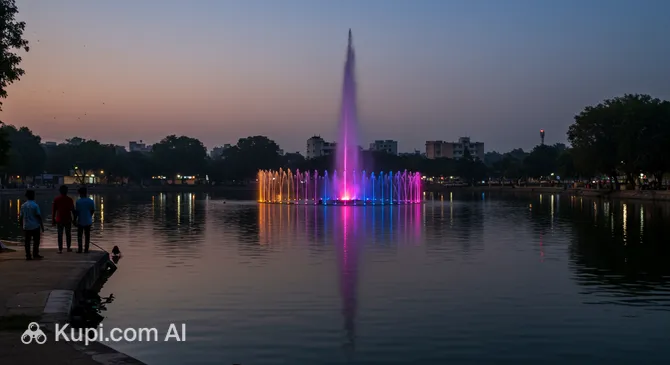
Families and thrill-seekers will find plenty of excitement at Krazy Castle Aqua Park. This amusement park features exhilarating water slides and pools, making it the perfect escape during the hot summer months. For a more relaxed evening, the Futala Fountain is a must-see. Located at the historic Futala Lake, the musical fountain show creates a mesmerizing spectacle of water, light, and sound that attracts locals and tourists alike.

Futala Fountain. Source: Kupi.Binoculars

Those seeking tranquility can visit the Japanese Garden, a beautifully landscaped space ideal for quiet walks. Culturally inclined travelers should check the schedule at the South Central Zone Cultural Centre, which frequently hosts art exhibitions, craft fairs, and traditional performances. Additionally, sports enthusiasts can catch events at the Indoor Stadium Mankapur, a major venue for regional and national tournaments.

Parks & Museums

Nagpur is often cited as one of the greenest cities in India, offering a refreshing balance between urban development and natural serenity. Beyond its bustling markets and historic sites, the city is dotted with lush gardens and cultural institutions that preserve the artistic and industrial heritage of the region.

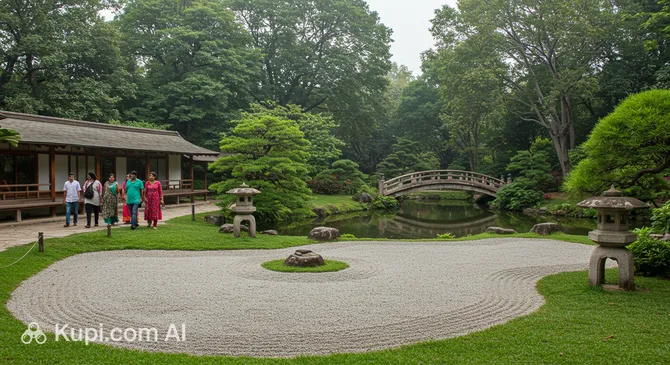
For a peaceful escape within the city, the Japanese Garden is a perfect retreat. Nestled in the semi-forest area of Seminary Hills, this garden is designed with an aesthetic that emphasizes simplicity and harmony with nature. It features well-manicured lawns, stone pathways, and a variety of flora that make it an ideal spot for morning walks or a quiet afternoon with a book. The surrounding area of Seminary Hills also offers trekking trails for those looking to explore the local biodiversity.

Japanese Garden. Source: Kupi.Binoculars

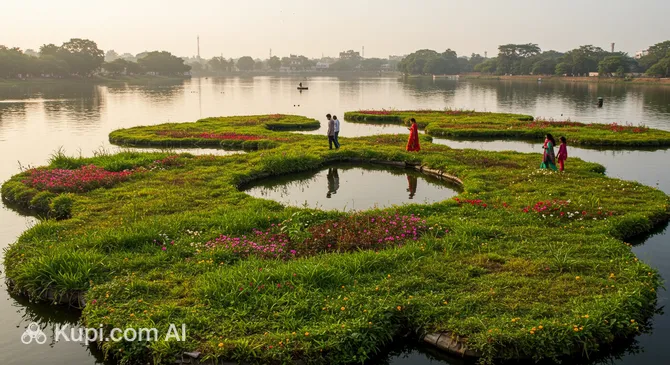
Another unique green space is the Gandhi Sagar Lake Floating Garden. As the name suggests, this attraction is situated on the historic Gandhi Sagar Lake and offers a distinct experience compared to traditional parks. Visitors can enjoy the cool breeze and scenic views of the water, making it a popular destination for families and couples, especially during the sunset hours when the lake reflects the city lights.

Gandhi Sagar Lake Floating Garden. Source: Kupi.Binoculars

When it comes to museums, the city offers fascinating insights into niche history. The Narrow Gauge Rail Museum is a treasure trove for history buffs and train enthusiasts. It showcases a rare collection of steam engines, vintage coaches, and signaling equipment from the era of narrow-gauge railways. The open-air gallery allows visitors to see these mechanical giants up close, while the indoor galleries display photographs and artifacts that narrate the evolution of the Indian railway network.

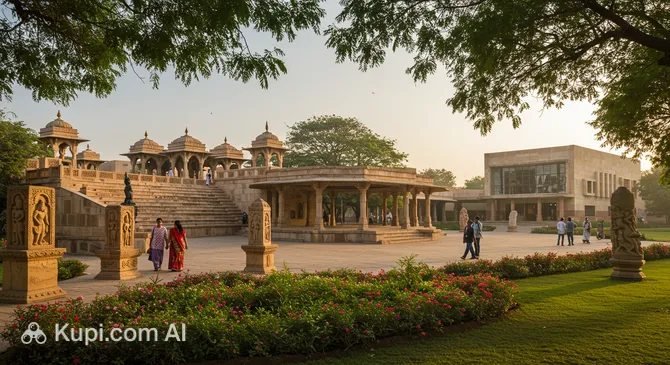
To immerse yourself in the artistic traditions of Central India, a visit to the South Central Zone Cultural Centre is highly recommended. This venue acts as a vibrant hub for promoting traditional arts, crafts, and tribal culture from the region. It frequently hosts art exhibitions, handicraft fairs, and cultural performances, serving as a living gallery that connects visitors with the indigenous heritage of Maharashtra and neighboring states.

South Central Zone Cultural Centre. Source: Kupi.Binoculars

Insider Tip: If you are visiting the Japanese Garden, take some time to explore the winding roads of the surrounding Seminary Hills. It is a favorite spot among locals for jogging and offers panoramic views of the city skyline, particularly beautiful during the golden hour.

Getting Around

Navigating Nagpur has become significantly easier and more comfortable in recent years, thanks to the rapid modernization of its public transport network. The city offers a mix of contemporary rapid transit and traditional road-based options, allowing tourists to choose between speed, cost, and reach. The backbone of this modern system is the Nagpur Metro, locally known as Maha Metro, which provides a fast, air-conditioned, and eco-friendly way to travel between key landmarks, including the airport and the main railway station.

For areas not yet covered by the metro, the city relies on an extensive bus network known as Aapli Bus ("Our Bus"). These red and green buses connect virtually every neighborhood and are the most affordable way to get around. While they can get crowded during peak hours, they are essential for reaching local markets and suburbs. Complementing the buses are the ubiquitous black-and-yellow auto-rickshaws and electric rickshaws (e-rickshaws). These are perfect for short distances or "last-mile" connectivity, taking you from metro stations to your hotel or specific attractions.

The payment system varies depending on the mode of transport. For the Nagpur Metro, you can purchase single-journey QR-code paper tickets at the station counters or ticket vending machines. However, for greater convenience, tourists are advised to use the Maha Card, a smart card that works as a travel wallet and offers fare discounts. Additionally, the official Nagpur Metro app allows you to book tickets on your phone, generating a mobile QR code that you simply scan at the entry gates. Bus fares are typically paid in cash to the conductor on board, so it is wise to carry small change, although efforts are underway to integrate the Common Mobility Card system across buses as well.

Fares in Nagpur are generally very affordable. Metro rides start from as low as ₹5 and go up to around ₹40 depending on the distance, while bus tickets are similarly priced. Auto-rickshaws officially run on meters, but it is common practice to negotiate the fare before starting the journey, especially for unmetered rides. If you prefer a fixed price without the hassle of bargaining, ride-hailing apps like Ola and Uber are widely available and popular. They offer both car and auto-rickshaw options, providing a safe and transparent alternative for getting around the city.

Public transport generally operates from early morning, around 6:00 AM, until late evening, with metro services running until 10:00 PM or 11:00 PM. When using the metro, validation is automated at the gates; simply tap your card or scan your QR code to enter and exit. For buses, hold onto your paper ticket until you disembark, as inspections can occur. A practical tip for tourists is to avoid the "Aapli Bus" during the morning (9:00 AM – 11:00 AM) and evening (5:00 PM – 7:00 PM) rush hours if you want a more comfortable journey.

A special feature of Nagpur’s transport infrastructure that architecture enthusiasts will appreciate is the double-decker viaduct on Wardha Road. This engineering marvel features a three-layer transport system: the existing road at ground level, a flyover for highway traffic on the first level, and the metro line running on the topmost level. Riding the metro on this stretch offers a unique vantage point and is a testament to the city's innovative approach to urban planning.
Accommodation

Where to Stay:

Accommodation in Nagpur caters to a wide spectrum of travelers, ranging from economical lodges for backpackers to upscale hotels for business and leisure visitors. As a major commercial hub, the city boasts a well-developed hospitality sector, ensuring that finding a place to stay that fits your budget and preferences is relatively easy. Whether you are looking for a simple room near transit points or a luxurious suite with modern amenities, the "Orange City" has plenty to offer.

For those who prioritize convenience and accessibility, the areas of Sitabuldi and Ramdaspeth are highly recommended. These neighborhoods are situated close to the railway station and the central business district, making them ideal for tourists who want to be near major markets and transport links. The Sadar area is another popular choice, known for its vibrant atmosphere, dining options, and proximity to the city's nightlife. If you prefer a quieter environment away from the city center, there are several resorts located on the outskirts that offer a more relaxed setting.

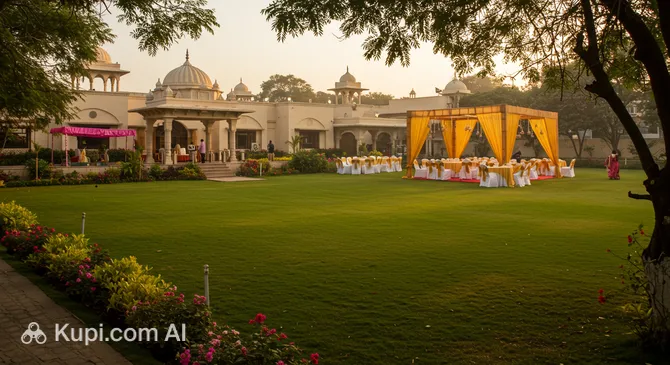
Travelers looking for comfortable lodging might consider Hotel Rahul, which is well-regarded for its convenient location and service. For those seeking a more expansive property, perhaps for an event or a leisurely retreat, Gangotri Resort and Lawn offers a distinct experience with its spacious grounds and amenities.

Gangotri Resort and Lawn. Source: Kupi.Binoculars

Booking Tip: While accommodation is generally available year-round, it is advisable to book your stay in advance if you plan to visit during the winter months (November to February). This is the peak tourist season due to the pleasant weather, and popular hotels can fill up quickly.

The price range for accommodation varies significantly. Budget travelers can find decent rooms starting from very affordable rates, often located near the railway station. Mid-range hotels offer good value with air-conditioning and Wi-Fi, while luxury properties provide premium services at international standards. Most hotels and resorts in the city can be easily booked through major online travel platforms, though calling directly can sometimes secure better deals or specific room requests.

Nearby Cities

For those looking to explore the surroundings, Nagpur serves as an excellent base for day trips to several interesting nearby locations:

One of the most popular short excursions is to Umred, located just a brief drive from the city. This town is the gateway to the Umred Karhandla Wildlife Sanctuary, a rapidly growing favorite among nature enthusiasts and photographers. Known for its significant tiger population, the sanctuary acts as a vital corridor connecting larger reserves like Tadoba and Pench. A visit here offers the thrill of a jungle safari and the chance to spot diverse flora and fauna in a relatively less crowded setting.

For a journey into social history and humanitarian spirit, Warora is a destination of immense significance. It is home to Anandwan, the world-renowned community rehabilitation center established by the legendary social activist Baba Amte. Visitors can tour this self-sufficient village, which empowers leprosy patients and people with disabilities through vocational training and agriculture. It is a deeply inspiring place that showcases the triumph of human resilience and compassion.

City Population Distance (km)
Pandhurna 193,818 76
Warora 72,126 99
Sausar 67,459 64
Umred 53,971 41
Warud 45,482 93

These nearby destinations offer a glimpse into the diverse culture and landscapes of the region.

Shopping & Souvenirs

Shopping:

Nagpur offers a diverse shopping experience that ranges from bustling traditional bazaars to modern air-conditioned malls. As a major trade center in Central India, the city is particularly renowned for its textile industry and agricultural produce. Visitors will find a delightful mix of local handicrafts, high-quality cotton garments, and the region's signature citrus products, making it a rewarding destination for those looking to take a piece of the city home.

The heartbeat of the city's retail scene is undoubtedly Sitabuldi Main Road. This vibrant commercial artery is packed with shops selling everything from fashion and footwear to electronics and books. It is a pedestrian-heavy zone where bargaining is part of the experience, offering a true taste of local commerce. For a more upscale street shopping experience, the Dharampeth area is a popular choice, known for its jewelry showrooms, boutiques, and branded outlets.

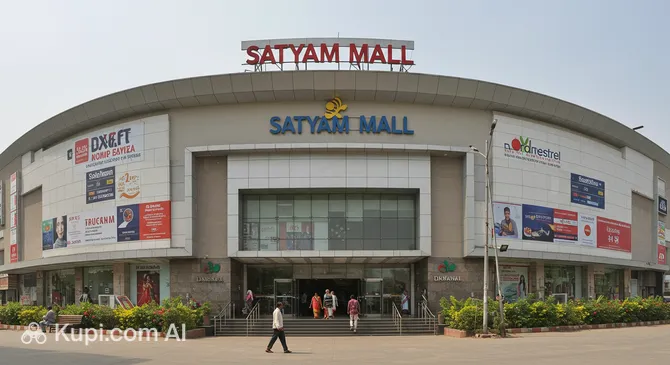
For those who prefer a modern retail environment, the city boasts several large complexes. VR Nagpur is a premier lifestyle destination that houses international fashion brands, entertainment zones, and a variety of dining options under one roof. Another notable spot is Satyam Mall, which caters to shoppers looking for convenience and a curated selection of stores in a comfortable setting.

Satyam Mall. Source: Kupi.Binoculars

Beyond the main streets, the local markets offer a sensory overload of colors and scents. The Cotton Market (Mahatma Phule Market) is the place to witness the city's agricultural bounty, especially famous for the wholesale trade of oranges during the season. It is a lively spot where you can see the hustle of daily life. For textiles, the Gandhibagh wholesale cloth market is the go-to destination for high-quality fabrics and traditional sarees at competitive prices.

No shopping trip here is complete without buying the city's most famous export: Nagpur Oranges. Visitors often buy fresh crates during the winter season or opt for orange-based products like marmalades, squashes, and the famous Orange Barfi sweet. Additionally, since the Vidarbha region is a major cotton producer, buying cotton sarees or handloom fabrics is highly recommended for their quality and durability.

Most shops and malls operate daily from around 11:00 AM to 9:30 PM, though some smaller street stalls may close earlier on Sundays. While shopping malls and larger stores readily accept credit cards and digital payments, cash is still the preferred mode of transaction in street markets and smaller local shops. It is advisable to carry small denominations when exploring bazaars like Sitabuldi.

Tourists should note that tax-free shopping or VAT refunds are not generally available for international visitors in standard retail stores within the city. The prices displayed usually include all applicable taxes (GST), and bargaining is the primary way to secure a better deal in local markets.

Reached the end of the page?

That means the route is fully explored