Support

Hisar

About

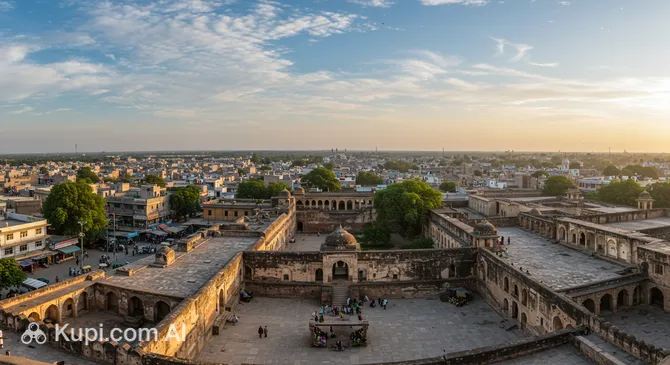
Hisar is a true gem of the state of Haryana, nestled on the vast plains to the west of Delhi. As a vibrant part of India, this city remarkably blends ancient history with the dynamic rhythm of modern life. Thanks to its strategic position at the intersection of trade routes, it has attracted merchants and travelers for centuries.

Hisar. Illustration.
Source: Kupi.com AI

Today, Hisar is known as the "Steel City" and is part of the National Capital Region. Despite its developed industry, the city maintains a cozy atmosphere: ancient palaces and mosques stand alongside new buildings, and bustling markets give way to peaceful recreation areas. Dating back centuries, the history of Hisar has left the city with a rich heritage that is harmoniously woven into the daily life of this administrative center.

Bright impressions await travelers: from walking along the scenic shores of Blue Bird Lake to exploring the region's unique architecture. Hisar is an ideal destination for those who want to immerse themselves in authentic culture, enjoy local cuisine, and experience the sincere hospitality for which the north of the country is famous.

Weather Overview

The climate in this region is characterized by pronounced contrasts, offering travelers completely different conditions depending on the season. Expect sweltering summers with high temperatures and cool, mostly dry winters. To ensure your trip is as comfortable as possible, we recommend checking what weather in Hisar is expected during your planned travel dates.

The hottest period falls in May and June, when the average temperature rises to 33–34°C, and daytime temperatures often reach nearly 40°C. The monsoon season begins in July: this is the wettest month of the year, with up to 18 rainy days recorded, which brings some relief from the summer heat, keeping temperatures around 30–32°C.

Winter here is mild and pleasant for walking, although nights can be quite cold. In December and January, the average temperature is about 13–15°C, while minimum values can drop to 7–8°C. There is practically no precipitation during this time, making the winter months and early spring the most popular time for tourism.

Average monthly temperature

Average monthly precipitation

Interesting Facts

Beyond its main attractions, Hisar holds many fascinating secrets that reveal its character from unexpected angles. Here are a few facts to help you get to know this amazing corner better.

  • 14th-Century Royal Heritage. The city was founded by Sultan Firoz Shah Tughlaq, who built a grand palace complex here. These ancient walls have become the region's hallmark and still capture the imagination with their scale, holding legends of past palace intrigues.

  • The "Steel City." Hisar earned its unofficial nickname due to its status as one of the largest steel production centers, a source of pride for all of India. Despite the abundance of industrial enterprises, the city does not lose its historical charm and cultural richness.

  • A Forge of Talent. This city is known for its significant contribution to science and education. Local universities and research centers attract students from across the country, and Hisar has been the birthplace of many prominent politicians and scientists.

  • Artisan Traditions. One of the city's unique features is its annual festivals dedicated to the harvest and local crafts. During these celebrations, masters demonstrate ancient weaving and pottery techniques, filling the streets with color and music.

How to Get There

When planning a trip to this historical corner of Haryana, it is wise to plan your route in advance. The city has decent transport accessibility, though it lacks direct flight connections with most countries. You can find out more details on how to get to Hisar by exploring various options, but tourists most often choose a combination of a flight to a major hub followed by ground transport.

Hisar itself does not have an active civilian airport handling regular flights, but you can fly into Indira Gandhi International Airport (IATA: DEL) in Delhi. This is the country's main gateway, located approximately 150 km from Hisar. The airport receives flights from all over the world and handles a massive flow of passengers. The journey from there to your destination by taxi or bus takes about 4 hours.

Another option is to use a regional aviation hub. For instance, Chandigarh Airport (IATA: IXC), located in Chandigarh, is about 198 km from Hisar. Domestic flights from other parts of India frequently land here. A car journey from this airport to Hisar takes approximately 5 hours and 15 minutes.

For your convenience, here is a summary of the main airports located relatively nearby:

AirportPassenger trafficDistance
Indira Gandhi International Airport77.8 mln149 km
Bhatinda Airport31 004155 km
Ghaziabad (Hindon)1.8 mln167 km
Ludhiana (Halwara)177 km
Chandigarh Airport3.6 mln198 km

Rail travel is also a popular way to reach the city. Hisar is an important railway junction on the map of North-West India. Trains regularly arrive from Delhi, Jaipur, Ludhiana, and other major cities. Traveling by train is not only budget-friendly but also a colorful way to immerse yourself in the country's atmosphere. The station is located within the city limits, making it a convenient arrival point for tourists wishing to start exploring the sights immediately.

Main Attractions

Hisar is a city with a rich historical past, and it is best to start your journey at the Firoz Shah Palace Complex. This 14th-century architectural ensemble, built of red sandstone, transports travelers back to the days of the Delhi Sultanate. Inside the fortress walls, you will find the famous Lat ki Masjid mosque with a mysterious column reminiscent of the architectural traditions of the Mauryan Empire. This is a must-visit for history buffs wishing to touch the ancient roots of the city.

Another jewel of the region is the Gujri Mahal. This palace was built by Sultan Firoz Shah for his beloved Gujri, a local woman. The building is a massive structure with arched openings and unique underground chambers that once served as a cool refuge during the summer heat. Tourists are drawn here not only by the romantic legend of the palace's creation but also by its austere, majestic beauty that has survived through the centuries.

For those who want to take a break from the city bustle and enjoy nature, Blue Bird Lake is the perfect spot. This picturesque artificial reservoir is surrounded by well-kept parks where you can have a picnic or simply stroll along the embankment. Boating is available, and the place itself is famous for its tranquil atmosphere. The lake is particularly popular with families and those seeking peace without traveling far from the city limits.

Not far from Hisar lies the majestic Agroha Dham temple complex. Although it is located in the suburbs, a visit here is considered an essential part of any trip to the region. The complex is dedicated to the Goddess Mahalakshmi and the legendary King Agrasen. Travelers are struck by the scale of the structure, the exquisite carvings, and the massive pond on the grounds. In the evening, the temple is beautifully illuminated, creating a truly magical atmosphere that attracts pilgrims and tourists from all over the country.

For lovers of panoramic views and modern history, the O.P. Jindal Gyan Kendra is worth a visit. This museum and tall observation tower are located in a beautiful park. Ascending to the top, you can see the city from a bird's-eye view, which is especially impressive at sunset. The museum tells the story of industrial development in the region, harmoniously completing the picture of Hisar as a city where history exists side-by-side with modernity.

Local Cuisine

The culinary traditions of Hisar reflect the soul of Haryana: hearty, simple, and incredibly delicious. Local gastronomy is based on fresh farm products, an abundance of dairy, and the rich aromas of Northern India. For tourists, this is an excellent opportunity to experience authentic vegetarian cuisine, where every dish is prepared with a generous addition of home-ground spices and ghee.

The foundation of many meals here is Basmati rice, which is famous for its quality in this region. It is often cooked with seasonal vegetables and spices, served as a standalone dish or a side. You must try khichdi—a thick and nutritious blend of rice and legumes (usually lentils) that is considered the ultimate "comfort food." You will also find thick lentil soup called dal and various vegetable curries on every menu, traditionally eaten with hot chapati flatbreads.

Street food in Hisar deserves special attention. Walking through the markets, it is impossible to resist the aroma of frying spices. The main street food hits are the crispy samosa with a hot potato and pea filling, and chana chaat—a tangy salad of chickpeas, vegetables, and spicy chutneys. In the evenings, the streets turn into impromptu food fairs where you can snack quickly, tastily, and very affordably.

No meal in Hisar is complete without traditional drinks. Given the hot climate, lassi (buttermilk) is a true savior. This refreshing yogurt-based drink can be sweet or salted with added cumin and mint. Locals are proud of the quality of their milk, so dairy desserts and drinks here have an especially rich, creamy taste.

The food culture in the city is steeped in hospitality. Culinary festivals are often held where travelers can not only taste the region's best dishes but also watch the cooking process. Whether it's a humble roadside dhaba or a cozy family restaurant, you will always be fed heartily and with soul in Hisar, turning an ordinary meal into a small journey through the flavors of Haryana.

Travel Tips

Traveling to Hisar is an immersion into the authentic atmosphere of Haryana, where ancient history is intertwined with modern life. To ensure your trip to this corner, for which India is famous, is as comfortable as possible and free of surprises, we have prepared a list of useful recommendations.

  1. Dress for the Season. Given the sharp continental climate, your wardrobe depends on the time of year. In summer (April–June), loose clothing made of natural cotton or linen in light colors, sunglasses, and a hat are essential. In winter (December–January), evenings can be chilly, so be sure to bring a sweater or light jacket. When visiting temples and mosques, observe the dress code: shoulders and knees should be covered for both men and women.
  2. Transport Nuances. Within the city, auto-rickshaws (tuk-tuks) are the most popular and convenient way to get around. They are maneuverable and accessible, but it's important to agree on the price beforehand, as meters are rarely used. Taxi-hailing apps (like Ola or Uber) may work, but the wait for a car is often long, so it's more reliable to count on local transport.
  3. Cash is Essential. While major hotels and restaurants in Hisar accept international cards, you will need cash (Rupees) in small shops, markets, and for transport fares. ATMs are available in the city, but it's better to always have a supply of small bills for tips and minor purchases. Currency exchange is recommended in Delhi upon arrival or at official banks in the city.
  4. Water and Hygiene. Strictly follow the rule of consuming only factory-sealed bottled water, checking that the cap is intact. Avoid ice in drinks at street cafes. Pharmacies are common in the city, and many basic medicines are available over the counter, but it's better to bring any specific medications with you.
  5. Language Barrier and Connectivity. The main languages are Hindi and the local Haryanvi dialect. English is understood in hotels and tourist spots, but it may be harder to communicate on the street. We recommend downloading offline maps and a translator. It is easiest to get a local SIM card (Airtel, Jio) immediately upon arrival at the international airport, as the registration process for foreigners can take longer within the city itself.
  6. Etiquette and Communication. Locals are friendly but conservative. The traditional "Namaste" greeting (palms pressed together) is always received with respect. Always remove your shoes when entering any home or religious institution. Remember that the left hand is considered "unclean," so you should only pass money, gifts, or eat food with your right hand.
  7. What to Avoid. Refrain from public displays of affection (hugging and kissing), as this is considered inappropriate in traditional society. Also, you should not take photos of locals, especially women, without their prior consent—it may be perceived as rude.
  8. Gastronomic Advice. Haryana is a land of dairy products. While in Hisar, don't miss the chance to try fresh homemade yogurt (dahi) or a glass of cold lassi in a reputable cafe. It's not only delicious but also aids digestion, especially after spicy local food.

Following these simple rules will help you feel confident and safe, allowing you to focus on the main thing—exploring the city's rich heritage and culture. May Hisar be remembered for its hospitality and vibrant colors!

Entertainment & Nightlife

Entertainment and nightlife in Hisar have unique characteristics that set them apart from the bustle of major metropolises. While you won't find noisy nightclubs operating until dawn here, the city offers a cozy atmosphere for evening leisure. Most activity takes place between 7:00 PM and 11:00 PM and is concentrated around lounge bars, restaurants, and family entertainment centers.

The main hubs for those wanting to spend a pleasant evening are several key areas: PLA Shopping Complex, Urban Estate II, as well as Sector 13 and Defence Colony. These locations host the majority of popular cafes and venues where local youth and travelers gather. The atmosphere here is relaxed, and the dress code is usually casual.

If you're looking for a dinner spot with pleasant music and cocktails, head to the Defence Colony area, home to the well-known resto-bar The Soul Kitchen. The establishment is famous for its stylish interior and a diverse menu that blends Indian and European dishes. For more relaxed social gatherings, Double Spoon is a great choice, while those who appreciate high-end service can visit the bars at major hotels like Midtown Grand.

Shopping enthusiasts and those looking for local flavor should take an evening stroll through Rajguru Market. Once the heat subsides, this market comes alive: you can buy souvenirs and sample street food under the evening lights. For those who prefer comfort and air-conditioning, we recommend visiting Sun City Mall. It houses the modern Suncity Cinemas, where you can watch the latest movie releases in a safe and comfortable environment.

Regarding safety and transportation, Hisar is a relatively calm city, but travelers visiting India should not forget basic precautions. At night, it is best to stick to well-lit central streets and avoid the outskirts. Public transport is irregular at night, so it is more reliable to use taxis called via apps (Ola, Uber) or pre-arranged transfers to return to your hotel.

During daylight hours, the city offers other types of recreation. Travelers can visit the Deer Park to relax in the shade of trees and see animals in their natural environment. A visit to the museum and planetarium at the Haryana Agricultural University (HAU) is also informative, offering insights into the scientific and cultural development of the region.

Parks & Museums

Despite its status as a major industrial center, Hisar places great emphasis on ecology and the preservation of cultural heritage. Travelers will find a pleasant balance here: bustling streets give way to the silence of well-kept gardens, and modern buildings stand next to museum halls that house the centuries-old history of the region, of which India is rightfully proud.

Among the city's green zones, O.P. Jindal Park is considered a true jewel. It is an expansive space ideal for family recreation and evening walks. The park's main features are not only its landscape design with musical fountains and jogging tracks but also the tall observation tower located here. Tourists come here to enjoy panoramic views of the city and escape the hustle and bustle surrounded by greenery.

For wildlife lovers, the Deer Park on the outskirts of the city is a mandatory stop. This sanctuary, spanning several hectares, was created to preserve local fauna. Spotted deer (chital), nilgai antelopes, and blackbucks live here in conditions close to their natural habitat. This place offers a rare opportunity to observe animals without cages or bars while enjoying the peace and fresh air.

Another popular spot for residents is Town Park. Located in the heart of Hisar, it serves as the city's "green lungs." Cultural events are often held here, and in the mornings and evenings, the park fills with yoga enthusiasts and joggers. Well-maintained paths, bright flower beds, and artificial waterfalls create an atmosphere of comfort and tranquility amidst the urban landscape.

To dive into the region's history, visit the Jahaj Kothi Museum. The museum building itself is a historical monument from the late 18th century: it once served as the residence of the Irish adventurer George Thomas. The building earned its name ("Ship Palace") due to its unusual shape resembling a vessel. Inside is a unique collection of Jain sculptures and archaeological finds from nearby excavations, including artifacts from the legendary Harappan civilization.

Those interested in ethnography should visit the Museum of the College of Home Science at the Haryana Agricultural University (HAU). The exhibition is dedicated to the rural life and traditions of the state. Here you can see antique utensils, traditional clothing, agricultural tools, and folk art. This museum is an excellent way to understand how people lived on these lands before the era of industrialization.

Insider Tip: After visiting the Jahaj Kothi Museum, pay attention to the surrounding area—remains of ancient gates and a moat have been preserved there. And if you find yourself near the university, take a stroll through its campus: it is one of the greenest and most beautiful university towns in Northern India, where you can see rare plant species in the botanical garden.

Getting Around

The public transport system in Hisar differs from what you might find in major metropolises. There is no metro or tram system here; instead, the city's rhythm is set by road transport. For a tourist, moving around the city is an opportunity to immerse themselves in local color, as the main means of connection between districts are auto-rickshaws and buses.

The most popular and accessible form of transport is the auto-rickshaw (often called a tuk-tuk). These come in two types: private, which work like taxis and take you to a specific address, and shared (shared auto), which run along fixed routes. Shared rickshaws are the most budget-friendly option, where you pay a fixed amount per seat and share the ride with other passengers. This is a great way to get from the bus stand or railway station to the city center.

For short distances, especially in the narrow streets of the old city or within residential blocks, e-rickshaws (electric rickshaws) are ideal. They are eco-friendly, quiet, and very inexpensive. They are a convenient alternative to walking in the heat. Drivers of these vehicles usually know the city well but rarely speak English, so having the destination name written in Hindi or showing a point on a map will be helpful.

The city bus network is operated by the state company Haryana Roadways. Buses connect key points: the Bus Stand, the railway station, university campuses, and major markets. Buses generally do not have air conditioning and can be crowded during peak hours. Tickets are purchased directly on board from the conductor for cash. Fares are very low and depend on the distance.

Regarding fares, cash reigns supreme in Hisar's public transport. There are no unified transport cards or validators. Tourists are strongly advised to always carry a supply of small bills and coins, as rickshaw drivers often don't have change for large banknotes. Some taxis and shops are starting to accept payments via QR codes (UPI), but this requires a local phone number and bank account, so cash remains the most reliable option.

As an alternative to public transport, app-based taxi services like Ola and Uber operate in the city. This is the most comfortable way to travel for tourists accustomed to air conditioning and fixed prices. However, keep in mind that waiting times can be longer than in capital regions, and the number of available cars drops sharply at night.

Transport in the city starts early in the morning, around 6:00 AM, and winds down after 10:00 PM. If you plan a late trip, it's best to arrange a taxi in advance or book a transfer through your hotel. A key tip for travelers using private auto-rickshaws: always agree on the price before boarding. Meters are rarely used here, and the initial price for foreigners may be inflated, so polite bargaining is part of the local transport culture.
Accommodation

When planning a stay in Hisar, it's worth keeping in mind that it is primarily a major business and educational center rather than a classic tourist resort. You are unlikely to find the luxurious palace-hotels typical of neighboring Rajasthan here; however, the city offers a decent selection of accommodation that meets modern comfort standards. The hotel stock mainly consists of mid-range hotels and budget guesthouses catering to business travelers and transit tourists. Apartment rentals and small private guesthouses are also gaining popularity in the city.

When choosing an area to stay, it's important to define the purpose of your visit. For tourists planning active travel around the state of Haryana, it is most convenient to stay near the railway station or the central bus stand. These are busy areas with excellent transport links. If peace, comfort, and proximity to good restaurants are your priorities, we recommend considering the Model Town and Urban Estate areas. These are more prestigious and greener parts of the city, home to modern hotels with the best service.

As Hisar often hosts business conferences, university events, and lavish Indian weddings, the demand for accommodation can spike suddenly. Booking Tip: If your trip falls during the winter season (November to February) or during major festival dates, try to book your room in advance—at least 2–3 weeks ahead—to guarantee the best value for money.

The pricing policy in the city is quite democratic and noticeably lower than in Delhi. Travelers can expect the following categories:

  • Budget segment: Inexpensive lodges and guesthouses offering basic amenities (often without air conditioning, using fans instead).
  • Mid-range: The most common type of accommodation, including air conditioning, Wi-Fi, and often breakfast.
  • Comfort/Business: The city's best hotels featuring restaurants, banquet halls, and 24-hour service.

Accommodation can be booked through popular international and Indian online platforms, as well as directly upon arrival, though online booking often secures a better price.

Nearby Cities

For those looking to explore the surroundings, Hisar serves as an excellent starting point for day trips to several interesting nearby locations:

Hansi is the closest historical town to Hisar, located just a half-hour drive away. It is famous for its ancient Asigarh Fort, also known as Prithviraj Chauhan's Fort, considered one of the most impregnable fortifications in ancient India. A walk through Hansi allows you to touch the region's rich archaeological heritage and see architectural monuments that have survived many eras.

Bhiwani is often called "Little Varanasi" because of the vast number of temples concentrated within its territory. This place attracts pilgrims and lovers of traditional Indian architecture. The city is also famous for its sports culture and is known as the cradle of Indian boxing, but for tourists, it is primarily interesting for its spiritual atmosphere and lively markets.

Fatehabad, like Hisar itself, was founded by Sultan Firoz Shah Tughlaq, so you can trace a consistent architectural style from that era here. The main attraction is the old mosque and the Lat (pillar), which according to legend dates back to the time of Emperor Ashoka. It is a quiet and cozy town, perfect for a peaceful introduction to the history of the state of Haryana.

CityPopulationDistance
Khokha17 90816 km
Hansi86 77024 km
Hariana10 31937 km
Roda11 78444 km
Israin Kalan15 33445 km

These nearby destinations provide a glimpse into the diverse culture and landscapes of the region.

Shopping & Souvenirs

General Overview: Shopping in Hisar is a colorful mix of traditional Indian bazaars and evolving modern retail. While the city doesn't claim to be a fashion capital, you can find authentic goods at very attractive prices here. For tourists, it's a great opportunity to immerse themselves in the local atmosphere, where traditional artisan stalls sit alongside stores of well-known brands.

Main Shopping Areas: The heart of the city's commerce is undoubtedly Rajguru Market. This is a bustling area where life teems from morning until late evening. Clothing, shoe, and accessory stores are concentrated here. A walk through this district is a real adventure that lets you feel the city's pulse. Another important location is Red Square Market, known for its wide selection of electronics, gadgets, and computer hardware.

Shopping Malls: For those who prefer comfortable shopping in air-conditioned spaces, the main attraction is Sun City Mall. This is the largest and most popular shopping complex in the city, featuring both Indian and international clothing brands. Additionally, it has a food court and a cinema, making it an excellent place for family relaxation after shopping.

Markets: Beyond the central shopping streets, Moti Bazaar is well worth a visit. This is the city's oldest market, famous for its textile shops and jewelry stores. You can find high-quality fabrics for sarees and traditional clothing here. Hisar's markets are places where bargaining is expected, so don't hesitate to discuss prices with sellers—it's part of the local culture.

Souvenirs: From a trip to Hisar, it's worth bringing home traditional juttis—leather shoes often decorated with embroidery. Since the city is in Haryana, phulkari style embroidered items—bright shawls and fabrics—are also popular. Don't forget gastronomic souvenirs: local sweets, especially those based on milk and ghee, are famous throughout the surrounding area for their quality.

Hours and Payment: Most shops and markets open around 10:00–11:00 AM and stay open until 9:00 PM. Shopping malls may stay open until 10:00 PM or 11:00 PM. Major stores and malls accept credit cards (Visa, Mastercard) without issues; however, in markets and small shops, cash (Rupees) remains the primary currency. Payment via QR codes is also widespread, but this often requires a local payment app.

Tax Free: The Tax-Free refund system is not common in Hisar. This service is generally only available at major international airports or elite boutiques in metropolises, so you should not count on a VAT refund when shopping in the city's regular stores.

Nearby cities

Reached the end of the page?

That means the route is fully explored