Support

Rohtak

About

Rohtak is a dynamic and distinctive city located in the state of Haryana, just 70 kilometers northwest of New Delhi. As an important part of the National Capital Region, it harmoniously combines its status as a major educational and industrial hub with a deep historical heritage. This is a place where the modern rhythm of life intertwines with echoes of ancient legends mentioned as far back as the Mahabharata.

Geographically, Rohtak stretches across the plains of northern India at an altitude of about 220 meters above sea level. According to census data, it is home to over 400,000 people. The city is known as the region's "educational hub" due to its numerous educational institutions, including Maharshi Dayanand University, which gives it a youthful and energetic atmosphere.
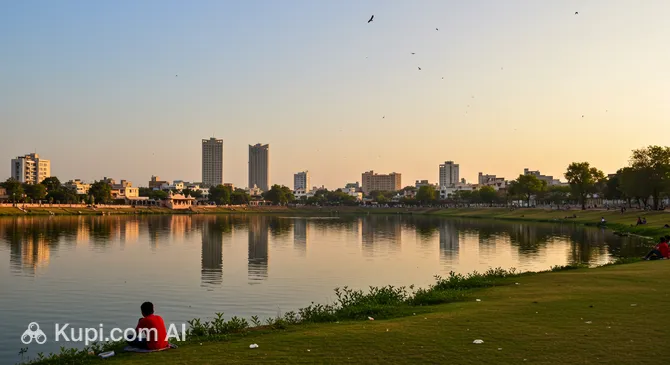
Rohtak. Illustration.
Source: Kupi.com AI

Although the city is not a typical tourist center, its rich historical past attracts researchers and antiquity lovers. Here, one can find old havelis, temples, and mosques that have preserved features of Mughal architecture. Among the city's key features are its importance in the grain and cotton trade, as well as its unique religious shrines.

Visiting Rohtak is a great opportunity to see real, non-tourist life in the state of Haryana, experience the hospitality of the locals, and feel the authentic flavor of the Indian province. It is an ideal stop for those who want to swap the noise of the metropolis for the atmosphere of a developing regional center.

Weather Overview

The climate in Rohtak is distinctly subtropical, typical of the northern plains of India. The city experiences three main seasons: a hot summer, a monsoon period, and a cool, dry winter. When planning a trip, it is worth considering the significant temperature fluctuations throughout the year.

Summer months, especially May and June, can be very hot—the thermometer often rises to +39°C...+45°C. From July to September, the monsoons arrive, bringing heavy rains and high humidity; July is considered the wettest month. Winter in Rohtak (from December to February) is quite comfortable: the average January temperature is around +13°C, although it can cool down to +6°C...+8°C at night.

For the most pleasant walks, it's better to choose the period from October to March, when the weather is sunny and moderately warm. Be sure to check the current city climate before leaving to choose your wardrobe correctly. Expect a hot summer with occasional dust storms and a refreshing, dry winter that is perfect for sightseeing.

Average monthly temperature

Average monthly precipitation

Interesting Facts

  • Ancient Origins: The city was founded by Raja Rohtas of the Panwar Rajput dynasty and was originally called Rohtasgarh, which translates to "Fort of Rohtas."

  • Sanskrit Connection: It is believed that the city's modern name comes from the Sanskrit word Rohitaka—the name of a tree whose forests once covered this entire territory.

  • Spiritual Heritage: The city is home to the famous Baba Mast Nath monastery, founded in 1731, which remains one of the most important religious centers in the state of Haryana.

  • Mention in Chronicles: Rohtak appears in the famous Mughal-era treatise "Ain-i-Akbari" as an important administrative unit of the Delhi region with its own brick fortress.

  • Educational Giant: Today, the city ranks sixth in the state by population and is officially recognized as the main educational hub of Haryana.

How to Get There

Rohtak boasts excellent transport accessibility, making it a convenient destination for travelers arriving from the capital or neighboring states. The city is integrated into the National Capital network, so getting here is easy by both public and private transport.

The nearest major air hub is Indira Gandhi International Airport (DEL) in Delhi, located about 70-80 kilometers away. This is one of the largest airports in the world, receiving flights from all corners of the globe. From the airport to Rohtak, you can take a taxi in about 2 hours, or use an intercity bus or train from the capital's center.

AirportPassenger trafficDistance
Indira Gandhi International Airport77.8 mln61 km
Hindon Airport83 96475 km
Ghaziabad (Hindon)1.8 mln77 km
Ambala165 km
Aligarh Airport1 239190 km

Rail travel is one of the most popular and economical ways to travel. Rohtak Junction is an important hub on the Delhi-Firozpur line. Regular trains connect the city with New Delhi (travel time is 1 to 1.5 hours), as well as with Chandigarh and other major cities in northern India.

For those planning a route to Rohtak by car, the main way is National Highway NH 9. The drive from Delhi usually takes about 2 hours, though possible traffic jams during peak hours when leaving the metropolis should be considered. Also, frequent bus services run between the cities of Haryana, operated by the state company Haryana Roadways.

Main Attractions

Although the city is primarily a business and educational hub, Rohtak offers travelers several interesting locations for relaxation and getting to know the local culture. The main landmarks here are well-kept parks and ancient religious complexes that serve as islands of tranquility amidst the urban bustle.

One of the most picturesque places is the Rose Garden (MDU), located on the university grounds. This space attracts visitors with its abundance of flowers and tidy alleys, perfect for leisurely strolls. Another popular spot for family leisure is Mansarovar Park—a central green zone where locals love to spend their evenings.

For those who want to touch the spiritual life of the region, the Baba Mast Nath Monastery, founded in the 18th century, is a must-visit. This monastery is an important center for followers of Nath Yoga. Also noteworthy is the ancient Dini Mosque, whose history dates back to 1140, and the archaeological excavations at Khokra Kot hill, where ancient sculptures and artifacts were found.

If you want to get a taste of local life, stop by Shri Balaji Chat Bhandar. This is a popular spot where you can try traditional Indian snacks and experience the city's true gastronomic flavor. The combination of Rohtasgarh's historical ruins and modern public spaces makes Rohtak an interesting point on the map of Haryana.

Local Cuisine

The gastronomic culture of Rohtak is a vibrant reflection of the culinary traditions of the state of Haryana. Local cuisine is simple, hearty, and based on fresh agricultural products. The diet's foundation consists of grains, especially wheat, as well as an abundance of dairy products for which this region is famous.

You should definitely try the traditional roti flatbreads, which are often served here with saag (a dish of greens, most often spinach or mustard) and homemade butter. Also popular are dal (a thick legume soup) and badi—fermented flour cakes. Among meat dishes, which are less common and mainly found in specialized establishments, chicken or mutton curries stand out.

If you want to have a snack in an unusual setting, check out the Jail House Cafe—a themed establishment that has become popular among local youth. For those who prefer familiar flavors, a fast-food restaurant of a well-known global chain operates in the city. However, the true spirit of the city is best conveyed by street food: try chaat (savory snacks) or hot samosas at local markets.

Regarding drinks, lassi is drunk everywhere in Rohtak—a refreshing yogurt drink that can be either sweet or salty. And, of course, it's impossible to imagine a day without a cup of strong masala chai with spices and milk. Remember that when buying food on the street, it's better to favor places with a long queue of locals, which is the best guarantee of the products' freshness.

Travel Tips

A trip to Rohtak is a great chance to see the real India without tourist filters. To make your trip comfortable and leave only pleasant impressions, check out these practical tips.

  1. Clothing and Items: Choose light clothing made of natural fabrics for the hot summer, but be sure to bring warm clothes (a sweater or light jacket) if you plan a visit in December or January. When visiting religious sites (monasteries and temples), remember the dress code: shoulders and knees should be covered.
  2. Transport: For getting around the city, auto-rickshaws are most convenient, but for long-distance trips or to Delhi, it's better to choose trains or taxis ordered through official apps. Be prepared for traffic jams during peak hours.
  3. Finances: The official currency is the Indian rupee. Large shops and hotels accept cards, but in markets and rickshaws, you will need cash. ATMs are easy to find in central areas and near banks.
  4. Health and Safety: Drink only bottled water and avoid ice in street drinks. During the dry season, the city can be dusty, so allergy sufferers should carry a protective mask. In crowds at markets, keep a close eye on your belongings.
  5. Communication: The main language is Hindi, but in universities and major hotels, staff speak English reasonably well. Installing a local SIM card will help you stay connected and use navigation.
  6. Local Etiquette: Locals are friendly but value modesty in behavior. Always remove your shoes before entering temples or private homes. The traditional greeting "Namaste" will be met with warmth.
  7. What to Avoid: It's not advisable to walk alone on the outskirts of the city or in industrial zones after dark. Also, refrain from harsh criticism of local customs or political topics in conversations.
  8. Useful Tip: If you have free time, be sure to visit Tilyar Lake—it's the best place in the area for a reset and quiet relaxation in nature.

Observing these simple rules will help you feel the hospitality of Haryana and make your stay in Rohtak as productive and interesting as possible. Have a great trip!

Entertainment & Nightlife

The entertainment scene in Rohtak is primarily geared toward locals and the large student population, so it lacks the capital's polish but is filled with a sincere atmosphere. Nightlife here is fairly quiet and concentrated mainly in establishments within hotels or modern cafes, as the city maintains a traditional provincial way of life.

For those looking for a place to spend an evening with friends, establishments like the Two Brothers Bar or Nectar Bar & Brewery are open. They offer a good selection of drinks and snacks, and the atmosphere is conducive to socializing. Most activity in such places occurs in the evening hours, but it's worth noting that most establishments close fairly early.

Daytime entertainment includes visiting local cinemas showing Bollywood's latest releases and strolling through bustling markets in the city center. Youth often gather in modern coffee shops and restaurants near the university campus. If you crave large-scale parties or world-class nightclubs, Rohtak residents usually head to nearby Delhi, which can be quickly reached by taxi or train.

Safety in the city is at a decent level, though for night walks, it's better to choose central, well-lit streets or the university campus area. For travel after dark, it's recommended to use official taxi apps or the services of trusted carriers.

Parks & Museums

The green zones of Rohtak are an important part of the urban environment, offering residents and guests a break from the industrial landscape. Although the city is quite densely built up, there are several iconic spots on its map where you can enjoy peace and nature. This primarily applies to the grounds of large educational and religious complexes.

The city's main ornament is considered the Rose Garden (MDU), located on the Maharshi Dayanand University campus. It houses an impressive collection of rose varieties, and its walking paths and benches make it an ideal place for photo shoots and quiet reflection. Another important public space is Mansarovar Park, which serves as a magnet for locals' morning jogs and evening strolls.

Regarding cultural sites, historical shrines fulfill the role of museums in Rohtak. The Baba Mast Nath religious complex is a veritable open-air museum where one can study temple architecture and learn about ascetic traditions. Also of interest are the ruins of the ancient Rohtasgarh fortress, which allow one to imagine the city's scale in past centuries.

Lovers of outdoor activities should head to Tilyar Lake, located near the city. This is a popular recreation area with a park where you can go boating and visit a small zoo. The combination of such recreational zones makes Rohtak a comfortable place for those seeking a balance between the urban rhythm and proximity to nature.

Getting Around

The transport system in Rohtak is typical of a large Indian city within the capital region. Travel within and outside the city is organized efficiently enough, though travelers should be prepared for heavy traffic and a busy atmosphere on the roads during peak hours.

The backbone of public transport consists of state buses from the Haryana Roadways company, which connect Rohtak with Delhi and other cities in the state. Within the city, the most popular means of transport are auto-rickshaws and taxis. Rickshaws are the fastest way to cover short distances, but the fare should be negotiated in advance if a meter is not installed in the vehicle.

For more comfortable trips, it's recommended to use mobile taxi-hailing apps popular in India. This guarantees a fixed cost and a higher level of service. Rohtak Junction railway station also plays a role in "intracity" transport for those who need to reach the outskirts or neighboring settlements.

Pedestrian accessibility in the city center is acceptable, though sidewalks can be crowded with vendors. If you plan to use buses, try to avoid traveling during peak hours (from 8 to 10 AM and from 5 to 8 PM), when transport can be overcrowded. Overall, thanks to its status as a regional hub, the city's infrastructure is constantly improving, making travel more convenient for tourists.

Accommodation

Although Rohtak is not a mass tourist destination, it offers a decent selection of accommodation options, primarily catering to business travelers, transit tourists, and students' families. Most accommodation is concentrated in the city center, near the railway station and educational clusters.

For those who value comfort and modern service, The Catalina Hotel is an excellent option. This establishment offers high-quality rooms and a range of services that meet international standards. If you are looking for a place to relax in a quieter setting, you should check out the Tilyar Hotel and Resort, which is located in a recreational area and is suitable for long stays.

Budget travelers will find many small guesthouses and economy-class hotels in the area of the Rohtak station. Prices here are very affordable, though the level of service will be basic. If you plan a visit during major university events or festivals, it's recommended to book accommodation in advance through popular online services, as the best options fill up quickly.

In residential areas of the city, one can also find apartments for long-term rental, which is convenient for those coming to Rohtak for business or study. Overall, the city's hotel infrastructure is actively developing, offering more and more high-quality options for stay.

Nearby Cities

Thanks to its location in the heart of Haryana, Rohtak serves as an excellent starting point for exploring the surroundings and visiting the historical cities of northern India. Just a few dozen kilometers from the city are places that preserve the memory of ancient eras and significant events.

One of the nearest interesting destinations is Kalanaur, located just 22 km away. This small town is known for its old temples and architecture reflecting the local flavor. It's also worth visiting Gokana (Gohana)—a city with a rich history, famous for its traditional sweets and bustling shopping streets. Another option for a short trip is Meham, where historical stepwells (baolis) and ruins from the Mughal era have been preserved.

CityPopulationDistance
Kalanaur17 06822 km
Zafargarh9 69824 km
Gohana65 70828 km
Meham9 95831 km
Barahi10 18933 km

For a larger-scale journey, Delhi is ideal, reachable in about an hour and a half to two hours. Also within a day trip's reach are the cities of Panipat and Bhiwani, each possessing a unique historical heritage. Traveling between them is most convenient by suburban trains or regular buses, which run frequently.

Exploring nearby settlements will allow you to see the diversity of Haryana's landscapes and dive deeper into the atmosphere of this region. Don't be afraid to turn off the main highways—it's often in small towns that the most interesting and authentic corners of the country are hidden.

Shopping & Souvenirs

Shopping in Rohtak is primarily about visiting traditional Indian markets where life bustles from early morning until late evening. Unlike metropolises with their massive shopping malls, colorful bazaars predominate here, where you can find everything from fresh spices to local artisanal products.

The city's central markets are famous for their wide selection of quality textiles and cotton fabrics, as the region is a major cotton production center. It's worth checking out the shopping rows near the railway station and the old part of the city, where traditional outfits such as sarees and kurta-pyjamas are sold. Also, Rohtak is known for its grain trade, and at local food markets, you can purchase rare varieties of Indian spices and nuts.

For those seeking modern shopping, small shopping complexes and branded stores operate in the university district and on central streets. If you want a snack while shopping, numerous stalls are at your service, for example, Shri Balaji Chat Bhandar, which sells traditional snacks. If you prefer the format of chain establishments, you'll also find a familiar fast-food restaurant in the city.

As souvenirs from Rohtak, people typically bring home handmade items, wooden crafts, or local sweets. Shops usually operate from 10:00 AM to 8:00 PM; Sunday may be a day off for some stalls. Cards and mobile payments are accepted at large markets and stores, but at small bazaars, it's always useful to have cash rupees on hand.

Reached the end of the page?

That means the route is fully explored