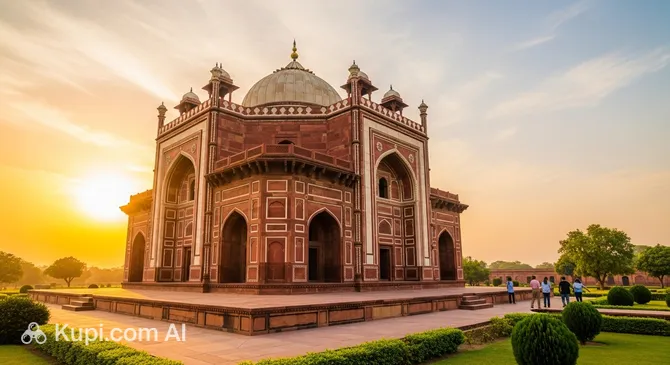
Sonipat is a dynamically developing industrial center located in the state of Haryana in northern India. The city is an important part of the National Capital Region and is situated just 45 kilometers from New Delhi. Despite its modern status as an industrial hub, the city has deep roots reaching back to ancient times, which is reflected in the rich history of the city.
Sonipat. Illustration.
Source: Kupi.com AI
Geographically, Sonipat is spread across a plain near the banks of the sacred Yamuna River. Today, it is home to nearly 300,000 people, and its atmosphere is a colorful mix of bustling industrial quarters, modern residential sectors, and traditional Indian markets. The city lives at the pace of a major capital suburb, attracting thousands of people with job opportunities and its convenient location.
For the traveler, Sonipat is primarily interesting as an authentic slice of life in modern northern India. Here, you can see the ruins of ancient mosques, such as the Mosque of Abdullah Nasir-ud-din, or visit the unique ethnic resort Chokhi Dhani, which introduces guests to the culture of Rajasthan. A visit to this city is an excellent addition to a route through the northern states for those who want to see India beyond the standard tourist trails.
Weather Overview
Sonipat's climate is typical for northern India and is characterized by distinct seasonality. Throughout the year, the city experiences three main periods: a hot summer, a wet monsoon season, and a cool winter. Travelers should take into account that the region's industrial status, combined with its proximity to the capital, sometimes leads to smog and increased dust, especially during the dry months.
Summer in the city begins in April and peaks in May and June, when temperatures can rise to an extreme 40-45°C. Expect very hot weather with rare precipitation during this period. From July to September, the monsoon season arrives, bringing long-awaited coolness but also a significant amount of rain—up to 200 mm of precipitation falls in July. A detailed forecast and current weather in Sonipat will help you better plan your travel dates.
The most comfortable time to visit is considered to be the months from October to March. During this period, the weather is dry and sunny. Daytime temperatures stay at a pleasant 20-25°C, while at night in December and January, they can drop to 5-8°C. Winter is the ideal time for walking and sightseeing without the exhausting heat.
Average monthly temperature
Average monthly precipitation
Interesting Facts
Sonipat is a city with a fascinating past and an important present. Here are a few facts to help you get to know it better:
Ancient Heritage: The city is mentioned in the great epic "Mahabharata" under the name Shonaprastha. It is believed to be one of the five cities founded by the legendary Pandava brothers around 1500 BC.
Golden Name: The name Sonipat comes from the Sanskrit word "Suvarna Prastha," which translates to "Golden Place."
Bicycle Capital: The city is one of the largest bicycle manufacturing centers in India. Local factories supply two-wheeled transport not only to the entire country but also export their products abroad.
Course Change: In ancient times, the city stood right on the banks of the Yamuna River; however, over time, the river changed its course and now flows approximately 14 kilometers east of Sonipat.
Industrial Growth: Sonipat district was officially formed only in 1972, having been carved out of the Rohtak district, and has since transformed into a powerful industrial hub.
How to Get There
Sonipat boasts excellent transport accessibility due to its strategic location on the path from Delhi to the country's northern states. The main artery connecting the city to the outside world is the NH-44 (Grand Trunk Road) expressway. Driving from the capital usually takes about an hour and a half, though travel time can increase during peak hours due to heavy traffic. You can learn more about the best ways to get to Sonipat in specialized transport guides.
The nearest major air hub is Indira Gandhi International Airport (DEL) in Delhi, located about 50 kilometers away. From the airport, it is most convenient to reach Sonipat by taxi or by booking a transfer through mobile apps. Additionally, intercity buses regularly run from Delhi, departing from the Kashmere Gate bus terminal.
Railway communication is one of the fastest and most reliable ways to travel. Sonipat Junction station is an important point on the Delhi–Ambala line. Trains run frequently, and the journey from Delhi Central station takes a little over an hour. This is an ideal option for those who want to avoid traffic jams when leaving the metropolis.
Station
Passenger traffic
Distance
Sarai Rohilla railway station
8
40 km
Delhi Junction railway station
11
42 km
New Delhi railway station
27
44 km
Anand Vihar Terminal
11
48 km
Hazrat Nizamuddin railway station
14
51 km
Main Attractions
While Sonipat is primarily known as an industrial giant, several interesting locations are hidden within its limits and surroundings. One of the most significant historical shrines is the Mosque of Abdullah Nasir-ud-din, built back in the 13th century. This site attracts architecture enthusiasts with its ancient walls that hold the memory of many centuries of the region's life. Also worth noting is the Tomb of Khwaja Khizr, which is an elegant example of medieval architecture.
For those seeking vivid impressions and cultural immersion, Chokhi Dhani is a must-visit. This themed resort village recreates the atmosphere of traditional Rajasthan. Here, you can watch performances by folk groups, ride camels, and try authentic dishes, making it an ideal place for family vacations and evening leisure.
The spiritual life of the city is embodied in modern temple complexes such as the ISKCON Bhakti Center and the majestic Shiva Temple. These places offer a sense of tranquility amidst the city's hustle and bustle and allow visitors to get acquainted with the religious traditions of the local residents. Nature lovers should head to Karna Lake, which serves as a popular spot for outdoor recreation and picnics.
Local Cuisine
Sonipat's gastronomy is a classic embodiment of Haryana cuisine, where fresh farm products, grains, and an abundance of dairy products play a leading role. The local diet is based on various types of flatbreads (roti), served with thick lentil soup (dal) or seasonal vegetables. A particularly popular dish is saag—made from spinach or mustard greens, seasoned with aromatic butter.
If you want to try something truly famous, head to Murthal, located on the outskirts of the city. Here you will find legendary roadside eateries, such as Amrik Sukhdev. This place is famous for its parathas (stuffed flatbreads), which are served with huge portions of white homemade butter. Complete your meal with a glass of thick, sweet lassi or a cup of spicy masala tea.
Street food in Sonipat is represented by many snack bars preparing crispy samosas and spicy chaats. For those who prefer a more refined setting, there are restaurants at major shopping areas offering Punjabi and Rajasthani cuisine. It is worth remembering that vegetarian dishes prevail in the region, although succulent tandoori chicken or kebabs can always be found in specialized establishments.
Travel Tips
A trip to Sonipat will allow you to see the industrial heart of the region, and these practical tips will help make your visit comfortable and safe.
Clothing and Dress Code: Choose light clothing made from natural fabrics for summer and be sure to take warm clothes (a jacket or sweater) for winter evenings. When visiting temples like ISKCON, dress modestly: shoulders and knees should be covered.
Getting Around: For long-distance trips, use Uber or Ola—it is more reliable and eliminates the need to haggle. For short trips, colorful auto-rickshaws are the best choice.
Finances: The official currency is the Indian Rupee. Large stores accept cards, but always carry small denomination cash for markets and rickshaws. ATMs are easy to find in central areas and shopping zones.
Health and Hygiene: Drink only bottled water and avoid ice in drinks at street cafes. During the dry season, the city can be dusty, so allergy sufferers should carry a protective mask.
Language and Communication: The main language is Hindi, but many hotel staff and young people speak English. Knowing a few phrases in Hindi, such as "Namaste" (hello) or "Dhanyavad" (thank you), will earn you the sympathy of the locals.
Safety: Sonipat is safe during the day, but in the evening it is better to avoid walking in sparsely populated industrial areas or on the outskirts. Women are recommended to travel in a group.
Etiquette: Be sure to remove your shoes when entering homes and temples. Do not use your left hand to pass food or money, as this is considered impolite.
Connectivity: It is best to buy a local SIM card at official mobile shops in the city center; a passport and photo will be required for registration.
May your introduction to Sonipat be filled with interesting discoveries and only positive emotions!
Entertainment & Nightlife
Nightlife in Sonipat is quiet and predominantly family-oriented, as the city is focused on the industrial sector. It is difficult to find classic nightclubs or bars with loud parties here—for that kind of entertainment, locals usually head to neighboring Delhi. Main evening activities are concentrated in restaurants at major hotels and within ethnic complexes.
The most notable place for evening leisure is Chokhi Dhani, where cultural shows, dance performances, and traditional-style fairs are regularly held. This place attracts both tourists and city dwellers looking to spend an evening in a festive atmosphere. Otherwise, entertainment is limited to visiting modern cinemas showing the latest Bollywood releases and strolling through illuminated markets.
During the day, Sonipat residents prefer to relax in small parks or visit the shopping rows of the Sector 14 Market. On weekends, trips to nature by the lake or visits to temple complexes are popular. Safety in the city is at a decent level, but for nighttime travel, it is recommended to use verified taxi services such as Uber or Ola.
Parks & Museums
Sonipat's green zones and cultural institutions reflect its industrial and agricultural character. There are no massive historical museums here, but the city offers several pleasant places for walking. The main natural site is Karna Lake. This is a picturesque location with well-maintained paths where you can rent a boat or simply enjoy the silence away from the noisy industrial quarters.
Within the city itself, park areas are small and often adjacent to religious sites. For example, the area around Baba Dham Mandir delights visitors with well-kept gardens and a peaceful atmosphere. Small squares can also be found in residential sectors, such as Sector 14, which serve as meeting places for local residents in the evening.
While Sonipat has not yet acquired major art galleries, ethnic complexes serve the role of cultural centers, demonstrating the crafts and lifestyle of the region. Travelers wishing to see large-scale parks or rich exhibitions are recommended to take a short trip to neighboring Delhi, where the choice of museums and gardens is virtually limitless.
Getting Around
Sonipat's transport system is oriented toward providing links between residential areas and industrial zones, as well as transit transport towards Delhi. The main form of public transport is the Haryana Roadways state buses, which run on regular routes. They connect the city not only with its outskirts but also with neighboring settlements in the state.
For travel over short distances within the city, locals and tourists most often use auto-rickshaws and more eco-friendly cycle-rickshaws. This is the most maneuverable transport in the conditions of narrow streets and market hustle. The price of a trip with a rickshaw should be agreed upon in advance, as meters are rarely used. Taxi-hailing services through apps also work well in the city, providing a more comfortable option in hot weather.
The railway is an important element of city logistics. Trains through Sonipat Junction run every 15–30 minutes, making the rail connection the most popular way to reach the capital. There are future plans to extend the Delhi Metro lines to Sonipat, which should significantly simplify travel and reduce the load on highways.
Accommodation
Accommodation options in Sonipat are primarily geared towards business travelers and those visiting the city for work purposes. Mid-range hotels and budget guesthouses predominate here. Most hotels are concentrated along the main NH-44 highway and in central areas like Sector 14, providing convenient access to transport links.
For those looking for a unique experience, staying in the ethnic cottages of the Chokhi Dhani complex is an excellent choice. This is perhaps the most colorful option in the city, allowing you to immerse yourself in the atmosphere of rural India without sacrificing comfort. In the central part of the city, you can also find modern chain hotels offering a standard range of services for tourists and business people.
Housing prices in Sonipat remain very affordable compared to Delhi. A budget room in a clean guesthouse is inexpensive, and it is recommended to book in advance through popular online services, especially if your trip coincides with major regional holidays or exhibitions. Apartments in new residential complexes are also available for long-term stays.
Nearby Cities
Sonipat is an excellent starting point for exploring the northern regions of the country, thanks to its location on the main highway. Proximity to the capital makes quick trips to Delhi possible for shopping and visiting great architectural monuments. However, there are also several interesting settlements in the immediate vicinity of Sonipat that are worth attention.
Just 17 kilometers away is the town of Narela, which is formally part of the capital district and attracts visitors with its large-scale markets. A little further is Alipur, known for its green farms and recreation areas. It is also worth visiting Samalkha or the town of Kayt to see the everyday life of provincial Haryana.
For a longer trip north, the city of Kurukshetra is ideal—the site of the great battle described in ancient texts. All these destinations are easily accessible by train or car, allowing you to plan rich one-day itineraries and return to Sonipat by evening.
Shopping & Souvenirs
Shopping in Sonipat is primarily about visiting bustling local markets where you can experience the true flavor of northern India. The main shopping area is Sector 14 Market. It offers a wide selection of clothing, textiles, and household goods. This place is ideal for seeing how locals shop and for purchasing high-quality fabrics at affordable prices.
The city is famous for its manufacturing, so brassware and handmade textiles are often brought from here as practical souvenirs. Also worth noting are natural product stores, such as Patanjali Swadeshi Kendra, where you can find Ayurvedic remedies, natural cosmetics, and organic food products. Traditional Indian sweets in gift packaging make excellent treats for loved ones.
There are few large Western-style shopping and entertainment centers in the city, and residents often go to Delhi for branded items. Sonipat's markets usually operate from morning until late evening, though Sunday may be a day off for some shops. Payment in most places is made in cash, although large stores and pharmacies actively accept bank cards and mobile payments.