Support

Firoz Shah Palace Complex

About

The Firoz Shah Palace Complex is a majestic historical structure located in the city of Hisar, India. Founded in 1354 by Sultan Firoz Shah Tughlaq of the Delhi Sultanate, this complex originally served as a powerful fortified outpost. The name of the city itself means "fort" in Arabic, emphasizing the defensive nature of the site, which was surrounded by a deep moat and massive walls.
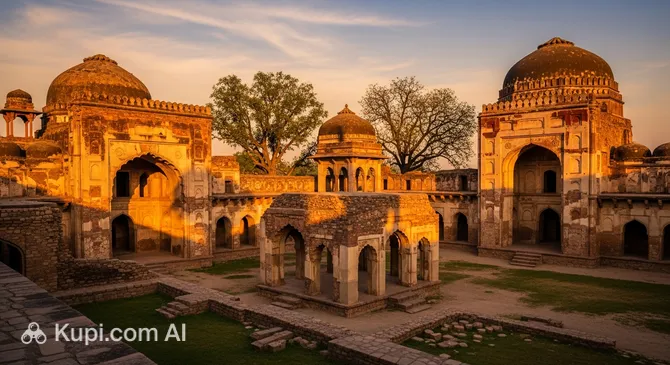
Firoz Shah Palace Complex
Firoz Shah Palace Complex. Иллюстрация. Источник: Kupi.com AI

The architectural ensemble, which includes the famous Gujari Mahal, is a striking example of Islamic architecture from the Tughlaq era. In its appearance, the stern power of the fortification walls harmoniously combines with the elegance of the inner chambers and mosques. The entrance to the citadel was once guarded by four gates: Delhi, Mori, Nagori, and Talaki, named after the directions to neighboring cities.

Today, this complex remains one of the most significant landmarks in the state of Haryana. It transports visitors back to the times of medieval grandeur, allowing them to touch the stones that witnessed the rise of Hisar as a regional capital center and an important administrative hub of the empire.

Contacts

For those planning a visit, the basic contact information is provided below. Please note that the site is an historical monument open to the air, so direct communication channels like phone or email may not be listed in directories.

How to contactContact
Address5P8C+F65, NH 10, opp. Bus Stand, opposite the, Shastri Nagar, Hisar, Haryana 125001, Индия

What to Do

A stroll through the grounds of the palace complex allows you to personally appreciate the skill of medieval engineers. Visitors can explore the remains of grand halls, massive walls, and mosques. Of particular interest is the Ashoka Pillar, which was discovered here and bears witness to the site's ancient history predating the Sultanate itself.

It is an ideal spot for fans of architectural photography and thoughtful walks. You can see how the fort's strategic military importance was blended with the rulers' aesthetics while studying the details of Gujari Mahal. It is recommended to spend time examining the ancient structures and stone columns that create a unique atmosphere of India's ancient heritage.

Getting There

The attraction is located in the central part of the city at: NH 10, Shastri Nagar. The main landmark for tourists is the city Bus Stand, located directly across from the complex entrance, making it extremely accessible for travelers using public transport.

If you are traveling from other regions or the capital, it is most convenient to use a car or a regular bus traveling along the national highway NH 10, which connects Delhi and other major centers with the city. Within the city limits, the fort is easily reached by taxi or local rickshaws. It is recommended to use navigation apps to quickly find your way through the streets and locate the main gates of the complex.

Ближайший город: Hisar

History & Facts

The construction of Hisar-e-Firoza (Firoz's Fortress) began in 1354 under the personal supervision of Sultan Firoz Shah Tughlaq. The process took over two years, during which a true fortified oasis rose on the arid lands. The Sultan ordered the construction of special canals from the Yamuna River, which not only provided the garrison with water but also gave a powerful boost to agriculture in the region.

A surprising fact is that materials from even older structures were used in the fort's construction. This is how the Ashoka Pillar ended up on the fort's grounds, becoming a silent witness to the continuity of eras. Archaeological research confirms that this area was inhabited as far back as the Harappan civilization, making the region's cultural layers incredibly deep.

The city was originally conceived as a multifunctional center: it combined the roles of an administrative hub, a military garrison, and a trade crossroads. Such strategic planning allowed the region to prosper for many centuries under the protection of powerful walls, which today still remind us of the greatness of the Tughlaq dynasty.

Time Needed

To leisurely explore all the key architectural sites and soak in the historical atmosphere, it usually takes about 2 to 3 hours. This is quite enough time to study the ancient halls and relax in the shade of the massive walls.

If you are seriously interested in archaeology or photography, plan your visit with a bit more time. The play of light and shadow on the ancient stone facades at different times of the day allows for unique shots and a detailed look at the craftsmanship of medieval builders.

Working Hours

The complex is open to visitors daily, from Monday to Sunday. The fort gates are open to tourists from 09:00 AM to 05:30 PM. This is the standard operating schedule for most historical monuments protected by archaeological services.

Since the schedule may change due to public holidays, it is recommended to check for updated information on the region's official tourism resources before your trip.

09:00–17:30

Nearby

Exploring the fort's surroundings can significantly enrich your experience of visiting this region. Around the ancient complex, there are many historical gates and bustling market squares that have preserved the spirit of the old city.

Below are some interesting sites located in close proximity to the palace:

NameDistance
O. P. Jindal Park0.2 km
Valmiki Chowk0.8 km
Red Square Market1 km
Maharaja Agrasen Bhawan1.1 km
Blue Bird Lake1.3 km
Millennium Palace and Resort1.4 km
OP Jindal Gyan Kendra1.7 km

Reached the end of the page?

That means the route is fully explored