Support

Ganga state Museum(गंगा राजकीय संग्रहालय)

About

When you find yourself in the colorful state of Rajasthan, it is impossible to pass by such a significant landmark as the Ganga Government Museum. Located in the city of Bikaner, this museum is rightfully considered one of the best in the region. It was founded in 1937 to commemorate the 50th anniversary of Maharaja Ganga Singh's reign and has since carefully preserved the cultural code of this part of India.
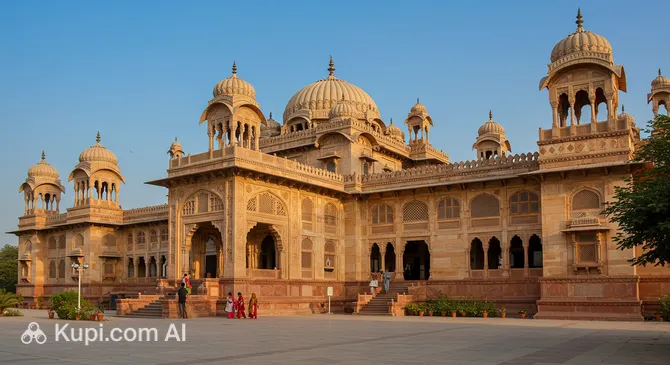
Ganga State Museum
Ganga State Museum. Иллюстрация. Источник: Kupi.com AI

A vast panorama of history unfolds before guests in the museum halls: from ancient archaeological finds to exquisite items of royal life. Here you can see rare Rajput miniatures from various art schools and unique models of vintage trains and palaces. A special pride of the collection is a silk robe that once belonged to Prince Salim, the son of Emperor Akbar.

The building housing the exhibition today is an architectural monument from the mid-20th century in its own right. Visiting this place is not just about browsing display cases; it is a true immersion into the atmosphere of former grandeur and the aristocratic spirit for which this desert land has always been famous.

Contacts

To clarify details before your visit, you can use the following information:

How to contactContact
Address288H+VCM, Museum Rd, Civil Lines, Bikaner, Rajasthan 334001, India

What to Do

In the museum halls, visitors will find a fascinating introduction to the art of Rajput miniature painting. You can compare the styles of different schools—from Bundi to Jaipur—and appreciate the fine craftsmanship of ancient masters. Fans of architecture and engineering should definitely check out the detailed miniature models of the Bikaner royal train and the majestic Gajner and Lalgarh palaces.

Don't miss the chance to see rare historical relics, such as Prince Salim's luxurious silk robe and ancient 17th-century Sanskrit manuscripts kept in the Anup Library. For those interested in the region's past, archaeological galleries are open, showcasing over 70 artifacts found during excavations in the city's surroundings.

After exploring the exhibition, it's pleasant to take a stroll through the Civil Lines neighborhood. The quiet streets of this area allow you to digest what you've seen and set the mood for further exploration of historical heritage, combining a museum visit with a leisurely study of modern Bikaner's atmosphere.

Getting There

The attraction is conveniently located on Museum Road in the quiet Civil Lines district. If you are in the old part of the city, reaching the museum is easy: an auto-rickshaw or taxi ride will take about 10–15 minutes. Those who prefer walking can reach it on foot from the famous Junagarh Fort.

For travelers arriving from other cities such as Jaipur or Jodhpur, the main transport hub is Bikaner Junction railway station. You can quickly reach the museum entrance from the station by motor rickshaw. Additionally, taxi-hailing services operate in the city, making travel between historical sites as comfortable as possible.

Ближайший город: Bikaner

History & Facts

The founding of the museum is inextricably linked to the name of the prominent ruler Maharaja Ganga Singh, who led the state from 1888 to 1943. In 1937, in honor of the Golden Jubilee of his reign, Lord Linlithgow, the Viceroy of India, solemnly inaugurated this cultural institution. Initially, the collection was housed within the walls of Junagarh Fort, in Ganga Niwas Mahal.

The Italian scholar Luigi Pio Tessitori played a crucial role in forming the museum's collections. In 1915, commissioned by the Maharaja, he conducted extensive archaeological surveys in the region, discovering many unique artifacts. These treasures, along with the personal belongings of the ruling dynasty, formed the basis of the first exhibition.

In the 1950s, the museum came under state management, and a separate building was constructed for it. Since then, it has held the status of the Ganga Government Museum, remaining a vital center for preserving the heritage of the Thar Desert. The museum's exhibits reflect an era of great reforms and cultural flowering that the region experienced with the support of its enlightened rulers.

Time Needed

To explore all the thematic halls without rushing and delve into the details of the collections, a typical visitor will need 1.5 to 2 hours. This time is quite sufficient to get acquainted with the archaeological finds and examine the exquisite miniatures.

If you are a passionate history lover or plan to study the manuscripts in the Anup Library in detail, it is worth allocating a bit more time for the visit. The museum is quite compact, making it easy to fit into a busy sightseeing schedule for the day.

Working Hours

The museum is usually open to guests daily, but the exact schedule may change depending on the season or public holidays. We recommend that visitors check official information on the Department of Archaeology website or confirm opening hours directly at the ticket office on the day of your planned visit.

Nearby

The museum's location in the Civil Lines area allows tourists to easily plan their route, combining a visit to the galleries with exploring other iconic city spots. A walk around the area will reveal the architectural grandeur and daily pace of life in the historical center.

NameDistance
Bikaner Chowpatty0.5 km
Selfie Point – I Love Bikaner0.5 km
Panchshati Circle0.9 km
Junagarh Fort and Museum1.1 km
Junagarh Fort1.2 km
Prachina Museum1.2 km
Sattvic Multi Cuisine Restaurant1.2 km

Reached the end of the page?

That means the route is fully explored