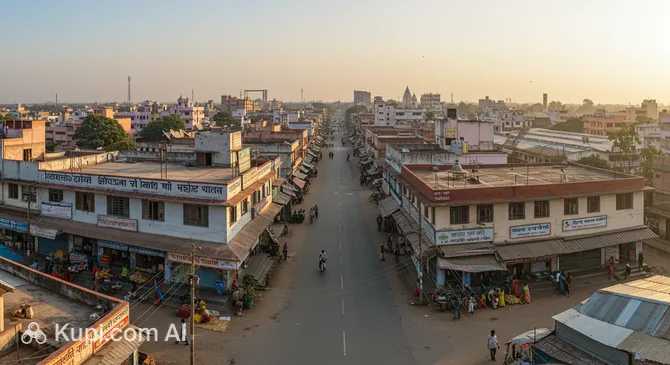
Welcome to Ichalkaranji—a dynamic industrial hub located in the state of Maharashtra in southwestern India. Often referred to as the "Manchester of Maharashtra," this city is steeped in an atmosphere of labor and entrepreneurship. Situated in the picturesque Panchganga River valley, it is one of the country's most important textile centers, where hand-weaving traditions are harmoniously intertwined with modern-scale production.
Ichalkaranji. Illustration.
Source: Kupi.com AI
The city's geographical location, 30 kilometers east of Kolhapur, makes it a vital economic link in the region. With a population of over 287,000, Ichalkaranji surprises visitors with its vital energy: thousands of power looms, spinning mills, and garment factories are concentrated here. The city's rich heritage dates back to the small princely state of Ghorpade, which eventually transformed into a thriving urban hub with an impressive literacy rate.
While the city primarily caters to business travelers and textile professionals, it offers a unique glimpse into the industrial heart of India. Here, you can witness firsthand the process of creating famous Indian fabrics or immerse yourself in the hustle and bustle of local textile markets. We invite you to visit Ichalkaranji to feel the rhythm of a real working city that plays a key role in the state's economy.
Weather Overview
The climate in Ichalkaranji is distinctly tropical with three clear seasons. The winter months from November to February are considered the most pleasant time to visit, when comfortable weather sets in with average temperatures around 23–25°C. During this period, the air is dry and the sky remains clear, which is ideal for business trips and walking.
Summer, which arrives in March and lasts until May, can be quite harsh: the thermometer often rises above 36°C, peaking in April. Expect very hot days and warm evenings, so having air conditioning in your hotel becomes a mandatory requirement. The monsoon season, arriving in June, brings heavy rainfall and high humidity that lasts until September, transforming the surrounding valleys into lush green carpets.
If you want to know more about the current climate of Ichalkaranji and prepare for your trip, keep in mind that the city's industrial status can affect air dustiness, especially during the dry season. Generally, when planning your visit, aim for warm days and potential tropical downpours if your trip falls during the summer or monsoon months.
Average monthly temperature
Average monthly precipitation
Interesting Facts
The city's name originated from the merger of three historical villages—Ichi, Uchi, and Karanji—or, according to another version, is associated with the local forests of Karanjni trees.
From 1708 to 1949, Ichalkaranji proudly held the status of the capital of the small but prosperous Princely State of Ghorpade.
The literacy rate in the city is approximately 85.98%, which is significantly higher than the national average, highlighting the progressive nature of the local population.
According to the 2011 census, the city ranked 151st on the list of India's most populous cities.
Despite its modern industrial status, the city still administratively includes seven historical hamlets (settlements).
How to Get There
Ichalkaranji is an important transport hub in western Maharashtra, although getting here directly can be challenging due to the lack of its own airport. You can find more detailed information about transport links to plan your route through neighboring cities in advance.
The nearest regional Kolhapur Airport is about 40 kilometers from the city, while a larger air hub in Belgaum is over 100 kilometers away. Most travelers arrive in Ichalkaranji via Mumbai or Pune, using a combination of flights and ground transportation.
Rail travel is the most popular way to get here. The nearest station, Hatkanangale, is located just 6–9 kilometers southeast of the center. From there, you can quickly reach the city by taxi, bus, or a colorful Indian rickshaw in 20–40 minutes. Many also prefer to travel to the major station in Kolhapur, from which suburban buses run regularly.
Station
Passenger traffic
Distance
Chattrapati Shahu Maharaj Terminus
5
24 km
Belagavi railway station
4
93 km
Karmali railway station
6
144 km
Shree Siddharoodha Swamiji - Hubballi Junction railway station
10
165 km
Madgaon Junction railway station
10
166 km
Road links connect the city with the state's key highways. Regular bus services and private taxis ply between Ichalkaranji and Kolhapur throughout the day. Travel time is usually about an hour, although during evening rush hours, the journey may take a bit longer due to heavy industrial traffic.
Main Attractions
Since Ichalkaranji is primarily an industrial center, there are not many classic tourist attractions here. The city's main "attraction" is its textile cluster. Travelers interested in industry will find it fascinating to observe the operation of powerful power looms and visit the spinning mills that shape the city's identity.
For those who want to experience the local flavor, the central textile markets are a must-visit. These are vibrant trading zones where you can see an endless variety of fabrics, from simple cloths to ready-made garments. It is here that the scale of production that gave the city its nickname, the "Manchester of Maharashtra," is best felt.
On the outskirts of the city, you can take a walk along the banks of the Panchganga River. Although the riverbanks are not developed as park areas, the river valley offers pleasant rural landscapes and provides a brief escape from the noise of the factories. Ichalkaranji also serves as a convenient base for those planning to explore more famous historical and religious monuments in neighboring Kolhapur.
Local Cuisine
The culinary scene in Ichalkaranji offers an authentic taste of Maharashtra with a noticeable influence from South Indian culinary traditions. The local diet is based on rice, lentils (dal), and fresh vegetables, generously seasoned with aromatic spices. The general character of the cuisine is quite spicy and rich, which is typical for this region.
One of the main favorites that is a must-try is Misal pav—a spicy sprout curry served with a soft bread roll. Various types of Vaghri—crispy fried snacks that are perfect for a quick bite—are also popular. For dessert, be sure to try sweets made from local cane sugar, as the city is surrounded by vast sugarcane plantations.
The food culture here is closely tied to street food. The best and most authentic flavors can be found in small family diners and from street vendors in the central markets, where the workers themselves eat. Be sure to try the local masala tea—it is particularly strong and invigorating here, perfectly complementing the city's industrial rhythm.
Travel Tips
Preparing for a trip to a unique industrial center like Ichalkaranji requires considering several practical nuances that will make your visit comfortable and safe.
Clothing and Essentials: Choose light clothing made from natural fabrics, as it can get very hot in the region. Comfortable closed-toe shoes are useful for visiting production areas. If you plan to visit local temples, remember the need to cover your shoulders and knees.
Transportation: The best way to get around the city is by auto-rickshaws. Always confirm the fare before starting your trip. For travel to neighboring cities, use MSRTC state buses.
Finances: Carry a sufficient supply of cash in rupees in small denominations. Cards are rarely accepted in small shops and by rickshaw drivers. ATMs are concentrated in the central part of the city.
Health and Safety: Drink only bottled water and always use sunscreen. The city is safe during the day, but in the evening, it is better to avoid walking in sparsely populated industrial areas on the outskirts.
Communication: The main language is Marathi. Hotel staff and major traders understand English. Learning a few phrases in the local language, such as "Namaskar" (a greeting), always earns goodwill.
Local Etiquette: It is customary to remove your shoes when entering private homes or some shops. Show respect for the workers' labor when visiting factories—always ask for permission before taking photos.
What to Avoid: You should not criticize working conditions in factories when talking to locals, and avoid discussing political topics. It is also not recommended to walk alone through textile clusters after dark.
Extra Tip: Plan your visit on weekdays to see the city in its true working rhythm, when all the power looms are running.
Ichalkaranji is a place for those who want to see the real India without embellishment, and these tips will help you become part of this amazing living machine.
Entertainment & Nightlife
The entertainment scene in Ichalkaranji reflects its industrious character—the city lives by a production schedule, so do not expect a wild nightlife. Evening activity is mainly centered around small street cafes and eateries in the center, where locals gather after a day's work. This is a great place to observe the daily life of the residents in a relaxed atmosphere.
For those seeking more diverse entertainment, such as modern cinemas, large shopping malls, or bars, the best solution is a trip to neighboring Kolhapur, located just 30 kilometers away. There, the cultural and nightlife scene is much more extensive, including regular festivals and concerts.
Daytime entertainment in the city itself is limited to visiting local markets and participating in traditional festivals, which are celebrated with great fanfare by the entire community. If you are staying here for a few days, it is worth taking the time to explore the textile workshops—it is the most authentic "show" this hardworking region has to offer.
Parks & Museums
As Ichalkaranji developed as a purely industrial hub, the number of classic parks and museums here is limited. The city is densely built with factories and residential quarters, so green zones are mainly represented by small squares and roadside greenery, which serve as resting spots for locals between shifts.
There are currently no historical or art museums in the city itself. However, the city's structure can be viewed as a living, open-air textile industry museum. Watching cotton turn into fabric before your eyes provides a deeper understanding of the local culture than any static exhibition could.
For those who miss walking in nature, it is recommended to head to the banks of the Panchganga River, where you can find more open spaces and enjoy the rural scenery of the valley. For a full park experience and historical museums, travelers usually head to neighboring Kolhapur, which is famous for its rich cultural heritage.
Getting Around
The transport system in Ichalkaranji is tailored to the needs of the working population. The main type of public transport within the city are buses operated by the state corporation MSRTC, as well as private minibuses. They connect the city center with industrial outskirts and neighboring settlements, but it's worth noting that transport can be very crowded during morning and evening rush hours.
For quick trips over short distances, tourists most often use auto-rickshaws. This is the most flexible and affordable way to move through narrow streets and busy markets. It is best to agree on the fare in advance or ensure the meter is used, if available. Bicycles and mopeds are also extremely popular among locals, allowing them to navigate heavy traffic easily.
An alternative to traditional transport can be ride-hailing apps (such as Uber or Ola), though their availability may be limited compared to major metropolises. If you plan to travel extensively around the city and its surroundings, the best advice is to use rickshaws for short trips and buses for connections to Kolhapur or the railway station in Hatkanangale.
Accommodation
Accommodation options in Ichalkaranji are primarily oriented toward business travelers and specialists visiting for textile-related matters. Mid-range hotels and budget guesthouses predominate, offering a standard set of amenities for short-term stays.
The city center is considered the most convenient area to stay, as the main infrastructure, including restaurants and markets, is concentrated here. Hotels located near the textile hubs and on the road toward Hatkanangale are also in demand, which is convenient for those planning to use the railway frequently.
When planning your trip, it is recommended to book accommodation in advance, especially during major textile fairs or business forums when the demand for quality rooms in the center rises sharply. Despite the lack of luxury five-star resorts, there are enough functional hotels in the city to ensure a comfortable stay after a working day.
Nearby Cities
Ichalkaranji serves as an excellent starting point for exploring the industrial and cultural riches of southern Maharashtra. The city's surroundings offer interesting routes for those who want to see Indian provincial life and visit significant religious shrines in the region.
Just 22 kilometers away is Sangli—a large city known for its sugar factories and picturesque temples on the banks of the Krishna River. Also worth noting is Mangur, where a trip allows you to trade the noisy rhythm of the textile center for the calmer atmosphere of a small settlement. Another interesting destination is Sadalga, which is only a short journey away.
Don't forget to include a visit to Kolhapur in your plan, which is just an hour's drive away. It is a recognized cultural center, famous for its majestic Mahalakshmi Temple and unique craft traditions. Exploring nearby cities will give you a complete picture of the many facets of this region of India.
Shopping & Souvenirs
Shopping in Ichalkaranji is primarily a hunt for high-quality textiles. The city is a true paradise for those looking for fabrics at wholesale prices. The main goods here are so-called "gray cloth" and cotton produced on local looms. Visiting specialized factory outlets will allow you to purchase products directly from the manufacturer.
The main trading activities are concentrated in the central bazaars. Here you can find not only rolls of fabric but also ready-made clothing, including traditional saris and men's shirts. The city's markets lack the polish of tourist shopping malls, but they win you over with their authenticity and the opportunity to see real industrial-scale trade deals being made.
As a souvenir from Ichalkaranji, it is best to bring back cotton products or unique fabric cuts, which will serve as a practical reminder of your trip. Shops usually operate from morning until late evening, and cash in rupees is the most common form of payment, although larger outlets are beginning to adopt electronic payments. Remember that the ability to haggle politely is valued here, especially when buying multiple items.