Support

Kollam

About

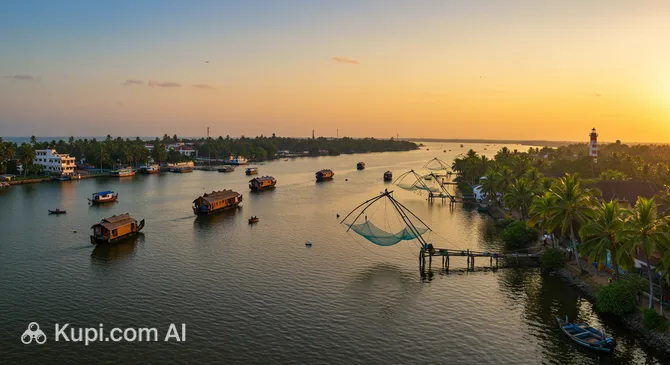
Kollam is a true gem of the state of Kerala, nestled on the southwestern coast of India along the shores of the Arabian Sea. The city is famous for its picturesque backwaters and is one of the oldest and most significant ports on the Malabar Coast. The atmosphere here is steeped in the tranquility and charm of traditional South Indian life, blended with the bustle of a port city.
Kollam. Illustration.
Source: Kupi.com AI

The heart of Kollam is the magnificent Ashtamudi Lake, which covers a significant part of the city and serves as the gateway to the famous Kerala backwaters. These waterways are a complex network of lakes, canals, and lagoons framed by lush greenery, and are one of the region's main tourist attractions. The climate here is tropical, with distinct monsoon seasons that make the nature particularly bright and lush.

With a population of around 400,000, Kollam is an important administrative and commercial center. The city has a rich history dating back to ancient times when it was known as a key spice trade hub for Romans, Chinese, and Arabs. Today's Kollam retains this historical flavor, which can be felt while strolling through its ancient streets and busy markets.

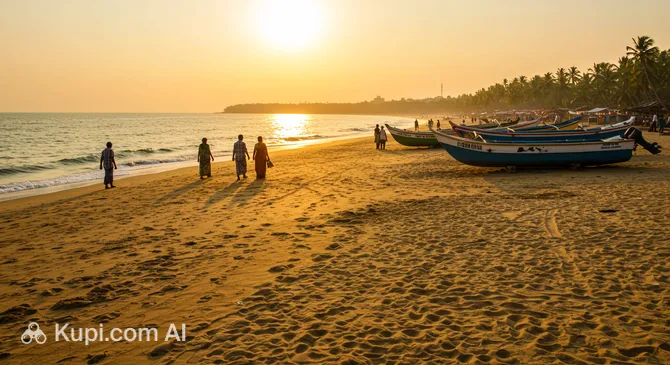
Among the main attractions of Kollam, besides the unforgettable houseboat cruises through the Ashtamudi backwaters, is Kollam Beach (Mahatma Gandhi Beach), a popular spot for evening walks and sunset watching. Also of interest is the Tangasseri Lighthouse, built in the early 20th century, which offers panoramic views of the coast. The city is also famous for its cashew nut processing industry.

Kollam offers a unique blend of natural beauty, cultural heritage, and a relaxing atmosphere. It is an ideal destination for those who want to experience authentic Kerala, enjoy leisurely boat trips, explore historical corners, and simply find peace of mind. A visit to Kollam will undoubtedly leave you with warm and vivid memories.

You can find more interesting facts on the history of Kollam page.
Weather Overview

The weather in Kollam is characterized by a tropical climate with high temperatures and humidity throughout the year. Average monthly temperatures typically range from 26.4°C (July, August) to 29.0°C (April). Be prepared for the rainy season, which lasts primarily from April to November, bringing heavy rainfall, especially in May and June when the number of rainy days can reach 30. The driest and sunniest months are generally January and February, with minimal precipitation. To better plan your trip, you can learn more about the climate of Kollam on our dedicated page.

Average monthly temperature

Average monthly precipitation

Interesting Facts

Beyond its well-known attractions and lively atmosphere, Kollam hides many surprising stories and little-known details that make it an even more intriguing destination for travelers. Here are just a few curious facts about this ancient city:

Kottarakkulam Sree Mahaganapathy Temple. Illustration.
Source: Kupi.com AI

Traveler photos:

  • In the Middle Ages, Kollam, then known as Quilon, was one of the largest ports on the Malabar Coast. Merchants from Arabia, China, and Europe flocked here for spices and exotic goods. Even the famous traveler Ibn Battuta mentioned Kollam in his journals, noting it as an important commercial and cultural center.

  • Kollam is the home of a unique and exciting snake boat festival. Every year, this event draws thousands of spectators to see long, elaborately decorated boats with numerous rowers competing on the water. It is not just a sporting competition but a true folk celebration reflecting the spirit and unity of the local people.

  • The city is famous for its traditional crafts, especially the production of authentic Kerala carpets and various products made from coconut fiber (coir). The secrets of craftsmanship here are often passed down through generations, and travelers can find unique handmade souvenirs.

  • An intriguing legend is associated with Kollam regarding the existence of an extensive network of underground passages. Local lore says these secret tunnels connect the city's ancient temples, possibly such as the Kottarakkulam Sri Mahaganapathi Temple, with the shores of the picturesque Ashtamudi Lake. It is said that ancient treasures might be hidden in these passages.

How to Get There

There are several main ways to reach the city of Kollam, located in the picturesque state of Kerala in southwestern India. The most convenient options for international and domestic travelers are flights to nearby airports followed by ground transfer, as well as the well-developed railway network.

Although Kollam itself does not have its own airport, the city is served by several major regional aviation hubs. The closest and most convenient option is Trivandrum International Airport (IATA: TRV), located in the city of Trivandrum, approximately 57 km south of Kollam. This is a major international airport receiving flights from many countries and cities across India. A trip from the airport to Kollam by taxi or bus takes roughly 1.5–2 hours. Another significant option is Cochin International Airport (IATA: COK), located in Kochi, approximately 142 km to the north. This is one of the largest airports in South India with an extensive flight map. Transfer from Kochi to Kollam usually takes about 3–4 hours.

For clarity, here is a summary of the main airports from which you can reach Kollam:

AirportPassenger trafficDistance
Trivandrum International Airport4.9 mln57 km
Cochin International Airport11.2 mln142 km
Tuticorin Airport230 151157 km
Madurai Airport1.4 mln193 km
Coimbatore International Airport3.3 mln241 km

Kollam is an important railway junction in the state of Kerala. The city's main railway station – Kollam Junction (station code: QLN) – is one of the oldest and busiest in the state. Many trains pass through it, connecting Kollam with major Indian cities such as Delhi, Mumbai, Chennai, Bangalore, Kolkata, and others. Traveling by train is a convenient and popular way to get to Kollam, especially for those moving around the country.

In addition to air and rail transport, Kollam can be easily reached by car or bus. The city has good road connections with other parts of Kerala and neighboring states thanks to a network of national (e.g., NH 66) and regional highways. State-run and private buses regularly ply between Kollam and cities such as Trivandrum, Kochi, Alleppey (Alappuzha), and Kottayam, offering a budget-friendly travel option.

Main Attractions

Kollam, a charming city in the state of Kerala, offers tourists many interesting places that combine natural beauty, historical heritage, and cultural attractions. Here, everyone will find something to their liking, from relaxing on the coast to exploring ancient temples and vibrant urban spaces.

One of the city's main gems is Kollam Beach. This is a popular spot for both locals and tourists, attracting visitors with its long sandy stretch, picturesque sunsets, and the chance to enjoy a refreshing sea breeze. Near the beach is Mahatma Gandhi Park, offering a pleasant place for walks and relaxation.

Kollam Beach. Illustration.
Source: Kupi.com AI

Traveler photos:

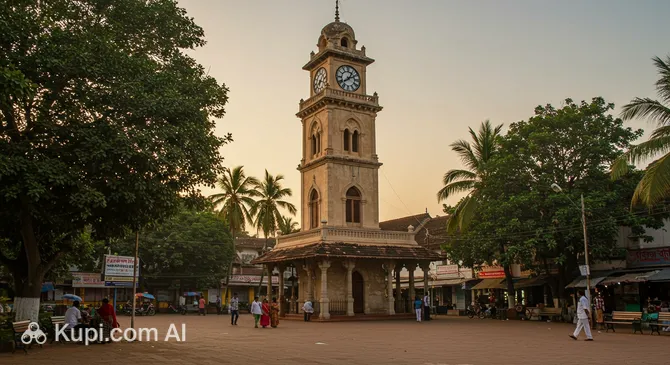
A historical symbol of Kollam is the Chinnakada Clock Tower. Located in the heart of the city, this tower was built in the early 20th century and remains an important landmark today. It serves as a reminder of the city's rich history and its role in trade.

Chinnakada Clock Tower. Illustration.
Source: Kupi.com AI

Traveler photos:

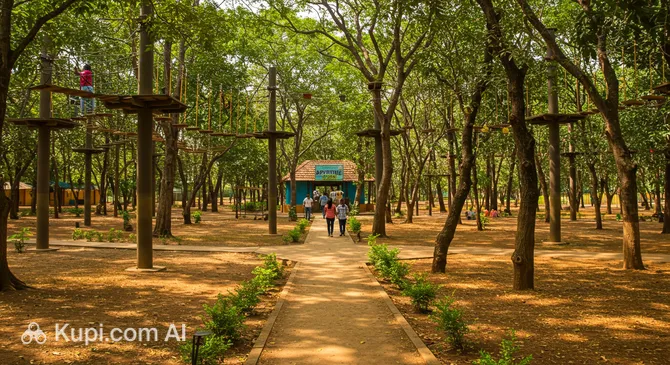
For outdoor enthusiasts and families with children, the Kollam Adventure Park is an excellent choice. Situated on the shores of Ashtamudi Lake, this park offers various activities, including boating, children's play areas, and spacious green lawns for picnics. It is a wonderful place to spend time outdoors and enjoy the beauty of nature.

Adventure Park Kollam. Illustration.
Source: Kupi.com AI

Traveler photos:

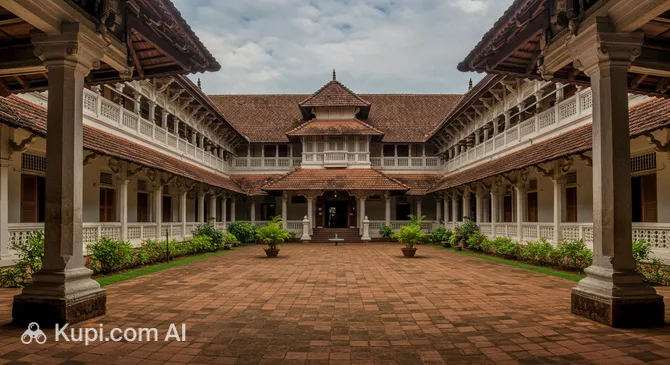
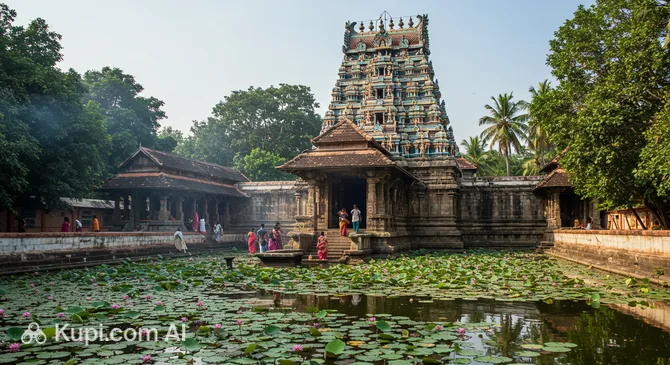
You can immerse yourself in a spiritual atmosphere by visiting the Kottarakkulam Sri Mahaganapathi Temple. This ancient temple, dedicated to Lord Ganesha, attracts pilgrims and tourists with its traditional architecture and peaceful environment. It is an important religious center and reflects the cultural heritage of the region.

Kottarakkulam Sree Mahaganapathy Temple. Illustration.
Source: Kupi.com AI

Traveler photos:

Also worth noting is Ashramam Maidan – a vast open space of historical significance, often used for various events and festivals. It is a popular spot for walks and recreation among locals.

Local Cuisine

The cuisine of Kollam is a true immersion into the gastronomic traditions of Kerala, where every taste and aroma tells its own story. The foundation of local dishes is the freshest seafood, rice, and coconut in all its forms, while an abundance of spices gives the food a unique character. Travelers can expect a vibrant kaleidoscope of flavors reflecting the richness of this coastal region of India.

Among the dishes you must try in Kollam is the Meen (fish) curry, prepared with delicate coconut milk and aromatic spices. Another local hit is "Kadala curry", spicy chickpeas in a thick sauce, traditionally served with crispy flatbreads. Don't miss delicacies like fried bananas, tapioca chips, and spicy mango pickles. For dessert, try Kerala sweets made from rice and palm sugar (jaggery).

For drinks, be sure to try the refreshing freshly squeezed sugarcane juice, sold on every corner. For fans of warming beverages, traditional Indian Masala tea with milk and spices is perfect, providing a boost of energy and warmth.

The food culture in Kollam is very diverse. Locals and tourists enjoy meals at colorful street eateries as well as in restaurants offering traditional dishes, such as Mandi Manzil. A special point of pride for the city is its fish markets, where you can not only choose the freshest catch but also watch it being prepared. Kollam's farmers' markets are a real gastronomic theater where you can taste fresh fruits, spices, and homemade sweets, experiencing the authentic atmosphere of local life.

Mandi Manzil. Illustration.
Source: Kupi.com AI

Traveler photos:

The gastronomic scene of Kollam attracts tourists with its authenticity and vibrancy. Food festivals are regularly held here, where the best chefs compete in the art of preparing traditional dishes, and guests can enjoy tastings. Don't miss the unique opportunity to try dishes served on banana leaves – it's not only delicious but also adds a special local touch to the meal.

Travel Tips

Welcome to Kollam, a charming city on the coast of India, known for its picturesque backwaters and rich history! To ensure your journey goes smoothly and leaves only pleasant memories, we have prepared some practical tips.

  1. Clothing and Essentials:

    The climate in Kollam is tropical, hot, and humid year-round. Bring light, breathable clothing made of natural fabrics (cotton, linen). Don't forget swimwear, sunglasses, a hat, and high-SPF sunscreen. You will also need comfortable walking shoes (sandals, light sneakers), mosquito repellent, and a universal plug adapter (Types D, M, and sometimes C are used in India). When visiting temples and other religious sites, choose modest clothing that covers shoulders and knees; women may need a shawl or scarf to cover their head.

  2. City Transport:

    It is convenient to get around Kollam by auto-rickshaws (tuk-tuks) – a popular and inexpensive way for short trips (be sure to agree on the price in advance or ask to use the meter). Public buses (state KSRTC and private) are also available but can be crowded. Taxis and ride-hailing apps (like Uber or Ola) may be less common than in India's major cities. Renting a car with a driver can be a good option for sightseeing in the surroundings, as self-driving can be difficult for unaccustomed tourists.

  3. Finances: Currency, Cards, and Tipping:

    The local currency is the Indian Rupee (INR). You can exchange money at banks or authorized exchange bureaus; the rate at the airport is usually less favorable. Credit and debit cards (Visa, Mastercard) are accepted in large hotels, restaurants, and shops, but always carry cash for small purchases and transport. ATMs are quite common. An estimated daily budget can range from 1500–2500 INR for budget travel to 3000–5000 INR for more comfort. Tipping is not mandatory but welcomed for good service (5–10% in restaurants, small amounts for porters and drivers).

  4. Health and Safety:

    There are pharmacies in Kollam, some of which are open 24/7. State and private clinics are available for serious cases; travel medical insurance is highly recommended. Drink only bottled water and avoid ice in drinks in questionable places. Kollam is considered a relatively safe city, but follow standard precautions: watch your belongings, do not wear conspicuously expensive jewelry, and avoid walking alone in poorly lit areas late at night.

  5. Communication and Connectivity:

    The main language in the state of Kerala is Malayalam. Hindi is also understood by many. In tourist areas, hotels, and restaurants, English is quite common. Useful Malayalam phrases: "Namaskaram" (Hello), "Nanni" (Thank you). A local SIM card (Airtel, Jio, Vodafone Idea) can be purchased at the airport or mobile shops by presenting your passport and visa. Wi-Fi is available in most hotels and many cafes.

  6. Local Etiquette and Customs:

    Indians are generally friendly and hospitable. You can greet people with a slight nod or the traditional "Namaskaram" (palms together at the chest). When interacting, try to use your right hand to pass items or money, as the left hand is traditionally considered "unclean." Always ask for permission before photographing people. In public places, avoid excessive displays of affection and dress modestly, especially when visiting religious sites.

  7. What to Avoid:

    Try not to criticize local traditions, religion, or customs – this can be seen as disrespectful. Also avoid public displays of anger or impatience; calmness and restraint are valued in India.

  8. Special Tip for Kollam:

    Kollam is the gateway to the famous Kerala backwaters. Don't miss the opportunity to take a trip on a traditional boat (houseboat or canoe) through this unique network of canals, lakes, and lagoons. This will allow you to see the daily life of the locals, enjoy stunning landscapes, and gain truly unforgettable impressions. The city is also famous for its cashew processing industry – you can visit one of the factories to learn more about the process.

We hope these tips help you better prepare for your trip to Kollam and enjoy every moment of your stay in this wonderful corner of India. Have a great journey!

Entertainment & Nightlife

Kollam, known for its picturesque backwaters and rich history, also offers its guests various opportunities for evening leisure. While the nightlife here may not be as vibrant as in India's major metropolises, you will still find cozy places to spend a pleasant time after sunset.

Evening entertainment in Kollam is mainly focused around restaurants offering local and international cuisine, as well as bars and lounges, many of which are located within hotels. Nightlife here is not concentrated on specific "bar streets" or dedicated entertainment districts; rather, it is more dispersed. The main points of attraction in the evening are venues in the city center, as well as those located along the coast, for example, near Kollam Beach. Here you can enjoy a quiet atmosphere, a delicious dinner, or refreshing drinks. Some establishments may offer live music or themed nights, especially on weekends.

If you are looking for a more lively atmosphere, check out places like Burger Lounge. This venue, categorized as a "night club," can offer music and drinks for those who want to relax and socialize in a more dynamic setting. For a pleasant evening dinner, consider restaurants such as Mandi Manzil or Hotel Guruprasad, where you can taste local delicacies in a cozy environment.

Burger Lounge. Illustration.
Source: Kupi.com AI

Traveler photos:

The atmosphere in most of Kollam's evening venues is quite relaxed and welcoming. The dress code is usually casual, unless it is a high-end restaurant in an expensive hotel. Most restaurants stay open until late evening, and bars and lounges may operate until midnight or slightly later, especially during the tourist season. The crowd is mixed – both locals and tourists. Prices in Kollam's bars and restaurants are generally moderate, making evening leisure accessible. Naturally, costs will be higher in establishments at upscale hotels, but you can always find an option that fits your budget.

Practical tips for nighttime: The best time to visit bars and clubs is Friday and Saturday evenings when the atmosphere becomes more lively. To get around the city at night, it is most convenient to use taxis or auto-rickshaws; it is recommended to agree on the fare in advance or use mobile apps for ride-hailing if they are popular in the region. Regarding safety, Kollam is considered a relatively calm city. Nevertheless, it is always wise to stick to well-lit and crowded streets, especially if you are walking alone or late at night. Standard precautions will help make your holiday pleasant and safe.

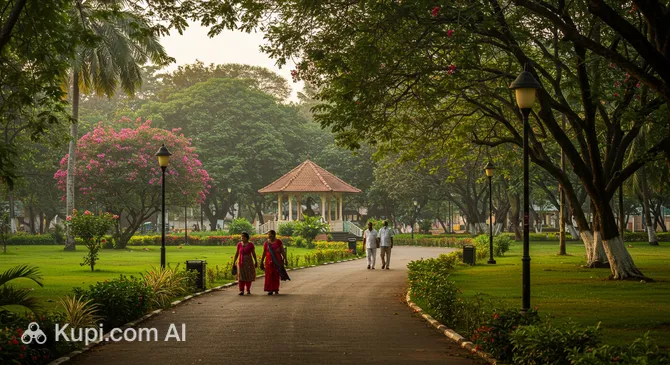
During the day, Kollam also offers many interesting activities. You can explore historical sights such as the Chinnakada Clock Tower, relax at Kollam Beach, or visit one of the parks, such as Kollam Adventure Park or Mahatma Gandhi Park, which are perfect for families. Ashramam Maidan is also a popular place for walks.

Parks & Museums

Kollam, a charming city in the Indian state of Kerala, offers its guests not only picturesque backwaters and a rich historical heritage but also wonderful opportunities for outdoor recreation and immersion into local culture through its parks, beaches, and landmarks.

For outdoor enthusiasts and families with children, the Kollam Adventure Park is a great choice. Located on the scenic shores of Ashtamudi Lake, this park offers various activities including boating, children's play areas, and spacious picnic grounds. It's an excellent place to spend time in the fresh air and enjoy nature. Another popular spot for walks and relaxation is Mahatma Gandhi Park. This well-maintained park is a favorite for both locals and tourists for quiet evening strolls and a break from the city bustle. And, of course, the famous Kollam Beach cannot be overlooked. It is the perfect place to enjoy a spectacular sunset, watch local fishermen at work, or simply stroll along the Arabian Sea coast, feeling the fresh breeze.

Adventure Park Kollam. Illustration.
Source: Kupi.com AI

Traveler photos:

Mahatma Gandhi Park. Illustration.
Source: Kupi.com AI

Traveler photos:

Kollam Beach. Illustration.
Source: Kupi.com AI

Traveler photos:

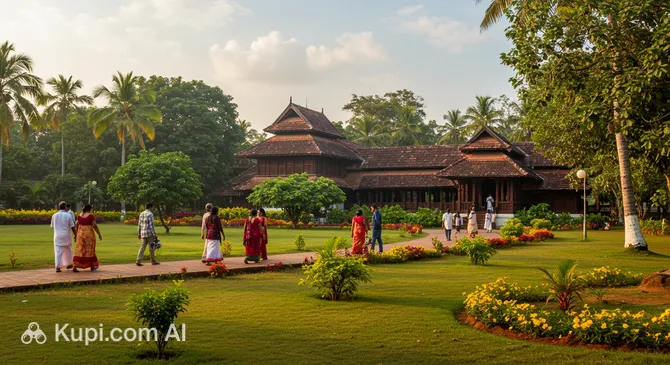
While Kollam may not have a large number of traditional museums in the classical sense, the city is rich in historical and cultural sites that speak eloquently of its past. One of the city's unofficial symbols is the Chinnakada Clock Tower, standing proudly in the busy center. This tower is not just an architectural landmark but a silent witness to many historical events that have taken place in the city. To experience the spiritual side of life in Kollam, it is worth visiting the Kottarakkulam Sri Mahaganapathi Temple, dedicated to the revered Lord Ganesha. The temple attracts pilgrims and tourists with its traditional architecture and peaceful atmosphere. Ashramam Maidan is not just a vast open space, but a historically significant site where important public gatherings and events were held in the past; today, it is a popular spot for townspeople to relax and for holding festivals and cultural events.

Chinnakada Clock Tower. Illustration.
Source: Kupi.com AI

Traveler photos:

Kottarakkulam Sree Mahaganapathy Temple. Illustration.
Source: Kupi.com AI

Traveler photos:

Ashramam Ground. Illustration.
Source: Kupi.com AI

Traveler photos:

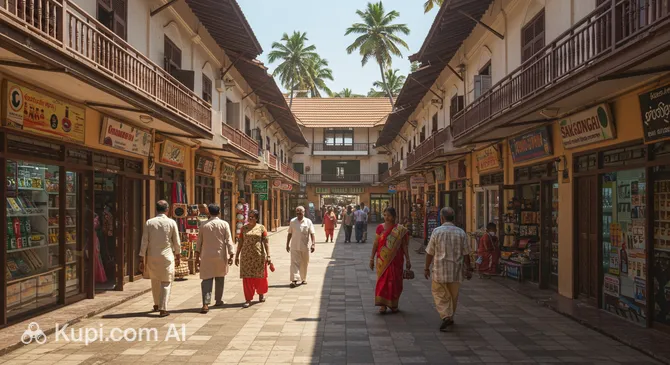
For more authentic impressions of Kollam, we recommend strolling through its ancient streets, where you can still see traditional Keralite architecture and observe the leisurely pace of daily life for the locals. Don't miss the chance to try local cuisine in small family restaurants or street food stalls – this is also an important part of the cultural experience. Although they are not museums in the strict sense, the local markets, especially those specializing in spices and handicrafts, can tell a lot about the culture, traditions, and everyday life of this amazing region of India.

Getting Around

Public transport in Kollam offers tourists several convenient and affordable ways to move around the city and its picturesque surroundings. The backbone of the transport system consists of buses, auto-rickshaws and, notably for this region, water transport.

Buses are the most common and economical form of transport in Kollam. The city is served by both KSRTC (Kerala State Road Transport Corporation) state buses and private operators. The route network is quite extensive, connecting different parts of the city and its suburbs. Tickets are purchased directly from the conductor on the bus, and payment is usually made in cash. Fares are low, making buses a popular choice for both locals and tourists.

Auto-rickshaws are another ubiquitous way to get around Kollam, ideal for short and medium distances. They are easy to find anywhere in the city. It is recommended to agree on the fare with the driver in advance or insist on using the meter if it is available and working. Auto-rickshaws offer more flexibility than buses, providing door-to-door service.

A unique feature of Kollam's transport system is its developed network of water transport. Due to its location on the shores of Ashtamudi Lake and the presence of numerous canals (backwaters), ferries and boats play an important role not only as a tourist attraction but also as a full-fledged means of transport. The State Water Transport Department (SWTD) offers regular services connecting Kollam with other settlements along the coast and on the islands. This is an excellent way to get acquainted with local life and enjoy natural beauty. Tickets for state ferries are also purchased on board or at the jetty.

As an alternative to public transport, you can use taxis. Both traditional taxis and ride-hailing app vehicles are available in the city, if such services are active in the region. Cycle rickshaws can also be found, offering leisurely rides for short distances. Bicycle rentals can be an option for independent exploration of some areas, but it is not a primary transport choice.

Practical tips for tourists: * Buses and ferries usually run from early morning until late evening, but it is better to check schedules in advance, especially for ferries. * Buses can be overcrowded during peak hours. * Always carry small change for convenient payment when using auto-rickshaws. * When planning trips through Kerala's famous backwaters, consider renting a houseboat or joining an organized boat excursion – this is less about public transport and more about an unforgettable travel experience.

Accommodation

In the city of Kollam, travelers will find a variety of accommodation options to suit different preferences and budgets. Guests are offered a wide choice: from inexpensive guesthouses and budget hotels to comfortable mid-range hotels and more luxurious resort complexes. Options for renting apartments or rooms are also available, which can be convenient for long stays or family vacations.

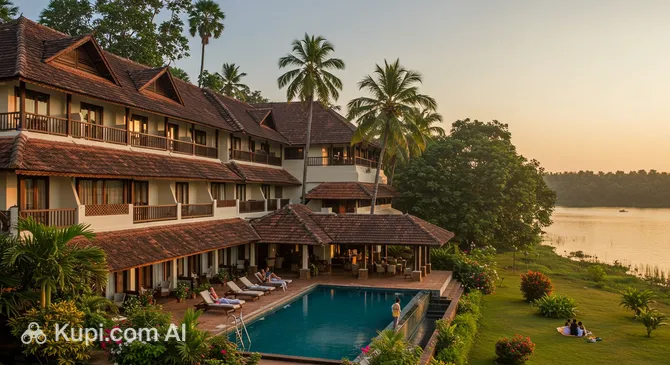
When choosing a place to stay in Kollam, it is worth paying attention to areas located near the main attractions, such as Kollam Beach or Ashramam Maidan, as well as areas with good transport accessibility. Some hotels may offer beautiful views of the famous Kerala backwaters, adding a special touch to your stay. Among the well-known accommodation options is, for example, the All Seasons Hotel, which offers a comfortable stay.

Hotel Allseason. Illustration.
Source: Kupi.com AI

Traveler photos:

The price range for housing in Kollam varies from budget to luxury, allowing every tourist to find a suitable option. You can book accommodation through popular online platforms or directly on hotel websites. It is recommended to book in advance, especially if your trip falls during the peak tourist season, to ensure the best choice and prices.

Nearby Cities

For those who want to explore the surroundings, Kollam serves as an excellent starting point for day trips to several interesting nearby places:

Among them, Trivandrum (Thiruvananthapuram) deserves special attention; it is the vibrant capital of Kerala, known for its majestic temples like Padmanabhaswamy, museums, and colonial architecture. It is also worth visiting Kayamkulam, which is home to the historical Krishnapuram Palace with its unique murals. Nature lovers and fans of engineering might enjoy a trip to Punalur, famous for its ancient suspension bridge over the Kallada River.

Below is information about some cities located near Kollam that may be of interest to visit:

CityPopulationDistance
Tamarakulam14 1883 km
Paravur38 64911 km
Ponmana17 79315 km
Karunagappally25 33620 km
Varkala42 27321 km

These nearby destinations provide a deeper insight into the diverse culture, history, and landscapes of the Kerala region. When planning a day trip, it is always helpful to check attraction opening hours and transportation options.

Shopping & Souvenirs

Kollam offers tourists diverse shopping opportunities, combining traditional Indian markets with modern shopping centers. Historically known as a cashew trade hub, nuts are one of the main specialties here. Local spices, handmade goods, and traditional Kerala textiles are also worth looking for.

The main commercial area of Kollam is considered to be Chinnakada, the bustling city center where many shops are concentrated, ranging from small stalls to larger retail outlets. Here you can find clothing, electronics, jewelry, and much more. Main Road and Residency Road are also popular with shoppers, offering a wide range of goods.

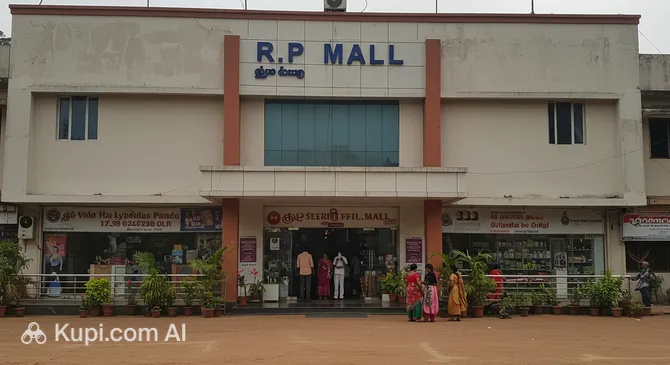
For those who prefer comfortable shopping under one roof, there are several shopping malls in Kollam. Prominent among them is the RP Mall, which offers a variety of clothing, accessory, and electronics stores, as well as a food court and entertainment zones. Another popular option is the Chandanayazhikam Shopping Complex, where you can also find a good selection of shops and cafes.

RP Mall. Illustration.
Source: Kupi.com AI

Traveler photos:

While Kollam does not have massive tourist markets like some other Indian cities, you can find local bazaars selling fresh fruit, vegetables, fish, and spices. These are great places to dive into the city's daily life and perhaps find authentic local products. Small markets and street vendors also offer souvenirs and handicrafts.

Chandanayazhikam Arcade. Illustration.
Source: Kupi.com AI

Traveler photos:

As souvenirs from Kollam and the Kerala region, it is worth bringing back: the famous cashew nuts (in various forms – salted, roasted, or spiced), aromatic spices (cardamom, cloves, black pepper, turmeric), and coir (coconut fiber) products like mats, rugs, and decorative items. Traditional Kerala sarees, Kathakali wooden masks, sandalwood products, and Ayurvedic items are also popular.

Most shops in Kollam are open approximately from 10:00 to 20:00 or 21:00, though some small stalls may close for a lunch break. Shopping malls usually have longer working hours, including weekends. Cash (Indian Rupees) is accepted, and larger stores and malls accept bank cards. The UPI mobile payment system is also widely used in India.

The possibility of a tax refund (Tax Free) for foreign tourists in India exists, but it does not apply to all goods and is only available at shops participating in the system. It is recommended to clarify the terms and Tax Free procedure directly when making purchases at major retail points.

Reached the end of the page?

That means the route is fully explored