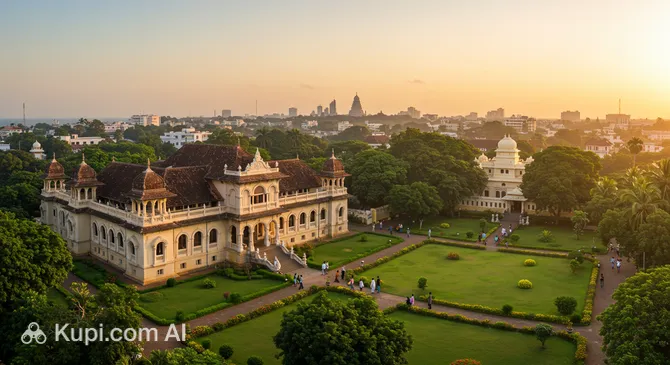
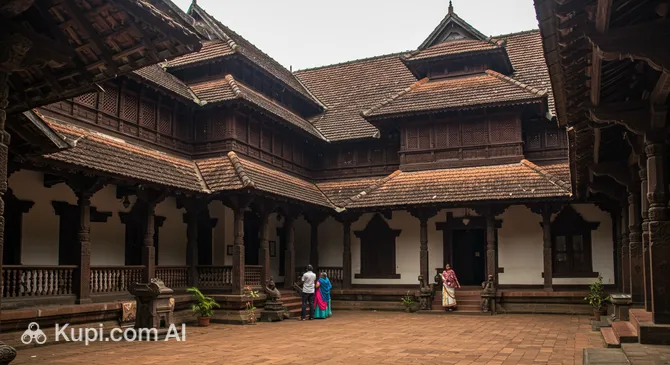
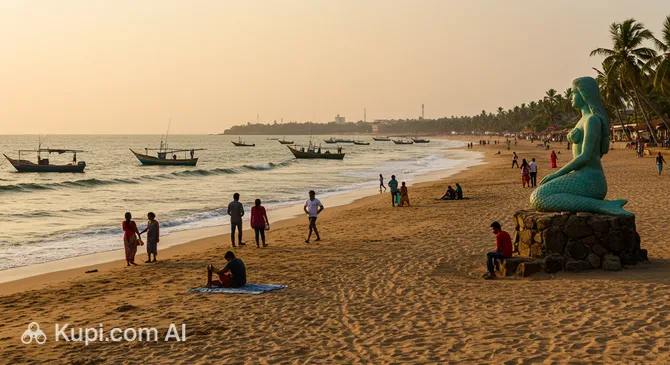
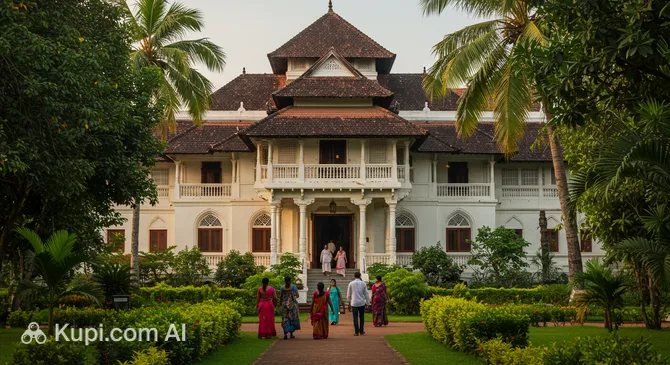
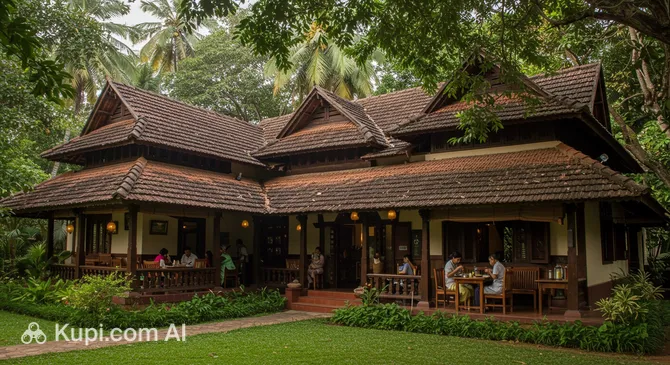
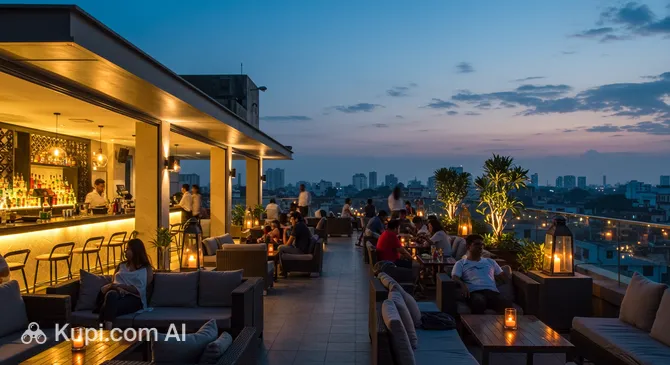
Welcome to Trivandrum (officially known as Thiruvananthapuram), the vibrant capital city of the state of Kerala. Often referred to as the "Evergreen City of India" by Mahatma Gandhi, it is characterized by its undulating terrain of low coastal hills and busy commercial alleys. As a major academic and research hub, the city perfectly balances its energetic urban life with a relaxed, traditional atmosphere, making it a unique destination for travelers.
Geographically located on the west coast of India near the extreme south of the mainland, the city enjoys a tropical climate that remains pleasant for most of the year. With a population of approximately 743,691, it is a bustling metropolis that still retains the charm of a smaller town. The lush greenery and proximity to the Arabian Sea provide a refreshing backdrop to its colonial architecture and modern infrastructure.
Trivandrum. Illustration.
Source: Kupi.com AI
The cultural and historical heritage of the city is rich and diverse, serving as the seat of the former Travancore royal family. Visitors are often captivated by the magnificent Sree Padmanabhaswamy Temple, which stands as a stunning example of Dravidian architecture and spiritual devotion. For art and history enthusiasts, the Napier Museum and the adjacent zoo offer a glimpse into the region's artistic past and natural beauty.
Whether you are looking to explore ancient temples, relax on the nearby pristine beaches like Kovalam, or simply enjoy the local cuisine, Trivandrum has something for everyone. It is an ideal starting point for exploring the backwaters and hill stations of Kerala, inviting you to experience the warmth and hospitality of this southern gem.
Weather Overview
Trivandrum enjoys a tropical climate with consistent warmth throughout the year, typical of its coastal location in Kerala. The city does not experience extreme cold, making it a welcoming destination for travelers regardless of the season. For a more detailed breakdown of conditions for your upcoming trip, you can consult the guide on the weather in Trivandrum.
Temperatures in the city are quite stable, with average daily values hovering between 26°C and 28°C. March and April are typically the warmest months, where the average maximum temperature can reach around 31°C. Even during the cooler months like January, the temperature rarely drops below 23.5°C at night, ensuring a comfortable atmosphere for evening strolls.
Rainfall plays a major role in the local weather patterns, with a distinct wet season. The period from May through November sees frequent rainfall, peaking in June with roughly 29 wet days. Conversely, the beginning of the year is much drier; January and February typically see only about 6 wet days each. Expect warm, tropical conditions year-round with frequent showers during the monsoon months and drier, sunny weather from December to March.
Average monthly temperature
Average monthly precipitation
Interesting Facts
Beyond the main attractions, Trivandrum holds many fascinating secrets that peel back the layers of its rich heritage. Here are some intriguing facts that make this coastal capital truly unique and worth exploring deeper.
The city is home to the Sree Padmanabhaswamy Temple, which is widely considered the wealthiest place of worship in the world. Its secret underground vaults were found to contain billions of dollars worth of gold, diamonds, and precious statues, a treasure accumulated over centuries by the Travancore royal family.
Trivandrum holds a Guinness World Record for hosting the largest annual gathering of women. During the Pongala festival at the Attukal Bhagavathy Temple, millions of women devotees assemble to cook a special offering for the goddess in earthen pots, an event often described as the "Sabarimala of Women."
Architecture enthusiasts might be surprised to learn about the Kuthira Malika (Maharaja Swathi Thirunal Palace), which translates to the "Mansion of Horses." The palace is named after the 122 intricate wooden horses carved into the roof brackets, which appear to be holding up the southern roof of the structure.
Established in 1857, the Thiruvananthapuram Zoo is one of the oldest zoological parks in India. Unlike the cramped cages typical of that era, it was designed early on with a vision of naturalistic enclosures, serving originally as a recreational annex to the museum complex.
How to Get There
Reaching the capital of Kerala is a straightforward affair, thanks to its excellent connectivity with the rest of India and the world. Whether you prefer flying directly into the city or taking a scenic route from a neighboring region, there are several convenient options. You can find more about how to get to Trivandrum and plan the best route for your itinerary.
The most convenient entry point is Trivandrum International Airport (TRV), which is located just 5 km from the city center. Given its close proximity, a taxi ride to the heart of the city is quick, typically taking about 30 minutes. As a significant hub with an annual passenger traffic of nearly 5 million, it offers frequent connections to major international and domestic locations, ensuring a smooth arrival experience.
If you cannot find a direct flight, a popular alternative is to fly into Cochin International Airport (COK) in the city of Kochi. Although it is a much larger airport serving over 11 million passengers annually, it is situated approximately 190 km away from Trivandrum. Travelers choosing this route should be prepared for a longer transfer; the journey by taxi or bus takes around 5 hours. This option is often viable for those looking for a wider range of international flight connections.
For clarity, here is a summary of the main airports:
Beyond air travel, Trivandrum is a major rail hub in Southern India. Thiruvananthapuram Central station connects the city to most major metropolises across the country, offering a scenic and affordable way to travel. The city is also well-linked by a robust network of state-run and private buses, making road travel from nearby cities and states a feasible option for tourists.
Main Attractions
Trivandrum offers a fascinating mix of regal history, spiritual grandeur, and natural beauty. From ancient temples to scenic beaches, the city's landmarks tell the story of its royal past while providing modern travelers with plenty of leisure options. Here are some of the most captivating places to visit during your stay.
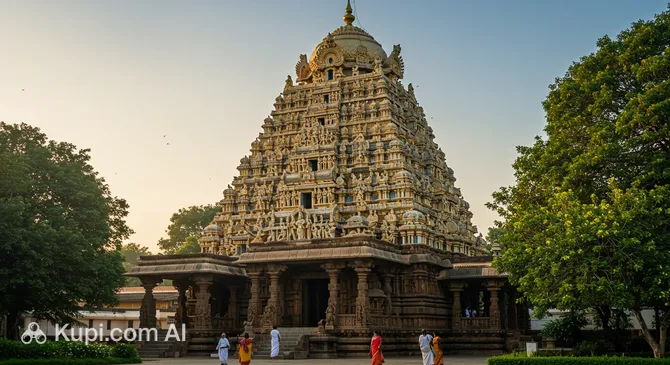
Undoubtedly the most iconic landmark in the city is the Sree Padmanabhaswamy Temple. This architectural marvel is a stunning fusion of Kerala and Dravidian styles, featuring high walls and a 16th-century gopuram (tower). Dedicated to Lord Vishnu, the temple is world-renowned not only for its spiritual significance but also for its immense wealth discovered in secret underground vaults. While entry to the inner sanctum is restricted to Hindus and requires a strict dress code, the exterior and the surrounding fort area are magnificent to behold.
Sree Padmanabhaswamy Temple. Illustration.
Source: Kupi.com AI
Traveler photos:
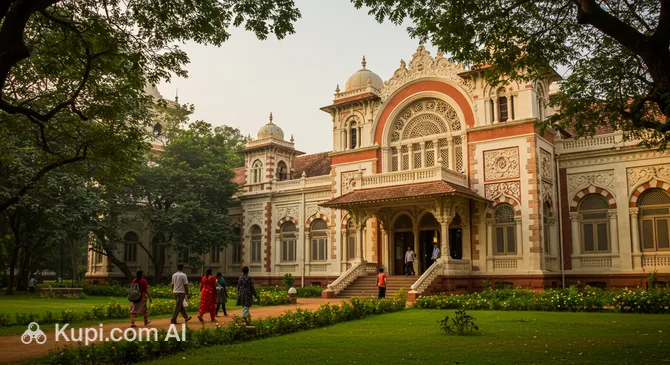
For a deep dive into the region's cultural heritage, the Napier Museum is an essential stop. Built in the 19th century, this Indo-Saracenic structure is an architectural gem in itself, designed with a unique natural air-conditioning system. Inside, it houses a rare collection of archaeological and historic artifacts, including bronze idols, ancient ornaments, and a temple chariot. The museum is set within lush grounds that also host a zoo and art gallery, making it a perfect spot for a half-day excursion.
Napier Museum. Illustration.
Source: Kupi.com AI
Traveler photos:
If you are looking to unwind by the sea, Shangumugham Beach is a favorite among locals and tourists alike. Located very close to the airport, it is an excellent place to watch the sunset over the Arabian Sea. The beach is famous for the massive sculpture of Jalakanyaka (Mermaid), created by the renowned sculptor Kanayi Kunhiraman. The long stretch of white sand and the rhythmic sound of the waves create a tranquil atmosphere perfect for evening walks.
Shangumugham Beach. Illustration.
Source: Kupi.com AI
Traveler photos:
Another testament to the city's royal legacy is the Kanakakkunnu Palace. Perched on a small hill, this palace was once the guest house of the Travancore royal family. Today, it serves as a vibrant cultural hub, frequently hosting the All India Dance Festival and other cultural programs. The palace is surrounded by beautifully landscaped gardens, which are a delightful place for a leisurely stroll, especially in the evenings when the grounds are illuminated.
Kanakakkunnu Palace. Illustration.
Source: Kupi.com AI
Traveler photos:
For a unique experience where backwaters meet the sea, visit the Veli Tourist Village. This popular picnic spot features a large lagoon separated from the Arabian Sea by a narrow sandbar. Visitors can enjoy pedal boating or speed boating in the lagoon, walk across the floating bridge, or explore the park adorned with interesting sculptures. It is an ideal destination for families and those looking to enjoy Kerala's famous backwater scenery within the city limits.
Veli Tourist Village. Illustration.
Source: Kupi.com AI
Traveler photos:
Local Cuisine
The culinary landscape of Trivandrum is a delightful reflection of Kerala's rich heritage, characterized by the generous use of coconut, aromatic spices, and fresh seafood. As a coastal city, the local cuisine offers an explosion of flavors that range from the mild and creamy to the fiery and robust. Rice is the staple grain here, accompanied by a variety of curries that define the gastronomic identity of the region.
One cannot visit the city without trying the traditional Kerala breakfast, which is often considered one of the best in the world. Puttu and Kadala Curry is a beloved classic, consisting of steamed cylinders of ground rice layered with coconut shavings, served with a spicy black chickpea curry. Another favorite is Appam with Stew, where fluffy, bowl-shaped rice pancakes are paired with a creamy coconut milk-based stew containing vegetables or meat. These dishes are widely available, from humble street stalls to upscale hotels.
For a truly authentic dining experience, visitors should seek out a traditional Sadya. served on a banana leaf. This elaborate vegetarian feast features an array of dishes including pickles, papadum, various vegetable stir-fries (thoran), and sambar, culminating with a sweet dessert called Payasam. If you are looking for a refined setting to enjoy such local delicacies, Villa Maya offers a unique experience. Housed in a beautifully restored 18th-century Dutch manor, this restaurant is famous for its exquisite plating and historical ambiance.
Villa Maya. Illustration.
Source: Kupi.com AI
Traveler photos:
Seafood lovers will find themselves in paradise here, with fresh catches from the Arabian Sea arriving daily. Karimeen Pollichathu (Pearl Spot fish marinated in spices and grilled in a banana leaf) is a signature dish that perfectly captures the local flavor profile. For those who enjoy hearty meat dishes, the local style of biryani is a must-try. You can sample delicious variations at popular spots like the Kesavadasapuram Biryani Restaurant, which is known among locals for its flavorful preparations.
The beverage culture in Trivandrum is equally refreshing. During the hot days, nothing beats the natural coolness of Tender Coconut Water, which is sold by vendors on almost every street corner. Sambharam, a spiced buttermilk seasoned with ginger, green chilies, and curry leaves, is another traditional thirst quencher. For those looking to unwind in the evening with modern beverages and a lively atmosphere, the city has a growing nightlife scene. Places like BLND Restobar and The Hangar Bar offer a contemporary setting to enjoy cocktails and social dining.
Travel Tips
To ensure your journey through Trivandrum is as smooth as the serene backwaters nearby, we have compiled a list of practical advice. A little preparation regarding local customs and logistics will help you navigate the "Evergreen City" with confidence and ease.
Clothing and Gear: Due to the tropical humidity, lightweight cotton or linen clothing is your best bet for staying comfortable. However, modesty is key here; avoid overly revealing outfits. If you plan to visit the famous Sree Padmanabhaswamy Temple, be aware of the strict dress code: men are often required to wear a mundu (dhoti) and go shirtless, while women should wear sarees or long skirts. Always carry a universal travel adapter and a sturdy pair of sandals that are easy to slip on and off.
Transportation: The most convenient way to navigate the city for short distances is by auto-rickshaw. They are omnipresent and generally run by the meter, though it is wise to confirm the fare estimate beforehand. For longer trips or more comfort, ride-hailing apps like Uber and Ola are reliable and widely used. Public buses are available and very cheap, but they can be crowded and confusing for first-time visitors.
Finances: The local currency is the Indian Rupee (INR). While credit and debit cards are accepted at hotels, malls, and upscale restaurants, cash is essential for small purchases, auto-rickshaws, and street food. ATMs are plentiful throughout the city. Tipping is appreciated but not mandatory; leaving about 10% at restaurants or rounding up the fare for drivers is a standard gesture.
Health and Safety: Trivandrum is known as a hub for medical tourism and has excellent healthcare facilities. Pharmacies are easy to find, and many near major hospitals operate 24/7. The city is generally very safe for tourists, but standard precautions apply. Since it is a tropical region, carrying and using mosquito repellent is highly recommended to prevent insect-borne ailments.
Communication: The official language is Malayalam, but English is widely spoken and understood, especially in hospitality, commerce, and education circles. You will have no trouble communicating in most tourist areas. For mobile data, you can purchase a SIM card (Airtel or Jio are popular) at the airport or local shops, provided you have your passport and visa details handy.
Local Etiquette: A friendly "Namaste" with palms pressed together is the traditional and respectful way to greet locals. The right hand is used for eating, exchanging money, and passing items, as the left hand is considered unclean for these activities. Always remove your footwear before entering a home or a place of worship.
What to Avoid: Public displays of affection (PDA) are generally frowned upon in Kerala's conservative society and should be avoided to prevent awkward situations. Additionally, do not attempt to enter restricted areas of temples; many inner sanctums are open only to practicing Hindus, and violating this rule is considered deeply offensive.
Shopping Tip: Don't leave without buying a packet of fresh banana chips fried in coconut oil, a local specialty. Shops usually close by 9:00 PM or 10:00 PM, so plan your shopping excursions for the late afternoon or early evening.
By keeping these tips in mind, you will be well-equipped to embrace the unique rhythm of life in Trivandrum. Enjoy the warmth of the people, the richness of the culture, and the unforgettable flavors of Kerala!
Entertainment & Nightlife
While Trivandrum is deeply rooted in tradition and often perceived as a quiet administrative capital, its nightlife scene has been steadily evolving, particularly to cater to the growing IT workforce and younger crowd. The city does not typically offer the all-night rave culture found in some of India's larger metros; instead, it provides a more relaxed and sophisticated evening experience. The nightlife here is centered around upscale hotel bars, cozy lounges, and a few energetic clubs where you can unwind with good music and premium beverages.
The most bustling areas for evening entertainment are usually found around Kowdiar, Vellayambalam, and the Kazhakkoottam area near the Technopark. These districts come alive after sunset with a mix of techies, locals, and tourists looking to socialize. The atmosphere is generally laid-back yet trendy, with most venues maintaining a smart-casual dress code. It is common for friends to gather for long conversations over cocktails and appetizers rather than intense clubbing, although the energy levels do pick up on weekends.
If you are looking for a vibrant place to enjoy the night, TBX is a popular choice among the local youth and travelers alike. Known for its lively ambiance and modern decor, it offers a great setting to enjoy contemporary beats and a wide range of drinks. Another distinct venue is the Garden Grille & Bar, which provides a more refined atmosphere perfect for a relaxing evening. These spots often feature DJ nights or live music, adding to the city's growing charm after dark.
TBX. Illustration.
Source: Kupi.com AI
Traveler photos:
For practical planning, it is important to note that the nightlife in Trivandrum wraps up relatively early compared to other global cities. Most bars and lounges close by 11:00 PM or midnight, even on weekends. Prices are generally moderate, though 5-star hotel bars will be on the pricier side. Getting around at night is fairly easy; ride-hailing apps like Uber and Ola are the most convenient and safe options. While auto-rickshaws are available, they may charge higher night fares, so negotiating or sticking to the meter is advisable.
In terms of safety, Trivandrum is considered one of the safer cities in India. However, standard precautions should still be taken. It is best to stick to well-lit main roads and busy areas like Sasthamangalam or M.G. Road if you are walking. For solo travelers, booking a cab directly from your venue to your hotel is the recommended way to travel late at night.
Before the sun goes down, the city offers plenty of daytime entertainment options beyond its historical sites. Families and thrill-seekers can spend an energetic afternoon at the Funtura Family Entertainment Centre, which is one of the largest indoor entertainment zones in the region. Similarly, Playaza offers a variety of games and activities that are perfect for escaping the midday heat. These modern facilities provide a fun contrast to the city's ancient temples and museums.
Funtura Family Entertainment Centre. Illustration.
Source: Kupi.com AI
Traveler photos:
Parks & Museums
Trivandrum is a city that seamlessly blends its lush natural heritage with a profound appreciation for art and history. Beyond its bustling streets, the capital offers serene green spaces and world-class museums that preserve the legacy of the Travancore era. For travelers seeking a quiet afternoon amidst nature or a deep dive into royal history, the city’s parks and cultural institutions provide the perfect escape.
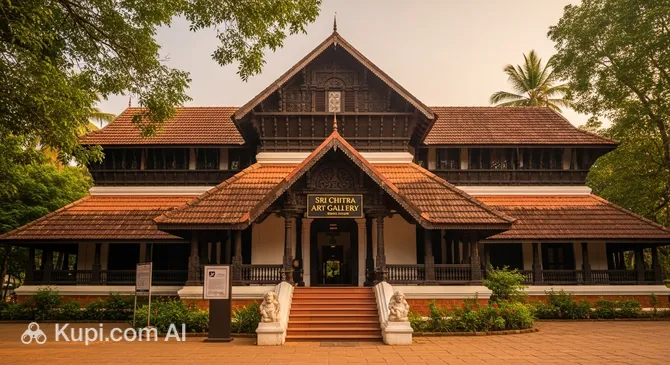
One of the most significant cultural stops is the Sri Chitra Art Gallery, located within the sprawling museum complex in the heart of the city. Established in 1935, this gallery is a treasure trove for art lovers, featuring an exquisite collection of paintings by the legendary Raja Ravi Varma. His works, known for their fusion of European academic art with Indian sensibility, are the highlight here. The gallery also displays works from the Mughal, Rajput, and Tanjore schools of art, as well as pieces by Russian master Nicholas Roerich, offering a diverse visual journey through history.
Sri Chitra Art Gallery. Illustration.
Source: Kupi.com AI
Traveler photos:
Just a stone's throw away from the famous Sree Padmanabhaswamy Temple lies the Puthen Maliga Palace Museum. Often overshadowed by the larger palaces, this hidden gem offers an intimate look at the life of the Travancore kings. The museum is housed in a wing of the Kuthira Malika palace complex and showcases a fascinating array of royal artifacts, including bohemian crystal chandeliers, throne rooms, and armory. The architecture itself is a marvel, with traditional wooden carvings and cool, airy corridors that reflect the ingenuity of Kerala's craftsmen.
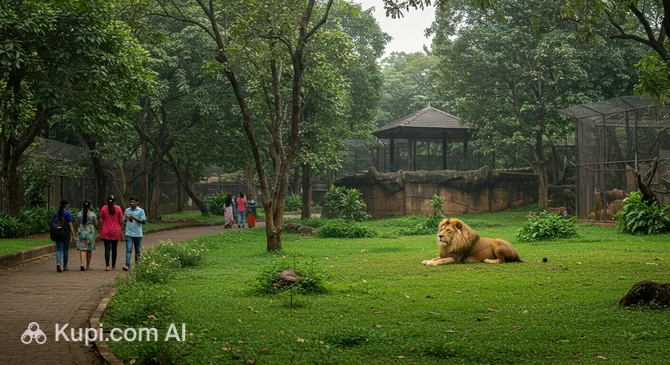
When it comes to green spaces, the Thiruvananthapuram Zoo stands out not just as a wildlife sanctuary but as a botanical masterpiece. Established in 1857, it is one of the oldest zoos in India. Unlike modern concrete enclosures, this zoo was designed with a vision of naturalism, featuring large, open habitats shaded by century-old trees. It is an excellent place for a leisurely walk, allowing visitors to see animals like the Royal Bengal Tiger and the Indian Rhino while admiring the diverse flora, including rare orchids and towering mahogany trees.
Thiruvananthapuram Zoo. Illustration.
Source: Kupi.com AI
Traveler photos:
For those looking to enjoy nature by the water, the Akkulam Tourist Village offers a scenic retreat on the banks of the Akkulam Lake. It is a popular picnic spot where the backwaters gently lap against the shore, creating a tranquil atmosphere away from the city noise. The village features a well-maintained park, a swimming pool, and a boat club where you can rent pedal boats to explore the calm waters. It is particularly lovely in the late afternoon when the setting sun reflects off the lake.
If you are interested in marine life, the city also hosts several aquatic attractions. The Wild Betta Aquarium and the Petz Club Aquarium are smaller but delightful venues, especially for families with children, showcasing a colorful variety of ornamental fish and exotic marine species.
Insider Tip: For a truly authentic local experience, visit the Napier Museum grounds (where the Zoo and Art Gallery are located) early in the morning, around 6:00 AM or 7:00 AM. This is when the city's residents come for their morning walks and yoga sessions. The air is fresh, the grounds are peaceful, and you can witness the "Evergreen City" waking up amidst the chirping of birds and the rustling of ancient trees.
Getting Around
The public transport system in Trivandrum is primarily road-based, with the state-run bus network serving as the backbone of daily commuting. The Kerala State Road Transport Corporation (KSRTC) operates a comprehensive fleet that connects every corner of the city. For tourists, the most convenient option is the "City Circular" service. These are often modern, electric buses (color-coded for different routes) that loop around the city's major landmarks, government offices, and transport hubs. They are comfortable, eco-friendly, and designed to provide frequent connectivity within the core urban area.
In addition to the City Circular buses, you will see the traditional red and yellow KSRTC buses and the orange "Kerala Urban Road Transport Corporation" (KURTC) low-floor buses. The low-floor AC buses are an excellent choice for travelers seeking relief from the tropical heat while moving between distant neighborhoods. While there is no operational metro rail system in the city yet, the extensive bus network ensures that getting around is both accessible and economical.
The payment system for public transport is straightforward but largely traditional. Tickets are purchased directly on the bus from the conductor after you board. While some newer services are experimenting with travel cards, the most reliable method for a visitor is to pay with cash. Fares are incredibly affordable, typically starting from as low as ₹10 to ₹15 for short distances. It is highly recommended to carry small denominations of the local currency (coins and ₹10 or ₹20 notes), as conductors may not always have change for large bills.
For short distances or "last-mile" connectivity, auto-rickshaws are the most popular alternative. These three-wheeled vehicles are omnipresent and can navigate narrow lanes that buses cannot reach. By law, they are required to use a fare meter, but it is not uncommon for drivers to quote a fixed price, especially for tourists or during late hours. A good practical tip is to ask for the estimated fare at your hotel reception before hailing one, or insist on using the meter. Ride-hailing apps like Uber and Ola are also widely available in Trivandrum, offering a transparent and hassle-free way to book both auto-rickshaws and air-conditioned cars.
Public transport generally operates from early morning, around 5:30 AM, until late evening, roughly 9:30 PM or 10:00 PM. However, the frequency of buses drops significantly after 8:30 PM. If you are traveling late at night, it is safer and more convenient to rely on pre-booked taxis or ride-hailing apps. During peak hours (8:30 AM to 10:00 AM and 4:30 PM to 6:30 PM), buses can get extremely crowded, so plan your sightseeing trips during the midday lull for a more comfortable experience.
Accommodation
Finding the perfect place to stay in Trivandrum is relatively easy, as the city offers a wide spectrum of accommodation options to suit every preference and budget. Travelers can choose from colonial-style heritage hotels that reflect the city's royal past, modern business hotels equipped with state-of-the-art amenities, or charming homestays that offer a taste of authentic Kerala hospitality. For those seeking a more luxurious retreat, there are several high-end resorts located near the coast, providing a serene escape from the urban bustle.
When selecting a location, it helps to decide the primary focus of your trip. If your itinerary revolves around visiting the main temples, museums, and shopping districts, staying in the city center areas like Thampanoor or Palayam is highly convenient. These neighborhoods place you within walking distance of transport hubs and major attractions like the Sree Padmanabhaswamy Temple. On the other hand, if you prefer a relaxed atmosphere with sea views, look for properties near Shangumugham Beach or the nearby Kovalam area, which are perfect for leisure travelers.
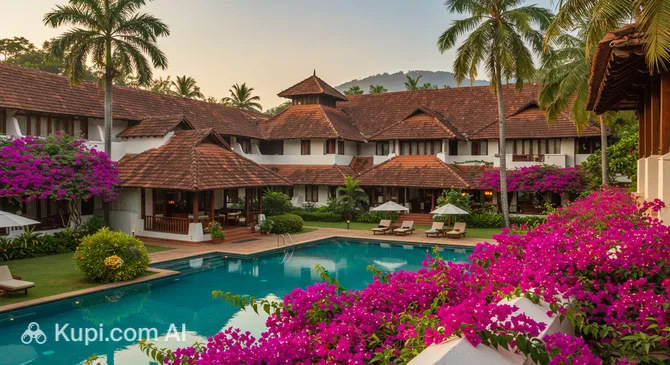
For a comfortable stay that combines modern facilities with a touch of nature, you might consider Uday Suites – The Garden Hotel. Located close to the airport and the beach, it is a popular choice for those who want accessibility without sacrificing tranquility. Another excellent option for travelers looking for spacious and well-appointed rooms is Regal Suites, which offers a blend of comfort and convenience suitable for both short and long stays.
Uday Suites – The Garden Hotel. Illustration.
Source: Kupi.com AI
Traveler photos:
Booking Tip: Trivandrum is a year-round destination, but accommodation can fill up quickly during the peak tourist season from October to February, as well as during major festivals like Onam or the Attukal Pongala. It is advisable to book your rooms at least a few weeks in advance during these periods to secure the best rates and availability.
In terms of cost, the city is quite wallet-friendly compared to other major Indian metros. Budget travelers can find clean and decent rooms ranging from roughly $15 to $30 per night. Mid-range hotels typically cost between $40 and $80, while luxury resorts and heritage properties can go upwards of $100 per night. Most hotels and guesthouses can be easily booked through major online travel platforms, though many smaller homestays also accept direct bookings via phone or email.
Nearby Cities
For those looking to explore the surroundings, Trivandrum serves as an excellent base for day trips to several interesting nearby locations.
One of the most popular getaways is Varkala, famous for its stunning cliffs that drop dramatically into the Arabian Sea—a unique geological feature on the otherwise flat Kerala coast. Apart from its scenic beach and mineral springs, it is also a significant spiritual center, home to the ancient Janardanaswamy Temple and the Sivagiri Mutt, making it a perfect blend of relaxation and culture.
Closer to the hills lies Nedumangad, a town that serves as a gateway to the Western Ghats and the hill station of Ponmudi. Visitors here can explore the traditional Koyikkal Palace, which houses a folklore and numismatics museum, offering deep insights into the region's royal past and agricultural heritage.
Another interesting stop is Neyyattinkara, located to the south of the capital. It is historically significant for its Sree Krishna Swami Temple and serves as an access point to the Neyyar Dam, a popular picnic spot surrounded by a wildlife sanctuary that offers boating and lion safaris.
City
Population
Distance
Kumarapuram
18 398
2 km
Palayam
17 556
3 km
Pongode
11 626
6 km
Pavittiram
9 917
8 km
Aruvikkara
15 017
10 km
These nearby destinations offer a glimpse into the diverse culture and landscapes of the region.
Shopping & Souvenirs
Shopping in Trivandrum offers a vibrant contrast between traditional street bazaars and modern retail complexes. Whether you are hunting for authentic local handicrafts, exquisite textiles, or international brands, the city provides a diverse array of options to satisfy every kind of shopper.
For a deep dive into the local culture, a visit to Chalai Market is essential. Located near the East Fort, this bustling wholesale market has been the commercial heart of the city for centuries. The narrow lanes are packed with shops selling everything from fresh flowers and vegetables to gold jewelry and hardware. It is an excellent place to find fresh spices like black pepper, cardamom, and cloves, which are sourced directly from the plantations in the nearby hills.
If you prefer a more contemporary atmosphere, the city boasts several modern shopping destinations. Thiruvananthapuram Mall is a favorite spot for families and young people. It features a wide selection of branded apparel, electronics, and lifestyle products, along with a food court and entertainment zones, making it a perfect place to escape the afternoon heat.
Kerala is famous for its handloom traditions, especially the elegant white and gold Kasavu sarees. To browse an extensive collection of these traditional fabrics, head to Kalyan Silks. This well-known establishment offers a vast range of silk sarees, ethnic wear, and ready-made garments, ensuring you can find high-quality textiles to take home as a keepsake.
For unique souvenirs, look for the city's renowned handicrafts. Items such as sandalwood carvings, brass oil lamps (Nilavilakku), and colorful Kathakali masks are popular choices. The government-run SMSM Institute is a reliable place to purchase these artifacts at fixed prices. Additionally, do not forget to buy a packet of freshly fried banana chips from a local bakery; made with coconut oil, they are the region's most beloved snack.