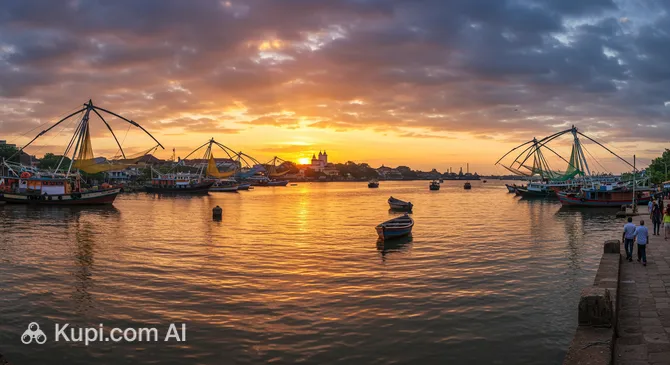
Welcome to **Kochi** (formerly known as Cochin), a mesmerizing city that serves as a vibrant gateway to the state of Kerala. Often referred to as the "Queen of the Arabian Sea," this bustling port on the southwest coast of India has been a significant spice trading center for centuries. Its unique atmosphere is a captivating blend of medieval Portugal, Holland, and an English village grafted onto the tropical Malabar Coast.
Geographically, the city is a cluster of islands and peninsulas connected by ferries and bridges, sandwiched between the blue waters of the Arabian Sea and Kerala's emerald backwaters. With a population of approximately **677,000**, Kochi is a major commercial hub that still retains a relaxed, coastal charm. The tropical climate ensures lush greenery year-round, adding to the city's scenic appeal.
Kochi. Illustration.
Source: Kupi.com AI
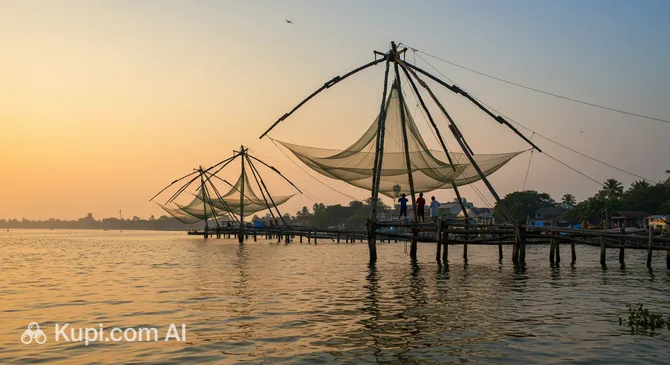
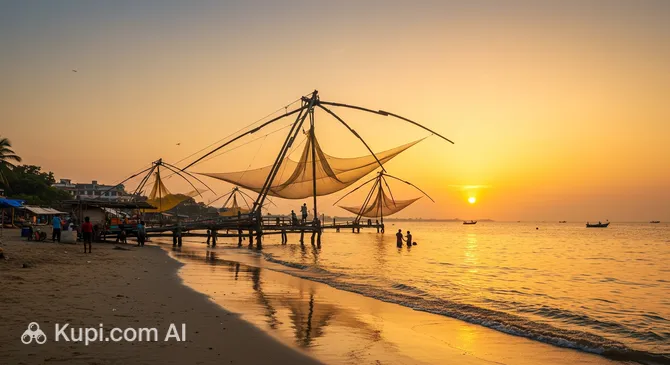
The history of Kochi is a fascinating tapestry woven with influences from Arab, Chinese, Portuguese, Dutch, and British explorers. This rich multicultural heritage is visible everywhere, from the architecture to the local cuisine. One of the most iconic sights is the row of massive **Chinese Fishing Nets** at the waterfront, which are undoubtedly the city's most recognizable landmark.
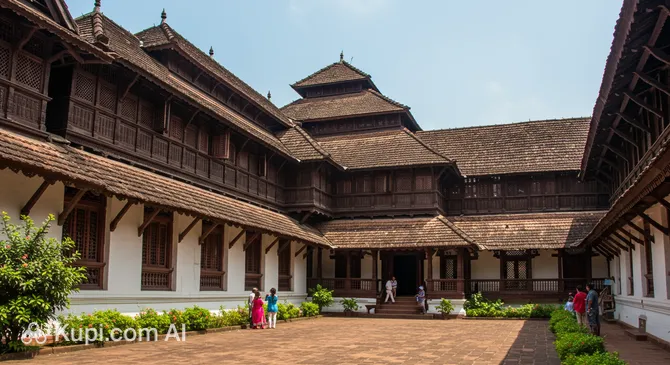
Visitors should not miss exploring the historic streets of **Fort Kochi**, lined with colonial bungalows and art cafes, or the **Mattancherry Palace**, famous for its exquisite murals. Whether you are wandering through aromatic spice markets or watching a traditional Kathakali dance performance, Kochi invites you to experience a unique journey where history and modernity coexist in perfect harmony.
Weather Overview
Kochi features a tropical climate with warm temperatures and high humidity levels throughout the year. Because the weather can influence your travel plans significantly, it is helpful to consult the current forecast and detailed historical trends for the weather in Kochi before packing. Generally, the city does not experience extreme fluctuations in heat, making it a year-round destination, though the rainfall patterns vary drastically.
Temperatures are quite stable, with monthly averages ranging from a low of approximately **25.8°C** in August to a high of **28.6°C** in April. The "winter" months of January and February are the driest and most comfortable, with average temperatures around 26-27°C and minimal precipitation of just **1mm**. In contrast, the monsoon season brings a dramatic shift; from May to July, the city experiences its wettest period, with up to **30 to 31 wet days** per month and precipitation levels rising to 15-16mm.
Travelers should plan their attire based on these distinct seasons. Expect warm and humid conditions year-round, with dry, sunny weather at the start of the year and frequent, persistent rainfall from May through October.
Average monthly temperature
Average monthly precipitation
Interesting Facts
Beyond the popular backwaters and spice markets, Kochi holds many fascinating secrets that reveal its deep-rooted connections to global history and innovation. From ancient maritime traditions to modern eco-friendly milestones, here are some intriguing facts about this coastal city.
St. Francis Church. Illustration.
Source: Kupi.com AI
Traveler photos:
World's First Solar Airport: Kochi is home to the Cochin International Airport, which holds the title of the world's first fully solar-powered airport. This massive infrastructure operates entirely on green energy produced by thousands of solar panels, setting a global benchmark for sustainable aviation.
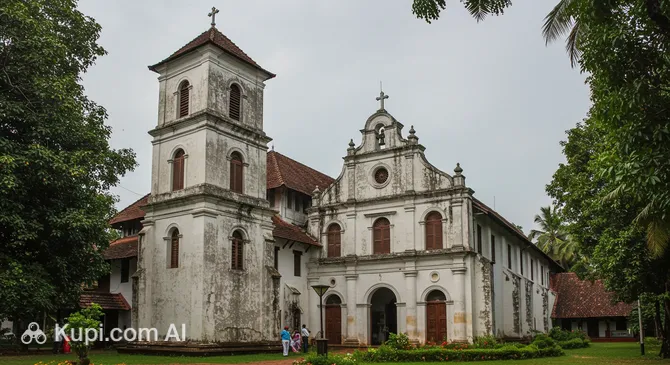
A Explorer's Resting Place: The historic St. Francis Church is not only the oldest European church in India but was also the original burial site of the legendary explorer Vasco da Gama. His remains rested here for fourteen years before being transported back to Portugal, and his gravestone can still be visited today.
A Dutch Gem: The elegant Bolgatty Palace is widely considered the oldest existing Dutch palace outside of the Netherlands. Built in 1744 by Dutch traders, this architectural marvel is situated on its own island and has since been transformed into a heritage resort.
Ancient Mechanical Giants: The massive cantilevered Chinese Fishing Nets that line the shore are a rare sight outside of China. Historians believe they were introduced to the region by traders from the court of Kublai Khan or the explorer Zheng He, marking centuries of trade relations with the East.
How to Get There
Kochi is one of the most accessible destinations in Kerala, well-connected to the rest of India and the world by air, rail, and road. Whether you are arriving for business or leisure, there are multiple convenient options to reach this coastal city. For a comprehensive guide on all available transport modes, you can read more about how to get to Kochi.
The most direct way to arrive is via **Cochin International Airport** (IATA: COK), which serves as the primary gateway to the region. Located approximately 28 km from the city center, it is a major international hub with a high volume of passenger traffic. A journey from the airport to the heart of Kochi by taxi or bus typically takes around 60 to 70 minutes, depending on traffic conditions.
If you cannot find a direct flight to Kochi, there are alternative airports in neighboring cities. **Calicut International Airport** (IATA: CCJ) is located in Kozhikode, about 138 km away. Another option is **Trivandrum International Airport** (IATA: TRV) in Trivandrum, situated approximately 176 km from Kochi. Travelers choosing these airports should be prepared for a longer transfer time, as the road journey can take between 4 to 5 hours.
For clarity, here is a summary of the main airports:
Kochi is a city where history comes alive, offering a delightful mix of colonial architecture, ancient traditions, and scenic beauty. Exploring its attractions is like walking through a living museum where every corner tells a story of trade, conquest, and cultural fusion. From the bustling waterfront to the serene islands, here are some of the must-visit spots in the city.
Undoubtedly the most recognizable symbol of the city is the Chinese Fishing Nets. These massive cantilevered contraptions, perched along the harbor entrance, are a legacy of ancient trade relations with the East. Watching the fishermen operate these mechanical giants, especially against the backdrop of a golden sunset, is a quintessential Kochi experience. Visitors can buy fresh catch directly from the nets and have it cooked at nearby stalls, making for a memorable culinary adventure.
Chinese Fishing Nets. Illustration.
Source: Kupi.com AI
Traveler photos:
For art and history enthusiasts, the Mattancherry Palace, often referred to as the Dutch Palace, is an architectural gem. Built by the Portuguese in the mid-16th century and later renovated by the Dutch, it houses some of the finest mythological murals in India. The palace museum displays royal artifacts, palanquins, and weapons, offering a deep dive into the lives of the Rajas of Kochi.
Mattancherry Palace. Illustration.
Source: Kupi.com AI
Traveler photos:
A stroll along Fort Kochi Beach offers a relaxed atmosphere perfect for unwinding. While the beach itself is small, the long walkway lined with tall trees and colonial-style buildings makes for a charming promenade. It is an excellent spot to watch ships pass through the harbor and to witness the famous Cochin Carnival if you visit during the New Year festivities.
Fort Kochi Beach. Illustration.
Source: Kupi.com AI
Traveler photos:
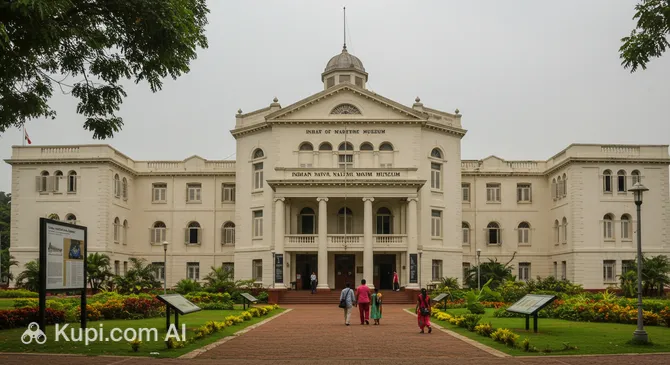
To delve deeper into the region's seafaring heritage, a visit to the Indian Naval Maritime Museum is highly recommended. Located at INS Dronacharya, this museum pays tribute to the genesis and evolution of the Indian naval force. It features intriguing exhibits, including relief maps, ship models, and artifacts that highlight Kerala's long-standing maritime trade links with the Arab world and Europe.
Indian Naval Maritime Museum. Illustration.
Source: Kupi.com AI
Traveler photos:
Local Cuisine
The culinary landscape of Kochi is a gastronomic adventure that reflects its rich multicultural history. As a centuries-old spice trading hub, the local food is characterized by the generous use of aromatic spices like black pepper, cardamom, and cloves, balanced perfectly with the creaminess of coconut, which is used in the form of oil, milk, and grated garnish. Seafood is the heart of the diet here, with fresh catches from the Arabian Sea finding their way into fiery curries and subtle stews.
One cannot visit Kochi without trying the iconic Karimeen Pollichathu, a delicacy where pearl spot fish is marinated in a spicy paste, wrapped in a banana leaf, and slow-grilled to perfection. For a classic breakfast, locals prefer Appam—fluffy rice pancakes with crispy edges—served alongside a savory vegetable or meat stew made with coconut milk. Another street food favorite is the combination of flaky Kerala Parotta with spicy beef or vegetable fry, a dish that defines the comfort food culture of the region.
When it comes to beverages, the city offers unique refreshments to beat the tropical heat. A must-try street drink is Kulukki Sarbath, a shaken lemonade infused with basil seeds, pineapple, and a hint of green chili, often prepared with acrobatic flair by street vendors. For a more traditional experience, adventurous travelers might seek out fresh Toddy (palm wine), a mild alcoholic beverage collected from coconut palms, typically served in local "shaaps" accompanied by extremely spicy side dishes.
Restaurant 51. Illustration.
Source: Kupi.com AI
Traveler photos:
The dining culture in Kochi ranges from humble "thattukadas" (street stalls) to elegant heritage restaurants. Visitors can enjoy a variety of dining experiences, from grabbing a quick bite at a roadside eatery to enjoying a relaxed evening at places like Restaurant 51, which offers a blend of ambiance and flavor. Whether you are indulging in a traditional vegetarian Sadya served on a banana leaf or sampling fresh seafood by the waterfront, the flavors of Kochi promise to be a highlight of your trip.
Travel Tips
Preparing for a trip to Kochi is the first step toward an unforgettable adventure along the Malabar Coast, but a few local insights can make your journey much smoother. To help you navigate the city with ease and confidence, here are some essential practical tips covering everything from what to wear to how to get around.
Clothing and Gear: Given Kochi's tropical climate, lightweight cotton or linen clothing is your best friend to handle the heat and humidity. While casual wear is acceptable, it is important to dress modestly—covering shoulders and knees—especially when visiting temples, churches, or mosques. Comfortable slip-on shoes or sandals are highly recommended, as you will frequently need to remove footwear before entering religious sites and traditional homes. Don't forget a universal travel adapter (Type C, D, or M) and a good pair of sunglasses.
Transportation: Kochi offers a unique mix of travel options. The Kochi Metro is a modern, air-conditioned way to travel through the mainland (Ernakulam), while the government-run ferries are the most scenic and affordable way to hop between the mainland, Fort Kochi, and other islands. For short distances, auto-rickshaws are ubiquitous; always ask them to use the meter or agree on a fare beforehand. Ride-hailing apps like Uber and Ola are also reliable and often save you the hassle of bargaining.
Finances: The local currency is the Indian Rupee (INR). While credit and debit cards are widely accepted in hotels, malls, and established restaurants, carrying cash is essential for street vendors, ferry tickets, and smaller shops. ATMs are plentiful across the city. Tipping is not mandatory but is appreciated for good service; leaving a 10% tip at restaurants or rounding up the fare for taxi drivers is a common gesture.
Health and Safety: Kochi is generally a safe destination for tourists, but standard precautions apply. Stick to drinking bottled or filtered water to avoid stomach issues. Since it is a tropical destination, carrying strong mosquito repellent is crucial, especially during the evenings. Pharmacies are widely available, with many 24-hour outlets located in the Ernakulam area, and healthcare facilities in the city are among the best in the state.
Communication: The official language is Malayalam, but English is very widely spoken and understood, particularly in Fort Kochi and tourism-related sectors. You can easily purchase a local SIM card (Airtel, Jio, or Vi) at the airport or mobile shops by presenting your passport and visa. Wi-Fi is standard in most hotels and cafes, making it easy to stay connected.
Local Etiquette: Greetings are often warm and polite; a simple "Namaste" with folded hands is a respectful way to greet elders or locals. If you are eating traditional food served on a banana leaf, remember to use your right hand, as using the left hand for eating is considered unclean. Public displays of affection (PDA) are generally frowned upon in conservative society and should be avoided.
What to Avoid: Do not take photographs of people, especially women or religious ceremonies, without asking for permission first. Also, avoid entering restricted areas of temples if you are a non-Hindu, as some inner sanctums are strictly off-limits to visitors.
Local Insight: Skip the heavy traffic on the bridges during rush hour and take the Ro-Ro (Roll-on/Roll-off) ferry or passenger boats between Fort Kochi and Vypin or Ernakulam. It is not only faster and cheaper but also offers beautiful views of the harbor and the Chinese fishing nets from the water.
By keeping these practical tips in mind, you can focus less on logistics and more on soaking up the vibrant culture and serene beauty of Kerala. Enjoy your time exploring the charming streets and backwaters of this historic port city!
Entertainment & Nightlife
Nightlife & Entertainment:
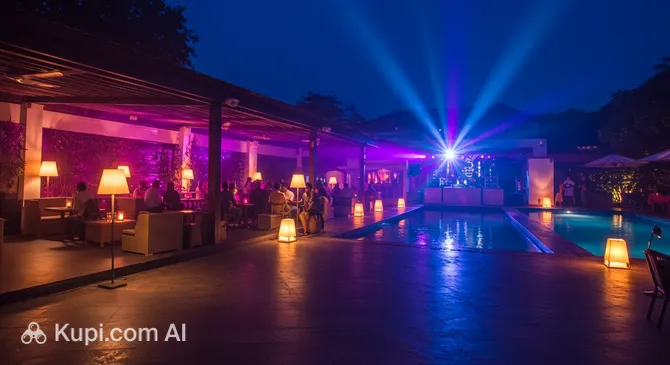
While Kochi may not have the frenetic all-night party reputation of some other Indian metros, its evening scene offers a sophisticated and relaxed charm that perfectly complements its coastal vibe. The nightlife here is evolving, characterized by chic lounges, heritage hotel bars, and lively pubs rather than sprawling dance clubs. The city is split into two distinct moods: the historic, laid-back ambiance of Fort Kochi, where evenings are spent in colonial-style courtyards, and the bustling, modern energy of Ernakulam and M.G. Road, where the younger crowd gathers.
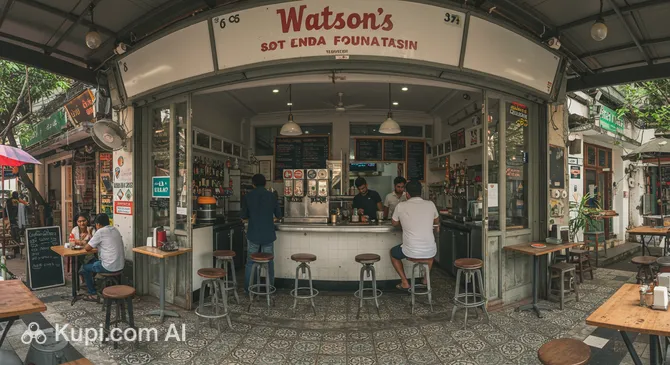
For those looking to unwind with a drink and good music, Watson's is a popular choice. Located in the heart of the city, this neighborhood pub offers a vibrant atmosphere with a wide selection of beverages and pub grub, making it a great spot to socialize. Another notable venue is Tribute Royale, which provides a more upscale setting for travelers seeking a quiet evening with premium service. Most bars and lounges in the city have a smart-casual dress code, so it is best to avoid beachwear like flip-flops or tank tops when heading out.
Watson's. Illustration.
Source: Kupi.com AI
Traveler photos:
Travelers should be aware that nightlife in Kerala wraps up relatively early compared to global standards. Most bars and pubs call for the "last order" around 10:00 PM or 11:00 PM, and venues typically close by midnight. Alcohol availability is generally restricted to beer and wine parlors or lounges within hotels rated three stars and above. Prices are moderate, with a pint of beer costing between 200 to 400 INR depending on the venue. For safety and convenience, it is highly recommended to use ride-hailing apps like Uber or Ola for late-night transport, as they are reliable and trackable.
Beyond the bars, Kochi offers plenty of daytime and early evening entertainment. A walk through Subhash Bose Park at sunset provides a refreshing break with views of the backwaters and the city skyline. For those interested in culture and history, the Yathri Museum offers an insightful look into the region's heritage. Additionally, no evening in Kochi is complete without witnessing a traditional Kathakali performance, a classical dance-drama that starts in the early evening and is a staple of the city's cultural entertainment.
Parks & Museums
Beyond its bustling ports and historic trade routes, Kochi offers a refreshing array of green spaces and cultural repositories that allow travelers to pause and reflect. The city's landscape is dotted with scenic walkways, serene beaches, and museums that safeguard the region's rich artistic and royal heritage, providing a perfect counterbalance to the urban energy.
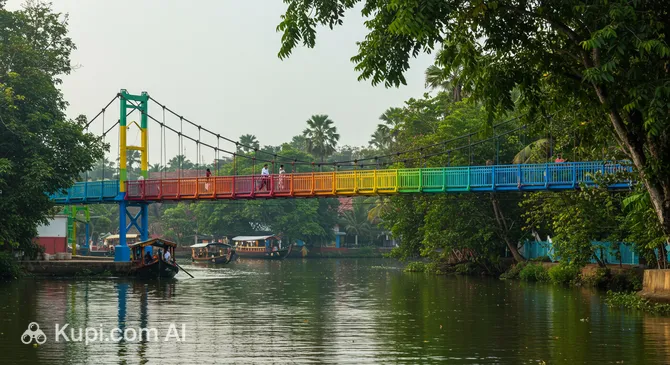
For those seeking a picturesque stroll, the Rainbow Hanging Bridge is a delightful spot, particularly in the evenings. Located near Marine Drive, this arched pedestrian bridge offers sweeping views of the backwaters and the city skyline. It is a favorite among locals for a leisurely walk, where the cool sea breeze and the sight of boats gliding across the water create a tranquil atmosphere right in the heart of the city.
Rainbow Hanging Bridge. Illustration.
Source: Kupi.com AI
Traveler photos:
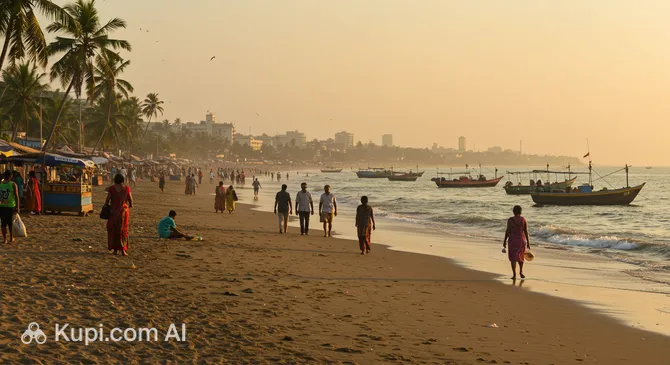
Nature lovers looking to escape the crowds of the main tourist strips should head to Mahatma Gandhi Beach. Situated in the northern part of the city on Vypeen Island, this shoreline is far quieter than its counterparts in Fort Kochi. It offers pristine sands and a calm environment, making it an ideal location for watching the sunset or enjoying a peaceful picnic by the Arabian Sea.
Mahatma Gandhi Beach. Illustration.
Source: Kupi.com AI
Traveler photos:
When it comes to history and culture, Kochi boasts institutions that are custodians of Kerala's identity. Although not located in the immediate city center, the Hill Palace Museum in Tripunithura is the largest archaeological museum in the state. Once the imperial administrative office and official residence of the Cochin Maharaja, this sprawling complex houses royal heirlooms, oil paintings, and ancient manuscripts, offering a glimpse into the opulent lives of the royalty.
Another cultural gem is the Kerala Folklore Museum, a unique architectural structure constructed using remnants of old temples and traditional houses. This private museum is a treasure trove of the state's artistic legacy, featuring thousands of artifacts including masks, costumes, and musical instruments related to traditional dance forms like Theyyam and Kathakali. It provides an immersive experience into the folklore and anthropological history of South India.
For a different kind of exhibit, the Marvel Aqua Systems Aquarium offers a look at the region's aquatic biodiversity. While smaller than major national aquariums, it is an engaging stop for families, showcasing a variety of local marine and freshwater species that inhabit the coastal waters of Kerala.
Insider Tip: For a true "hidden jungle" experience within the city, try to visit the Mangalavanam Bird Sanctuary. Often called the "Green Lung of Kochi," this ecologically sensitive area behind the High Court is a haven for migratory birds and supports a dense mangrove forest, offering a stark, beautiful contrast to the concrete jungle surrounding it.
Getting Around
Navigating Kochi is an experience in itself, offering a unique blend of modern infrastructure and traditional commuting methods. The city boasts a well-integrated public transport network that spans both land and water, making it relatively easy for visitors to explore the various islands and the mainland. The backbone of the modern transit system is the Kochi Metro, a rapid transit rail network that connects the northern suburb of Aluva to the heart of the city and beyond. It is clean, air-conditioned, and widely considered one of the most efficient ways to beat the city's traffic.
A distinctive feature of Kochi's transport landscape is its extensive water connectivity. The ferry system is not just a tourist attraction but a daily lifeline for locals. The State Water Transport Department (SWTD) operates traditional passenger boats that are incredibly affordable, connecting key locations like the mainland (Ernakulam), Fort Kochi, Mattancherry, and Vypeen. Recently, the city introduced the Kochi Water Metro, a first-of-its-kind integrated water transport system using modern, air-conditioned electric hybrid boats. These offer a comfortable and scenic alternative to road travel, linking the islands with the metro rail network.
For road travel, buses are the most common mode of transport. The city is served by two types of buses: the red-and-yellow state-run KSRTC buses and the colorful private buses. Private buses are ubiquitous and cover almost every nook and corner of the city. They are fast and frequent, though they can be crowded and driven somewhat aggressively. The destination is usually written in the local language (Malayalam) on the windshield, but conductors are generally helpful if you shout out your destination.
Regarding payments, the system is becoming increasingly digital, though cash is still essential for certain modes. For the Kochi Metro and Water Metro, you can purchase single-journey QR tickets at the station counters. However, for seamless travel, tourists are advised to get the Kochi1 Card. This prepaid smart card works on both the Metro trains and the Water Metro boats, offering discounted fares and saving you from standing in queues. You can top up this card at stations or via the Kochi1 app. For traditional ferries and private buses, you will need to pay in cash, so it is wise to carry small change.
For "last-mile" connectivity, auto-rickshaws (tuk-tuks) are available on every street corner. They are perfect for short distances. While many drivers use meters, it is common practice to agree on a fare before starting the journey to avoid misunderstandings. Alternatively, ride-hailing apps like Uber and Ola are very popular and reliable in Kochi. They offer both car and auto-rickshaw options, providing a hassle-free experience with fixed pricing and GPS tracking, which is often preferred by tourists unfamiliar with local routes.
Practical advice for travelers includes planning your travel times. The Metro typically operates from 6:00 AM to 10:30 PM, while ferry services usually wind down by 9:30 PM. If you plan to stay out late, ride-hailing apps or pre-booked taxis are your best bet. Also, be aware that private buses can be quite full during peak office and school hours (8:00 AM–10:00 AM and 4:00 PM–6:00 PM), so opting for the Metro or a ferry during these times can be a more comfortable choice.
Accommodation
Accommodation in Kochi caters to every type of traveler, ranging from budget-friendly homestays and backpacker hostels to business-class hotels and opulent luxury resorts. The city's unique geography allows visitors to choose between staying in the historic heart of the colonial past or the bustling modern city center.
For those seeking a cultural immersion, Fort Kochi is the most popular area. Here, many colonial bungalows have been converted into charming boutique hotels and homestays, offering a cozy atmosphere within walking distance of the main sights. On the other hand, Ernakulam is the commercial hub, ideal for travelers looking for modern amenities, business hotels, and easy access to the railway stations and shopping districts. For a more secluded and luxurious experience, the islands like Willingdon Island or Bolgatty Island offer serene retreats away from the city noise.
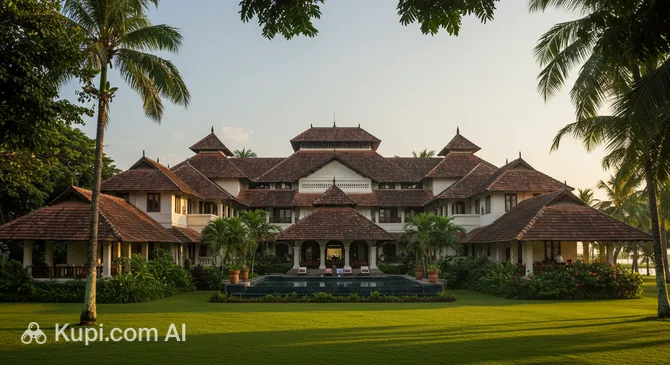
Travelers looking for a unique stay can consider the Bolgatty Island Resort. Situated on a lush island, this property offers a blend of old-world charm and modern comfort, providing a tranquil escape surrounded by the backwaters.
Bolgatty Island Resort. Illustration.
Source: Kupi.com AI
Traveler photos:
Another option for visitors is Niko Hotels, which provides comfortable lodging suitable for various travelers. Whether you prefer a heritage room with antique furniture or a contemporary suite with sea views, the city has something to match your taste.
Booking Tip: Kochi is a year-round destination, but the peak tourist season runs from October to February, with a significant spike around the New Year due to the Cochin Carnival. During these months, it is highly advisable to book your accommodation well in advance to secure the best rates and availability.
The price range for accommodation is quite broad. Budget travelers can find decent homestays and hostels starting from around 1,000 INR per night. Mid-range hotels typically cost between 3,000 to 6,000 INR, offering good amenities and comfort. Luxury heritage hotels and resorts can range from 8,000 INR upwards. Most properties can be easily booked via major online travel platforms or directly through their official websites.
Nearby Cities
For those looking to explore the surroundings, Kochi serves as an excellent base for day trips to several interesting nearby locations:
City
Population
Distance
Hansa
9 841
5 km
Tripunithura
92 522
9 km
Perumbalam
26 550
14 km
Aluva
24 110
21 km
North Paravur
9 572
24 km
Among these destinations, Alappuzha (also known as Alleppey) is perhaps the most famous. Often referred to as the "Venice of the East," it is a hub for Kerala's renowned houseboat cruises. A short drive from Kochi allows visitors to spend a day floating along the serene backwaters, surrounded by lush paddy fields and coconut palms.
For history enthusiasts, Tripunithura offers a glimpse into the royal past of the region. As the former capital of the Kingdom of Cochin, it is home to the magnificent Hill Palace and numerous traditional temples. Kodungallur is another historically significant town, believed to be the site of the ancient port of Muziris. It is known for its deep cultural roots, hosting India's first mosque and ancient temples that date back centuries.
These nearby destinations offer a glimpse into the diverse culture and landscapes of the region.
Shopping & Souvenirs
Shopping:
Shopping in Kochi offers a delightful contrast between the old and the new, reflecting the city's status as a historic trading port and a modern commercial hub. Visitors can explore everything from centuries-old spice markets and antique shops in the heritage quarters to sprawling, air-conditioned malls in the city center. The city is particularly renowned for its high-quality textiles, authentic spices, and unique handicrafts, making it a paradise for those looking to take a piece of Kerala home with them.
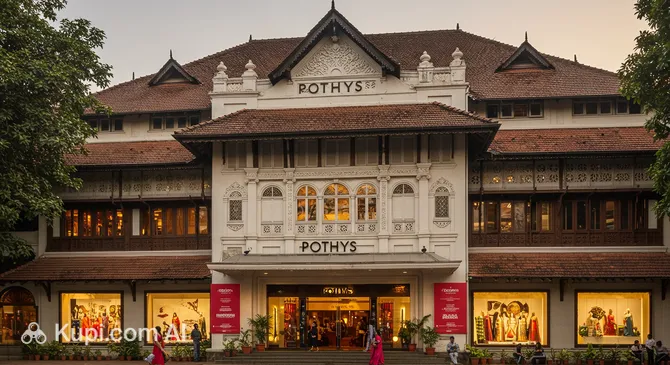
For a quintessential shopping experience, the bustling M.G. Road (Mahatma Gandhi Road) in Ernakulam is the main artery where you can find almost anything. This street is lined with jewelry showrooms, textile giants, and brand outlets. It is the perfect place to shop for traditional Indian ethnic wear, particularly silk sarees. One of the prominent landmarks here is Pothys, a massive multi-story retail store famous for its extensive collection of silks and family clothing. Another key area is Jew Town in Mattancherry, which offers a completely different vibe with its narrow streets filled with antique shops selling curios, colonial-era furniture, and bronze artifacts.
Pothys. Illustration.
Source: Kupi.com AI
Traveler photos:
While the city loves its traditional markets, it also boasts modern shopping complexes. The Lulu Mall (one of the largest in India) is a major destination for entertainment and international brands. For those interested in boutique fashion and curated lifestyle products, Almarah is a notable spot to explore. These modern spaces provide a comfortable environment to shop for fashion, electronics, and accessories, often accompanied by food courts and cinema halls.
The local markets are the soul of Kochi's trade. Broadway, despite its name, is a network of narrow, crowded alleys in Ernakulam that has been the city's wholesale and retail hub for decades. Here, you can bargain for clothes, bags, electronics, and spices at very reasonable prices. In Fort Kochi and Mattancherry, the air is thick with the aroma of ginger, turmeric, and cloves, as the spice markets continue the trade that first put Kochi on the global map.
When it comes to souvenirs, spices are the top choice; packets of fresh black pepper, cardamom, and cinnamon make excellent gifts. Another must-buy is the Kasavu saree (the traditional white and gold Kerala saree) or set mundu. For foodies, bags of freshly fried banana chips from a local bakery are essential. Handicrafts made from coconut shells, coir products, and colorful Kathakali masks are also popular mementos that capture the artistic spirit of the region.
Most shops in Kochi open around 10:00 AM and close by 9:00 PM or 10:00 PM. While malls and larger establishments like Pothys accept major credit and debit cards, cash is still king in the smaller markets, street stalls, and antique shops in Jew Town. It is advisable to carry small denominations when exploring places like Broadway.
Regarding tax-free shopping, India generally does not have a widely accessible VAT refund system for tourists similar to those found in Europe or parts of Asia. The Goods and Services Tax (GST) is typically included in the marked price (MRP) of items. While some high-end emporiums might ship goods abroad to save on local taxes, for most over-the-counter purchases, you should expect to pay the price inclusive of tax.