Known as the "City of Palaces," Mysore (officially Mysuru) is a captivating destination that perfectly blends royal heritage with a vibrant modern atmosphere. As the cultural capital of the state of Karnataka, this city offers travelers a unique glimpse into the regal past of the region, characterized by magnificent architecture, sprawling gardens, and a deeply rooted tradition of art and music.
Located in the southern part of India at the foothills of the Chamundi Hills, Mysore enjoys a pleasant tropical savanna climate, making it a comfortable destination to visit throughout most of the year. With a population of over 1.1 million, it is a bustling urban center that still manages to retain an old-world charm, distinct from the frenetic pace of larger metropolises.
The history of Mysore is inextricably linked to the Wodeyar dynasty, who ruled the kingdom for centuries and left behind an enduring legacy of patronage for the arts and culture. This royal influence is most visible in the city's spectacular monuments and the world-famous Dasara festival, which transforms the streets into a grand spectacle of pomp and pageantry every year.
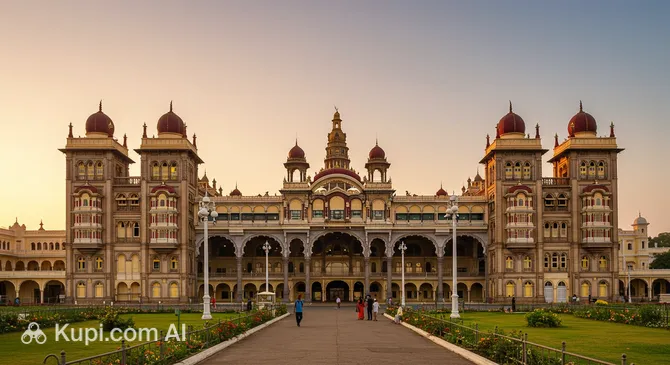
Visitors are invariably drawn to the breathtaking Mysore Palace, an architectural marvel that illuminates the night sky with thousands of lights on Sundays and holidays. Beyond the palace, the city invites exploration of the vibrant Devaraja Market, where the air is filled with the scent of jasmine and sandalwood, or a serene evening at the expansive Brindavan Gardens nearby.
Whether you are a history buff, a nature lover, or simply seeking a culturally immersive experience, Mysore promises a memorable journey. Its clean streets, friendly locals, and rich tapestry of sights make it an essential stop on any South Indian itinerary.
Weather Overview
The weather in Mysore is generally pleasant throughout the year, characterized by a tropical savanna climate. Winters, spanning from December to February, are comfortable and dry with average temperatures hovering around 22°C to 24°C, making it an ideal time for sightseeing and outdoor activities.
As the season shifts to summer in March and April, the city experiences its warmest days, with maximum temperatures reaching up to 34°C. However, this heat is soon followed by the monsoon season. From May through October, visitors should be prepared for frequent rainfall, as the number of wet days increases significantly—peaking at 24 wet days in July—which helps cool the city down to average temperatures of about 24°C to 25°C.
Overall, expect warm summers with occasional rain and mild, dry winters. While the monsoon months bring consistent precipitation, they also bestow a lush greenery upon the region that many travelers find enchanting.
Interesting Facts
Beyond the main attractions and royal splendor, Mysore holds many fascinating secrets and historical distinctions that often escape the casual observer. Digging a little deeper reveals a city of unique innovations and surprising origins.
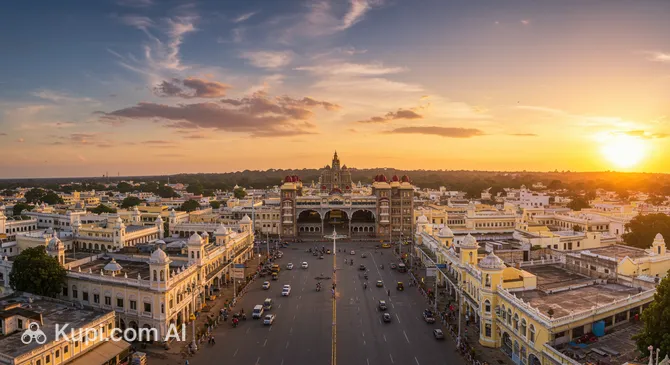
Mysore Palace. Source: Kupi.Binoculars
The Democracy Ink: Mysore plays a crucial role in the world's largest democracy. The indelible ink applied to the fingers of voters during elections in India is manufactured exclusively in this city by Mysore Paints and Varnish Limited. This special ink is also exported to many other countries for their electoral processes.
A Sweet Accident: The famous Indian sweet, Mysore Pak, was invented in the royal kitchens of the Mysore Palace. Legend has it that the royal cook, Kakasura Madappa, concocted a mixture of gram flour, ghee, and sugar for the Maharaja. When asked for the name of the delicious dessert, he simply called it "Mysore Pak" (Pak meaning sugar syrup).
A Shell Spectacle: The city is home to the Sea Shell Art Museum, which showcases an incredible collection of sculptures and art pieces made entirely from sea shells. It is known for housing a massive Ganesha idol made of shells and has received recognition for its unique craftsmanship.
Railway Heritage: The Mysuru Railway Museum was the second of its kind to be established in India, right after the one in New Delhi. It preserves a fascinating collection of vintage locomotives, including the Maharaja's royal saloon carriage, offering a glimpse into luxury travel of the past.
How to Get There
Planning a trip to the "City of Palaces" requires considering a few travel options, as the city relies on neighboring hubs for air connectivity. While the journey might involve a transfer, the scenic drive to the city is part of the experience. You can find more details and plan your specific route by reading all ways to reach the city.
The city of Mysore does not have its own major international airport, so most travelers fly into Kempegowda International Airport (BLR) in the city of Bengaluru, which is about 153 km from Mysore. As a large hub, it offers extensive domestic and international connections. From the airport, you can take a direct "FlyBus," a taxi, or a private cab to reach Mysore. The journey typically takes approximately 4 hours and 10 minutes depending on traffic.
Alternatively, you can arrive at Kannur International Airport (CNN) in the city of Kannur. Located about 126 km away, it is geographically closer but involves a drive through winding roads that takes around 3 hours and 30 minutes. While it serves fewer passengers than Bengaluru, it is a convenient entry point for those coming from the Middle East or specific domestic locations.
For clarity, here is a summary of the main airports:
Airport Name
City
Passenger Traffic
Km from City
Kempegowda International Airport
Bengaluru
Large
153.3
Calicut International Airport
Kozhikode
Medium
148.3
Coimbatore International Airport
Coimbatore
Medium
146.8
Kannur International Airport
Kannur
Medium
126.1
Salem
Salem
Small
165.3
Besides air travel, Mysore is exceptionally well-connected by rail and road. The city's railway station is a major junction in the Southern Railway network, receiving frequent express trains, including the high-speed Vande Bharat and Shatabdi Express, primarily from Bengaluru and Chennai. An extensive network of state-run and private buses also connects Mysore to towns and cities across South India.
Main Attractions
Mysore is a city that wears its history with pride, offering a splendid array of monuments, gardens, and cultural sites that reflect its royal lineage. While the streets are lined with heritage structures, the true essence of the city is best experienced through its most iconic landmarks, which range from opulent palaces to serene natural retreats.
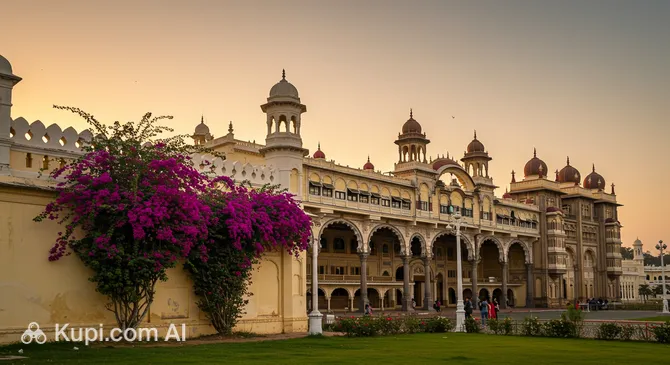
Undoubtedly the most famous site is the Mysore Palace, also known as the Amba Vilas Palace. This architectural masterpiece is a stunning example of the Indo-Saracenic style, featuring intricate craftsmanship, stained glass windows, and grand durbar halls. It serves as the official residence of the Wodeyar dynasty and is a sight to behold, especially on Sundays and public holidays when nearly 100,000 light bulbs illuminate its façade, turning it into a glowing spectacle against the night sky.
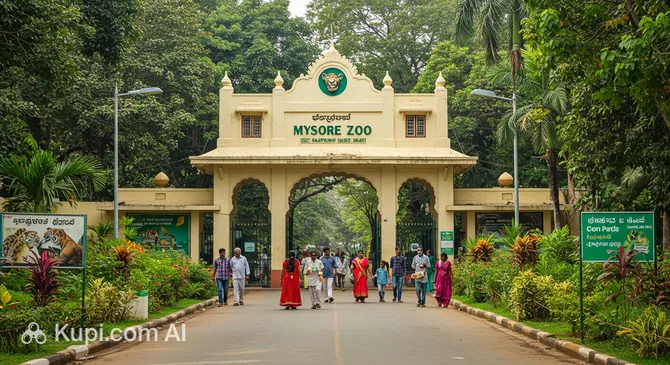
For nature enthusiasts and families, the Mysore Zoo (Sri Chamarajendra Zoological Gardens) is a must-visit destination. Established in 1892, it is one of the oldest and best-maintained zoos in India. The sprawling sanctuary is home to a diverse collection of exotic and indigenous animals, including giraffes, African elephants, and big cats, all housed in spacious, naturalistic enclosures that prioritize animal welfare and conservation education.
Mysore Zoo. Source: Kupi.Binoculars
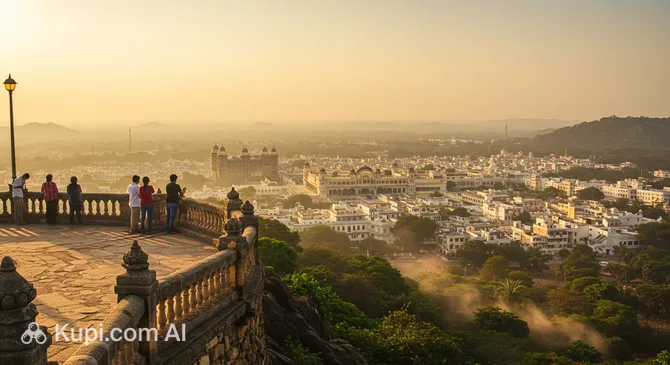
Rising above the city is the Chamundi Hill Viewpoint, a spiritual and scenic landmark that offers panoramic vistas of Mysore’s landscape. A drive or a climb up the 1,000 steps leads visitors to the summit, which is crowned by the ancient Sri Chamundeshwari Temple. The viewpoint is particularly magical at sunset or early morning, providing a serene escape and a bird's-eye view of the city's landmarks, including the racecourse and the palace.
Chamundi Hill Viewpoint. Source: Kupi.Binoculars
Art lovers should head to the Jaganmohan Palace and Art Gallery. Originally a royal residence, this heritage building now houses one of South India's premier art collections. The gallery displays an impressive array of artifacts, musical instruments, and paintings, including the celebrated works of Raja Ravi Varma, offering a deep dive into the artistic traditions and royal lifestyle of the region.
Jaganmohan Palace and Art Gallery. Source: Kupi.Binoculars
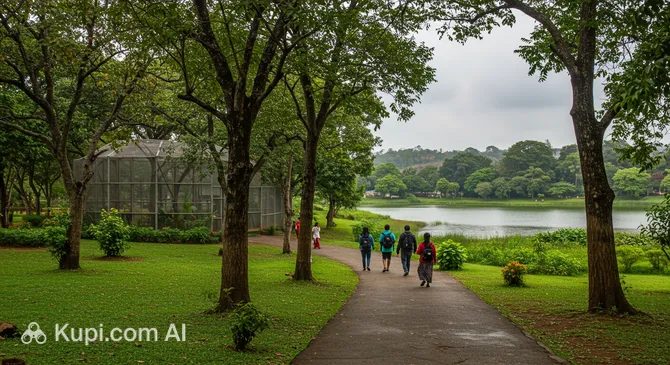
Those seeking a quiet retreat within the city limits will find solace at Karanji Lake Nature Park. Located at the foot of Chamundi Hills, this eco-complex features a beautiful lake ideal for boating, a butterfly park, and India's largest walk-through aviary. It is a perfect spot for birdwatching and leisurely walks, allowing visitors to disconnect from the urban bustle and immerse themselves in nature.
Karanji Lake Nature Park. Source: Kupi.Binoculars
Local Cuisine
The culinary landscape of Mysore is as rich and royal as its history, offering a delightful journey for the palate that is distinct from other South Indian cities. The cuisine here is predominantly defined by Udupi-style vegetarian dishes, characterized by the use of jaggery, coconut, and mild spices, though the city has a growing appetite for diverse flavors. No visit is complete without trying the iconic Mysore Masala Dosa. Unlike the crispy, paper-thin dosas found elsewhere, this local variation is slightly thicker, crisp on the outside and soft on the inside, smeared with a signature spicy red chutney and stuffed with a potato onion filling (palya).
Another culinary gem that carries the city's name is the world-famous Mysore Pak. This melt-in-the-mouth sweet, made from generous amounts of ghee, sugar, and gram flour, was invented in the royal kitchens of the Wodeyars. You will find two versions across the city: the traditional porous, harder blocks and the modern "special" version which is softer and oozes with ghee. For a wholesome traditional meal, locals often turn to Ragi Mudde (finger millet balls) served with a savory greens stew (soppina saaru) or chicken curry, a nutritious staple that powers the region's farmers and workers.
The dining culture in Mysore ranges from humble, bustling "messes" serving meals on banana leaves to upscale eateries. For those seeking authentic vegetarian fare in a comfortable setting, Annapoorna is a popular choice among families and travelers alike. It is an excellent spot to sample traditional South Indian thalis or breakfast staples in a hygienic environment.
Beverages are an integral part of the daily rhythm here. The day typically begins and ends with a steaming cup of South Indian Filter Coffee (Kaapi), brewed to perfection with a mix of coffee beans and chicory, and served frothy in a stainless steel tumbler and dabara. In the evenings, you might find locals enjoying Badam Milk, a warm, saffron-flavored almond milk often garnished with nuts, which is particularly refreshing after a walk around the palace grounds.
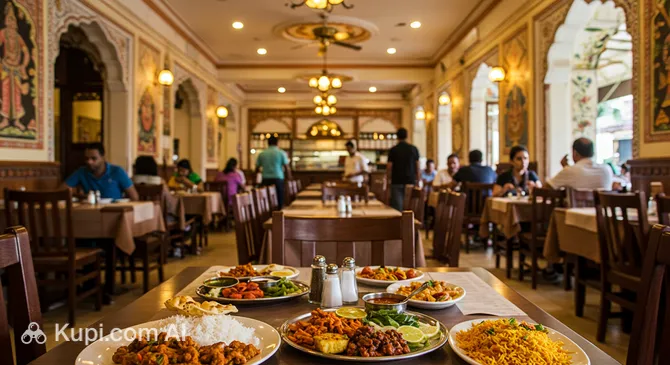
Empire Restaurant. Source: Kupi.Binoculars
While the city is famous for its vegetarian heritage, meat lovers are not left behind. The food scene comes alive at night with vibrant restaurants catering to non-vegetarian cravings. A legendary name in this space is the Empire Restaurant, known for its succulent kebabs, ghee rice, and rich curries. It is a go-to destination for those looking to experience the spicier, heartier side of Mysore's gastronomy late into the evening.
Travel Tips
Welcome to Mysore, a city where royal grandeur meets old-world charm. To ensure your visit to this cultural gem in India is as seamless as it is memorable, here are some practical travel tips to keep in mind.
Clothing and Gear: Given the tropical climate, pack lightweight, breathable cotton clothing to stay comfortable throughout the day. When visiting religious sites like the Chamundeshwari Temple, modest attire is mandatory; ensure your shoulders and knees are covered to show respect. Comfortable slip-on shoes or sandals are highly recommended, as you will frequently need to remove your footwear at temples and inside the palace.
Transportation: Getting around is fairly easy with auto-rickshaws, but always insist on using the meter or negotiate the fare before hopping in. Ride-hailing apps like Ola and Uber are reliable alternatives that save you the hassle of bargaining. For longer day trips, the state-run KSRTC buses are efficient, while renting a car with a driver is often less stressful than self-driving in local traffic.
Finances: The local currency is the Indian Rupee (INR). While credit cards are accepted at hotels and upscale restaurants, carrying cash is essential for small purchases, street food, and shopping at the Devaraja Market. ATMs are widely available across the city. Tipping is appreciated; leaving about 10% of the bill at restaurants is customary if a service charge hasn't already been added.
Health and Safety: Mysore is generally a safe and clean city for tourists, but it is wise to drink only bottled or filtered water to avoid stomach issues. Pharmacies (often called "Medical Stores") are plentiful, with chains like Apollo and MedPlus often open late. It is also advisable to use mosquito repellent, especially during the evenings and the monsoon season, to protect against insect-borne ailments.
Communication: The official language is Kannada, but English is widely understood and spoken, particularly in the hospitality and tourism sectors. Learning a simple "Namaskara" (Hello) is a great way to break the ice with locals. For mobile connectivity, you can purchase a SIM card (Airtel or Jio) at the airport or authorized stores, provided you have your passport and visa copies handy.
Local Etiquette: Cultural norms here are conservative. Always remove your shoes before entering someone's home or a place of worship. When eating with your hands or handing money to someone, use your right hand, as the left is traditionally considered unclean. Public displays of affection are generally frowned upon and should be avoided to respect local sensibilities.
What to Avoid: Be cautious of touts offering "authentic" sandalwood oil or silk on the streets, as fake products are common; stick to government-empanelled emporiums like Cauvery Arts & Crafts for genuine purchases. Additionally, avoid photographing locals, especially women, without asking for their permission first.
Yoga Capital: Mysore is globally renowned as a hub for Ashtanga Yoga. If you plan to attend a class or a workshop in neighborhoods like Gokulam or Lakshmipuram, try to book your spot well in advance. Many popular shalas fill up quickly, especially during the peak winter season.
With these tips in hand, you are ready to navigate the streets of Mysore with confidence and ease. Soak in the history, enjoy the warm local hospitality, and let the "City of Palaces" enchant you with its timeless beauty.
Entertainment & Nightlife
While Mysore is widely celebrated for its heritage and traditional roots, its nightlife scene has quietly evolved into a vibrant mix of cozy lounges, rooftop bars, and lively hangouts. Unlike the high-energy pulse of nearby Bengaluru, the evenings here are more about relaxed sophistication, great conversations, and enjoying the pleasant weather under the open sky. The city’s entertainment landscape is perfect for travelers looking to unwind after a day of sightseeing.
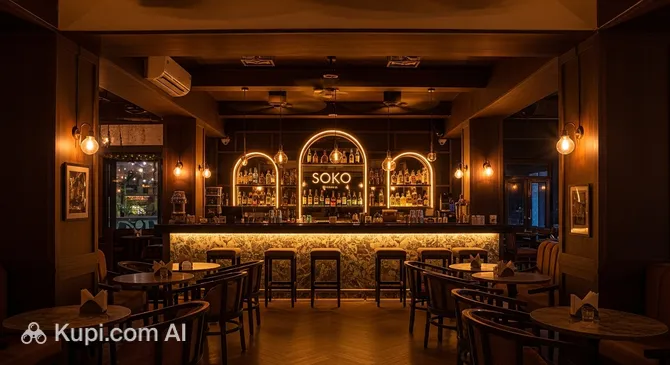
For those seeking a chic atmosphere with stunning views, Soko is a standout destination. Located on a rooftop, this venue offers a panoramic view of the Chamundi Hills and is known for its inventive cocktails and modern ambiance. It attracts a trendy crowd and is an excellent spot for a sunset drink that transitions into a lively evening.
Soko. Source: Kupi.Binoculars
Beer enthusiasts and those looking for a microbrewery vibe should head to The Barge. Situated in the Hebbal Industrial Area, this place has an industrial-chic aesthetic and serves a variety of craft beers and continental food. It often features live music or DJ sets, making it a popular choice for groups of friends looking to celebrate the weekend.
If you are in the mood for dancing or a more energetic club setting, Scirocco Mysuru in the Vijayanagar area is a go-to spot. It offers a spirited environment with a spacious dance floor and a diverse menu of spirits and appetizers. The crowd here is a mix of locals and tourists, and the energy picks up significantly as the night progresses.
The nightlife in Mysore is concentrated in specific pockets rather than a single district. Upscale neighborhoods like Gokulam and Vijayanagar are home to many of the city's best cafes and lounges. The atmosphere is generally laid-back, and the dress code is smart casual; while you don't need to be overly formal, beachwear is usually not appropriate for evening venues.
Practical Advice: It is important to note that Mysore sleeps relatively early compared to metropolitan hubs. Most bars and pubs call for "last orders" around 11:00 PM, with venues closing by 11:30 PM or midnight. Prices are generally affordable, with a night out costing significantly less than in larger Indian cities. For transportation, it is safest and most convenient to use ride-hailing apps like Uber or Ola, especially late at night, rather than hailing auto-rickshaws on the street.
Mysore is considered one of the safest cities in India, and walking in well-lit, busy areas like the city center is generally fine. However, as with any travel destination, it is wise to stay in groups and avoid dimly lit, isolated streets after dark.
During the day, the entertainment options shift towards family-friendly fun and cultural exploration. Adventure seekers can visit GRS Fantasy Park, a sprawling water and amusement park located on the outskirts of the city. For a more unique experience, the Sand Museum Mysore displays intricate sculptures made entirely of sand and water, showcasing artistic themes ranging from mythology to wildlife.
Parks & Museums
Mysore’s reputation as a cultural capital is matched by its dedication to preserving green spaces and heritage through an impressive array of parks and museums. Beyond the royal palaces, the city offers verdant retreats and curated collections that allow visitors to explore everything from botanical wonders to vintage transportation history.
One of the city's most cherished green lungs is Brindavan Gardens. Located just a short drive from the city center near the Krishnarajasagara Dam, this world-famous garden is laid out in three terraces and spans over 60 acres. It is renowned for its symmetrical design, illuminated fountains, and the musical fountain show that captivates audiences every evening. It serves as a perfect example of garden architecture inspired by the Shalimar Gardens of Kashmir.
For those seeking a quieter connection with nature, Lingambudhi Park is a hidden gem located on the outskirts of the city. Surrounding a freshwater lake, this protected area is a haven for birdwatchers and nature photographers. The park features lush bamboo groves and well-maintained jogging tracks, making it a favorite spot for locals to enjoy a peaceful morning amidst rich biodiversity.
Another unique botanical attraction is the Kishkindha Moolika Bonsai Garden, situated within the Avadhoota Datta Peetham ashram. This beautifully landscaped garden houses over 450 varieties of bonsai trees, carefully curated to reflect different styles and traditions. It offers a meditative atmosphere where visitors can admire the intricate art of dwarfing trees, with some specimens being several decades old.
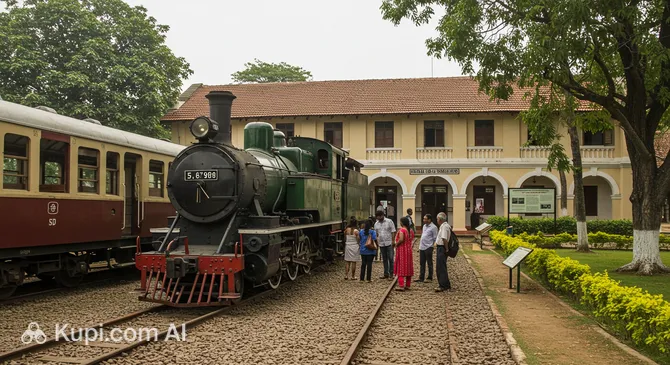
Mysore’s museums are equally fascinating, offering deep dives into specific facets of history and culture. The Mysuru Railway Museum is a delight for history buffs and children alike. As one of the oldest railway museums in India, it showcases an outdoor collection of vintage locomotives, steam engines, and the Maharaja’s royal saloon. The exhibits provide a nostalgic journey through the evolution of rail travel in India.
Mysuru Railway Museum. Source: Kupi.Binoculars
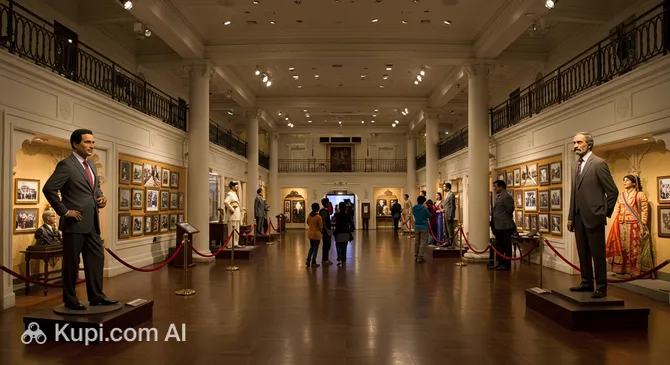
For a more eclectic experience, the Melody World Wax Museum presents a vibrant celebration of music and culture. Housed in a heritage building, this museum features life-size wax statues of musicians from various eras and genres playing a vast array of instruments. The collection includes over 300 musical instruments from around the world, making it a visual and educational treat for music lovers.
Melody World Wax Museum. Source: Kupi.Binoculars
Visitors interested in the region's ecological history should visit the Regional Museum of Natural History, Mysuru. Located on the banks of Karanji Lake, this institution focuses on the flora, fauna, and geology of southern India. It features galleries dedicated to biological diversity, ecology, and conservation, offering an informative perspective on the natural heritage that surrounds the city.
For a truly unique and interactive experience, consider visiting Shuka Vana, an aviary that holds the Guinness World Record for the most bird species in an aviary. Part of the Datta Peetham ashram, this rehabilitation center allows visitors to walk among hundreds of colorful parrots and exotic birds, many of which are friendly and accustomed to human interaction.
Getting Around
Navigating Mysore is relatively straightforward and stress-free compared to many larger urban centers. The city does not have a metro system, so the public transport network relies primarily on a robust fleet of government-operated buses and a vast number of three-wheeled vehicles. For tourists, getting around is affordable and convenient, with most major attractions located within a short distance of each other.
The backbone of the city's public transit is the bus service managed by the Karnataka State Road Transport Corporation (KSRTC). These city buses are distinctively colored, often in shades of blue and white, and connect virtually every neighborhood to the central hub. The main terminal is the City Bus Stand (CBS), located conveniently close to the palace. While there are some air-conditioned Volvo buses on select routes, the majority are standard non-AC buses. They are frequent, safe, and offer an authentic way to experience local life.
For payment on buses, the system is traditional and simple. There are no smart cards or tap-on systems for short-term visitors. You simply board the bus and purchase a ticket directly from the conductor, who will come to your seat or is stationed near the rear door. You must pay in cash, so it is essential to carry small change (coins and smaller denomination notes). Fares are extremely low, usually costing just a few rupees depending on the distance. Daily passes are sometimes available for unlimited travel, which can be purchased at the main bus stand.
Auto-rickshaws are the most popular mode of transport for last-mile connectivity. You will see these three-wheeled yellow and green vehicles everywhere. By law, drivers are required to use a meter, but in practice, many may ask for a flat fare, especially from tourists. To avoid overpaying, it is advisable to insist on the meter or agree on a reasonable price before starting the journey. "Pre-paid auto" counters are available at the railway station and main bus stands, offering a fixed, fair price to your destination.
For a more comfortable and hassle-free alternative, ride-hailing apps like Uber and Ola are widely operational in the city. These apps allow you to book both cars and auto-rickshaws without the need for bargaining. The price is fixed upfront, and you can track your journey, making it a preferred option for those unfamiliar with the local language or routes. Taxis are also available for full-day rentals if you plan to visit multiple sites on the outskirts.
A unique feature of Mysore’s transport landscape is Trin Trin, a public bicycle-sharing system. It is one of the few successful initiatives of its kind in the region, designed to promote eco-friendly travel. Tourists can register for a short-term membership and pick up bicycles from docking stations located near major tourist spots, such as the palace, zoo, and lakes. It is an excellent way to explore the city's flat terrain and tree-lined avenues at your own pace.
Finally, for a touch of nostalgia, you can experience a ride in a Tonga, a traditional horse-drawn carriage. While no longer a primary mode of commuting, these carriages are a charming heritage experience, typically found around the palace gates and heritage buildings. They offer a leisurely, slow-paced tour of the colonial quarters, allowing you to soak in the city's old-world atmosphere.
Public transport generally operates from early morning, around 6:00 AM, until about 10:00 PM. If you are traveling late at night, it is best to rely on pre-booked taxis or ride-hailing apps. Always ensure you have valid identification and keep your bus tickets until you alight, as ticket inspectors do conduct random checks.
Accommodation
Finding the perfect place to stay in Mysore is relatively easy, as the city offers a wide spectrum of accommodation options to suit every budget and preference. From heritage mansions converted into boutique hotels that reflect the city's royal past to modern resorts and budget-friendly lodges, travelers have plenty of choices. Whether you are a backpacker, a yoga student, or a family seeking luxury, Mysore’s hospitality sector is well-equipped to host you.
For most tourists, the most convenient area to stay is the City Center (near the Palace or Devaraja Mohalla). Staying here puts you within walking distance of major attractions like the Mysore Palace, the zoo, and the bustling markets. It is the best choice for short trips where ease of access is a priority. Alternatively, the neighborhood of Gokulam is highly popular among long-term visitors, particularly those attending yoga courses. This area is quieter, leafier, and dotted with organic cafes and yoga shalas, offering a more residential vibe.
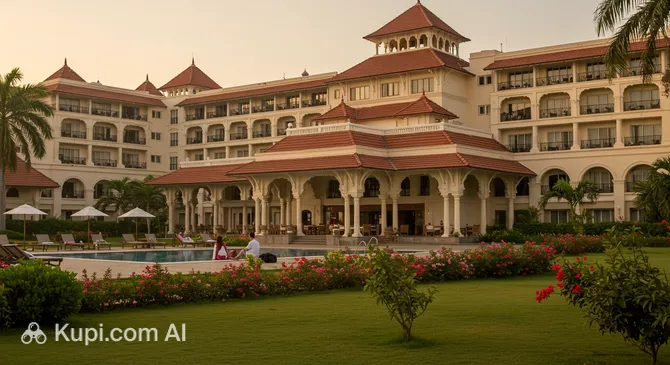
If you prefer a stay that combines comfort with a touch of luxury, the city has several excellent properties. For instance, Ivaana Resorts offers a tranquil escape with modern amenities, making it a great choice for travelers looking to unwind after a day of sightseeing. Similarly, the Grand Serene Hotel provides a blend of convenience and hospitality, suitable for both business and leisure travelers seeking a reliable mid-range to upscale experience.
Ivaana Resorts. Source: Kupi.Binoculars
Booking Tip: Mysore is a year-round destination, but accommodation can become extremely scarce and expensive during the famous Dasara festival (usually in September or October). If you plan to visit during this ten-day celebration, it is crucial to book your room at least two to three months in advance to secure a spot.
The price range for accommodation varies significantly. Budget travelers can find clean hostels and homestays for very reasonable rates, while mid-range hotels offer great value with air-conditioning and breakfast included. Luxury heritage hotels and resorts are on the higher end but provide a unique royal experience. Most properties are listed on major online booking platforms, which is the most convenient way to reserve, though many smaller guesthouses and homestays in residential areas also accept direct bookings.
Nearby Cities
For those looking to explore the surroundings, Mysore serves as an excellent base for day trips to several interesting nearby locations:
One of the most spiritually significant towns in the vicinity is Nanjangud, located on the banks of the Kapila River. Often referred to as "Dakshina Kashi" or the Varanasi of the South, it is renowned for the ancient Srikanteshwara Temple, a masterpiece of Dravidian architecture dedicated to Lord Shiva. The town attracts pilgrims and art lovers alike, offering a deep dive into the region's religious heritage and architectural grandeur.
Just a short drive away lies Krishnarajasagara, a town that grew around the celebrated KRS Dam. Built across the river Kaveri, this engineering marvel is not only a vital reservoir for the state but also a major tourist attraction. It is the site of the famous Brindavan Gardens, where visitors can enjoy beautifully landscaped terraces and musical fountains, making it a perfect spot for a relaxing evening outing.
For those interested in the agricultural heartbeat of Karnataka, Mandya is known as the "Sugar City" due to its abundant sugarcane fields and sugar factories. Situated on the Bangalore-Mysore highway, it offers a glimpse into the rural lifestyle and local economy of the region. It serves as a bustling regional hub and a gateway to other historical sites in the district.
City
Population
Distance (km)
Mandya
137,358
37
Nanjangud
61,961
20
Hunsur
57,948
39
Krishnarajasagara
40,435
14
Bannur
30,675
25
These nearby destinations offer a glimpse into the diverse culture and landscapes of the region, providing enriching experiences just a stone's throw away from the city.
Shopping & Souvenirs
Shopping in Mysore is a delightful experience that goes far beyond mere retail therapy; it is an immersion into the city's rich heritage of craftsmanship and trade. Known globally for its exquisite silk, fragrant sandalwood, and traditional artistry, the city offers a unique blend of bustling historic markets and modern retail spaces. Visitors will find that the shopping scene here is less about high-end fashion brands and more about authentic, locally made treasures that reflect the culture of Karnataka.
The heart of the city's commercial activity beats along Devaraja Urs Road. This is the main high street where tourists can find a wide array of shops selling everything from branded apparel to traditional Indian wear. It is a vibrant stretch perfect for an evening stroll, lined with eateries and showrooms. Another key area is Ashoka Road, which is famous for its jewelry stores and gold merchants, making it a glittering destination for those looking to invest in precious ornaments.
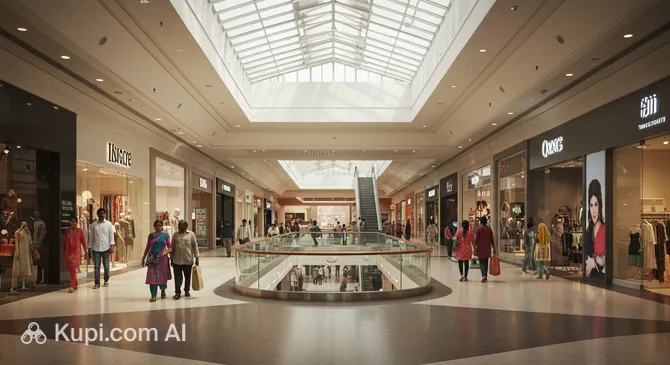
For those who prefer a contemporary shopping environment with air-conditioned comfort, Mysore has embraced the mall culture with several impressive complexes. The Centre City Mall is a popular destination for families and youth, housing a variety of domestic and international brands, a food court, and entertainment zones. It provides a convenient one-stop location for fashion, electronics, and leisure.
Centre City Mall. Source: Kupi.Binoculars
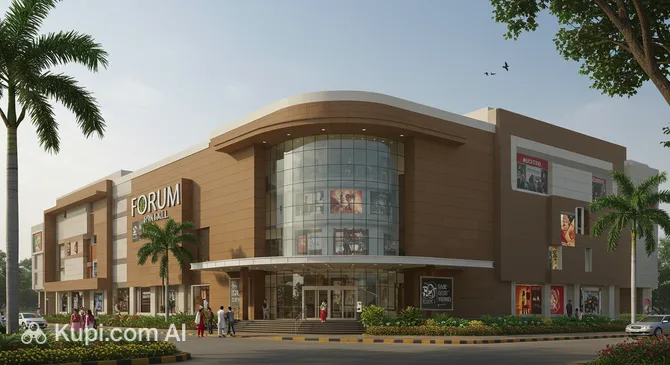
Another significant spot for modern retail is the Forum Mall. Known for its spacious layout and diverse mix of retail outlets, it is an excellent place to shop for lifestyle products, catch a movie, or enjoy a meal. These malls offer a stark contrast to the traditional bazaars, providing all the amenities international travelers might expect.
Forum Mall. Source: Kupi.Binoculars
However, the soul of Mysore's shopping lies in its traditional markets. The iconic Devaraja Market is an absolute must-visit, even if you don't plan to buy much. Dating back to the reign of Tipu Sultan, this heritage market is a sensory explosion of colors and scents. Here, you can walk through piles of vibrant kumkum (vermilion) powder, garlands of fresh jasmine, mounds of tropical fruits, and aromatic spices. It is also the best place to find essential oils and incense sticks, which are produced locally.
When it comes to souvenirs, there are a few items that are quintessential to the city. Mysore Silk sarees are legendary for their soft texture and pure gold zari work; purchasing one from a government-authorized showroom ensures authenticity. Sandalwood products, including soaps, oils, and intricate carvings, are also top purchases, as the city is the center of India's sandalwood industry. Additionally, look for Rosewood inlay work, a delicate art form used to create beautiful wall hangings and furniture. Don't forget to pick up a box of Mysore Pak, the city's signature sweet treat, to share with friends back home.
Most shops in Mysore open around 10:00 AM or 11:00 AM and close by 9:00 PM. While the malls and larger showrooms on Devaraja Urs Road accept credit and debit cards, cash is still king in the local markets like Devaraja Market and smaller handicraft stalls. It is advisable to carry smaller denominations of Indian Rupees for street purchases. Bargaining is common in the markets, so feel free to negotiate politely for a better price.
Regarding taxes, the prices displayed in shops usually include the Goods and Services Tax (GST). India does not have a widespread VAT refund system for tourists for general retail purchases similar to those found in Europe. Therefore, the price you pay at the counter is typically the final cost.