Support

Tiruchirappalli

About

Tiruchirappalli, affectionately known as Trichy, is a vibrant and ancient city located in the southern state of Tamil Nadu, India. Situated on the banks of the majestic Kaveri River, this bustling metropolis serves as a geographic and cultural center of the state. With a population of over 900,000 residents, the city offers a fascinating blend of busy urban life, educational prominence, and deep-rooted spiritual traditions, all set against a backdrop of a generally warm and tropical climate.
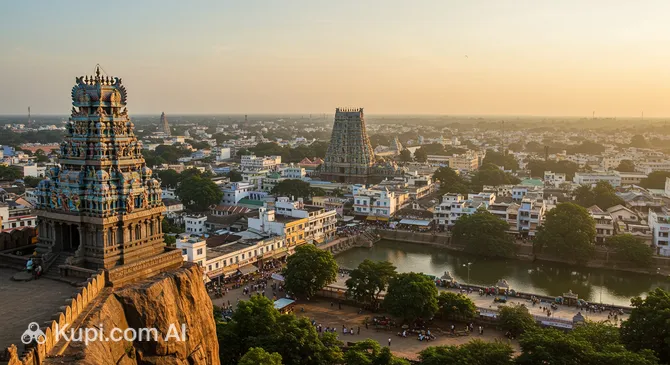
Tiruchirappalli. Source: Kupi.Binoculars

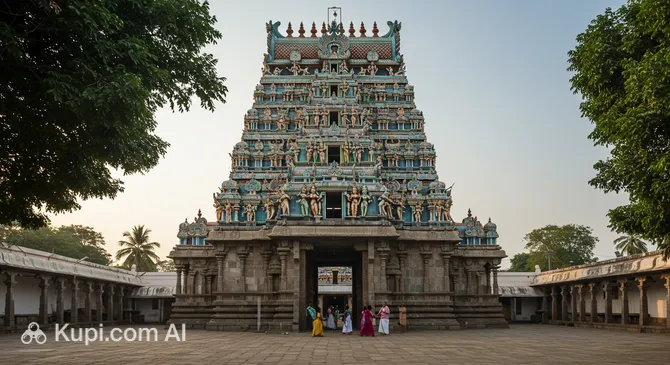
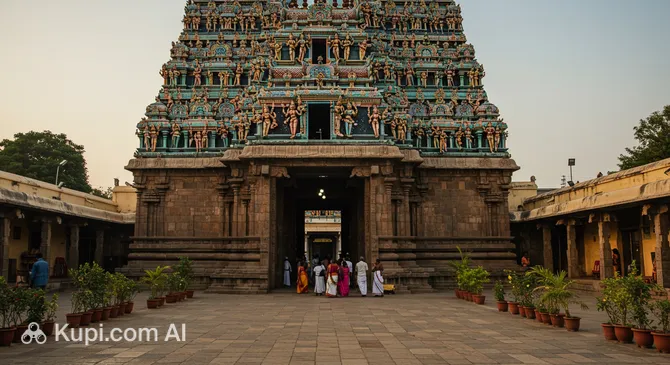
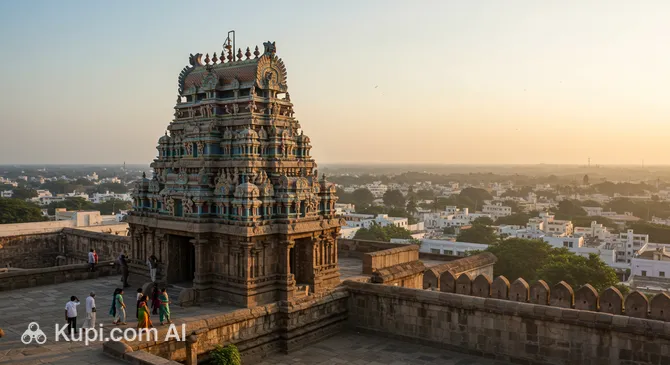
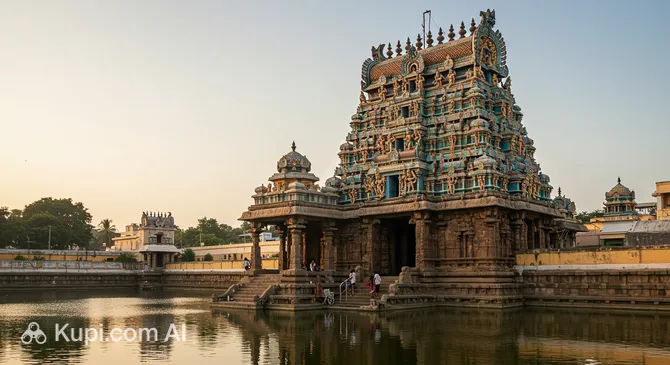
The city boasts a heritage that dates back centuries, having been a significant capital for early Cholas and later ruled by the Pandyas, Pallavas, and Nayaks. Visitors interested in the past can delve into the history of Tiruchirappalli to understand how these diverse dynasties shaped its unique architectural landscape. The city is renowned for its distinct Dravidian style, which is visible in its numerous monuments and sacred sites.

Among the most iconic attractions is the Rock Fort Temple, a fortress complex perched atop a massive 83-meter-high rock formation that dominates the skyline and offers breathtaking panoramic views. Just a short distance away lies the island of Srirangam, home to the massive Sri Ranganathaswamy Temple, which is often cited as one of the largest functioning Hindu temple complexes in the world. These landmarks make the city a treasure trove for architecture enthusiasts and pilgrims alike.

Tiruchirappalli is more than just a transit point; it is a destination filled with character, delicious local cuisine, and welcoming hospitality. Whether you are exploring its ancient temples or walking along the riverbanks, the city promises an enriching experience that captures the heart of Tamil culture. It is undoubtedly a compelling stop for anyone planning a journey through the region.
Weather Overview

Tiruchirappalli typically experiences a hot and tropical climate, with temperatures remaining elevated throughout the year. The warmest period occurs in April and May, where the average temperature hovers around 32°C and maximum highs can reach 37°C. For those seeking milder conditions, December and January are the coolest months, with average temperatures dropping to approximately 25.5°C and nightly lows around 21°C.

Rainfall patterns vary considerably depending on the season, shifting from arid phases to frequent showers. The months of February and March are the driest, seeing minimal precipitation and very few wet days. In contrast, the weather in Tiruchirappalli becomes much wetter in the latter half of the year. October and November are particularly rainy in terms of frequency, with November recording precipitation on about 20 days. Expect hot, sunny summers and a distinct wet season late in the year, followed by warm and drier conditions in the early months.

Interesting Facts

Beyond the main attractions, Tiruchirappalli holds many fascinating secrets that showcase its geological significance and colonial legacy. Here are some unique insights into the city's past and present that often escape the casual visitor.
  • The massive rock formation that serves as the foundation for the famous Uchi Pillaiyar Temple is a geological marvel. Geologists estimate this rock to be around 3.8 billion years old, making it one of the oldest formations in the world and significantly older than the Himalayan mountain range.

  • During the British colonial era, the city was globally renowned for its unique tobacco industry, specifically the "Trichinopoly cigar." These cigars were so famous that they were a preferred choice of Sir Winston Churchill and were even mentioned in the Sherlock Holmes stories by Arthur Conan Doyle.

  • Tiruchirappalli has a rich railway heritage and serves as a major division headquarters for the Southern Railway zone. It is home to the Tiruchirappalli Rail Museum and Heritage Centre, which preserves rare artifacts, vintage equipment, and photographs documenting the evolution of train travel in the region.

  • The architecture of the Our Lady of Lourdes Church is a stunning example of cross-cultural design. While it is modeled after the Basilica of Lourdes in France with Neo-Gothic features, the interior incorporates Indian traditions, such as the use of vibrant flower garlands and colorful glass panels.

Uchi Pillaiyar Temple. Source: Kupi.Binoculars

How to Get There

Reaching this historic city is convenient due to its well-connected transport network. Whether arriving by air from international destinations or traveling domestically, visitors have multiple options to choose from. For a comprehensive guide on all available routes and travel tips, you can read more about how to get to Tiruchirappalli before planning your itinerary.

The most direct entry point is Tiruchirapalli International Airport (TRZ), which is situated within the city limits, just 2.8 km from the center. As a key hub for the region, it serves both domestic and international travelers. The commute from the terminal to the downtown area is very short, typically taking around 25 minutes by taxi. This proximity makes it the preferred choice for most tourists visiting the area.

If direct flights are unavailable, Madurai Airport (IXM) is a suitable alternative. It is located in the city of Madurai, approximately 125 km from Tiruchirappalli. Travelers landing here can expect a road journey of about 3.5 hours to reach their destination. Another option is Coimbatore International Airport (CJB) in Coimbatore, which is roughly 183 km away. While further out, it is a significant airport with higher passenger traffic, offering a wider range of flight connections.

For clarity, here is a summary of the main airports:

Airport Name City Passenger Traffic Km from City
Coimbatore International Airport Coimbatore Large 183.5
Tiruchirapalli International Airport Tiruchirappalli Medium 2.8
Madurai Airport Madurai Medium 125.2
Salem Salem Small 130.1
Kankesanturai Jaffna Small 185.9

Beyond air travel, the city is a major transportation hub in Tamil Nadu, well-linked by an extensive road and railway network. Regular bus services and trains connect it to major cities like Chennai, Bangalore, and Madurai, offering scenic and budget-friendly alternatives for those traveling within India.

Main Attractions

Tiruchirappalli is home to a diverse array of architectural marvels and spiritual centers that reflect its rich cultural tapestry. Beyond the famous Rockfort summit, the city offers several other significant sites that captivate travelers with their history and unique designs.

Situated halfway up the Rockfort complex, the Thayumanavar Temple is a significant shrine dedicated to Lord Shiva. This rock-cut temple is celebrated for its artistic pillars and ancient inscriptions, dating back to the Pallava and Pandya periods. It serves as a spiritual anchor for the city and offers visitors a chance to explore intricate Dravidian craftsmanship while ascending the historic rock formation.

Thayumanavar Temple. Source: Kupi.Binoculars

Another fascinating place of worship is the Vekkali Amman Temple, located in the ancient Woraiyur district. What makes this temple intriguing to tourists is the absence of a roof over the main sanctum, a feature rooted in local legend symbolizing the goddess's direct protection of her people. The vibrant atmosphere and unique architectural choice make it a memorable stop for those interested in local folklore and traditions.

Vekkali Amman Temple. Source: Kupi.Binoculars

For those interested in the city's military heritage, the Main Guard Gate stands as a prominent historical landmark. Once a crucial part of the fortifications surrounding the Rock Fort, this stone gateway has witnessed centuries of history, from the Nayak dynasty to the British colonial era. Today, it marks the entrance to a bustling commercial hub, offering travelers a striking contrast between the enduring stone architecture of the past and the lively energy of modern street markets.

Travelers seeking a serene environment should visit the Sri Ayyappan Temple. Renowned for its cleanliness and disciplined atmosphere, this temple offers a quiet retreat from the city's bustle. The beautifully maintained grounds and the calming spiritual vibe provide a refreshing experience for visitors looking to reflect and recharge during their journey.

Sri Ayyappan Temple. Source: Kupi.Binoculars

Local Cuisine

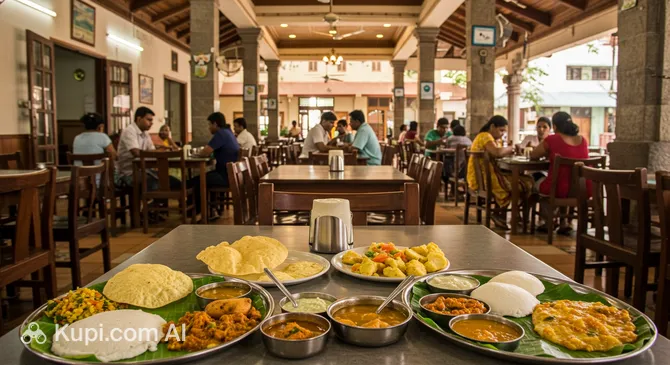
The culinary landscape of Tiruchirappalli is a delightful exploration of authentic Tamil flavors, characterized by the generous use of rice, lentils, and aromatic spices. As a major city in Tamil Nadu, the food scene here is dominated by traditional South Indian vegetarian cuisine, though the influence of the nearby Chettinad region ensures that lovers of spicy non-vegetarian curries are also well catered to. A meal here is not just about sustenance; it is a cultural experience often served on a fresh banana leaf.

For breakfast, the city wakes up to steaming hot Idlis (savory rice cakes) and crisp Dosas (fermented crepes), invariably accompanied by a variety of chutneys and the ubiquitous Sambar. Another local favorite to try is Pongal, a comforting rice and lentil dish tempered with black pepper and cumin. As the day progresses, the famous Kothu Parotta takes center stage in many eateries. This popular street food consists of flaky flatbread shredded and stir-fried with egg, meat, and a spicy sauce, creating a rhythmic clatter on the griddles that signals dinner time across the city.

When it comes to dining out, the city offers a mix of bustling "messes" and refined family restaurants. For a classic vegetarian feast, Shri Sangeethas Vegetarian Restaurant is a household name, renowned for its high-quality South Indian staples and sweets. Those looking to explore traditional home-style cooking with a wider variety of flavors might visit Appatha Samayal, which is popular for its hearty meals that reflect the rich culinary heritage of the region.

Shri Sangeethas Vegetarian Restaurant. Source: Kupi.Binoculars

No culinary journey in Tiruchirappalli is complete without sipping on the legendary South Indian Filter Coffee. Served in a traditional stainless steel tumbler and dabara, this frothy, strong brew is a daily ritual for locals. For those seeking cooler refreshments to beat the tropical heat, fresh sugarcane juice and Jigarthanda—a sweet milk-based beverage—are widely available. Travelers looking for a place to unwind with an alcoholic beverage can visit licensed establishments within hotels, such as the Hotel High Point, which offers a relaxed atmosphere distinct from the busy street-side stalls.

Travel Tips

Welcome to Tiruchirappalli! Exploring this historic city, where ancient traditions blend seamlessly with bustling modern life, is a rewarding experience for any traveler. To help you navigate "Trichy" with ease and confidence, here are some practical tips designed to make your journey smoother and more enjoyable.

  1. Clothing and Gear: Given the tropical climate, lightweight cotton clothing is your best bet to stay cool. Since Tiruchirappalli is a major pilgrimage center, modest dress is essential. When visiting religious sites like the Sri Ranganathaswamy Temple, ensure your shoulders and knees are covered—sleeveless tops and shorts are generally not permitted. Bring comfortable slip-on sandals, as you will need to remove your footwear frequently at temples.

  2. Transportation: Auto-rickshaws are the most convenient way to navigate the city's streets. While ride-hailing apps like Ola or Uber are present, availability can sometimes be spotty compared to larger metros, so be prepared to hail a rickshaw from the street. Always negotiate and agree on the fare before starting your ride if the driver refuses to use the meter. Local buses are extensive and cheap but can be crowded; they are best for those seeking an authentic local experience.

  3. Finances: The local currency is the Indian Rupee (INR). While credit and debit cards are accepted at major hotels, restaurants, and larger shops, cash is still king in Tiruchirappalli, especially for street food, small souvenirs, and temple offerings. ATMs are widely available throughout the city. A small tip of 5-10% at restaurants is appreciated, and rounding up fares for auto drivers is common practice.

  4. Health and Safety: Tiruchirappalli is generally a safe city for tourists, but standard precautions like watching your belongings in crowded temple complexes apply. Stick to bottled or filtered water and avoid consuming cut fruits or street food that hasn't been cooked fresh in front of you. Pharmacies are easy to find, with major chains often open late, and quality medical facilities are available if needed.

  5. Communication: Tamil is the primary language spoken here. However, English is widely understood and spoken, especially in the hospitality and tourism sectors, making communication relatively easy for international visitors. Learning a few basic Tamil words like "Vanakkam" (Hello) and "Nandri" (Thank you) will go a long way in warming up to the locals. Pre-paid SIM cards are easily purchasable at the airport or local shops with your passport and visa.

  6. Local Etiquette: The traditional greeting is "Namaste" or "Vanakkam" with palms pressed together. Always use your right hand for eating, exchanging money, or passing objects to others, as the left hand is considered unclean in traditional contexts. Public displays of affection are generally frowned upon and should be avoided to respect local conservative norms.

  7. What to Avoid: Do not enter the inner sanctums of Hindu temples if you are a non-Hindu, as entry is often restricted to devotees in specific areas; look for signs or ask temple staff for guidance. Avoid photographing people, especially during religious rituals, without asking for their permission first.

  8. Beat the Heat: A specific tip for Trichy: If you plan to climb the famous Rock Fort Temple, do it early in the morning (around 6:00 AM to 8:00 AM) or late in the evening. The stone steps absorb heat rapidly and can become scorching hot during the day, making the climb barefoot (which is mandatory) extremely difficult.

By keeping these practical points in mind, you will be well-prepared to immerse yourself in the vibrant culture and spiritual heritage of Tiruchirappalli. Embrace the warmth of the city, enjoy the delicious local cuisine, and have a wonderful trip!

Entertainment & Nightlife

Entertainment and Nightlife:

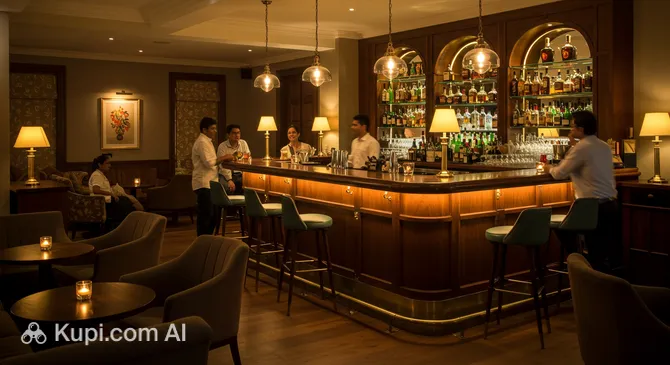
Tiruchirappalli, being a city deeply rooted in tradition and spirituality, offers a nightlife scene that is significantly more subdued compared to India's metropolitan hubs like Chennai or Bangalore. You will not find pulsating nightclubs or all-night dance floors here. Instead, the evening entertainment revolves around sophisticated lounge bars located within upscale hotels, vibrant late-night dining, and bustling shopping districts that come alive after sunset. The atmosphere is generally relaxed and laid-back, catering to travelers looking to unwind with a quiet drink or a hearty meal after a day of sightseeing.

The primary hub for evening entertainment is the Cantonment area. This district is home to many of the city's better hotels and, consequently, its licensed bars. Here, the vibe is calm and suitable for conversation, drawing a mix of business travelers, tourists, and local professionals. Another active area is Thillai Nagar, known as the city's high street, where you can find a variety of restaurants and dessert parlors open late, making it perfect for an evening stroll and a late dinner.

For those seeking a place to enjoy a drink, the options are mostly "Restobars"—establishments that combine a restaurant setting with a well-stocked bar. One such popular venue is the Oxina Lygon Bar. It offers a comfortable setting to enjoy spirits and cocktails, often accompanied by side dishes that reflect local spicy flavors. It is a great spot to experience the local interpretation of a pub, where the focus is on relaxation rather than partying.

Oxina Lygon Bar. Source: Kupi.Binoculars

Another prominent location for evening relaxation is the Hotel High Point. Situated in the Cantonment area, it is a well-known landmark that houses dining and bar facilities favored by visitors for their consistency and service. The dress code in these venues is typically smart casual; while shorts are often tolerated, long trousers and closed shoes are recommended for men to blend in with the local crowd.

Hotel High Point. Source: Kupi.Binoculars

If your idea of nightlife involves shopping and soaking in the local energy, the city's commercial centers remain buzzing until around 9:00 PM or 10:00 PM. You can visit large retail outlets like Lifestyle Stores or the massive textile showroom Pothys, which are often packed with families in the evenings. These areas offer a safe and lively environment to walk around, observe local life, and pick up souvenirs.

Practical Advice and Safety: Most bars and restaurants in Tiruchirappalli close relatively early, usually by 11:00 PM. It is best to head out around 7:00 PM or 8:00 PM to make the most of the evening. The city is generally safe for night walks in main areas like Cantonment and Thillai Nagar, but it is advisable to avoid dimly lit or isolated streets late at night. For transport, ride-hailing apps are available, but it is always a good idea to have a hotel reception call a taxi or reliable auto-rickshaw for your return journey.

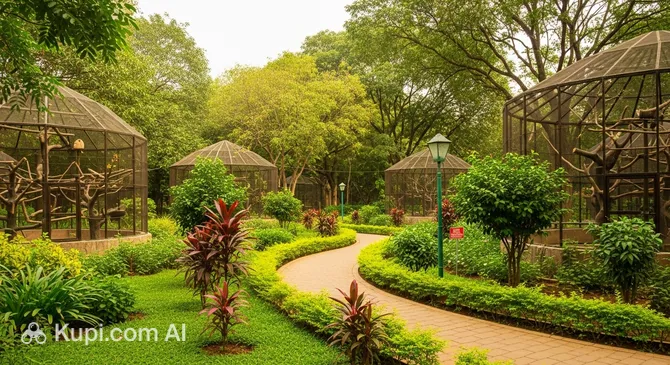
Daytime Entertainment: Before the sun sets, the city offers several family-friendly attractions. Nature lovers can visit the Trichy Bird Park, a peaceful spot to observe various avian species. For history buffs and families, the Tiruchirappalli Rail Museum and Heritage Centre provides an engaging look at the region's railway history with outdoor exhibits of vintage locomotives and an indoor gallery of artifacts.

Trichy Bird Park. Source: Kupi.Binoculars

Parks & Museums

While Tiruchirappalli is primarily celebrated for its towering temples and religious significance, the city also offers refreshing green spaces and insightful museums that allow visitors to pause and appreciate its secular history and natural beauty. For those looking to step away from the busy pilgrimage circuits, these spots provide a quieter glimpse into the local lifestyle and heritage.

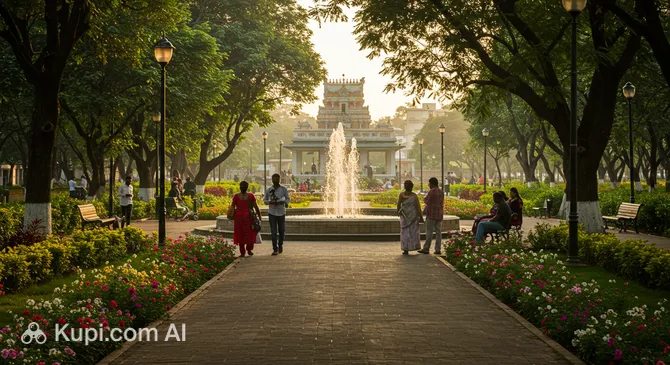
One of the city's notable green lungs is Peoples Park. Located centrally, this park serves as a convenient recreational space for locals and tourists alike. It is an ideal spot for a morning walk or a leisurely evening stroll, offering a break from the urban hustle. The park is often frequented by families and fitness enthusiasts, making it a great place to observe the daily rhythm of the city's residents in a relaxed environment.

Peoples Park. Source: Kupi.Binoculars

For nature lovers, the Tropical Butterfly Conservatory in the Srirangam area is a must-visit attraction. Although it lies slightly outside the main city center, it is considered one of the largest butterfly parks in Asia. The conservatory features a lush garden designed to attract various butterfly species, fountains, and walking paths, creating a colorful and serene atmosphere that is particularly enchanting for children and photographers.

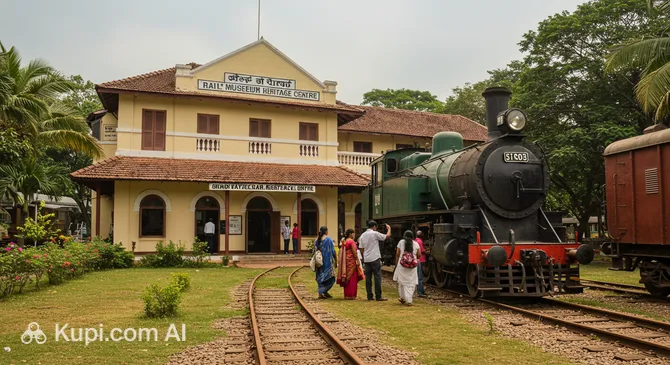
Tiruchirappalli's colonial and modern history is well-preserved in its specialized museums and monuments. The Tiruchirappalli Rail Museum and Heritage Centre is a highlight for anyone fascinated by the legacy of Indian Railways. The museum features an impressive outdoor display of vintage locomotives and coaches that visitors can admire up close. Inside, the galleries showcase a collection of old railway equipment, maps, and photographs that narrate the story of the Southern Railway's development, offering a nostalgic journey through time.

Tiruchirappalli Rail Museum and Heritage Centre. Source: Kupi.Binoculars

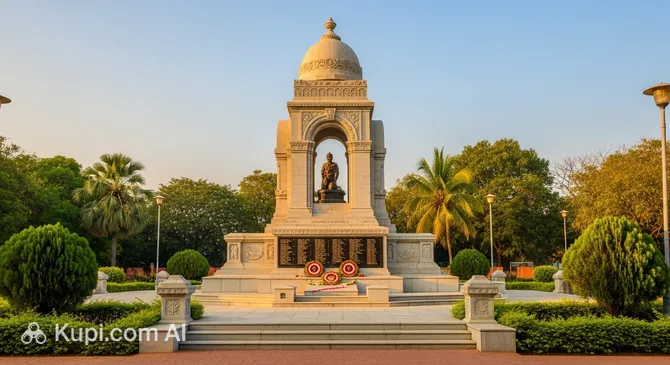
Another significant site reflecting the city's respect for history is the World War I Memorial. Situated opposite the bustling Gandhi Market, this clock tower monument stands as a solemn tribute to the soldiers from the region who fought in the Great War. It is a prominent architectural landmark that reminds passersby of the global connections and sacrifices of the city's past generations.

World War I Memorial. Source: Kupi.Binoculars

Visitors interested in local figures will find the Emperor Perumpidugu Mutharaiyar Statue to be a culturally significant landmark. Dedicated to a renowned king who ruled parts of Tamil Nadu, the statue is a point of pride for the local community and is often decorated with garlands during anniversaries and festivals, highlighting the enduring respect for regional history.

Insider Tip: For a scenic escape just a short drive from the city, visit Mukkombu (Upper Anaicut). This dam built across the Kaveri and Kollidam rivers functions as a popular picnic spot, featuring manicured gardens, amusement rides, and boating facilities, making it a perfect half-day excursion for families.

Getting Around

Navigating Tiruchirappalli is relatively straightforward, as the city relies primarily on a robust and extensive road-based public transport network. Unlike some of India's larger metropolises, there is currently no metro or tram system here. Instead, the public transportation backbone consists of a dense network of city buses, complemented by a vast fleet of auto-rickshaws and modern taxi services, making it easy for tourists to move between temples, markets, and hotels.

The local bus service is the most economical way to get around. Managed by the state-run TNSTC and various private operators, these buses connect all major neighborhoods and suburbs. The system revolves around two main terminals: the Central Bus Stand, which handles both local and intercity traffic, and the Chatram Bus Stand, which is a key hub for city buses heading to destinations like the Rock Fort and Srirangam. Buses are frequent, often numbered, and have destination boards in Tamil, though many also display English text. "Town Buses" (often red or green) are constantly shuttling passengers between the two main bus stands and key landmarks.

For a more personalized and flexible mode of transport, auto-rickshaws are ubiquitous. You will find these three-wheeled vehicles on nearly every corner, at designated stands, and outside railway stations. They are perfect for short distances or navigating narrow streets where buses cannot go. While some drivers may agree to use a meter, it is far more common to negotiate the fare before starting your journey. It is advisable to ask a local or your hotel reception for a rough price estimate to a specific destination to avoid being overcharged.

Regarding payment, cash is king in Tiruchirappalli's public transport system. For buses, you do not need to buy tickets in advance; instead, you board the bus and purchase your ticket directly from the conductor, who will come to your seat. Fares are extremely low, usually ranging from a few rupees to around ₹20 depending on the distance. It is highly recommended to carry small denominations (coins and ₹10, ₹20, or ₹50 notes), as conductors often struggle to provide change for large bills.

App-based cab aggregators like Ola and Uber operate within the city and offer a comfortable, air-conditioned alternative to traditional transport. These can be booked via smartphones, offering transparent pricing and eliminating the need to haggle. This is often the best option for tourists who prefer a hassle-free experience or are traveling with luggage. Traditional taxi stands are also available, particularly at the airport and railway junction, often offering fixed-rate prepaid services.

While there is no dedicated suburban rail network, the Tiruchirappalli Junction railway station connects to smaller satellite stations within the metropolitan area, such as Srirangam and Ponmalai (Golden Rock). Taking a local passenger train can be a scenic and incredibly cheap way to travel to Srirangam Island if the timing aligns with your schedule, offering a different perspective of the city away from the road traffic.

Public transport generally operates from early morning, around 5:00 AM, until late evening, roughly 10:00 PM or 10:30 PM. Services become less frequent after 9:00 PM. For tourists, renting a car with a driver is a popular alternative for day trips, as self-drive car rentals are less common and navigating the chaotic traffic can be challenging for those unaccustomed to local driving styles.

Accommodation

Accommodation in Tiruchirappalli caters largely to the steady stream of pilgrims and business travelers visiting the city. The options range from simple, budget-friendly lodges to comfortable mid-range hotels and a few upscale establishments. While you may not find ultra-luxury resorts comparable to major metros, the city offers plenty of clean, hospitable, and value-for-money places to stay.

The most popular area for tourists is the Cantonment district. This neighborhood is known for being quieter, cleaner, and home to many of the city's better-rated hotels and restaurants. It serves as an excellent base for those seeking a more relaxed environment while remaining central. Alternatively, travelers prioritizing connectivity often choose the area around the Central Bus Stand and the Railway Junction. This zone is bustling with activity and offers numerous budget lodges, making it convenient for those with early morning travel plans.

For those specifically visiting the great temples, staying in Srirangam is a viable option. This island area offers a spiritual atmosphere and proximity to the Sri Ranganathaswamy Temple, though the accommodation here tends to be more modest, often in the form of pilgrim rest houses or smaller guesthouses.

Among the notable accommodation options, Hotel Deepam is a well-regarded establishment. It provides a comfortable retreat with modern amenities, making it a suitable choice for families and leisure travelers looking for a reliable place to rest after a day of exploration.

Hotel Deepam. Source: Kupi.Binoculars

Booking Tips: Since Tiruchirappalli is a major pilgrimage hub, rooms can fill up quickly during religious festivals, particularly Vaikunta Ekadasi in December or January. It is highly recommended to book your accommodation well in advance during these periods to avoid inconvenience. For the rest of the year, securing a room is generally easier, but booking a few weeks ahead is still good practice.

Price Range: The cost of accommodation is generally reasonable. Budget rooms can be found for very affordable rates, while mid-range and upscale hotels offer excellent amenities at prices that are often lower than in India's larger cities. Most reputable hotels are listed on major online booking platforms, allowing for easy comparison, though some smaller traditional lodges near the temples may still prefer direct phone bookings.

Nearby Cities

For those looking to explore the surroundings, Tiruchirappalli serves as an excellent base for day trips to several interesting nearby locations:

City Population Distance (km)
Tuvagudi 38,887 14
Pappakurichchi 26,889 5
Mannachanallur 25,931 13
Kiranur 25,420 26
Lalgudi 23,740 15

While the immediate vicinity includes smaller towns, the region is rich in history and culture. Lalgudi is a notable destination for those interested in Dravidian architecture. It is home to the ancient Saptarishieeswarar Temple, a significant Shiva temple known for its intricate carvings and spiritual ambiance. The town offers a quieter, more authentic glimpse into the religious traditions of Tamil Nadu away from the larger crowds.

Another interesting stop is Kiranur, located to the south. This small town is appreciated by history buffs for its heritage sites, including ancient temples that showcase the early architectural styles of the region. Additionally, although not listed in the immediate suburbs, the historic city of Thanjavur is situated just a short drive away. It is world-famous for the Brihadeeswarar Temple, a UNESCO World Heritage site, and its unique style of painting, making it an essential day trip for any visitor to Tiruchirappalli.

These nearby destinations offer a glimpse into the diverse culture and landscapes of the region, allowing travelers to experience the deeper historical roots of southern India.

Shopping & Souvenirs

Shopping in Tiruchirappalli is a delightful experience that combines the charm of bustling traditional bazaars with the convenience of modern retail. The city is not just a pilgrimage center but also a commercial hub for the region, renowned for its exquisite textiles, sparkling artificial gems, and intricate handicrafts. Visitors can expect a vibrant atmosphere where bargaining is part of the fun in street markets, while fixed-price showrooms offer a more relaxed environment for purchasing high-quality goods.

The heartbeat of the city's shopping scene is undoubtedly NSB Road (Netaji Subhash Chandra Bose Road). Located in the shadow of the majestic Rock Fort, this street is always teeming with activity. It is lined with rows of shops selling everything from jewelry and clothes to books and electronics. Just adjacent is Chinna Kadai Street, famous for its jewelry showrooms and metalware. For those looking for a more upscale shopping experience with branded outlets and spacious sidewalks, Thillai Nagar is the city's high-street district, hosting many premium boutiques and international brands.

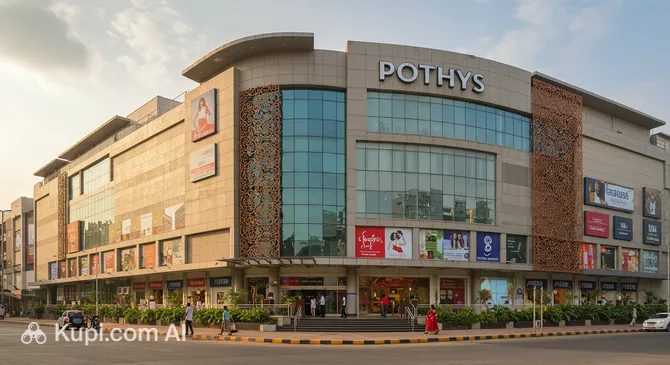
While the city is famous for its street commerce, it also hosts large retail complexes that function as modern shopping malls. A standout destination is Pothys, a multi-story textile showroom that is an institution in itself. It offers an immense variety of clothing, particularly silk sarees, which are a must-buy in this region. Another major spot is Lifestyle Stores, where tourists can find contemporary fashion, accessories, and beauty products under one roof.

Pothys. Source: Kupi.Binoculars

For a dive into the local culture, a visit to the Gandhi Market is essential. This is one of the largest wholesale markets in the region, overflowing with fresh vegetables, fruits, and flowers. While it is primarily a produce market, the colorful mounds of spices and the energetic atmosphere make it a photographer's paradise. Nearby, the flower markets around Srirangam are also worth visiting to see the vibrant garlands prepared for temple rituals.

When it comes to souvenirs, Tiruchirappalli has several unique specialties. The city is known as the capital of artificial diamonds, often referred to as "Trichy Gems" or Rangoon diamonds; these synthetic stones are cut and polished locally and set into affordable jewelry. Silk Sarees are another popular purchase, with many shops sourcing directly from nearby weaving centers. Additionally, tourists often buy traditional brass lamps, bronze statues, and wood carvings, which reflect the rich artistic heritage of Tamil Nadu.

Lifestyle Stores. Source: Kupi.Binoculars

Most shops in Tiruchirappalli open around 10:00 AM and close by 9:00 PM or 10:00 PM. Many smaller establishments may close for a short lunch break in the afternoon, though larger showrooms remain open throughout the day. In terms of payment, cash is still the preferred mode of transaction in street markets and smaller stalls. However, credit and debit cards are widely accepted in hotels, malls, and larger retail stores. Digital payment apps are also becoming increasingly popular across the city.

Regarding taxes, the prices displayed on goods in India are typically "Maximum Retail Price" (MRP), which is inclusive of all taxes. There is generally no tax refund scheme available for international tourists for standard retail purchases in the city, so the price you pay at the counter is final.

Reached the end of the page?

That means the route is fully explored