Support

Jaffna

About

Jaffna is a captivating city located on the northernmost peninsula of Sri Lanka. As the cultural capital of the Northern Province, it offers a distinct atmosphere that sets it apart from the southern parts of the island. With a population of approximately 88,000 people, the city is a bustling hub surrounded by shallow lagoons and iconic palmyrah trees, characterized by a warm, tropical climate that invites exploration throughout the year.

Jaffna. Source: Kupi.Binoculars

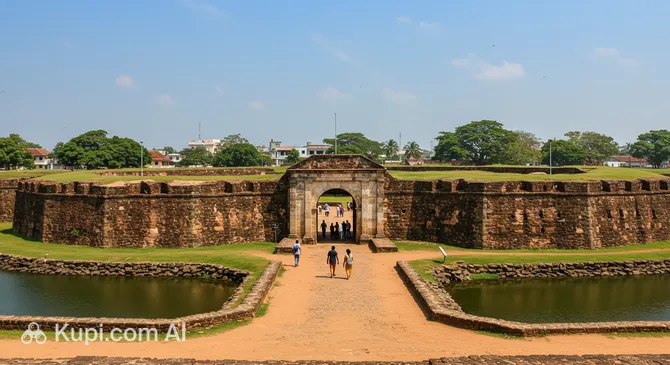
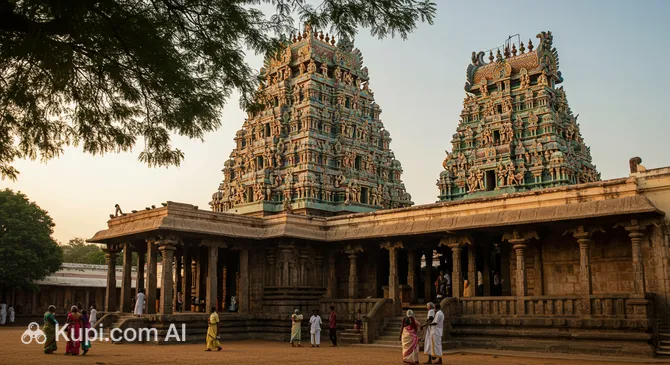
The city is deeply rooted in tradition and heritage. Visitors interested in the history of Jaffna will find a fascinating blend of colonial architecture and ancient Tamil culture. One of the most significant landmarks is the Nallur Kandaswamy Kovil, a majestic Hindu temple known for its golden arches and vibrant festivals. Another must-visit site is the Jaffna Fort, a star-shaped fortress originally built by the Portuguese and later expanded by the Dutch, which offers stunning views over the lagoon.

Beyond its monuments, Jaffna is famous for its unique cuisine and intellectual legacy, symbolized by the beautiful Jaffna Public Library. Whether you are admiring the colonial-era homes or tasting the region's renowned spicy crab curry, a trip to Jaffna promises an authentic and memorable travel experience.

Weather Overview

Jaffna experiences a warm, tropical climate year-round, making it a sunny destination for travelers seeking heat. The average temperatures remain fairly consistent, typically ranging from a comfortable 26.0°C in the cooler months of December and January to around 29.5°C during the peak heat of May. Visitors can generally expect warm days regardless of when they arrive, with maximum temperatures occasionally climbing above 31°C in April.

Rainfall patterns are distinct, with clear wet and dry periods that influence the best time to visit. The early months of the year, particularly February and March, are the driest, with as few as 4 to 5 wet days per month. In contrast, the end of the year sees a significant shift; October, November, and December are characterized by frequent precipitation, recording between 20 and 25 wet days each month. For a more in-depth look at what to expect during your stay, you can consult the detailed guide to the weather in Jaffna.

Interesting Facts

Beyond the main attractions and historical landmarks, Jaffna holds many fascinating secrets and local traditions that often surprise visitors. Digging a little deeper reveals a city full of unique quirks, from legendary sweet treats to mysterious natural phenomena.

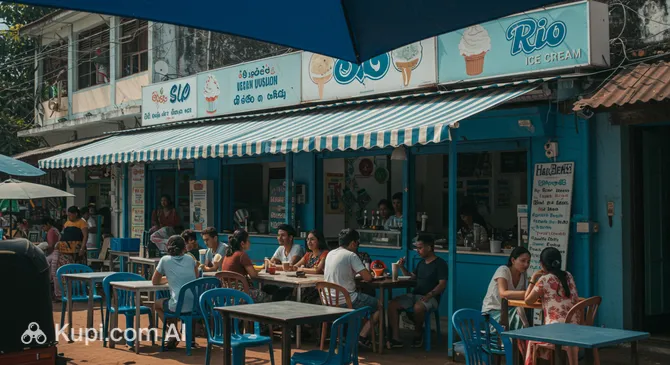
Rio Ice Cream. Source: Kupi.Binoculars
  • A visit to Rio Ice Cream is considered an essential rite of passage in the city; this establishment is not just a dessert shop but a cultural institution famous for its extremely sweet, multi-colored sundaes loaded with jelly and fruits.

  • The region is home to the mysterious Nilavarai Bottomless Well, a natural underground water source that never runs dry and is locally believed to be connected directly to the ocean at Keerimalai, miles away.

  • On the remote Delft Island, accessible by a ferry ride from the city, you can encounter herds of wild ponies that are the direct descendants of horses brought to the island by the Dutch in the 17th century.

  • While the Nallur Kandaswamy Temple is a major site, many travelers are unaware of the strict and preserved tradition requiring all male visitors to remove their shirts before entering the sacred inner premises, a practice that honors the temple's sanctity.

  • The Old Park offers a glimpse into the colonial past, having been originally established in the 19th century by a British Government Agent, and it still houses several rare and exotic trees planted during that era.

How to Get There

Reaching the northern peninsula of Sri Lanka is an adventure that connects travelers with the region's unique heritage. Whether you prefer the speed of a flight or the scenic routes by land, there are several options to consider. For a detailed breakdown of routes and tips, you can read more about how to get to Jaffna and plan your journey accordingly.

The most direct entry point by air is Kankesanturai (JAF), often referred to as Jaffna International Airport. Located within the region, it is just 15.3 km from the city center. This airport has recently opened up to international regional flights and domestic connections, making it a growing hub for the Northern Province. A trip from the airport to the heart of the city by taxi or bus is quick, typically taking around 45 minutes.

Another option for travelers exploring more of the island is the China Bay (TRR) airport. However, it is important to note that this airport is not in Jaffna but in the city of Trincomalee, approximately 177.7 km away. While it serves as a useful domestic link, the onward journey to Jaffna by road is significant, taking about 4 hours and 45 minutes by taxi or bus.

For clarity, here is a summary of the main airports:

Airport Name City Passenger Traffic Km from City
Tiruchirapalli International Airport Tiruchirappalli Large 188.9
Madurai Airport Madurai Large 212.9
Kankesanturai Jaffna Small 15.3
China Bay Trincomalee Small 177.7
Sigiriya Slaf Base Sigiriya Small 203.8

In addition to air travel, the railway system remains one of the most popular and scenic ways to reach Jaffna. The Northern Line connects the city directly to the capital, Colombo, offering a comfortable journey that showcases the changing landscapes of the island. Travelers can choose from various classes of service, including air-conditioned observation cars, which provide excellent views of the countryside as you approach the peninsula.

Main Attractions

Jaffna's landscape is dotted with historical monuments and vibrant cultural hubs that reflect its rich heritage. One of the most prominent landmarks is the Jaffna Dutch Fort, a star-shaped citadel that commands impressive views over the lagoon. Originally built by the Portuguese and later expanded by the Dutch in the 17th century, the fort is an excellent spot for a sunset walk. Visitors can explore the remnants of the old prison cells, the church, and the expansive ramparts while enjoying the cooling coastal breeze.

Jaffna Dutch Fort. Source: Kupi.Binoculars

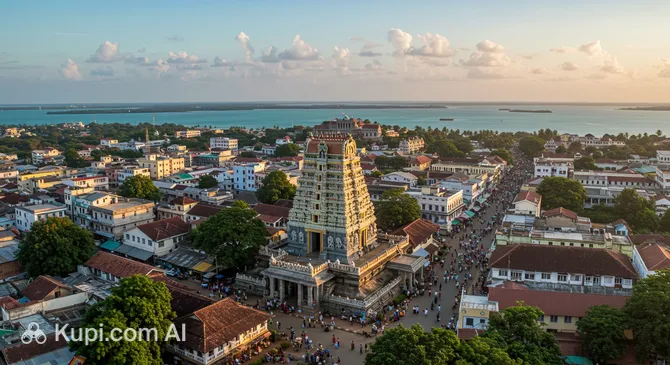
For a deep dive into the spiritual life of the region, the Nallur Kandaswamy Temple is an essential stop. This architectural marvel is characterized by its towering, golden-ochre gopurams and intricate brasswork. It serves as the most significant Hindu religious complex in the peninsula, drawing devotees and travelers alike to witness its colorful daily rituals. The temple grounds are kept immaculately clean, and the atmosphere during the annual festival season is truly electrifying.

Nallur Kandaswamy Temple. Source: Kupi.Binoculars

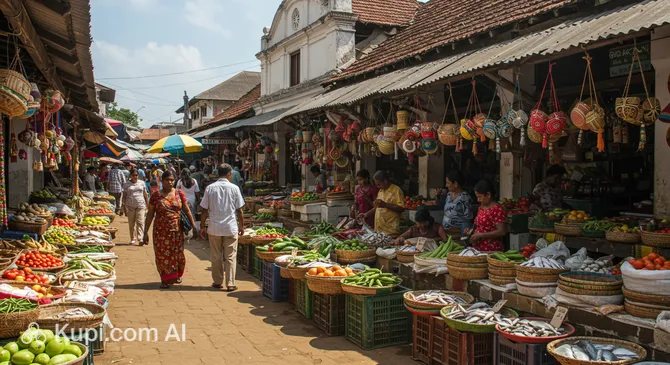
To experience the daily rhythm of the city, travelers should head to the Jaffna Market. This bustling commercial center is the best place to find the region's famous agricultural products, such as sweet mangoes, bananas, and dried fish. It is also the perfect spot to buy authentic palmyrah-based handicrafts, including woven baskets and jaggery, offering a genuine taste of the local lifestyle and cuisine.

Jaffna Market. Source: Kupi.Binoculars

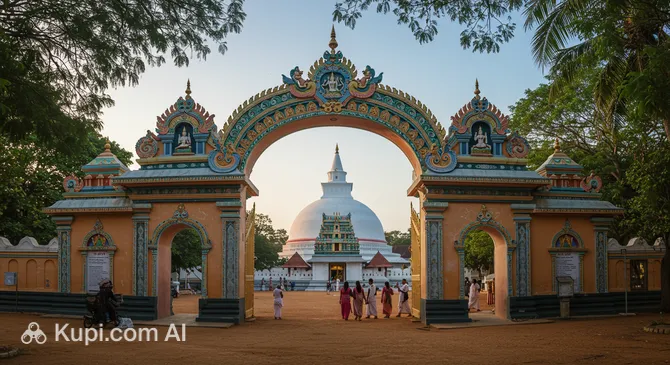
Another fascinating site is the Sri Nagavihara International Buddhist Centre. Located near the city center, this temple offers a serene environment distinct from the busy streets outside. It features beautiful statues and traditional Buddhist architecture, symbolizing the religious diversity present in Jaffna. It provides a quiet space for reflection and a chance to admire the detailed artistry of the complex.

Sri Nagavihara International Buddhist Centre. Source: Kupi.Binoculars

Local Cuisine

Jaffna's culinary scene is a vibrant reflection of its Tamil heritage and coastal location, offering flavors that are distinct from the rest of Sri Lanka. Unlike the creamy, coconut-milk-heavy curries found in the south, the local food here is renowned for its fiery heat, the use of dry roasted spices, and the unique addition of the palmyrah palm. Seafood lovers will find themselves in paradise, as the surrounding lagoons provide an abundance of fresh catch that forms the backbone of the region's diet.

The undisputed star of the local menu is the famous Jaffna Crab Curry, a spicy and aromatic dish prepared with a special blend of roasted curry powder and tamarind. Another must-try specialty is Odiyal Kool, a hearty seafood soup thickened with dried palmyrah root flour and loaded with crab, prawns, cuttlefish, and vegetables. This dish is deeply traditional and is often enjoyed as a communal meal, representing the soul of the peninsula's home cooking.

Vegetarian cuisine also thrives here, with crispy Dosai, fluffy Idli, and savory Vadais being staples for breakfast and dinner. These are typically served with an array of spicy chutneys and Sambol. For a reliable place to sample these authentic flavors in a comfortable setting, travelers can visit the Jaffna Restaurant, which offers a variety of traditional preparations. The city's food culture is unpretentious, with many locals frequenting simple "eating houses" that serve fresh, hot meals often on banana leaves.

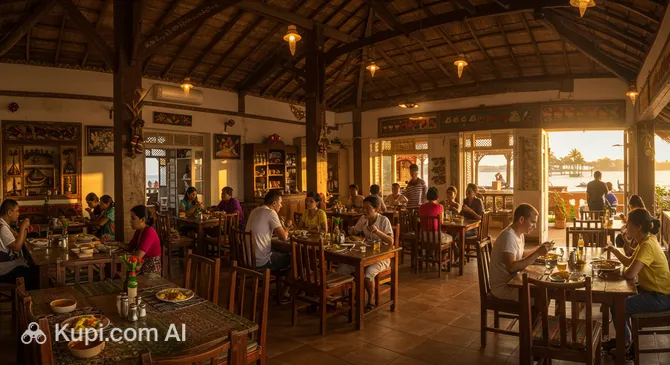
Jaffna Restaurant. Source: Kupi.Binoculars

To cool down from the spicy food, visitors should try Nelli Crush, a refreshing sweet syrup drink made from the local gooseberry, which is a regional favorite. For those interested in local spirits, Palmyrah Toddy is a natural alcoholic beverage tapped from palm trees, widely consumed in the villages. Finally, no culinary tour of the city is complete without a stop at Rio Ice Cream. This iconic parlor is famous for its sugary, colorful sundaes and remains a favorite gathering spot for families and tourists alike.

Travel Tips

Visiting Jaffna offers a unique opportunity to explore a region rich in distinct traditions and hospitality, but it does require a bit of preparation to navigate smoothly. To help you make the most of your journey to the northern peninsula of Sri Lanka, here are some practical tips to keep in mind.

  1. Clothing and Gear: Due to the tropical and often dry heat, lightweight, breathable cotton clothing is essential. However, modesty is highly valued here. When visiting religious sites, particularly Hindu temples like Nallur Kandaswamy, strict dress codes apply. Men are often required to remove their shirts and enter bare-chested, while women should dress conservatively, covering shoulders and knees. Always carry a hat, sunglasses, and high-SPF sunscreen.

  2. Transportation: The most convenient way to get around the city is by tuk-tuk (three-wheeler). Always agree on the fare before starting your journey, as meters are not always used or reliable in the north. For those comfortable with two wheels, renting a scooter is a popular and cost-effective way to explore the peninsula at your own pace. Public buses are available and very cheap, but they can be crowded and loud.

  3. Finances: The local currency is the Sri Lankan Rupee (LKR). While some larger hotels and restaurants accept credit cards, cash is king in Jaffna, especially at local eateries, markets, and small shops. ATMs are widely available in the town center, but it is wise to carry smaller denominations for tuk-tuks and small purchases, as change is often scarce.

  4. Health and Safety: Jaffna is generally very safe for tourists. The main health concern is usually dehydration due to the intense sun, so drink plenty of bottled water. Pharmacies are common in the city center, and the Jaffna Teaching Hospital is the primary facility for medical emergencies. Mosquito repellent is a must, especially in the evenings.

  5. Communication: The primary language is Tamil. While English is spoken in hotels and by educated youth, it is less widely understood than in Colombo. Learning a few basic Tamil phrases like "Vanakkam" (Hello) and "Nandri" (Thank you) will go a long way in connecting with locals. SIM cards from major providers like Dialog or Mobitel work well here and can be purchased easily with your passport.

  6. Local Etiquette: The culture in the north is conservative and respectful. Greetings are often done with a slight bow or folded hands. If you are eating traditional food with your hands, always use your right hand, as the left is considered unclean. Remove your footwear before entering temples and private homes.

  7. What to Avoid: Public displays of affection (PDA) are frowned upon and can attract unwanted attention. Additionally, avoid taking photographs of military personnel, high-security zones, or government buildings unless you are certain it is permitted, as this can lead to misunderstandings.

  8. Beat the Heat: A "life hack" from the locals is to structure your day around the sun. The midday heat (from 12:00 PM to 3:00 PM) can be oppressive. Plan your outdoor sightseeing for the early morning or late afternoon, and use the middle of the day for a long lunch, a nap, or visiting an air-conditioned museum or cafe.

By respecting these local customs and coming prepared for the climate, you will find that the people of Jaffna are incredibly welcoming and eager to share their culture. Embrace the slower pace of life in the north, and enjoy a truly authentic travel experience.

Entertainment & Nightlife

Jaffna is not a city known for a raucous nightlife or high-energy clubs; instead, its entertainment landscape is defined by cultural experiences, evening relaxation, and community gatherings. The city tends to wind down early, with most shops closing shortly after sunset, but there are still several ways for visitors to enjoy their leisure time, ranging from modern amenities to peaceful green spaces.

For those looking for a contemporary experience, Cargills Square serves as the primary hub for modern entertainment. As the city's main lifestyle complex, it offers a blend of shopping and dining options in an air-conditioned environment, which provides a welcome respite from the afternoon heat. It is also home to a cinema complex where travelers can catch the latest international and local films, making it a popular spot for families and youth.

If you prefer a quiet evening outdoors, the Old Park is an excellent choice. Recently renovated, this expansive green space features well-maintained walking paths, fountains, and play areas for children. It is a favorite among locals for evening jogs or leisurely strolls, offering a serene atmosphere to unwind after a day of sightseeing. The park's historical roots add a layer of charm to its tranquil setting.

While the bar scene is limited compared to the southern parts of the island, several hotels offer comfortable settings for an evening drink and dinner. The North Gate Hotel is one such establishment that caters to travelers seeking a more refined evening experience. With its pool and restaurant facilities, it provides a relaxing environment to enjoy a meal and reflect on the day's adventures.

Beyond these specific spots, the city's entertainment is often found in its simple pleasures. Eating ice cream at popular parlors is a major social activity here, with places bustling well into the evening. Additionally, walking around the illuminated temple grounds during festival seasons provides a vibrant and unforgettable cultural spectacle that serves as the heart of the community's social life.

Parks & Museums

While Jaffna is often defined by its palmyrah groves and lagoons, the city and its surroundings also offer profound cultural repositories and unique natural escapes. Exploring these sites provides a deeper understanding of the region's heritage, ranging from ancient archaeological finds to the architectural legacies that define the skyline.

For those interested in the region's history, the Jaffna Archaeological Museum in Nallur is a significant stop. Tucked away on Navalar Road, this modest yet fascinating museum houses a collection of antiquities that tell the story of the peninsula's past. Visitors can view ancient Buddhist and Hindu statues, colonial-era coins, and pottery shards unearthed from local excavations. It offers a quiet and educational retreat, providing valuable context to the ruins and temples seen elsewhere in the city.

One of the most visually striking cultural landmarks is the iconic Jaffna Public Library. Beyond its function as a library, it is celebrated for its majestic white Dravidian architecture and cultural importance. The building features elegant domes, intricate moldings, and spacious corridors that reflect the region's deep respect for learning and literature. A walk through its manicured gardens and grand halls allows visitors to appreciate it as a symbol of the city's intellectual tradition and community spirit.

For a more rugged natural experience, travelers often venture out to Casuarina Beach on Karainagar Island, located a short drive from the city center. While technically a beach, it functions as a natural park area defined by the dense shrubbery of Casuarina trees that line the shore. The shallow, calm waters and the unique vegetation make it a popular spot for nature lovers looking to escape the urban bustle and enjoy the coastal landscape.

Insider Tip: Just a stone's throw from the Archaeological Museum, look for the Mantri Manai, or Minister's Palace. This crumbling yet beautiful structure is believed to be a remnant of the Jaffna Kingdom. It is not officially a museum, but its unique architecture, which blends European and Dravidian styles, makes it a fascinating stop for history enthusiasts exploring the Nallur area.

Getting Around

Navigating Jaffna is a straightforward experience, as the city does not rely on complex transit networks like metros, trams, or underground systems. The public transport infrastructure is primarily composed of buses, which serve as the backbone of daily commuting for locals. These buses connect the city center with surrounding suburbs and key landmarks across the peninsula. For travelers, the system is authentic and incredibly affordable, though it can be crowded during peak hours.

The bus network is divided between the government-run CTB buses (typically red) and private operators (often decorated with colorful stickers and lights). The main hub is the Jaffna Central Bus Stand, located in the heart of the town. From here, you can find routes heading to virtually every corner of the Northern Province. There are no digital schedules or apps for these buses; destinations are usually displayed in Tamil and English on the front of the vehicle. If you are unsure, simply say your destination to the conductor or a local standing nearby, and they will helpfully point you to the right bus.

When it comes to payment, cash is the only accepted method. There are no travel cards, passes, or automated ticket machines. Once you board the bus and find a spot, a conductor will move through the aisle to collect fares. Prices are extremely low by international standards, often costing just a few cents for a short ride. It is highly advisable to carry small denominations of the local currency, as conductors may struggle to provide change for large banknotes.

For a more flexible and private mode of transport, tuk-tuks (three-wheelers) are ubiquitous. They function as the city's taxis and can be hailed on almost every street corner. Unlike in the capital, meter usage is less common here, so it is essential to negotiate and agree on the fare before hopping in. While ride-hailing apps like PickMe are gradually establishing a presence, flagging down a tuk-tuk on the street remains the most reliable way to get around quickly.

A distinctive feature of Jaffna's transport culture is the immense popularity of cycling. Thanks to the region's flat terrain and relatively calm traffic compared to other major cities, bicycles are a favorite mode of transport for residents. Tourists are encouraged to embrace this local habit; numerous guesthouses and shops offer bicycle and scooter rentals. Exploring the city on two wheels allows you to navigate narrow lanes and visit temples at your own pace, offering a perspective that larger vehicles cannot provide.

Public transport generally operates from the early morning, around 5:30 AM, until the early evening. Buses become significantly less frequent after 7:00 PM, and finding one late at night can be difficult. If you plan to stay out late, it is wise to arrange a tuk-tuk or have a taxi contact number handy. While there is a major railway station in the city, it serves primarily for intercity travel connecting to the south, rather than for moving within Jaffna itself.
Accommodation

The accommodation landscape in Jaffna has evolved significantly in recent years, offering travelers a mix of modern comfort and traditional hospitality. Unlike the established resort towns in the south, the options here often feel more personal and intimate. Visitors can choose from a growing number of contemporary hotels, charming colonial-era guesthouses, and simple family-run homestays that provide a genuine connection to the local culture.

For those seeking modern amenities and a higher level of service, the city now boasts several upscale properties. A notable example is the North Gate Hotel, conveniently located near the railway station. Establishments like this are ideal for travelers looking for air-conditioned rooms, swimming pools to beat the tropical heat, and on-site dining options that serve both local and international cuisine. These newer hotels often serve as excellent bases for exploring the peninsula while ensuring a comfortable retreat at the end of the day.

A unique feature of Jaffna’s lodging scene is the abundance of renovated colonial homes turned into boutique villas and guesthouses. Staying in one of these properties offers a glimpse into the region's history, with high ceilings, open verandas, and lush courtyards. These places are often situated in quieter neighborhoods, providing a peaceful atmosphere and the chance to enjoy home-cooked Tamil meals prepared by the hosts, which is often a highlight of the stay.

When choosing a location, consider your proximity to the main sights. Staying near the City Center or the Hospital Road area places you within walking distance of the market, the library, and the fort, making it easy to get around by foot or tuk-tuk. Alternatively, the Nallur neighborhood offers a more spiritual and serene environment, perfect for those who wish to be close to the famous Kandaswamy Temple and experience the daily rhythms of the local community.

Travelers should be mindful of the climate when booking. Given the year-round warmth, ensuring your room has reliable air conditioning is highly recommended. Additionally, if you plan to visit during the peak season of the Nallur Festival (usually in August), it is crucial to book your accommodation well in advance, as the city fills up quickly with devotees and tourists from around the world.

Nearby Cities

For those looking to explore the surroundings, Jaffna serves as an excellent base for day trips to several interesting nearby locations:

One of the most accessible stops is Kilinochchi, located roughly 50 kilometers south along the main A9 highway. Once a central point in the region's history, it has developed into a vibrant agricultural town. Travelers often stop here to witness the lush paddy fields and visit local monuments that reflect the area's resilience and transformation over the years.

For a coastal change of scenery, Trincomalee is a compelling option for a short visit or an extended day trip. Although it requires a longer drive, this historic port city is renowned for its magnificent natural harbor and the sacred Koneswaram Temple, which sits high above the ocean. Its pristine beaches, such as Nilaveli, offer a stark and beautiful contrast to the lagoon landscapes of the north.

While not a city, the nearby Delft Island (Neduntheivu) is another highly recommended excursion. Accessible by ferry, it is famous for its wild horses, coral walls, and remnants of colonial forts, offering a unique glimpse into a remote island lifestyle distinct from the mainland.

City Population Distance (km)
Kandy 8464000 214
Kilinochchi 103717 50
Trincomalee 99135 177
Kalpitiya 86405 161
Dambulla 72306 209

These nearby destinations offer a glimpse into the diverse culture and landscapes of the region, allowing travelers to experience the broader beauty of the Northern and North Central provinces.

Shopping & Souvenirs

Shopping in Jaffna is less about high-end fashion and more about discovering unique, locally crafted treasures and authentic culinary ingredients. The city's commercial landscape is a vibrant mix of bustling traditional bazaars and emerging modern complexes, offering visitors a chance to take a piece of the peninsula's culture home with them.

The epicenter of local trade is the Jaffna Market. This colorful and chaotic hub is the best place to find the region's signature products derived from the palmyrah tree. Visitors can purchase intricately woven baskets, mats, and hats made from dried palm leaves, which make for eco-friendly and durable souvenirs. Foodies will appreciate the "Panatoo" (palmyrah fruit pulp leather) and high-quality jaggery, a natural sweetener that is a staple in local kitchens.

Beyond handicrafts, Jaffna is renowned for its distinct spices. A packet of roasted Jaffna curry powder is a must-buy for anyone wishing to recreate the fiery flavors of northern Sri Lankan cuisine at home. You can also find bottles of Nelli cordial, a sweet syrup made from local gooseberries, and "Kotta Kilangu," the hard, dried roots of the palmyrah sprout, which are a popular crunchy snack among locals.

For those interested in precious metals, the area around Kannathiddy is famous for its rows of jewelry shops. The region has a long-standing reputation for selling high-purity gold, with intricate designs that reflect traditional Tamil artistry. It is a fascinating area to walk through, even if you are just window shopping, to see the glittering displays that play a significant role in local weddings and festivals.

If you are looking for a more contemporary shopping experience, Cargills Square offers a modern contrast to the street bazaars. As the city's first major shopping mall, it houses a variety of branded clothing stores, a well-stocked supermarket, and entertainment facilities. It is the convenient choice for travelers needing toiletries, western-style garments, or simply a break in an air-conditioned environment.

Reached the end of the page?

That means the route is fully explored