Support

Kalpitiya

About

Kalpitiya is a captivating destination situated on a long, sandy peninsula in the North Western Province of Sri Lanka. Separating the calm waters of the Puttalam Lagoon from the vast Indian Ocean, this area is renowned for its unspoiled beauty and laid-back atmosphere. With a population of approximately 86,000 residents, it serves as a bustling hub for fishing and tourism while maintaining a charming rural character that appeals to travelers seeking an authentic island experience.

The region holds significant cultural value, shaped by centuries of maritime trade and colonial influence. Visitors interested in the past can explore the fascinating history of Kalpitiya, which includes the well-preserved Dutch Fort dating back to the mid-17th century. This historical depth adds a unique layer to the town's coastal allure, offering a glimpse into the strategic importance of the peninsula in bygone eras.
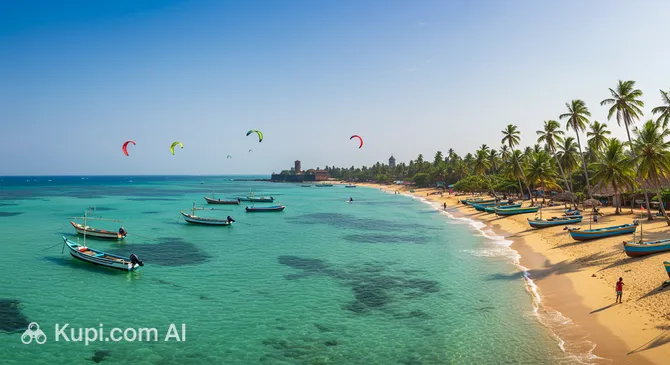
Kalpitiya. Source: Kupi.Binoculars

Today, Kalpitiya is perhaps best known as a world-class destination for kitesurfing and windsurfing, thanks to its consistent winds and shallow lagoon waters. Nature enthusiasts are also drawn here for spectacular dolphin and whale watching excursions, where spinning dolphins and majestic sperm whales can often be spotted off the coast of Alankuda. Additionally, the nearby Bar Reef, the largest coral reef in the country, offers incredible opportunities for snorkeling amidst vibrant coral gardens and diverse marine life.

Whether you are seeking adrenaline-pumping water sports or a peaceful retreat by the sea, Kalpitiya promises an unforgettable experience. Its unique blend of natural wonders, rich heritage, and warm hospitality makes it a must-visit spot for any traveler exploring the western coast.
Weather Overview

Kalpitiya experiences a warm tropical climate year-round, making it an inviting destination for sun-seekers at any time. Average temperatures remain pleasant and consistent, typically ranging from 26.1°C in January to around 28.7°C in April. The warmest days are usually found in March and April, where maximum temperatures can climb above 31°C, while the nights remain comfortable with minimums rarely dropping below 24°C.

Rainfall patterns vary throughout the year, influencing the best times for water sports and sightseeing. The months of January, February, and March are generally the driest, offering the most sunshine with fewer wet days. In contrast, April, May, October, and November see a higher frequency of rain, with up to 26 wet days in October. Travelers should consult the detailed guide to the weather in Kalpitiya to plan their activities accordingly. Overall, expect warm conditions throughout the year with distinct periods of frequent rainfall in the spring and late autumn.

Interesting Facts

Beyond the popular kitesurfing spots and sandy beaches, Kalpitiya holds many fascinating secrets that reveal its deep historical roots and ecological significance. From ancient trading legacies to unique wildlife populations, there is much more to this peninsula than meets the eye.
  • One of the most curious sights in the region is the large population of wild donkeys roaming freely. These animals are believed to be descendants of the beasts of burden brought by Arab traders centuries ago to transport goods, and they have since become an iconic part of the local landscape.

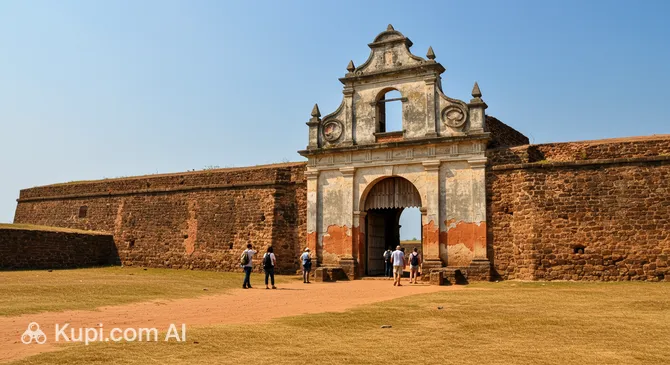
  • The Kalpitiya Dutch Fort is a remarkable structure built using coral and limestone, materials readily available from the surrounding environment. Constructed in the late 17th century over the site of an earlier Portuguese church, it features a yellow brick archway adorned with the emblem of the Dutch East India Company (VOC).

  • Kalpitiya is not just a single landmass but is actually surrounded by a cluster of 14 small islands within the lagoon. These islets, which include Battalangunduwa and Palliyawatta, support intricate mangrove ecosystems and are home to traditional fishing communities that live much as they have for generations.

  • The waters off the coast harbor the Bar Reef, which is the largest coral reef system in Sri Lanka. This underwater marvel serves as a critical marine sanctuary, hosting hundreds of species of tropical fish, manta rays, and sea turtles, making it a biodiversity hotspot of the Indian Ocean.

Kalpitiya Dutch Fort. Source: Kupi.Binoculars

How to Get There

Reaching this scenic peninsula is an adventure in itself, taking you through the vibrant landscapes of the North Western Province. Most international travelers begin their journey by flying into the country's main aviation hub and then continuing by road. For a comprehensive guide on all transport options, including buses and private transfers, you can read more about how to get to Kalpitiya to plan your route effectively.

The city of Kalpitiya does not have its own airport, but you can fly into Bandaranaike International Airport (IATA: CMB) in the city of Colombo, which is about 117 km from Kalpitiya. This is the primary gateway for international visitors. The journey from the airport to the peninsula typically takes around 3 hours and 15 minutes by taxi or car. Another option, primarily for domestic connections or charter flights, is the Sigiriya Slaf Base (IATA: GIU) in Sigiriya, located approximately 111 km away. Travel time from Sigiriya is roughly 3 hours by road.

For clarity, here is a summary of the main airports:

Airport Name City Passenger Traffic Km from City
Bandaranaike International Airport Colombo Large 116.8
Sigiriya Slaf Base Sigiriya Small 111.0
China Bay Trincomalee Small 160.3
Kankesanturai Jaffna Small 176.2
Castlereigh Reservoir Waterdrome Hatton Small 177.6

Since there is no direct train station in Kalpitiya itself, most visitors arriving by public transport take a train to the nearby station of Palavi (Palaviya), which is situated on the main road leading to the peninsula. From Palavi, it is easy to catch a local bus or a tuk-tuk to cover the remaining distance to the town center and the beach resorts.

Main Attractions

Kalpitiya is a destination where history meets natural splendor, offering a diverse range of experiences for every type of traveler. From colonial-era fortifications to vibrant marine ecosystems, the attractions here highlight the unique character of Sri Lanka's northwestern coast. Whether you are a history buff, a water sports enthusiast, or a nature lover, the peninsula has something remarkable to explore.

One of the most significant historical landmarks in the area is the Kalpitiya Dutch Fort. Constructed by the Dutch East India Company in the late 17th century, this fortification was a vital outpost for controlling the cinnamon trade. Today, it stands as a testament to the region's colonial past, featuring thick coral-stone walls and the remains of a chapel. Since the fort is currently maintained by the Sri Lanka Navy, visitors may need to obtain permission at the entrance to tour the grounds, but the glimpse into the past is well worth the effort.

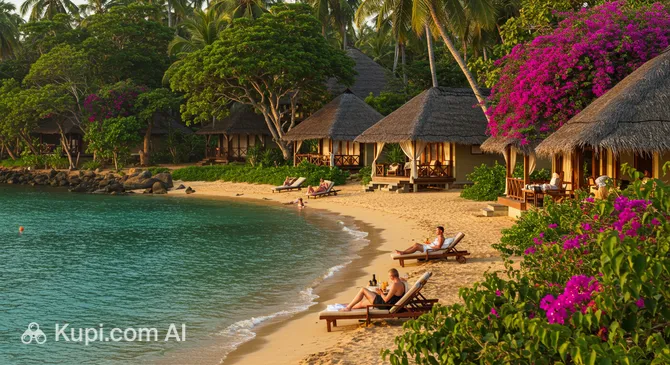
For those looking to immerse themselves in the region's famous aquatic lifestyle, the Blue Lagoon Resort Kalpitiya serves as an excellent gateway. Located near the calm waters of the lagoon, this spot is synonymous with the area's reputation as a kitesurfing paradise. The shallow, flat waters provide ideal conditions for both beginners and professionals to glide across the surface. Even if you aren't staying overnight, the surrounding lagoon area is the heartbeat of Kalpitiya's water sports scene.

Blue Lagoon Resort Kalpitiya. Source: Kupi.Binoculars

Just off the coast lies the magnificent Bar Reef Marine Sanctuary, the largest coral reef system in Sri Lanka. This underwater wonderland is a biodiversity hotspot, teeming with colorful tropical fish, mantra rays, and reef sharks. It is a premier location for snorkeling and diving, offering an unparalleled opportunity to witness the vibrant marine life of the Indian Ocean in its natural habitat. The reef is particularly beautiful during the calm season when visibility is at its best.

Another must-visit location is Alankuda Beach, which is globally renowned as a starting point for dolphin and whale watching tours. The waters here are home to massive pods of spinner dolphins, often numbering in the hundreds, as well as majestic sperm whales and blue whales. Setting out on a boat at sunrise to watch these creatures frolic in the open sea is often cited as the highlight of a trip to Kalpitiya.

Finally, a short drive from the main town leads to St. Anne’s Church in Talawila, one of the most ancient and sacred Christian pilgrimage sites in the country. Nestled amidst palm trees on the sandy beach, the church draws thousands of devotees during its annual festivals in March and August. Its serene atmosphere and rich spiritual history make it a peaceful stop for visitors seeking a quiet moment of reflection.

Local Cuisine

The culinary landscape of Kalpitiya is, unsurprisingly, defined by its intimate relationship with the ocean and the lagoon. As a major fishing hub, the town offers some of the freshest seafood in Sri Lanka. The star of the local dining scene is undoubtedly the catch of the day, which often includes succulent lagoon crabs, jumbo prawns, butterfish, and cuttlefish. Visitors can expect these delicacies to be prepared in a variety of ways, from spicy, aromatic curries rich in coconut milk to simple, flame-grilled preparations that highlight the natural sweetness of the meat.

One cannot talk about food in this region without mentioning the dry fish industry. Kalpitiya is famous across the island for its production of "Karawala" (dried fish). While the pungent aroma of drying fish is a staple of the local atmosphere, the final product is a key ingredient in many Sri Lankan dishes, adding a distinct savory depth to vegetable curries and rice accompaniments. For a truly authentic experience, adventurous travelers should try a meal featuring a side of fried dry fish or a spicy sambol made from dried prawns.

To beat the tropical heat, the most popular beverage is the wholesome King Coconut, known locally as "Thambili." Sold by roadside vendors everywhere, its sweet water is the perfect natural hydrator after a kitesurfing session. For those seeking something stronger as the sun sets, local bars and resorts often serve Arrack, a traditional spirit distilled from coconut flower sap, often mixed with ginger beer or fresh fruit juices for a refreshing cocktail.

Dining in Kalpitiya is generally a relaxed and rustic affair. There are few standalone fine-dining restaurants; instead, the social food scene revolves around the welcoming atmosphere of guesthouses and hotels. Many tourists enjoy their meals at places like the Blue Lagoon Resort Kalpitiya, where open-air dining areas allow guests to savor generous seafood buffets or BBQs under the stars. For a glimpse into local life, a visit to the bustling "Lellama" (fish market) in the morning offers a chance to see the catch being brought in, and some travelers even buy their own fish here to be cooked by the chefs at their accommodation.

Travel Tips

Planning a trip to Kalpitiya offers the chance to experience a unique blend of rustic island life and world-class water sports. To help you navigate this breezy peninsula with ease and respect for the local culture, here are some practical tips to keep in mind before you arrive.

  1. Clothing and Gear. Since the climate is tropical and often humid, pack lightweight, breathable cotton or linen clothing. While swimwear is perfectly acceptable at the beach resorts and kitesurfing lagoons, remember to dress modestly when visiting the main town or religious sites; covering shoulders and knees is essential. Don't forget high-SPF sunscreen, a wide-brimmed hat, and polarized sunglasses, as the sun reflection off the water can be intense.
  2. Transportation. The most convenient way to get around the peninsula is by tuk-tuk (three-wheeler). They are readily available and can navigate the narrow, sandy roads that lead to the lagoons. For more independence, many tourists choose to rent a scooter, which is perfect for hopping between beaches. Public buses run along the main road but can be infrequent and crowded, so they are less practical for short trips.
  3. Finances. While major resorts and kitesurfing schools usually accept credit cards, smaller guesthouses, local eateries, and shops operate strictly on cash. The local currency is the Sri Lankan Rupee (LKR). There are ATMs located in Kalpitiya town, but they can occasionally be out of service, so it is wise to carry sufficient cash with you, especially for tuk-tuk rides and small purchases.
  4. Health and Safety. Kalpitiya is generally a safe destination, but standard precautions apply. dehydration is a real risk due to the heat and wind, so drink plenty of bottled water. Mosquitoes can be a nuisance, particularly at dusk, so bring a strong insect repellent. There is a base hospital in Kalpitiya town and pharmacies for basic needs, but for serious medical issues, you may need to travel to a larger city like Chilaw or Colombo.
  5. Communication. English is widely spoken at hotels and diving centers, but fewer locals in the village may be fluent. Learning a few basic words in Sinhala or Tamil, such as "Ayubowan" (Hello/May you live long) or "Vanakkam" (Hello), goes a long way. It is highly recommended to purchase a local SIM card (Dialog or Mobitel) at the airport upon arrival, as 4G coverage is generally good across the peninsula.
  6. Local Etiquette. Sri Lankans are incredibly hospitable, but the culture in rural areas is conservative. Always use your right hand for eating, shaking hands, or handing over money, as the left hand is considered unclean. If you visit a temple or the St. Anne’s Church, remove your shoes and hats before entering the sacred grounds.
  7. What to Avoid. Avoid taking photographs of locals, especially women or those bathing near village wells, without asking for explicit permission first. Also, refrain from public displays of affection, which are frowned upon in traditional rural communities.
  8. Seasonal Insight. If your main goal is kitesurfing, time your visit carefully. The primary windy season runs from May to October, while the secondary season is from December to March. Conversely, if you are here for dolphin watching, the ocean is calmest from November to April, making it the best time for boat excursions.

By keeping these practicalities in mind, you can focus on soaking up the sun and enjoying the laid-back rhythm of Kalpitiya. A little preparation ensures that your adventure on this beautiful peninsula is as smooth and enjoyable as the breeze over the lagoon.

Entertainment & Nightlife

Entertainment and nightlife in Kalpitiya are defined by the town's laid-back, rustic charm rather than a bustling club scene. Unlike the high-energy party districts found in larger cities, the evening atmosphere here is intimate and social, revolving largely around the kitesurfing camps, beach hotels, and open-air restaurants scattered along the lagoon and the Kudawa area. The "nightlife" is typically about gathering around a bonfire, enjoying a barbecue under the stars, and sharing stories with fellow travelers and locals.

Most of the evening action takes place within the resorts and guesthouses, which open their doors to non-guests for dinner and drinks. Places like the Blue Lagoon Resort Kalpitiya often become social hubs after sunset. Here, the vibe is incredibly casual; the dress code rarely requires more than shorts and flip-flops. Visitors can expect to find a mix of exhausted but happy kitesurfers, nature lovers, and backpackers enjoying cold beers or arrack cocktails while listening to chilled-out music or the sound of the wind in the palm trees.

For those seeking a night out, the best advice is to head towards the Setthawadiya and Kudawa roads, where the concentration of tourist-friendly venues is highest. While there are no dedicated nightclubs, many of the hotel bars host impromptu parties or themed buffet nights, especially during the peak kitesurfing seasons (May to October and December to March). Prices are generally affordable, with local beers and spirits costing significantly less than in high-end Colombo establishments.

Getting around at night requires some planning. The roads in Kalpitiya can be very dark, with little to no street lighting away from the main town. Walking long distances is not recommended due to the lack of visibility and the presence of stray dogs. The safest and most convenient way to move between venues is to hire a tuk-tuk. It is advisable to arrange a ride through your hotel or keep the phone number of a reliable driver, as flagging one down on the road late at night can be difficult.

While the nights are for relaxing, daytime entertainment in Kalpitiya offers a different kind of excitement. Beyond the water sports, visitors can explore the region's rich heritage. A visit to the Kalpitiya Dutch Fort provides a fascinating break from the beach, allowing tourists to wander through centuries-old ramparts and buildings. Whether day or night, the entertainment here is about connecting with the environment and the slow, rhythmic pace of island life.

Parks & Museums

While Kalpitiya is not defined by traditional indoor galleries or manicured city gardens, its cultural and natural heritage is vividly displayed through its living landscapes and historical monuments. The region's "museums" are its colonial fortifications and ancient shrines, while its "parks" are the sprawling marine sanctuaries and wild mangroves that thrive where the lagoon meets the ocean.

For nature lovers, the most significant protected area is the Bar Reef Marine Sanctuary. Located a short boat ride from the coast, this underwater park is a dazzling ecosystem of coral gardens and tropical fish. As the largest coral reef system in Sri Lanka, it offers an immersive experience that rivals any botanical garden, allowing visitors to swim amidst manta rays and reef sharks in a preserved natural habitat. It is a crucial area for marine conservation and a spectacular spot for snorkeling when the sea is calm.

Although technically located across the bay, Wilpattu National Park is frequently visited by travelers staying in Kalpitiya. Accessible via a scenic boat ride across the lagoon followed by a jeep safari, it is the country's largest national park. Known for its unique "willus" (natural sand-rimmed water basins), the park provides a rugged wilderness experience where leopards, elephants, and sloth bears roam freely. It serves as a majestic natural counterpart to the coastal vibes of the peninsula.

In terms of history and culture, the Kalpitiya Dutch Fort stands as the area's premier heritage site. While not a conventional museum with glass cases, the structure itself is a walk-through exhibit of colonial military architecture. Built by the Dutch East India Company in 1676, its thick coral-stone walls and arched gateways tell the story of the spice trade and maritime dominance. Walking through its ramparts offers a tangible connection to the past that is more evocative than many traditional displays.

Another site of immense cultural importance is St. Anne’s Church in Talawila. Situated on a stretch of sandy beach, this church is one of the oldest and most revered Christian shrines in the country. It functions as a living center of faith and history, drawing thousands of pilgrims who camp in the surrounding grounds during festival seasons. The church architecture and the fervent atmosphere provide a deep insight into the local community's spiritual traditions.

For an authentic insider experience, take a quiet boat tour through the mangrove forests bordering the Puttalam Lagoon. Unlike the open ocean, these green tunnels are serene and teeming with birdlife, offering a peaceful retreat into nature that many tourists overlook in favor of the beaches.

Getting Around

The public transport system in Kalpitiya is reflective of its status as a laid-back, rural coastal destination rather than a bustling metropolis. Travelers should not expect modern urban transit networks like subways, trams, or trolleybuses here. Instead, the local transport infrastructure relies almost exclusively on road-based options, primarily buses and three-wheelers (tuk-tuks), which connect the main town with the surrounding fishing villages and beach resorts scattered along the peninsula.

Buses are the backbone of public transportation for the local community. They operate along the main road that runs the length of the peninsula, connecting Kalpitiya town at the tip to the mainland junction at Palavi. There are two types of buses: the red government-owned buses (CTB) and the privately owned buses, which are often decorated with colorful stickers and lights. While they are an incredibly affordable way to travel, they can be infrequent and crowded, especially during school and work commute hours. Bus stops are not always clearly marked, so it is common practice to wave at a bus to flag it down or notify the staff when you wish to alight.

The payment system for public transport is strictly cash-based. There are no travel cards, digital passes, or tap-to-pay systems available on buses in this region. When you board a bus, a conductor will approach you to collect the fare. It is highly recommended to carry small denominations of the local currency, as conductors may struggle to provide change for large banknotes. Fares are very low, costing only a fraction of a dollar for a trip across the peninsula, making it a budget-friendly option for adventurous travelers.

For most tourists, the ubiquitous tuk-tuk is the most practical and flexible mode of transport. These three-wheeled taxis can navigate the narrow, sandy tracks leading to the lagoons and hotels that buses cannot reach. Unlike in the capital city, tuk-tuks in Kalpitiya rarely run on meters. Therefore, it is essential to negotiate and agree on the fare with the driver before starting your journey. Ask your hotel or a local for the approximate going rate to a specific destination to ensure you pay a fair price.

Given the spread-out nature of the attractions and the lack of a comprehensive public network, many visitors opt for self-transport alternatives. Renting a scooter or motorbike is extremely popular, particularly among the kitesurfing community. This offers the freedom to explore the beaches and dunes at your own pace without waiting for buses. Rentals can usually be arranged through guesthouses or specialized rental shops in the main town. While ride-hailing apps generally operate in major Sri Lankan cities, their coverage in Kalpitiya is limited or non-existent, so it is better to rely on contacts provided by your accommodation for arranging private cars or vans.

Accommodation

Accommodation in Kalpitiya is distinct from the high-rise hotels found in Colombo or the large all-inclusive resorts of the south coast. Here, the lodging scene is intimately tied to the natural environment and the kitesurfing culture. The options generally range from rustic, eco-friendly cabanas and budget backpacker hostels to comfortable mid-range resorts and boutique villas. The atmosphere across most properties is laid-back and communal, often designed to blend in with the surrounding palm groves and sandy landscapes.

The most popular area for tourists to stay is along the Kalpitiya Lagoon, particularly in the neighborhoods of Kudawa and Setthawadiya. This strip is the heartbeat of the local tourism scene, offering easy access to the flat waters favored by kitesurfers. Staying here means you are never far from the action, with plenty of surf camps and dining spots within walking distance. For those seeking a quieter experience focused on dolphin watching or pure relaxation, the coastline near Alankuda Beach offers a more secluded setting, often featuring charming beach huts and eco-lodges tucked away from the main road.

Many of the well-known accommodations cater specifically to water sports enthusiasts while providing amenities for leisure travelers. A prime example is the Blue Lagoon Resort Kalpitiya, which sits conveniently close to the water. Establishments like this typically offer a mix of individual chalets and social common areas, making them ideal for families and solo travelers alike who want to be immersed in the lagoon's vibrant atmosphere.

When planning your stay, it is crucial to consider the seasons. During the peak kitesurfing months—from May to October and December to March—the best accommodations can fill up quickly. It is highly recommended to book in advance during these periods to secure your preferred spot. Conversely, during the off-peak months, the town is much quieter, and you may find more flexibility with last-minute bookings.

In terms of pricing, Kalpitiya is generally affordable. Budget travelers can find basic cabanas or hostel beds for a modest fee, while mid-range options offer air conditioning and swimming pools at reasonable rates. Luxury is available but tends to be in the form of exclusive boutique villas rather than large hotel chains. While major booking platforms are widely used, many smaller, family-run guesthouses appreciate direct bookings. Note that while larger resorts accept credit cards, smaller venues may prefer cash payments, so it is wise to have local currency on hand.

Nearby Cities

For those looking to explore the surroundings, Kalpitiya serves as an excellent base for day trips to several interesting nearby locations: While the peninsula itself is a haven of tranquility, a short journey inland or along the coast reveals some of Sri Lanka's most vibrant cities and cultural landmarks.

One of the most popular excursions is to Dambulla, located approximately 106 kilometers away. This historic city is famous for its UNESCO-listed Cave Temple complex, which features stunning ancient murals and over 150 Buddha statues tucked under a massive overhanging rock. It is a fantastic destination for history enthusiasts wishing to witness the island's rich Buddhist heritage.

Alternatively, travelers can head south to Negombo, a lively coastal city often called "Little Rome" due to its abundance of churches. Known for its extensive Dutch-era canal network and bustling fish markets, Negombo offers a different flavor of coastal life compared to the rural charm of Kalpitiya. It is a great spot to enjoy colonial architecture and a wider variety of dining and shopping options.

For those willing to travel a bit further into the hills, the cultural capital of Kandy awaits. Surrounded by mountains and home to the sacred Temple of the Tooth Relic, Kandy provides a cool respite from the coastal heat and a deep dive into the traditions of the last Sri Lankan kingdom.

City Population Distance (km)
Kandy 8464000 118
Negombo 142136 114
Mawanella 111727 132
Dambulla 72306 106
Akurana 63397 134

These nearby destinations offer a glimpse into the diverse culture and landscapes of the region.

Shopping & Souvenirs

Shopping in Kalpitiya offers a modest but authentic experience that reflects its identity as a traditional fishing community rather than a commercial tourist hub. Unlike the bustling retail centers of Colombo, the shopping scene here is devoid of glitz and glamour, focusing instead on daily essentials, fresh produce, and local specialties. Visitors will find that the charm lies in exploring small, family-run stalls and interacting with friendly shopkeepers rather than browsing through international brand outlets.

The primary commercial activity is concentrated along the main road running through Kalpitiya Town. This bustling strip serves as the region's central business district and is lined with an assortment of small grocery stores, textile shops, and pharmacies. It is the go-to place for stocking up on supplies, purchasing simple beachwear, or finding basic electronic accessories. The atmosphere is typically lively, with tuk-tuks weaving through traffic and locals going about their daily errands.

Travelers should be aware that there are no modern shopping malls or large department stores in Kalpitiya. The retail infrastructure is strictly traditional, consisting mostly of standalone "kade" (small shops). For a comprehensive shopping spree involving high-end fashion brands, electronics, or luxury goods, one would need to travel to larger cities like Negombo or Colombo, as the peninsula caters primarily to the immediate needs of residents and visiting water sports enthusiasts.

The most famous and vibrant market in the area is the Lellama, or the wholesale fish market. Located near the harbor, it is a spectacle of sight and sound, especially in the early morning when the fishing boats return with their overnight haul. While it is primarily a wholesale venue, tourists can visit to witness the immense variety of seafood, from massive lagoon crabs to yellowfin tuna. Additionally, scattered vegetable stalls along the roads offer fresh tropical fruits like mangoes, papayas, and the refreshing King Coconut, which are perfect for a healthy snack.

When it comes to souvenirs, Kalpitiya is renowned across Sri Lanka for its high-quality dry fish (Karawala). Salted and sun-dried prawns, sprats, and larger fish are the signature local products; they make for a unique, albeit pungent, culinary gift for food lovers who want to recreate authentic Sri Lankan curries at home. Aside from food items, you may find locally made kitesurfing apparel at the various surf camps or simple handicrafts made from coconut shells in small roadside stalls.

Shops in the town typically open around 8:00 AM and close by 7:00 PM or 8:00 PM, with the town becoming quite quiet after dark. Cash is the absolute king here. While the major resorts may accept credit cards, local vendors, market stall owners, and small shopkeepers deal exclusively in Sri Lankan Rupees (LKR). It is highly recommended to carry sufficient cash, including small denominations, as finding change for large banknotes can sometimes be difficult.

Tax-free shopping is not available in Kalpitiya. The tax refund schemes for tourists are generally limited to specific registered retailers in the country's major metropolitan areas and are processed at the international airport. Therefore, all purchases made in the local markets and shops here will include any applicable local taxes in the final price.

Reached the end of the page?

That means the route is fully explored