Support

Batticaloa

About

Batticaloa is a captivating destination located in the Eastern Province of Sri Lanka. Nestled between a massive lagoon and the sparkling waters of the Indian Ocean, this city offers a unique blend of natural beauty and cultural tranquility. Often affectionately referred to as "Batti," it sits on a narrow tongue of land and several islands connected by bridges, creating a picturesque landscape that distinguishes it from other coastal towns.

Batticaloa. Source: Kupi.Binoculars

Home to a diverse population of approximately 130,000 residents, the city has a laid-back atmosphere that invites travelers to slow down and explore. Visitors interested in the past will find the history of Batticaloa fascinating, particularly its well-preserved colonial heritage. The city is famous for its "singing fish," a mysterious musical phenomenon that can be heard from the lagoon waters on nights with a full moon, adding a touch of legend to its charm.

Key attractions include the historic Batticaloa Fort, which was originally built by the Portuguese and later fortified by the Dutch; its thick coral walls offer a glimpse into the colonial era. Nature lovers will appreciate the serene Batticaloa Lagoon, ideal for boat rides and bird watching, while the nearby Kallady Beach provides a stunning setting for sunrise walks. Whether you are exploring ancient ramparts or relaxing by the water, Batticaloa promises a memorable and peaceful escape.

Weather Overview

Visitors to this coastal city can expect a tropical climate with warm temperatures year-round. The thermometer rarely drops below 23°C, while daytime highs often climb past 30°C, especially during the hottest months of June and July when maximum temperatures can reach roughly 34°C.

Rainfall patterns vary significantly, so understanding the weather in Batticaloa is key for planning outdoor activities. The region experiences a distinct wet season towards the end of the year; November is typically the rainy peak with precipitation occurring on up to 26 days. In contrast, the mid-year period around June offers drier conditions with significantly fewer wet days, making it an ideal time for beach visits.

Interesting Facts

Beyond the main attractions and scenic lagoons, Batticaloa holds many fascinating secrets that offer a deeper glimpse into its heritage. This coastal city is filled with unique stories, from mysterious underwater sounds to historical landmarks that still serve the community today.
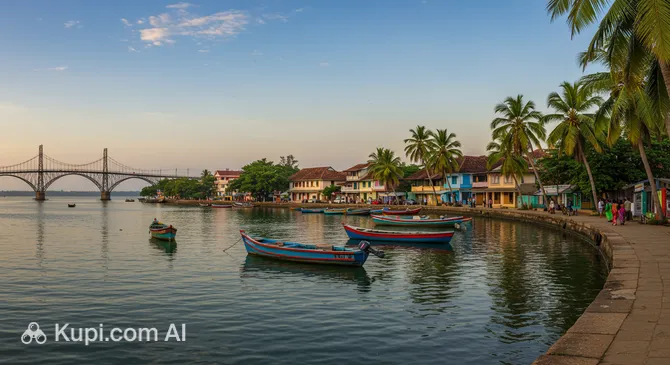
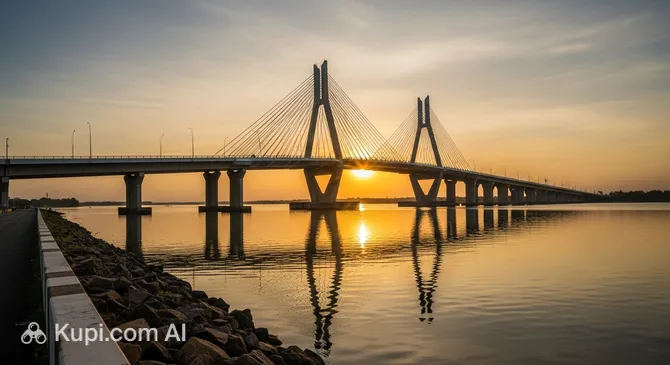
New Kallady Bridge. Source: Kupi.Binoculars
  • The city is legendary for its "singing fish," a phenomenon best experienced near the New Kallady Bridge. Locals describe the underwater sound as resembling a plucked guitar string or a violin, which is reportedly most audible on full moon nights between April and September.

  • Unlike many other colonial fortifications that serve purely as museums, the Batticaloa Dutch Fort remains a functioning administrative hub. It is one of the rare ancient forts in Sri Lanka to house active government offices within its thick, 17th-century coral walls.

  • The Batticaloa Gate is more than just a picturesque monument; it marks the historic landing site of the first Methodist missionaries to the island in 1814. A statue of Reverend William Ault stands nearby, commemorating this significant chapter in the region's history.

  • Batticaloa is often called the "Land of the Singing Fish," but it is geographically defined by three major lagoons: Batticaloa, Valaichchenai, and Vakari. The Batticaloa Lagoon is the largest, stretching over 50 kilometers and effectively turning the city into a series of islands connected by causeways and bridges.

How to Get There

Reaching this scenic coastal city is an adventure in itself, with options ranging from domestic flights to scenic road trips. For a detailed guide on all available transport methods, you can read more about how to get to Batticaloa. While the journey from the capital can be long, the destination's tranquil lagoons and beaches are well worth the effort.

Most international visitors will arrive in Sri Lanka via Bandaranaike International Airport (CMB). Located in Colombo, this is the country's primary aviation hub and sits approximately 209 km away from Batticaloa. Since the distance is significant, a transfer by taxi or private vehicle typically takes around 5 to 6 hours, offering travelers a chance to see the changing landscapes of the island. It is a large facility handling millions of passengers annually, ensuring good connectivity with major global cities.

For those looking to save time, the city has its own domestic facility, Batticaloa Airport (BTC). Situated just 2.9 km from the city center, it is the most convenient option for domestic travelers. A quick taxi or tuk-tuk ride from here takes only about 15 minutes. Alternatively, you might consider flying into China Bay Airport (TRR) in Trincomalee, which is about 106 km away. The drive from Trincomalee to Batticaloa takes roughly 3 hours.

For clarity, here is a summary of the main airports:

Airport Name City Passenger Traffic Km from City
Bandaranaike International Airport Colombo High 208.9
Batticaloa Batticaloa Medium 2.9
China Bay Trincomalee Low 106.4
Sigiriya Slaf Base Sigiriya Low 109.8
Castlereigh Reservoir Waterdrome Hatton Low 156.5

In addition to air travel, Batticaloa is well-connected by the national railway network and public bus services. Trains from Colombo Fort to Batticaloa run daily, offering a scenic and culturally immersive journey across the island, though it is a slower alternative compared to flying.

Main Attractions

Batticaloa offers a delightful mix of historical landmarks and natural beauty, making it a rewarding destination for travelers. The city's geography, defined by its vast lagoon and coastal stretches, provides the perfect backdrop for exploring its diverse sites, ranging from colonial fortifications to serene parks.

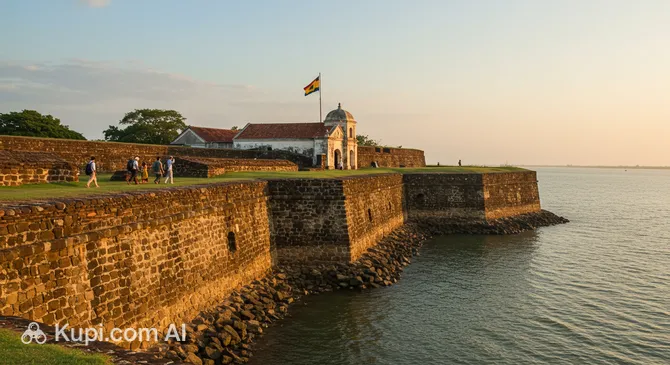
One of the most significant historical sites is the Batticaloa Dutch Fort. Originally built by the Portuguese in the 1600s and later fortified by the Dutch, this structure is unique because it continues to house functioning government offices within its ancient walls. Visitors can walk along the ramparts to admire the impressive coral masonry and enjoy panoramic views of the lagoon, blending colonial history with the daily life of the city.

Batticaloa Dutch Fort. Source: Kupi.Binoculars

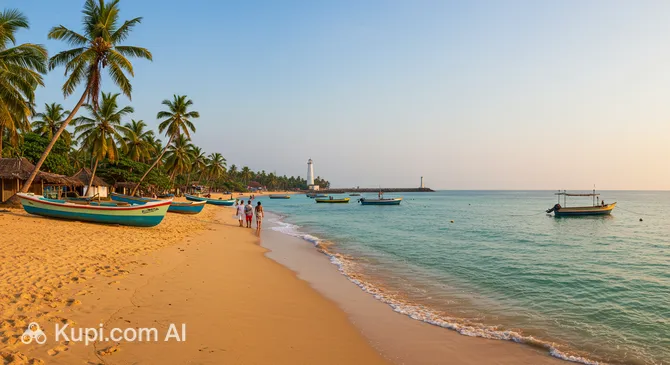
For those seeking a peaceful escape by the sea, Kallady Beach is the ideal spot. This broad stretch of golden sand is lined with shady Casuarina trees, offering a cool retreat from the tropical sun. It is a favorite location for locals and tourists alike to enjoy morning walks, witness breathtaking sunrises over the Indian Ocean, and relax in a quiet, scenic environment.

Kallady Beach. Source: Kupi.Binoculars

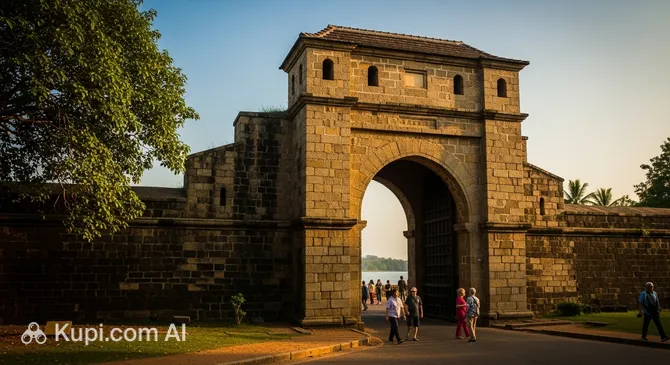
In the heart of the town, the Batticaloa Gate stands as a prominent monument near the waterfront. It marks the historic landing spot of the first Methodist missionaries to the region in the early 19th century. Just a few steps away lies the Batticaloa Gandhi Park, a well-maintained public space featuring a statue of Mahatma Gandhi. This area is perfect for a leisurely evening stroll, allowing visitors to enjoy the cool breeze from the lagoon while observing local life.

Batticaloa Gate. Source: Kupi.Binoculars

Connecting the city's landmasses is the iconic New Kallady Bridge. While it serves as a vital transport link, it is also a tourist attraction in its own right, offering stunning views of the water and the fishing boats below. It is famously associated with the legend of the "singing fish," and standing here during a quiet evening provides a unique vantage point to appreciate the vastness of the Batticaloa Lagoon.

Local Cuisine

The culinary scene in Batticaloa is a vibrant reflection of its coastal geography and cultural heritage, offering a gastronomic adventure that heavily features fresh seafood and spicy flavors. Thanks to the massive lagoon and the Indian Ocean, the city is a paradise for lovers of fish and crustaceans. The undisputed star of the local table is the Batticaloa Lagoon Crab, often prepared in a rich, spicy curry that is renowned across the island for its depth of flavor and generous use of local spices.

Beyond crab, visitors should not miss the opportunity to try Lagoon Prawns, which are celebrated for their size and succulent taste. Another regional specialty is Kool, a hearty seafood broth thickened with palmyrah flour, traditionally containing a mix of crab, fish, cuttlefish, and prawns. For breakfast or dinner, locals often enjoy Pittu (steamed cylinders of ground rice and coconut) or String Hoppers served with spicy fish curries or a mild coconut milk gravy known as Sothi.

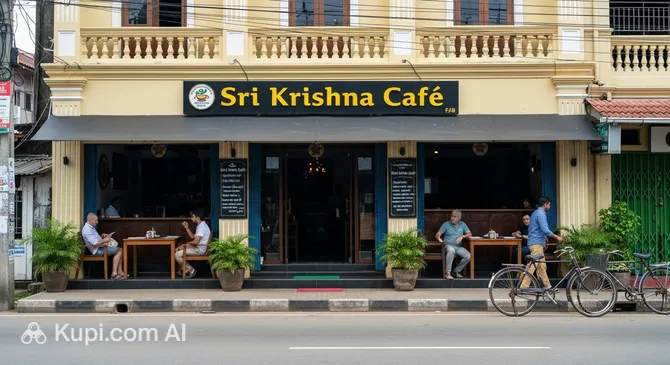
When it comes to dining out, the atmosphere in Batticaloa is generally relaxed and unpretentious. You will find a mix of small eateries, street food stalls near the waterfront, and family-run restaurants. For those seeking authentic vegetarian cuisine, Sri Krishna Cafe is a popular spot among locals. It is an excellent place to sample traditional South Indian-style dishes like crispy dosas and vadai, providing a delicious contrast to the seafood-heavy diet of the region.

Sri Krishna Cafe. Source: Kupi.Binoculars

To quench your thirst in the tropical heat, the most popular choice is the refreshing King Coconut (Thambili), sold by street vendors on almost every corner. For a drink with a bit more of a kick, the region is known for Palmyrah Toddy, a locally tapped alcoholic beverage derived from the palmyrah palm, which grows abundantly in the Eastern Province. Whether you are dining by the lagoon or grabbing a quick bite in town, the flavors of Batticaloa are sure to leave a lasting impression.

Travel Tips

To ensure your journey through the "Land of the Singing Fish" is as smooth and enjoyable as possible, a little preparation goes a long way. Batticaloa’s unique blend of cultural heritage and coastal charm is best experienced with these practical insights in mind.

  1. Clothing and Gear: Given the tropical heat, pack lightweight, breathable fabrics like cotton or linen to stay cool. While swimwear is fine for Kallady Beach, the city and its surrounding villages are socially conservative. When visiting temples or walking through town, always dress modestly by covering your shoulders and knees. Slip-on shoes are highly recommended as you will need to remove them frequently when entering religious sites or local homes.

  2. Transportation: The most convenient way to navigate the city's bridges and causeways is by tuk-tuk (three-wheeler). Unlike in Colombo, meters are not always used here, so it is essential to negotiate and agree on the fare before you start your journey. For longer trips, public buses are an economical option, though they can be crowded. Renting a scooter is also a popular choice for travelers who want to explore the lagoon roads at their own pace.

  3. Finances: The local currency is the Sri Lankan Rupee (LKR). While some larger hotels and restaurants accept credit cards, cash is absolute king in Batticaloa, especially for street food, tuk-tuks, and small shops. ATMs are widely available in the town center, but it is wise to carry plenty of small denominations (100 and 500 rupee notes) for daily transactions. Tipping around 10% is appreciated in restaurants and for tour guides.

  4. Health and Safety: As a lagoon city, mosquitoes can be prevalent, especially around dusk. Pack a strong insect repellent and consider wearing long sleeves in the evenings to prevent bites. Tap water is generally not safe for drinking; stick to bottled or filtered water to stay hydrated in the heat. Pharmacies are available in the main town area, but they may not be open 24/7, so bring a basic personal medical kit with you.

  5. Communication: The primary language spoken in Batticaloa is Tamil, unlike the Sinhala-majority south. However, English is reasonably well understood in hotels, tourist spots, and by many younger locals. Learning a simple greeting like "Vanakkam" (Hello) will earn you warm smiles. For internet access, purchasing a local SIM card (Dialog or Mobitel) is easy and provides good 4G coverage throughout the area.

  6. Local Etiquette: Sri Lankans are incredibly hospitable, but they value respect. Always use your right hand for eating, shaking hands, or giving money, as the left hand is considered unclean. Public displays of affection (PDA) are frowned upon and should be avoided. If you are taking photos of locals, particularly women, it is polite to ask for permission first.

  7. What to Avoid: Do not walk around the city center or visit religious sites in beachwear; this is considered disrespectful. Also, be cautious when swimming in the lagoon or remote beach areas; currents can be strong, and some parts of the lagoon may have crocodiles, so only swim in designated or well-known safe spots.

  8. Seasonal Tip: If you are keen to hear the famous "singing fish," plan your visit between April and September. The phenomenon is said to be most audible on nights with a full moon. To increase your chances, hire a local boatman to take you out onto the lagoon at night, as they know the quietest spots where the mysterious sounds resonate best.

By keeping these simple tips in mind, you will be well-equipped to embrace the slow, rhythmic pace of life in Batticaloa. Whether you are cycling across the causeways or enjoying a spicy crab curry, respecting local customs will open doors to authentic and heartwarming experiences in this beautiful eastern city.

Entertainment & Nightlife

Entertainment and Nightlife:

Nightlife in Batticaloa is distinctively tranquil compared to the bustling party scenes found in Colombo or the southern coastal resorts. Instead of thumping nightclubs and neon-lit discos, the city offers a laid-back evening atmosphere centered around relaxing dinners, scenic strolls, and quiet gatherings. The vibe here is conservative and family-oriented, making it an ideal destination for travelers seeking peace rather than parties. The "nightlife" often winds down relatively early, with the city going to sleep shortly after dinner hours.

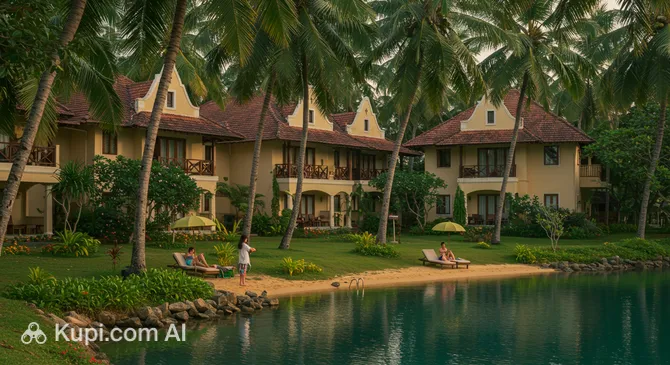
For tourists looking to enjoy a drink or a leisurely evening meal, the best options are typically found within the established guesthouses and hotels along the lagoon. These venues often have licensed bars and offer a comfortable setting to unwind. A notable spot is the Riviera Resort, which is well-regarded for its scenic location by the water. It provides a perfect backdrop for a quiet evening, allowing guests to enjoy the cool lagoon breeze while sipping a cold beer or enjoying a fresh seafood dinner.

Riviera Resort. Source: Kupi.Binoculars

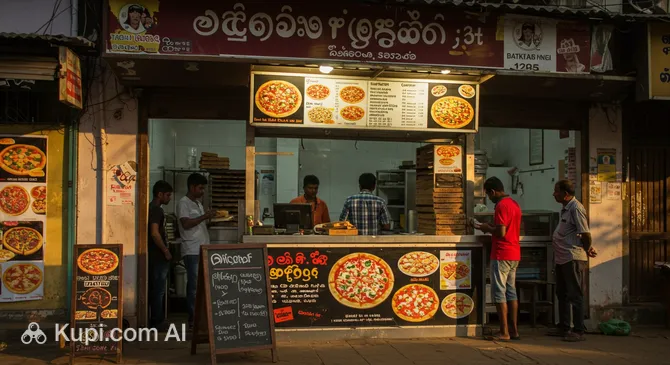
If you are in the mood for a casual dining experience in the town center, the Batticaloa Pizza Restaurant is a popular venue. It attracts a mix of locals and visitors looking for a break from rice and curry, offering a friendly environment to enjoy wood-fired pizzas and other comfort foods. The atmosphere in such local eateries is generally informal, and dress codes are casual, though modest attire is always appreciated in this region.

Batticaloa Pizza Restaurant. Source: Kupi.Binoculars

The heart of social life in the evenings beats around the waterfront areas, particularly near the Gandhi Park and the clock tower. As the sun sets, this district becomes a hub of activity where families and friends gather to enjoy the cool air. It is a safe and pleasant area for a night walk, with street food vendors selling snacks and ice cream. While there are no specific "bar streets," this central zone offers a glimpse into the authentic local lifestyle after dark.

Practical advice for night owls in Batticaloa is simple: start early. Most restaurants and shops begin to close around 9:00 PM or 10:00 PM. Public transport becomes scarce after dark, so it is essential to arrange a tuk-tuk for your return journey if you are staying outside the town center. Safety is generally not a major concern, but street lighting can be dim in peripheral areas, so it is advisable to stick to main roads or use a vehicle. Alcohol is primarily available at licensed hotels or "wine stores," and public drinking on the street or beach is prohibited.

Regarding daytime entertainment, the city focuses more on cultural and natural experiences than commercial amusement parks. Visitors can explore local libraries or catch a movie at one of the town's cinemas, which typically screen Tamil and Bollywood films. However, the primary allure remains the outdoors, from boat rides on the lagoon to exploring the historic architecture scattered throughout the town.

Parks & Museums

While Batticaloa may not be famous for sprawling botanical gardens or vast museum complexes, the city offers a charming selection of public spaces and cultural repositories that reflect its deep-rooted history. The true beauty of this eastern coastal hub lies in its open-air heritage, where the lagoon meets the land, and centuries-old structures serve as living monuments to the past.

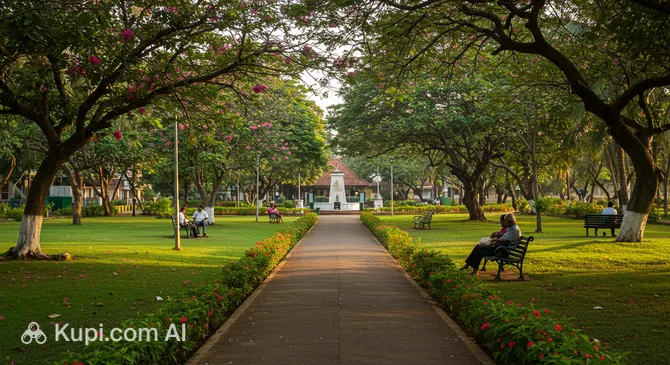
For a relaxing afternoon by the water, the Batticaloa Gandhi Park is the city's premier green space. Located in the heart of the town along the waterfront, this park is a favorite gathering spot for locals and visitors alike. It features a prominent statue of Mahatma Gandhi and offers paved walkways that are perfect for a sunset stroll. With the cool breeze blowing off the lagoon and views of the fishing boats returning home, it provides a peaceful respite from the busy streets.

Batticaloa Gandhi Park. Source: Kupi.Binoculars

Another significant natural area is the shoreline surrounding the lagoon, often referred to as the "Singing Fish" area. While not a formal park, the natural promenades along the water offer excellent opportunities for birdwatching and enjoying the unique ecosystem. The nearby Kallady Beach also serves as a massive natural recreational space, where the park-like atmosphere is created by the rows of shady Casuarina trees bordering the golden sands.

When it comes to museums, the Batticaloa Museum, located inside the historic fort, is a small but significant treasure trove. It houses a collection of rare palm-leaf manuscripts, colonial-era tools, and archaeological finds that narrate the region's history from ancient times through the colonial period. It is an essential stop for anyone wanting to understand the cultural fabric of the Eastern Province.

A short drive from the main city leads to the Kattankudy Heritage Museum, a unique institution dedicated to the history and culture of the local Muslim community. The building itself is an architectural marvel, designed to replicate traditional Islamic architecture. Inside, visitors can explore exhibits detailing the area's trading history, ancient household items, and the evolution of local customs, offering a fascinating glimpse into the diversity of the region.

The city's historical landscape is dominated by the Batticaloa Dutch Fort. Serving as an open-air museum of colonial military architecture, this 17th-century structure is incredibly well-preserved. Visitors can explore the old ramparts, the moat, and the British-era canons that still stand guard. Just a stone's throw away is the Batticaloa Gate, a monument that anchors the city's waterfront and serves as a reminder of its maritime importance.

For a truly authentic experience, try visiting the public library area near the fort in the late afternoon. It is a quiet hub of local intellectual life. Also, keep an eye out for the small, colorful Hindu temples scattered throughout the neighborhoods; while not museums, their intricate sculptures and vibrant festivals are open displays of the city's living culture.

Getting Around

The public transport system in Batticaloa is straightforward and primarily road-based, reflecting the laid-back nature of this coastal city. Unlike major global metropolises, you will not find subways, trams, or trolleybuses here. Instead, the city relies on a network of public buses and the ubiquitous three-wheelers, locally known as tuk-tuks, to move residents and visitors across the bridges and causeways that connect the islands to the mainland.

Buses are the most economical way to get around. The service is divided between the government-run SLTB buses (usually red) and private buses (often decorated with colorful stickers and lights). The Central Bus Stand serves as the main hub, with routes radiating out to nearby villages and beaches. While there are no digital apps or travel cards, the system is easy to use: simply wave down a bus at a halt, hop in, and pay the conductor in cash. Destinations are often displayed in English, Tamil, and Sinhala, but the bus crew is generally helpful if you ask for assistance.

For shorter distances or more direct travel, tuk-tuks are the most popular alternative. These three-wheeled taxis are agile enough to navigate narrow lanes and provide a breezy ride along the lagoon. In Batticaloa, most tuk-tuks do not operate on meters. Therefore, it is standard practice to negotiate and agree on the fare with the driver before stepping into the vehicle. This mode of transport offers the flexibility to stop for photos or explore areas not covered by bus routes.

The payment system across all forms of local transport is exclusively cash-based. Visitors should carry sufficient local currency in small denominations, such as 50, 100, and 500 rupee notes, as drivers and conductors often struggle to provide change for large bills. There are no pre-paid travel passes or validation machines; you buy your ticket directly on the bus or at the railway station counter for trains.

A unique feature of Batticaloa's transport landscape is the boat service. Given the city's geography, which is dominated by a massive lagoon, boats are sometimes used to cross between islands or for leisurely travel. While not a high-speed commuter option, taking a boat ride offers a scenic and practical way to experience the "Land of the Singing Fish" from a different perspective. Motorized boats and traditional canoes can often be hired near the main bridges.

For those who prefer self-reliance, renting a scooter or a bicycle is a fantastic option. The terrain is largely flat, making it conducive to two-wheeled travel. Many guesthouses can arrange rentals for a daily fee. Walking is also a pleasant option within the town center, particularly around the fort and the waterfront, though the heat can be intense during midday. Public transport generally operates from early morning until around 8:00 PM or 9:00 PM, after which services become very infrequent, so it is wise to plan your return journey in advance if you are out late.

Accommodation

Batticaloa's accommodation scene is characterized by its simplicity and charm, reflecting the unhurried pace of the Eastern Province. Unlike the highly commercialized southern coast, you will not find massive high-rise hotel chains here. Instead, the city is dotted with family-run guesthouses, eco-friendly lodges, and small resorts that offer a more personalized and intimate experience. The options range from basic budget rooms for backpackers to comfortable mid-range hotels that provide modern amenities without losing their local character.

For the best stay experience, most travelers prefer the areas surrounding the lagoon, particularly near Kallady. This location offers a serene environment with stunning waterfront views and easy access to the beach. Staying here allows you to wake up to the sound of birds and enjoy the cool breeze off the water, all while being just a short tuk-tuk ride away from the city center. The town center itself has some budget options, but they are generally more functional and less scenic than those nestled along the lagoon banks.

A notable example of the hospitality available in this region is the Riviera Resort. Situated picturesquely by the lagoon, it represents the type of relaxed, nature-oriented accommodation that defines Batticaloa. Places like this are popular for their expansive gardens and outdoor dining areas, making them ideal for families and couples looking to unwind after a day of exploring the historic fort or swimming at the beach.

In terms of pricing, Batticaloa is generally very affordable compared to other tourist hubs in Sri Lanka. Budget travelers can find clean, basic rooms for very reasonable rates, while mid-range resorts offer excellent value for money. Luxury seekers might find options limited, but the warmth of the service often makes up for the lack of five-star opulence. While major booking platforms list many of the larger properties, some smaller guesthouses still operate on a direct-contact basis, so having a phone number handy can be useful.

A helpful tip for planning your stay is to book well in advance if you are visiting during the peak summer months (May to August) or on full moon days. These periods attract both foreign tourists and locals eager to hear the legendary "singing fish," causing the best waterfront rooms to fill up quickly. During the off-peak monsoon season, you can often find great deals and enjoy a quieter atmosphere, though it is always wise to check if your chosen accommodation has amenities like air conditioning to handle the tropical humidity.

Nearby Cities

For those looking to explore the surroundings, Batticaloa serves as an excellent base for day trips to several interesting nearby locations.

Just a short drive south along the coast lies Kalmunai, a bustling commercial hub that offers a vibrant glimpse into the culture of the Eastern Province. Known for its lively streets, historic places of worship, and long stretches of sandy beach, it is an accessible destination for those wanting to experience the local lifestyle beyond Batticaloa.

For travelers willing to venture further inland towards the hills, Kandy represents a significant but rewarding journey. As the last royal capital of Sri Lanka, it is world-famous for the Temple of the Tooth Relic and its scenic lake. Although it requires more travel time, the transition from coastal lagoons to the lush, mountainous landscapes of the central region makes for a memorable contrast.

City Population Distance (km)
Kandy 8,464,000 103
Kandy 161,000 127
Mawanella 111,727 148
Kotmale 107,523 145
Kalmunai 106,780 37

These nearby destinations offer a glimpse into the diverse culture and landscapes of the region.

Shopping & Souvenirs

Shopping:

Shopping in Batticaloa offers a refreshingly authentic experience that stands in contrast to the commercialized retail hubs found in larger cities. Instead of sprawling luxury malls and international designer boutiques, the city is defined by its vibrant local bazaars, family-owned stores, and traditional craft centers. For visitors, this is an excellent opportunity to discover unique regional products and engage directly with local artisans, making every purchase a small connection to the culture of the Eastern Province.

The commercial heartbeat of the city lies along Main Street and the roads radiating from the central Clock Tower. This bustling district is where the daily life of Batticaloa unfolds, with rows of shops selling everything from textiles and electronics to jewelry and daily necessities. Walking through these streets provides a sensory overload of colors and sounds, offering a genuine glimpse into the local lifestyle. It is the best place to find clothing, shoes, and general goods at very reasonable prices.

While you will not find mega-malls in Batticaloa, there are several smaller shopping complexes and department stores that cater to modern needs. These multi-story buildings typically house a supermarket on the ground floor with various retail outlets above. They offer a more air-conditioned and organized shopping environment for travelers looking for toiletries, branded snacks, or fixed-price clothing. However, the true charm of shopping here remains in the independent storefronts rather than these modern conveniences.

For a dive into the local culinary culture, the Batticaloa Public Market is a must-visit destination. Located near the lagoon, this lively market is packed with vendors selling fresh tropical fruits, vegetables, and the region's famous dried fish. It is also a fantastic place to buy aromatic local spices, such as curry powders and chili blends, which are essential to the spicy eastern cuisine. The atmosphere is energetic, and it provides a perfect setting for photographers and foodies alike.

When it comes to souvenirs, Batticaloa is renowned across Sri Lanka for its exquisite handloom textiles. The region has a long history of weaving, and visitors can purchase high-quality cotton sarongs, sarees, and bed linens featuring distinctive colorful geometric patterns. Another popular local craft is palmyrah products. Skilled artisans weave the leaves of the palmyrah palm into intricate baskets, mats, hats, and bags, which make for eco-friendly and durable gifts to take home.

Most shops in the city open around 9:00 AM and close by 8:00 PM or 9:00 PM. On Sundays and public holidays, many smaller businesses may remain closed or operate with reduced hours. Cash is the preferred method of payment in the majority of establishments, especially in the markets and smaller handicraft stalls. While some larger supermarkets and hotels accept credit cards, it is highly advisable to carry sufficient Sri Lankan Rupees in cash for a smooth shopping experience.

Tourists should note that the tax-free shopping schemes available at the international airport in Colombo do not apply to the local shops in Batticaloa. Prices here are generally fixed in supermarkets, but bargaining is common and expected when buying from street vendors or in the public market. A polite negotiation can often result in a friendly discount and a smile.
Reached the end of the page?

That means the route is fully explored