Support

Sigiriya

About

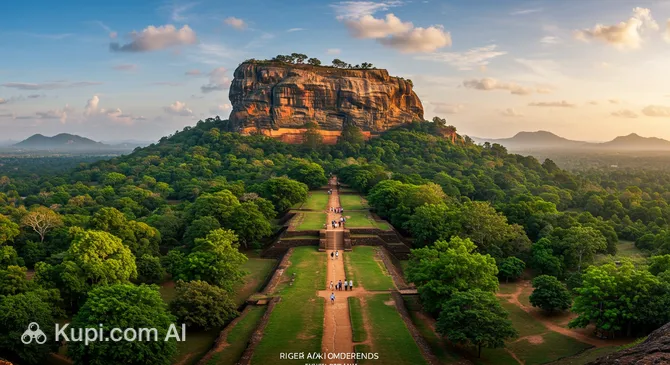
Sigiriya. Source: Kupi.Binoculars

Sigiriya is not just a destination; it is an icon of ancient engineering and artistic brilliance. Often referred to by locals as the "Eighth Wonder of the World," this majestic rock fortress rises abruptly from the surrounding plains, offering a breathtaking spectacle that blends nature and human ingenuity. It is widely considered one of the most important urban planning sites of the first millennium and serves as a primary tourism hub in the Central Province.

Located in the cultural triangle of Sri Lanka, Sigiriya is situated approximately 170 kilometers northeast of Colombo. The site is characterized by a massive column of rock nearly 200 meters high, surrounded by an extensive network of gardens, reservoirs, and other structures. The area enjoys a tropical climate, with lush greenery enveloping the rock, creating a stunning contrast against the reddish-brown stone.

The site is steeped in legend and intrigue. Exploring the history of Sigiriya takes you back to the reign of King Kashyapa (477–495 AD), who transformed this natural formation into a fortified palace and pleasure garden. Today, it stands as a UNESCO World Heritage site, celebrated for its advanced hydraulic systems and architectural grandeur that have withstood the test of time.

Travelers flock here to witness several unique features. The climb to the summit passes the famous Sigiriya Frescoes, ancient paintings of celestial maidens preserved in a sheltered pocket of the rock. Further up, the Mirror Wall, once polished so highly that the king could see his reflection, is now covered in verses scribbled by visitors dating back to the 8th century. The final ascent begins between the colossal Lion Paws, the only remains of a gigantic brick lion that once guarded the entrance to the summit palace.

A visit to Sigiriya is a journey into a bygone era of splendor. Whether you are an archaeology enthusiast, a nature lover, or simply seeking panoramic views of the island's central plains, this ancient citadel promises an unforgettable experience.
Weather Overview

Sigiriya generally enjoys a tropical climate with consistent warmth throughout the year, making it a destination that can be visited at almost any time. The region typically experiences steady temperatures, though humidity levels can influence how the heat is perceived. For more specific details on what to pack and when to go, you can consult the guide to the weather in Sigiriya.

Temperatures in the area are quite stable, with monthly averages hovering between 24.7°C and 28.7°C. April tends to be the warmest month, seeing daytime highs reach up to 33.2°C, while the beginning of the year is slightly cooler, with January averages around 24.7°C. Even during the "cooler" months, the climate remains pleasant for climbing the rock fortress and exploring the surrounding gardens.

Rainfall patterns are an important factor for planning your trip. The period from October to December marks the wettest season, with November seeing rain on up to 25 days. In contrast, the middle of the year, particularly June and August, offers drier conditions with fewer wet days. Expect warm, tropical weather year-round, with frequent showers likely towards the end of the year and sunnier skies from June to September.

Interesting Facts

Beyond the imposing silhouette of the Lion Rock, Sigiriya holds many fascinating secrets that often escape the casual observer. This ancient site is a treasure trove of geological wonders and historical trivia waiting to be uncovered.
  • The climb to the summit is a genuine physical feat, requiring visitors to ascend approximately 1,200 steps. The journey takes you through terraced gardens and spiral staircases, rewarding the effort with panoramic views of the jungle below.

  • While the site was always known to locals, it was "rediscovered" for the historical record in 1831 by Major Jonathan Forbes of the 78th Highlanders. He stumbled upon the bush-covered summit while returning from a trip on horseback, bringing it to global attention.

  • One of the most unique natural features is the Cobra Hood Cave, located within the Boulder Gardens. This rock formation naturally resembles the hood of a fully opened cobra and features faint traces of ancient floral paintings and inscriptions on its ceiling.

  • Geologically, the massive rock column is actually a hardened magma plug from an extinct volcano. It is the eroded remnant of a volcano that was active long ago, standing distinct from the surrounding flat plains of Sri Lanka.

How to Get There

Reaching the historic fortress of Sigiriya usually involves a scenic journey through the lush landscapes of the Central Province. Most international visitors begin their trip at the country's main aviation hub before transferring by road or domestic flight. For a comprehensive guide on all transport options, including buses and private transfers, you can read more about how to get to Sigiriya.

The primary gateway for international travelers is Bandaranaike International Airport (CMB). It is located in the city of Colombo, approximately 129 km from Sigiriya. Due to the distance, a transfer by taxi or bus typically takes around 3.5 to 4 hours. This airport handles the vast majority of passenger traffic coming into Sri Lanka.

For those seeking a quicker or more direct route via domestic air travel, you can fly into the Sigiriya Slaf Base (GIU). Situated directly in Sigiriya, it is only about 2.9 km from the city center, making the final transfer very short—approximately 25 minutes by vehicle. Another regional option is China Bay (TRR) in Trincomalee, located about 80 km away, with a travel time of roughly 2 hours and 20 minutes to Sigiriya.

For clarity, here is a summary of the main airports:

Airport Name City Passenger Traffic Km from City
Bandaranaike International Airport Colombo High 128.6
Batticaloa Batticaloa Medium 105.6
China Bay Trincomalee Low 80.0
Sigiriya Slaf Base Sigiriya Low 2.9
Castlereigh Reservoir Waterdrome Hatton Very Low 123.6

Main Attractions

While the majestic Lion Rock dominates the landscape, the area surrounding Sigiriya offers a variety of other engaging experiences for travelers. From immersive cultural activities to scenic viewpoints and delightful culinary stops, visitors can explore the region's rich heritage and vibrant local life beyond the main fortress.

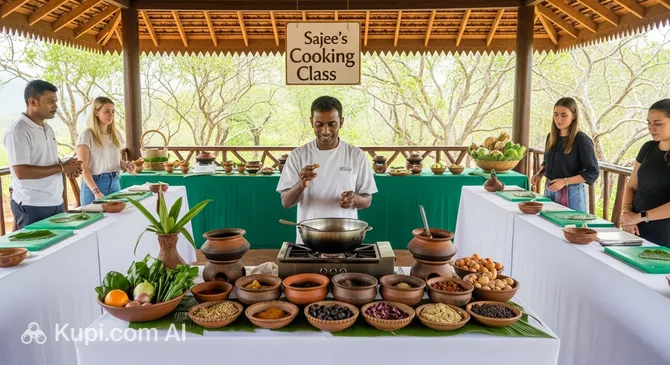
One of the most authentic ways to connect with Sri Lankan culture is through its food. Sajee's Cooking Class provides a fantastic hands-on opportunity for tourists to learn the secrets of local cuisine. Participants are guided through the preparation of traditional curries, coconut sambol, and other delicacies using fresh, local ingredients. It is not just a lesson but a fun, interactive experience that allows you to take a taste of Sri Lanka home with you.

Sajee's Cooking Class. Source: Kupi.Binoculars

For those seeking a view of the Sigiriya Rock itself, a hike up Pidurangala Rock is highly recommended. Located just opposite the main fortress, this massive rock formation offers a slightly more rugged climb but rewards hikers with a spectacular 360-degree panorama. It is particularly famous for its breathtaking views of the Lion Rock at sunrise or sunset, providing a perfect vantage point for photographers and nature lovers.

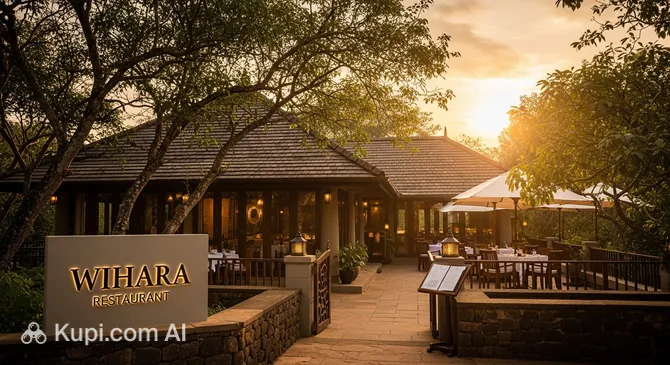
After a day of climbing and exploring, enjoying a hearty meal is essential. Wihara Restaurant is a popular spot known for its welcoming atmosphere and delicious selection of dishes. It serves as a great place to relax and refuel, offering a mix of traditional flavors that appeal to international visitors looking for a genuine dining experience in the city.

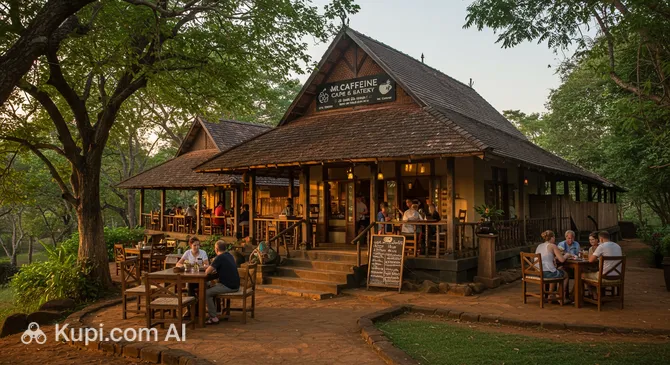
If you are in need of a lighter break or a quick energy boost, Mr. Caffeine Cafe & Eatery is a charming stop. Whether you are craving a quality cup of coffee or a light snack, this cafe provides a comfortable environment to unwind. It is an excellent choice for a midday pause between your adventures in the cultural triangle.

Local Cuisine

The culinary scene in Sigiriya is a vibrant reflection of Sri Lanka’s rich gastronomic heritage, characterized by aromatic spices, fresh coconut, and locally sourced vegetables. Due to its location in the "Cultural Triangle" and proximity to ancient reservoirs, the region is particularly known for its freshwater fish and generous, home-style cooking. Dining here is often a rustic experience, with many eateries featuring open-air pavilions or treehouse-style seating that allows you to enjoy the tropical breeze while you eat.

The absolute must-try dish is the traditional Rice and Curry, which is far more elaborate than the name suggests. In Sigiriya, this often takes the form of a lunchtime buffet served in clay pots, featuring red or white rice accompanied by a colorful array of sides like creamy dhal (lentils), beetroot curry, and spicy Pol Sambol (coconut relish). Another favorite, particularly for dinner, is Kottu Rotti. This popular street food consists of chopped flatbread stir-fried with vegetables, eggs, and meat, famous for the rhythmic clatter of metal blades used during its preparation.

To quench your thirst after the challenging climb up the rock fortress, nothing beats a fresh King Coconut (Thambili). These bright orange coconuts are sold by vendors throughout the area and offer a naturally sweet, hydrating water. For those looking to relax in the evening, Arrack—a local spirit distilled from the sap of coconut flowers—is a popular choice, typically mixed with ginger beer. You will also find the locally brewed Lion Lager widely available at tourist-friendly establishments.

Wihara Restaurant. Source: Kupi.Binoculars

Most dining venues in the city cater well to international visitors while maintaining authentic flavors. For a satisfying meal that captures the essence of local hospitality, Wihara Restaurant is a well-regarded spot to enjoy a variety of traditional curries in a welcoming atmosphere. If you are in the mood for a change of pace or a quick energy boost, Mr. Caffeine Cafe & Eatery provides a cozy setting for excellent coffee and lighter snacks, offering a perfect pause in your culinary exploration.

Travel Tips

Visiting Sigiriya offers a unique blend of adventure and history, but its location in the Cultural Triangle means you should come prepared for a rural environment rather than a bustling city. These practical tips are designed to help you handle everything from the tropical climate to local transport, ensuring a seamless experience during your stay.

  1. Clothing and Gear: The climate is hot and humid year-round, so wear breathable, light cotton clothing. Sturdy, comfortable shoes are a must for the 1,200-step climb up the rock; flip-flops are not recommended due to the uneven terrain. If you plan to visit Pidurangala Rock or nearby temples, carry a sarong or shawl to cover your shoulders and knees, as modest dress is strictly enforced at religious sites.

  2. Transportation: Sigiriya is a small village area best explored by tuk-tuk or bicycle. There is no local metro or tram system, and public buses primarily connect to the larger town of Dambulla rather than navigating the local sights. Ride-hailing apps can be unreliable here compared to the capital, so it is often best to arrange transport through your accommodation or negotiate a fare with a driver in advance.

  3. Finances: The local currency is the Sri Lankan Rupee (LKR). While the main ticket office and large hotels accept credit cards, cash is essential for small eateries, tuk-tuks, and roadside vendors. ATMs are scarce in Sigiriya itself, so it is highly advisable to withdraw sufficient cash in Dambulla or at the airport before arriving.

  4. Health and Safety: Stay hydrated and wear high-SPF sunscreen, as the sun can be intense on the exposed rock face. Be aware of the "Wasp Warning" signs on the fortress; if the wasps are active, remain calm and quiet. For medical needs, there are only basic shops locally; the nearest pharmacies and hospitals are located in Dambulla, about 30 minutes away.

  5. Communication: English is widely spoken in the tourism sector, making communication relatively easy. However, learning a simple "Ayubowan" (May you live long) is a warm way to greet locals. Wi-Fi is standard in hotels, but for reliable internet access on the go, purchasing a local SIM card (like Dialog or Mobitel) is recommended.

  6. Local Etiquette: Sri Lankans are known for their hospitality, and a smile is always appreciated. When entering any temple or sacred ground, you must remove your shoes and hats. It is considered disrespectful to pose for photos with your back turned to a Buddha statue, so please stand to the side and face the statue if you wish to take a picture.

  7. What to Avoid: Do not feed the wild monkeys that roam the cultural sites. They can become aggressive and may try to snatch food or bags. Additionally, avoid public displays of affection, as the local culture is conservative, especially in rural areas.

  8. Timing Your Climb: To beat the sweltering midday heat and the largest crowds, try to start your ascent as soon as the ticket office opens, typically around 7:00 AM. Alternatively, a late afternoon climb (around 3:30 PM) offers cooler temperatures and a stunning sunset, though you should ensure you have enough daylight for the descent.

By keeping these practicalities in mind, you can focus entirely on the awe-inspiring views and rich heritage that make this destination so special. A little preparation goes a long way in this tropical haven, leaving you free to enjoy every step of your journey to the summit.

Entertainment & Nightlife

Travelers accustomed to the pulsating energy of metropolitan nightlife should adjust their expectations when arriving in Sigiriya. This is a destination where the evenings are defined by tranquility rather than techno beats. There are no nightclubs, discos, or neon-lit party districts here. Instead, "nightlife" in Sigiriya revolves around relaxed social dining, enjoying a cold beer under a canopy of stars, and listening to the symphony of the surrounding jungle. The atmosphere is rustic and laid-back, perfect for unwinding after a physically demanding day of climbing.

The main hub for evening activity lies along the primary thoroughfare, the Inamaluwa-Sigiriya Road. As the sun sets, this area comes alive with the warm glow of lanterns from various guesthouses and open-air eateries. The vibe is universally casual; there is no dress code, and flip-flops or hiking gear are perfectly acceptable attire for dinner. Most venues close relatively early by international standards, with kitchens often winding down around 9:30 PM or 10:00 PM, so it is advisable to head out for dinner earlier rather than later.

For a pleasant evening meal, Wihara Restaurant remains a favorite among visitors. Its welcoming setting makes it an ideal spot to linger over dinner, swapping stories with fellow travelers while enjoying traditional Sri Lankan hospitality. If you are looking for a place to relax with a beverage or a lighter bite as the evening begins, Mr. Caffeine Cafe & Eatery offers a cozy environment. It is a great venue to recharge and enjoy a quiet moment before retiring for the night.

Mr. Caffeine Cafe & Eatery. Source: Kupi.Binoculars

When planning your night out, transportation and safety are key considerations. The roads in Sigiriya are poorly lit, and sidewalks are non-existent in many parts. More importantly, this region is part of the elephant corridor, and wild elephants frequently roam the roads after dark. Therefore, walking at night is strongly discouraged. Always arrange a tuk-tuk for your return journey, even if your restaurant is just a kilometer away. It is also wise to keep the phone number of a reliable driver, as hailing a ride on the street late at night can be difficult.

While the nights are quiet, the daytime entertainment options provide a rich cultural complement to the evening's rest. Beyond the famous rock fortress, visitors can explore the Sigiriya Museum at the base of the site, which offers excellent context through models and artifacts. Additionally, many tourists spend their afternoons on jeep safaris to nearby national parks like Minneriya or Kaudulla to see large gatherings of elephants, returning to Sigiriya just in time for a peaceful dinner.

Parks & Museums

While Sigiriya is primarily known for its towering rock fortress, the area is also a haven of ancient landscaping and natural biodiversity. The region offers a seamless blend of engineered green spaces and wild sanctuaries, complemented by institutions that preserve the deep history of the "Lion Rock" and its surroundings.

The Royal Gardens of Sigiriya are among the oldest landscaped gardens in the world and are an essential part of the site's experience. Divided into three distinct sections—the Water Gardens, the Boulder Gardens, and the Terraced Gardens—they demonstrate sophisticated ancient hydraulic engineering. Visitors are often amazed to see that the fountains in the Water Gardens, fed by complex underground conduits, still function during the rainy season. It is a tranquil place to wander, offering a cool respite under the shade of old trees and colossal boulders before starting the steep ascent to the summit.

Just a short drive from the ancient city lies Minneriya National Park, a must-visit for nature enthusiasts. This vast protected area is famous for "The Gathering," a natural phenomenon during the dry season where hundreds of wild elephants congregate around the Minneriya Tank to graze and bathe. Beyond elephants, the park is home to deer, buffalo, and a rich variety of birdlife, making it an excellent location for a jeep safari to witness Sri Lanka's wildlife in its natural habitat.

For a deeper understanding of the archaeological context, the Sigiriya Archaeological Museum is an indispensable stop. Located near the main ticket office, this modern facility managed by the Central Cultural Fund offers a comprehensive overview of the site's history, from prehistoric times to the royal period. The museum features detailed models of the fortress, artifacts recovered from excavations, and reproductions of the famous frescoes. It provides crucial context that enriches the actual climb, explaining the trade routes and cultural connections that Sigiriya once held with the rest of the world.

Although technically in the neighboring town, the Dambulla Museum of Wall Paintings is often visited in conjunction with Sigiriya due to its proximity and cultural significance. Situated near the Golden Temple, this museum focuses on the art history of Sri Lanka, specifically the evolution of wall paintings found in the region's cave temples. It offers a fascinating look at the techniques and stories behind the religious art that decorates the area's sacred spaces.

For a quieter, more atmospheric experience, take a walk along the Sigiriya Moat early in the morning or late in the afternoon. This area acts as a bird sanctuary and is less crowded than the main gardens. It is an excellent spot for spotting kingfishers, peacocks, and monkeys, offering a peaceful perspective of the rock reflected in the water, away from the bustling tourist trail.

Getting Around

Because Sigiriya is a small, rural village rather than a bustling metropolis, its public transport system is quite simple. Travelers should not expect the complex infrastructure found in major capital cities; there are no subways, trams, trolleybuses, or urban train networks here. Instead, the local transport framework relies primarily on buses and three-wheelers, which are well-suited to the area's laid-back pace and road conditions.

The backbone of public transportation for locals and budget travelers is the bus service. The most relevant route for visitors is the connection between Sigiriya and the nearby transport hub of Dambulla. These buses run frequently throughout the day, typically every 30 to 45 minutes, starting early in the morning and winding down around dusk. They are generally basic, non-air-conditioned vehicles. While they are incredibly affordable, they can be crowded and slower than private transport due to frequent stops along the way.

For short distances within the village—such as getting from your hotel to the rock fortress or a restaurant—the tuk-tuk (auto-rickshaw) is the most popular and convenient option. These three-wheeled vehicles are ubiquitous and act as the local taxi service. They are perfect for navigating the narrow roads and can drop you off right at the entrance of any attraction. Unlike buses, they offer a private ride and the flexibility to stop whenever you wish to take photos of the scenery.

The payment system in Sigiriya is strictly cash-based. There are no travel cards, digital passes, or mobile tapping systems for public transport. When taking a bus, you pay the conductor on board; it is advisable to carry small denominations of the local currency, as they may not always have change for large notes. For tuk-tuks, you must pay the driver directly at the end of the trip. Since most tuk-tuks in this rural area do not use meters, it is essential to negotiate and agree on the fare before you get into the vehicle to avoid misunderstandings later.

As a popular alternative to motorized transport, bicycle rentals are widely available and highly recommended. Many guesthouses offer bikes to their guests for a small daily fee. Given the relatively flat terrain surrounding the rock fortress, cycling is a delightful way to explore the area at your own pace. However, walking or cycling is only recommended during daylight hours. Due to the presence of wild elephants in the area, moving around on foot or by bike after dark is dangerous, and tourists are strongly advised to use a vehicle at night.

Ride-hailing apps, which are popular in larger cities, have limited to non-existent coverage in Sigiriya. While you might occasionally find a driver on an app in the larger town of Dambulla, relying on them within Sigiriya itself is risky. It is far more reliable to ask your accommodation to arrange a trusted driver or to flag down a passing tuk-tuk on the main road.

Accommodation

Accommodation in Sigiriya caters to a wide spectrum of travelers, ranging from backpackers seeking authentic local experiences to luxury seekers looking for indulgence amidst nature. The most common type of lodging here is the family-run guesthouse or homestay, which offers a warm, personal touch and often includes home-cooked meals. For those desiring more comfort, there are numerous mid-range hotels and eco-friendly resorts tucked away in the jungle, designed to blend seamlessly with the environment while providing modern amenities like swimming pools and air conditioning.

When choosing where to stay, location is a key factor. Many tourists prefer accommodations located along the Sigiriya-Inamaluwa Road or near the Kimbissa junction, as these areas offer easy access to restaurants, shops, and the main entrance of the Lion Rock. Staying within walking distance of the fortress allows for an early start to beat the crowds. Alternatively, visitors looking for tranquility often opt for properties situated further into the surrounding wilderness, where the sounds of nature replace the noise of traffic, though these locations usually require a tuk-tuk to reach the main sites.

For the best experience, it is highly recommended to book in advance, especially if you are visiting during the peak season from December to April. Properties that offer direct views of Sigiriya Rock or Pidurangala Rock are in high demand and tend to sell out quickly. While walk-ins are possible at smaller guesthouses, securing your room online ensures you get the specific amenities and location you desire.

The price range for accommodation varies significantly depending on the level of luxury. Budget travelers can find comfortable rooms in guesthouses for very affordable rates, often between $15 and $30 USD per night. Mid-range hotels typically charge between $50 and $100 USD, offering better facilities and often a pool. Luxury resorts and boutique hotels, which provide exceptional service and unique settings, can range from $150 USD upwards. Most bookings can be easily made through major online travel platforms, though some smaller homestays also accept direct bookings via phone or messaging apps.

Nearby Cities

For those looking to explore the surroundings, Sigiriya serves as an excellent base for day trips to several interesting nearby locations. The central location of the rock fortress allows travelers to easily access other historic and scenic destinations within a few hours' drive.

Dambulla is the closest major town and a must-visit for history enthusiasts. Located just a short distance away, it is famous for the Dambulla Cave Temple, a UNESCO World Heritage site that houses over 150 stunning Buddha statues and intricate ancient murals. The complex also features the Golden Temple, distinguishable by the massive golden Buddha statue seated atop the building, making it a spiritually significant and visually striking stop.

Further south lies Kandy, the cultural capital of Sri Lanka and the last stronghold of the ancient kings. Nestled among misty hills, it is home to the sacred Temple of the Tooth Relic, one of the most important Buddhist sites in the world. Visitors can also enjoy a stroll around the scenic Kandy Lake or explore the Royal Botanical Gardens in Peradeniya, which showcases a vast collection of orchids and tropical flora.

For a change of scenery, a trip to the east coast city of Trincomalee offers pristine beaches and a deep natural harbor. It is an ideal spot for ocean lovers, offering opportunities for whale watching and snorkeling around Pigeon Island. The city is also known for the historic Koneswaram Temple, perched high atop a cliff overlooking the Indian Ocean, providing breathtaking views and a glimpse into the region's Hindu heritage.

City Population Distance (km)
Dambulla 72,306 14
Kandy 161,000 75
Mawanella 111,727 85
Trincomalee 99,135 86

These nearby destinations offer a glimpse into the diverse culture and landscapes of the region.

Shopping & Souvenirs

Shopping in Sigiriya is a low-key and authentic experience that reflects the rural charm of the region. Unlike the bustling commercial hubs of Colombo or Kandy, this area does not feature high-end fashion boutiques or sprawling retail complexes. Instead, the shopping scene here is centered around local craftsmanship, offering visitors a chance to purchase unique handmade items, traditional art, and cultural keepsakes directly from the artisans or small local vendors.

The primary shopping activity is concentrated along the Sigiriya-Inamaluwa Road and the immediate vicinity of the rock fortress entrance and exit. As you travel along the main road, you will encounter numerous small shops and roadside stalls displaying colorful batiks, wood carvings, and paintings. The area near the exit of the Sigiriya Lion Rock is particularly dense with vendors selling souvenirs to tourists who have just completed their climb.

It is important to note that there are no shopping malls or department stores in Sigiriya. The village infrastructure is designed to support eco-tourism and heritage preservation rather than mass retail. Travelers in need of branded goods, electronics, or a modern mall experience would need to travel to the nearby town of Dambulla or, for more extensive options, to the major cities of Kandy or Colombo.

While there is no central "market" in the traditional sense, the roadside stalls function as an informal marketplace. Here, you can find an abundance of fresh tropical fruits, such as mangoes, bananas, and the famous red bananas. These stalls are often run by local families and offer a great opportunity to taste fresh produce or buy snacks for your travels.

When it comes to souvenirs, Sigiriya is famous for its wood carvings, particularly intricate statues of elephants and traditional masks believed to ward off evil spirits. Another popular buy is Batik clothing and wall hangings, which are often made in local workshops. You can also find high-quality reproductions of the famous Sigiriya Frescoes painted on canvas or wood, as well as locally grown spices like cinnamon and cardamom that make for excellent gifts.

Most shops and stalls typically open around 9:00 AM and close by 8:00 PM or 9:00 PM. Payment methods vary by establishment; while larger souvenir emporiums and jewelry shops may accept credit cards, cash is essential for smaller stalls and roadside vendors. Bargaining is a common practice at informal stalls, so feel free to negotiate the price politely.

Tax-free shopping is generally not available in the small shops of Sigiriya. The VAT refund scheme in Sri Lanka is typically restricted to specific authorized retailers in major cities and the international airport. Therefore, visitors should not expect to process tax refunds for purchases made in this village.

Reached the end of the page?

That means the route is fully explored