Support

Dikwella

About

Dikwella, often referred to as Dickwella, is a charming coastal town that offers a perfect blend of authentic local life and serene beach relaxation. Known for its laid-back atmosphere, this destination has rapidly gained popularity among travelers seeking a quieter alternative to the busier resorts on the southern coast of Sri Lanka. With its pristine sandy shores, swaying palm trees, and vibrant local market, the town captures the essence of a tropical paradise while retaining a distinct sense of community.

Geographically situated in the Southern Province, approximately 22 kilometers east of Matara, Dikwella benefits from a warm, tropical climate that makes it a year-round destination. The town is home to a population of around 65,000 residents, creating a bustling yet manageable environment for visitors. Its location along the main southern coastal road makes it easily accessible, serving as a gateway to some of the island's most beautiful bays and cultural landmarks.
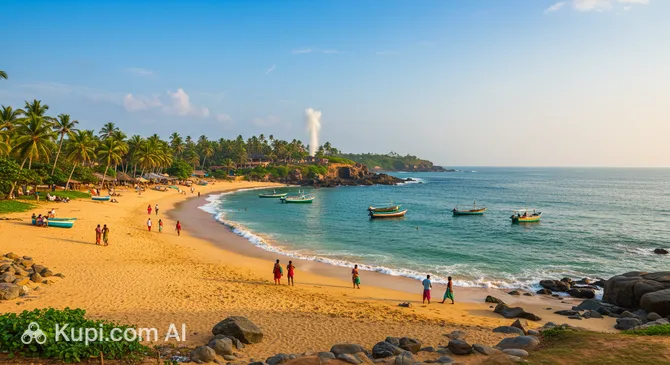
Dikwella. Source: Kupi.Binoculars

One of the area's biggest draws is the stunning Hiriketiya Beach, a horseshoe-shaped bay that has become a haven for surfers and yoga enthusiasts. The calm waters and consistent waves make it ideal for both beginners and pros. For those interested in culture, the Wewurukannala Vihara is a significant site, featuring the largest seated Buddha statue in the country, standing at an impressive 50 meters high. Exploring the history of Dikwella reveals a rich tapestry of traditions, best experienced by visiting these ancient temples and engaging with the friendly locals during the weekly market days.

Whether you are looking to catch the perfect wave, explore towering religious monuments, or simply unwind by the turquoise ocean, Dikwella offers a diverse range of experiences. It is an inviting destination that promises memorable sunsets and a genuine taste of southern hospitality, making it a must-visit stop on any island itinerary.
Weather Overview

Travelers visiting this coastal gem can expect a consistent tropical climate characterized by steady warmth and frequent showers. The weather in Dikwella remains inviting year-round, with average temperatures fluctuating only slightly between 26.5°C in January and peaking at around 27.8°C in April. Daily highs often reach up to 31°C, making the town perfect for sunbathing and swimming, while nights remain pleasant with minimums rarely dropping below 23°C.

Rainfall is a regular occurrence here, contributing to the region's lush, green landscapes. February is typically the driest month, recording the fewest rainy days with approximately 13 wet days. In contrast, the months of May and October are notably wetter, with precipitation occurring on up to 29 days of the month. Despite the high frequency of wet days, the consistently warm air ensures that the climate remains comfortable for exploration and outdoor activities throughout the seasons.

Interesting Facts

Beyond the main attractions, Dikwella holds many fascinating secrets that reveal the town's unique character and history. From geological marvels to curious local legends, there is much more to discover here than just sun and sand.
  • The name "Dikwella" literally translates to "Long Beach" in the Sinhala language. While the town is historically defined by its extensive coastline, it is ironically the smaller, horseshoe-shaped Hiriketiya Beach that has recently become the area's most famous landmark, overshadowing the long stretch of sand that originally gave the town its name.

  • While the Wewurukannala Vihara is celebrated for its massive Buddha statue, it also houses a startling feature known as the "Tunnel of Hell." This corridor contains life-sized models depicting graphic interpretations of the punishments awaiting sinners in the afterlife, offering a stark and memorable contrast to the serenity of the rest of the temple grounds.

  • Just a short distance from the town lies the Hummanaya Blowhole, which is the only known blowhole in Sri Lanka and is often cited as the second largest in the world. During the monsoon season, the pressure from the ocean can force a fountain of water to shoot up to 30 meters into the air, creating a dramatic natural spectacle.

  • The nearby coastline features a rare geographical formation at Nilwella called a tombolo. This split sandbar connects the mainland to a small rocky island offshore, allowing visitors to walk across the sea on a strip of dry land during certain tides, a phenomenon that is quite uncommon along the southern coast.

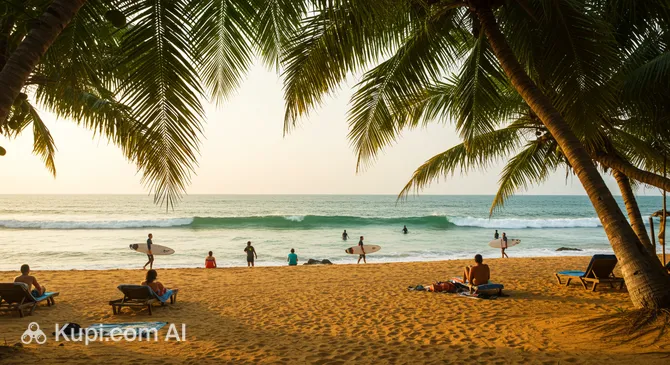
Hiriketiya Beach. Source: Kupi.Binoculars

How to Get There

Reaching this coastal haven is relatively straightforward, though it requires some travel time from the country's main entry points. Most international visitors arrive via the capital and then proceed south by road or rail. For a complete breakdown of travel options, you can read more about how to get to Dikwella, but the information below outlines the primary transport hubs serving the area.

The city of Dikwella does not have its own airport, but the most common entry point for international travelers is Bandaranaike International Airport (CMB) in the city of Colombo, which is approximately 161 km away. As the island's primary aviation hub, it welcomes flights from around the globe. From here, the journey to the southern coast via the expressway is efficient, with a travel time of approximately 4 hours and 20 minutes by taxi or private transfer.

For those looking to cut down travel time or arriving via domestic connections, you can fly into Koggala Airport in the city of Koggala, situated just 41.6 km from Dikwella. This smaller facility handles domestic flights and air taxis. A drive from Koggala to Dikwella typically takes around 1 hour and 20 minutes, offering a scenic route along the southern coastline.

For clarity, here is a summary of the main airports:

Airport Name City Passenger Traffic Km from City
Bandaranaike International Airport Colombo Large 161.0
Koggala Airport Koggala Small 41.6
Batticaloa Batticaloa Medium 220.4
Sigiriya Slaf Base Sigiriya Small 219.6
Castlereigh Reservoir Waterdrome Hatton Small 97.9

While there are no railway stations directly within Dikwella, the town is well-connected to the national rail network via nearby cities. Travelers often take the train from Colombo to the Matara or Beliatta stations, which are the closest major rail hubs. From either of these stations, a short tuk-tuk or bus ride will bring you to the center of Dikwella, making the train a scenic and popular option for reaching the southern coast.

Main Attractions

Dikwella offers a delightful mix of natural beauty and local hospitality, with attractions ranging from world-class surf breaks to inviting culinary spots. While the town is famous for its cultural sites, the vibrant beach scene and seaside establishments provide the perfect setting for relaxation and entertainment.

Undoubtedly the most famous highlight is Hiriketiya Beach. This horseshoe-shaped bay is renowned for its jungle-meets-ocean scenery and laid-back atmosphere. It attracts surfers of all levels due to its consistent waves, while the palm-fringed shore offers plenty of shade for sunbathers. The vibe here is distinctively chill, making it a favorite spot for travelers to unwind, practice yoga, or simply enjoy the tropical surroundings.

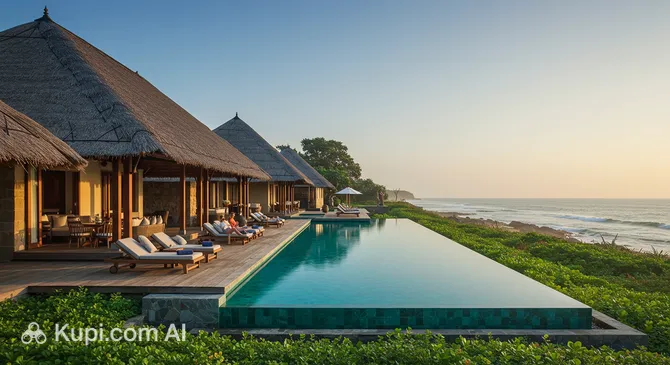
For those seeking a blend of luxury and scenic views, the Dickwella Resort & Spa is a landmark in itself. Located on a peninsula with the ocean on three sides, this property offers stunning panoramas of the Indian Ocean. It is an excellent place to experience the region's hospitality, featuring expansive pools and easy access to the sea, making it a central point for leisure in the area.

Dickwella Resort & Spa. Source: Kupi.Binoculars

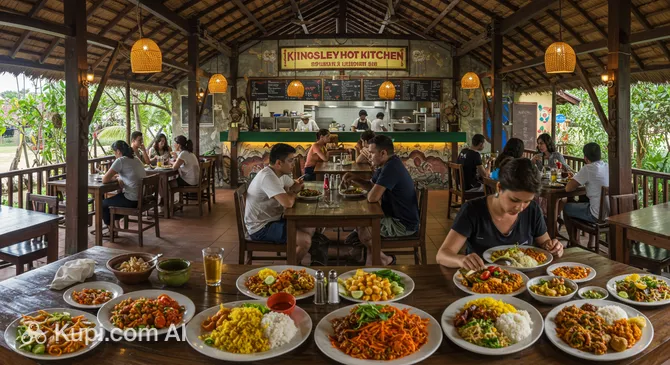
To experience the local dining scene, Kingsley Hot Kitchen is a popular stop for visitors. Known for its fresh seafood and authentic Sri Lankan flavors, this restaurant offers a genuine taste of the coastal cuisine. It is a great place to enjoy a hearty meal after a day of exploring, with friendly service that reflects the welcoming nature of the town's community.

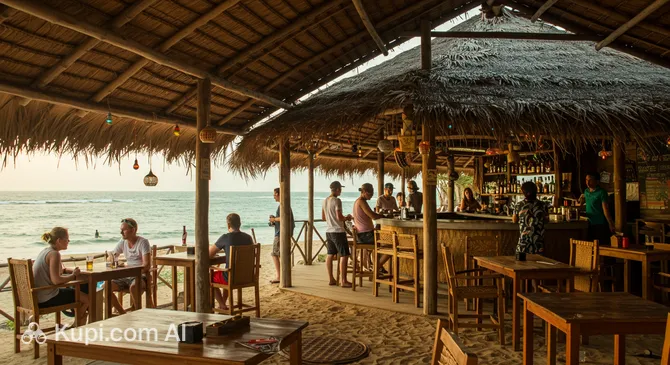
As the sun sets, many visitors head to Muthu Bar to enjoy the evening breeze. Situated right by the beach, this establishment is perfect for sipping a cold drink while listening to the sound of the waves. It offers a casual and relaxed environment where tourists can mingle with locals and fellow travelers, capping off a perfect day in this southern paradise.

Local Cuisine

The culinary scene in Dikwella is a vibrant reflection of its coastal location in the Southern Province, offering a delicious array of flavors that are both spicy and aromatic. As a fishing town, fresh seafood is the star of the show here. Visitors can expect to find an abundance of tuna, mullet, and prawns caught daily by local fishermen. One of the signature dishes you must try in this region is Ambul Thiyal, a sour fish curry made with goraka (a dried fruit) and black pepper, which originated in the south as a way to preserve fish.

Beyond seafood, the local food culture revolves around the staple of rice and curry, which is typically served with a variety of vegetable sides, dhal (lentils), and papadums. For a lighter meal or a snack, Hoppers (bowl-shaped pancakes made from fermented rice flour) are a breakfast and dinner favorite, often enjoyed with spicy onion relish or an egg cooked in the center. Another popular street food is Kottu Roti, a rhythmic stir-fry of chopped flatbread, vegetables, eggs, and meat, often prepared in open kitchens where you can hear the distinctive chopping sounds from the street.

For those looking to experience authentic home-style cooking, Kingsley Hot Kitchen is a noteworthy spot. This restaurant is well-regarded for its generous portions of seafood and traditional Sri Lankan curries, providing a genuine taste of the island's culinary heritage in a casual setting.

Kingsley Hot Kitchen. Source: Kupi.Binoculars

When it comes to beverages, the golden King Coconut (Thambili) is the ultimate thirst quencher, sold by vendors along the roadsides. It is refreshing, natural, and perfect for the tropical heat. For something with a bit more kick, local Arrack, a spirit distilled from coconut flower sap, is widely consumed, often mixed with ginger beer. Beer enthusiasts will also find the local Lion Lager widely available.

The dining atmosphere in Dikwella ranges from humble roadside eateries to relaxed beachside shacks. Tourists often gravitate towards the coast for sunset drinks and dining. Muthu Bar is a prime example of this laid-back culture, offering a place to enjoy a cold drink right on the sand, bridging the gap between a lively social hub and a serene beach escape.

Muthu Bar. Source: Kupi.Binoculars

Travel Tips

Welcome to Dikwella! While this southern gem is famous for its chill vibes and welcoming community, a little preparation goes a long way in ensuring a smooth and respectful trip. Here are some practical tips to help you navigate the local culture and logistics with ease.

  1. Clothing and Gear: Given the tropical heat, pack light, breathable fabrics like cotton and linen. While swimwear is perfect for Hiriketiya Beach, remember that modesty is expected in the town center. For temple visits, such as the Wewurukannala Vihara, you must cover your shoulders and knees, so carrying a sarong or a large scarf is highly recommended. Don't forget a universal adapter (Type D or G) and high-SPF sunscreen.

  2. Transportation: The iconic three-wheeler, or tuk-tuk, is the most convenient way to navigate the town and reach nearby bays. Always agree on the fare before hopping in, or ask your accommodation to call a trusted driver. Renting a scooter is a popular option for freedom, but ensure you have a valid driving license and always wear a helmet, as traffic on the main road can be fast.

  3. Finances: The local currency is the Sri Lankan Rupee (LKR). While trendy cafes and hotels in the tourist areas often accept cards, cash is essential for small local eateries, fruit stalls, and tuk-tuks. There are reliable ATMs located along the main road in Dikwella town. Tipping is not mandatory but is customary; leaving around 10% for good service is greatly appreciated.

  4. Health and Safety: Pharmacies are available in the town center but typically close in the evening, so it is wise to carry a basic first-aid kit and mosquito repellent to protect against dengue. While the town is safe, be cautious when swimming; the ocean currents can be strong, so stick to safe zones or ask locals about water conditions before entering.

  5. Communication: Sinhala is the main language, but English is widely spoken in tourist hubs, restaurants, and guesthouses. To stay connected, purchase a local SIM card (Dialog or Mobitel) upon arrival, as 4G data is often faster and more reliable than hotel Wi-Fi. Learning a simple "Ayubowan" (May you live long) will earn you warm smiles from the locals.

  6. Local Etiquette: Sri Lankans are incredibly hospitable. When entering a home or a temple, always remove your shoes and hats. Be mindful of religious sensitivities; it is considered highly disrespectful to pose for photos with your back turned directly towards a Buddha statue or to wear clothing with religious imagery.

  7. What to Avoid: Avoid public displays of affection in the main town or near religious sites, as the local culture is conservative. Also, refrain from taking photos of locals, especially bathers at public wells or fishermen, without asking for their permission first.

  8. Saturday Market Tip: If your visit aligns with the weekend, make sure to visit the Saturday Market near the beach. It is a vibrant slice of local life where you can buy fresh spices, tropical fruits like wood apples, and textiles at local prices, offering a stark contrast to the tourist-focused shops.

With these tips in hand, you are fully equipped to embrace the slow pace and warm spirit of this coastal town. Enjoy the perfect balance of cultural discovery and beachside bliss that makes Dikwella such a memorable destination!

Entertainment & Nightlife

Unlike the high-energy party hubs further west along the southern coast, the nightlife in Dikwella is defined by a relaxed, bohemian atmosphere that perfectly complements its surfer-town reputation. The evening entertainment here revolves around "sundowners" and casual gatherings rather than thumping nightclubs. The action is primarily concentrated in two distinct areas: the main Dikwella beach strip and the trendy, horseshoe-shaped bay of Hiriketiya Beach. While Dikwella town itself quiets down relatively early, the Hiriketiya area comes alive after dusk with fairy lights, acoustic live music, and a vibrant crowd of travelers and expats.

For a quintessential beachside evening, Muthu Bar is a local favorite located right on the sands of Dikwella Beach. It offers an unpretentious setting where you can enjoy a cold Lion beer or a cocktail with your toes in the sand, listening to the rhythmic sound of the waves. The vibe here is incredibly laid-back, making it an ideal spot to start your evening or wind down after a day in the sun. If you prefer a more polished setting for a quiet drink, the Dickwella Resort & Spa offers elegant lounge areas with panoramic views of the ocean, perfect for a romantic evening away from the sand.

Dining often merges with nightlife here, as many restaurants transition into social hubs as the night progresses. Kingsley Hot Kitchen is one such bustling spot where the atmosphere remains lively well into the evening. It is a great place to fuel up on fresh seafood and local curries before heading out to explore the bars in the Hiriketiya bay area. The dress code throughout the town is strictly "beach casual"—shorts, linen shirts, and flip-flops are the norm everywhere.

Practically speaking, the nightlife peaks between 8:00 PM and 11:00 PM, though some venues in the Hiriketiya cove stay open until around midnight or 1:00 AM on weekends. Prices are moderate, with cocktails typically ranging from 1,500 to 2,500 LKR. Getting around at night is best done via tuk-tuk. While the area is generally safe for walking, the roads can be poorly lit, and stray dogs are common, so hiring a three-wheeler is the most comfortable and secure option. Always have your accommodation's phone number handy to help drivers locate your drop-off point.

During the daylight hours, entertainment shifts from the bar scene to cultural and outdoor activities. Visitors can explore the local heritage at the Wewurukannala Vihara temple or visit the vibrant open-air markets. For those seeking adventure without the surfboard, nearby excursions to see the Hummanaya Blowhole provide a dramatic natural spectacle that contrasts with the town's serene evening vibe.

Parks & Museums

In Dikwella, the concept of parks and cultural venues is inextricably linked to the island's lush natural geography and deep-rooted religious heritage. Rather than manicured city parks or conventional enclosed museums, the town offers expansive open-air sanctuaries where the jungle meets the ocean, and ancient temples that serve as living galleries of art and history. Visitors here can expect to explore green spaces that are wild and tropical, alongside cultural sites that offer a profound glimpse into Sri Lankan Buddhist traditions.

The most significant natural area in the vicinity is undoubtedly Hiriketiya Beach. While famous for its surf, it also functions as a stunning public green space. The bay is densely fringed with coconut palms and tropical canopy that overhangs the sand, creating a natural park-like atmosphere where visitors can relax in the shade of the trees. It is a perfect example of the region's "jungle beach" aesthetic, offering a serene escape where the greenery is as prominent as the blue water.

Another remarkable natural site is the Hummanaya Blowhole, located just a short drive from the town center. It is considered a geological marvel and serves as a protected natural attraction. A short walk through a small village and up a rocky path leads to a viewing platform where the power of the ocean is on full display. Watching the sea spray shoot high into the air is a mesmerizing experience that connects visitors with the raw power of nature in the Southern Province.

For those seeking cultural insight, the Wewurukannala Vihara acts as the town's primary museum and gallery. This historic temple complex is famous for its "Tunnel of Hell," a long corridor filled with life-sized models and paintings depicting Buddhist narratives of the afterlife. This section functions effectively as an art gallery, offering a graphic and educational walk-through of moral stories that have been passed down for generations. It is a unique, albeit slightly intense, cultural experience that differs vastly from a typical museum visit.

Architecturally, the Wewurukannala Vihara is also home to one of the largest seated Buddha statues in Sri Lanka, rising 50 meters into the sky. Visitors can climb several flights of stairs behind the statue to reach a viewing platform at the level of the Buddha's head. This architectural feat not only offers a close-up look at the intricate design of the monument but also provides panoramic views of the surrounding lush coconut plantations and the distant coastline.

For an authentic local experience, try visiting the temple grounds in the late afternoon when the heat subsides. This is when local families often visit to offer flowers and light oil lamps, allowing you to observe the living culture and peaceful rituals of the community in a respectful and quiet atmosphere.

Getting Around

Public transport in Dikwella is straightforward and relies entirely on the road network, as the town does not possess a metro, tram, or trolleybus system. The backbone of local transit is the bus service, which operates along the main A2 highway running through the town center. This road connects Dikwella to major neighboring hubs like Matara to the west and Tangalle to the east. For tourists, the transport experience here is authentic and functional, offering a window into the daily rhythm of local life rather than a high-tech commute.

Buses are the most common and economical way to travel between towns. You will encounter two main types: the red buses operated by the Sri Lanka Transport Board (SLTB), which are government-run and generally drive at a moderate pace, and the privately owned buses, which are easily recognizable by their colorful decorations and often play loud, upbeat music. The private buses tend to be faster but can be a more intense experience due to their speed and frequent stops. The main bus stand is located in the center of town, making it a convenient starting point for longer journeys.

When it comes to payment, cash is the only accepted method. There are no travel cards, digital passes, or tap-to-pay systems for public transport in Dikwella. When taking a bus, you simply hop on and take a seat; a conductor will come to you to collect the fare. It is highly advisable to carry small denominations of the local currency, as conductors may struggle to provide change for large notes. Fares are incredibly low by international standards, usually costing just a few cents for short inter-city hops.

For short distances within the town or to reach specific beaches like Hiriketiya, the tuk-tuk (three-wheeler) is the primary mode of transport. Unlike in the capital, tuk-tuks in Dikwella rarely use meters. Therefore, it is essential to negotiate and agree on the fare with the driver before you get into the vehicle. While ride-hailing apps like PickMe or Uber exist in the region, their coverage can be sporadic in smaller towns like Dikwella, so hailing a tuk-tuk from the street or asking your hotel to arrange one is often more reliable.

For travelers seeking more independence, scooter rentals are a very popular alternative. Many guesthouses and shops offer daily rentals at reasonable rates. This option provides the freedom to explore hidden bays and inland temples at your own pace. However, ensure you have a valid international driving permit and always wear a helmet, as police checks are common and safety standards on the main road require vigilance.

While there is no train station directly in Dikwella, the town is well-integrated into the rail network via the nearby Beliatta Railway Station, located just a short bus or tuk-tuk ride away. This modern station serves as the terminus for the southern coastal line, offering a scenic and comfortable rail link back to the capital or towards other southern destinations, acting as a crucial extension of the town's public transport options.

Accommodation

Accommodation in Dikwella has evolved significantly in recent years, transforming from a selection of simple guesthouses into a diverse landscape catering to all types of travelers. The options now range from budget-friendly homestays and surf camps to stylish boutique villas and upscale resorts. Whether you are a backpacker looking for a social dormitory or a couple seeking a private luxury suite overlooking the Indian Ocean, the town offers a comfortable base for every budget.

When choosing where to stay, location is key, as the town is essentially divided into two distinct zones. The most popular area for younger travelers and surfers is around Hiriketiya Bay. Here, the accommodation consists largely of trendy villas, eco-lodges, and surf houses nestled in the jungle, offering easy access to the waves and a lively café culture. In contrast, the main Dikwella Beach area and the headlands offer a quieter, more spacious environment, often favored by families and those seeking classic resort amenities away from the bustle of the surf crowd.

For visitors looking for established comfort and commanding views, the Dickwella Resort & Spa is a standout option. Situated on a dramatic peninsula that separates the two main bays, this property is a prime example of the mid-to-high-range accommodation available in the area. It offers guests extensive facilities, including pools and direct sea access, representing the more traditional hospitality side of the town compared to the smaller, independent guesthouses found inland.

Regarding costs, prices in Dikwella are generally reasonable but can spike during the peak season from December to March. Budget travelers can find comfortable rooms or dorm beds for relatively low rates, while mid-range and luxury options are priced competitively compared to the western coast. It is highly recommended to book in advance if you plan to visit during the high season, especially for popular spots in Hiriketiya which fill up quickly. Most properties are listed on major online booking platforms, though many smaller, family-run homestays also welcome direct inquiries and walk-ins during quieter months.

Nearby Cities

For those looking to explore the surroundings, Dikwella serves as an excellent base for day trips to several interesting nearby locations:

City Population Distance (km)
Kesbewa 243842 122
Ratnapura 165998 88
Kotmale 107523 117
Hikkaduwa 101342 68
Galle 93118 53

One of the most essential visits is to the historic city of Galle, located approximately an hour away. This UNESCO World Heritage site is famous for its well-preserved 17th-century Dutch Fort, a living monument filled with colonial architecture, charming boutiques, and museums. Walking along the ancient ramparts offers a journey back in time and provides spectacular views of the ocean, making it a perfect cultural excursion.

For those who love marine life and a livelier beach scene, Hikkaduwa is a fantastic option. Known for its coral sanctuary and abundant sea turtles, it is a top destination for snorkeling and glass-bottom boat tours. The town also boasts a vibrant atmosphere with numerous beachside restaurants and a surfing culture that complements the quieter vibes of Dikwella.

If you prefer to head inland, Ratnapura, known as the "City of Gems," offers a completely different experience. Nestled among lush hills, it is the center of Sri Lanka's gem industry. Visitors can explore gem mines and museums to learn about the island's famous sapphires and rubies, or simply enjoy the scenic drive through the verdant countryside.

These nearby destinations offer a glimpse into the diverse culture and landscapes of the region.

Shopping & Souvenirs

Shopping:

Shopping in Dikwella offers an authentic glimpse into daily Sri Lankan life rather than a high-end retail experience. As a small coastal town, it lacks the sprawling commercial hubs found in the capital, but it compensates with charm and practicality. Travelers here will find a relaxed atmosphere where commerce is driven by local needs, offering everything from fresh tropical produce to essential beach gear. The experience is less about luxury brands and more about discovering local flavors, handmade crafts, and interacting with friendly shopkeepers.

The primary shopping zone is concentrated along the main Matara Road (A2 Highway) that cuts through the town center. This bustling strip is lined with a variety of small, family-run businesses, including textile shops, hardware stores, and pharmacies. A stroll down this street reveals the town's commercial heartbeat, where you can buy colorful sarongs, rubber flip-flops, and basic electronics. For a more tourist-centric shopping experience, the area around Hiriketiya Beach has recently seen a rise in small boutiques and surf shops selling swimwear, sunscreen, and bohemian-style clothing.

Travelers looking for large-scale shopping malls will not find them in Dikwella. The retail landscape is dominated by standalone stores rather than multi-story complexes. However, for modern conveniences and groceries, there are well-stocked supermarkets like Cargills Food City located in the town center. These outlets provide a comfortable, air-conditioned environment where you can purchase toiletries, snacks, and beverages at fixed prices, serving as the closest equivalent to a shopping mall experience in the area.

The highlight of the local shopping scene is undoubtedly the Dikwella Market (Pola), which comes alive particularly on Saturdays. Located near the beach, this open-air market is a sensory explosion of sights and smells. It is the best place to mingle with locals and browse mounds of fresh vegetables, exotic fruits like wood apples and mangoes, and dried fish. Beyond food, the market often features stalls selling clay pots, woven mats, and inexpensive clothing, making it a perfect spot for cultural immersion.

When it comes to souvenirs, the best items to bring back are those that reflect the region's natural bounty. Ceylon tea and locally grown spices such as cinnamon, cardamom, and black pepper are popular choices that pack easily. Additionally, products made from coconut shells, such as spoons and bowls, or coir (coconut fiber) items like rugs and brushes, make for sustainable and unique gifts. In the Hiriketiya area, you might also find handmade jewelry and locally designed surf apparel.

Most shops in Dikwella open around 9:00 AM and close by 7:00 PM or 8:00 PM, though supermarkets may stay open later. Payment methods vary by location; while supermarkets and some tourist-oriented boutiques accept credit cards, cash is essential for the local market, tuk-tuks, and smaller roadside stalls. It is advisable to carry smaller denominations of Sri Lankan Rupees to make transactions smoother. Tax-free shopping is generally not available in this small town, as it is a service typically reserved for major department stores in Colombo or the airport.

Reached the end of the page?

That means the route is fully explored