Support

Koggala

About

Koggala is a charming coastal town located in the Southern Province of Sri Lanka, offering a serene escape just a short drive south of the bustling city of Galle. Known for its relatively uncrowded beaches and tranquil atmosphere, this destination is perfect for travelers seeking a blend of relaxation, nature, and cultural depth away from the more commercialized tourist hubs.

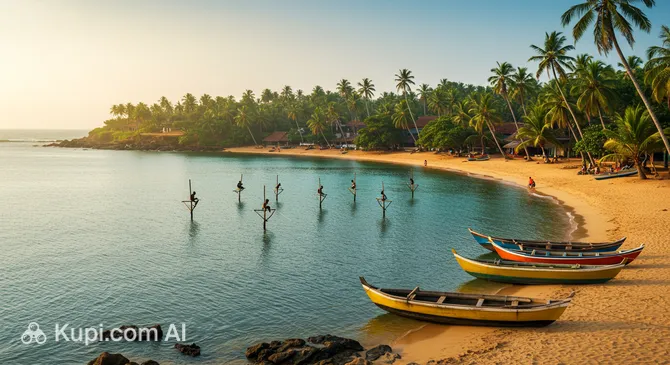
Koggala. Source: Kupi.Binoculars

One of the most iconic sights in the area is the traditional stilt fishermen, who balance skillfully on poles in the shallow waters to catch fish—a unique method that has become a symbol of the region. Nature enthusiasts will also find delight in Koggala Lake, a vast and beautiful body of water dotted with mangroves and small islands. A boat safari here offers a chance to observe exotic birdlife and visit cinnamon plantations, providing a glimpse into the local way of life.

The town holds significant cultural importance as the birthplace of Martin Wickramasinghe, one of the country's most celebrated authors. Visitors interested in the history of Koggala can explore the folk museum located in his ancestral home, which houses a fascinating collection of artifacts reflecting the rural heritage of the island. Whether you are exploring its literary roots or lounging on its golden sands, Koggala promises a memorable and authentic travel experience.

Weather Overview

Travelers visiting this coastal region can expect a warm, tropical climate that remains inviting throughout the year. The temperatures are remarkably consistent, with daily averages steadily hovering between 26°C and 27°C. Daytime highs typically peak around 30°C during the warmest months of March and April, while evenings remain pleasant with minimum temperatures rarely dropping below 23°C.

Humidity and rainfall are regular features of the local environment, contributing to the lush greenery of the Southern Province. When checking the weather in Koggala, you will notice that rain showers are frequent, with the number of wet days ranging from about 15 in February to nearly every day in May. Despite the likelihood of rain, the showers are often short-lived bursts that give way to sunshine, allowing plenty of time to enjoy the outdoors.

Interesting Facts

Beyond the main attractions, Koggala holds many fascinating secrets and historical footnotes that often escape the casual visitor's eye. From record-breaking aviation feats to specific literary landmarks, this coastal town has a surprisingly rich backstory.

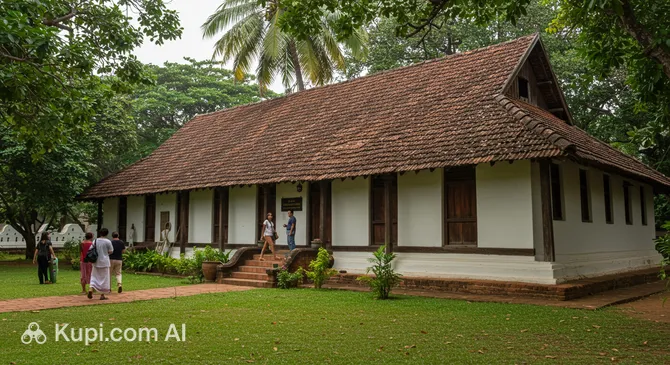
Martin Wickramasinghe Folk Museum. Source: Kupi.Binoculars
  • Koggala holds a unique place in global aviation history as the operational base for the legendary "Double Sunrise" flights during World War II. The Royal Air Force established a seaplane base here to maintain a vital communication link with Australia, flying non-stop to Perth; the journey took over 27 hours, lasting so long that the crew and passengers witnessed the sun rise twice while airborne.

  • The celebrated Martin Wickramasinghe Folk Museum stands on the estate where the author grew up, but few know that the nearby island of Madol Doova in Koggala Lake is the actual setting of his most famous novel. The island inspired the beloved children's adventure story, and today, it remains a tangible piece of literary history that fans can visit by boat.

  • One of the enchanting stops within Koggala Lake is "Cinnamon Island," a small islet dedicated entirely to the cultivation of true Ceylon cinnamon. For generations, a single family has inhabited the island, demonstrating the intricate, traditional process of peeling and preparing cinnamon quills to visitors exploring the lake by boat.

  • While the southern coast is famous for its beaches, the stretch of sand near Koggala is a critical nesting ground for endangered sea turtles. Unlike the busy tourist beaches elsewhere, the quiet shores here frequently attract Green Turtles and Leatherbacks that come ashore under the cover of darkness to lay their eggs.

How to Get There

Reaching this serene coastal town is relatively straightforward, with several options available depending on your budget and travel style. Most international travelers will arrive via the country's main aviation hub and then continue their journey by road or domestic flight. For a comprehensive guide on all transport modes, including buses and trains, you can read more about how to get to Koggala.

The primary gateway for visitors is Bandaranaike International Airport (CMB), located in the city of Colombo, approximately 140 km from Koggala. As the island's largest international airport, it handles the vast majority of tourist arrivals. From here, the journey to the southern coast has been significantly expedited by the Southern Expressway, typically taking 2.5 to 3 hours by taxi or private transfer. This route offers a comfortable and efficient drive through the Sri Lankan landscape.

For those looking to save time or enjoy a scenic aerial view, you can fly directly into the Koggala Airport (KCT), which is conveniently located just 1.8 km from the town center. This facility primarily serves domestic air taxis and charter flights, making it an excellent option for quick transfers from Colombo or other parts of the island. The transfer from this local airport to your hotel is incredibly short, taking only about 5 to 10 minutes.

For clarity, here is a summary of the main airports:

Airport Name City Passenger Traffic Km from City
Bandaranaike International Airport Colombo Large 139.7
Batticaloa Batticaloa Medium 240.0
Sigiriya Slaf Base Sigiriya Small 220.6
Koggala Airport Koggala Small 1.8
Castlereigh Reservoir Waterdrome Hatton Small 97.8

In addition to air travel, Koggala is well-connected by land. The coastal railway line offers a picturesque route from Colombo, running right along the oceanfront. Buses are also a frequent and affordable option, with luxury highway buses plying the route between the capital and the southern coast, significantly reducing travel time compared to traditional routes.

Main Attractions

Just a short distance inland lies the Handunugoda Tea Estate, a unique plantation often referred to as the "Virgin White Tea Plantation." Unlike the high-altitude estates found in the central hills, this low-grown tea garden thrives near the sea, producing tea with a distinct character. It is globally renowned for its "Virgin White Tea," which is harvested with extreme care without direct human touch. Visitors can tour the factory to witness the meticulous production process and enjoy a tasting session of some of the finest brews in the region.

For a dive into local history and art, the Kataluwa Purvarama Maha Viharaya is a hidden gem worth exploring. This ancient Buddhist temple dates back to the 13th century and is famous for its Kandyan-style paintings. Among the traditional religious murals, you can find fascinating and unusual depictions, including illustrations of Queen Victoria and various European figures, reflecting the colonial influence of the era. The temple provides a quiet and spiritual atmosphere, contrasting with the coastal buzz.

Wildlife enthusiasts should consider visiting one of the local Sea Turtle Hatcheries along the coast. While the beaches are known nesting grounds, these conservation centers play a vital role in protecting eggs and injured turtles. Visitors can learn about the different species found in Sri Lanka, see the tanks where hatchlings are kept safe until they are strong enough for release, and gain insight into the efforts to preserve marine life in the Southern Province.

Martin Wickramasinghe Folk Museum. Source: Kupi.Binoculars

Finally, for those seeking a quick dose of culture within the town center, the Martin Wickramasinghe Folk Museum offers a convenient stop. While it is the celebrated home of the famous author, it also serves as a practical location to view a concentrated collection of southern artifacts, traditional masks, and vintage vehicles without requiring a long excursion.

Local Cuisine

The culinary landscape of Koggala is deeply rooted in the traditions of the Southern Province, offering a vibrant mix of spicy curries and fresh ocean bounty. As a coastal town, seafood is naturally the star of the show. Visitors should not miss the opportunity to try the region's signature dish, Ambul Thiyal (sour fish curry). This unique preparation uses dried goraka (a tart fruit) and black pepper to create a dry, dark curry that preserves the fish and delivers a distinctive tangy flavor that pairs perfectly with steaming white rice.

For a more casual dining experience or a hearty evening meal, Kottu Roti is a must-try street food staple. It consists of chopped flatbread stir-fried vigorously on a metal griddle with vegetables, eggs, and your choice of meat or seafood, often accompanied by a rhythmic clanging sound that can be heard from afar. Another local favorite is Hoppers (Appa), bowl-shaped pancakes made from fermented rice flour and coconut milk, typically served for breakfast or dinner with spicy sambols or a fried egg in the center.

To quench your thirst in the tropical heat, the bright orange King Coconut (Thambili) is sold by roadside vendors everywhere and offers a sweet, hydrating water that is far superior to bottled drinks. For those looking to sample a traditional alcoholic beverage, Arrack is the drink of choice. Distilled from the sap of the coconut flower, this local spirit is smooth and commonly enjoyed mixed with ginger beer, creating a refreshing cocktail known as an "Arrack Sour" or simply "Arrack and Ginger."

The Fortress Resort & Spa. Source: Kupi.Binoculars

The dining scene in Koggala ranges from simple beachside shacks serving the catch of the day to elegant venues in high-end hotels. Travelers seeking a luxurious gastronomic experience often visit The Fortress Resort & Spa, which is renowned for its exceptional restaurants. Here, you can enjoy sophisticated interpretations of Sri Lankan classics or international cuisine in a stunning setting overlooking the Indian Ocean, providing a perfect contrast to the rustic charm of local eateries.

Travel Tips

To ensure your visit to Koggala is as relaxing and trouble-free as the gentle waves lapping its shores, a little preparation goes a long way. These practical tips are designed to help you navigate local customs, logistics, and daily life in this serene part of the Southern Province with ease.

  1. Clothing and Gear: Given the tropical heat, pack lightweight, breathable fabrics like cotton or linen. While beachwear is perfect for the coast, it is strictly for the beach or pool areas. If you plan to visit religious sites like the Kataluwa Purvarama Maha Viharaya, remember that modest dress is mandatory; you must cover your shoulders and knees. A pair of slip-on sandals is practical, as you will frequently need to remove your shoes at temples and some guesthouses.

  2. Transportation: The most convenient way to get around Koggala and nearby towns is by tuk-tuk (three-wheeler). They are abundant and perfect for short hops. Always agree on the fare before starting your journey if the vehicle does not have a meter. For longer journeys along the coast, the local buses are incredibly cheap and frequent, though they can be crowded and drive quite fast. Ride-hailing apps like PickMe or Uber operate in Sri Lanka, but availability might be lower here compared to Colombo, so having cash for local drivers is wise.

  3. Finances: The currency is the Sri Lankan Rupee (LKR). While larger hotels and established restaurants accept credit cards, cash is king for small shops, fruit stalls, and tuk-tuks. ATMs are available, but you may need to head to the nearby town of Habaraduwa for a reliable machine. It is advisable to carry small denominations (100 and 500 rupee notes) for tips and small purchases, as vendors often struggle with change for large bills.

  4. Health and Safety: The tropical sun is intense, so high-SPF sunscreen and a hat are non-negotiable. Mosquito repellent is also essential, especially during dawn and dusk near Koggala Lake. Stick to drinking bottled water only and avoid ice in smaller local eateries to prevent stomach issues. Pharmacies are available in nearby towns, but for any serious medical needs, the hospitals in Galle are a short drive away.

  5. Communication: English is widely spoken in tourist areas, hotels, and restaurants, so you will have little trouble communicating. However, learning a few words of Sinhala like "Ayubowan" (May you live long/Hello) and "Istuti" (Thank you) goes a long way in building rapport with locals. SIM cards from providers like Dialog or Mobitel are cheap and offer excellent 4G coverage; you can easily buy one at the airport or in town.

  6. Local Etiquette: Sri Lankans are incredibly hospitable, but cultural norms should be respected. Use your right hand for eating, giving, or receiving money, as the left hand is considered unclean. When visiting temples, remove your hat and shoes. Be mindful never to pose for a photo with your back turned to a Buddha statue, as this is considered highly disrespectful.

  7. What to Avoid: Do not photograph the famous stilt fishermen without asking first. While they are an iconic sight, many pose specifically for tourists and expect a payment (tip) for photos. Taking pictures surreptitiously can lead to an awkward confrontation. Also, avoid Public Displays of Affection (PDA) such as kissing in public areas, as local society is conservative.

  8. Additional Tip: If you plan to take a boat safari on Koggala Lake, try to schedule it for the late afternoon around 4:00 PM. Not only will you avoid the harshest midday heat, but the lighting at this time is magical for photography, and bird activity is often higher as the sun begins to set.

By keeping these simple pointers in mind, you can focus on soaking up the sun and culture without the stress of unexpected surprises. Koggala is a welcoming destination where a respectful and prepared traveler will always be met with warm smiles and genuine island hospitality.

Entertainment & Nightlife

Entertainment in Koggala is defined by its laid-back, tropical atmosphere rather than a pulsating club scene. Unlike the party hubs further down the coast, the nightlife here is subdued and sophisticated, revolving primarily around sunset sessions, elegant dinners, and intimate gatherings by the ocean. The town settles into a peaceful rhythm after dark, making it an ideal destination for travelers who prefer the sound of crashing waves to thumping bass.

The epicenter of the local evening scene is often found within the high-end hotels and resorts that line the beachfront. A prime example is The Fortress Resort & Spa, which offers a refined setting for night owls. Its bar and lounge areas are perfect for enjoying expertly crafted cocktails while looking out over the Indian Ocean. The dress code here tends to be smart-casual, attracting a crowd that appreciates luxury and quiet conversation. It is an excellent spot to start the evening with a sundowner as the sky turns fiery orange.

For a more casual "feet-in-the-sand" experience, visitors can explore the smaller beach restaurants and shacks scattered along the coastline towards Habaraduwa. Venues like the Stick Fisherman View restaurant offer a rustic charm where you can enjoy a cold beer and fresh seafood by candlelight right on the beach. While Koggala itself does not have dedicated nightclubs, those seeking a more vibrant party atmosphere or live DJ sets can take a short 15-minute tuk-tuk ride to the neighboring town of Unawatuna, which is famous for its bustling beach bars and late-night revelry.

When planning a night out, the best time to head out is around 5:30 PM to catch the sunset, which is the highlight of the daily entertainment. Prices in Koggala are generally moderate, though 5-star resorts will charge international rates for alcohol and dining. Getting around is safe and easy; local tuk-tuks are readily available at night. However, it is always advisable to agree on a fare before hopping in or ask your hotel to arrange a reliable driver for your return trip.

During the daylight hours, the entertainment shifts towards cultural and natural exploration. Apart from the beaches, the Martin Wickramasinghe Folk Museum is a key attraction, offering a deep dive into the region's heritage through its extensive exhibits. Nature lovers can also enjoy boat safaris on the lake or visit the nearby turtle hatcheries, making Koggala a well-rounded destination for both day and night.

Parks & Museums

Koggala offers a delightful mix of verdant landscapes and rich cultural repositories, making it an ideal destination for those who wish to explore beyond the coastline. The town's green spaces are dominated by its expansive lagoon system, while its museums provide an intimate look into the rural traditions and artistic heritage of the Southern Province.

The most significant natural area in the region is Koggala Lake, a sprawling body of water that serves as an ecological haven. Unlike a manicured city park, this lagoon offers a raw and immersive nature experience, dotted with small islands and fringed by dense mangrove forests. It is a sanctuary for birdwatchers, where one can spot herons, kingfishers, and sea eagles. A boat ride here reveals the "Cinnamon Island," a working plantation that functions as an open-air garden, showcasing the traditional cultivation of this precious spice amidst the tranquility of the water.

Another key green space is the Handunugoda Tea Estate, often described as a living museum of tea. Located a short distance inland, this plantation is famous for its "Virgin White Tea" and offers a serene environment for walking. Visitors can stroll through the manicured tea bushes that roll over the hills, enjoying the fresh air and lush scenery. The estate provides a unique educational experience, allowing guests to witness the artisanal tea-making process from leaf to cup, effectively bridging the gap between a botanical garden and an industrial museum.

In terms of cultural institutions, the Martin Wickramasinghe Folk Museum is the town's premier attraction. Set within the ancestral home of the renowned Sri Lankan author, the museum is surrounded by a restored ecosystem of indigenous trees and plants. Inside, it houses an impressive collection of artifacts that depict the history of traditional life in Sri Lanka. From ancient agricultural tools and fishing gear to puppets and costumes used in folk theater, the exhibits offer a comprehensive window into the island's past.

For those interested in art and history, the Kataluwa Purvarama Maha Viharaya serves as a remarkable gallery of religious art. This ancient temple is celebrated for its Kandyan-style murals, which date back to the 19th century. The paintings are unique for their inclusion of European figures and colonial machinery, such as trains, discreetly integrated into traditional Jataka stories. It is a quiet and contemplative site that provides a fascinating perspective on how local culture intersected with colonial influences.

For a truly authentic experience, take a boat to Madol Doova, the small island made famous by Martin Wickramasinghe's novel. It remains a quiet, undeveloped spot where you can walk along nature trails and imagine the adventures described in the book. It is a perfect little escape for literary fans and nature lovers alike, offering a peaceful respite away from the main roads.

Getting Around

Public transport in Koggala is straightforward and primarily reliant on the road and rail networks that run parallel to the southern coastline. Being a relatively small town, there is no metro, tram, or complex municipal transit system. Instead, the area is served by a robust network of buses and the scenic coastal railway, which connect the town efficiently to major neighboring hubs like Galle and Matara. For most travelers, getting around involves a mix of these public options and local three-wheelers.

Buses are the most frequent mode of transport, plying the main Galle Road that cuts through the town. You will encounter two main types: the red government-owned buses (CTB), which are generally slower and do not have air conditioning, and the privately owned buses, which are often decorated with colorful stickers and lights. Private buses tend to drive faster and are more frequent. There are also smaller, air-conditioned "inter-city" buses on longer routes, which offer a more comfortable ride for a slightly higher fare.

The railway offers a charming alternative, with the Koggala Railway Station situated conveniently close to the beach. The trains running on the Coastal Line are a popular choice for day trips to the historic Galle Fort or further south to Matara. While trains can be less frequent than buses, they provide a traffic-free journey with stunning views of the Indian Ocean. It is important to check the schedule in advance, as trains do not run as often as the buses, especially during the middle of the day.

The payment system for public transport is entirely cash-based; there are no travel passes, smart cards, or mobile tapping systems available here. For buses, you simply board and take a seat (or stand); a conductor will come to you to collect the fare. Prices are extremely affordable, usually amounting to a few cents in international currency terms. For trains, you must purchase a paper ticket at the station counter before boarding. Always try to carry small denominations of the local currency, as conductors and ticket officers often struggle to change large notes.

For short distances or door-to-door travel, the ubiquitous three-wheelers, locally known as "tuk-tuks," are the primary alternative. They are readily available at almost every street corner and hotel entrance. While ride-hailing apps like PickMe and Uber do operate in the region, their availability in Koggala can be sporadic compared to larger cities. If you hail a tuk-tuk on the street, it is essential to negotiate and agree on the fare before starting your journey, as many do not use meters in this area.

A practical tip for tourists is to be prepared for the driving style of local buses, which can feel quite aggressive and fast-paced. If you prefer a calmer journey, the train is a better option. Public transport generally operates from early morning until late evening, but frequency drops significantly after 8:00 PM. If you plan to stay out late, it is advisable to arrange a tuk-tuk or a private taxi for your return trip.

A special feature of the transport experience here is undoubtedly the train ride itself. The tracks are laid remarkably close to the shoreline, offering passengers uninterrupted views of the waves and coconut palms. Even if you don't have a specific destination, taking a short train ride just for the scenery is a memorable activity in its own right, combining travel with sightseeing in a unique way.

Accommodation

Accommodation in Koggala caters primarily to travelers seeking tranquility and scenic beauty, offering a refreshing alternative to the crowded tourist hubs nearby. The options range from high-end luxury resorts and boutique villas to affordable guesthouses and homestays. Unlike the party-centric beaches further down the coast, the lodgings here focus on relaxation, privacy, and direct access to nature, whether it be the ocean or the lagoon.

There are two distinct areas where visitors typically choose to stay. The most popular strip lies along the beachfront (Galle Road), where hotels offer sweeping views of the Indian Ocean and immediate access to the sand. This area is convenient for those who want to be close to the main transport links and the sea. Alternatively, the area surrounding Koggala Lake offers a completely different vibe. Here, you will find secluded eco-lodges and private villas tucked away in the greenery, perfect for birdwatchers and those looking for absolute quiet away from the sound of traffic and waves.

For travelers looking for a premium experience, the coastline features several upscale properties that blend modern comfort with colonial charm. A standout example is The Fortress Resort & Spa, a well-known landmark inspired by the architecture of the historic Galle Fort. It is a popular choice for honeymooners and luxury seekers, offering extensive amenities and a prime location right on the water.

When planning your trip, it is important to consider the seasonality of the southern coast. If you are visiting during the peak season, which runs from December to April, it is highly recommended to book your accommodation well in advance. During these months, the best rooms—especially those with sea views—sell out quickly, and prices can be significantly higher than in the off-peak period.

In terms of pricing, Koggala offers good value compared to the more commercialized towns like Unawatuna. Budget travelers can find clean, basic rooms in family-run guesthouses for a modest fee, while mid-range options provide air conditioning and pools at reasonable rates. Booking is easily done through major online platforms, which is often the safest way to secure your spot, although many smaller guesthouses also accept direct bookings via phone or email.

Nearby Cities

For those looking to explore the surroundings, Koggala serves as an excellent base for day trips to several interesting nearby locations:

City Population Distance (km)
Mount Lavinia 245,974 105
Kesbewa 243,842 96
Moratuwa 200,000 100
Maharagama 195,355 105
Ratnapura 165,998 78

One of the most fascinating excursions from the coast is a trip to Ratnapura, known globally as the "City of Gems." Located inland near the hill country, this bustling city is the center of Sri Lanka's precious stone industry. Visitors can explore traditional gem mines to see how sapphires and rubies are extracted or visit the local gem museum. The surrounding area is also rich in natural beauty, offering access to stunning waterfalls and the trails leading to Adam's Peak.

For travelers willing to venture further along the western coast, Mount Lavinia offers a distinct colonial charm. Famous for its "Golden Mile" of beach and the historic Mount Lavinia Hotel, which served as the Governor's residence during the British era, it is a popular spot for relaxation and dining. The beachfront is lined with vibrant seafood restaurants and bars, making it a lively destination for a day out by the sea before returning to the quieter atmosphere of Koggala.

These nearby destinations offer a glimpse into the diverse culture and landscapes of the region, ranging from the glittering allure of gem mines to the nostalgic elegance of colonial beach towns.

Shopping & Souvenirs

Shopping in Koggala is a low-key and authentic experience, reflecting the town's laid-back coastal atmosphere. Unlike the commercial hubs of Colombo or the tourist-heavy streets of nearby Unawatuna, this area does not feature large shopping complexes or high-end fashion districts. Instead, visitors will find a selection of small, independent shops catering to daily needs, alongside a few specialized outlets offering high-quality local products. The shopping scene here is best suited for travelers looking for genuine Sri Lankan souvenirs, such as spices and handicrafts, rather than luxury brands.

The primary commercial activity is concentrated along the main Galle-Matara Road, which runs parallel to the coastline. This stretch serves as the town's main artery and is lined with small grocery stores, pharmacies, and roadside stalls selling beach essentials like sarongs, flip-flops, and sunscreen. While there isn't a designated pedestrian shopping street, a stroll along this road allows you to browse through simple shops where locals purchase their everyday goods, offering a glimpse into the community's routine.

Travelers seeking a modern retail experience should be aware that there are no shopping malls in Koggala itself. For those in need of a more extensive shopping spree, the best option is to take a short 20-minute drive to the city of Galle. There, you can explore larger department stores and the trendy boutiques within the Dutch Fort. In Koggala, the retail environment remains traditional and small-scale.

For a taste of local life, the town has a small daily market located near the main junction. This is not a souvenir market but a functional space where residents buy fresh produce. It is an excellent place to purchase tropical fruits like mangoes, papayas, and the famous red bananas at very low prices. Early mornings are the best time to visit if you want to see the freshest catch from the fishermen or buy vegetables harvested from the surrounding villages.

When it comes to souvenirs, Koggala is famous for its connection to the spice trade. Ceylon Cinnamon is the top purchase here, often sourced directly from the plantations on the lake's islands. You can buy high-grade cinnamon quills and oil, which make for aromatic and lightweight gifts. Additionally, the gift shop at the Martin Wickramasinghe Folk Museum is a hidden gem for culture lovers. It offers a curated selection of books, traditional handicrafts, and folk art replicas that are difficult to find elsewhere.

For those interested in luxury items, particularly gems and jewelry, the boutiques within high-end hotels like The Fortress Resort & Spa provide a safe and reliable environment to shop. Sri Lanka is renowned for its sapphires and moonstones, and hotel arcades often host reputable jewelers who can provide certification for their stones. These venues also frequently stock high-quality silk garments and designer beachwear.

Most shops in the town open around 9:00 AM or 10:00 AM and close by 7:00 PM, although small roadside stalls may stay open a bit later. Cash is essential for almost all transactions in Koggala, especially at fruit stands, small grocery shops, and the market. While the larger hotels and their internal boutiques accept credit cards, the average local vendor will not have card facilities. Ensure you carry smaller denominations of Sri Lankan Rupees to make transactions smoother.

Regarding tax-free shopping, the "VAT Refund" scheme in Sri Lanka is generally applicable only at designated department stores in Colombo and processed at the Bandaranaike International Airport upon departure. Small shops in Koggala are not part of this network, so the price you see is the final price. However, bargaining is acceptable and expected at informal stalls and markets, where a friendly negotiation can often lower the price by a small margin.
Reached the end of the page?

That means the route is fully explored