Support

Hatton

About

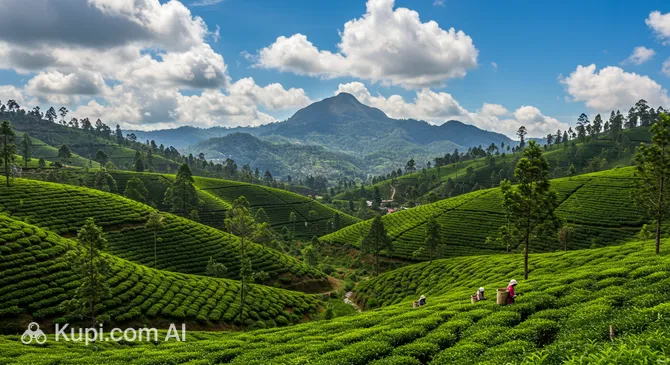
Welcome to Hatton, a picturesque town nestled in the misty hills of the Central Province. As a pivotal stop for travelers exploring the lush landscapes of Sri Lanka, this destination is renowned for its endless rolling green hills and crisp mountain air. It serves as a major center for the country's world-famous tea industry, offering a refreshing escape from the tropical heat found in the coastal regions.

Hatton. Source: Kupi.Binoculars

Geographically, Hatton is situated at a high elevation, which blesses it with a cool and temperate climate year-round. With a modest population of approximately 15,000 residents, the town retains a cozy, small-town atmosphere while acting as a bustling hub for the surrounding estates. The misty mornings and comfortable daytime temperatures make it an ideal base for outdoor activities and nature walks.

The town's development is closely tied to the British colonial era, during which it became a cornerstone of tea production. You can delve deeper into the region's colonial heritage and its evolution over the decades by reading about the history of Hatton. Today, it is perhaps best known as the primary gateway to the sacred Adam's Peak (Sri Pada), attracting thousands of pilgrims and trekkers who seek to climb the holy mountain for a spiritual journey or simply to witness a breathtaking sunrise.

Beyond the pilgrimage, the area is dotted with spectacular natural wonders, including the majestic Devon Falls and St. Clair's Falls, often referred to as the "Little Niagara of Sri Lanka." Whether you are planning a challenging hike or simply wish to sip a cup of fresh Ceylon tea amidst verdant scenery, Hatton invites you to experience the serenity and beauty of the hill country.

Weather Overview

Due to its elevation in the central highlands, Hatton enjoys a mild and temperate climate that feels refreshing compared to the tropical heat of the coast. The weather is remarkably consistent throughout the year, with average temperatures hovering comfortably between 21.8°C and 23.4°C. You can generally expect warm days with maximums peaking around 27.0°C in March and April, while nights remain cool, occasionally dropping to a minimum of 18.0°C in January.

Rainfall is a defining feature of this region, keeping the tea plantations lush and vibrant year-round. Travelers should be prepared for frequent showers, as the area records between 20 and 30 wet days per month across the calendar. For a more detailed look at what to expect during your specific travel dates, you can view the complete guide to the weather in Hatton. Despite the regular precipitation, the rain often comes in short bursts or contributes to the atmospheric mist that makes the hill country so photogenic.

Interesting Facts

Beyond the famous tea estates and the shadow of Adam's Peak, Hatton holds fascinating stories of engineering and heritage. Dig a little deeper, and you will find that this hill country town is full of surprises that go far beyond its reputation as a simple transit hub.

  • The town owes its name to the British colonial era, specifically chosen by early planters to honor the village of Hatton in Aberdeenshire, Scotland. This Scottish influence remains evident in the surrounding "Little England" atmosphere and the names of various tea estates scattered across the hills.

  • Railway enthusiasts often flock here to see the Singimale Tunnel, located just a few kilometers from the Hatton station towards Kotagala. Carved through solid rock, it is the longest railway tunnel in Sri Lanka, stretching approximately 560 meters, and stands as a remarkable feat of 19th-century engineering.

  • Nearby lies the Christ Church Warleigh, a historic structure built in 1878 overlooking the Castlereagh Reservoir. It is distinct for its granite construction and for housing an original Bible brought over by British settlers, offering a tangible connection to the region's colonial past.

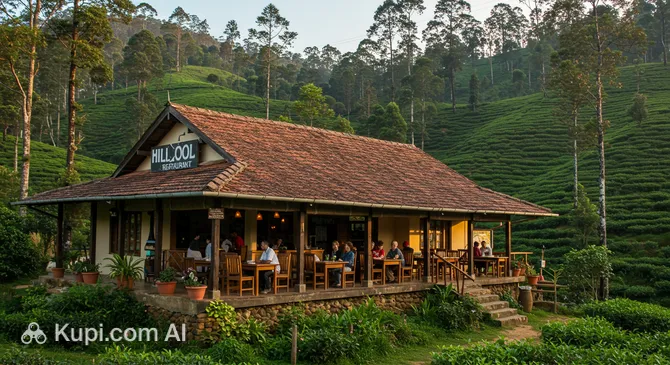
  • During the Adam's Peak pilgrimage season, the town transforms into a city that never sleeps, buzzing with activity 24 hours a day. It becomes a vibrant meeting ground where travelers gather at local landmarks like Hill Cool Restaurant to fuel up with warm meals before attempting the chilly night climb.

Hill Cool Restaurant. Source: Kupi.Binoculars

How to Get There

Reaching the hill country can be an adventure in itself, with winding roads and spectacular views greeting you along the way. While the journey involves some travel time from the coast, the destination is well worth the effort. For a comprehensive guide on all transport options, including buses and private transfers, you can read more about how to get to Hatton.

The city of Hatton does not have its own international airport, so most travelers arrive via Bandaranaike International Airport (IATA: CMB) in the city of Colombo, which is approximately 84.6 km away. It is the primary gateway to the country and handles a large volume of passengers annually. From the airport, the journey to the hills involves a drive that typically takes approximately 4 to 5 hours by taxi, depending on traffic and the winding nature of the hill country roads. For those seeking a much faster and more scenic entry, the Castlereigh Reservoir Waterdrome (NUF) is located just 5.8 km from the center of Hatton. This waterdrome serves seaplanes, offering a quick connection from the coast directly into the heart of the tea country.

For clarity, here is a summary of the main airports and air travel options nearby:

Airport Name City Passenger Traffic Km from City
Bandaranaike International Airport Colombo Large 84.6
Batticaloa Batticaloa Medium 149.0
Sigiriya Slaf Base Sigiriya Small 117.7
Koggala Airport Koggala Small 104.8
Castlereigh Reservoir Waterdrome Hatton Small 5.8

Traveling by train is arguably the most popular and picturesque way to reach Hatton. The town boasts a major railway station on the famous Main Line, which connects Colombo to the hill country. The train ride, especially the segment from Kandy to Hatton, is renowned worldwide for its breathtaking scenery of tea plantations, waterfalls, and misty mountains. Trains run daily, and while the journey is slower than a taxi, the experience of winding through the lush landscape is a highlight for many visitors.

Main Attractions

Hatton is primarily celebrated as the gateway to some of Sri Lanka's most iconic natural wonders. While the town itself is a bustling commercial center, the surrounding hills are dotted with cascading waterfalls, lush tea estates, and spiritual landmarks that attract visitors from around the globe. The region offers a perfect blend of adventure and serenity, making it a top priority for nature lovers.

Undoubtedly the most famous attraction nearby is Adam's Peak (Sri Pada). Standing at 2,243 meters, this conical mountain is a sacred pilgrimage site for people of four major religions. The climb usually begins in the early hours of the morning, allowing trekkers to reach the summit in time for a spectacular sunrise. One of the unique phenomena observed here is the "Shadow of the Peak," a perfect triangular shadow cast by the mountain onto the mist below as the sun rises.

For those who appreciate the raw power of nature, Devon Falls is a must-see spectacle. Known as the "Veil of the Valley," this waterfall drops approximately 97 meters and is one of the most photographed sights in the country. It is named after a pioneer British coffee planter whose plantation was situated nearby. The viewing platform offers a panoramic vista of the falls crashing down amidst the verdant greenery, a view that perfectly encapsulates the beauty of the hill country.

Just a short distance away lies the majestic St. Clair's Falls, often referred to as the "Little Niagara of Sri Lanka" due to its impressive width. It cascades over two distinct tiers, weaving through the St. Clair Tea Estate. The contrast of the white foaming water against the manicured green tea bushes creates a postcard-perfect scene that can be admired from several vantage points along the main road.

Another gem in the area is the Castlereagh Reservoir, a serene body of water hidden within a valley and surrounded by high peaks and tea plantations. The calm waters reflect the surrounding landscape, creating a tranquil atmosphere ideal for a leisurely walk or a picnic. It is also the landing site for seaplanes connecting the hills to the coast, adding a touch of modern luxury to this historic tea-growing region.

Local Cuisine

The culinary landscape of Hatton is deeply influenced by its cool, misty climate and its status as a bustling transit hub for pilgrims and tea planters. Unlike the coastal regions where light seafood dominates, the food here tends to be hearty, warming, and packed with spices to combat the chill of the hill country. Travelers will find that the local dining scene revolves around keeping warm, with steaming plates of food served in cozy, often busy, establishments.

One of the most iconic dishes to try is Kottu Roti, a rhythmic and flavorful street food favorite. Made by chopping flatbread (roti) together with vegetables, eggs, and meat (chicken or beef) on a hot metal griddle, it is the ultimate comfort food for a cold evening. Another staple is the traditional Rice and Curry, which in the highlands often features locally grown vegetables like leeks, carrots, and beets, accompanied by a spicy meat curry and pol sambol (coconut relish).

For breakfast or dinner, Hoppers (Appa) are a must-try. These bowl-shaped pancakes made from fermented rice flour and coconut milk are crispy on the edges and soft in the center, often served with a spicy onion relish (lunu miris) or a fried egg inside. Given the town's role as a gateway to Adam's Peak, you will also find an abundance of short eats like Vadai (spicy lentil fritters) and vegetable rolls, which are perfect for fueling up before a long trek.

When it comes to beverages, Hatton is arguably one of the best places in the world to drink tea. Being in the heart of the tea country, a cup of fresh, high-grown Ceylon Tea is mandatory. Whether you prefer it "plain" with ginger or as a sweet, creamy "milk tea," the quality is exceptional. For those seeking an alcoholic beverage, Arrack, a local spirit distilled from the sap of the coconut flower, is a popular choice, often mixed with ginger beer or soda.

Dining in Hatton is a casual affair, ranging from small street-side stalls to established family restaurants. Locals often frequent "hotels" (the local term for small restaurants) near the bus and train stations for quick, affordable meals. For tourists looking for a reliable spot with a diverse menu, Hill Cool Restaurant is a well-known landmark. It is a favorite among travelers for its mix of Sri Lankan, Chinese, and Western dishes, offering a comfortable place to rest and refuel amidst the bustle of the town.

Travel Tips

To make the most of your visit to the cool climes of Hatton, a little preparation goes a long way. These practical tips will help you navigate the local customs, weather patterns, and logistics to ensure your hill country adventure is as seamless and enjoyable as possible.

  1. Dress for the Climate: Unlike the tropical coastal regions, Hatton can be surprisingly chilly, especially in the evenings and early mornings. Pack warm layers, a fleece jacket, and a waterproof raincoat, as mist and showers are common. If you plan to climb Adam's Peak or visit temples, ensure you have modest clothing that covers your shoulders and knees, along with sturdy, broken-in walking shoes.

  2. Navigating Transport: While the train is the most scenic way to arrive, tuk-tuks (three-wheelers) are the most convenient mode of transport for short distances within the town and to nearby waterfalls. Always agree on the fare before starting your journey or ask the driver to use the meter. For longer excursions, hiring a private car with a driver is often more comfortable and reliable than relying on infrequent local buses.

  3. Cash is King: The local currency is the Sri Lankan Rupee (LKR). While hotels and larger restaurants may accept credit cards, smaller tea shops, tuk-tuk drivers, and roadside stalls deal exclusively in cash. There are several ATMs in Hatton town center, so it is wise to withdraw enough money before heading to more remote tea estates.

  4. Health and Nature: If you plan to walk through tea plantations or grassy trails, be aware of leeches, which are prevalent in damp conditions. Wear long socks or apply leech repellent (often salt or citronella oil) as a precaution. Pharmacies are available in the main town for basic supplies, but carry a small first-aid kit for hikes.

  5. Communication: English is widely spoken and understood in Hatton, particularly by those in the tourism and tea industries. However, learning a few basic words in Sinhala or Tamil, such as "Ayubowan" (Hello/May you live long) or "Vanakkam" (Hello), is a great way to break the ice. Buying a local SIM card (Dialog or Mobitel) is recommended for maps and connectivity, as Wi-Fi in remote guesthouses can be spotty.

  6. Local Etiquette: Sri Lankans are incredibly hospitable. When visiting religious sites, always remove your shoes and hats before entering. It is polite to use your right hand for eating, giving, or receiving items. Public displays of affection should be kept minimal to respect local conservative norms.

  7. Respect Religious Artifacts: Never take a photograph with your back turned to a Buddha statue, as this is considered highly disrespectful. Avoid wearing clothing with religious prints or tattoos of Buddha, which can cause offense and even legal issues.

  8. Plan for the Pilgrimage: If your trip includes Adam's Peak, the best time to visit is during the pilgrimage season (December to May) when the path is lit and shops are open. If you visit off-season, bring a strong headlamp, rain gear, and plenty of water, as the trail will be dark and most wayside stalls will be closed.

By keeping these practicalities in mind, you can focus on soaking up the breathtaking views and the serene atmosphere of Sri Lanka's tea country. Hatton is a welcoming destination, and a little local knowledge will ensure you leave with nothing but warm memories of the misty hills.

Entertainment & Nightlife

Travelers arriving in Hatton should adjust their expectations regarding nightlife; this is not a city of pulsating nightclubs, neon-lit discos, or late-night party districts. Instead, the evening atmosphere here is defined by the tranquility of the tea country. The town generally goes to sleep early, with shops closing shortly after sunset, leaving the nights dark, misty, and incredibly peaceful. "Nightlife" in Hatton is best described as enjoying a warm meal in a cozy restaurant, sipping a drink by a fireplace in a colonial bungalow, or preparing for a nocturnal trek.

For those looking to socialize or enjoy an evening out, the options are largely centered around dining establishments and hotel bars. The local "wine stores" are typically retail-only counters and are not suitable for tourists looking to hang out. Instead, visitors seeking a drink should head to the bars found within the more upscale hotels and colonial bungalows scattered around the hills. Here, the vibe is sophisticated yet relaxed, often requiring a "smart casual" dress code to match the heritage ambiance. It is the perfect setting for a quiet conversation over a glass of wine or Arrack while the mist rolls in outside.

One of the most popular spots for an evening meal and a lively atmosphere is the Hill Cool Restaurant. Located centrally, it serves as a hub for both locals and tourists. In the evenings, it becomes a gathering place where travelers share stories of their adventures or fuel up with hearty Chinese and Sri Lankan dishes. Apart from this, many visitors choose to dine at the restaurants within hotels like The Argyle or the various tea bungalow resorts, which offer excellent service and a curated selection of beverages in a safe, comfortable environment.

However, there is one major exception to the sleepy nature of the town: the Adam's Peak pilgrimage season (typically December to May). During these months, the region transforms into a unique hub of nocturnal activity. The "nightlife" here involves waking up at 1:00 or 2:00 AM to begin the ascent of the sacred mountain. The base of the mountain and the town itself buzz with activity, as tea shops and stalls remain open 24/7 to serve hot tea and roti to thousands of pilgrims. It is a spiritual and communal experience that far outweighs any traditional clubbing scene.

Practical Advice for the Evening:

  • Transport: Public buses stop running early in the evening. If you are dining out away from your hotel, arrange a return transfer with a tuk-tuk driver beforehand or ask the restaurant to call one for you. Walking on the roads at night is not recommended due to poor lighting, winding curves, and the lack of sidewalks.
  • Safety: Hatton is generally very safe, but the roads can be pitch black and foggy. It is best to stick to your hotel grounds or well-lit areas in the town center.
  • Costs: A dinner at a standard local restaurant will cost between 1,500 and 3,000 LKR, while dining at high-end hotel restaurants can range from 5,000 LKR upwards per person.
  • Dress Code: Bring a warm jacket. The temperature drops significantly at night, and open-air dining can get quite chilly.

While the nights are reserved for rest and relaxation, the daytime offers a different kind of entertainment. Visitors can explore the rich history of the region by visiting working tea factories to see how the famous Ceylon tea is processed. Nature lovers can enjoy excursions to nearby waterfalls or take scenic train rides, which provide some of the most spectacular daytime views in all of Asia.

Parks & Museums

Hatton is not a city defined by traditional walled museums or manicured city parks; rather, it is an open-air gallery of nature and colonial history. The entire region serves as a living museum of the tea industry, where the "parks" are endless rolling estates and the "galleries" are the historic factories that have been processing tea leaves for over a century. Visitors here immerse themselves in a landscape where culture and nature are inextricably linked.

Key Parks and Green Spaces

While there are no typical urban parks in the town center, the Castlereagh Reservoir acts as the region's primary recreational area. Surrounded by high peaks and lush tea bushes, the banks of this reservoir offer a serene setting for picnics, leisurely walks, and birdwatching. The calm, glass-like water reflects the surrounding mountains, creating a tranquil atmosphere that feels worlds away from the bustling town. It is an ideal spot for travelers seeking quiet contemplation or a scenic backdrop for photography.

Another significant natural area is the immediate vicinity of Devon Falls. While primarily a waterfall, the viewing platform and the surrounding trails function as a public green space where locals and tourists gather. The area offers panoramic views of the "Veil of the Valley" cascading down the mountain. The lush vegetation and cool breeze make it a refreshing stop, allowing visitors to appreciate the raw beauty of the central highlands without embarking on a strenuous hike.

Museums and Galleries

In Hatton, the history of the region is best experienced through its industrial heritage. The Mlesna Tea Castle, located near St. Clair's Falls, is a unique architectural landmark that serves as a tribute to the tea industry. Built to resemble a Scottish medieval castle, it houses a museum section displaying vintage tea-processing machinery, photographs, and artifacts from the colonial era. It provides a fascinating insight into the legacy of James Taylor and the evolution of Ceylon tea, all while offering a majestic view of the gorge below.

Functionally, the working Tea Factories scattered around Hatton operate as living museums. Many of these factories, some dating back to the late 19th century, still use the original British machinery to roll, ferment, and dry the tea leaves. Guided tours in these facilities are the cultural highlight of the city, allowing visitors to smell the fresh aroma of tea, watch the intricate process, and understand the labor-intensive history that shaped the town's identity.

Historical and Architectural Sites

A standout architectural gem is the Christ Church Warleigh, built in 1878. This charming Anglican church is constructed entirely of granite and sits picturesquely overlooking the reservoir. Its architecture is distinctly British, featuring stained glass windows and an old cemetery with tombstones of early colonial planters. It stands as a silent witness to the colonial past and is widely considered one of the most beautiful churches in the hill country.

For a contrast in style, the town is also home to vibrant Hindu Kovils (Temples), which reflect the culture of the Tamil community who form the backbone of the tea industry. These temples, with their colorful gopurams (tower gateways) and intricate statues of deities, offer a glimpse into the spiritual life of the local residents. The vibrant festivals and daily pujas (prayers) here add a splash of color to the misty green landscape.

Authentic Experiences

For a truly authentic experience, take a walk along the Tea Estate Trails early in the morning. Instead of a formal park, these paths wind directly through the plantations where you can meet the tea pluckers at work. It is a respectful way to observe local life up close. Additionally, simply walking along the railway tracks near the Hatton station (a common local practice, though caution is advised) offers a unique perspective of the engineering marvels that connected this remote region to the rest of the world.
Getting Around

Public transport in Hatton is straightforward and functional, reflecting its status as a hill country town rather than a sprawling metropolis. There is no metro, tram, or trolleybus system here. Instead, the network relies heavily on a combination of buses, trains, and the ubiquitous three-wheelers known as tuk-tuks. For visitors, navigating the town is relatively simple, as the central area is compact, but reaching the surrounding tea estates and waterfalls requires the use of road or rail transport.

The bus system serves as the primary mode of transit for locals and is the most economical way to travel. The main bus stand is located in the heart of the town, bustling with activity from early morning until dusk. You will encounter two types of buses: the red, government-operated CTB buses and the privately owned buses, which are often decorated with colorful stickers and play loud music. Minibuses are also common for shorter, steeper routes where large buses cannot maneuver. These vehicles connect the town center to key nearby locations, including the base of Adam's Peak (Dalhousie) and nearby tea plantations.

For shorter distances and door-to-door service, tuk-tuks (auto-rickshaws) are the most popular alternative. They are essentially the local taxis and can be found on almost every street corner. Unlike in the capital, ride-sharing apps are rarely functional or reliable in this region, so hailing a tuk-tuk from the street is the standard practice. They are perfect for navigating the winding, narrow roads leading to hotels and bungalows that buses cannot reach.

The payment system in Hatton is almost exclusively cash-based. There are no travel cards, digital passes, or tap-to-pay systems for public transport. On buses, you board first and pay the conductor, who will come to your seat; they will issue a paper ticket which you should keep until you disembark. Fares are incredibly low by international standards. For tuk-tuks, it is essential to carry small denominations of the local currency. While some drivers may have meters, it is more common in this hill town to negotiate and agree on a fare before starting your journey to avoid misunderstandings.

The Hatton Railway Station is a special feature in itself and a crucial part of the transport infrastructure. While primarily an intercity connector on the famous Main Line, it is often used by tourists to hop between nearby hill stations like Nanu Oya or Talawakele for the scenic experience. The train ride offers breathtaking views of tea carpets and waterfalls that road transport cannot match. Tickets must be purchased at the station counter. For the popular observation saloons or reserved seats, booking weeks in advance is highly recommended, whereas tickets for standard second and third-class carriages can usually be bought on the day of travel.

Tourists should keep in mind a few practical tips for a smooth experience. Public transport operates frequently during the day but winds down significantly after 7:00 PM. If you plan to travel late, pre-arranging a private taxi or keeping a reliable tuk-tuk driver's number is advisable. When traveling by bus on the winding mountain roads, motion sickness can be an issue, so take necessary precautions. Finally, always ensure you have plenty of coins and small notes, as conductors and drivers often struggle to provide change for large bills.

Accommodation

Where to Stay:

Finding a place to stay in Hatton offers a delightful contrast between historical charm and practical convenience. The accommodation landscape is largely defined by the region's two main draws: the thriving tea industry and the pilgrimage to Adam's Peak. As a result, options range from budget-friendly guesthouses and transit hotels in the bustling town center to exquisite, high-end boutique villas nestled deep within the tea plantations.

For travelers prioritizing convenience and transport connections, the town center is the most practical choice. Staying here places you within walking distance of the railway station and the main bus stand, making it easy to catch early morning transport or connect to other parts of the island. However, for a more scenic and tranquil experience, the surrounding tea estates are highly recommended. These areas, particularly around the Castlereagh Reservoir, offer stunning views and a sense of isolation. If your primary goal is climbing Adam's Peak, you might also consider staying in the nearby village of Dalhousie (Nallathanniya), located about an hour's drive from Hatton, which serves as the direct base for the ascent.

A unique highlight of the region is the opportunity to stay in converted colonial tea planters' bungalows. These historic properties have been refurbished into luxury boutique hotels, offering a taste of the "Little England" lifestyle with manicured gardens, crackling fireplaces, and personalized service. On the other end of the spectrum, there is an abundance of simple guesthouses and homestays. These are often family-run establishments that provide basic amenities and warm hospitality, catering heavily to backpackers and pilgrims passing through the region.

Booking Tip: Timing is everything when booking accommodation here. During the Adam's Peak pilgrimage season (December to May), the demand for rooms skyrockets, and the town fills up with thousands of visitors. It is highly advisable to book your stay well in advance during these months to secure a room. Conversely, during the off-peak season, the town is much quieter, and you may find excellent deals on even the more luxurious properties.

The price range in Hatton is broad to suit all wallets. Budget travelers can find dormitory beds or simple rooms for very affordable rates, often paid in cash upon arrival. Mid-range hotels typically offer standard comforts like Wi-Fi and attached bathrooms. The luxury tea bungalows command premium prices, comparable to high-end international hotels, and are best booked via major online platforms or direct inquiries. Regardless of where you stay, ensure your accommodation offers hot water showers, as the hill country mornings can be surprisingly cold.

Nearby Cities

For those looking to explore the surroundings, Hatton serves as an excellent base for day trips to several interesting nearby locations. While the town itself is a quiet retreat, a short journey can take you to vibrant cultural hubs and historic centers that contrast beautifully with the tea estates.

One of the most significant nearby destinations is Kandy, the cultural capital of the island. Located approximately 43 km away, it is a UNESCO World Heritage site and the last royal capital of ancient Sri Lanka. Visitors flock here to see the Temple of the Sacred Tooth Relic, stroll around the scenic Kandy Lake, and explore the Royal Botanical Gardens in Peradeniya. It offers a bustling mix of history, culture, and shopping that makes for a perfect day out from the quiet hills.

Another fascinating option is Ratnapura, situated about 32 km from Hatton. Known globally as the "City of Gems," it is the center of Sri Lanka's precious stone industry. A visit here offers a unique opportunity to learn about traditional gem mining and visit local museums displaying exquisite sapphires and rubies. The journey itself involves descending from the cool highlands to the lush, tropical wet zone, offering a dramatic change in scenery and climate.

City Population Distance (km)
Kesbewa 243842 73
Maharagama 195355 75
Ratnapura 165998 32
Kandy 161000 43
Mawanella 111727 42

These nearby destinations offer a glimpse into the diverse culture and landscapes of the region, allowing travelers to experience everything from royal history to the bustle of gem trading within a short distance of the tea country.

Shopping & Souvenirs

Shopping in Hatton is a functional and authentic experience rather than a glamorous retail therapy session. Unlike the commercial hubs of Colombo or Kandy, this hill country town does not boast high-end fashion boutiques or sprawling department stores. Instead, the shopping scene here is utilitarian, catering primarily to the daily needs of the local community, the estate workers, and the transient stream of pilgrims and tourists. The town is most famous for its access to world-class Ceylon Tea, and purchasing fresh, high-quality tea leaves is the primary shopping activity for visitors.

The main commercial activity is concentrated in the Hatton Town Center, particularly along the streets surrounding the central bus stand and the railway station. This compact area is lined with small, family-run shops, textile outlets, and grocery stores packed tightly together. Walking down the bustling Main Street, travelers will find a variety of goods ranging from electronics and hardware to colorful saris and warm clothing. It is a lively district where the hustle of daily life is palpable, offering a glimpse into the routine of the hill country residents.

Travelers should not expect to find large, modern shopping malls in Hatton. The retail infrastructure is traditional, consisting mostly of standalone storefronts and small multi-story shopping complexes that house a collection of independent vendors. These smaller arcades typically feature mobile phone repair shops, jewelry stores, and budget clothing retailers. For a more comprehensive shopping experience, visitors usually head to the larger city of Kandy, as Hatton’s offerings are more focused on essentials and local trade.

For a taste of local culture, the Hatton Public Market is the place to be. This vibrant market is the heart of the town's food supply, overflowing with fresh produce grown in the cool climate of the central highlands. Here, you can find mounds of fresh vegetables like leeks, carrots, and beetroots, alongside exotic fruits and local spices. It is a sensory experience filled with the colors and smells of fresh agriculture. While it is primarily a food market, it is an excellent spot for photographers and those looking to buy cheap, fresh snacks for their journey.

When it comes to souvenirs, tea is the undisputed king. You can purchase premium unblended tea directly from the factory outlets scattered around the region or from specialized tea centers in town. Apart from tea, warm clothing is a popular local purchase. Due to the cool climate and the needs of pilgrims climbing Adam's Peak, the town is full of shops selling beanies, fleece jackets, gloves, and scarves at very affordable prices. These make for practical souvenirs, especially if you plan to explore other cold regions of the island.

Opening hours in Hatton follow a traditional schedule. Most shops open around 9:00 AM and close relatively early, typically by 7:00 PM or 8:00 PM. However, during the Adam's Peak pilgrimage season (December to May), many stalls and shops, especially those selling food and warm gear, may stay open much later to accommodate the night climbers. regarding payment, Cash (LKR) is the preferred and often only method of payment in smaller shops and markets. While a few larger supermarkets or tea centers might accept credit cards, it is highly recommended to carry sufficient cash for most transactions.

Tourists should be aware that Tax-Free shopping or VAT refunds are not available in the small shops of Hatton. The tax refund scheme for tourists in Sri Lanka is generally limited to specific authorized retailers in Colombo and at the Bandaranaike International Airport. Therefore, any prices you see in Hatton are final, though friendly bargaining is common and expected in the markets and smaller textile shops.

Reached the end of the page?

That means the route is fully explored