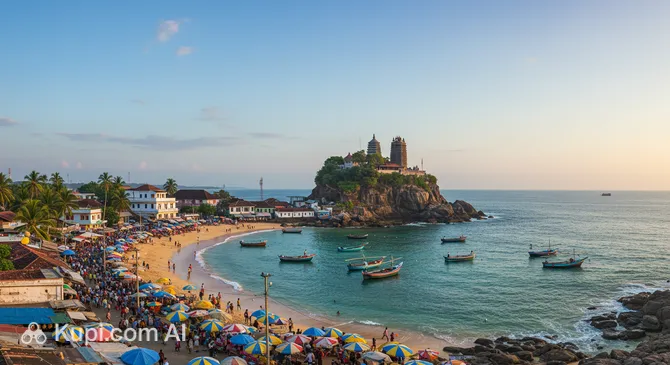
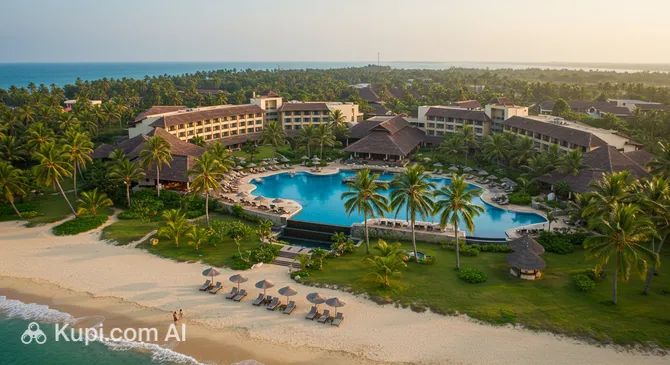
Located on the northeastern coast of Sri Lanka, Trincomalee is a captivating destination renowned for possessing one of the finest natural deep-water harbors in the world. This historic city serves as a major cultural and economic hub in the Eastern Province, offering travelers a perfect blend of pristine beaches, ancient heritage, and a laid-back coastal atmosphere. With a population of nearly 100,000 residents, it provides a lively yet unhurried environment for exploration.
Trincomalee. Illustration.
Source: Kupi.com AI
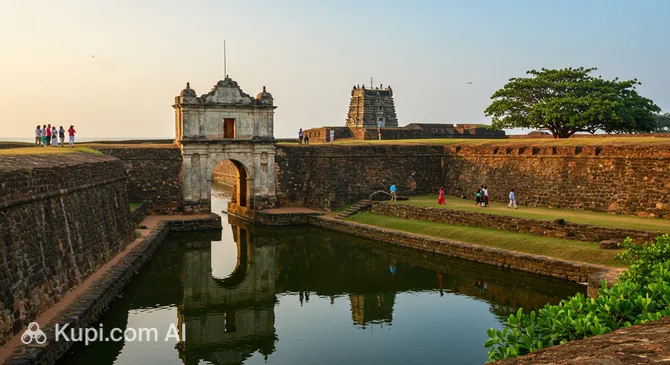
The history of Trincomalee is deeply intertwined with maritime trade and religious significance, spanning over two thousand years. Visitors can witness this rich past at the majestic Koneswaram Temple, which sits atop Swami Rock, offering panoramic views of the Indian Ocean. The city's strategic location has left it with a unique architectural legacy, including the well-preserved Fort Frederick, which adds a distinct colonial charm to the landscape.
Nature lovers will be drawn to the area's stunning coastline, particularly the famous Nilaveli Beach and Uppuveli Beach, where golden sands meet crystal-clear waters. Just a short boat ride away lies Pigeon Island National Park, a paradise for snorkeling and diving enthusiasts eager to see vibrant coral reefs and marine life. Whether you are seeking spiritual tranquility, historical discovery, or simply a relaxing seaside escape, Trincomalee promises an unforgettable experience.
Weather Overview
Trincomalee enjoys a tropical climate characterized by consistently warm temperatures and distinct seasonal rainfall patterns. Throughout the year, the average temperature generally hovers between 26°C and 30°C, ensuring a warm atmosphere regardless of when you visit. The heat peaks around June, where daily maximums can reach approximately 34°C, making it the hottest time of the year.
When planning your trip, it is important to consider the weather in Trincomalee regarding rainfall. The region experiences a notable wet season towards the end of the year, particularly from October to December. November is typically the wettest month in terms of frequency, with rain occurring on up to 25 days. Conversely, the mid-year months like June are significantly drier, seeing as few as 4 wet days, which makes for excellent beach weather.
Overall, you can expect warm, sunny days for the majority of the year, though visitors arriving in the winter months should be prepared for frequent showers. For those seeking the most stable conditions for outdoor activities and exploring the coast, the period from February through September offers a pleasant balance of heat and lower chances of rain.
Average monthly temperature
Average monthly precipitation
Interesting Facts
Beyond the main attractions, Trincomalee holds many fascinating secrets and local legends that add depth to its coastal charm.
Fort Frederick. Illustration.
Source: Kupi.com AI
Traveler photos:
One of the city's most charming quirks is the population of wild spotted deer that roam freely through the streets. These gentle creatures are especially common around the entrance to Fort Frederick, where they graze unbothered by the bustling human activity and traffic nearby.
The famous "Lover's Leap" on Swami Rock carries a tragic colonial legend about Francina van Reed, a Dutch official's daughter. It is said she flung herself from the sheer cliff into the ocean as she watched her unfaithful lover sail away, a story immortalized by a solitary pillar inscription on the site.
Renowned science fiction author Arthur C. Clarke had a deep connection to this region. In the 1950s, he helped discover the underwater ruins of the original ancient temple, which had been pushed into the sea by colonizers centuries earlier, confirming local oral traditions about the site's magnitude.
Just outside the city lie the Kanniya Hot Springs, a site steeped in mythology connecting it to the epic Ramayana. Legend claims that King Ravana struck the ground with his sword to create the seven wells, each of which maintains a slightly different temperature despite being located just a few feet apart.
How to Get There
Reaching this coastal gem is part of the adventure, with several travel options available depending on your starting point in Sri Lanka. For a comprehensive guide on routes and transportation modes, you can read more about how to get to Trincomalee.
The most convenient arrival point by air is China Bay (IATA: TRR), located directly in Trincomalee, approximately 6.5 km from the city center. This domestic airport serves as a quick gateway, with a taxi or tuk-tuk ride to the main town taking roughly 30 minutes. Although it is a smaller facility, it offers the most direct access to the eastern beaches.
If direct flights are unavailable, you might consider landing at Sigiriya Slaf Base (GIU) in the city of Sigiriya, which is about 88 km away. The journey by road from there takes around 2.5 hours. Another regional option is Batticaloa airport (BTC) in Batticaloa. Situated 110 km from Trincomalee, the transfer by car or bus typically takes about 3 hours.
For clarity, here is a summary of the main airports:
Trincomalee is a treasure trove of cultural heritage and natural beauty, offering visitors a diverse range of experiences from ancient religious sites to pristine coastlines. Exploring the city reveals layers of colonial history and vibrant local traditions that make it a standout destination in the Eastern Province.
One of the most significant landmarks is Fort Frederick, a historic fortress that has stood guard over the peninsula for centuries. Originally built by the Portuguese and later fortified by the Dutch and British, it is a fascinating place to walk through history. Beyond its old ramparts and colonial buildings, the fort is famous for the friendly spotted deer that graze freely on its grounds, creating a unique photo opportunity for nature lovers.
Fort Frederick. Illustration.
Source: Kupi.com AI
Traveler photos:
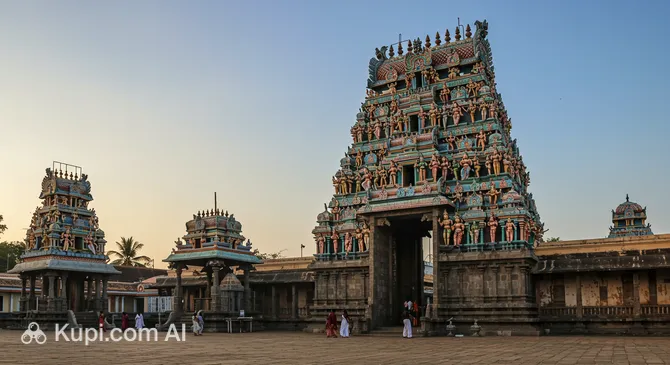
For a splash of vibrant color and spiritual architecture, the Shri Badrakali Amman Temple is a must-visit. This Hindu temple is dedicated to the goddess Kali and is renowned for its intricate gopuram (tower) adorned with detailed sculptures of deities. The interior is equally stunning, offering tourists a glimpse into the region's deep religious roots and artistic craftsmanship.
Shri Badrakali Amman Temple. Illustration.
Source: Kupi.com AI
Traveler photos:
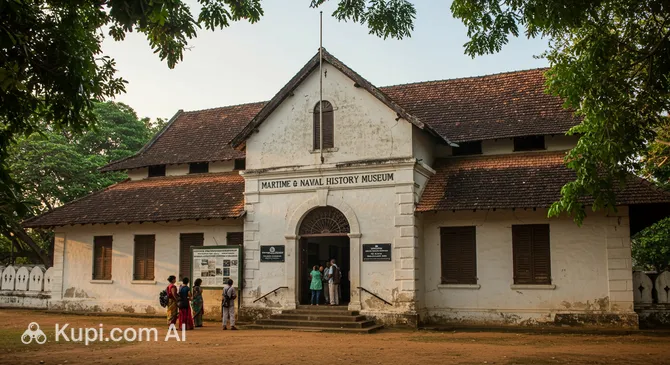
History enthusiasts will appreciate the Maritime and Naval History Museum. Housed in a beautifully restored 17th-century Dutch mansion, the museum provides a comprehensive look at Sri Lanka's naval past. Exhibits include artifacts from the colonial era, information on marine biodiversity, and insights into the strategic importance of Trincomalee's natural harbor throughout the ages.
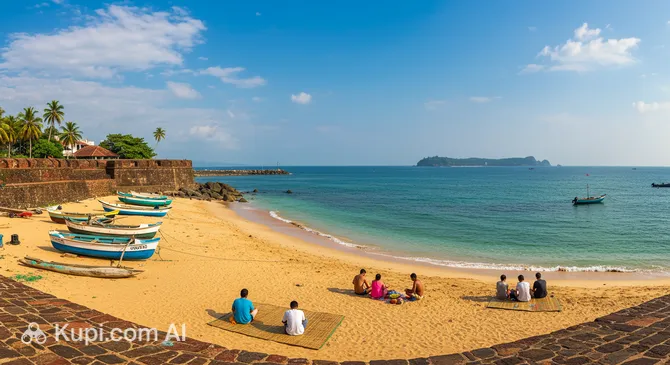
If you are looking to unwind by the sea, the Trincomalee Public Beach offers a perfect setting. Located conveniently within the city, it is a popular spot for both locals and tourists to enjoy a morning jog, a refreshing swim, or a peaceful evening walk along the shore. The calm waters and clean sands make it an inviting place to relax after a day of sightseeing.
Trincomalee Public Beach. Illustration.
Source: Kupi.com AI
Traveler photos:
Local Cuisine
The culinary scene in Trincomalee is a vibrant reflection of its coastal geography and rich cultural tapestry, heavily influenced by Tamil traditions and the abundance of the Indian Ocean. Seafood is the undisputed star here, with fresh catch arriving daily at the local markets. The food is generally spicy, flavorful, and aromatic, often prepared with generous amounts of coconut milk, fragrant curry leaves, and a unique blend of roasted spices that distinguishes the Eastern Province from other parts of the island.
One dish you absolutely must try is the famous Lagoon Crab Curry. Trincomalee is renowned for its sweet, fleshy crabs, which are typically cooked in a thick, fiery red gravy that packs a punch. It is a messy but rewarding experience, best enjoyed with traditional roast bread or steaming rice to soak up the rich sauce. Another local favorite, particularly popular as an evening street food, is Kottu Roti. You will often hear the rhythmic clanging of metal blades against the griddle from blocks away as chefs expertly mix chopped flatbread, vegetables, eggs, and meat into a savory, steaming pile of comfort food.
For breakfast or a lighter meal, the city offers excellent vegetarian options rooted in South Indian cuisine. Thosai (Dosa) and Idli, served with savory sambar and fresh coconut chutney, are staples at the many "Saiva" eating houses scattered around town. You should also try Hoppers (Appa), bowl-shaped pancakes made from fermented rice flour. They are crisp on the edges and soft in the center, often served with a spicy onion relish called lunu miris or with a fried egg cooked right into the middle.
To beat the tropical heat, nothing compares to a fresh King Coconut, locally known as Thambili. You will find these bright orange coconuts sold by vendors on almost every street corner; the water is naturally sweet, brimming with electrolytes, and incredibly hydrating. For a unique local flavor, try Woodapple juice, a thick, sweet-and-sour beverage made from a hard-shelled fruit native to the region, often smoothed out with coconut milk or cream.
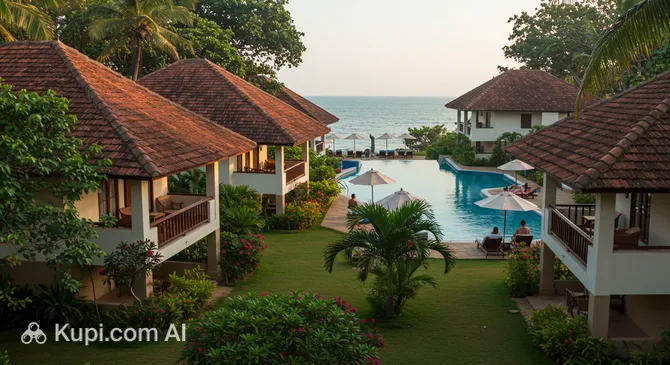
The dining culture in Trincomalee ranges from casual street stalls to relaxed beachfront settings. The area near the coast becomes lively at night with vendors selling snacks and fried seafood. For travelers seeking a comfortable sit-down meal with a view, many local accommodations, such as the JKAB Beach Resort, offer restaurant services where you can sample these local delicacies in a serene atmosphere.
JKAB Beach Resort. Illustration.
Source: Kupi.com AI
Traveler photos:
Travel Tips
Welcome to Trincomalee! To ensure your visit to this beautiful coastal city is as smooth and enjoyable as possible, we have compiled a list of essential travel advice. Whether you are here to explore ancient temples or relax on pristine beaches, these practical tips will help you navigate local customs and logistics with ease.
Clothing and Temple Attire. given the tropical heat, pack lightweight, breathable fabrics like cotton or linen. Sandals are the most practical footwear. However, modesty is strictly enforced at religious sites like the Koneswaram Temple. You must cover your shoulders and knees to enter. It is wise to carry a sarong or a large scarf in your day bag to wrap around yourself when visiting these sacred places. Don't forget to remove hats and shoes at temple entrances.
Getting Around. Three-wheelers, locally known as tuk-tuks, are the most convenient way to navigate the city and travel between Trincomalee town and the beaches of Uppuveli or Nilaveli. Always agree on the fare before you start your journey, as meters are not always used or reliable here. For more independence, renting a scooter is a popular and affordable option, giving you the freedom to explore the coastal roads at your own pace.
Managing Your Finances. The local currency is the Sri Lankan Rupee (LKR). While high-end hotels and resorts accept credit cards, cash is king for almost everything else, including tuk-tuks, local eateries, and market stalls. ATMs are readily available in Trincomalee town, but they become scarce as you move further north towards Nilaveli, so it is best to withdraw sufficient cash when you are in the city center.
Health and Hydration. The sun in the Eastern Province can be intense. High-SPF sunscreen, sunglasses, and a hat are non-negotiable. Stay hydrated by drinking bottled water only; avoid tap water. Mosquito repellent is also essential, especially during dawn and dusk, to protect against dengue fever. Pharmacies are available in the town center for basic supplies, but carry any specific prescription medications you need.
Communication. The primary language spoken in Trincomalee is Tamil, unlike the south where Sinhala dominates. However, English is widely understood in tourist areas, hotels, and restaurants. A simple "Vanakkam" (Hello) or "Nandri" (Thank you) will go a long way in building rapport with locals. You can easily purchase a SIM card (Dialog or Mobitel are reliable) at the airport or in town for data connectivity.
Local Etiquette. Sri Lankans are incredibly hospitable, but social norms are conservative. Use your right hand for eating, shaking hands, or passing money, as the left hand is considered unclean. Public displays of affection, such as kissing or hugging, are frowned upon and should be avoided. When visiting temples, never pose for photos with your back turned to a statue of a deity, as this is considered highly disrespectful.
What to Avoid. Trincomalee is a strategic natural harbor and has a significant naval presence. Do not take photographs of military bases, naval personnel, or high-security zones, as this is strictly prohibited and can lead to trouble with authorities. Always look for signage indicating restricted areas, especially near the harbor and parts of Fort Frederick.
Respect the Wildlife. A unique feature of Trincomalee is the presence of spotted deer roaming freely in the streets, particularly around the bus station and Fort Frederick. While they are accustomed to humans, they are still wild animals. Drive carefully to avoid hitting them, and please do not feed them plastic-wrapped food or junk food, as this harms their health.
By keeping these tips in mind, you are all set for a safe and memorable adventure in Trincomalee. Embrace the laid-back rhythm of the East Coast, enjoy the warm hospitality, and have a wonderful trip!
Entertainment & Nightlife
Entertainment in Trincomalee is defined by its laid-back, coastal charm rather than high-energy nightclubs or bustling city lights. The nightlife here is centered almost entirely around the beach, particularly in the Uppuveli and Nilaveli areas. Instead of air-conditioned clubs, you will find open-air beach bars, rustic shacks with sand floors, and resort lounges where the sound of the waves provides the soundtrack. The atmosphere is incredibly relaxed, welcoming a mix of backpackers, couples, and families looking to unwind after a day in the sun.
The heart of the action is undoubtedly Uppuveli Beach. As the sun sets, this stretch of coastline transforms into a vibrant social hub. Lanterns and fairy lights are strung up between palm trees, and many venues set out tables directly on the sand. It is the perfect place to enjoy a cold beer or a cocktail while listening to reggae or acoustic live music. On weekends, some of the popular beach bars host parties that can go on until late, featuring DJs and occasionally fire dancers, but the vibe remains friendly and casual.
For a more refined evening experience, many travelers head to the larger resorts which offer well-stocked bars and comfortable dining settings. The Blue Diamond Resort is one such venue where guests can enjoy a quiet drink and a meal in a pleasant atmosphere, away from the more rustic beach shacks. These resort-based venues are ideal if you prefer a sit-down environment with consistent service and a wide range of beverages.
Blue Diamond Resort. Illustration.
Source: Kupi.com AI
Traveler photos:
Another popular spot for an evening out is the JKAB Beach Resort. Places like this often host themed dinners or BBQ nights that attract both residents and non-residents. The dress code throughout Trincomalee’s nightlife scene is very informal; shorts, t-shirts, and flip-flops are the standard attire almost everywhere, even in the nicer hotels. Prices are generally affordable, with local beers and spirits being quite cheap, though imported alcohol and cocktails will cost a bit more.
Regarding safety and logistics, the main tourist areas in Uppuveli and Nilaveli are generally safe for evening walks along the beach. However, the access roads leading inland can be poorly lit and quiet. It is advisable to take a tuk-tuk if you are moving between your hotel and the main strip at night. Tuk-tuks are plentiful, but always agree on the fare before hopping in. If you are staying in the quieter Nilaveli area, nightlife is much more sparse, so you might need to travel down to Uppuveli for a livelier scene.
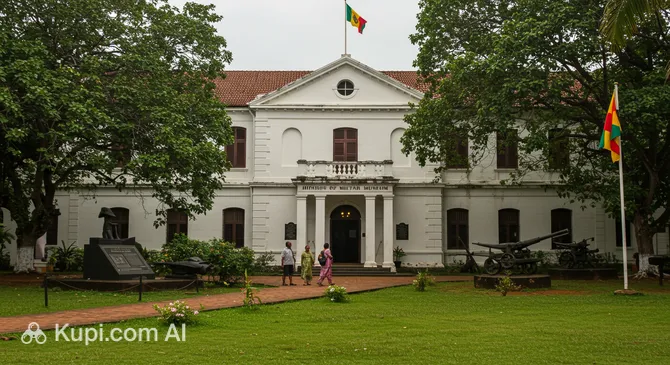
While the nights are for relaxing by the ocean, daytime entertainment in Trincomalee offers a mix of history and exploration. Beyond the beaches, you can visit the Orr's Hill Army Museum. This site is not only interesting for its collection of military memorabilia and vehicles but also for its location, which offers commanding views over the harbor and the surrounding landscape, making it a worthwhile stop for photography enthusiasts.
Orr's Hill Army Museum. Illustration.
Source: Kupi.com AI
Traveler photos:
Parks & Museums
While Trincomalee is best known for its golden coastline, the city also boasts serene green spaces and fascinating museums that preserve its strategic and cultural heritage. Visitors can easily alternate between exploring protected marine environments and delving into the region's storied past through well-curated collections housed in historic buildings.
Pigeon Island National Park is the premier natural attraction in the area, located just a short boat ride from the mainland. As one of the two marine national parks in Sri Lanka, it is a sanctuary for vibrant coral reefs and diverse marine life. The park is a haven for snorkelers and divers, offering the unique opportunity to swim alongside blacktip reef sharks and sea turtles in crystal-clear waters. The island itself features powdery white sands and rock pools, making it a perfect spot for a day trip immersed in nature.
For a more reflective experience amidst greenery, the Trincomalee War Cemetery serves as a beautifully maintained garden space. This site is the final resting place for soldiers from the British Empire who served during World War II. The immaculately kept lawns, flowering shrubs, and peaceful atmosphere create a tranquil environment, offering a quiet respite from the bustling town while honoring the area's global historical connections.
The Maritime and Naval History Museum is a key cultural stop, located in a restored 17th-century Dutch mansion near the harbor. This museum provides a comprehensive look at the island's naval legacy, showcasing artifacts such as ancient anchors, cannons, and maps that highlight Trincomalee's importance on the maritime silk route. The exhibits also include sections on marine biodiversity, offering educational insights into the underwater ecosystem of the east coast.
Maritime and Naval History Museum. Illustration.
Source: Kupi.com AI
Traveler photos:
Another significant institution is the Orr's Hill Army Museum, which offers an extensive display of military history. Situated on an elevated ridge, the museum grounds feature a collection of armored vehicles, artillery, and decommissioned aircraft. Visitors can explore underground bunkers and walk through exhibits that detail the evolution of military technology. The site's high vantage point also provides sweeping panoramic views of the inner harbor, adding a scenic element to the educational visit.
For a unique mix of history and nature, take a walk through the grounds of Fort Frederick. Although it is a fortification, the area functions much like a public park where massive banyan trees provide ample shade. It is one of the few places where you can see wild spotted deer grazing peacefully by the roadside, completely at ease with the human visitors passing by.
Getting Around
Navigating Trincomalee is a straightforward and authentic experience, as the city does not rely on complex systems like metros, trams, or trolleybuses. The primary mode of public transportation is the bus network, which connects the town center with the popular coastal areas of Uppuveli and Nilaveli. These buses are easily recognizable by their vibrant colors and often lively music. They are an incredibly affordable way to travel, offering a window into local daily life as they shuttle between the main bus stand near the market and the northern beaches.
For the vast majority of short trips, the three-wheeler, locally known as a tuk-tuk, is the most convenient and popular option. You will find them waiting at almost every corner, outside hotels, and near major attractions. While ride-hailing apps like PickMe are gradually gaining a foothold in the region, their availability can be inconsistent compared to the capital. Therefore, it is common practice to hail a tuk-tuk directly from the street.
The payment system in Trincomalee is almost exclusively cash-based. There are no travel cards, digital passes, or tap-to-pay systems for public transit. When taking a bus, you simply board and take a seat (or stand if it is crowded); a conductor will come around to collect the fare, so it is essential to carry small denominations of the local currency. For tuk-tuks, if the vehicle does not have a working meter—which is common here—you must negotiate and agree on the fare with the driver before starting your journey to avoid any misunderstandings.
Tourists generally find that renting a scooter is an excellent alternative to public transport. Many guesthouses and rental shops in the Uppuveli area offer scooters for a daily fee, giving you the freedom to explore the coastal roads, visit the hot springs, or head to the city center at your own pace. If you prefer a more comfortable ride, private taxis or vans can be arranged through your hotel, which is recommended for longer excursions or airport transfers.
A few practical tips will help you travel smoothly: public buses operate frequently during the day but become scarce after sunset, so plan your evening returns accordingly or rely on tuk-tuks. The central bus stand is the main hub, but you can flag down a bus at any designated halt along the main road by simply waving your hand. Finally, while the Trincomalee Railway Station is a historic transport landmark, it serves primarily as a terminal for intercity trains from Colombo rather than a means of getting around the city itself.
Accommodation
Where to Stay:
Accommodation in Trincomalee caters to a wide spectrum of travelers, ranging from budget-friendly backpacker hostels to upscale beachfront resorts. The city’s tourism infrastructure has expanded significantly in recent years, ensuring that whether you are looking for a simple guesthouse run by a local family or a luxurious suite with ocean views, you will find suitable options. The atmosphere is generally laid-back, with many properties designed to maximize the coastal breeze and outdoor living.
Most tourists choose to stay in one of the two main beach areas north of the city center. Uppuveli, located just a few kilometers from town, is the most popular choice for its vibrant atmosphere, accessibility, and abundance of restaurants and beach bars. It is an ideal base if you want a mix of relaxation and social activity. Further north lies Nilaveli, which offers a more secluded and tranquil experience. This area is home to premier resorts and is the gateway to Pigeon Island, making it perfect for those seeking peace, luxury, and easy access to diving spots.
For those seeking comfortable and well-equipped stays, the area boasts several reputable hotels. The JKAB Beach Resort is a notable option, often appreciated for its amenities and proximity to the water. Similarly, the Blue Diamond Resort offers a relaxing environment for travelers looking to unwind in style. These establishments typically provide modern conveniences such as swimming pools and on-site dining, bridging the gap between exploration and relaxation.
Prices vary significantly depending on the season and the level of luxury. Budget guesthouses and hostels can be very affordable, often costing between $15 and $30 per night. Mid-range hotels typically fall into the $40 to $80 range, while high-end resorts in Nilaveli can exceed $100 per night. Booking is easily done through major online platforms, though many smaller, family-run guesthouses also accept direct bookings via phone or WhatsApp.
Booking Tip: Since Trincomalee is a seasonal destination, the best properties fill up quickly during the peak months from May to September. It is highly recommended to book your accommodation at least a few weeks in advance during this period to secure your preferred location and rate.
Nearby Cities
For those looking to explore the surroundings, Trincomalee serves as an excellent base for day trips to several interesting nearby locations:
Located approximately 109 km to the south, Batticaloa is a fascinating coastal city that offers a unique blend of history and natural beauty. Known as the "Land of the Singing Fish" due to a local legend involving musical sounds from the lagoon, it features a historic Dutch Fort and the picturesque Kallady Bridge. The city provides a glimpse into the diverse culture of the Eastern Province and is close to the calm, shallow waters of Pasikudah Bay.
Heading inland towards the central highlands, travelers can visit Kandy, the cultural capital of the island. Although the journey involves ascending into the hills, the city is renowned for the sacred Temple of the Tooth Relic and the Royal Botanical Gardens. A trip here offers a lush, green contrast to the coastal plains, allowing visitors to experience the rich heritage and cooler climate of the hill country.
These nearby destinations offer a glimpse into the diverse culture and landscapes of the region.
Shopping & Souvenirs
Trincomalee offers a modest yet authentic shopping experience that contrasts with the commercial hubs of the west coast. Instead of high-end fashion boutiques or sprawling malls, the city is defined by bustling local bazaars and small, family-run establishments. Visitors will find a variety of shops catering to daily needs, alongside vendors selling traditional items that reflect the culture of the Eastern Province.
The commercial heart of the city lies along Main Street and Central Road in the town center. This area is a hive of activity where you can find everything from textiles and jewelry to electronics and household goods. For tourists staying near the beaches, the roads in Uppuveli and Nilaveli feature smaller shops and roadside stalls offering beachwear, sarongs, and basic travel essentials.
Travelers should be aware that Trincomalee does not have large, modern shopping malls. The retail scene is dominated by standalone stores. However, there are a few multi-story department stores in the town center that offer a wider range of clothing and goods under one roof, providing a convenient stop for those looking for fixed prices and air-conditioned comfort.
A visit to the Trincomalee Central Market is essential for soaking up the local atmosphere. It is a vibrant place overflowing with fresh tropical fruits, vegetables, and mounds of aromatic spices. Located near the harbor, the Fish Market is another highlight, particularly in the early morning. Here, you can witness the daily catch being brought in, offering a true taste of this coastal city's livelihood.
When looking for keepsakes, keep an eye out for Palmyrah products, which are a specialty of the region. Local artisans weave the leaves of the Palmyrah tree into intricate baskets, mats, and hats that make for sustainable and unique gifts. You can also find stalls near popular sites like Fort Frederick selling small handicrafts, seashells, and local snacks. Spices and Ceylon tea are also excellent purchases to take home.
Shops in Trincomalee generally open around 9:00 AM and close between 7:00 PM and 8:00 PM. Many places may close earlier on Sundays or for religious holidays. Cash is the preferred method of payment in markets, tuk-tuks, and smaller shops. While some hotels and larger stores in the town center accept credit cards, it is highly recommended to carry sufficient Sri Lankan Rupees for most transactions.
Tax-free shopping is not typically available in the local shops of Trincomalee. Tourists looking to claim VAT refunds should generally save their major purchases for authorized retailers in Colombo or at the international airport before departure.