Support

Hambantota

About

Hambantota is a rapidly evolving coastal city located in the Southern Province, offering a unique blend of modern development and traditional charm. Known for its distinct arid landscape and vibrant culture, this city serves as a crucial hub for travelers exploring the deep south. With a population of approximately 11,000 residents, it maintains a welcoming, community-focused atmosphere despite its growing significance as a commercial and administrative center.

Situated on the southeastern coast of Sri Lanka, the city is characterized by a hot and dry climate, which contrasts with the lush wet zones of the island. This specific geography has historically made it a prime location for salt production, and the shimmering salt pans remain a defining feature of the local scenery. The city's coastal position also provides sweeping views of the Indian Ocean, making it a picturesque stop for visitors.
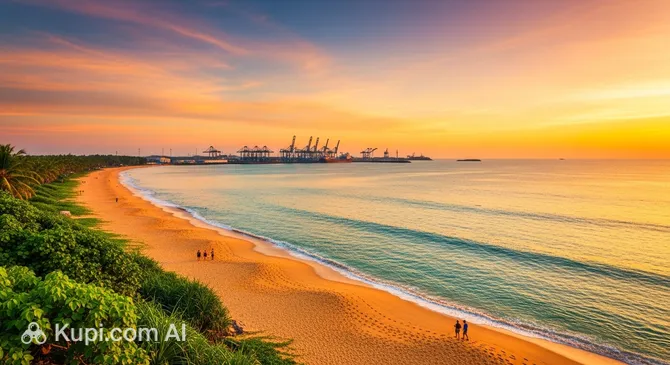
Hambantota. Source: Kupi.Binoculars

The region possesses a rich heritage that dates back centuries. Travelers can delve into the fascinating history of Hambantota to learn about its origins as a maritime haven and the enduring influence of the Malay community, which has significantly shaped the local culture and cuisine. Exploring the city's past reveals stories of ancient trade routes and colonial encounters that have left their mark on the area.

For nature enthusiasts, Hambantota is an excellent gateway to some of the island's most famous wildlife sanctuaries. It is located near the Bundala National Park, a UNESCO biosphere reserve renowned for its migratory birds, and serves as a convenient base for visiting the Yala National Park. Additionally, the Mirijjawila Dry Zone Botanic Gardens offers a unique opportunity to see plant species adapted to the dry climate, providing a serene environment for a leisurely walk.

Whether you are passing through on a wildlife safari adventure or interested in witnessing the unique salt-making traditions, Hambantota offers a distinctive experience. Its combination of natural wonders and cultural depth makes it a noteworthy destination for any itinerary in the southern region.

Weather Overview

Visitors to this southern coastal city can expect a consistently warm tropical climate perfect for exploring the outdoors. Temperatures remain steady year-round, with average daily highs usually hovering between 30°C and 32°C, while nights stay comfortable with minimums rarely dropping below 22°C.

While heat is a constant, rainfall determines the best times for outdoor activities. The weather in Hambantota features distinct wet and dry periods. The months of January, February, and July are generally the driest, offering the most sunshine for beach visits and safaris. In contrast, November is typically the wettest month with frequent rain, and the inter-monsoon periods in April, May, and October also see a significantly higher number of wet days.

Interesting Facts

Beyond the salt pans and safari parks, Hambantota holds a collection of fascinating stories and modern curiosities that often go unnoticed by the casual traveler. Here are a few unique details that define this southern city:

  • Maritime Etymology: The name "Hambantota" is widely believed to be derived from "Sampantota," which translates to "Port of Sampans." This historical reference points to the traditional boats used by Malay navigators and traders who settled in the area, significantly influencing the local culture.

  • A Quiet Giant: Located nearby is the Mattala Rajapaksa International Airport, which has gained global fame as "The World's Emptiest International Airport." Despite its massive size and modern facilities, it sees very little air traffic, often making it a surreal site where nature—including wild elephants—sometimes wanders near the perimeter.

  • The Windy Stadium: The city is home to a vast international cricket stadium known for a specific natural challenge. Built in an open area, the venue is notorious for strong crosswinds that can drastically alter the flight of the ball, forcing teams to adapt their strategies in ways not required elsewhere.

  • Green Energy Pioneer: Harnessing the same powerful gusts that sweep through the cricket grounds, the region hosts the first commercial wind farm in Sri Lanka. The wind turbines have become a modern landmark, symbolizing the area's potential for renewable energy production.

How to Get There

Reaching this southern coastal city is an adventure in itself, often involving a scenic drive through the island's changing landscapes. For a comprehensive guide on routes and transportation modes, you can read more about how to get to Hambantota to plan your journey effectively.

Most international visitors will begin their journey by flying into Bandaranaike International Airport (IATA: CMB). Located in Colombo, approximately 179 km from Hambantota, this is the primary gateway to the country. From here, the travel time by taxi or private transfer is usually around 4 hours and 50 minutes, depending on traffic conditions. It is a major hub with high passenger traffic, offering a wide range of services for arriving tourists.

For those already in the country or looking for a closer regional option, Koggala Airport (IATA: KCT) in the city of Koggala is another possibility. Situated about 90 km away, it is significantly closer than the main international airport. A drive from Koggala to Hambantota typically takes about 2 hours and 35 minutes. Although it handles a smaller volume of travelers, it provides convenient access to the southern coast.

For clarity, here is a summary of the main airports in the region and their distances to the city:

Airport Name City Passenger Traffic Km from City
Bandaranaike International Airport Colombo High 178.6
Batticaloa Batticaloa Medium 183.5
Sigiriya Slaf Base Sigiriya Small 205.2
Koggala Airport Koggala Small 90.2
Castlereigh Reservoir Waterdrome Hatton Small 98.3

Main Attractions

While often viewed as a gateway to the deep south, the city of Hambantota boasts a variety of unique attractions that blend nature, history, and modern leisure. From wandering through specialized botanical landscapes to exploring colonial fortifications, visitors will find several worthwhile stops within and around the city limits.

Mirijjawila Dry Zone Botanic Gardens is a standout attraction, distinguished as the first of its kind in Sri Lanka. Spanning over 300 acres, this vast garden is dedicated to conserving plants that thrive in arid climates. Visitors can explore beautifully landscaped sections, including a cactus house, a butterfly garden, and an herbal garden. Given the expansive size of the grounds, electric buggies are available for rent, making it easy to enjoy the scenery without exhaustion under the tropical sun.

For a wildlife experience with a twist, the Ridiyagama Safari Park offers an "open zoo" concept where animals roam freely in designated zones while visitors observe them from the safety of secured buses or jeeps. Located a short drive from the city center, the park features separate zones for carnivores and herbivores. It is particularly famous for its lion and tiger enclosures, offering families a chance to see these majestic big cats up close in a controlled yet spacious environment.

History enthusiasts should not miss the Martello Tower, a rare colonial gem located right in the heart of the town. Built by the British between 1804 and 1806 to defend the harbor, this small, circular fort is an architectural curiosity, as few such towers exist in the region. Today, the structure has been restored and converted into a fisheries museum, housing artifacts that tell the story of the local fishing industry and the maritime history of the area.

Just a stone's throw from the city lies Bundala National Park, a UNESCO Biosphere Reserve that is a paradise for birdwatchers. Unlike the busier parks further east, Bundala offers a tranquil safari experience centered around its shimmering lagoons. It is renowned for hosting huge flocks of migratory birds, including the vibrant Greater Flamingo, as well as resident elephants and crocodiles, making it an essential excursion for nature lovers staying in Hambantota.

Local Cuisine

The culinary landscape of Hambantota is a vibrant reflection of its coastal geography and multicultural history. Being a major fishing hub, the city offers an abundance of fresh seafood that serves as the foundation for many local meals. Visitors can expect to find spicy crab curries, butter-fried cuttlefish, and the island's signature sour fish curry, ambul thiyal, prepared with the catch of the day. The food here is typically flavorful and spicy, characteristic of the southern region's palate.

A unique feature of the local gastronomy is the strong influence of the Malay community, which has left a lasting mark on the city's sweet treats. Hambantota is famous for Dodol, a dark, sticky, and rich toffee-like dessert made from coconut milk, kithul jaggery, and rice flour. It is considered a must-buy souvenir for anyone visiting the area. Another regional staple is Curd and Treacle (Meekiri), a creamy buffalo yogurt served with sweet palm syrup, which provides a cooling finish to a spicy meal.

To beat the heat of the dry zone, locals rely on refreshing natural beverages. King Coconut (Thambili) is widely available at roadside stalls and is the perfect electrolyte-rich drink for sunny days. You should also try Woodapple juice (Divul Kiri), a thick, sweet-and-sour smoothie made from a fruit native to the dry zone, often mixed with coconut milk. For those interested in alcoholic beverages, Arrack, a local spirit distilled from coconut flower sap, is a popular choice often consumed with soda or ginger beer.

The food culture in Hambantota is unpretentious and authentic. You won't find many high-end dining establishments; instead, the best flavors are found in small local eateries—often confusingly called "hotels"—and bustling market stalls. Exploring the town center allows travelers to sample street food snacks like vegetable rottis and fried pastries, offering a genuine taste of the daily life of the residents.

Travel Tips

Welcome to the sun-drenched southern coast of Sri Lanka! To help you navigate the unique dry-zone climate and vibrant local culture of Hambantota with ease, we have compiled a set of essential practical tips for your journey.

  1. Clothing and Gear: Given the region's hot and arid climate, pack lightweight, breathable fabrics like cotton or linen to stay cool. A wide-brimmed hat, high-quality sunglasses, and strong sunscreen are absolute must-haves to protect against the intense tropical sun. If you plan to visit religious sites, remember to bring a scarf or shawl to cover your shoulders and wear long pants or skirts, as modest dress is strictly required.

  2. Transportation: For short distances within the city, tuk-tuks (three-wheelers) are the most convenient and abundant option; always agree on the fare before starting your ride or ask for a metered vehicle. For visiting nearby national parks or traveling comfortably in the heat, hiring a private car with a driver is highly recommended. Public buses are available and affordable but can be crowded and may not have air conditioning.

  3. Finances: The local currency is the Sri Lankan Rupee (LKR). While larger hotels and established restaurants in Hambantota accept credit cards, cash is king for small shops, local eateries, and transport. ATMs are available in the town center, but it is wise to carry smaller denominations for tips and minor purchases. Tipping is not mandatory but is widely appreciated by service staff and drivers.

  4. Health and Safety: Stay hydrated by drinking only bottled or filtered water, as the dry heat can cause dehydration quickly. Pharmacies are available in the town center for basic needs, but they may close earlier than in the capital. Use mosquito repellent, especially during dawn and dusk, to protect against insect-borne illnesses. Hambantota is generally safe, but standard precautions like keeping valuables secure should be observed.

  5. Communication: Sinhala is the primary language, though Tamil is also spoken, particularly among the Malay community. English is generally understood at hotels and tourist attractions, but learning a few basic phrases like "Ayubowan" (Hello/May you live long) can go a long way in building rapport. You can easily purchase a tourist SIM card at the airport or local communication shops for reliable 4G data coverage.

  6. Local Etiquette: Sri Lankans are incredibly hospitable, and a smile is the best greeting. When eating with your hands or exchanging money and objects, always use your right hand, as the left is considered unclean. When entering homes or temples, remove your shoes and hats as a sign of respect.

  7. What to Avoid: Never take photos with your back turned to a Buddha statue, as this is considered highly disrespectful. Also, avoid wearing clothing or displaying tattoos that feature religious imagery, particularly of the Buddha, as this can lead to serious legal and social consequences.

  8. Local Insight: Don't leave the city without visiting the roadside stalls selling Meekiri (buffalo curd). In Hambantota, this delicacy is famously fresh and is best enjoyed with a generous drizzle of kithul treacle—a perfect natural way to cool down after a safari.

By keeping these practical pointers in mind, you will be well-prepared to embrace the warmth and hospitality of Hambantota. Enjoy your adventure through this fascinating blend of historic ports, wild nature, and culinary delights!

Entertainment & Nightlife

Travelers visiting Hambantota should adjust their expectations regarding nightlife; this is not a city known for pulsing nightclubs or neon-lit party strips. Instead, the evening entertainment scene is subdued and sophisticated, largely concentrated within the high-end resorts and hotels that dot the coastline. The city quiets down significantly after sunset, making it a destination better suited for a relaxing cocktail by the ocean rather than an all-night rave.

The primary hub for evening activities is the area surrounding the major luxury resorts. Here, you will find the most vibrant atmosphere, where international tourists and expatriates gather. Ulpatha, located within the Shangri-La grounds, is one of the few spots that offers a distinct "pub" feel. It functions as the Golf Club House and doubles as a sports bar, offering a selection of beers, billiards, and a social environment. For a more scenic evening, the Gimanhala Lounge offers panoramic views of the Indian Ocean, making it an ideal spot for sunset drinks and late-night conversations in a breezy, open-air setting.

Outside of the luxury enclave, options are more local and limited. The Peacock Beach Hotel has long been a fixture in the area and offers a bar where visitors can enjoy a quiet drink. The atmosphere in these venues is generally relaxed and "resort casual." While you won't need formal evening wear, swimsuits are typically not appropriate in the lounges and bars after dark; a smart-casual dress code is the norm. Prices in these hotel bars are comparable to international standards, though local beers and spirits like Arrack are more affordable.

When planning a night out, safety and transportation are key considerations. The streets of Hambantota can become very dark and deserted relatively early in the evening. Walking between venues is not recommended due to the lack of street lighting and the distance between locations. It is best to rely on hotel-arranged taxis or registered tuk-tuks. If you are staying at a resort, the concierge can easily book a reliable ride for you. The area is generally safe, but standard precautions should be taken, and solo travelers should avoid wandering into unlit areas at night.

For daytime entertainment, the city offers a different pace. While it lacks large amusement parks or grand theaters, visitors can explore cultural sites such as the Fisheries Museum located in the historic Martello Tower. For a mix of education and leisure, the Agro Technology Park provides an insight into local agriculture and is a pleasant place for a family stroll. The entertainment here is deeply connected to the environment and history, offering a quiet counterpoint to the bustling tourist hubs elsewhere on the island.

Parks & Museums

While Hambantota is often associated with its bustling port and dry landscape, the city and its surroundings offer surprisingly diverse green spaces and cultural repositories. Visitors can explore unique botanical collections adapted to the arid climate or step into the region's artistic and maritime past through its specialized museums and open-air galleries.

Agro Technology Park in Batatha is a fascinating stop that combines education with nature. Often referred to as an agricultural theme park, it showcases the farming heritage of the deep south. The park features beautifully maintained demonstration plots, lush fruit orchards, and model home gardens that highlight traditional and modern cultivation methods. It is an excellent place for families to walk through green trails, see peacocks roaming freely, and learn about the crops that sustain the local economy.

For a more formal garden experience, the Mirijjawila Dry Zone Botanic Gardens remains the city's premier horticultural attraction. As the first of its kind in the country, it serves as a sanctuary for flora that thrives in hot weather. The landscape is dominated by expansive lawns, avenues of flowering trees, and a specialized medicinal plant section. It provides a serene escape from the city's heat, with shaded paths and electric carts allowing for a comfortable exploration of its vast 300-acre grounds.

On the cultural front, the Ranmihithenna Tele Cinema Village offers a surreal experience akin to a living museum of the performing arts. Built to support the Sri Lankan film and television industry, this expansive facility features permanent sets recreating historical towns, colonial streets, and traditional villages. Tourists can wander through these cinematic backdrops, effectively stepping back in time or into fictional worlds, making it a unique gallery of architectural styles and cultural storytelling.

The Fisheries Museum, housed within the historic Martello Tower, is the key institution dedicated to the region's maritime legacy. The museum displays a collection of traditional fishing gear, old photographs, and artifacts that document the lives of the local fishing community. The structure itself is a primary exhibit; the thick walls and circular design of the colonial-era fort provide an atmospheric setting for understanding the strategic and economic history of the harbor.

History enthusiasts should also visit the Girihandu Seya, an ancient Buddhist temple located a short distance from the city center. Believed to house hair relics of the Buddha, this sacred site offers a glimpse into the deep spiritual roots of the Southern Province. The stupa sits atop a rock, offering not only a spiritual atmosphere but also commanding views of the surrounding landscape, merging architectural heritage with natural beauty.

For a truly authentic local experience, take a quiet evening walk near the Hambantota Salt Pans. While not a park in the traditional sense, the vast, reflective pools create a stunning natural gallery, especially at sunset. Watching the salt crystals glimmer against the backdrop of a fiery sky offers a photographer’s dream and a peaceful moment away from the main tourist trail.

Getting Around

Public transport in Hambantota is relatively simple and straightforward, relying entirely on road-based networks rather than complex rail or metro systems. Unlike major global metropolises, this coastal city does not have subways, trams, or trolleybuses. Instead, the local transportation backbone consists of public buses and ubiquitous three-wheelers, which provide authentic and affordable ways to navigate the town and its surrounding areas.

The most common form of public transit is the bus service, which connects the city center with nearby villages and major attractions. There are two main types of buses you will encounter: the red government-owned SLTB (Sri Lanka Transport Board) buses and the privately operated buses, which are often decorated with colorful stickers and play loud music. The central bus stand is the main hub where most routes originate. While buses are incredibly cheap, they can be crowded and do not always adhere to a strict timetable, often waiting until they are full before departing.

For short distances and door-to-door convenience, the motorized three-wheeler, locally known as a "tuk-tuk," is the undisputed king of local transport. These small vehicles can weave through traffic and reach areas that buses cannot. They are available on almost every street corner. In Hambantota, unlike in the capital, tuk-tuks may not always have meters, so it is essential to negotiate and agree on the fare with the driver before you step inside. They serve as a flexible alternative to a taxi and offer a breezy way to travel locally.

The payment system for public transport is strictly cash-based. There are no travel cards, digital passes, or tap-to-pay systems available for buses or tuk-tuks. When taking a bus, you simply hop on and take a seat (or stand); a conductor will come to you to collect the fare and issue a paper ticket. It is highly recommended to carry small denominations of the local currency, as conductors and drivers often struggle to provide change for large banknotes. Fares are calculated based on the distance traveled and are generally very low.

Tourists seeking more comfort or air-conditioning should consider hiring a private taxi or a car with a driver, which can be arranged through most hotels. Ride-hailing apps like PickMe are popular in Sri Lanka and can be used to book tuk-tuks or cars, though availability in Hambantota might be lower compared to Colombo. If you plan to explore the wider region or visit national parks, renting a vehicle with a driver is the most practical and stress-free option, allowing you to travel at your own pace without relying on the schedules of public buses.

Public transport generally operates from early morning until evening. Bus services tend to become infrequent after sunset, so if you are planning a late dinner or an evening out, it is wise to pre-arrange a return taxi or have a trusted tuk-tuk driver's number handy. While the system is basic, it offers a genuine glimpse into local life and is more than adequate for the adventurous traveler.

Accommodation

The accommodation landscape in Hambantota differs significantly from the laid-back beach vibe of other southern coastal towns. Here, the hospitality scene is defined by a striking contrast between ultra-modern luxury developments and modest, traditional lodgings. As a growing commercial hub and a gateway to major wildlife sanctuaries, the city offers diverse options catering to business travelers, safari enthusiasts, and families alike.

At the top end of the spectrum, Hambantota is home to some of the most extensive resort complexes in Sri Lanka. These large-scale international properties are destinations in themselves, featuring sprawling grounds, multiple swimming pools, and extensive spa facilities. Notably, the area boasts the country's premier golf resort, attracting leisure travelers specifically for its 18-hole course. These resorts are typically located along the coastline, offering direct beach access and high standards of comfort, making them popular for conferences and destination weddings.

For travelers focused on wildlife, there is a good selection of mid-range hotels and eco-lodges situated on the outskirts of the city. These establishments are strategically positioned to serve as base camps for excursions into Bundala and Yala National Parks. They are well-versed in the needs of safari-goers, often providing early morning wake-up calls, packed breakfast boxes for the road, and assistance with booking reliable jeep drivers. The atmosphere in these places is often more rustic and nature-oriented.

Budget-conscious visitors will find numerous guesthouses and "rest houses" scattered within the town center and along the main roads. These are usually family-run businesses offering simple, clean rooms. Staying in these smaller establishments provides a more authentic glimpse into local life and easy access to the town's markets and bus stand. However, amenities here can be basic, so it is advisable to check reviews regarding cleanliness and facilities before booking.

When choosing accommodation in Hambantota, the most critical amenity to look for is air conditioning. The city is located in the dry zone and experiences high temperatures year-round; a room with a fan alone may not be sufficient for comfort, especially during the midday heat. Additionally, since the sea in this region can be rough and dangerous for swimming, booking a hotel with a swimming pool is highly recommended if you plan to cool off during your stay.

Nearby Cities

For those looking to explore the surroundings, Hambantota serves as an excellent base for day trips to several interesting nearby locations:

Located just a short drive away, Tissamaharama is an ideal destination for history and nature enthusiasts. As an ancient capital of the Kingdom of Ruhuna, it is home to impressive stupas and the scenic Tissa Wewa lake. It also serves as a primary gateway for safaris in the nearby national parks, blending cultural heritage with wildlife adventures.

Further west along the coast lies Galle, a city famous for its historic Dutch Fort, which is a UNESCO World Heritage Site. Visitors can wander through cobbled streets lined with colonial-era buildings, explore the ancient ramparts overlooking the ocean, and enjoy a vibrant scene of cafes and boutiques that offer a distinct European charm in a tropical setting.

For a change of scenery, Ratnapura, known as the "City of Gems," offers a glimpse into the island's renowned gem mining industry. Situated closer to the hill country, it features a lush, green landscape and waterfalls, providing a refreshing contrast to the dry coastal plains of the south.

City Population Distance (km)
Ratnapura 165998 103
Kotmale 107523 114
Hikkaduwa 101342 112
Galle 93118 101
Tissamaharama 79618 24

These nearby destinations offer a glimpse into the diverse culture and landscapes of the region.

Shopping & Souvenirs

Shopping in Hambantota offers a distinctly local and authentic experience rather than a glitzy retail therapy session. Unlike the commercial capital of Sri Lanka, this southern city does not feature sprawling luxury malls or high-end fashion boutiques. Instead, the shopping scene is centered around bustling street-side stalls, traditional markets, and small family-run shops that cater primarily to the daily needs of residents. For tourists, the appeal lies in discovering regional delicacies and observing the vibrant trade of a developing coastal town.

The main commercial activity is concentrated in the Town Center, particularly along the streets radiating from the bus stand. This area serves as the city's heartbeat, where you can find a chaotic but colorful mix of textile shops, hardware stores, and grocery outlets. Walking through these streets provides a genuine glimpse into local life, far removed from the polished tourist trails. It is the best place to pick up basic travel essentials, inexpensive clothing, or simple electronics.

Travelers looking for large-scale shopping complexes will find options limited. There are no major international-style shopping malls in Hambantota. However, for modern conveniences, air-conditioned comfort, and fixed prices, visitors often head to established supermarket chains like Cargills Food City or locally managed shopping centers. These spots are reliable for purchasing snacks, toiletries, and beverages without the need to bargain.

The soul of the city's commerce is found in its markets. The Hambantota Public Market is a focal point for fresh produce and is particularly lively in the mornings. Given the city's location on the coast, the fish market is also a significant hub where the catch of the day is auctioned and sold. Wandering through these markets offers a sensory overload of sights and smells, showcasing the agricultural and maritime bounty of the Southern Province.

When it comes to souvenirs, Hambantota is famous across the island for its unique culinary products rather than handicrafts. The absolute must-buy item here is Curd (Meekiri), a rich and creamy buffalo yogurt sold in traditional clay pots. You will see stalls lining the main roads selling these pots stacked high. Another regional specialty is Muscat and Dodol, a sticky, sweet, toffee-like confection made from coconut milk and jaggery. These sweet treats make for excellent, edible gifts to bring back home.

Most shops in the city open around 9:00 AM and close by 7:00 PM or 8:00 PM. While larger supermarkets and hotels accept credit cards, cash is the preferred method of payment for almost all other transactions, especially in the markets and small stalls. It is advisable to carry smaller denominations of the Sri Lankan Rupee, as vendors often struggle to provide change for large banknotes.

Regarding tax-free shopping, the Tourist VAT Refund Scheme in Sri Lanka is generally applicable only at authorized retailers, which are mostly located in Colombo and at the international airport. It is highly unlikely that you will find shops in Hambantota offering tax-free forms for tourists, so you should plan your shopping here without expecting a tax refund.

Reached the end of the page?

That means the route is fully explored