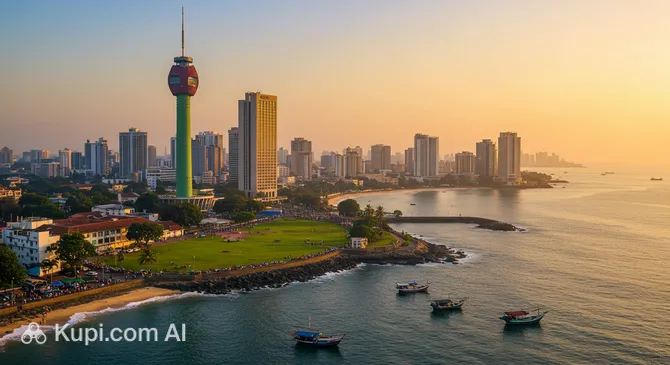
Colombo is the vibrant commercial capital and the largest city of Sri Lanka, serving as the primary gateway to this beautiful island nation. It is a fascinating place where the old blends seamlessly with the new, featuring a dynamic mix of colonial architecture, modern skyscrapers, and bustling street markets. As the heartbeat of the Western Province, the city offers an energetic atmosphere that captivates travelers from the moment they arrive.
Situated on the island's west coast, the city is a sprawling metropolis with a population of over 2.3 million people. Its strategic location on ancient trade routes has shaped its diverse culture and heritage. Visitors interested in the past can explore the history of Colombo to discover how Portuguese, Dutch, and British influences have left an indelible mark on its urban landscape. The climate here is tropical, ensuring warm weather throughout the year, which is perfect for exploring the outdoors.
Colombo. Illustration.
Source: Kupi.com AI
There are numerous unique spots that make this city a must-visit destination. A stroll along Galle Face Green at sunset offers stunning ocean views and a taste of local street food, while the chaotic yet charming Pettah Market invites you to experience the local trade culture. For a moment of tranquility, the Gangaramaya Temple stands out as an architectural marvel, combining Sri Lankan, Thai, Indian, and Chinese design elements.
Whether you are starting your journey across the island or looking for a cosmopolitan experience with rich cultural depth, Colombo is an essential stop. Its welcoming vibe, diverse culinary scene, and historic charm make it a truly memorable destination for any tourist.
Weather Overview
Colombo experiences a tropical climate, characterized by consistent warmth and high humidity throughout the year. The city generally enjoys sunny days, though it is also influenced by monsoon patterns that bring periodic rain. For a more detailed breakdown of what to expect during your specific travel dates, it is helpful to consult the guide on the weather in Colombo before you pack.
Temperatures in the city are quite stable, with average highs typically ranging between 29°C and 31°C and lows rarely dropping below 23°C. January and February are usually the driest months, offering the most sunshine for sightseeing, while May and October tend to have the highest number of wet days. Expect warm conditions year-round, but be prepared for frequent showers if you visit during the wetter monsoon periods.
Average monthly temperature
Average monthly precipitation
Interesting Facts
Beyond the main attractions, Colombo holds many fascinating secrets that reveal layers of its rich history and culture. Here are a few intriguing facts about the city that often go unnoticed by the casual observer.
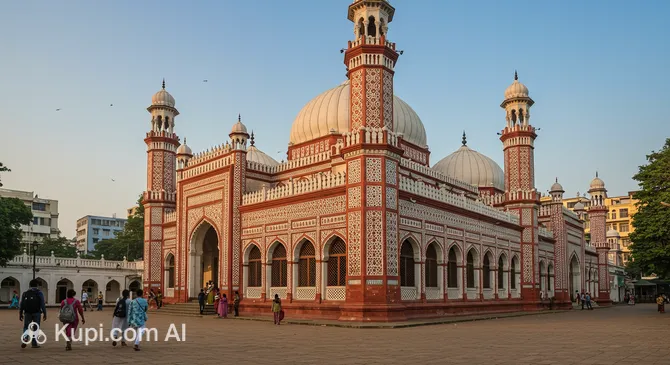
Jami Ul-Alfar Mosque. Illustration.
Source: Kupi.com AI
Traveler photos:
The striking Jami Ul-Alfar Mosque, widely known as the Red Mosque, features a mesmerizing pattern of red and white brick stripes. It is said that in the early 20th century, sailors approaching the Colombo port used this distinctive landmark as a visual guide to navigate their ships safely to the harbor.
The city's most upscale residential neighborhood, Cinnamon Gardens, gets its name from its literal history. During the Dutch colonial period, this entire area was a vast cinnamon plantation covering hundreds of acres, highlighting the immense value this spice once held in global trade.
Dominating the modern skyline is the Colombo Lotus Tower, which is recognized as the tallest self-supported structure in South Asia. Its unique design is not just aesthetic; the lotus shape symbolizes purity and prosperity, deeply rooting this modern marvel in traditional Sri Lankan culture.
Colombo is the home of Tropical Modernism, a style pioneered by the world-renowned architect Geoffrey Bawa. Visitors can explore his personal residence, the Geoffrey Bawa House, which is a masterful maze of light, space, and courtyards that perfectly blends indoor and outdoor living.
How to Get There
As the primary entry point to Sri Lanka, reaching the commercial capital is straightforward, with several transport options available depending on your starting point. Most international travelers arrive by air, while those already on the island can utilize road or rail networks. For a detailed breakdown of routes and tips, you can read more about how to get to Colombo to plan your arrival smoothly.
The most significant gateway for visitors is the Bandaranaike International Airport (IATA: CMB). While it serves as the main airport for Colombo, it is located approximately 28 km north of the city center. This international airport handles the vast majority of traffic into the country. The journey from the terminal to the heart of the city typically takes about 60 to 70 minutes by taxi or bus, depending on traffic conditions. It is a large, modern facility connecting Sri Lanka to major destinations worldwide.
For domestic travel, there are smaller options such as the Castlereigh Reservoir Waterdrome (IATA: NUF) near Hatton and Koggala Airport (IATA: KCT). These are located significantly further away—about 80 km and 115 km from Colombo, respectively—and primarily serve sea-planes or domestic air taxis. While not standard points of entry for international tourists, they offer scenic connections for those traveling within the island.
For clarity, here is a summary of the main airports:
While Colombo is a bustling commercial hub, it is also home to serene temples, grand monuments, and insightful museums that reflect its storied past. Beyond the popular spots mentioned earlier, the city offers several other captivating sites that allow travelers to delve deeper into Sri Lankan culture and history.
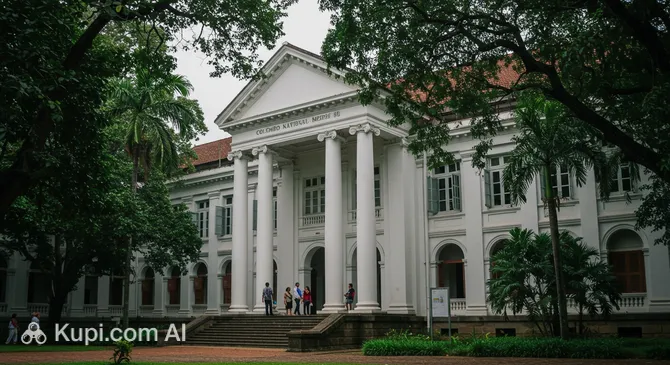
One of the most significant cultural landmarks is the Colombo National Museum. Housed in a magnificent white colonial-era building, it is the largest museum in the island nation. Inside, visitors can explore a vast collection of artifacts, including the crown jewels and throne of the last King of Kandy. It is an essential stop for history buffs wanting to understand the rich heritage of Sri Lanka through ancient art, carvings, and statues.
Colombo National Museum. Illustration.
Source: Kupi.com AI
Traveler photos:
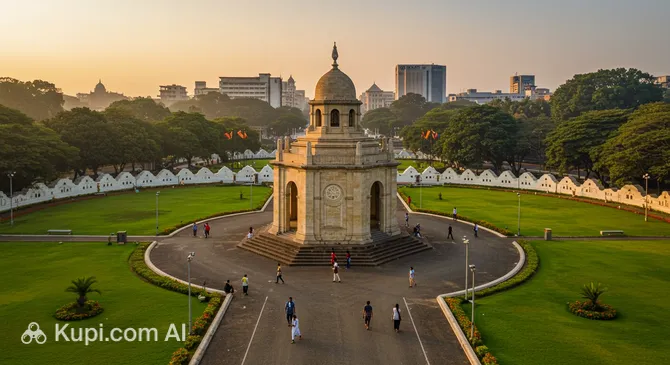
For a blend of history and leisure, Independence Square is a favorite among both locals and tourists. The centerpiece is the Independence Memorial Hall, an imposing stone structure built to commemorate Sri Lanka's independence from British rule in 1948. Surrounded by sprawling green lawns and walking paths, it serves as a peaceful recreational space where you can admire traditional Kandyan architecture or enjoy a relaxing evening walk.
Independence Square. Illustration.
Source: Kupi.com AI
Traveler photos:
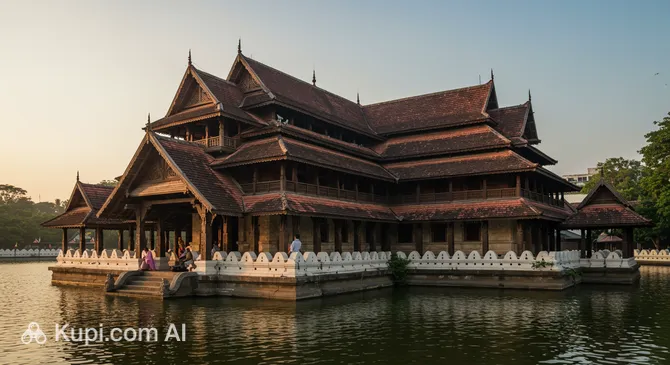
Floating serenely on the waters of Beira Lake, Seema Malaka offers a tranquil escape from the city's chaos. Although it is managed by the Gangaramaya Temple, its distinct location and design by renowned architect Geoffrey Bawa give it a unique character. This meditation center is famous for its simple yet elegant wooden design and bronze Buddha statues, making it a perfect spot for quiet reflection and photography.
Seema Malaka. Illustration.
Source: Kupi.com AI
Traveler photos:
Another site of immense spiritual importance is St. Anthony's Shrine in Kochchikade. This Roman Catholic church is revered not only by Christians but by people of all faiths who come to seek blessings. Known for its miraculous reputation, the shrine is especially vibrant during its annual feast, but it remains a place of deep devotion and architectural beauty throughout the year.
Local Cuisine
The culinary landscape of Colombo is a tantalizing explosion of flavors, aromas, and textures that reflects the island's rich cultural heritage. Food here is heavily influenced by the abundance of spices, coconut, and fresh seafood, resulting in dishes that are often fiery, aromatic, and deeply satisfying. Whether you are dining in a high-end establishment or grabbing a quick bite from a roadside stall, the city offers a gastronomic adventure that is sure to delight your taste buds.
One dish you absolutely cannot miss is Kottu Roti, often considered the heartbeat of Sri Lankan street food. It consists of chopped flatbread stir-fried with vegetables, eggs, and your choice of meat, all mixed to the rhythmic beat of metal blades on a hot griddle. Another staple is Hoppers (Appa), bowl-shaped pancakes made from fermented rice flour and coconut milk, often served with a fried egg in the center and a side of spicy onion relish (lunu miris). For a hearty meal, traditional Rice and Curry offers a colorful array of dhal, vegetable dishes, and meat or fish curries.
Galle Face Green. Illustration.
Source: Kupi.com AI
Traveler photos:
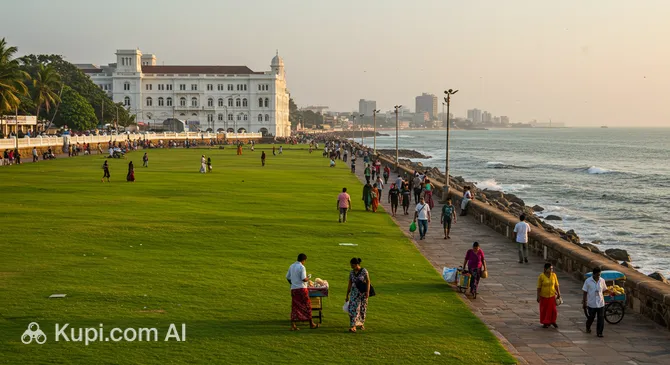
The street food culture in Colombo is legendary, and there is no better place to experience it than at Galle Face Green. As the sun sets, the promenade fills with vendors selling Isso Wade, which are spicy lentil cakes topped with whole prawns. It is a favorite local snack best enjoyed while watching the ocean waves. For a more sit-down experience with a view, you might visit the Shangri-La Restaurant, which offers a mix of local and international cuisines in a luxurious setting.
When it comes to beverages, the ultimate thirst quencher is the King Coconut (Thambili). You will see bright orange coconuts being sold on almost every street corner; their water is naturally sweet and incredibly refreshing in the tropical heat. Tea lovers should not leave without trying a cup of authentic Ceylon tea, often served strong with milk and sugar. For something stronger, Arrack, a local spirit distilled from coconut flower sap, is a popular choice, often mixed with ginger beer.
Colombo's dining scene is diverse, ranging from bustling markets to chic eateries. If you are looking for a lively atmosphere to enjoy a drink and some grilled food, the Irish Bar & Grill is a popular spot to unwind. Whether you are exploring the spicy depths of a crab curry or cooling down with a scoop of fruit-filled ice cream, the city's food scene is an essential part of the travel experience.
Travel Tips
Navigating the energetic streets of Colombo can be an exhilarating experience, but a little preparation goes a long way in ensuring your trip is smooth and enjoyable. To help you make the most of your time in Sri Lanka's commercial capital, here are some essential practical tips covering everything from getting around to respecting local customs.
Clothing and Gear: Given the tropical heat and humidity, pack lightweight, breathable fabrics like cotton or linen. However, modesty is crucial when visiting religious sites; you must cover your shoulders and knees to enter temples like Gangaramaya. Always carry a scarf or sarong in your bag for such occasions. Comfortable walking sandals are a must, and a sturdy umbrella is essential, as sudden downpours are common regardless of the season.
Transportation: The most convenient way to travel short distances is by tuk-tuk (three-wheeler). While they are everywhere, it is best to use ride-hailing apps like PickMe or Uber to ensure fair pricing and safety. If you hail one off the street, insist on using the meter or negotiate the fare before getting in. Public buses are incredibly cheap but can be crowded and chaotic, so they are better suited for adventurous travelers.
Finances: The local currency is the Sri Lankan Rupee (LKR). While credit cards are widely accepted in hotels, malls, and upscale restaurants, cash is king for street food, tuk-tuks, and local markets. ATMs are plentiful throughout the city. Tipping is appreciated; leaving a 10% tip in restaurants or rounding up the fare for taxi drivers is a kind gesture.
Health and Safety: Colombo is generally safe for tourists, but standard precautions apply. Stick to bottled water for drinking and brushing your teeth to avoid stomach issues. Mosquito repellent is non-negotiable due to the risk of dengue fever. Pharmacies are common and well-stocked; look for the "Osu Sala" sign for government-run outlets. In crowded areas like Pettah, keep an eye on your belongings to prevent pickpocketing.
Communication: English is widely spoken in Colombo, especially in the tourism and business sectors, so you will have little trouble communicating. Sinhala and Tamil are the official languages; learning a simple "Ayubowan" (May you have a long life) as a greeting goes a long way. You can easily purchase a tourist SIM card from providers like Dialog or Mobitel right at the airport for reliable data coverage.
Local Etiquette: Sri Lankans are incredibly hospitable, but cultural norms are important. When entering a home or a temple, always remove your shoes and hats. If you choose to eat with your hands like the locals, use only your right hand. When visiting Buddhist sites, never pose for a photo with your back turned to a Buddha statue, as this is considered highly disrespectful.
What to Avoid: Avoid public displays of affection (PDA), such as kissing or hugging, as conservative values prevail. Also, refrain from taking photographs of high-security zones, military personnel, or government buildings without explicit permission, as this can lead to unnecessary trouble.
Poya Days: Be aware of Poya Days, which occur on every full moon. These are public holidays in Sri Lanka where the sale of alcohol and meat is often prohibited, and many shops may be closed. It is a spiritual day, so expect temples to be busier than usual.
By keeping these practical tips in mind, you will be well-equipped to embrace the chaotic charm of Colombo with confidence. Whether you are bargaining for spices in a market or enjoying a sunset by the ocean, understanding the local rhythm will make your stay in this vibrant city truly unforgettable.
Entertainment & Nightlife
Nightlife and Entertainment:
When the sun sets over the Indian Ocean, Colombo transforms from a bustling commercial hub into a lively playground for night owls. The city's nightlife scene has evolved significantly, offering a sophisticated mix of rooftop bars, pulsating nightclubs, and laid-back lounges. The most vibrant action is often concentrated in the Fort area, particularly around the restored Dutch Hospital Shopping Precinct, as well as in the upscale neighborhoods of Cinnamon Gardens and Kollupitiya.
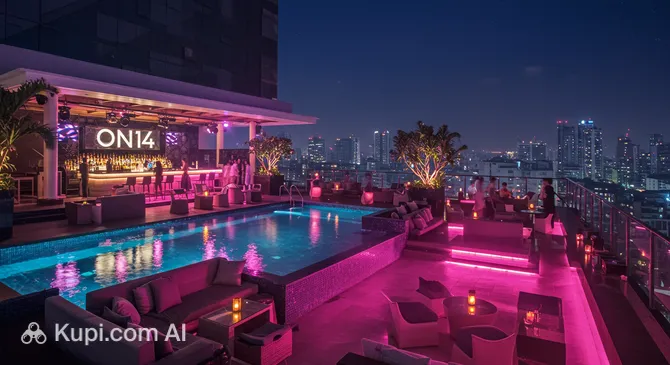
For those seeking spectacular views with their cocktails, the city is famous for its rooftop venues. A prime example is the ON14 Rooftop Lounge & Bar, located near the oceanfront. Here, you can enjoy an infinity pool atmosphere and gaze at the city lights or the vast sea while sipping on signature drinks. It attracts a trendy crowd and is perfect for a sunset session that extends into the night.
ON14 Rooftop Lounge & Bar. Illustration.
Source: Kupi.com AI
Traveler photos:
If you prefer a more relaxed yet stylish setting, The Barnesbury offers a great mix of dining and social drinking. It is known for its comfortable ambiance, making it an excellent spot for conversation and unwinding after a day of sightseeing. For those feeling lucky, Colombo is also a major destination for casino gaming in South Asia. Venues like Bellagio Casino Colombo provide world-class facilities, live entertainment, and complimentary food and drinks for players, operating 24 hours a day.
Practical Tips for the Night: Most bars and clubs are open until around 1:00 AM or 2:00 AM, though casinos stay open all night. The dress code is generally "smart casual"—men should avoid wearing shorts and flip-flops to clubs and casinos. Prices for alcohol, especially imported brands, can be relatively high due to taxes, so look out for "Happy Hour" deals which are common between 5:00 PM and 7:00 PM. For transportation, it is safest and most convenient to use ride-hailing apps like PickMe or Uber rather than hailing random tuk-tuks late at night.
Beyond the nightlife, the city offers engaging entertainment during the day. Families and science enthusiasts can visit the Sri Lanka Planetarium, which features architectural uniqueness and educational shows. Nature lovers might enjoy a trip to the GLP Birds Park to see exotic avian species in a lush setting. Whether you are looking for a high-energy party or a quiet cultural afternoon, the city has plenty to offer.
Parks & Museums
Colombo offers a refreshing counterpoint to its urban bustle through its maintained parks and a growing appreciation for arts and history beyond the colonial legacy. The city's green spaces and cultural institutions provide a glimpse into the diverse lifestyle and artistic expression of its people, serving as serene escapes from the tropical heat.
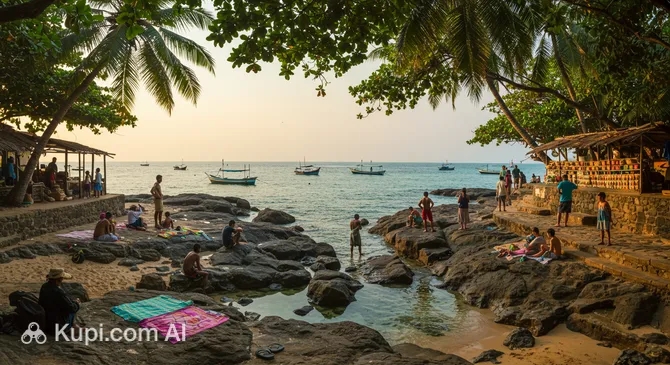
While Viharamahadevi Park is the most famous central park known for its flowering trees, those looking for a coastal breeze should head to Crow Island Beach Park. Located in the northern part of the city, this expansive area features a mix of sandy shores, mangroves, and walking trails. It is a favorite among locals for morning jogs and kite flying, offering a scenic view of the harbor and the ocean away from the main tourist crowds.
Crow Island Beach Park. Illustration.
Source: Kupi.com AI
Traveler photos:
Another spot to enjoy the sea is Galle Face Beach. While often grouped with the famous promenade nearby, the beach area itself allows you to get closer to the waves. It is a lively strip where the city meets the Indian Ocean, perfect for a casual stroll to watch the sunset while enjoying the cool sea spray and the vibrant atmosphere of families enjoying the evening.
For a deeper dive into the country's struggle for freedom, the Independence Memorial Museum is a significant site. Located in the basement of the Independence Memorial Hall, it houses a collection of busts, portraits, and documents honoring the national heroes who played a pivotal role in Sri Lanka gaining independence. It offers a focused historical narrative that complements the grandeur of the square above.
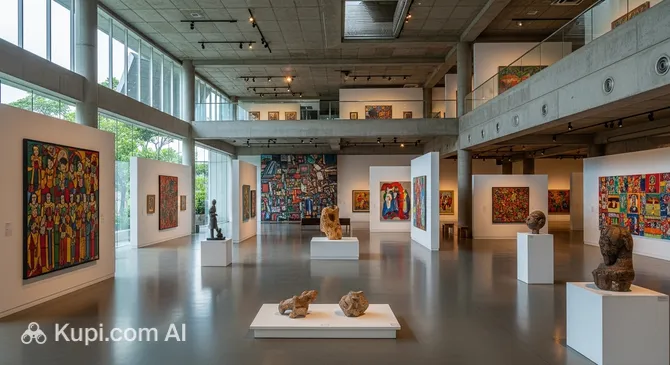
Art lovers should visit the Museum of Modern and Contemporary Art Sri Lanka. This institution is dedicated to displaying the country's modern art history, featuring rotating exhibitions that showcase the work of local artists. It provides a contemporary perspective on Sri Lankan culture, distinct from the ancient artifacts found in traditional museums.
Museum of Modern and Contemporary Art Sri Lanka. Illustration.
Source: Kupi.com AI
Traveler photos:
Among the architectural gems, the Sri Ponnambalam Vaneswarar Temple in Kochchikade stands out. Unlike the colorful facades of many Hindu temples in the region, this structure is built entirely of South Indian granite. Its intricate stone carvings and solemn, dark interior create a unique, spiritual atmosphere that feels ancient and timeless.
For families traveling with children, the Royal Aquarium offers a small but charming look at aquatic life. An insider tip for those seeking quiet is to explore the wetland parks on the city's outskirts for birdwatching, or simply take a walk through the shaded avenues of Cinnamon Gardens to admire the colonial mansions.
Getting Around
Navigating the public transport system in Colombo is an authentic experience that immerses you directly into the local rhythm of life. The city relies heavily on a dense network of buses and a commuter railway system that connects the central districts with the suburbs. While there is no metro or tram system currently in operation, the existing options are incredibly affordable and cover almost every corner of the metropolis.
The backbone of the city's transport is the bus network, which consists of two main types: the red government-owned buses (SLTB) and the colorful, privately operated ones. Private buses are known for their vibrant decorations and loud music; they tend to be faster but often drive more aggressively. Government buses are generally slower and less crowded. You can catch a bus at designated stops, though they often slow down to pick up passengers almost anywhere if signaled.
For traveling to the suburbs or escaping the heavy road traffic, the commuter train is an excellent alternative. The network radiates from the central hub, Colombo Fort Railway Station. The coastal line, which runs south towards Mount Lavinia, is particularly popular among tourists for its scenic views of the ocean right outside the train window. It is a charming, albeit sometimes crowded, way to travel along the coast for a very low cost.
Payment for public transport is almost exclusively cash-based, so it is essential to carry small denominations of the local currency. On buses, a conductor will move through the aisle to collect the fare and issue a paper ticket; you simply state your destination. For trains, you must purchase a ticket at the station counter before boarding. Fares are extremely low by international standards, usually costing just a few cents for a standard journey.
For shorter distances or a more direct route, the iconic three-wheelers, locally known as tuk-tuks, are the most convenient option. They are everywhere and can weave through traffic with ease. While many have meters, some drivers may try to negotiate a fixed price with tourists. It is highly advisable to look for tuk-tuks labeled as "Metered Taxi" and ensure the driver turns the meter on at the start of the trip to avoid being overcharged.
If you prefer a more comfortable and hassle-free experience, ride-hailing apps are widely used and highly recommended. Apps like PickMe and Uber allow you to book tuk-tuks, mini-cars, or sedans at fixed rates, eliminating the need for bargaining and overcoming language barriers. These services also offer the option to pay via credit card through the app, which is a great convenience if you are running low on cash.
A few practical tips will help you navigate smoothly: avoid public transport during peak rush hours (roughly 7:00 AM to 9:00 AM and 5:00 PM to 7:00 PM) when buses and trains can become uncomfortably packed. If you are taking the train, hold on to your ticket until you leave the destination station, as it is often checked at the exit. Finally, be prepared for a bit of chaos; the system is loud and busy, but it is also the most genuine way to see the city in motion.
Accommodation
Finding the perfect place to stay in Colombo is relatively easy, as the city offers a diverse range of accommodation options to suit every budget and travel style. From grand colonial-era hotels that whisper stories of the past to sleek modern skyscrapers and cozy budget hostels, the commercial capital has it all. Whether you are a backpacker looking for a social atmosphere or a luxury traveler seeking ocean views and five-star service, you will find a comfortable base to explore the city.
The location of your stay can significantly shape your experience. For easy access to business districts and historical sites, the Fort and Pettah areas are ideal. If you prefer waking up to the sound of the ocean and being close to high-end shopping and dining, the neighborhoods of Galle Face and Kollupitiya (Colombo 3) are the most popular choices. For a quieter, more upscale atmosphere lined with leafy boulevards and boutique villas, Cinnamon Gardens (Colombo 7) is the perfect retreat within the city.
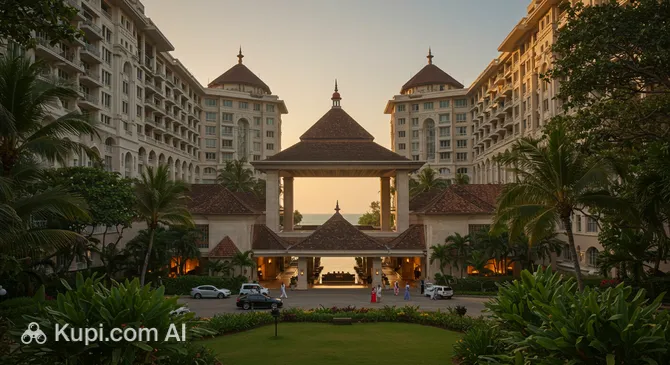
Colombo is home to several internationally renowned hotels that define luxury hospitality in Sri Lanka. One of the most iconic properties is the Taj Samudra. Situated right across from the Galle Face Green, it offers guests sweeping views of the Indian Ocean and is celebrated for its blend of traditional charm and modern elegance. It serves as a prime example of the high standard of accommodation available in the city's golden mile.
Taj Samudra. Illustration.
Source: Kupi.com AI
Traveler photos:
Adding to the city's rapidly evolving skyline is Cinnamon Life, a massive integrated resort complex that represents the new face of Colombo. This destination is designed for travelers looking for a comprehensive experience, combining luxury lodging with entertainment, dining, and shopping facilities all in one location. Staying in such establishments places you right at the heart of the city's vibrant urban energy.
Booking Tip: Colombo is a year-round destination, but accommodation can fill up quickly during the peak tourist season from December to March. It is highly recommended to book your stay at least a few weeks in advance during these months to secure the best rates and availability.
In terms of pricing, the city is generally affordable compared to many other Asian capitals. Budget travelers can find decent hostels and guesthouses ranging from $15 to $40 per night. Mid-range hotels typically cost between $50 and $100, while luxury resorts and boutique hotels can start from $120 and go upwards. Most properties can be easily booked via major online travel platforms, though booking directly through hotel websites can sometimes offer exclusive perks or packages.
Nearby Cities
For those looking to explore the surroundings, Colombo serves as an excellent base for day trips to several interesting nearby locations:
Just a short drive south along the coast lies Mount Lavinia, one of the most popular escapes from the city's hustle. Famous for its "Golden Mile" of sandy beaches, it offers a relaxed atmosphere perfect for sunbathing and swimming. The town is anchored by the historic Mount Lavinia Hotel, a colonial gem that provides a stunning backdrop for a seafood dinner by the ocean. It is an ideal spot for those wanting a quick beach break without traveling far.
For a journey into the island's interior, Ratnapura offers a glimpse into a completely different side of Sri Lanka. Known globally as the "City of Gems," it is the heart of the country's precious stone industry. Visitors can explore gem mines and museums to learn about the extraction of sapphires and rubies. The region is also a gateway to natural wonders, including the breathtaking Bopath Ella waterfall and the trails leading towards Adam's Peak.
Another interesting option is Moratuwa, situated between the sea and the vast Bolgoda Lake. While known for its furniture industry and cricket culture, the lake itself is a major attraction for water sports enthusiasts and nature lovers. It is the largest natural lake in the country and offers opportunities for boat rides and bird watching in a serene setting.
These nearby destinations offer a glimpse into the diverse culture and landscapes of the region.
Shopping & Souvenirs
Shopping in Colombo is a delightful contrast between air-conditioned sophistication and the colorful chaos of street bazaars. As the commercial capital, it is the best place in Sri Lanka to find everything from high-end international brands to authentic local handicrafts. The city is particularly renowned for its garment industry, offering high-quality clothing at affordable prices, as well as its world-famous Ceylon tea and precious gemstones.
For a relaxed and upscale shopping experience, the neighborhood of Cinnamon Gardens (Colombo 7) is the place to be. This area is dotted with chic boutiques, art galleries, and lifestyle stores like Paradise Road and the flagship Odel store, which are perfect for browsing home decor and fashion in comfort. Alternatively, Duplication Road in Kollupitiya is famous for its long stretch of fashion outlets, shoe shops, and discount stores, making it a favorite stop for those looking to update their wardrobe.
The city's retail landscape has been transformed by modern complexes that rival those in other Asian metropolises. One Galle Face Mall is the premier shopping destination, housing international luxury brands, a cinema, and a wide range of dining options overlooking the ocean. It is a massive lifestyle hub where you can spend an entire day. Another significant addition is the Havelock City Mall, which offers a contemporary retail experience with a diverse mix of fashion, lifestyle, and entertainment facilities suitable for the whole family.
One Galle Face Mall. Illustration.
Source: Kupi.com AI
Traveler photos:
For a more traditional and energetic atmosphere, the markets of Pettah are an essential stop. This district serves as the city's open-air bazaar, where each cross street specializes in specific goods, from colorful textiles and gold jewelry to electronics and spices. For a calmer alternative, the Good Market, typically held on Saturdays at the Colombo Racecourse, focuses on organic produce, natural products, and sustainable crafts sold by local artisans.
Havelock City Mall. Illustration.
Source: Kupi.com AI
Traveler photos:
When it comes to souvenirs, a pack of pure Ceylon tea is the quintessential gift to take home; look for specialized tea boutiques that offer tastings. Sri Lanka is also famous for its blue sapphires and semi-precious stones, so visiting a reputable, government-certified gem merchant is a highlight for jewelry lovers. Other popular items include intricate wooden masks, colorful batik clothing, and handloom fabrics, which reflect the island's artistic heritage.
Most shops and malls operate daily from around 10:00 AM to 8:00 PM or 9:00 PM. Street markets in Pettah usually wind down by early evening and may be closed or significantly quieter on Sundays and Poya days. While credit cards (Visa and Mastercard) are widely accepted in shopping malls, supermarkets, and hotels, carrying cash in Sri Lankan Rupees is essential for bargaining in markets and buying from small roadside vendors.
Tourists may be eligible for a VAT refund on goods purchased from authorized retailers. To take advantage of this, look for stores displaying the "Tax Free" sign and request a VAT refund voucher at the time of purchase. These vouchers can be processed at the dedicated tax refund counter at Bandaranaike International Airport upon your departure, provided your purchases meet the minimum value requirements.