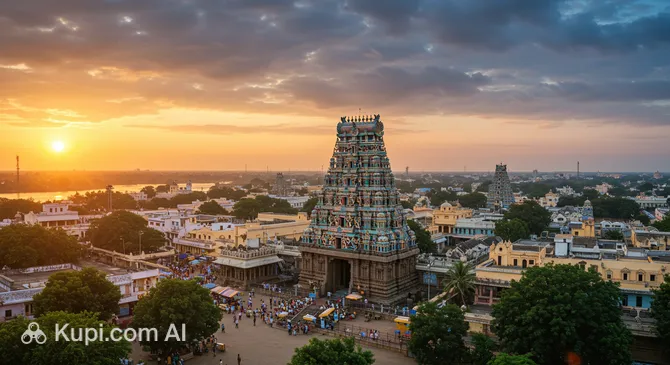
Known as the cultural capital of Tamil Nadu, Madurai is a city that never sleeps, pulsating with vibrant energy and deep spiritual significance. Situated on the banks of the Vaigai River in southern India, it stands as one of the world's oldest continuously inhabited cities. With a population exceeding 1.5 million, the city is a bustling major hub that perfectly balances its role as a modern economic center with its identity as a custodian of ancient traditions.
The history of Madurai is incredibly rich, stretching back well over two millennia. Often referred to as the "Athens of the East," the city is famous for its unique lotus-shaped layout, with streets expanding concentrically from the central temple. The local climate is tropical, generally warm throughout the year, making the cooler winter months the most comfortable time for visitors to explore the city's many treasures.
Madurai. Illustration.
Source: Kupi.com AI
At the heart of the city lies the magnificent Meenakshi Amman Temple, a sprawling complex and a masterpiece of Dravidian architecture featuring towering gopurams (gateway towers) adorned with thousands of colorful sculptures. Another architectural gem is the Thirumalai Nayakkar Mahal, a 17th-century palace renowned for its colossal pillars and stunning fusion of Dravidian and Islamic styles. The city is also celebrated for its vibrant street life and jasmine plantations, earning it the nickname "Jasmine City."
Whether you are drawn by the call of ancient temples, the flavors of authentic South Indian cuisine, or the charm of bustling bazaars, Madurai promises a captivating experience. We invite you to immerse yourself in the soulful atmosphere of this legendary city.
Weather Overview
Madurai generally experiences a hot and semi-arid tropical climate, characterized by high temperatures year-round. The heat peaks during the summer months of April and May, where the average maximum temperature reaches up to 37.2°C. In contrast, the "winter" months of December and January offer the most comfortable conditions for exploration, with average temperatures settling around 25°C and minimums cooling down to approximately 20°C.
Precipitation patterns are distinct, with the city remaining relatively dry during the early part of the year; February and March see almost no rainfall. However, the monsoon brings significant moisture later in the year, particularly in October and November, which can have up to 22 wet days per month. To help plan your activities around the rain and heat, you can view the detailed weather in Madurai before your trip. Expect hot, sunny days for most of the year, shifting to frequent showers during the late autumn monsoon season.
Average monthly temperature
Average monthly precipitation
Interesting Facts
Beyond the majestic temples and bustling markets, Madurai holds many fascinating secrets that reveal the depth of its heritage. Here are a few unique aspects of the city that might surprise you:
Gandhi’s Transformation: It was in this city that Mahatma Gandhi made a pivotal decision that changed his public image forever. Moved by the plight of local peasants in 1921, he decided to abandon his formal attire for a simple loincloth. You can learn more about this historic moment at the Gandhi Memorial Museum, which preserves the blood-stained garment he wore during his assassination.
A Sweet Legacy: Madurai is the birthplace of the famous beverage "Jigarthanda," which literally translates to "heart cooler." Made with milk, almond gum, and sarsaparilla root syrup, this refreshing drink is a local culinary icon designed to help residents beat the intense tropical heat.
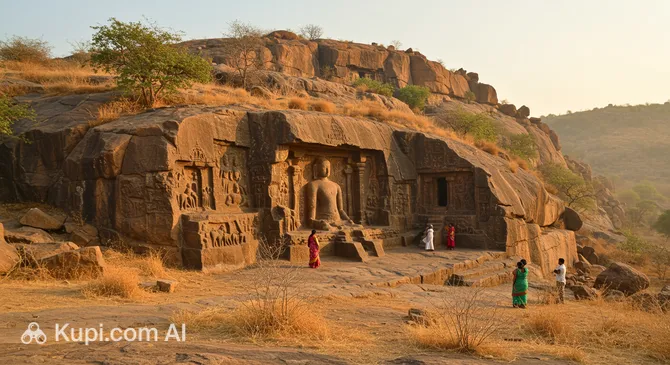
Ancient Jain Retreats: While the city is renowned for its Hindu architecture, the Samanar Hills offer a glimpse into a different spiritual past. These rocky hillocks contain caves with stone beds and Tamil-Brahmi inscriptions dating back to the 1st century AD, originally used by Jain monks for meditation and solitude.
Buried Civilization: Just outside the city limits lies the Keeladi Archaeological Site, where recent excavations have unearthed artifacts suggesting that an advanced urban civilization thrived here over 2,500 years ago, contemporary with the urbanization of the Gangetic plains.
Samanar Hills. Illustration.
Source: Kupi.com AI
Traveler photos:
How to Get There
Reaching this historic city is quite convenient, as it serves as a major gateway to southern Tamil Nadu. Whether you are arriving for a pilgrimage or to explore the architectural marvels, you have several options. For a comprehensive guide on travel options and routes, you can read more about how to get to Madurai to plan your journey effectively.
The most direct way to arrive is via Madurai Airport (IATA: IXM), which is located within the city itself, just about 10.4 km from the center. It connects the city to major domestic hubs and select international destinations. A taxi or auto-rickshaw ride from the airport to the city center typically takes around 35 to 40 minutes, depending on traffic. As a primary transport hub with significant passenger movement, it offers decent facilities for travelers.
If flight options are limited, you might consider flying into Tiruchirapalli International Airport (IATA: TRZ) in the neighboring city of Tiruchirappalli. It is situated approximately 113 km away from Madurai. From there, you can hire a taxi or take a bus, with the journey by road taking roughly 3 hours. Another alternative for international travelers is the larger Cochin International Airport in Kochi, though it is further away at about 191 km.
For clarity, here is a summary of the main airports:
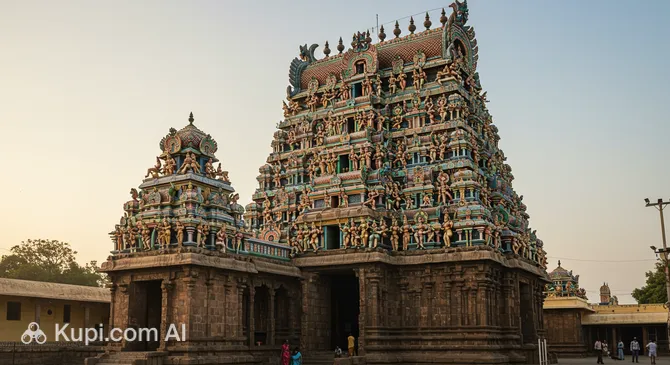
Madurai is synonymous with its spectacular temples and rich cultural heritage. While the city's streets bustle with modern life, its spiritual core remains timeless. The most iconic landmark is undoubtedly the Meenakshi Amman Temple. This historic Hindu temple located on the southern bank of the Vaigai River is a masterpiece of Dravidian architecture. It is renowned for its towering gopurams (gateways) covered in thousands of colorful sculptures and the "Hall of Thousand Pillars," which is a marvel of engineering and art. Tourists flock here not just for worship, but to witness the sheer scale and intricate beauty of one of India's greatest temple complexes.
Meenakshi Amman Temple. Illustration.
Source: Kupi.com AI
Traveler photos:
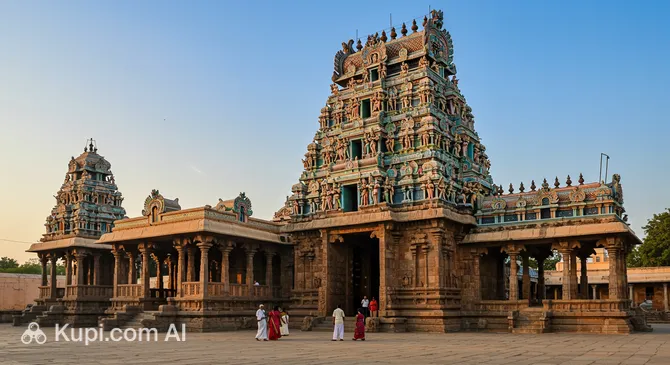
Another significant spiritual site is the Koodal Azhagar Temple, dedicated to Lord Vishnu. Unlike the bustling Meenakshi temple, this site often offers a quieter, more contemplative atmosphere. It is unique because it houses the deity in three different postures: sitting, standing, and reclining, arranged across three levels of the temple tower. The intricate stone carvings and the vibrant vimana (tower) above the sanctum make it a fascinating stop for architecture enthusiasts and history buffs alike.
Koodal Azhagar Temple. Illustration.
Source: Kupi.com AI
Traveler photos:
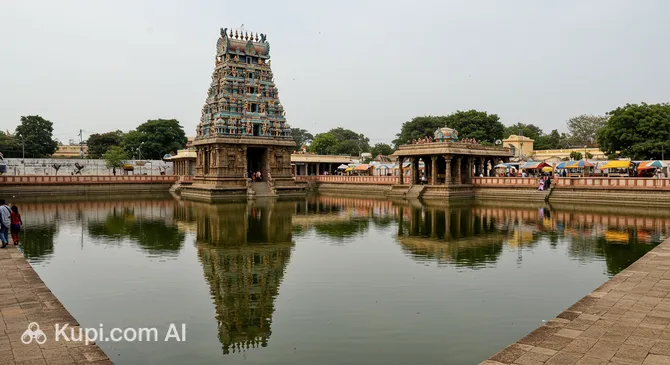
For a change of scenery, visitors should explore the Mariamman Teppakulam. This immense temple tank, situated a short distance from the city center, is one of the largest of its kind in Tamil Nadu. In the center of the tank lies a beautiful mandapam (pavilion) dedicated to Lord Vinayaka. It is particularly famous for the majestic Float Festival held in January or February, where the deities are taken on a boat ride, transforming the tank into a vibrant spectacle of lights and devotion.
Mariamman Teppakulam. Illustration.
Source: Kupi.com AI
Traveler photos:
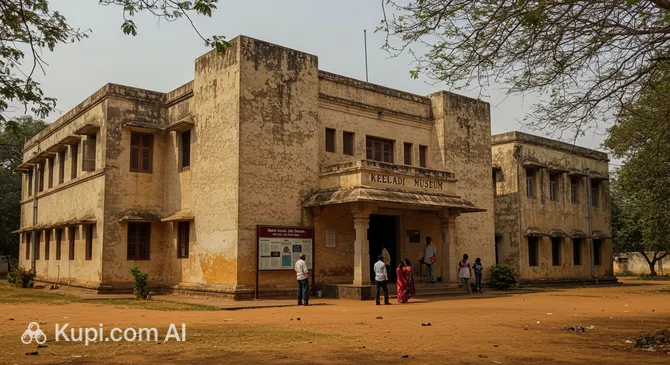
History lovers will find the Keeladi Museum to be an eye-opening experience. Located a short drive from the city, this museum showcases the findings from the Keeladi excavation site. The artifacts displayed here, including pottery, jewelry, and tools, provide compelling evidence of an advanced urban civilization that thrived on the banks of the Vaigai River over 2,500 years ago. It is a fantastic place to learn about the ancient roots of Tamil culture and the sophisticated lifestyle of its early inhabitants.
Keeladi Museum. Illustration.
Source: Kupi.com AI
Traveler photos:
Local Cuisine
Madurai is often hailed as the culinary capital of Tamil Nadu, offering a gastronomic adventure that is as vibrant and colorful as its temples. The city's food culture is legendary, characterized by humble "messes" (local eateries) and bustling street stalls that stay open late into the night, earning Madurai the reputation of a city that never sleeps. The local cuisine is known for its generous use of spices, home-style cooking techniques, and robust flavors that distinguish it from other South Indian regions.
One cannot visit the city without trying the famous Madurai Idli, often described as "Malligai Poo Idli" because it is as soft and white as a jasmine flower. These are typically served with an array of chutneys and spicy sambar. Another unique local invention is the Bun Parotta, a fluffy, multi-layered bread made from flour and egg, which pairs perfectly with spicy meat gravies. Street food enthusiasts will also enjoy the rhythmic sound of Kothu Parotta being prepared on iron griddles, a dish made of shredded parotta mixed with egg, meat, and a spicy sauce.
For meat lovers, the city is a treasure trove of non-vegetarian delicacies. The Kari Dosa is a signature dish—a thick dosa topped with a layer of egg and flavorful minced mutton curry. Kola Urundai, which are spiced minced meat balls tied with banana fiber to keep them intact during frying, are another delicacy that melts in the mouth. These dishes are staples in the many traditional messes scattered across the city, where the focus is entirely on the authenticity of the taste.
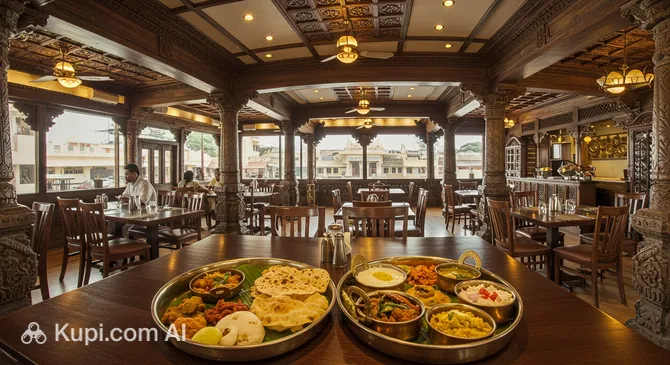
Grand Madurai. Illustration.
Source: Kupi.com AI
Traveler photos:
When it comes to beverages, the iconic Jigarthanda is the undisputed star. This cold dessert drink, made with milk, almond gum, sarsaparilla syrup, and ice cream, is the perfect antidote to the city's heat and a sweet finish to a spicy meal. For something warm and traditional, you can try Paruthi Paal, a nutritious drink made from cottonseed milk, jaggery, and ginger. While the street scene is dominated by these traditional drinks and strong filter coffee, those looking for alcoholic beverages will find them in licensed hotels and bars. For instance, The Banyan Restaurant offers a space to relax with a drink, while Big Shots Pub is another option for evening leisure.
Dining in Madurai ranges from quick bites at roadside stalls to comfortable sit-down meals. If you prefer a refined setting to explore local and multi-cuisine flavors, Grand Madurai is a popular choice among visitors. Whether you are eating off a banana leaf in a crowded mess or dining in a hotel, the hospitality and richness of Madurai's food scene are sure to leave a lasting impression.
Travel Tips
Planning a trip to the vibrant city of Madurai requires a little preparation to fully enjoy its spiritual depth and bustling energy without any hiccups. To help you navigate the "Athens of the East" like a pro, here is a collection of essential practical tips designed for a smooth and memorable experience.
Clothing and Temple Dress Code: Given the tropical climate, lightweight and breathable cotton clothing is your best friend to handle the heat. However, modesty is key, especially when visiting religious sites. For the Meenakshi Amman Temple and others, there is a strict dress code: shoulders and knees must be covered. Men are often encouraged to wear dhotis or trousers (no shorts), while women should wear long dresses, sarees, or loose pants. Always carry a scarf or shawl, and wear slip-on shoes, as you will frequently need to remove footwear.
Getting Around: The most convenient way to navigate the city is by auto-rickshaw, which are ubiquitous. However, drivers rarely use meters, so be prepared to negotiate the fare before hopping in. for a hassle-free experience, ride-hailing apps like Ola and Uber are available and reliable, offering transparent pricing. Public buses connect major parts of the city but can be crowded and confusing for first-time visitors.
Financial Basics: The local currency is the Indian Rupee (INR). While credit and debit cards are accepted at hotels, upscale restaurants, and large shops, cash is king in local bazaars, small eateries, and for transport. ATMs are widely available throughout the city. It is wise to carry small denominations for tips and small purchases. Tipping is not mandatory but appreciated; rounding up the bill or leaving a small amount (10%) at restaurants is standard practice.
Health and Safety: Madurai is generally a safe city for tourists, but it is best to avoid poorly lit or isolated areas late at night. Stick to bottled or filtered water to stay hydrated and avoid street food that looks like it has been sitting out for too long. Pharmacies, known locally as "Medical Shops," are easy to find, and major hospitals like Apollo provide high-quality care if needed. Always carry a small bottle of hand sanitizer and mosquito repellent.
Communication: The primary language is Tamil. While English is widely understood in hotels, tourist spots, and by many shopkeepers, learning a few local phrases goes a long way. A simple "Vanakkam" (Hello) or "Nandri" (Thank you) will earn you warm smiles. You can easily purchase a local SIM card (Jio, Airtel, or Vi) at the airport or mobile shops with your passport and visa copies for seamless connectivity.
Local Etiquette: South India is culturally conservative. Public displays of affection are generally frowned upon and should be avoided. When interacting with locals, receiving or giving objects, and eating (if using your hands), always use your right hand, as the left is considered unclean. It is also polite to ask for permission before taking photos of people, especially women.
What to Avoid: Strictly avoid taking photos inside the inner sanctums of temples; it is often prohibited and considered disrespectful. In fact, mobile phones are banned inside the Meenakshi Amman Temple complex to preserve its sanctity, so be prepared to deposit your electronics in the secure lockers provided at the entrance.
Beat the Crowds: To experience the true soul of the city, start your day early. Visiting the temples or the flower market at 6:00 AM allows you to witness the morning rituals and soak in the atmosphere before the heat and the crowds set in. This is also the best time for photography outside the temple walls.
By keeping these practical tips in mind, you will be well-equipped to embrace the chaotic charm and profound heritage of Madurai. We hope your journey through this ancient city is filled with awe-inspiring moments and warm encounters.
Entertainment & Nightlife
Madurai is famously known as "Thoonga Nagaram," or the city that never sleeps, but its nightlife is distinct from the club-heavy scenes of metropolitan India. Here, the evening energy is driven by bustling night markets, late-night food stalls, and a growing number of sophisticated lounges located within upscale hotels. The atmosphere is generally relaxed and culturally rich, offering a blend of traditional vibrancy and modern leisure.
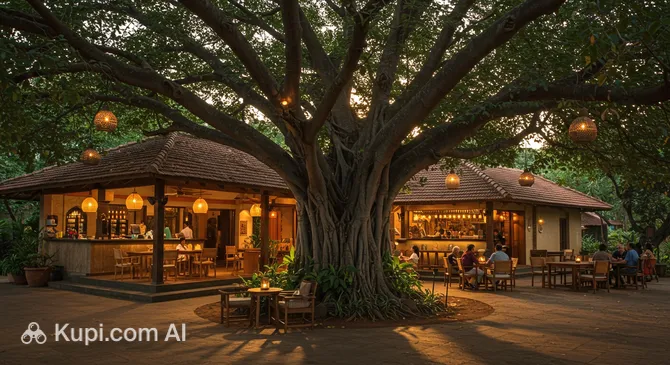
For those seeking a refined evening with beverages and music, the options are primarily concentrated in the city's top-tier hotels. The Banyan Restaurant, situated within the Heritage Madurai hotel, is a standout venue. Set amidst lush greenery with an open-air ambiance, it offers a serene setting to unwind with a drink after a day of sightseeing. It is an ideal spot for a quiet conversation and enjoys a reputation for excellent service and a sophisticated crowd.
The Banyan Restaurant. Illustration.
Source: Kupi.com AI
Traveler photos:
If you prefer a more classic pub experience, Big Shots Pub is another popular choice. Located centrally, it attracts a mix of locals and tourists looking for a lively atmosphere, good music, and a wide selection of spirits and cocktails. These venues typically remain open until around 11:00 PM or midnight. The dress code is usually smart casual; while not strictly formal, it is best to avoid beachwear or overly casual attire when visiting these hotel bars.
Beyond the bars, the true pulse of Madurai's nightlife beats in its streets. The areas around the Meenakshi Amman Temple and Town Hall Road remain active late into the night. This is the best time to explore the night markets, where you can shop for textiles and handicrafts or indulge in the city's legendary street food scene. The streets are safe for walking, though the crowds can be dense.
Madurai Eco Park. Illustration.
Source: Kupi.com AI
Traveler photos:
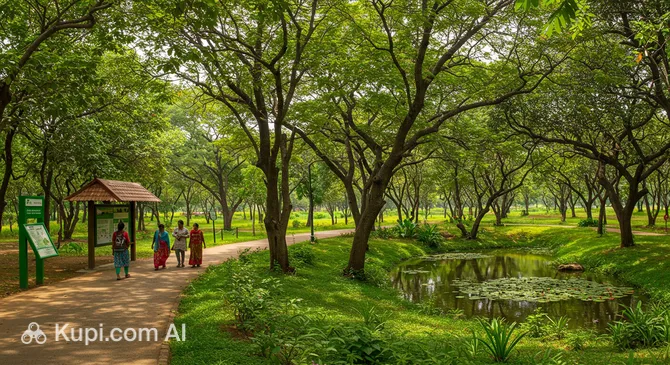
During the day, entertainment options extend to family-friendly spots and cultural venues. The Madurai Eco Park is a fantastic green space for a leisurely afternoon stroll, featuring illuminated fountains and play areas that come alive in the evening. Additionally, the city has a strong cinema culture, and catching a Tamil movie at a local theater is a high-energy experience worth trying for a glimpse into local pop culture.
When venturing out at night, safety is generally not a major concern in main areas, but it is advisable to stick to well-lit streets. For transportation, auto-rickshaws are readily available around the clock, though you should agree on a fare beforehand or use ride-hailing apps like Ola or Uber for a hassle-free journey. Prices for food and transport are very reasonable, making a night out in Madurai both enjoyable and budget-friendly.
Parks & Museums
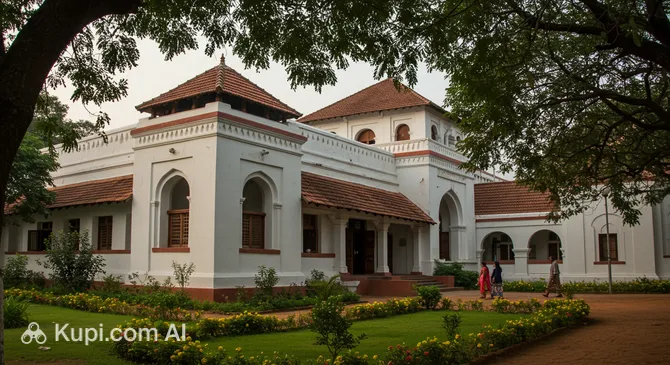
While Madurai is primarily famous for its ancient temples, the city also hosts several remarkable institutions that preserve its rich history and cultural identity. A visit to the Gandhi Memorial Museum is essential for history enthusiasts. Housed in the historic Tamukkam Palace, which was built by the Nayak Queen Rani Mangammal, this museum is one of the five dedicated to Mahatma Gandhi in the country. It holds a special significance as it was in Madurai that Gandhi adopted his signature loincloth attire. The museum displays an impressive collection of his personal letters, photographs, and the blood-stained garment he wore during his assassination, offering a poignant glimpse into India's struggle for independence.
Gandhi Memorial Museum. Illustration.
Source: Kupi.com AI
Traveler photos:
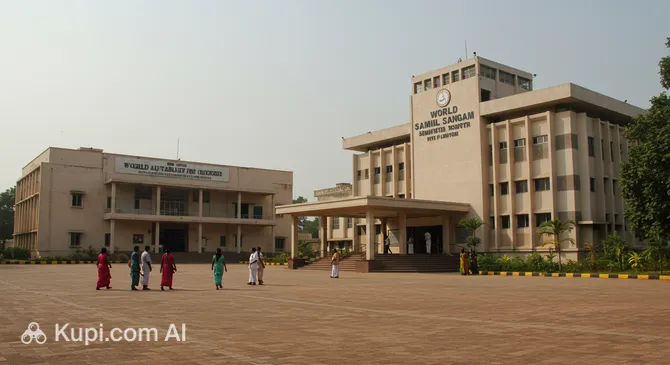
For those interested in the linguistic heritage of the region, the World Tamil Sangam is a modern architectural marvel dedicated to the evolution and promotion of the Tamil language. The complex is set within a spacious campus and features a large library, literary halls, and exhibits that celebrate the classical antiquity of Tamil literature. It serves as a vibrant center for conferences and scholarly gatherings, making it a quiet yet inspiring stop for culture lovers.
World Tamil Sangam. Illustration.
Source: Kupi.com AI
Traveler photos:
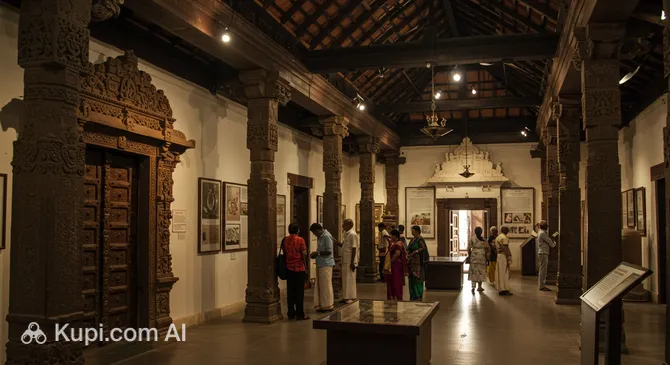
Travelers looking for a more offbeat experience should explore Raj's Know How Arts & Crafts Museum. This private museum is a hidden gem that showcases the ingenuity of local craftsmanship. The collection includes a fascinating array of working models, intricate wood carvings, and art pieces created from recycled materials. It is an interactive and educational space that provides a delightful contrast to the city's more traditional historical sites, appealing especially to students and those with a curiosity for creative engineering.
Raj's Know How Arts & Crafts Museum. Illustration.
Source: Kupi.com AI
Traveler photos:
Although the city's green spaces are often bustling, the Tamukkam Grounds surrounding the Gandhi Museum offer a pleasant area for a walk amidst old trees. Visitors can combine a tour of the museum with a relaxing stroll in these gardens, which have served as a public gathering space for centuries. Whether you are tracing the footsteps of freedom fighters or admiring local art, Madurai’s museums offer a deeper understanding of the city's soul beyond its religious landmarks.
Getting Around
Navigating Madurai is an experience in itself, reflecting the city's energetic and bustling character. The public transport system is primarily road-based, relying heavily on a vast network of buses and the ubiquitous auto-rickshaws. Unlike some of India's larger metropolises, Madurai does not currently have an operational metro rail system, trams, or trolleybuses. Instead, the city moves to the rhythm of its engines and horns, offering a raw and authentic way to explore the streets.
The backbone of local transit is the city bus service operated by the Tamil Nadu State Transport Corporation (TNSTC). These buses connect the city center, particularly the area around the Periyar Bus Stand and the Mattuthavani Integrated Bus Terminus, to virtually every neighborhood and suburb. The buses are color-coded, often appearing in shades of red, pink, or blue. While they are an incredibly economical way to travel, they can get quite crowded during peak hours. For a slightly more comfortable ride, look for "Deluxe" or "Air-conditioned" buses, though these are less frequent than the standard non-AC options.
For shorter distances or more direct routes, auto-rickshaws are the most popular choice. You will see these three-wheeled vehicles everywhere. They are perfect for weaving through the narrow streets around the temple complex where larger vehicles struggle to pass. A unique local alternative is the "Share Auto," which functions like a minibus. These larger autos run on fixed routes and pick up multiple passengers along the way, offering a middle ground between the privacy of a taxi and the low cost of a bus.
When it comes to payment, cash is the undisputed king of Madurai's public transport. For city buses, you purchase your ticket directly from the conductor on board after you take your seat; prices are very low, often costing just a few rupees. It is essential to carry small denominations of Indian Rupees (coins and small notes), as conductors may not always have change for large bills. For standard auto-rickshaws, meters are rarely used, so you must negotiate and agree on a fare before starting your journey. "Share Autos" have fixed, non-negotiable rates that are slightly higher than bus fares but very affordable.
For tourists seeking a hassle-free experience without the need to bargain, app-based taxi and auto services like Ola and Uber are widely available and highly recommended. These apps allow you to book rides with transparent, fixed pricing and offer the convenience of paying via digital methods or cash. Private taxis (cabs) can also be booked for full-day sightseeing tours, which is a comfortable option if you plan to visit multiple attractions on the outskirts, such as the Alagar Koyil or the Gandhi Museum.
Public transport generally operates from early morning, around 5:00 AM, until late at night, roughly 10:30 PM or 11:00 PM. However, frequency drops significantly after 9:00 PM. If you are traveling by bus, pay attention to the destination boards, which are often written in Tamil. Don't hesitate to ask locals or the conductor for help; the people of Madurai are known for their hospitality and will gladly guide you to the right bus. For safety and comfort, avoid boarding moving buses and be mindful of your belongings in crowded spaces.
Accommodation
Accommodation in Madurai caters to a diverse range of visitors, from pilgrims seeking simple lodgings to leisure travelers looking for luxury and history. The city offers a broad spectrum of options, including budget-friendly lodges, comfortable mid-range business hotels, and exquisite heritage resorts. Because the city is a major religious hub, there is an abundance of affordable guesthouses, particularly around the central temple area, while upscale properties tend to be located slightly further out, offering more space and tranquility.
For those who wish to be in the thick of the action, staying near the Meenakshi Amman Temple and Town Hall Road is the most convenient choice. This area places you within walking distance of the main sights, bustling markets, and street food stalls, though it can be quite noisy and crowded. If you prefer a quieter environment, neighborhoods like KK Nagar and the bypass road areas offer modern hotels with better amenities and easier access to the airport and highway, making them ideal for families and travelers seeking relaxation.
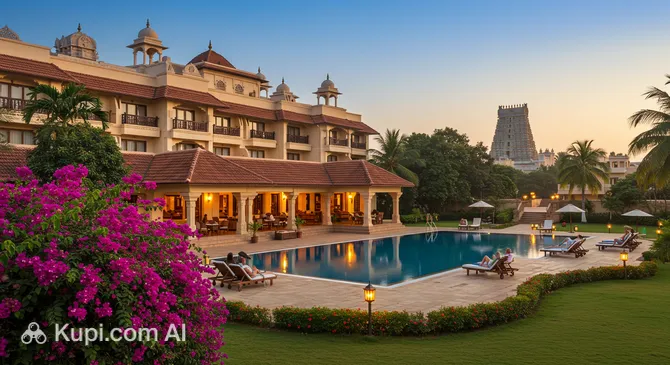
Travelers looking for a unique blend of colonial charm and modern luxury might consider staying at Heritage Madurai. This resort is renowned for its restored 17th-century architecture, lush gardens, and private plunge pools, providing a serene oasis away from the city's chaotic energy.
Heritage Madurai. Illustration.
Source: Kupi.com AI
Traveler photos:
Another excellent option for visitors is Ramrathna Residency, which is well-regarded for its clean, comfortable rooms and warm hospitality. It serves as a great base for families and groups who prioritize modern conveniences and reliable service during their stay.
Ramrathna Residency. Illustration.
Source: Kupi.com AI
Traveler photos:
Booking Tip: Madurai is a year-round destination, but hotels can fill up quickly during the peak winter months (December to January) and major religious festivals like the Chithirai Festival in April/May. It is highly recommended to book your accommodation at least a few weeks in advance during these times to secure your preferred choice.
In terms of pricing, Madurai is generally more affordable than India's major metropolitan cities. Budget travelers can find decent rooms for very reasonable rates, while even the luxury heritage resorts offer good value compared to international standards. Most hotels and guesthouses can be easily booked via major online travel platforms, though some smaller lodges near the temple may still operate primarily on direct walk-ins or phone reservations.
Nearby Cities
The region surrounding Madurai is dotted with historic towns and bustling suburbs that are integral to the city's cultural and economic landscape. These nearby localities offer a mix of spiritual heritage and local commerce, providing travelers with a broader perspective of the district. Many of these places are just a short drive from the city center, making them easy to visit for a quick excursion or to witness the daily rhythm of life in Tamil Nadu outside the main urban hub.
One of the most significant neighboring towns is Tirupparankundram, famous for its ancient rock-cut temple which is a major pilgrimage destination. Closer to the city limits, Vandiyur is well-known for the expansive Mariamman Teppakulam temple tank, a focal point for local festivals. To the south, Tirumangalam stands as a prominent commercial center, while suburbs like Avaniyapuram and Anaiyur are rapidly developing areas that seamlessly blend into the expanding metropolitan fabric of Madurai.
For those planning to explore the surroundings, here is a guide to the closest cities and towns:
City
Population
Distance
Anaiyur
50 569
4 km
Vilangudi
27 940
4 km
Vandiyur
29 009
4 km
Avaniyapuram
69 967
5 km
Kannanendal
21 137
5 km
Shopping & Souvenirs
Shopping in Madurai offers a vibrant journey through time, where centuries-old bazaars coexist with modern retail spaces. The city is renowned for its rich textile heritage, particularly its cotton fabrics and intricate handicrafts. Visitors will find that the shopping experience here is as much about soaking in the bustling atmosphere of the streets as it is about the products themselves. From colorful garments to exquisite metalware, the city provides a treasure trove of authentic Indian goods.
The heartbeat of the city's commercial activity lies in the streets surrounding the Meenakshi Amman Temple. The Chithirai Streets, Avanimoola Streets, and Masi Streets form a concentric network of markets that have thrived for generations. Town Hall Road is another major artery, lined with shops selling everything from electronics to textiles. For those interested in traditional tailoring and fabrics, the historic Puthu Mandapam, located just opposite the temple's eastern tower, is an absolute must-visit. It is a cavernous hall filled with rows of tailors and stalls selling books, puja items, and bronze vessels.
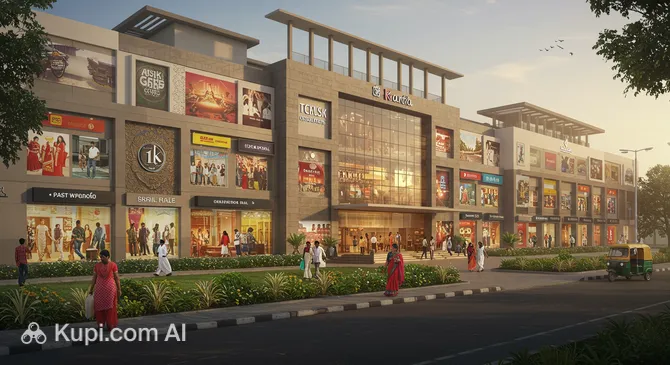
While the traditional markets are the main attraction, the city also caters to those looking for a modern retail environment. The Iyer Bungalow Shopping Mall is one such destination where visitors can find branded apparel, accessories, and other contemporary goods in air-conditioned comfort. It serves as a convenient stop for travelers who need everyday essentials or wish to browse through standard retail outlets.
Iyer Bungalow Shopping Mall. Illustration.
Source: Kupi.com AI
Traveler photos:
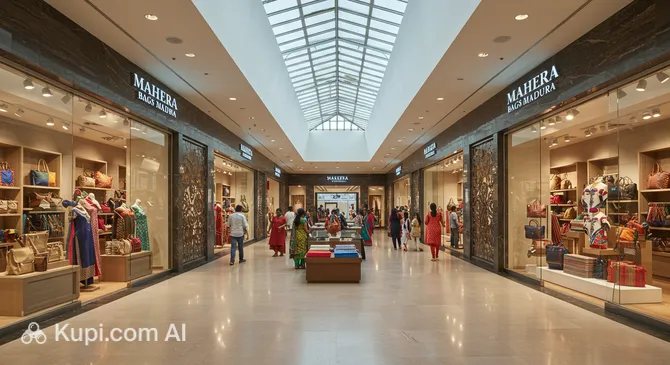
For a specialized shopping experience, particularly for travelers looking for luggage or quality bags, Madura Bags is a well-known establishment in the city. Apart from these specific stores, the local markets are the best places to explore. The Mattuthavani Flower Market is a sensory delight, famous for its heaps of fresh jasmine flowers (Madurai Malli) that are exported globally. Even if you don't plan to buy, the sight and smell of tons of fresh blooms are an unforgettable experience.
Madura Bags. Illustration.
Source: Kupi.com AI
Traveler photos:
When it comes to souvenirs, the Sungudi Saree is the city's crowning glory. These cotton sarees, known for their tie-dye patterns and natural colors, make for a perfect gift or keepsake. Other popular items include intricate brass and bronze ware, which the city is famous for manufacturing. You can also look for wooden toys, Thanjavur paintings, and handcrafted jewelry. The vibrant colors and craftsmanship of these local products reflect the artistic soul of Tamil Nadu.
Most shops in Madurai open around 10:00 AM and close by 9:00 PM or 10:00 PM. However, the flower markets and some tea stalls begin business in the early hours of the morning. While modern showrooms and malls accept credit and debit cards, cash is the preferred mode of payment in the local bazaars, small handicraft shops, and for street vendors. It is advisable to carry sufficient small denominations when exploring the street markets.
Regarding tax refunds, India generally does not offer a VAT refund system for tourists on standard retail purchases similar to those found in Europe or other regions. The price you see on the tag is typically the final price, inclusive of all taxes (GST). Therefore, visitors should not expect to claim tax back at the airport upon departure.