Support

Latur

About

Latur is a distinctive city in the state of Maharashtra that often stays in the shadow of larger tourist centers but possesses its own unique charm. Located in the Marathwada region, this city of about 400,000 people is an important trade and educational hub where tradition harmoniously intertwines with modernity. A trip here allows you to see what the real, non-touristy India is truly like.

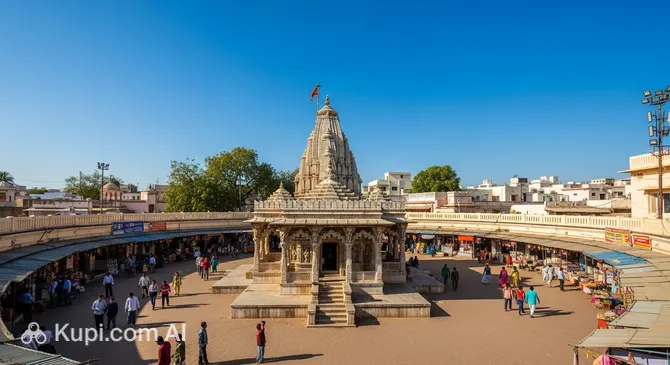
Latur. Illustration.
Source: Kupi.com AI

The city is known not only for its agricultural success but also for its cultural past. The ancient history of Latur has left a significant mark on the region: it is believed that the city developed thanks to King Amoghavarsha, and over the centuries, it passed under the rule of various great dynasties, including the Rashtrakutas.

The main landmark of the city is Ganj Golai — a unique architectural complex and market in the city center. This massive circular building has 16 roads radiating from it like sun rays, connecting various market quarters. Additionally, the city's surroundings attract travelers with the Kharosa Caves and their ancient sculptures, as well as the Siddheshwar Ratneshwar Temple dedicated to Lord Shiva.

Visiting Latur will be a great experience for those seeking authentic impressions, wishing to get acquainted with local architecture and feel the sincere hospitality of the people of Maharashtra.

Weather Overview

The climate of Latur can be described as tropical, with clearly defined seasons that significantly affect travel comfort. To choose the ideal time for your trip and avoid exhausting heat or prolonged downpours, it is useful to know in advance what weather in Latur is expected on your planned dates.

Winter (December to February) is considered the most favorable period for a visit. The average temperature during these months stays at a comfortable +22...+24°C, and the nights bring a pleasant freshness when the air cools to +16°C. Precipitation during this time is very rare, so nothing will interfere with city walks.

Summer heat begins in March, reaching its peak in May. During this month, the average temperature rises to +32.6°C, and daytime maximums often exceed +38°C. With the arrival of June, the situation changes: the monsoon season begins, lasting until September. The temperature becomes milder (+25...+28°C), but the number of rainy days increases sharply, reaching its peak in July (up to 25 days with precipitation).

Expect a very hot summer, a humid monsoon season with frequent rains, and a dry, moderately warm winter.

Average monthly temperature

Average monthly precipitation

Interesting Facts

Beyond its main attractions, Latur holds many fascinating secrets that reveal the city from an entirely unexpected side — from unique natural zones to phenomenal successes in modern science.

  • The "Latur Pattern" Phenomenon: The city is famous for its unique contribution to the development of education. The local teaching methodology, known as the "Latur Pattern," has made the region famous throughout India. Thanks to this special preparation system, local students consistently show record-breaking results in state exams, gaining admission to the country's prestigious medical and engineering colleges.

  • Impact on the Pulse Market: Latur plays a key role in the food economy. It is a major trading hub for agricultural crops, especially for lentils (Toor Dal). The quality of the local product is considered a benchmark, and the prices set at the Latur wholesale market often serve as a guide for traders across the country.

  • The Hill of Medicinal Herbs: Not far from the city lies Wadwal Nagnath Hill, which is a true natural pharmacy. This place is known for very rare species of Ayurvedic plants. It is believed that the hill's unique microclimate endows the herbs with unique healing properties, attracting researchers and practitioners of traditional medicine.

  • The Lowland Fort: Located in the vicinity of Latur is the historical Ausa Fort, which differs from the region's traditional mountain fortresses. It is built in a depression, almost at ground level, making it hidden from enemy eyes from a distance. Inside, ancient buildings and massive cannons remain, testifying to its former military might.

How to Get There

When planning a trip to this region of Maharashtra, it is important to think through your route in advance, as the city is located away from the major metropolises. You can find all the ways to get to Latur on a separate page, and below we will look at the main transport hubs that serve as gateways to this colorful land.

There is no active commercial airport in Latur itself that accepts regular flights, so travelers usually fly into nearby large cities. One of the most convenient options is Rajiv Gandhi International Airport (HYD). It is located in Hyderabad, about 237 km from Latur. This is a major international hub with excellent connections. The journey from here by taxi or bus will take about 6 hours and 15 minutes.

The closest airport to the city is Chikkalthana Airport (IXU), located in Aurangabad at a distance of about 202 km. This is a regional airport with lower passenger traffic, but it allows for shorter ground transfer time: the journey to Latur will take approximately 5 hours and 25 minutes.

Many tourists also choose Pune Airport (PNQ) in the city of Pune. Although it is further away — about 280 km (a journey of about 7 hours and 20 minutes) — it is an important transport hub in the state with a large number of domestic flights.

For convenience, here is a summary of the main airports within accessible range:

AirportPassenger trafficDistance
Nanded146 731117 km
Kalaburagi Airport39 434129 km
Chikkalthana Airport695 174202 km
Rajiv Gandhi International Airport29 mln237 km
Shirdi741 540270 km

Rail links also play a key role in the region's transport accessibility. Although our list does not include detailed data on the nearest stations, it is worth noting that Latur Railway Station functions within the city itself. It connects the city with metropolises such as Mumbai and Pune via regular expresses (for example, the Latur Express). A train journey is often a more comfortable and budget-friendly alternative to a long car or bus ride.

Main Attractions

Latur's attractions are a blend of impressive historical architecture and significant religious sites. The city and its surroundings preserve the memory of ancient dynasties and great battles, offering tourists a chance to immerse themselves in the atmosphere of the past. Here are several iconic places to include in your travel itinerary.

Ganj Golai
This is the architectural heart of the city and its most recognizable symbol. Built in the early 20th century, the complex is a unique example of urban planning: at its center is a temple to the goddess Jagdamba, with 16 roads radiating outwards, along which market stalls are located. Tourists come here not only for shopping but also to appreciate the thoughtful layout and to climb to the observation deck, which offers a panoramic view of Latur's busy streets.

Udgir Fort
A majestic fortress dating back to the 12th century, it stands as a witness to the region's rich military history. The fort is famous as the site of a historic battle between the Marathas and the Nizams. Ancient inscriptions in Persian and Arabic, as well as a deep underground passage, have been preserved on the grounds. Of particular interest is the Samadhi (tomb) of Udaygiri Maharaj himself, located 60 feet below ground level, giving the place an aura of mystery.

Kharosa Caves
Located about 45 km from the city, this cave complex dates back to the 6th century and is an important monument of the Gupta era. The caves are carved into laterite rock and decorated with skillful sculptures of Hindu deities, including Shiva, Parvati, and Narasimha. Near the caves stands a statue of a seated Jain Tirthankara. This site attracts history and art lovers with its ancient energy and the craftsmanship of ancient sculptors.

Ausa Fort
An interesting example of fortification art, built not on a hill but in a depression, making it virtually invisible to enemies from a distance. The fortress is surrounded by a moat that was once filled with water to protect against invaders. Inside the fort, you can see ancient cannons and the remains of palace structures (Mahal), which, despite the ravages of time, still demonstrate former grandeur.

Siddheshwar Ratneshwar Temple
Located just 2 km from the city, this ancient temple is dedicated to Lord Shiva and is an important pilgrimage site. The temple is famous for its intricate stone carvings and calm, peaceful atmosphere. Every year, a large fair is held here in honor of the Mahashivaratri festival, gathering thousands of believers and tourists from all over India.

Local Cuisine

Latur's gastronomic scene is a true adventure for lovers of bold flavors. The city belongs to the Marathwada region, whose cuisine is famous for its "heat" and generous use of spices. The food here is simple, hearty, and incredibly aromatic, reflecting the agricultural nature of the area.

The main dish that every traveler must try is Zunka Bhakri. It is a staple of the local diet: an unleavened flatbread made from sorghum (jowar) or millet (bajra) flour, served with a thick, spicy paste of chickpea flour with onions, garlic, and peppers. Often this dish is accompanied by Thecha — a fiery condiment made of pounded green chilies and garlic. For breakfast, Misal Pav is ideal — a spicy curry made of sprouted beans, topped with crunchy noodles (farsan) and served with soft buns.

As for drinks, in Latur, as in all of India, the king of the table remains masala chai — sweet, strong, and brewed with milk and spices. To soften the spiciness of local dishes, tourists often order Taak — a local variety of buttermilk with added coriander, ginger, and a pinch of salt. Alcohol is available in specialized bars and hotel restaurants but is not part of the traditional street food culture.

The food culture in Latur is democratic and centered around street stalls and small family-run eateries called "khanawals." The epicenter of gastronomic life can be found in the area around the Ganj Golai market. In the evenings, a real fair of flavors unfolds here: the smells of deep-fried snacks (bhaji) and fresh pastries fill the air, attracting both locals and visitors looking for a quick and tasty bite.

Travel Tips

Traveling to Latur is an immersion into the real, non-touristy life of Maharashtra, and a little advance preparation will make this experience as comfortable and safe as possible. Here are several tried-and-tested tips to help you feel confident in this colorful city and avoid common beginner mistakes.

  1. Clothing and Appearance. Given the region's hot climate, opt for clothing made of natural breathable fabrics like cotton or linen. Latur is a city with a traditional lifestyle, so tourists (both women and men) are advised to dress modestly: avoid short shorts and bare shoulders. Be sure to bring comfortable shoes that are easy to take off, as this is mandatory when entering temples and some homes.

  2. Transport Nuances. The main way to get around the city is by auto-rickshaw. Unlike in major cities, drivers here rarely use meters, so it is extremely important to agree on the fare in advance before you get into the vehicle. Taxi apps may be insufficient or have long wait times, so rely on local means of transport.

  3. Financial Matters. Although digital payments are rapidly developing in India, Latur is a city of cash. Credit cards are accepted in hotels and large restaurants, but in markets, small shops, and auto-rickshaws, you will need rupees. Try to always have small bills (denominations of 10, 20, 50, 100 rupees) with you, as sellers often don't have change for large banknotes.

  4. Health and Hygiene. The main rule is to drink only bottled water and check that the cap is sealed when purchasing. Avoid ice in drinks at street cafes. Pharmacies are available in the city, but many medicines may have local names, so it is better to bring a basic first-aid kit (remedies for indigestion, antiseptics, plasters) with you. Also, don't forget a strong sunscreen and a hat.

  5. Language Barrier. The primary language spoken here is Marathi. Many residents understand Hindi, but not everyone speaks English, mostly just young people and those in the education sector. We recommend downloading an offline translator or learning a few phrases in Marathi, such as "Namaskar" (Hello) or "Dhanyawad" (Thank you) — this will instantly win over the locals.

  6. Local Etiquette. In local culture, the left hand is considered "unclean." When handing over money, eating (if eating with your hands), or shaking hands, always use only your right hand. When visiting religious sites like the Siddheshwar Temple, maintain silence and follow the instructions of the staff. Only take photos of people, especially women, with their permission.

  7. What to Avoid. Refrain from public displays of affection (kissing and hugging) on the streets, as this may be perceived as disrespectful in a conservative society. Also, for sanitary safety, you should not pet street dogs or cows, no matter how cute they may seem.

  8. Shopping Tip. When visiting the famous Ganj Golai market, remember that bargaining is not just appropriate but expected. Sellers often hike prices for foreigners, so feel free, but with a smile, to offer your price. The best time to visit the market is early morning when it's not too hot and the freshest produce arrives.

Latur is a hospitable city where curiosity and respect for local traditions will open any door. By following these simple recommendations, you can focus on exploring ancient architecture and enjoying the unique atmosphere of the country without extra worries.

Entertainment & Nightlife

The nightlife in Latur differs significantly from bustling metropolises like Mumbai or Pune. It is a city with a traditional way of life, where the concept of "evening entertainment" usually boils down to a late dinner with family, going to the cinema, or a leisurely stroll through busy shopping streets. You won't find neon signs for 24-hour nightclubs with DJs here, but the city has its own cozy evening charm that allows you to relax after a busy day.

The epicenter of evening activity remains the Ganj Golai area. With the onset of dusk, this historical part of the city is transformed: the Jagdamba temple is illuminated, and the market rows fill with locals. It is the best place for an evening promenade where you can feel the true rhythm of the city, try street food, and buy souvenirs. The atmosphere here is lively and noisy, yet safe and friendly.

If you are looking for a place to have a glass of beer or a cocktail, you should look for restaurants and bars in major hotels. In Latur, the bar culture (often called "Permit Rooms") is quite conservative. Such establishments usually operate until 11:00 PM or midnight. Popular spots include the restaurant at the Carnival Resort, known for its cuisine and pleasant environment suitable for a quiet evening. Tourists also frequently visit the restaurant at the Hotel Grand International, which offers good service and a varied menu in a comfortable air-conditioned atmosphere.

Culture enthusiasts should check out the city's cinemas. Going to the movies is one of the main forms of entertainment for local youth and families. Latur has both modern multiplexes (such as PVR) and classic cinema halls showing the latest Bollywood and regional films. Shows can end late, making it one of the few leisure options available late in the evening.

During the day, the city's entertainment program is more educational. Tourists can visit parks such as Nana Nani Park, which is a great place to relax in the shade of trees. Several cultural centers and small theaters also operate in the city, occasionally hosting plays in the Marathi language that reflect the region's rich theatrical traditions.

Practical Tips and Safety:

  • Opening Hours: Most establishments close fairly early, around 10:30–11:00 PM. Plan your dinner in advance.
  • Transport: Catching an auto-rickshaw on the street at night can be difficult. It is recommended to arrange with a driver in advance to pick you up from the restaurant or ask hotel staff to call for transport.
  • Safety: Latur is a safe city, but avoid walking alone in poorly lit outskirts late at night. Central areas like Ganj Golai are safe as long as people are around.
  • Dress Code: Casual style is accepted in restaurants and bars, but overly revealing clothing may attract unwanted attention.

Parks & Museums

While Latur is not famous for massive museum complexes on a metropolitan scale, the city and its surroundings offer travelers a unique combination of natural areas for relaxation and historical monuments that serve as true open-air museums. Here, cultural heritage is captured in the stone of ancient fortresses and caves, while green zones allow for a break from the bustle of the shopping streets.

Nana Nani Park
This is one of the most popular green oases within the city, created specifically for family relaxation and leisurely walks. The park features well-maintained grounds, shady alleys, and seating areas, making it an ideal place to hide from the midday heat or spend an evening. Tourists appreciate this place for its calm atmosphere and the opportunity to observe the daily life of locals who come here to socialize and relax.

Wadwal Nagnath Hill (Wadwal Nagnath Bet)
Located about 40 km from the city, this natural area is a unique botanical phenomenon. The hill is known as a growing site for very rare species of medicinal herbs and plants used in Ayurveda. For tourists, it is an opportunity for a light trek, to enjoy panoramic views of the surrounding plains, and to breathe air that locals consider healing. It is especially beautiful here during the monsoon season, when the hill is covered with a thick green carpet.

Since there are no large state museums in the traditional sense in Latur, the role of primary guardians of history and art is played by ancient architectural complexes.

Kharosa Caves — A Gallery of Stone Architecture
This cave complex can confidently be called the region's main art gallery. Created in the 6th century, the caves demonstrate the mastery of ancient sculptors from the Gupta era. The walls of the halls are decorated with bas-reliefs depicting Shiva, Parvati, and other deities, as well as scenes from epics. This site will be of interest to anyone fond of art history who wants to see how the culture of stone carving developed in Maharashtra long before the appearance of modern museums.

Udgir Fort — A Historical Museum
Udgir Fort serves as a living witness to the military history of the region. Walking through its territory, tourists can study 12th-century architecture: massive bastions, complex water supply systems, and surviving inscriptions in Persian. Special attention should be paid to the Samadhi (tomb) of Udaygiri Maharaj, located deep underground. A visit to the fort replaces an excursion to a local history museum, allowing you to touch walls that have seen great battles between the Marathas and the Nizam dynasty.

Insider Tip:
If you are looking for solitude and beautiful landscapes, head to Hattibet Devarjan. This is a picturesque hill near the city, known for its ancient rock paintings and cave temples, which are visited by far fewer tourists than Kharosa. It is a great place for a picnic and to discover the unexplored history of the region.

Getting Around

The public transport system in Latur differs significantly from what residents of metropolises are used to. There is no metro, tram, or extensive network of city trains here. Movement around the city is somewhat chaotic but quite functional, with maneuverable three-wheeled vehicles and buses playing the lead role.

Auto-rickshaws are the primary and most popular form of transport in the city. They can be found on literally every corner. There are two types of rickshaw rides: "private" (individual) and "shared" (collective). Shared rickshaws work like minibuses: they follow specific routes (for example, from the bus station to the Ganj Golai market) and pick up passengers until the cabin is full. This is the most budget-friendly way to get around inside the city.

City buses are managed by the state corporation MSRTC (Maharashtra State Road Transport Corporation). These red buses, often called "ST buses" by locals, ply the main highways and connect the center with the outskirts and nearby villages. They are a reliable option if you need to reach distant attractions such as the Kharosa Caves or the Siddheshwar Temple, but within the city itself, they can be less convenient due to infrequent stops and a schedule that isn't always predictable.

The fare payment system in Latur is conservative and based almost exclusively on cash. There are no universal travel cards, turnstiles, or mobile apps for buying city transport tickets.

On buses, tickets are purchased directly from the conductor inside the cabin after boarding. The cost depends on the distance and is usually a small amount (from 10 to 50 rupees). In auto-rickshaws, payment is made to the driver at the end of the trip. Although digital payments (via UPI QR codes) are becoming increasingly popular in the region, it is safest for a tourist to carry a supply of small notes and coins, as drivers often do not have change for large banknotes.

As for modern taxi services like Uber or Ola, their presence in Latur is unstable. Cars may be unavailable, or the waiting time may be too long. As an alternative, renting a car with a driver for the whole day is popular here. This can be done through your hotel reception or at local travel agencies. This option is ideal for comfortably seeing all the sights without having to look for transport in the heat every time.

Practical Tips for Tourists:

An important nuance when using auto-rickshaws: meters are used very rarely here. Always agree on the price before getting in. If you don't know the approximate cost, ask a local resident or hotel staff how much a ride to your destination should cost to have a reference point for bargaining.

Transport operating hours are not strictly fixed. Buses usually run from early morning until 9:00–10:00 PM. Auto-rickshaws are available around the clock, but at night (after 10:00 PM), fares can increase by 1.5 to 2 times, and catching a vehicle on the street becomes more difficult.

Accommodation

Latur offers travelers predominantly functional and affordable accommodation options. Since the city is not a mass international tourist destination, it is difficult to find luxury 5-star hotel chains here. The hotel stock mainly consists of mid-range hotels catering to business travelers, as well as budget lodges and guest houses popular with pilgrims.

In terms of location, the city center is considered most convenient for tourists, especially the areas near the Central Bus Stand and Shivaji Chowk. Staying here provides quick access to Ganj Golai market and major transport hubs, making it easy to get anywhere. If you are looking for a quieter atmosphere and resort-style comfort, consider hotels located on the outskirts of the city or along the main exit highways (such as the road to Barshi), where hotel grounds are more spacious and green.

In the more comfortable accommodation segment, places like Carnival Resort and Hotel Grand International stand out. These hotels usually offer guests modern air-conditioned rooms, on-site restaurants with quality cuisine, and sometimes additional amenities like gardens or banquet halls, making them a great choice for family vacations.

The price range in Latur is quite democratic. A budget room can be found for between 800 and 1,500 rupees, while comfortable options in the city's best hotels will cost on average between 2,500 and 4,500 rupees per night. This makes the trip accessible even for budget-conscious travelers.

Regarding booking, it is recommended to use verified online platforms for larger hotels to guarantee availability and a fixed price. For smaller budget hotels, direct booking by phone often works. It is important to keep in mind that during the Indian wedding season and large religious festivals, demand for quality accommodation rises sharply, so it is worth booking rooms in advance.

Nearby Cities

For those who want to explore the surrounding area, Latur serves as an excellent starting point for day trips to several interesting nearby locations:

Just 40 km from the city is Ambajogai, often called the cultural capital of the Marathwada region. This place attracts pilgrims with the ancient Yogeshwari Temple, and history lovers with the Shivaleni cave complex carved into the rocks. The trip here will take less than an hour and allow you to immerse yourself in the spiritual atmosphere of the region.

Another popular destination is Osmanabad (now known as Dharashiv). The city is famous for its historical Dharashiv Caves, dating back to the 5th–7th centuries, which represent a unique monument of Buddhist and Jain architecture. The city also serves as a base for visiting the famous Tulja Bhavani Temple.

If you are interested in fortification art, it is worth heading to Basavakalyan. This city is historically significant as the capital of the Kalyani Chalukya dynasty. An ancient fort and many monuments related to the life of social reformer Basaveshwara have been preserved here.

CityPopulationDistance
Sumbha13 24635 km
Nilanga72 00037 km
Ambajogai74 84440 km
Ahmadpur9 24252 km
Hipparga10 11757 km

These nearby destinations provide an insight into the diverse culture and landscapes of the region, making your journey through the state of Maharashtra even more rewarding.

Shopping & Souvenirs

Shopping in Latur is an opportunity to immerse yourself in the authentic atmosphere of commercial life in the Indian heartland. Unlike metropolises with their endless glass shop windows, trade here maintains a traditional way of life: noisy bazaars, family shops with long histories, and lively interaction with vendors. The city does not claim to be a fashion capital but offers quality local goods, textiles, and, of course, the famous agricultural products the region is known for.

Main Shopping Areas and Streets

The heart of all trading activity in Latur is the Ganj Golai area. It is not just a market, but a unique urban site: 16 roads radiate from the central temple, each specializing in certain goods. Here you can find separate streets for jewelers (Sarafa Line), and rows with clothing, footwear, and household items. For those looking for more modern shops and branded showrooms, head to Ausa Road. This street has become a symbol of the new Latur, featuring electronics stores, modern clothing boutiques, and cafes.

Shopping Centers

You won't find giant world-class malls in Latur, but the city is actively developing modern medium-sized shopping complexes. Popular spots include Galaxy Mall (part of the Abbas Complex) or Nirmal Heights. In these centers, locals usually buy branded clothing, visit cinemas, and relax in food courts. This is a good option if you need to purchase familiar European goods or simply want to hide from the midday heat in an air-conditioned space.

Markets

In addition to Ganj Golai, which is a massive market in itself, it is worth visiting specialized bazaars in the city. The Vegetable Market impresses with its variety of fresh produce and vibrant colors — this is where the region's agricultural power is best felt. Also of interest is the Naik Chawk area, where everyday goods and inexpensive textiles are sold. For lovers of gold and jewelry, the "Sarafa Bazaar" — the gold row where craftsmen offer pieces with traditional Maharashtrian designs — is a must-visit.

Souvenirs: What to Bring Back

Latur is in the "sugar belt" and is a center for the pulse trade, so gastronomic souvenirs come first here.

  • Latur Toor Dal (Lentils): The region is famous for the best quality of this product in all of India. A pack of local dal makes an excellent and useful gift for foodies.
  • Spices and Jaggery: Local unrefined sugar (gur) and spicy red peppers are known for their rich flavor.
  • Traditional Jewelry: In jewelry shops, you can find exquisite gold and silver items, such as "Kolhapuri Saaj" style necklaces popular in Maharashtra.
  • Textiles: Women should look for cotton and silk sarees with patterns characteristic of the region.

Opening Hours and Payment

Most shops in Latur open around 10:00–11:00 AM and stay open until 9:00–10:00 PM. Markets come alive much earlier, at sunrise, but many stalls may close for a break during the hottest time of day (from 2:00 PM to 4:00 PM). Regarding payment, India is rapidly moving towards a digital economy: almost everywhere, from large stores to street stalls, UPI (QR code) payments are accepted. However, for tourists, it is safer to always carry cash in rupees, especially small denominations, as international cards may not work in smaller shops.

Tax Free

The tax refund system (Tax Free) in Latur, as in most non-tourist cities in the country, does not apply. Prices shown on price tags (MRP) are final and already include all taxes. In private shops at the market, moderate bargaining is appropriate and is seen as part of the cultural ritual.
Reached the end of the page?

That means the route is fully explored