Support

Tuljapur

About

Tuljapur is an authentic city nestled in the state of Maharashtra, India. It attracts visitors with its unique atmosphere, where ancient traditions blend harmoniously with the modern way of life. The city is spread among picturesque hills and fertile plains, which gives it a special charm.

With a population of about 31,700 people, Tuljapur maintains an atmosphere of comfort and friendliness, standing in contrast to bustling metropolises. A mild climate prevails here, and the local landscapes please the eye all year round. The city also plays an important administrative role for the Osmanabad district, serving as a hub for local life.
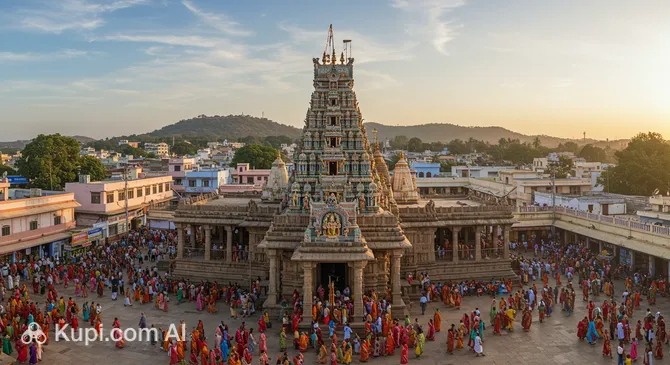
Tuljapur. Illustration.
Source: Kupi.com AI

The main pride of Tuljapur is its rich spiritual heritage. The city is widely known as an important pilgrimage site, attracting thousands of believers and travelers from all over the country every year. Here, you can experience ancient rituals and feel the deep religious atmosphere that permeates every corner.

Beyond its religious significance, Tuljapur offers the opportunity to get acquainted with authentic Indian culture, admire the architecture of local temples, and enjoy a slow pace of life. It is a place where every corner is steeped in respect for the past and openness to guests wishing to learn more about the region's traditions.

A trip to Tuljapur is a wonderful opportunity to dive into the real India, away from the beaten tourist tracks, and discover the true soul of the state of Maharashtra. This city will certainly enchant those looking for new experiences and seeking deep cultural immersion.

You can find more interesting facts on the history of Tuljapur page.
Weather Overview

The weather in Tuljapur is characterized by a hot climate for most of the year. The highest temperatures are seen in April and May, when the average maximum can reach 38-39°C. From June to September, the monsoon season occurs, bringing the bulk of the rainfall; July is the wettest month with about 10 mm of precipitation and 28 rainy days. The winter months, from December to February, are milder and drier, with average temperatures around 23-25°C and minimal rainfall. Overall, expect a hot summer with heavy monsoon rains and a warm, mostly dry winter.

You can learn more about the climatic conditions and get an up-to-date forecast on the weather in Tuljapur page.

Average monthly temperature

Average monthly precipitation

Interesting Facts

In addition to its main shrines, Tuljapur is shrouded in many fascinating stories and little-known details that make it a truly special place. The city holds not only a spiritual heritage but also interesting facts that attract curious travelers.

Tulja Bhavani Temple. Illustration.
Source: Kupi.com AI

Traveler photos:

  • The city's main temple, the Tulja Bhavani Temple, dedicated to the goddess of the same name, has a history of over 800 years. It is believed that the great Maratha ruler Chhatrapati Shivaji Maharaj received blessings here before major events in his life.

  • One of the most famous legends says that Goddess Tulja Bhavani personally appeared in these parts to protect her devotees from a powerful demon. Since then, she has been worshipped as the protector and patroness of the city.

  • Tuljapur is unofficially called the "city of faith." Every year, thousands of pilgrims flock here not only from Maharashtra but from all over India. It is especially crowded during the Navaratri festival, when the city is transformed by colorful processions and rituals.

  • The city's connection with Chhatrapati Shivaji is very strong. He considered Goddess Tulja Bhavani his main patroness, and stories of his visits to the local temple are still carefully preserved and passed down from generation to generation.

How to Get There

When planning a trip to this sacred city, it is important to map out your route in advance, as there is no direct air connection. Tuljapur is located deep within the state of Maharashtra, and the journey usually goes through the major transport hubs of neighboring cities. You can learn more about how to get to Tuljapur by studying various route options, but below we list the most popular methods.

The closest of the listed airports is Chikkalthana Airport (IXU), located in the city of Aurangabad. The distance from there to Tuljapur is approximately 217 km. This is a regional airport that handles domestic flights. The journey by taxi or bus from here takes about 4–5 hours. You might choose this option if you also plan to visit the famous Ajanta and Ellora caves along the way.

A larger and more popular hub is Pune Airport (PNQ), located in the city of Pune, about 236 km from Tuljapur. It is an important international hub with a large number of flights. A car trip from Pune to Tuljapur takes about 5–6 hours. Thanks to a developed transport network, state and private buses regularly run from Pune toward Osmanabad and Tuljapur.

If you are flying from afar, a convenient option might be Rajiv Gandhi International Airport (HYD) in Hyderabad. Although it is further away—at a distance of about 265 km—it is a major international airport with excellent connectivity. The taxi ride will take approximately 5.5–6.5 hours by highway.

For clarity, here is summary information on the main airports:

AirportPassenger trafficDistance
Kalaburagi Airport39 434122 km
Nanded146 731185 km
Chikkalthana Airport695 174217 km
Pune Airport10.5 mln236 km
Kolhapur158 966241 km

As for rail transport, there is no railway station in Tuljapur itself. The nearest major junction station is in the city of Solapur, located about 45 kilometers away. Solapur is well-connected by trains to Mumbai, Pune, Hyderabad, and Bangalore. Upon arrival at Solapur station, tourists usually transfer to a bus or hire a taxi for the remaining journey, which takes about an hour. You can also use the station in the city of Osmanabad, which is even closer (about 20-30 km), but the number of trains there may be fewer.

The final stage of the journey to Tuljapur is almost always by road. The city has good bus connections with the major centers of Maharashtra. MSRTC state buses and private carriers regularly run from Aurangabad, Pune, Solapur, and Mumbai. The roads in this region are generally in acceptable condition, making a trip by bus or rented car quite comfortable.

Main Attractions

Tuljapur, known as a major pilgrimage center in Maharashtra, offers visitors a unique blend of spirituality and local culture. Although the city is small, its attractions leave a profound impression.

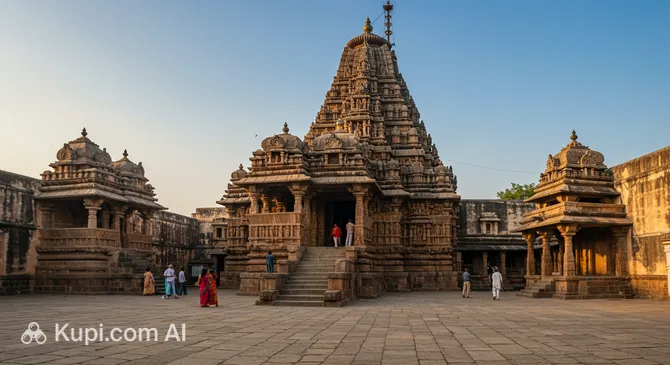
The main sanctuary and most significant site in Tuljapur is the Tulja Bhavani Temple. This ancient temple is dedicated to Goddess Bhavani, a form of Goddess Durga, and is considered one of the 51 Shakti Peethas (sacred seats of the mother goddess). Thousands of pilgrims visit year-round to offer prayers and seek blessings. The temple's architecture, rich history, and vibrant atmosphere filled with chants and rituals make it a must-visit. This site allows for a deep immersion into Hindu traditions and spirituality.

Tulja Bhavani Temple. Illustration.
Source: Kupi.com AI

Traveler photos:

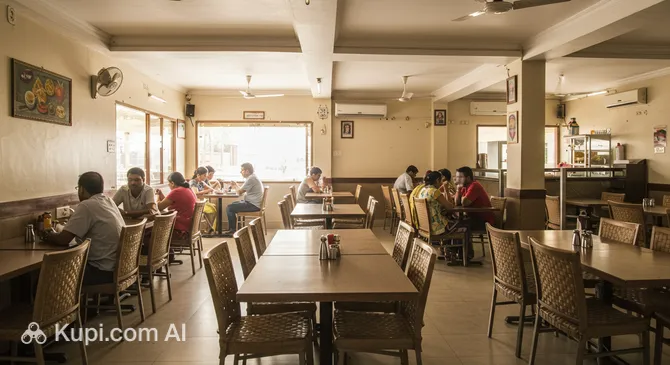
After visiting the temple and exploring the spiritual side of the city, you can relax and enjoy the local cuisine. Ashoka Family Restaurant offers guests a variety of Indian dishes. It is a popular spot for both locals and tourists, where you can sample the authentic flavors of the region in a pleasant setting.

Ashoka Family Restaurant. Illustration.
Source: Kupi.com AI

Traveler photos:

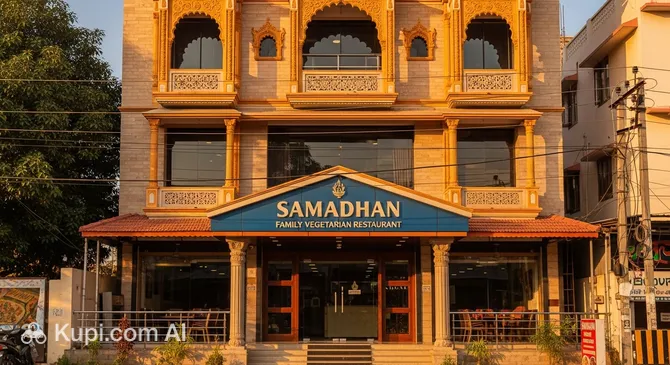
For those who prefer vegetarian food, Samadhan Family Veg Restaurant is an excellent choice. They serve delicious and hearty meals prepared exclusively from plant-based ingredients. The restaurant is known for its hospitality and quality food, making it a great place to explore traditional Indian vegetarian culinary traditions.

Samadhan Family Pure Vegetarian Restaurant. Illustration.
Source: Kupi.com AI

Traveler photos:

Local Cuisine

Tuljapur's gastronomy is a fascinating dive into the flavors of Maharashtra, offering both hearty main courses and fragrant snacks. The local cuisine reflects the region's rich culinary traditions, where special emphasis is placed on fresh ingredients and spices.

Among the dishes that you should definitely try in Tuljapur is misal pav. This is a spicy and hearty sprout curry with various crunchy toppings, served with soft pav buns—an ideal option for breakfast or lunch. Another iconic dish is bhakri, traditional flatbreads made from millet or sorghum. They are often served with spicy vegetable curries, pickles, or simply with homemade yogurt. These flatbreads are a staple for many locals.

Sweet lovers should look for puran poli—thin sweet flatbreads stuffed with a mixture of chana dal, jaggery, and cardamom. This treat is particularly popular during festivals. On the city streets and in the markets, you will also find many street food options, such as crispy samosas (pastries with vegetable or meat fillings) and pakoras (vegetable fritters fried in chickpea flour batter)—an excellent choice for a quick and tasty snack.

For drinks, be sure to try traditional Indian masala chai, which is prepared here with aromatic spices, adding ginger, cardamom, and cloves. In hot weather, fresh juices from local fruits and lassi—a popular yogurt-based drink—are refreshing. Food culture in Tuljapur is closely linked to its religious significance. During temple festivals and pilgrimages, annadanam is often organized—mass free meals for everyone, serving simple but delicious vegetarian food: rice, dal (lentil soup), and vegetable dishes. Street food and local markets also play an important role, offering authentic flavors.

Ashoka Family Restaurant. Illustration.
Source: Kupi.com AI

Traveler photos:

For a more thorough introduction to the local cuisine, you can visit the city's restaurants. For example, Samadhan Family Veg Restaurant and Ashoka Family Restaurant offer various Maharashtrian dishes, allowing you to delve deeper into the region's gastronomic traditions. Overall, the gastronomic scene in Tuljapur is characterized by a predominance of vegetarian dishes, the use of fresh local products, and aromatic spices, making it attractive for tourists wanting to experience real Indian cuisine.

Travel Tips

Welcome to Tuljapur, a sacred city that attracts pilgrims and curious travelers alike! To make your trip to this corner of India as comfortable and memorable as possible, we have prepared some practical tips.

  1. Clothing and Essentials: Tuljapur has a tropical climate, so choose light, breathable clothing made from natural fabrics like cotton. For visiting temples, especially the main Tulja Bhavani Temple, modest clothing covering shoulders and knees is mandatory. Don't forget comfortable walking shoes, sunscreen, a hat, and perhaps a light sweater or shawl for evening walks. You may need a universal adapter for electronics.
  2. Getting Around the City: Tuljapur is a relatively small city, and the primary means of transport here are auto-rickshaws. State buses are also available, linking the city to nearby towns. Taxis are less common. A car rental is unlikely to be necessary for moving around the city itself but could be an option for exploring the surrounding areas.
  3. Finances: The official currency is the Indian Rupee (INR). You can exchange currency at banks or authorized exchange offices. Credit and debit cards may be accepted in some hotels and large shops, but for small purchases, paying rickshaws, and in markets, it is better to have cash. There are ATMs in the city, but it's best to withdraw money in advance. Tipping is welcomed in restaurants (usually 5-10%) but is not strictly mandatory.
  4. Health and Safety: There are pharmacies in the city with a basic set of medicines. In case of serious health issues, you may need to visit medical facilities in larger cities like Solapur. Tuljapur is considered a relatively safe city, especially in pilgrimage areas. Nevertheless, follow standard precautions: drink bottled water, keep an eye on your belongings, and avoid displaying valuables.
  5. Communication: The main language of communication is Marathi. Hindi is also common. English may be understood in tourist areas and hotels, but not everywhere. Learning a few simple phrases in Marathi (e.g., "Namaskar" – hello, "Dhanyavad" – thank you) will endear you to the locals. A local SIM card can be purchased with the necessary documents. Wi-Fi may be available in some hotels.
  6. Local Etiquette: The greeting "Namaskar" with palms folded at the chest will be appreciated. It is customary to remove your shoes before entering temples and homes. Try not to point your feet at people or sacred images. Ask permission before photographing locals. In public places, it is better to avoid overly revealing clothing and public displays of affection.
  7. What to Avoid: You should not engage in arguments about religious topics or criticize local customs. Also, avoid overly persistent haggling, especially when buying small souvenirs or paying for services. Showing respect for the local culture is the key to pleasant interactions.
  8. Tuljapur's Special Character: The city is a major pilgrimage center, especially during large festivals like Navaratri. During these periods, it can be very crowded. If you plan to visit the Tulja Bhavani Temple, check its opening hours and any possible restrictions in advance. Show patience and respect for religious traditions.

We hope these tips help you better prepare for your trip and enjoy every moment of your stay in amazing Tuljapur. We wish you vivid impressions and spiritual enrichment!

Entertainment & Nightlife

Tuljapur, primarily known as an important pilgrimage center in Maharashtra, offers its guests a calm and peaceful atmosphere, which is reflected in its evening life. You won't find noisy nightclubs, busy bar streets, or districts that stay open until dawn here, as you might in large metropolises. Evening entertainment in Tuljapur is more understated and traditional, focused on relaxation after a busy day and socializing.

The main option for evening leisure in Tuljapur is dining at one of the local restaurants. Here, you can try Indian cuisine in a quiet setting. Among the establishments where you can spend your evening, Ashoka Family Restaurant, which offers a diverse menu, and Samadhan Family Veg Restaurant, which specializes in vegetarian dishes, are worth noting. The atmosphere in such places is usually family-oriented and welcoming, with a casual dress code. Restaurants generally operate until late evening but not all night.

In addition to dinner, evening time can be spent on leisurely walks through the illuminated city streets, especially near the temple complexes, where a special atmosphere can be felt. Occasionally, local cultural or religious events may take place in the city, which can also become part of the evening program. However, specialized night markets or concert venues with regular performances should not be expected in Tuljapur.

When planning an evening in Tuljapur, keep in mind that most establishments close relatively early. To get around in the evening, you can use auto-rickshaws; it is best to agree on the fare in advance. The city is generally considered safe, but as anywhere, standard precautions should be taken, especially in less crowded areas after dark. Calling a taxi via apps can be difficult, so it is better to rely on local transport or arrange a trip through your hotel.

Daytime entertainment in Tuljapur is mostly centered around its spiritual heritage. The main point of attraction is the famous Tulja Bhavani Temple, which draws pilgrims from all over India. You can also explore local markets and get acquainted with the crafts and daily life of the city. There are few museums in the Western sense or large amusement parks here; the emphasis is on cultural and religious tourism.

Thus, evening Tuljapur offers a quiet rest and immersion into the local atmosphere rather than an active nightlife. It is a place for those seeking peace and wanting to experience the traditional side of India.

Parks & Museums

Tuljapur, being an important pilgrimage center in India, offers its guests a unique immersion into a spiritual atmosphere and an introduction to ancient traditions, which largely serve as its main attractions instead of extensive city parks or numerous classical museums.

While Tuljapur may not have large, purpose-built city parks, visitors often find peace and green areas within the temple complex grounds. These spaces, though not parks in the usual sense, offer a calm environment for rest and contemplation. The city's surroundings also delight nature lovers with picturesque views characteristic of the Maharashtra region.

The cultural and historical heritage of Tuljapur is primarily concentrated around its religious significance. Instead of traditional museums with exhibits, the city itself is a living testimony to centuries-old traditions. The main site attracting pilgrims and tourists is the famous Tulja Bhavani Temple. This is not just a place of worship, but also an outstanding monument of architecture and spirituality dedicated to Goddess Bhavani. Its history goes back centuries, and a visit to the temple allows you to touch the cultural roots of the region. The temple's architecture, rituals, and atmosphere leave a deep impression on visitors interested in Indian culture and religion.

For a more authentic experience, besides visiting the main temple, it is worth paying attention to smaller shrines and walking through the city streets, observing the daily lives of its inhabitants. This will allow for a deeper understanding of the local flavor and traditions that constitute the essence of Tuljapur's cultural heritage.

Getting Around

Navigating Tuljapur using public transport is quite simple, given the city's size. The backbone of the transport system consists of local and state buses, as well as the ubiquitous auto-rickshaws.

Buses are the most common form of public transport, connecting various parts of the city and linking Tuljapur with neighboring settlements. Often these are Maharashtra State Road Transport Corporation (MSRTC) buses, as well as private operators. Fares are usually paid in cash directly to the conductor on the bus or at the ticket office at the bus station for intercity routes. The cost depends on the distance. Specialized tourist passes or unified transport cards for the city are generally not provided.

Auto-rickshaws are a popular and flexible way to travel short and medium distances. They are easily available throughout the city. It is customary to agree on the fare with the driver in advance, before the journey starts, as meters may be absent or not used. In some cases, you can use a "shared auto" service, where you share the ride with other passengers along a fixed route, making it more economical.

Practical tips for tourists: Buses usually run from early morning until evening, but schedules may not always be strict, especially for private carriers. The main bus stops and a small bus station are the primary points of departure. For auto-rickshaw rides, it is better to have small bills for easy payment. During peak hours or major religious festivals for which Tuljapur is known, transport may be more crowded.

As an alternative to public transport, besides auto-rickshaws, you can consider hiring a private car with a driver for more comfortable trips around the area, especially if you are traveling in a group. Bicycle rental or car-sharing services are not common in Tuljapur. For moving within the central part of the city, many distances can easily be covered on foot.

Accommodation

In Tuljapur, being an important pilgrimage center, there is a range of accommodation options focused primarily on comfort and accessibility for visitors. You will mostly find budget and mid-range hotels, guest houses, and potentially dharamshalas (specialized lodging for pilgrims). Luxury resorts should not be expected here; the emphasis is on functionality and convenience for temple visitors.

The most convenient areas for tourists and pilgrims to stay are those located in the immediate vicinity of the city's main shrine, the Tulja Bhavani Temple. Staying here will allow for easy access to the temple and other local sites. It is also worth considering options along the main roads leading into the city, where newer hotels may be located.

Regarding prices, most accommodation options in Tuljapur fall into the budget and mid-range categories. For booking, you can use popular online platforms or, in the case of small guesthouses, contact them directly. It is especially recommended to book accommodation in advance if your trip coincides with major religious festivals, when the city hosts a large number of pilgrims.

Nearby Cities

For those who want to explore the surroundings, Tuljapur serves as an excellent starting point for day trips to several interesting nearby places:

Among the closest options is Osmanabad, located just 20 km away. This city will interest history buffs thanks to the ancient Dharashiv caves and other historical monuments. You should also consider a trip to Solapur (about 42 km away), one of the region's major cities, known for its old fort, Siddheshwar Temple, and traditional textiles, including the famous Solapuri "chaddar" blankets.

CityPopulationDistance
Osmanabad112 08520 km
Hipparga10 11736 km
Sumbha13 24637 km
Kumbhari10 63641 km
Solapur1 000 00042 km

These nearby destinations provide a glimpse into the diverse culture and landscapes of the region.

Shopping & Souvenirs

Tuljapur, being an important pilgrimage center, offers shopping opportunities focused primarily on the needs of believers and tourists visiting the famous Tulja Bhavani Temple. The city is not known for large shopping centers or designer boutiques; however, you can find authentic goods and souvenirs here that reflect local culture and religious traditions.

The main shopping spots are concentrated near the temple complex and on the adjacent streets. Here you will find many small shops and stalls offering items for puja (religious rituals), images of deities, religious literature, as well as flowers and other offerings for the temple. These areas are lively, especially during festivals and religious holidays.

There are no large modern shopping centers in Tuljapur in the usual sense. Shopping here is more traditional, with an emphasis on small private shops and street trade. If you need everyday goods, they can be found in local shops scattered around the city.

Although the city may not have large organized markets like those in big metropolises, you will surely encounter small local bazaars or clusters of street vendors. Here you can buy fresh fruits, vegetables, local snacks, and household items. The atmosphere of such places allows for a deeper dive into the daily life of the city.

As souvenirs from Tuljapur, people usually bring back items related to the cult of Goddess Bhavani: small statues, images, amulets, bracelets, and necklaces with religious symbols. Traditional Indian incense, aromatic oils, and spices are also popular. Sometimes you can find items made by local craftsmen, such as textiles or simple jewelry.

Shops in Tuljapur are usually open from the morning (around 9:00-10:00) and work until the evening (until 20:00-21:00). Some stalls, especially those near the temple, may have more flexible hours and stay open longer, particularly on days with a high influx of pilgrims. The main method of payment in small shops and markets is cash. Some larger retail points may accept bank cards, and the UPI mobile payment system is also widely used in India. It is recommended to have a sufficient amount of cash with you.

The possibility of a tax refund (Tax Free) for tourists in India usually applies to large purchases in authorized stores in big cities and international airports. In a small city like Tuljapur, such a service is generally not provided in regular shops and souvenir stalls.

Reached the end of the page?

That means the route is fully explored