Support

Purnia

About

Purnia is one of the largest cities in the state of Bihar, located in the northeastern part of India. This dynamically developing economic hub of the state attracts travelers with its authentic atmosphere of a provincial Indian center, where life revolves around agriculture and large-scale trade. The city is spread across fertile plains and serves as an important link between Bihar and neighboring regions.
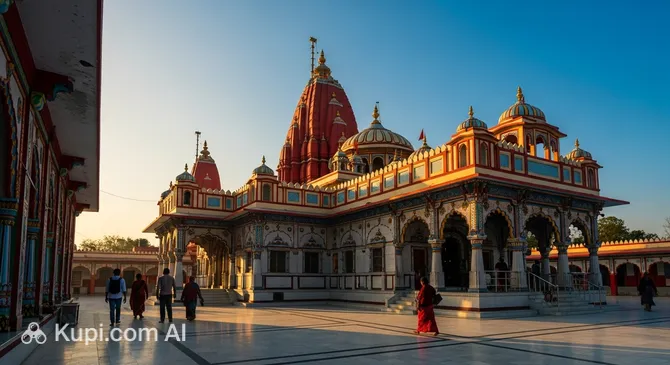
Purnia. Illustration.
Source: Kupi.com AI

Geographically, Purnia is located in the Kosi-Seemanchal subregion on the banks of the Saura River. With a population of about half a million people, the city retains its status as the "jute capital," where industrial mills stand alongside bustling markets. The region's rich history is rooted in the ancient kingdom of Mithila, and the colonial heritage of the British period can still be traced in the layout of some districts and municipal buildings.

Tourists appreciate Purnia for the opportunity to see the real, unvarnished life of Eastern India. A key feature of the city is its role as a transit point: from here, it is convenient to start a journey to the foothills of the Himalayas or neighboring Nepal. We invite you to dive into the rhythm of this trading city, where the facades of grain warehouses hide the hospitality of local residents and the centuries-old traditions of the state of Bihar.

Weather Overview

The climate in Purnia is characterized as humid subtropical, largely resembling the conditions in the foothills of Darjeeling. The city is strongly influenced by monsoons, which makes the local nature very fertile. If you are planning a visit, the best time to do so is between October and February, when pleasant cool weather sets in with clear days.

In winter, especially in January, the average temperature is about 16.8°C, while nights can be quite fresh (down to 11°C). Summer begins in March and peaks in May-June, when the air warms up to 33–35°C and humidity increases significantly. July and August are the wettest months, with up to 324 mm of precipitation, which sometimes makes traveling on rural roads difficult. Detailed weather in Purnia will help you plan your wardrobe more accurately.

Expect a hot, humid summer with heavy downpours during the monsoon season and dry, moderately warm winters. In April, there is often an increase in airborne dust due to winds and agricultural work in the surrounding fields, so travelers with sensitive health should consider this factor when choosing travel dates.

Average monthly temperature

Average monthly precipitation

Interesting Facts

  • Maize Capital: Purnia is home to Gulab Bagh, India's largest warehouse complex for storing maize, from where grain is supplied not only across the country but also to Nepal.

  • A Unique Tradition: Since independence in 1947, India's national flag has been raised in Purnia every year at exactly 00:07 on Independence Day, following a historical tradition.

  • Jute Leadership: Located near the city, Punrasar Jute Park is the first and only specialized jute processing park in India.

  • Ancient Name: The city's name is derived from the Mata Puran Devi temple, which translates to "Complete Goddess," highlighting the region's deep spiritual roots.

  • Poultry Hub: Purnia is a major center for poultry and fish production, supplying fresh products not only to the states of Bihar and West Bengal but also to the northeastern regions of India.

How to Get There

Purnia is a key transport hub in northeastern Bihar, making it easily accessible for travelers exploring Eastern India. The city is conveniently located at the intersection of several national highways, including NH27, which connects it with major regional centers. If you are planning a trip, research all the options for getting to the city in advance.

The city's own airport currently has limited connectivity, so most tourists prefer to travel via larger air hubs. The most convenient way is to fly to Bagdogra Airport (near Siliguri), located about 170 km away, from where you can take a taxi or bus. You can also consider airports in Patna or Bhagalpur, which handle a larger number of regular flights.

AirportPassenger trafficDistance
Biratnagar Airport491 05282 km
Bhadrapur Airport281 000107 km
Bagdogra Airport3.2 mln132 km
Saidpur Airport750 000143 km
Darbhanga523 173163 km

Railway connectivity in Purnia is excellent. The main station, Purnea Junction (PRNA), receives trains from Patna, Kolkata, and Guwahati. A train journey from Patna takes about 6–8 hours, and from Kolkata, about 10–12 hours. This is the most affordable and popular way to travel among locals and tourists alike.

For road trip enthusiasts, Purnia is accessible via a network of quality roads. A trip from Muzaffarpur takes about 5–7 hours, and from Siliguri, about 4–5 hours. It is worth noting that traffic jams are possible on the roads, especially near markets and intersections, caused by the movement of freight and agricultural vehicles.

Main Attractions

Although Purnia is primarily known as a trade hub, it has several iconic sites that reveal the region's soul. The main spiritual center is the oldest in the district, the Mata Puran Devi Temple, located about five kilometers from the city center. The city owes its name to this temple, dedicated to the goddess Kali. Pilgrims and tourists come here to feel peace and connect with the ancient religious traditions of Mithila.

For those who want to see the economic heart of the city, Gulab Bagh is a must-visit. It is one of India's largest grain trading centers, particularly for maize. The scale of the warehouses and the intensity of trade here are staggering, creating a unique industrial landscape. Also noteworthy is the Punrasar Jute Park in the Maranga area—the only specialized jute park in the country, highlighting Purnia's status as an important industrial center.

If your visit coincides with October, be sure to visit the Ramakrishna Mission. At this time, it hosts the Durga Puja celebration, which is considered one of the most vibrant and solemn in the state. The architecture of the mission center itself and the festive atmosphere leave a deep impression even on those who are far from religion.

Local Cuisine

The gastronomy of Purnia is a vibrant reflection of Bihar's traditions with a noticeable influence of Maithil cuisine. The staple diet consists of rice, legumes, and seasonal vegetables. One of the main highlights is the use of fresh river fish caught in the tributaries of the Ganges. Spicy fish curries with mustard oil and spices are a must-try for any gourmet visiting this region.

Purnia's status as the "maize capital" is also reflected in the local cuisine: dishes made from maize flour and fresh cobs are frequently found here. Traditional Bihar dishes are also popular, such as Litti Chokha (wheat flour balls with filling, roasted over coals) and various versions of dal. Local street food is represented by various snacks in the markets, where you can taste freshly prepared samosas and pakoras.

As for drinks, tea is the undisputed leader. Masala chai with milk and spices is served here on every corner and is an important part of social culture. Alcohol in the state of Bihar is restricted by law, so restaurants and cafes focus on non-alcoholic refreshing drinks. Family establishments and small diners near the stations offer hearty lunches at very affordable prices, allowing guests to experience the true taste of home-cooked Indian cuisine.

Travel Tips

A trip to Purnia will give you an unforgettable experience of getting to know the real Bihar. To make your journey comfortable and safe, use our practical tips.

  1. Clothing and Essentials: Choose light cotton clothing for the summer and monsoon seasons. For trips from October to February, bring a light jacket or sweater, as evenings can be cool. When visiting temples like Mata Puran Devi, follow the dress code: shoulders and knees should be covered.
  2. Transport: Auto-rickshaws are the most convenient way to get around the city. Always confirm the fare before getting into the vehicle. For long-distance trips, use trains, booking tickets in advance through official apps.
  3. Finances: Purnia is a cash-driven city. Although larger stores accept cards, you will need rupees for markets and rickshaws. ATMs are available in the center, but it's always better to have a reserve of currency with you.
  4. Health: Drink only bottled water and avoid ice in drinks. During the monsoon season, pay special attention to hand hygiene. Pharmacies can be found on central streets and near the station.
  5. Communication: The main language is Hindi; Maithili is also widely spoken. Hotel staff and young people understand English. Learning a few phrases in Hindi is very much appreciated by the locals.
  6. Local Etiquette: Always remove your shoes when entering homes or temples. The traditional greeting "Namaste" is appropriate in any situation.
  7. What to Avoid: Do not plan walks in the outskirts of the city or industrial zones (warehouses) after dark. Also, try not to take photos of people without their explicit consent.
  8. Eco-Tip: Be prepared for dust and noise in the markets—having a protective mask or scarf can make a walk through Gulab Bagh more comfortable.

May your introduction to Purnia be filled with bright discoveries and pleasant encounters!

Entertainment & Nightlife

Nightlife in Purnia differs significantly from megacities like Delhi or Mumbai. The city lives a daytime rhythm, and most establishments close after 10:00 PM. Evening activity is mainly concentrated around central squares and markets, where locals gather in street cafes and tea shops. The main crowd here consists of families and young people who prefer quiet social gatherings over a cup of masala chai to loud parties.

For daytime entertainment, visitors can check out local cinemas showing the latest Bollywood releases or take a stroll in the Gulab Bagh area towards the evening when the heat subsides. The true centers of entertainment are city festivals, such as Chhath Puja or Durga Puja. During these days, the streets are transformed, filling with music, bright lights, and street performances that last late into the night.

For those looking for conventional bars or clubs, Purnia may seem too quiet. In this case, travelers often head to Siliguri, located 171 km away, where the entertainment industry is much more developed. In Purnia itself, safety in the evening is ensured on central lit streets; however, for nighttime travel, it is better to always use the services of trusted taxi companies or pre-booked rickshaws.

Parks & Museums

Since Purnia historically developed as a trade and agricultural center, there aren't many classic parks and museums here. Nevertheless, nature lovers can find peace on the banks of the Saura River. The flat terrain of the city's surroundings creates picturesque landscapes, especially during the rainy season when jute and rice fields turn a vibrant green. These open spaces outside the city often serve as walking spots for local residents.

The area around the ancient Mata Puran Devi Temple also has small green zones where you can take a break from the city's noise and dust. Although there are no large art galleries or historical museums in Purnia itself, religious centers and monasteries play the role of cultural guardians here. In particular, the Ramakrishna Mission is not only a spiritual center but also an important cultural site reflecting the philosophical heritage of the region.

For those interested in agrarian heritage, the Gulab Bagh complex is a kind of "open-air museum." Despite its purely functional role, it demonstrates centuries-old traditions of grain storage and distribution, which are still the foundation of life in the state. In the future, the city plans to develop recreational areas, but for now, the main places for walking remain the festival grounds and picturesque outskirts.

Getting Around

The transport system of Purnia reflects the character of a busy trading city. The main means of transport within the city are auto-rickshaws and cycle rickshaws. This is the most convenient and fastest way to get to any point in the center, given the narrow streets and dense traffic. A trip within the central district usually takes no more than 10–20 minutes, but it is worth agreeing on the price with the driver in advance.

For trips to remote areas or suburbs, locals use buses. Purnia's bus station connects the city with other settlements in the state of Bihar. Although buses can be crowded, it is the most budget-friendly travel option. In recent years, online taxi services (such as Ola) have become available in the city, significantly simplifying travel for tourists who prefer comfort.

Walking is possible in the central part of the city as it is fairly compact, but you should consider the dustiness of the roads and the lack of wide sidewalks. During peak hours, in the morning and evening, traffic on main highways such as NH27 can slow down due to the abundance of freight transport carrying agricultural products. If you need to get to the station by a certain time, always allow an extra 30 minutes for possible congestion.

Accommodation

Accommodation options in Purnia are primarily geared towards business travelers, trade representatives, and transit tourists. You won't find luxury five-star resorts here, but the city offers a decent selection of mid-range hotels and budget guesthouses. Most hotels are concentrated in the railway station area and along main transport routes, which is convenient for those making a short stop in the city.

Budget lodges and guesthouses offer basic amenities: a bed, a fan, and a shared or private bathroom. This is an excellent choice for those looking to save as much as possible. Mid-range hotels can offer air conditioning, Wi-Fi, and on-site restaurants. For those planning to stay in the city for a long time, for example for work, apartment rentals are available and are in demand among expats and employees of trading companies.

Accommodation prices in Purnia remain some of the most affordable in the region. It is recommended to book accommodation in advance if your trip coincides with major religious festivals, such as Chhath Puja, when the influx of visitors to the city increases sharply. At other times, finding a vacant room upon arrival is usually not difficult.

Nearby Cities

Purnia serves as an excellent starting point for exploring the northeastern region of India, offering travelers access to interesting cultural and trade centers. Thanks to a well-developed rail and bus network, several fascinating trips can easily be made from here to better understand the diversity of the states of Bihar and West Bengal.

One of the most popular destinations is Maranga, located just a couple of kilometers from the center. This place is interesting for its industrial heritage and jute production. For a longer trip, the city of Bhagalpur, known as the "Silk City," is suitable, and the journey takes about 2–3 hours. It is also worth paying attention to Banbhag and Abdullah Nagar, which allow you to see the traditional rural way of life in the region.

CityPopulationDistance
Maranga29 5493 km
Banbhag9 1595 km
Abdullahnagar17 4466 km
Parora11 36610 km
Jogaili9 18817 km

For those ready for longer travels, Siliguri is 171 km away—a major hub in West Bengal that offers great opportunities for modern shopping and leisure. Exploring the surroundings of Purnia will give you plenty of impressions: from industrial landscapes to quiet green plains stretching along the riverbanks.

Shopping & Souvenirs

Shopping in Purnia is an exciting experience of immersion in the atmosphere of traditional Indian bazaars. You won't find huge shopping centers with global brands here, but the city is famous for its markets, where life teems from early morning. The main place for those who want to see large-scale trade is Gulab Bagh. Although it is primarily a wholesale grain market, walking through its rows allows you to feel the pulse of the city.

The city's central markets, such as Siwan’s local markets, offer a wide range of everyday goods. Tourists here should pay attention to jute products—this is the region's main specialty. Durable bags, rugs, and handmade decor items make excellent and eco-friendly souvenirs. Local bazaars also offer quality fabrics, traditional clothing, and aromatic spices grown on the fertile lands of Bihar.

Shops in Purnia usually operate from morning until late evening (roughly until 8:00–9:00 PM). Payment is mostly made in cash, especially in markets and small shops. While larger stores are starting to accept bank cards and electronic payments, experienced travelers always advise having a supply of Indian rupees. Tax Free is not common in this region, but the low prices for local products more than compensate for this.

Nearby cities

Reached the end of the page?

That means the route is fully explored