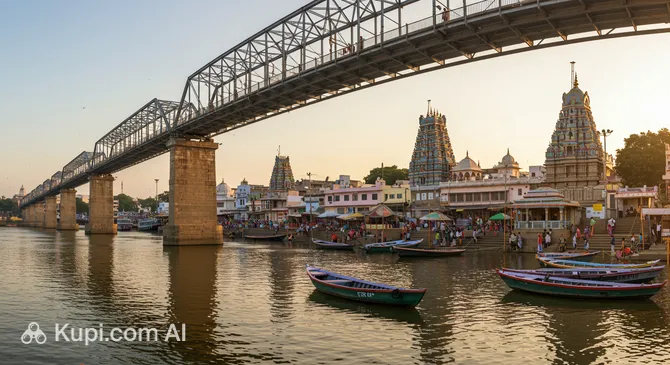
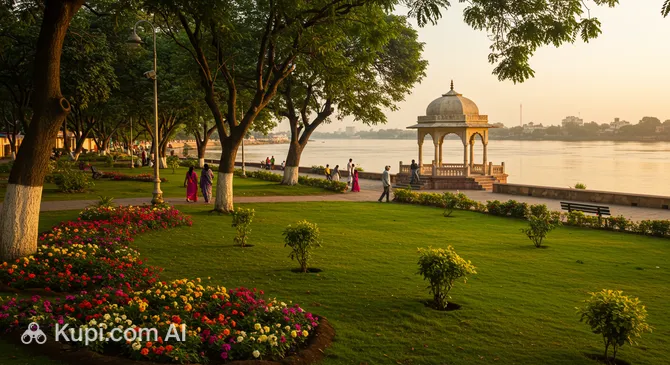
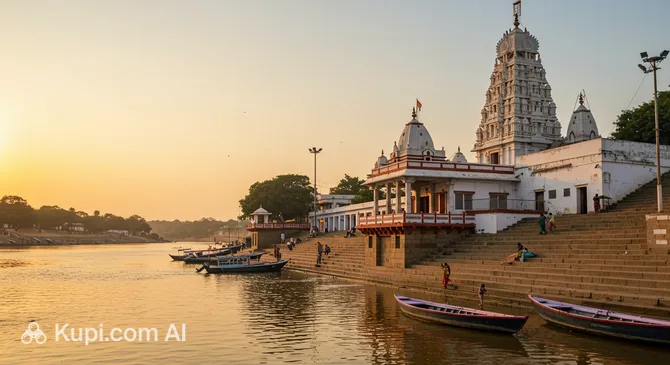
Welcome to Rajahmundry, a city that seamlessly blends ancient traditions with the vibrancy of modern life. Often referred to as the "Cultural Capital" of Andhra Pradesh, this bustling urban center is majestically situated on the eastern banks of the sacred Godavari River. As you explore this historic city in India, you will be greeted by a unique atmosphere filled with spiritual fervor, literary heritage, and scenic beauty.
Rajahmundry. Illustration.
Source: Kupi.com AI
Geographically, Rajahmundry serves as a vital connectivity hub in the region. With a population of approximately 340,000 residents, it is a lively city that enjoys a tropical climate, characterized by warm summers and pleasant winters. The deep and fascinating history of Rajahmundry dates back to the 11th century, notably associated with the Chalukya dynasty and the birth of Telugu literature, making it a pilgrimage site for history buffs and language enthusiasts alike.
Travelers are drawn to the city's remarkable landmarks, particularly the impressive bridges spanning the Godavari. The Godavari Arch Bridge is an engineering marvel and a perfect spot for photography. Visitors also flock to the serene ISKCON Temple on the riverbank and the bustling Pushkar Ghat, which comes alive during religious festivals. Whether you are interested in ancient architecture or simply want to enjoy a sunset boat ride, Rajahmundry offers a warm and inviting experience for every traveler.
Weather Overview
Rajahmundry experiences a tropical climate characterized by distinct seasonal changes, ranging from hot summers to pleasant, mild winters. Before packing for your trip, it is helpful to review the current weather in Rajahmundry to plan your activities accordingly. The summer season, spanning from March to May, brings rising temperatures, with May being the hottest month, featuring an average temperature of 32.1°C and daily highs often reaching nearly 37°C.
Following the summer heat, the monsoon season arrives, bringing frequent rainfall from June through October. This period sees a significant increase in humidity and precipitation, with July experiencing the highest frequency of rain, recording up to 24 wet days. Despite the wet conditions, temperatures remain warm, generally staying between 28°C and 31°C, making the city lush and green.
The most comfortable time to visit is undoubtedly the winter season, which lasts from November to February. During these months, the weather is dry and agreeable, with average temperatures cooling down to a range of 24°C to 26°C. With minimal rainfall—January and February often see zero precipitation—this is the ideal season for exploring the outdoors and enjoying the city's riverside attractions.
Average monthly temperature
Average monthly precipitation
Interesting Facts
Beyond the scenic river views and historical temples, Rajahmundry holds fascinating secrets and unique distinctions that surprise many visitors.
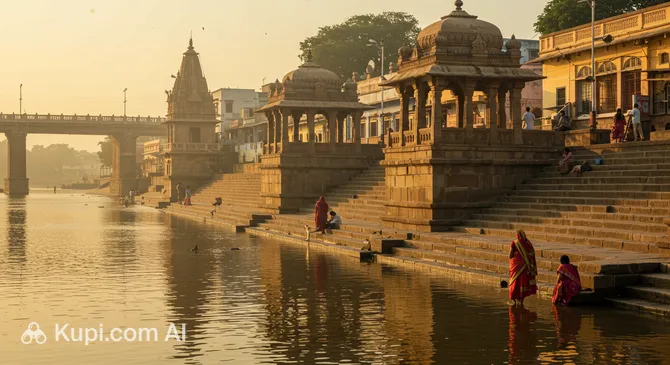
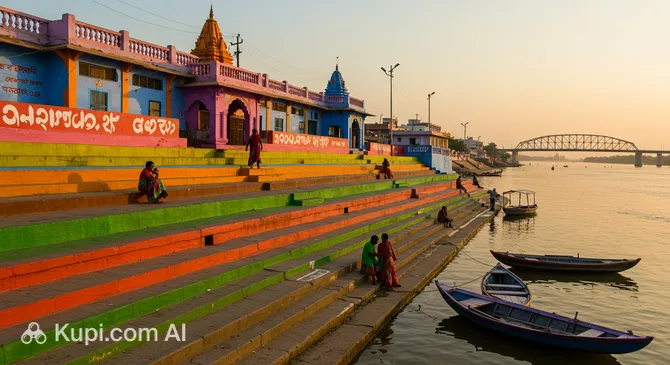
Gowthami Ghat. Illustration.
Source: Kupi.com AI
Traveler photos:
Rajahmundry is one of the few places in the world to host three massive railway bridges spanning the same river. This includes the Kovvur-Rajahmundry Bridge, which is among Asia's longest rail-cum-road bridges, and the historic Havelock Bridge, which served for over a century before being decommissioned.
The city is revered as the birthplace of the Telugu script. It was here that Nannaya Bhattaraka, known as the "Adi Kavi" or first poet, translated the Mahabharata in the 11th century, cementing the city's status as a cradle of literary culture.
The Gowthami Ghat is a central hub for spiritual and recreational activities. It becomes the epicenter of the Godavari Pushkaram, a colossal river festival celebrated once every 12 years, drawing millions of devotees to its banks.
Local farmers hold the British engineer Sir Arthur Cotton in high esteem, almost revering him as a deity. His construction of the Dowleswaram Barrage transformed the Godavari delta into a fertile "Rice Bowl," and a museum dedicated to his life stands as a testament to his impact.
Devotees visiting the Sri Uma Markandeyeswara Temple often hear the legend of the sage Markandeya, who is believed to have been granted immortality by Lord Shiva at this very spot, making it a site of immense mythological importance.
How to Get There
Reaching this cultural hub on the banks of the Godavari River is quite convenient, thanks to its well-established transport network. Whether you prefer flying or taking a train, there are several options to suit your itinerary. For a comprehensive overview of travel routes and tips, you can read more about how to get to Rajahmundry.
The most direct way to arrive by air is via the local Rajahmundry Airport (IATA: RJA), situated in Madhurapudi, just 12 km from the city center. It is a domestic airport with regular connections to major hubs like Hyderabad, Bengaluru, and Chennai. A taxi or auto-rickshaw from here typically takes about 40 minutes. If you require more flight options, you can fly into Vijayawada Airport (IATA: VGA) in the city of Vijayawada, which is approximately 119 km away. The drive from Vijayawada to Rajahmundry usually takes around 3.5 hours. Another alternative is Visakhapatnam Airport (IATA: VTZ) in Visakhapatnam, located about 171 km away, with a travel time of roughly 4.5 hours by road.
For clarity, here is a summary of the main airports:
Rajahmundry is also a major railway hub in the state of Andhra Pradesh, making train travel a very popular and scenic choice. The city's railway station is located on the vital Howrah-Chennai main line, ensuring excellent connectivity with almost all major metropolises in India, including Hyderabad, Kolkata, and New Delhi. Trains frequently stop here, and the station is situated centrally, allowing for easy access to hotels and attractions via local transport such as taxis and auto-rickshaws.
Main Attractions
Rajahmundry offers a delightful mix of spiritual sanctuaries, scenic riverfronts, and lush green spaces. As a city deeply rooted in history and culture, its primary points of interest often revolve around the majestic Godavari River, providing visitors with both tranquility and vibrant local experiences. Whether you are a pilgrim, a history enthusiast, or a nature lover, the city has several captivating spots to explore.
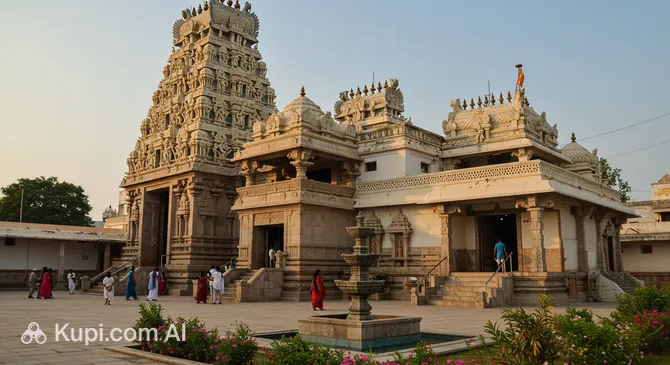
One of the most serene destinations in the city is the Sri Sri Radha Gopinath Dasavatara Temple. Managed by ISKCON, this sprawling temple complex is located on the riverbanks and is renowned for its architectural beauty and peaceful atmosphere. Visitors are often drawn to the well-maintained gardens and the spiritual vibrancy that pervades the area. It is an ideal place to meditate, enjoy the cool river breeze, and witness the devotion of the local community.
Sri Sri Radha Gopinath Dasavatara Temple. Illustration.
Source: Kupi.com AI
Traveler photos:
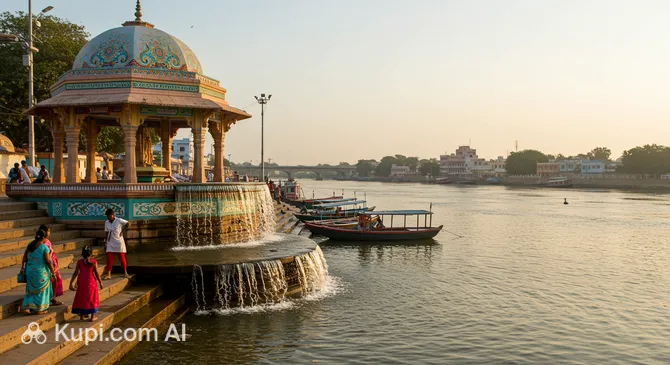
For those who enjoy lively waterfronts, the Pushkar Ghat Fountain is a must-visit attraction. The ghat itself is of immense religious significance, serving as a primary bathing spot during the holy Godavari Pushkaram festival. In the evenings, the area transforms into a recreational hub where tourists can watch the musical fountain, enjoy the sunset over the river, and observe the daily rituals performed by devotees at the water's edge.
Pushkar Ghat Fountain. Illustration.
Source: Kupi.com AI
Traveler photos:
If you are looking for a break from the bustling city streets, Kambalacheruvu Park offers a refreshing escape. Centered around a large water body, this park is a favorite among families and fitness enthusiasts. It features boating facilities, walking tracks, and play areas for children, making it a perfect spot for a relaxed evening outing. The greenery and the shimmering water provide a picturesque backdrop for leisure and photography.
Kambalacheruvu Park. Illustration.
Source: Kupi.com AI
Traveler photos:
Another significant landmark along the river is the Saraswati Ghat. Dedicated to the goddess of wisdom and learning, this ghat is distinct for its temple housing the deity Saraswati. It attracts numerous students and devotees who come to offer prayers for knowledge and success. The steps leading down to the river offer a panoramic view of the Godavari, making it a culturally enriching stop during your tour of the city's famous ghats.
Saraswati Ghat. Illustration.
Source: Kupi.com AI
Traveler photos:
Local Cuisine
The culinary landscape of Rajahmundry is a fiery delight that reflects the rich traditions of Andhra Pradesh, known for its generous use of spices and tamarind. As a city located on the banks of the Godavari River, the local cuisine is heavily influenced by fresh river produce. The undisputed star of the menu here is Pulasa Pulusu, a tangy and spicy fish curry made from the Hilsa fish. This dish is a seasonal delicacy available mainly during the monsoon, and it is said that the fish tastes best when cooked with the muddy waters of the Godavari during the floods. It is so revered that it has become a cultural icon of the region.
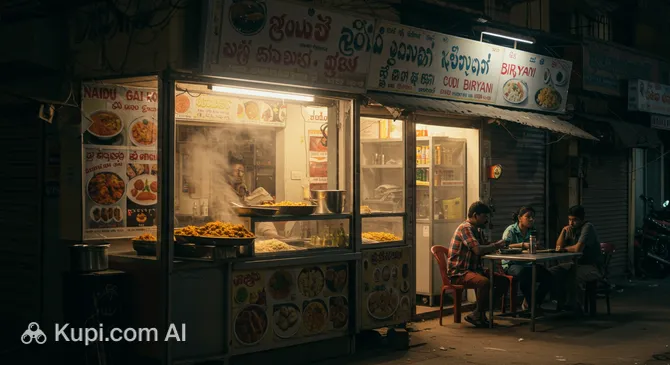
Apart from seafood, the city is famous for its distinct style of biryani. Unlike the Hyderabadi version, the local variety often involves cooking the meat and rice in earthen pots, imparting an earthy aroma to the dish. For a taste of this authentic preparation, travelers often head to Naidu Gari Kunda Biryani, where the signature pot biryani is a must-try experience. The flavorful spices and tender meat make it a favorite among both locals and visitors.
Naidu Gari Kunda Biryani. Illustration.
Source: Kupi.com AI
Traveler photos:
Street food culture in Rajahmundry is vibrant and bustling, particularly in the evenings. You will find numerous stalls serving Mirchi Bajji (battered and fried green chilies) stuffed with onions and lemon juice, a staple snack in this part of India. Another local favorite is the "Pidatha Kinda Pappu," a savory mixture of puffed rice, roasted gram, and chopped vegetables. For those with a sweet tooth, the city is a gateway to the famous Pootharekulu, also known as the "Paper Sweet." These wafer-thin rice starch layers stuffed with sugar or jaggery and dry fruits are a unique gastronomic marvel of the district.
When it comes to beverages, Rajahmundry holds a legendary status for its Rose Milk. This refreshing pink drink, made with sweetened milk and rose syrup, is the perfect antidote to the region's humid weather and spicy food. You will see locals flocking to specialized stalls to enjoy a chilled glass. While alcohol is available in licensed bars and restaurants, the traditional beverage scene is dominated by these cooling drinks, along with fresh sugarcane juice and tender coconut water, which are abundant throughout the city.
Dining in Rajahmundry ranges from humble roadside eateries to comfortable family restaurants like the Naidu Gari Family Restaurant. In many traditional establishments, meals are still served on fresh banana leaves, offering an authentic cultural experience. Whether you are exploring the markets or walking along the ghats, the aroma of freshly cooked spices is never far away, inviting you to indulge in the bold flavors of the Godavari belt.
Travel Tips
To ensure your journey to the "Cultural Capital" of Andhra Pradesh is as smooth as the flow of the Godavari River, a little preparation goes a long way. These practical tips will help you navigate local customs, manage logistics, and fully embrace the spiritual and vibrant atmosphere of Rajahmundry.
Clothing and Gear: Given the tropical climate, lightweight cotton or linen clothing is your best friend to stay cool. Since Rajahmundry is a significant pilgrimage site with many temples, modest attire is essential; ensure your shoulders and knees are covered when visiting religious places like the ISKCON Temple or Pushkar Ghat. Slip-on shoes or sandals are highly recommended as you will need to remove footwear frequently at temples.
Transportation: The most convenient way to get around the city is by auto-rickshaw. They are ubiquitous and can navigate the narrow streets easily. While ride-hailing apps like Ola or Uber operate in the region, availability can sometimes be inconsistent compared to larger metros, so rely on autos for short hops. Always agree on the fare before starting your journey if the driver refuses to use the meter.
Finances: The local currency is the Indian Rupee (INR). While credit and debit cards are accepted at major hotels and upscale restaurants, cash is king in local markets, small eateries, and for transport. ATMs are widely available, but it is wise to carry smaller denominations for auto fares, temple offerings, and street food. Tipping is appreciated; rounding up the bill or leaving a small amount (10-50 INR) is standard.
Health and Safety: Pharmacies, often marked as "Medical Shops," are easy to find, but carry a basic first-aid kit and any personal prescription medications. Since the city is located on a riverbank, mosquitoes can be a nuisance, especially in the evenings; carrying a good quality mosquito repellent is a must. Stick to bottled or filtered water and avoid tap water to prevent stomach issues.
Communication: The primary language spoken is Telugu. While English is generally understood in hotels and by tourism professionals, it may not be spoken fluently by auto drivers or market vendors. Learning a few local phrases like "Namaskaram" (Hello) and "Dhanyavadalu" (Thank you) will go a long way in building rapport with the locals.
Local Etiquette: Rajahmundry is deeply traditional. Always use your right hand for eating, giving, or receiving items, as the left hand is considered unclean. When visiting temples, not only must you remove your shoes, but it is also respectful to silence your phone and avoid pointing your feet towards deities or other people when sitting down.
What to Avoid: Avoid public displays of affection (PDA), as this is frowned upon in conservative areas. Also, refrain from photographing people, especially women or those performing religious rituals at the ghats, without asking for permission first.
Local Insight: Don't leave the city without trying the famous Rose Milk near the main market areas; it is a legendary local refresher. Also, shops often close for a short afternoon break (siesta) between 2:00 PM and 4:00 PM, so plan your shopping excursions for the morning or late evening.
Armed with these tips, you are all set to explore the historic streets and serene ghats of this beautiful city. Embrace the local pace of life, enjoy the warmth of the people, and have a memorable time discovering the hidden gems of Rajahmundry!
Entertainment & Nightlife
Unlike the high-energy metropolises of India, nightlife in Rajahmundry is more subdued, revolving around relaxation, family gatherings, and cultural experiences rather than loud nightclubs or discos. The city settles into a pleasant rhythm after sunset, where the focus shifts to cooling off from the day's heat. The evening entertainment scene is dominated by vibrant movie theaters, bustling shopping districts, and serene parks, offering a glimpse into the local lifestyle.
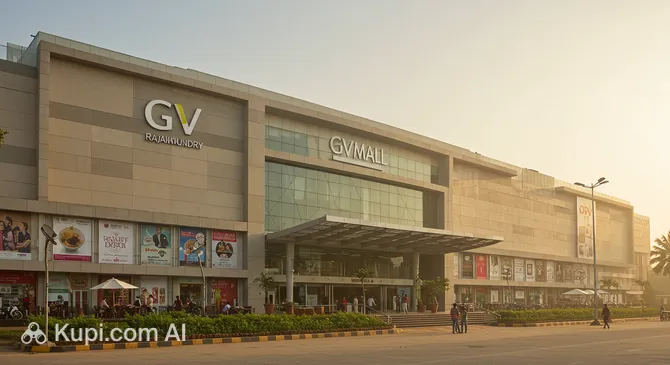
For those looking to experience the modern side of the city's evening life, the shopping complexes serve as the primary social hubs. GV Mall Rajahmundry is a favorite destination where the atmosphere is lively and welcoming. It is an excellent spot to enjoy a late dinner at the food court, do some window shopping, or simply observe the local crowd unwinding. Similarly, the CMR Shopping Mall attracts a steady stream of visitors in the evenings, offering a mix of retail outlets and entertainment options in a comfortable, air-conditioned environment.
GV Mall Rajahmundry. Illustration.
Source: Kupi.com AI
Traveler photos:
If you prefer an open-air setting to enjoy the cool river breeze, Happy Street Park is a wonderful choice for a night walk. This area comes alive in the evenings with families, joggers, and young people enjoying the green space. It is a safe and relaxed environment, perfect for a casual stroll after dinner. While there are no strict dress codes in these public spaces, the local culture is traditional, so smart-casual and modest attire is recommended to blend in comfortably.
Happy Street Park. Illustration.
Source: Kupi.com AI
Traveler photos:
Cinema is a religion in this part of the country, and watching a movie is the ultimate nightlife activity for locals. The city is dotted with single-screen theaters and multiplexes that screen the latest Telugu blockbusters. Joining the cheering crowds for a late evening show is an electrifying experience that tourists often enjoy. For those interested in daytime diversions before the night begins, the city offers several cultural landmarks and museums, such as the Sir Arthur Cotton Museum, which provides fascinating insights into the region's engineering history.
When planning your evening, keep in mind that Rajahmundry is an early-to-bed city compared to major capitals. Most shops and restaurants begin to close around 10:00 PM to 10:30 PM. Auto-rickshaws are the most common mode of transport at night; however, they can be scarcer after 11:00 PM. It is advisable to arrange your return transport in advance or stick to the main roads where autos are more frequent. The city is generally safe for tourists, but it is best to avoid dimly lit alleys and stick to popular, well-lit areas like the main markets and mall precincts.
Parks & Museums
While Rajahmundry is famous for its bustling ghats and spiritual energy, the city also offers serene green spaces and fascinating museums that safeguard its rich heritage. Beyond the immediate riverbanks, visitors can find pockets of tranquility and institutions dedicated to the history and culture of the Godavari region. Exploring these sites provides a deeper understanding of the city's evolution from a historical capital to a modern hub.
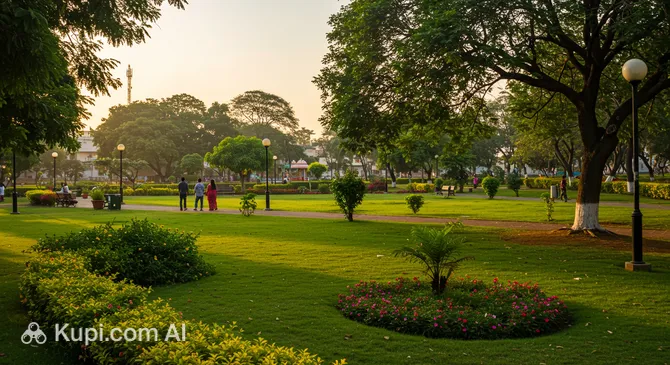
For those seeking a peaceful retreat by the water, Padmavathi Ghat is an excellent choice. Unlike the more crowded bathing ghats, this spot is often appreciated for its calmer atmosphere and scenic views of the river. It serves as a beautiful natural area where tourists can sit and watch the gentle flow of the Godavari, making it perfect for a quiet evening walk or a moment of reflection away from the city noise.
Padmavathi Ghat. Illustration.
Source: Kupi.com AI
Traveler photos:
Another significant natural highlight, though technically just outside the city limits, is the vast network of plant nurseries in Kadiyam. Often referred to as the nursery capital of the region, this area is a paradise for nature lovers. Miles of greenery featuring exotic flowers, ornamental plants, and towering trees create a lush landscape that feels like one expansive botanical garden. A drive through this green belt offers a refreshing break from the urban environment.
History enthusiasts should not miss the Sir Arthur Cotton Museum, located near the Dowleswaram Barrage. This museum is a tribute to the British engineer Sir Arthur Cotton, who is revered locally for transforming the Godavari delta into a fertile agricultural hub. The museum houses interesting exhibits related to the construction of the barrage, civil engineering tools from the 19th century, and photographs that narrate the story of the region's water management history.
To delve further into the cultural past, the Rallabandi Subbarao Government Museum is a treasure trove of artifacts. Situated on the banks of the Godavari, this museum features an impressive collection of pottery, sculptures, and coins. Its most prized possessions are the ancient palm-leaf manuscripts, which offer a glimpse into the literary and administrative traditions of old Andhra. It is a must-visit for anyone interested in archaeology and the deep-rooted history of the Telugu people.
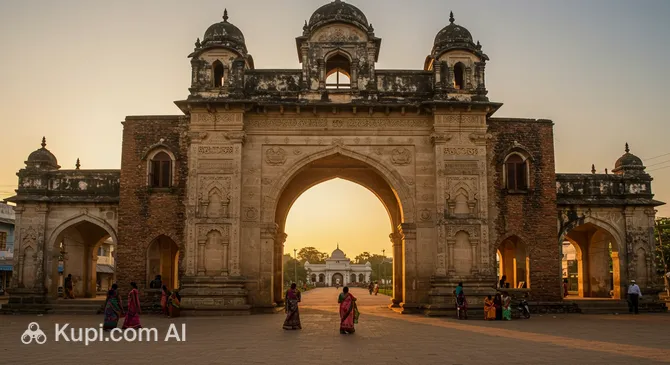
In terms of historical landmarks, the city preserves remnants of its diverse past. One such site is the Church Gate, a structure that stands as a silent witness to the colonial era. While it may appear modest, it is a significant architectural footprint that adds to the historical narrative of the town, offering a quick but interesting stop for heritage walkers exploring the older parts of the city.
Church Gate. Illustration.
Source: Kupi.com AI
Traveler photos:
For a truly authentic experience, consider taking a boat ride towards the Papikondalu hills if you have a full day to spare. While it requires a journey out of the city, the boat trip through the narrowing river gorge offers some of the most spectacular natural scenery in Southern India, far surpassing any city park in scale and beauty.
Getting Around
Navigating Rajahmundry is a straightforward experience, though it differs significantly from larger metropolises. The city does not have a metro, tram, or trolleybus system. Instead, the public transport network relies heavily on a combination of state-run buses and the ubiquitous auto-rickshaws, which serve as the lifeline for daily commuting. The local terrain is flat and the city center is relatively compact, making these road-based options efficient for getting around.
The backbone of mass transit is the bus service operated by the Andhra Pradesh State Road Transport Corporation (APSRTC). These buses connect major hubs such as the RTC Bus Complex, the railway station, and various residential neighborhoods. While they are the most economical way to travel, they can get crowded during peak hours. Tourists should look for the city bus numbers written in English and Telugu on the front; however, destination boards are often in the local language, so it is always helpful to ask the conductor or a fellow passenger for assistance before boarding.
For a more flexible and faster mode of transport, auto-rickshaws are the preferred choice for both locals and visitors. You will see them everywhere, painted in yellow and black. They operate in two modes: "shared autos," which run on fixed routes for a very low fixed fare, and "private autos," which you can hire for a specific destination. Since meters are rarely used, it is standard practice to negotiate and agree on the fare before starting your journey to avoid misunderstandings later.
Regarding payments, cash is the undisputed king of transactions in Rajahmundry's public transport system. City buses have conductors on board who issue paper tickets; you simply pay them after boarding. Travel passes exist but are generally designed for long-term local residents rather than short-term tourists. For auto-rickshaws, drivers almost exclusively expect cash payments. It is highly advisable to carry small denominations (₹10, ₹20, ₹50 notes), as drivers often do not have change for large bills.
Modern alternatives like ride-hailing apps are available but with some limitations. Services like Ola and Uber operate in the city, allowing you to book auto-rickshaws or cabs with transparent pricing and digital payment options. However, availability can be inconsistent, especially early in the morning or late at night. Traditional car rentals are also an option, though in India, this typically means hiring a car with a driver for a half-day or full-day package, which is a stress-free way to sightsee without navigating traffic yourself.
A unique feature of transport in Rajahmundry is the river transit across the Godavari. While primarily used for tourism or by locals living on the islets (lankas), boats and ferries offer a scenic alternative to road bridges. Small boats often operate from the ghats, providing a distinct travel experience that allows you to enjoy the cool river breeze. If you choose this mode, ensure the boat is licensed and life jackets are provided.
Practical advice for tourists includes planning your travel times carefully. Public buses generally operate from 5:00 AM to around 9:30 PM. After these hours, frequency drops largely, and you will have to rely on private taxis or auto-rickshaws, which may charge a premium at night. Always keep a digital map handy on your phone to track your route, as this helps in communicating directions to drivers who may have limited English proficiency.
Accommodation
Finding a place to stay in Rajahmundry is generally a straightforward experience, catering largely to pilgrims, business travelers, and families visiting for cultural reasons. The accommodation landscape is dominated by budget lodges and mid-range hotels, reflecting the city's status as a spiritual and transit hub. While you may not find an abundance of ultra-luxury international chains, there are several comfortable, modern establishments that offer excellent amenities, including air conditioning, in-house dining, and Wi-Fi.
When choosing a location, most tourists prefer staying near the Rajahmundry Railway Station. This area is bustling with activity and offers the highest concentration of hotels, making it incredibly convenient for travelers arriving by train. Staying here ensures easy access to public transport like auto-rickshaws and buses. Alternatively, if you prefer a more scenic and spiritual atmosphere, look for properties near the Godavari River and the main ghats. These locations allow you to witness the morning rituals and enjoy the cool river breeze, though options here may be slightly more traditional and basic compared to the commercial center.
For travelers planning a visit, it is important to note that accommodation can fill up very quickly during major religious festivals, such as the Godavari Pushkaram or Karthika Masam. During these peak times, prices may surge, and availability becomes scarce. Therefore, a helpful booking tip is to reserve your room well in advance if your trip coincides with these auspicious dates. For the rest of the year, booking a few weeks ahead is usually sufficient to secure a good room.
In terms of pricing, Rajahmundry is quite affordable compared to India's metropolitan cities. Budget travelers can find clean, basic rooms for very reasonable rates, while mid-range travelers can enjoy upgraded comfort without breaking the bank. Most established hotels are listed on major online booking platforms, allowing for easy price comparison and secure reservations. However, smaller lodges and guest houses near the temples may still rely on direct phone bookings or walk-ins.
Nearby Cities
For those looking to explore the surroundings, Rajahmundry serves as an excellent base for day trips to several interesting nearby locations:
City
Population
Distance
Dowlaiswaram
44 637
5 km
Kovvur
39 667
8 km
Vemuluru
14 613
8 km
Kadiyam
37 149
10 km
Pasivedala
8 751
11 km
Among these, Dowlaiswaram is practically a twin town to Rajahmundry and a must-visit for engineering enthusiasts. It is home to the magnificent Dowleswaram Barrage, built by Sir Arthur Cotton, which controls the flow of the Godavari River. The area offers panoramic views of the water and is a popular spot for picnics and boating, allowing visitors to appreciate the scale of the region's irrigation system.
Located on the opposite bank of the river, Kovvur is another culturally significant town known for its spiritual atmosphere. Often referred to as "Goshpada Kshetram," it is dotted with ancient temples and bathing ghats. A trip here usually involves crossing one of the iconic bridges, providing a spectacular perspective of the river and the Rajahmundry skyline from the other side.
For nature lovers, Kadiyam offers a refreshing escape into greenery. This town is renowned for its extensive plant nurseries, which are among the largest in the country. Visitors can walk through miles of vibrant flower beds and ornamental plants, making it a colorful and relaxing excursion just a short drive from the city center.
These nearby destinations offer a glimpse into the diverse culture and landscapes of the region.
Shopping & Souvenirs
Shopping in Rajahmundry is a delightful experience that reflects the city's status as a major commercial hub in the Godavari region. The city offers a vibrant mix of traditional bazaars, wholesale cloth markets, and modern retail complexes. It is particularly renowned for its textile industry, gold jewelry trading, and unique local handicrafts. Whether you are looking for high-quality fabrics or a piece of history to take home, the city's diverse shopping landscape caters to all tastes and budgets.
The heartbeat of the city's commercial activity is Mahatma Gandhi Road (MG Road), often simply referred to as the Main Road. This bustling stretch is lined with showrooms selling jewelry, textiles, and electronics. It is the best place to witness the local hustle and bustle. Another key area is Tadithota, which has emerged as a modern commercial center with numerous branded stores and eateries. For those interested in wholesale purchases, the area surrounding the Town Hall is famous for its cloth market, where you can find a vast variety of fabrics at competitive prices.
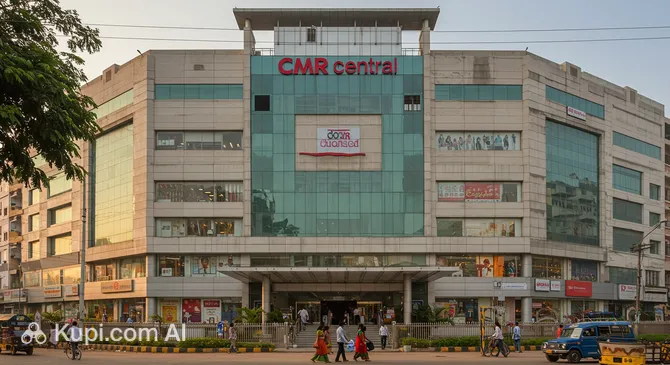
For a more contemporary shopping experience with air-conditioning and entertainment options, the city boasts a few prominent malls. The CMR Shopping Mall is a popular destination for families, offering a wide range of clothing, accessories, and jewelry under one roof. It is a go-to spot for wedding shopping and festive wear. Another notable establishment is GV Mall Rajahmundry, which features a multiplex, a food court, and various national and international retail brands, making it a perfect place to spend a leisurely afternoon.
CMR Shopping Mall. Illustration.
Source: Kupi.com AI
Traveler photos:
While malls offer convenience, the soul of Rajahmundry's shopping lies in its traditional markets. The Rythu Bazar is the city's primary vegetable market, where farmers sell fresh produce directly to consumers. While tourists might not be buying vegetables, a walk through this market offers a colorful and fragrant insight into the region's agricultural richness. For textile enthusiasts, the local handloom cooperatives offer authentic Andhra fabrics, including the famous Kalamkari prints and soft cottons that are perfect for the tropical climate.
When it comes to souvenirs, the most iconic item to buy in Rajahmundry is a Ratnam Pen. The city is home to Ratnam Ball Pen Works, a legendary establishment dating back to 1932. These handmade ebonite pens are so famous that even Mahatma Gandhi used one. They make for a truly unique and historic gift. Additionally, the region is known for its high-quality Khadi and cotton sarees. You can also pick up packs of the local sweet delicacy, Pootharekulu, which is easy to carry and makes for a delicious gift for friends back home.
Most shops in Rajahmundry open around 10:00 AM and close by 9:00 PM or 10:00 PM. It is common for smaller, traditional shops to close for a short afternoon break (siesta) between 2:00 PM and 4:00 PM, although larger malls and branded stores remain open throughout the day. In terms of payment, cash is still the preferred mode of transaction in local markets and smaller stalls. However, credit and debit cards, as well as digital mobile payments, are widely accepted in malls, hotels, and larger showrooms.
Tourists should be aware that tax-free shopping or VAT refund schemes are generally not available for international visitors in standard retail outlets in Rajahmundry. The price you see usually includes all applicable taxes (GST). Bargaining is acceptable and expected in street markets and with auto-rickshaw drivers, but prices in malls and branded showrooms are typically fixed.