Support

Sitamarhi

About

Sitamarhi is a cozy and authentic city nestled in the heart of the state of Bihar in northeastern India. Its unique atmosphere is largely shaped by its proximity to the Nepal border, creating an interesting cultural blend that makes it an attractive destination for travelers looking to explore this region.

Geographically, Sitamarhi stretches across the fertile Gangetic plains, surrounded by picturesque rice fields and mango groves, which give the area a special sense of tranquility and rural charm. With a population of about 106,000, the city serves as an important administrative center for the district of the same name in the historical Mithila region. Here, ancient traditions blend harmoniously with the pace of modern life, and narrow streets, lively markets, and colorful temples create the unique flavor of the true Indian heartland.
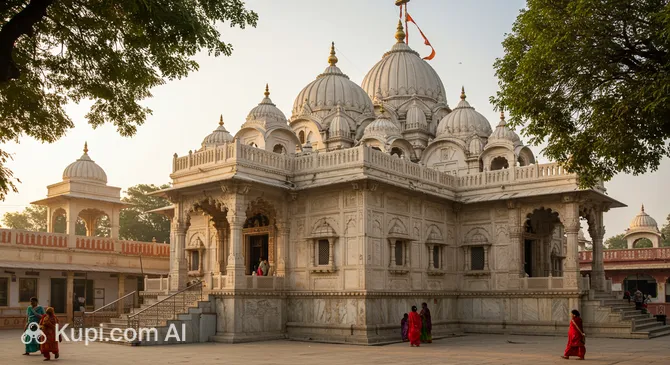
Sitamarhi. Illustration.
Source: Kupi.com AI

The main draw of Sitamarhi is its profound historical and spiritual significance, as the city is considered the birthplace of Sita, one of the central figures of the Hindu epic, the "Ramayana." This makes it a major pilgrimage center. Additionally, the city is famous for its vibrant festivals that reflect the region's rich cultural heritage. The hospitality of the locals and the opportunity to immerse yourself in an authentic atmosphere make a stay here particularly memorable.

A journey to Sitamarhi is a wonderful opportunity to experience the real, non-touristy India, feel its steady pulse, and learn how ancient legends and modern life intertwine in one of the country's most authentic corners. This city will undoubtedly leave you with warm memories and a unique experience.

You can find more interesting facts on the history of Sitamarhi page.

Weather Overview

In Sitamarhi, you will find a typical monsoon climate with distinct seasons. Summer, lasting from March to June, is hot and becomes increasingly humid toward the end of the period, with average temperatures ranging from 25°C to 31°C, while maximums often exceed 35°C, especially in April and May. Winter, from November to February, is mild and comfortable, with average temperatures between 16°C and 22°C, though nights can be cool, particularly in January (around 10°C).

The main rainy season occurs from June to September, when the city receives a significant amount of rainfall; July and August are the wettest months with the highest number of rainy days. While the months from November to April are characterized by minimal rainfall, November is practically dry. Thus, expect a hot summer with heavy monsoon rains and a warm, mostly dry winter. To learn more about weather conditions, we recommend checking out the information on the climate of Sitamarhi.

Average monthly temperature

Average monthly precipitation

Interesting Facts

Beyond its primary shrines, Sitamarhi hides many amazing stories and cultural features that make it a truly unique place. Ready to learn some interesting facts about this ancient city in India?

  • Sitamarhi is revered as the site of the manifestation of the goddess Sita, the central figure of the Hindu epic "Ramayana." According to legend, it was here that King Janaka found her as an infant in a furrow during the ritual plowing of a field. This event turned the city into one of the most important pilgrimage centers, where the Sita Navami festival is celebrated annually with great pomp.

  • The city is home to the famous Janaki Mandir, dedicated to the goddess Sita. This is not just an architectural wonder that catches the eye with its splendor, but also a spiritual center where thousands of pilgrims flock, especially during major religious holidays.

  • Sitamarhi is one of the hearts of the ancient art of Mithila, also known as Madhubani. This unique form of painting, which originated in this region, is famous for its intricate geometric patterns, bright colors, and deep symbolism passed down from generation to generation.

  • The surroundings of Sitamarhi hold traces of deep antiquity. Here, one can discover archaeological sites, including ancient stupas and the remains of old settlements, which attract researchers and history buffs wishing to touch the region's centuries-old past.

How to Get There

There are several ways to reach the city of Sitamarhi, located in the Indian state of Bihar. The most common options for tourists are flights to the nearest airports followed by a land transfer, or traveling by rail. The choice of the best route will depend on your starting point and preferences.

Sitamarhi itself does not have its own airport, but several air hubs are located within a reasonable distance. From there, you can reach the city by taxi or bus. Let's look at the main options.

The closest to Sitamarhi is Janakpur Airport (IATA: JKR), located in the city of Janakpur in Nepal, about 44 km away. This is a small airport, and a car trip from there to Sitamarhi usually takes about 1.5 hours. If you are considering this option, look at Janakpur Airport for route planning.

Another relatively close option is Darbhanga Airport (IATA: DBR), located in the Indian city of the same name, about 60 km from Sitamarhi. This is a medium-sized airport serving domestic flights. The journey from Darbhanga Airport to Sitamarhi will take just under 2 hours by taxi or car.

For those who prefer larger transport hubs with a wider choice of flights, including international ones, Jay Prakash Narayan International Airport (IATA: PAT) should be considered. It is located in Patna, the capital of Bihar state, about 118 km from Sitamarhi. This is a large airport, and the trip from Patna Airport to Sitamarhi can take over 3 hours depending on road conditions.

For convenience, here is a summary of the main airports you can use for your trip to Sitamarhi:

AirportPassenger trafficDistance
Janakpur Airport135 17244 km
Darbhanga523 17360 km
Simara231 29182 km
Jay Prakash Narayan International Airport3.8 mln118 km
Tribhuvan International Airport5.0 mln124 km

Railway connection is another popular and convenient way to get to Sitamarhi. The city has its own railway station, Sitamarhi Junction (station code: SMI), which has good connections with major Indian cities. Trains are an economical and common way to travel around the country. It is recommended to check schedules and purchase tickets in advance, especially if your trip falls during a popular tourist season.

Additionally, Sitamarhi can be reached by bus or car. The city is connected by a network of roads with other towns in Bihar and neighboring regions. Both state and private bus routes, as well as taxi services, are available for travel from nearby cities and transport hubs.

Main Attractions

Sitamarhi, a sacred city in the state of Bihar, attracts pilgrims and tourists with its rich history and deep spiritual atmosphere. Most of the attractions here are inextricably linked to the epic poem "Ramayana" and the goddess Sita, after whom the city is named.

One of the main shrines and the most visited site in Sitamarhi is Janaki Mandir. It is believed that this is where the goddess Sita, the consort of Lord Rama, was born. This magnificent temple is not only an important pilgrimage center, especially during the Ram Navami and Vivah Panchami festivals, but also impresses with its architecture. Visiting this place allows you to touch ancient legends and feel a special, peaceful energy.

Equally significant for believers and those interested in Indian culture is Punaura Dham. Located a few kilometers from the city center, this site is revered as the place where King Janaka discovered the infant Sita in the earth during a ritual plowing of a field. A beautiful Ram-Janaki temple and a sacred pond are located here. Punaura Dham attracts those seeking spiritual purification and a deeper understanding of the Ramayana story.

For those interested in ancient temples and Hindu traditions, Haleshwar Sthan is well worth a visit. This is an ancient temple dedicated to Lord Shiva. According to legend, it was founded by King Janaka himself. The Haleshwar Sthan temple is an important place of worship and offers visitors the chance to immerse themselves in the atmosphere of an ancient shrine and learn about local religious customs.

Local Cuisine

The cuisine of Sitamarhi is a vibrant reflection of the culinary traditions of the Indian state of Bihar and the Mithila region, offering travelers a unique opportunity to dive into a world of authentic flavors. Here, hearty and aromatic dishes await you, prepared according to ancient recipes passed down through generations.

The signature dish of the local culinary scene is undoubtedly Litti Chokha. These are appetizing balls of wheat flour stuffed with a spicy lentil mix (sattu), which are traditionally baked over coals. Litti are served with chokha — a mash of roasted eggplant, potatoes, and tomatoes seasoned with spices. Trying this dish, especially at the bustling street markets of Sitamarhi, means touching the soul of Bihari cuisine.

The daily meals of locals often include Dal (a thick lentil soup) with freshly baked Roti flatbreads or Rice with various vegetable Curries. These dishes, though they seem simple, win you over with their depth of flavor thanks to the use of fresh local products and aromatic spices. Every cook adds their own special touch, so even familiar dishes can surprise you with new nuances.

Sweet lovers will find plenty of temptations in Sitamarhi. Be sure to try Thekua — a traditional crunchy biscuit made from wheat flour, sugar (often unrefined jaggery), and sometimes shredded coconut. Another popular treat is Malpua, delicate sweet pancakes generously soaked in sugar syrup. These desserts perfectly round off any meal or serve as a great accompaniment to tea.

Among drinks, the refreshing Lassi — a traditional yogurt-based Indian drink — is particularly popular. It can be either sweet or salty, sometimes with added fruits or spices. On a hot day, a glass of cool lassi is a real salvation and a boost of energy.

The gastronomic scene in Sitamarhi is largely centered around street food and lively markets, where you can find not only fresh fruit, vegetables, and spices but also ready-made homemade treats. Locals often eat at small snack stalls and markets, and tourists are also encouraged to dive into this atmosphere. During festivals, the city streets are filled with the aromas of fried delicacies and spices, turning into a true gastronomic festival where everyone will find a dish to their liking.

Travel Tips

Welcome to Sitamarhi, a sacred city with a rich history! To make your journey through this amazing place in India as comfortable and memorable as possible, we have prepared some practical tips.

  1. Clothing and Essentials: A hot and humid climate prevails in Sitamarhi for most of the year, so choose light, breathable clothing made of cotton or linen. For cooler evenings and the winter months (approximately December to February), warm clothes will be useful. Be sure to bring comfortable walking shoes, sunscreen, a hat, and a universal power adapter (types D, M, and C are used in India). When visiting numerous temples, such as the sacred Janaki Mandir, dress modestly (shoulders and knees should be covered) and be prepared to remove your shoes before entering.

  2. City Transport: It is most convenient to get around Sitamarhi by auto-rickshaws and cycle-rickshaws – this is not just transport, but an authentic local experience. Don't hesitate to bargain and agree on the fare in advance, as meters are not always present. Public buses also run through the city and outskirts, but they are often overcrowded. Renting a car without a driver can be difficult due to local traffic conditions; for long trips or greater comfort, it is better to consider hiring a car with a driver.

  3. Finance and Currency: The official currency of India is the Indian Rupee (INR). Exchange money only at banks or authorized exchange offices to avoid scams. Credit and debit cards may be accepted in major hotels and some shops, but cash is your primary financial tool, especially at markets, small stalls, and for paying rickshaws. ATMs are available in the city, but it's always better to carry some cash. Tipping culture is common: 5-10% of the bill will be appreciated for good service in restaurants and cafes.

  4. Health and Safety: Pharmacies (chemist shops) are available in Sitamarhi, but not all of them operate 24/7. It is recommended to bring a basic first-aid kit with essential medications. The key rule is to drink only bottled water and wash your hands thoroughly, especially before eating. Be selective with street food; look for places where many locals are eating. Overall, Sitamarhi is considered a relatively peaceful city, but always follow standard precautions: watch your belongings, especially in crowded areas, and avoid walking alone in poorly lit and deserted areas late at night.

  5. Language and Communication: The main languages in Sitamarhi are Hindi and local dialects like Maithili. English may be understood in the tourism sector, hotels, and among educated youth, but do not rely on it being universal. Learn a few basic phrases in Hindi; it will be very helpful: "Namaste" (Hello/Goodbye), "Dhanyavad" (Thank you), "Haan" (Yes), "Nahin" (No), "Kitna?" (How much?). A local SIM card (e.g., Airtel, Jio, Vi) can be purchased with your passport and a copy of your visa. Wi-Fi access is usually available in hotels and some cafes.

  6. Local Etiquette and Traditions: Greet locals with the traditional "Namaste" gesture (palms pressed together at chest level). Show respect for local traditions, customs, and religious feelings. Avoid using your left hand for eating, passing money, or important items, as it is traditionally considered "unclean" in Indian culture. In public places and especially in temples, behave with restraint and modesty. If in doubt about how to act, don't hesitate to ask politely.

  7. What to Avoid: Do not take photos of people, especially women, children, and those praying in temples, without their permission – this can be seen as an invasion of privacy. Do not engage in loud arguments, especially on religious or political topics. Do not point your finger at people or sacred images; if you need to point something out, use an open palm or a nod of the head.

  8. Special Advice for Pilgrims and the Curious: Sitamarhi is primarily an important pilgrimage site closely linked to the epic poem "Ramayana." If your trip coincides with major religious festivals such as Ram Navami (the birth of Rama) or Vivah Panchami (the wedding anniversary of Rama and Sita), you will witness incredibly colorful and crowded celebrations. However, during such periods, the city can be packed, so check the dates in advance and book accommodation early to fully enjoy the unique atmosphere.

We hope these tips help you better prepare for your trip to Sitamarhi and enjoy every moment of your stay. We wish you unforgettable impressions, spiritual discoveries, and warm encounters in this unique corner of India!

Entertainment & Nightlife

Evening in Sitamarhi offers tourists a quiet immersion into local life rather than a bustling series of parties. The city, known for its religious and historical significance, does not turn into a center of noisy entertainment after sunset, but you can still find pleasant ways to end your day.

Nightlife in Sitamarhi in the traditional sense, with an abundance of bars and nightclubs, is minimal. Instead, evening entertainment is centered around local restaurants and eateries where you can enjoy authentic Indian cuisine. Popular spots, often family-oriented, can be found along busy streets such as Station Road or in the Dumra Road area. Many of these, such as the "Royal Darbar" or "Vaishali Family Restaurant" (these names are provided as characteristic examples, as a detailed catalog of establishments with online booking or links is limited in this context), operate until about 10:00 PM – 11:00 PM. The best time to visit such places is between 7:00 PM and 9:00 PM when the atmosphere is most lively. Prices in local establishments are usually moderate, and the setting is conducive to a leisurely dinner. The dress code is generally casual.

If you are looking for large concert venues or nightclubs with loud music, they will be difficult to find in Sitamarhi. The city's evening life is more focused on socializing, family dinners, and quiet walks along the central streets. In the early evening hours, some shopping streets, especially around the markets, can remain busy. Occasionally, the city may host local cultural or religious festivals, which also bring people together in the evenings, offering a unique experience of immersion in local culture.

For evening outings, it is best to stick to central and well-lit areas. You can move around the city at night by auto or cycle rickshaws; it is strongly recommended to agree on the fare in advance, as taximeters are not always used. In terms of safety, as in any other city in India, you should follow standard precautions: avoid poorly lit and deserted places, especially if traveling alone. The availability of ride-hailing through popular mobile apps may be limited, so it is more reliable to use the services of well-known local operators or arrange transport through your hotel.

During the day, Sitamarhi offers other leisure opportunities. The city is of great importance to pilgrims, and its temples, such as the famous Janaki Mandir, attract many visitors. You can also stroll through the colorful local markets to experience the atmosphere of Indian trade or relax in small city parks. There are few specialized museums or large entertainment complexes here, with the main emphasis placed on cultural, historical, and religious heritage.

Parks & Museums

Sitamarhi, a city with a rich spiritual heritage, offers its guests not only places of pilgrimage but also opportunities to learn about the culture and history of the region, as well as spots for quiet relaxation.

Although Sitamarhi is more famous for its temples, you can also find pleasant green zones here, often adjacent to shrines, where you can take a break from the city bustle. One such noteworthy place is Panth Pakar. It is not just a park in the traditional sense, but a historical site featuring an ancient banyan tree under which, according to legend, the goddess Sita rested. This site offers a peaceful atmosphere where visitors can enjoy the silence, touch nature, and feel a connection to ancient legends. Many temple complexes in Sitamarhi are also surrounded by well-kept gardens and courtyards that serve as perfect places for reflection and rest.

There may be few specialized museums in the classic sense in Sitamarhi; however, the city itself and its shrines are living testimonies to a rich history and culture. The main place to immerse yourself in cultural heritage is Janaki Sthan – the temple considered the birthplace of Sita. It is not just a religious site but a crucial cultural and historical monument. Its architecture, reliefs, and atmosphere say much about the traditions and beliefs of the region, allowing for a deeper understanding of Sitamarhi's significance to Hindu culture.

Another significant site attracting both pilgrims and tourists interested in history and mythology is Punaura Dham. This temple complex is also closely linked to the life of Sita and offers the chance to see traditional architecture and learn more about local legends. For those interested in more ancient history, it is worth visiting Deokuli (Dhekuli), home to an old Shiva temple. This location has great historical significance and allows you to touch the region's centuries-old past.

To truly soak in the atmosphere of Sitamarhi, we recommend visiting the local markets, where you can see the daily life of the townspeople and perhaps purchase traditional handmade items. Also, do not miss the chance to observe rituals at the temples in the morning or evening hours – this will provide a unique and authentic cultural experience.

Getting Around

When planning your travel around Sitamarhi, keep in mind that the public transport system is typical for small Indian cities. The primary means of transport are local buses, auto-rickshaws, and cycle-rickshaws.

Buses are the most budget-friendly way to get around, connecting various parts of the city and its outskirts. Routes and schedules may not always be clearly marked, so it is best to check information with locals or at bus stops. Auto-rickshaws (tuk-tuks) are a popular and flexible mode of transport, ideal for short and medium distances. The fare is usually negotiable and should be agreed upon with the driver before starting the journey. Cycle-rickshaws offer a slower but authentic way to travel very short distances, especially in busy or narrow streets.

The payment system for public transport in Sitamarhi is predominantly cash-based. For bus trips, tickets are purchased from the conductor directly on board. For auto-rickshaws and cycle-rickshaws, as mentioned, the price is agreed upon in advance with the driver. Specialized transit cards or mobile apps for payment are generally not available in cities of this size. The cost of a bus ride is minimal, while an auto-rickshaw trip will be more expensive but still affordable.

Tourists are advised to always carry small bills for convenience. Buses can be overcrowded, especially during peak hours. If you choose an auto-rickshaw, don't be afraid to bargain, but do so respectfully. Public transport usually starts operating early in the morning and ends by evening; night services may be limited.

As an alternative to public transport, you can use taxis, although their numbers may be few and they are generally more expensive than auto-rickshaws. You can order a taxi through local services or your hotel. Car-sharing or organized bike rentals are unlikely in Sitamarhi, but you can always arrange a private car rental with a driver for longer trips or sightseeing in the surrounding areas.

Accommodation

When planning a trip to Sitamarhi, you will find various options for a comfortable stay. The city offers a range from economical guesthouses and budget hotels to mid-range establishments capable of satisfying the needs of most travelers. While the choice of luxury apartments or large resort complexes may be limited, cozy and clean accommodation is readily available here.

Most hotels and guesthouses are typically conveniently located in the central part of the city or near key transport routes. This provides easy access to local attractions, markets, and necessary infrastructure. When choosing a place to stay, consider its proximity to the sites you plan to visit in Sitamarhi.

In Sitamarhi, you will find a selection of local hotels and guesthouses offering various levels of comfort and service. Although large international hotel chains may not be represented here, many local establishments offer decent conditions for staying. Before booking, it is always helpful to look at recent traveler reviews on online resources to make an informed choice.

To guarantee the best choice and the most favorable conditions, especially if your trip to Sitamarhi falls during local festivals or at the height of the tourist season, it is highly recommended to book accommodation in advance.

Accommodation prices in Sitamarhi mostly range in the budget and mid-range segments, making the city accessible to a wide range of tourists. You can book a room through well-known international and local online booking platforms or, in some cases, by contacting your chosen hotel or guesthouse directly.

Nearby Cities

For those who want to explore the surroundings, Sitamarhi serves as an excellent starting point for day trips to several interesting nearby locations.

When planning day trips from Sitamarhi, look out for several colorful towns nearby. For instance, Sursand, located just 23 km away, allows you to immerse yourself in the authentic atmosphere of the Indian countryside. A trip to Bairgania (28 km from Sitamarhi) will give you the chance to see daily life and local customs in the region. And Charaut, located about 30 km away, can be an interesting destination for those seeking a quiet introduction to the culture and traditions of Bihar.

CityPopulationDistance
Bathnaha25 4589 km
Riga29 97410 km
Basbiti10 92313 km
Bhataulia8 87016 km
Piprahi11 50918 km

These nearby destinations offer a more complete picture of the diverse culture and landscapes of the Bihar region, complementing the impressions gained from visiting Sitamarhi.

Shopping & Souvenirs

Shopping in Sitamarhi offers tourists the chance to immerse themselves in the atmosphere of traditional Indian trade, dominated by colorful local markets and small family-run shops rather than modern shopping malls. The city, known for its religious significance as the birthplace of goddess Sita, offers themed items as well as products from local artisans.

Main shopping areas in Sitamarhi are usually concentrated along the main streets and near central squares. Here you can find numerous stalls offering a variety of goods: from clothing and fabrics to household items and religious paraphernalia. A stroll through these busy areas will allow you to feel the local flavor and perhaps find something unique.

You are unlikely to find large modern shopping centers in Sitamarhi. Shopping here is more traditional, focused on street commerce and small specialized shops. This gives the buying process a special charm and allows for a closer look at the daily life of the city.

Be sure to visit the local markets of Sitamarhi – they are the heart of the city's trade. Here you will find fresh fruits, vegetables, aromatic spices, as well as textiles, affordable clothing, shoes, and household items. Markets are also a great place to observe city life and practice bargaining skills, which are an integral part of Indian shopping culture.

For souvenirs from Sitamarhi, consider items that reflect its cultural and religious heritage. These could be small figurines of Hindu deities, especially Sita and Rama, images of sacred sites, traditional Indian fabrics, perhaps with local embroidery. Handmade crafts, jewelry, and local sweets are also popular. Don't forget to check out the shops selling items for puja (religious rituals).

Most shops and markets in Sitamarhi are usually open from the morning, around 10:00 AM, and work until evening, approximately 8:00 PM or 9:00 PM. Some small stalls may close for a short lunch break. Regarding payment, cash is the most common and preferred method. Some larger stores may accept bank cards or local mobile payment systems (UPI), but it is always better to have enough cash on hand, especially when shopping at markets and in small shops.

Tax Free refunds for tourists in Sitamarhi shops are generally not provided. This system is more common in major international airports and specialized stores in large tourist centers in India.

Reached the end of the page?

That means the route is fully explored