Support

Tarakeswar

About

Tarakeswar is a cozy and charming town located in the state of West Bengal, India, approximately 50 kilometers northwest of Kolkata. It is nestled among picturesque green rice fields and palm groves, which lend it a particularly peaceful atmosphere. The town is famous for its deep spirituality and is an important pilgrimage center.
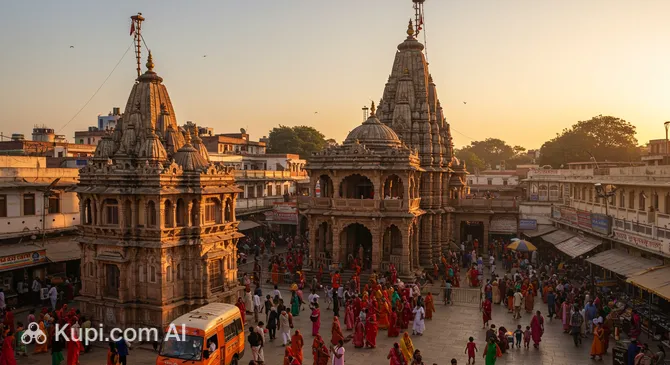
Tarakeswar. Illustration.
Source: Kupi.com AI

With a population of about 31,000, Tarakeswar retains the charm of a small settlement where every corner is steeped in history and ancient traditions. Despite its size, it serves as the administrative center of the municipality of the same name and a significant regional transport hub, largely due to its railway station connecting it to the state's major cities.

The crown jewel of Tarakeswar and a magnet for thousands of pilgrims from across the country is the ancient Taraknath Temple, dedicated to Lord Shiva. The town literally comes alive and breathes religious fervor, especially during festivals when its streets are filled with music, the aroma of spices, and joyful laughter. Here, you can immerse yourself in the authentic Indian heartland, get acquainted with unique local customs, and enjoy a slow, meditative pace of life.

If you are looking for a place where Indian culture reveals itself in all its beauty and the hospitality of the locals makes you forget the hustle and bustle, Tarakeswar is certainly worth including in your itinerary. From ancient shrines and bustling markets to delicious street food and peaceful walks in the surroundings, this town will give you unforgettable impressions.

You can find more interesting facts on the history of the town of Tarakeswar page.
Weather Overview

The weather in Tarakeswar is characterized by distinct seasonality. Temperatures vary throughout the year: the average temperature in January is 18.4°C, and in June it is 30.9°C. The hottest months are April, May, and June, when maximum temperatures regularly rise above 34°C (April up to 36.2°C, May up to 34.8°C, June up to 34.4°C). The highest number of rainy days occurs from May to October, with July and August being the wettest, with up to 29-30 rainy days per month, although the precipitation itself is usually light (maximum 10 mm in August). Winter months, from December to February, are conversely the driest, with minimal precipitation and more comfortable average temperatures around 18-22°C. In general, expect a hot summer with frequent light rain and a warm, dry winter. For more detailed information on climatic conditions by month, please visit the Tarakeswar Climate page.

Average monthly temperature

Average monthly precipitation

Interesting Facts

Beyond its main shrines, Tarakeswar holds many interesting stories and traditions that make it a truly unique place. Known primarily as a pilgrimage center, the town hides other curious facets of its life.

Amantran Restaurant. Illustration.
Source: Kupi.com AI

Traveler photos:

  • Tarakeswar is widely known in India for the ancient Taraknath Temple, built in the 18th century. There is a belief that this shrine fulfills heartfelt wishes if a special offering is made during prayer. Legend has it that the temple was founded on the spot where a local peasant miraculously discovered a lingam of Lord Shiva.

  • Every year, between July and August, the town becomes a center of attraction for thousands of believers during the Shravani Mela festival. Pilgrims from all corners of the country travel long distances, often on foot for dozens of kilometers, to bathe in the sacred well, whose waters, according to legend, possess healing powers.

  • In Tarakeswar, the unique tradition of organizing vibrant and crowded processions during major holidays is carefully preserved. These marches are always accompanied by energetic dances, folk music, and generous treats for everyone present, while hospitable residents happily share ancient legends and family culinary recipes.

  • Despite its modest size, Tarakeswar has served as the birthplace and source of inspiration for many famous personalities, including poets and musicians. Their work still lives in the town, often heard during local holidays and festivals, enriching the cultural life of this amazing place.

How to Get There

Tarakeswar, an important pilgrimage center in the state of West Bengal, India, attracts many visitors. The town can be reached in several ways; however, the most common option for tourists arriving from afar is a flight to one of the nearest major airports followed by a ground transfer.

The main and most convenient way to reach Tarakeswar by air is to fly into Netaji Subhas Chandra Bose International Airport (CCU), located in Kolkata. This is a very large international airport handling many domestic and international flights. The distance from Kolkata airport to Tarakeswar is approximately 51 km. A trip by taxi or rented car usually takes about 1.5-2 hours, depending on traffic conditions. Bus routes and suburban trains toward Tarakeswar are also available from Kolkata, which can be a more budget-friendly option.

Another option is to fly into Kazi Nazrul Islam Airport (RDP), located in the city of Durgapur. This regional airport is situated further from Tarakeswar, about 114 km away. The journey from there by taxi can take about 3-3.5 hours. Although this airport is significantly smaller in terms of size and the number of flights handled, it may be convenient for travelers arriving from certain regions of India or looking for alternative arrival points.

For clarity, here is a summary of the main airports through which you can reach Tarakeswar:

AirportPassenger trafficDistance
Netaji Subhas Chandra Bose Airport21.2 mln51 km
Kazi Nazrul Islam513 488114 km
Jessore Airport175 596122 km
Rajshahi Airport350 000183 km
Deoghar Airport281 442219 km

In addition to air travel, Tarakeswar can be reached by ground transport. Buses run regularly from Kolkata and other nearby cities. It is also worth considering a trip on the suburban trains that connect Tarakeswar to the region's railway network; Tarakeswar station is part of the Kolkata suburban railway network. For a more comfortable journey, you can use taxi services or rent a car, especially if you are traveling in a group or with a lot of luggage.

Main Attractions

Tarakeswar, located in the state of West Bengal, is one of India's most important pilgrimage centers. While the town may not boast a long list of diverse tourist sites in the conventional sense, its main shrine and special atmosphere attract many believers and curious travelers.

The heart and soul of Tarakeswar is undoubtedly the Taraknath Temple. This ancient and revered temple is dedicated to Lord Shiva in his form as Taraknath. It is considered one of the holiest sites for Shaivites in Bengal. Every day, thousands of pilgrims—many of whom carry water from the Ganges—travel long distances on foot to offer prayers, perform rituals, and receive blessings. The temple's architecture, built in the traditional Bengali style with its characteristic curved roof, and its deep spiritual significance make it a must-visit. It is particularly crowded during major Hindu festivals like Mahashivaratri and on Mondays, which are considered auspicious days for worshipping Shiva.

Beyond the temple itself, the town, whose life is inextricably linked to pilgrimage, is also interesting. Take a stroll through the lively streets surrounding the temple complex. Here you will find many shops selling religious paraphernalia, flowers for offerings, traditional sweets, and local souvenirs. This will allow you to immerse yourself deeper into the atmosphere of the holy place, observe the daily life of its inhabitants, and the rituals of numerous pilgrims. The feeling of devotion and spirituality literally hangs in the air here, creating a unique local flavor.

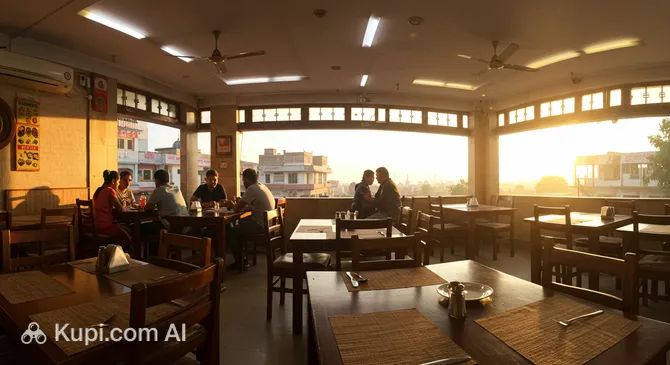
If you want to grab a bite after your spiritual experiences and walks around the town, Tarakeswar has various establishments where you can rest. One such place is Amantran Restaurant. Here you can try local or Indian cuisine in a quiet setting. It is a good place to refuel before continuing your journey or after a busy day spent getting to know the town and its main shrine.

Local Cuisine

The gastronomic scene in Tarakeswar is a true immersion into authentic Bengali cuisine, known for its subtle aromas and variety of flavors. A key dish that is definitely worth a try is "luchi"—delicate, fluffy fried flatbreads traditionally served with an aromatic potato curry called "alur dom". This combination is especially popular during religious holidays when food is prepared according to special recipes, often without onion and garlic, following ancient culinary traditions.

No introduction to Tarakeswar's cuisine is complete without tasting the local sweets. The town is famous for its "rasgullas"—airy cottage cheese balls soaked in sugar syrup, and the exquisite "sandesh" dessert made from fresh cottage cheese with pistachios and saffron. These treats are perfectly complemented by a cup of freshly brewed masala tea—a spicy and warming drink found on literally every corner.

Street food in Tarakeswar is a bright adventure of its own. Strolling through the busy streets and markets, you will encounter many vendors offering freshly prepared snacks. Be sure to try "pani puri"—crispy hollow balls filled with spiced water, potatoes, and chickpeas—as well as various types of "chaat"—savory mixtures of vegetables, spices, and sauces. During numerous religious holidays and fairs, the town fills with the aromas of special dishes prepared only for such occasions and rarely found outside the region.

Amantran Restaurant. Illustration.
Source: Kupi.com AI

Traveler photos:

Locals prefer to eat in small family eateries as well as enjoy street food. Tourists can also discover many restaurants offering both traditional Bengali dishes and more familiar Indian cuisine. One of the places where you can get acquainted with local culinary traditions is Amantran Restaurant. Overall, Tarakeswar's food scene offers a unique experience combining centuries-old traditions with the vibrant flavors of street food and exquisite desserts.

Travel Tips

Welcome to Tarakeswar! This ancient town, famous for its sacred temple, attracts pilgrims and tourists wishing to experience the spiritual atmosphere of India. To make your journey as comfortable and memorable as possible, we have prepared some practical tips.

  1. Clothing and Essentials:

    Tarakeswar has a tropical climate, so for most of the year, you will need light, breathable clothing made of cotton or linen. In the winter months (December-January), evenings and mornings can be cool, so bring a light jacket or sweater. Since the main attraction is the Taraknath Temple, be sure to bring modest clothing: both men and women should cover their shoulders and knees. Comfortable shoes are your best friend, as you will have to walk a lot, especially within the temple complex. Don't forget sunscreen, a hat, insect repellent, and a universal adapter (India uses type D and M sockets).

  2. Local Transport:

    For getting around Tarakeswar and its surroundings, auto-rickshaws (tuk-tuks) and cycle-rickshaws are most common. Always agree on the fare in advance. The town is also connected by rail to Kolkata and other settlements. Public buses also run but can be overcrowded. Renting a car without a driver is usually not recommended due to the specifics of local traffic; if you plan trips out of town, it is better to hire a car with a driver.

  3. Finances: Currency, Cards, and Tipping:

    The local currency is the Indian Rupee (INR). You can exchange currency at banks or authorized exchange offices. While some hotels and large stores may accept credit cards, cash remains the preferred method of payment in markets, small eateries, and for rickshaw services. There are ATMs in the town, but it's better to use those located at bank branches. An approximate daily budget can vary, but for a budget traveler, it's around 1500-2500 rupees. Tipping is welcome: it is customary to leave 5-10% of the bill in restaurants, and it's also common to tip porters and guides.

  4. Health and Safety:

    There are pharmacies in Tarakeswar where you can buy basic medications, but not all of them work around the clock. It is recommended to have a small first-aid kit with necessary medicines. Be sure to take out travel medical insurance before your trip. Drink only bottled or boiled water. The town is generally safe, especially during the day. However, as anywhere, keep an eye on your personal belongings, especially in crowded places like temples and markets. Avoid walking alone in poorly lit areas after dark.

  5. Communication: Language and Internet:

    The main language of communication in Tarakeswar is Bengali. Many also understand Hindi. English is common in the tourism sector but not everywhere. Learn a few simple phrases in Bengali or Hindi, such as "Namaskar" (Hello), "Dhonnobad" (Thank you), "Koto?" (How much?)—this will help establish contact with the locals. A local SIM card (e.g., Airtel, Jio) can be purchased upon presentation of a passport and visa. Wi-Fi is available in most hotels and some cafes, but speeds can be unstable.

  6. Local Etiquette and Traditions:

    Show respect for local customs. Shoes must be removed when entering temples and private homes. Try not to point at people or sacred objects with your foot—this is considered disrespectful. Use your right hand for eating, passing money, and greetings, as the left hand is traditionally considered "unclean." Indians are very hospitable; if you are invited into a home, it is a great sign of respect. When photographing people, especially women and during religious ceremonies, always ask for permission.

  7. What to Avoid:

    Firstly, avoid public displays of strong emotion or affection—this is not common in Indian culture. Secondly, do not criticize local traditions, religion, or food, even if they seem unusual to you. Showing respect and openness will help you better understand and appreciate the local culture.

  8. Special Tip – Pilgrimage Times:

    Tarakeswar is a major pilgrimage center, especially during the Mahashivaratri festival (usually in February-March) and during the holy month of Shravana (July-August). During these periods, the town comes alive in a special way, but it also becomes very crowded, and accommodation prices can rise. If you want to see unique religious rituals, this is the best time to visit, but be prepared for large crowds. If you prefer a quieter visit, choose another time of year.

We hope these tips help you plan an unforgettable trip to Tarakeswar. This town, with its rich spiritual history and hospitable residents, is sure to leave you with warm memories!

Entertainment & Nightlife

Tarakeswar, being an important pilgrimage center in India, offers its guests a somewhat different atmosphere for evening and night leisure compared to major metropolises. You won't find noisy nightclubs or districts with neon bar signs here. Instead, the town settles into tranquility, offering more peaceful ways to spend the evening.

Primary evening activity in Tarakeswar is concentrated around the temple complex and its adjacent streets. After sunset, you can observe the locals, stroll through the lit streets, and soak in the special atmosphere of this holy place. Many small eateries and tea stalls remain open in the evening, offering traditional Indian dishes and drinks. It is an excellent time to sample local cuisine in an authentic setting. For a more substantial dinner, you can visit local restaurants. One such place is Amantran Restaurant, where you can enjoy Indian dishes.

Amantran Restaurant. Illustration.
Source: Kupi.com AI

Traveler photos:

The atmosphere in evening Tarakeswar is quite conservative and calm. The crowd mainly consists of pilgrims and locals. Dress code, especially when visiting the vicinity of the temple, should be modest and respectful. Most establishments close relatively early, so it is worth planning your evening outings in advance. Average prices in local cafes and restaurants are quite moderate.

As for practical advice, you can use the services of auto-rickshaws or cycle-rickshaws for getting around in the evening. It is recommended to agree on the fare in advance. Generally, Tarakeswar is considered a safe enough town, but as anywhere, you should observe basic precautions: avoid poorly lit and deserted places late at night and keep an eye on your belongings.

Daytime entertainment in Tarakeswar is mainly related to its spiritual significance. The main attraction is the Taraknath Temple, dedicated to Lord Shiva, which attracts thousands of pilgrims. Besides visiting the temple, you can stroll through local markets where souvenirs, religious items, and local goods are sold. There are no large museums or amusement parks in the town, but the atmosphere itself and the opportunity to touch ancient traditions make staying here interesting in its own way.

Parks & Museums

Tarakeswar, known primarily as an important pilgrimage center in India, offers its guests a unique immersion into its spiritual atmosphere and local culture. While the town may not possess a large number of traditional parks or major museum complexes, its charm and cultural richness are revealed through other aspects.

Instead of vast city parks, visitors can find peace and green corners within the grounds of the main temple complex. Often, such sacred sites include well-kept gardens, ponds, and meditation spaces where one can rest from the city's bustle. The Taraknath Temple itself, dedicated to Lord Shiva, is not only the primary place of worship but also the town's key historical and architectural landmark. Its traditional Bengali temple architecture, interior decor, and the lively atmosphere created by thousands of pilgrims are of great interest to tourists wishing to learn about Hindu traditions.

In terms of museum exhibitions, Tarakeswar offers more of a "living museum." Culture and history here are not enclosed in display cases but are manifested in daily rituals, festivals, and the very way of life surrounding the temple. Visitors can gain a deeper understanding of local culture by observing ceremonies at the temple or exploring the bustling markets spread nearby. Religious items, local crafts, flowers, and traditional sweets are sold here, which is a colorful cultural experience in itself.

For a more authentic experience, try visiting the temple early in the morning or during the evening service to feel the special energy of the place. A stroll through the narrow streets adjacent to the temple will also allow you to better understand the daily life of the locals and discover less obvious but equally interesting corners of this unique town.

Getting Around

When planning your movement around Tarakeswar, keep in mind that the public transport system reflects the size of a small town and its status as an important pilgrimage center. It is fairly simple to understand and is oriented toward providing mobility for both local residents and numerous visitors.

The main types of transport in Tarakeswar are buses, auto-rickshaws, and cycle-rickshaws. Buses connect different parts of the city and also link it with nearby settlements. This is the most budget-friendly way to travel relatively long distances. Auto-rickshaws (tuk-tuks) are a very popular and maneuverable mode of transport, ideal for short and medium-distance trips. They can operate both on fixed routes (shared auto) and as taxis. Cycle-rickshaws offer a slower but authentic way to move over very short distances, especially in crowded or narrow streets.

The fare payment system in Tarakeswar is predominantly cash-based. On buses, tickets are usually purchased from the conductor or driver directly upon boarding; the cost depends on the route and distance. For a trip by auto-rickshaw or cycle-rickshaw, it is highly recommended to agree on the price with the driver in advance, before the start of the journey, to avoid misunderstandings. In some cases, auto-rickshaws operating on certain routes may have a fixed fare per person.

Tourists should note that public transport usually begins operating early in the morning and finishes by evening or late evening. Transport availability may be limited during the night. Bus tickets are bought on-site; no special travel cards or complex validation systems are typically required for tourists. When using rickshaws, don't hesitate to bargain, especially if the price seems inflated—this is common practice.

As an alternative to public transport, for short distances, you can always consider walking, especially if you want to better feel the town's atmosphere. Traditional taxi services may be less common than the ubiquitous auto-rickshaws, which effectively fulfill their function. Specialized car-sharing services or developed bicycle rental networks are usually not characteristic of a small town like Tarakeswar.

Accommodation

When planning a trip to Tarakeswar, you will find various accommodation options to suit different budgets and preferences. Being an important pilgrimage center, the town offers both modest and more comfortable places to stay.

In Tarakeswar, mainly budget options are available, such as guesthouses and dharamshalas (specialized accommodation for pilgrims, often offering basic amenities at a low price). You can also find small local hotels offering a more standard set of services and comfort. Luxury resorts or large hotel chains are generally not found here; the focus is on functional and accessible housing for temple visitors and tourists.

Most accommodation options are conveniently located in the immediate vicinity of the main temple complex or along the main roads leading to it. This provides easy access to the primary attractions and transport points. By choosing accommodation in these areas, you can easily immerse yourself in the town's atmosphere.

As for specific hotels, the provided data does not contain information about famous hotels or resorts in Tarakeswar. Travelers should look for local offerings found on online booking platforms or directly upon arrival, though the latter can be risky during peak seasons.

Booking Tip: It is highly recommended to book accommodation in advance, especially if your trip coincides with major religious festivals or the peak pilgrimage season. During these periods, demand for housing increases sharply, and finding a suitable option on-site can be difficult.

The price range in Tarakeswar is primarily oriented toward budget and mid-range travelers. You can book accommodation through popular international and Indian online booking services, or in some cases, by contacting the guesthouse or hotel directly. Reading reviews from previous guests will help you make the right choice.

Nearby Cities

For those who want to explore the surrounding area, Tarakeswar serves as an excellent starting point for day trips to several interesting nearby places:

CityPopulationDistance
Champadanga12 5186 km
Srikrishnapur10 34510 km
Rajbalhat16 47913 km
Telua15 14315 km
Arambagh66 17523 km

These nearby destinations provide an insight into the region's diverse culture and landscapes.

Shopping & Souvenirs

Tarakeswar, as an important pilgrimage center in India, offers a rather specific shopping experience, primarily focused on the needs of believers and traditional local goods. You won't find large shopping malls with global brands here, but you can immerse yourself in the atmosphere of authentic Indian commerce.

The main shopping spots in Tarakeswar are concentrated around the temple complex and its adjacent streets. These are typically small stalls and shops offering a wide range of religious goods: images of deities, incense, ritual items, flowers, and garlands for offerings. You can also find simple clothing suitable for visiting temples and everyday items.

There are no large modern shopping centers in Tarakeswar. Shopping here is more traditional, centered on street trade and small family-run stores. If you are looking for branded goods or large malls, you will most likely need to head to the larger cities of West Bengal.

Markets in Tarakeswar play an important role in the daily life of the town. They are usually lively places where you can buy fresh fruits, vegetables, spices, as well as inexpensive clothing, footwear, and household goods. The stalls with local sweets and snacks deserve special attention. The atmosphere in such markets is very colorful, allowing you to feel the true spirit of India.

As souvenirs from Tarakeswar, tourists most often bring home items related to Hindu culture and the local temple. These may include small figurines of deities (especially Shiva), religious texts, prayer beads, and copper vessels for rituals. Traditional Bengali sweets, such as sandesh or mishti doi, which can be bought in local confectioneries, are also popular. Sometimes you can find handmade items by local artisans, such as textiles or simple jewelry.

Shops in Tarakeswar usually open early in the morning, around 9-10 AM, and operate until late in the evening, around 8-9 PM, sometimes with a lunch break in the middle of the day. Trading starts even earlier at the markets. Cash remains the primary method of payment in small shops and markets. Some larger stores may accept bank cards or local digital payment systems (UPI), but it's best to always have enough cash with you. The possibility of Tax Free for tourists on most goods purchased in Tarakeswar is unlikely, as it is not a typical practice for these types of outlets and goods.

Nearby cities

Have you reached the end of the page?

So the route has been studied inside and out